
اہم نکات
- Type 1 diabetes is an autoimmune condition requiring lifelong insulin, while type 2 is a metabolic condition often linked to lifestyle factors and manageable with diet, exercise, and medications.
- The UAE has one of the highest diabetes prevalence rates globally at approximately 20.7% of adults aged 20-79, making screening essential for Dubai residents.
- Type 1 diabetes symptoms appear suddenly over days or weeks, while type 2 symptoms develop gradually over months or years and can go undetected.
- Type 2 diabetes may go into remission with significant lifestyle changes, but type 1 diabetes currently has no cure and always requires insulin therapy.
- Both types of diabetes share the same long-term complications including kidney disease, vision loss, nerve damage, and cardiovascular disease when poorly managed.
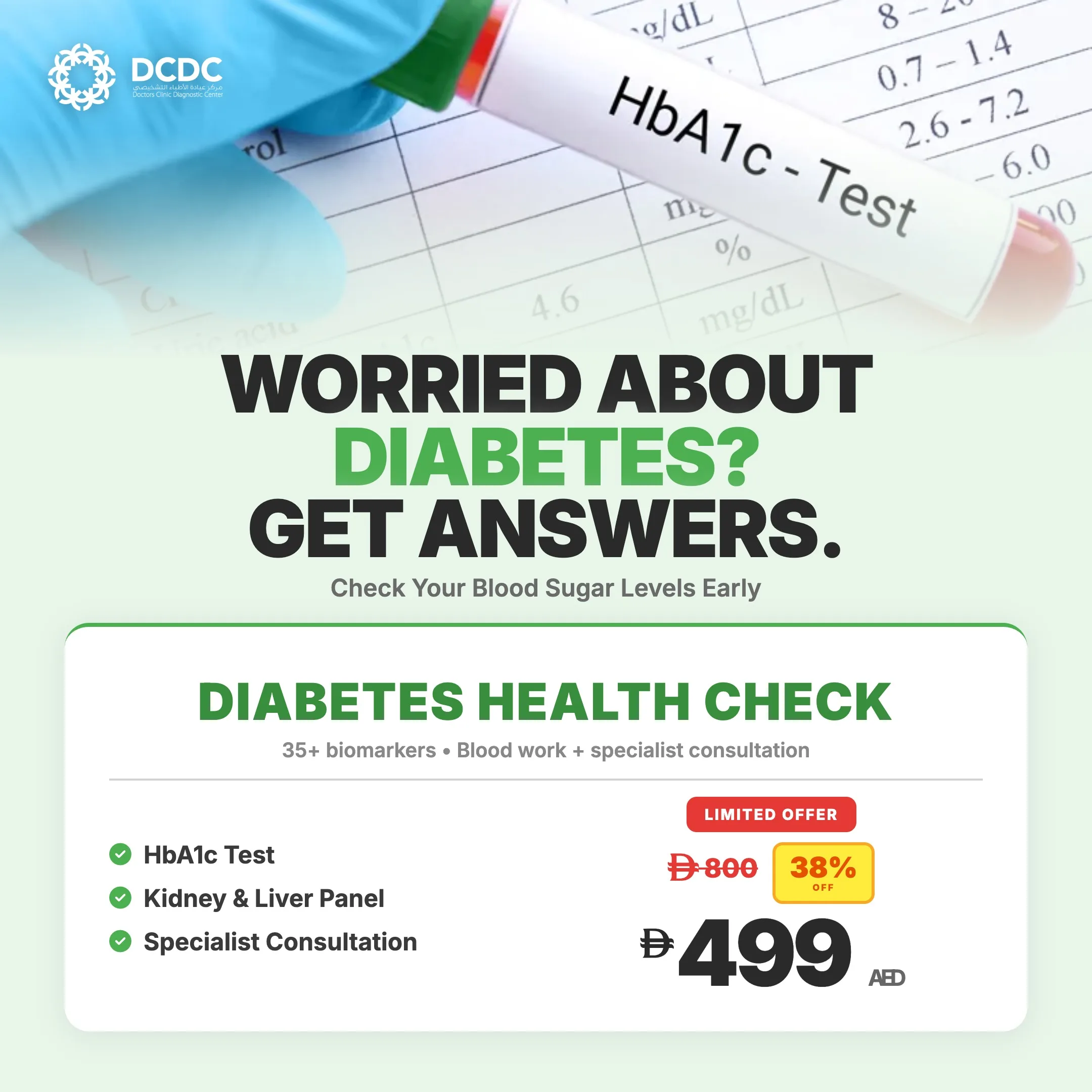
- Diabetes screening at DCDC starts from AED 399 with same-day results, on-site lab, and direct billing with 20+ insurance partners including Daman, AXA, and Bupa.
- Ramadan fasting requires careful planning and medication adjustment for both diabetes types. Consult your doctor 1-2 months before Ramadan begins.
- At DCDC, Dr. Hadeel Elnur coordinates multi-specialty diabetes care with ophthalmologists, cardiologists, podiatrists, and nutritionists all under one roof.
If you or someone in your family has been told you have diabetes, one of the first questions is usually: which type? The distinction between type 1 and type 2 diabetes matters because the cause, treatment, and daily management are fundamentally different. In the UAE, where diabetes prevalence exceeds 20% of the adult population, understanding these differences is not academic; it is practical and personal. DCDC's diabetes clinic in Dubai Healthcare City provides comprehensive screening, diagnosis, and long-term management for both type 1 and type 2 diabetes with same-day appointments and on-site testing.
This guide compares type 1 and type 2 diabetes side by side, covering the underlying causes, symptom differences, diagnostic tests, treatment approaches, and what each type means for daily life in Dubai. Whether you have recently been diagnosed, are managing an existing condition, or are concerned about your risk factors, this article gives you the evidence-based information you need to make informed decisions about your health.
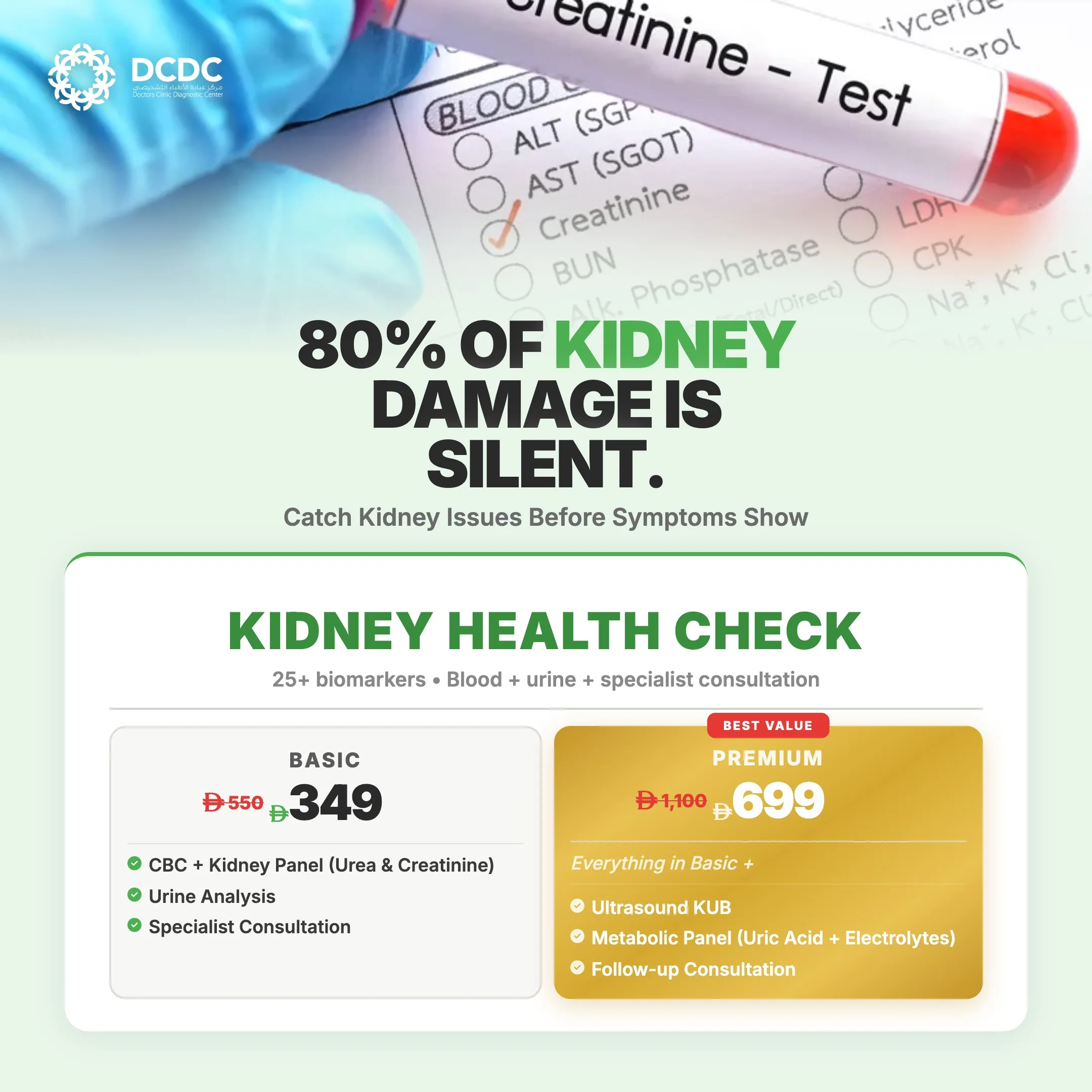
Health Screening Packages
Save with our bundled screening packages — specialist consultation included




Quick Comparison: Type 1 vs Type 2 Diabetes at a Glance
Before diving into the details, here is a side-by-side comparison of the two main types of diabetes. This table summarizes the most important differences, and each point is explained in depth throughout this guide.
| Feature | Type 1 Diabetes | Type 2 Diabetes |
|---|---|---|
| Cause | Autoimmune destruction of insulin-producing beta cells | Insulin resistance combined with declining insulin production |
| Typical Age of Onset | Childhood, teens, or young adults (can occur at any age) | Adults over 40 (increasingly seen in younger adults and teens) |
| Prevalence | 5-10% of all diabetes cases | 90-95% of all diabetes cases |
| Body Weight Link | Usually normal or underweight at diagnosis | Often associated with overweight or obesity |
| Symptom Onset | Rapid (days to weeks) | Gradual (months to years, often unnoticed) |
| Insulin Required | Always, from diagnosis | Not always; may progress to insulin over time |
| Can Be Prevented | No (autoimmune, not lifestyle-related) | Often preventable or delayed with lifestyle changes |
| Remission Possible | No (currently no cure) | Yes, with significant weight loss and lifestyle changes in early stages |
| Autoantibodies Present | Yes (GAD, IA-2, ZnT8 antibodies detectable in blood) | No |
| C-Peptide Levels | Very low or undetectable | Normal or elevated (especially early in disease) |
| Risk of DKA (Diabetic Ketoacidosis) | High if insulin is missed | Low (but possible in severe illness) |
| Family History Pattern | Less common; genetic predisposition + environmental trigger | Strong family pattern; genetics + lifestyle |
Key differences between type 1 and type 2 diabetes. Both types require ongoing management and regular monitoring to prevent complications.
What Causes Type 1 Diabetes?
Type 1 diabetes is an autoimmune condition. The body's immune system, which normally fights infections, mistakenly attacks and destroys the insulin-producing beta cells in the pancreas. Without these cells, the body cannot produce insulin, and glucose accumulates in the blood instead of entering cells for energy.
The exact trigger for this autoimmune response is not fully understood. Research suggests a combination of genetic susceptibility and an environmental trigger, possibly a viral infection, that initiates the immune attack. Type 1 diabetes is not caused by diet, exercise habits, or lifestyle choices. A parent or sibling with type 1 diabetes increases the risk, but most people who develop type 1 diabetes have no family history of the condition.
Type 1 diabetes accounts for approximately 5-10% of all diabetes cases worldwide. In the UAE, while type 2 diabetes dominates, type 1 diabetes is still a significant concern. The IDF Diabetes Atlas 2025 estimates that globally, type 1 diabetes prevalence and incidence are increasing, with the Middle East and North Africa region contributing a notable share. Children and young adults in Dubai diagnosed with type 1 diabetes require lifelong insulin therapy and regular specialist follow-up.
What Causes Type 2 Diabetes?
Type 2 diabetes develops when the body becomes resistant to insulin, meaning cells no longer respond effectively to the hormone, and the pancreas gradually loses its ability to produce enough insulin to compensate. Unlike type 1, this process is strongly influenced by lifestyle factors.
Risk Factors for Type 2 Diabetes
- Overweight or obesity: Excess body fat, particularly around the abdomen, is the single strongest risk factor. Fat tissue causes greater insulin resistance.
- Physical inactivity: Sedentary lifestyles reduce the body's sensitivity to insulin. Dubai's hot climate discourages outdoor activity for much of the year, contributing to lower activity levels.
- Family history: Having a parent or sibling with type 2 diabetes significantly increases risk, indicating a strong genetic component.
- Ethnicity: Arab, South Asian, and African populations are at higher genetic risk. Dubai's diverse population includes many of these higher-risk groups.
- Age: Risk increases after age 45, though type 2 diabetes is increasingly diagnosed in younger adults and even adolescents.
- Gestational diabetes: Women who developed diabetes during pregnancy have a significantly higher lifetime risk of developing type 2 diabetes.
- PCOS (Polycystic Ovary Syndrome): This hormonal condition is associated with insulin resistance and increased diabetes risk.
- Prediabetes: Fasting glucose of 5.6-6.9 mmol/L or HbA1c of 5.7-6.4% signals that blood sugar regulation is already impaired.
- High-calorie diet: Excess refined carbohydrates, sugary drinks, and processed foods are directly linked to insulin resistance and weight gain.
The UAE's diabetes epidemic is driven by a combination of these factors. Rapid urbanization over the past few decades has shifted lifestyles toward high-calorie diets and reduced physical activity, layered on top of genetic predisposition in the Arab and South Asian populations that make up a large proportion of Dubai residents. According to the IDF Diabetes Atlas 2025, the Middle East and North Africa region has the highest age-standardized diabetes prevalence globally at 17.6%, with the UAE at approximately 20.7% of adults. For a comprehensive look at diabetes care in the UAE, see our complete guide to diabetes management in Dubai.
Symptoms: How Type 1 and Type 2 Diabetes Present Differently
While both types of diabetes share some symptoms because both involve elevated blood sugar, the way symptoms appear differs significantly. Recognizing these patterns can lead to earlier diagnosis.
Type 1 Diabetes Symptoms
Type 1 diabetes symptoms typically appear suddenly and escalate rapidly over a period of days to weeks. Because the body's insulin production drops quickly, symptoms tend to be severe and hard to ignore:
- Extreme thirst and frequent urination: The body tries to flush out excess glucose through the kidneys.
- Unexplained weight loss: Without insulin, the body breaks down fat and muscle for energy, causing rapid weight loss despite eating normally or more than usual.
- Severe fatigue: Cells are starved of glucose despite high levels in the blood.
- Blurred vision: Fluid is pulled from the lenses of the eyes due to high blood sugar.
- Fruity-smelling breath: A sign of diabetic ketoacidosis (DKA), a dangerous condition where the body produces high levels of ketones.
- Nausea, vomiting, and abdominal pain: Often present when DKA develops, which can be the first presentation of type 1 diabetes.
Type 2 Diabetes Symptoms
Type 2 diabetes symptoms develop gradually, sometimes over months or years, and can be so mild that people attribute them to ageing or stress. Many people with type 2 diabetes are undiagnosed. The IDF estimates that 1 in 3 adults living with diabetes in the MENA region are undiagnosed.
- Increased thirst and urination: Similar to type 1 but usually milder and more gradual.
- Fatigue: Persistent tiredness that does not improve with rest.
- Slow-healing wounds: Cuts, bruises, and infections take longer to heal.
- Frequent infections: Especially urinary tract infections, skin infections, and yeast infections.
- Numbness or tingling in hands and feet: Early signs of nerve damage (peripheral neuropathy).
- Darkened skin patches (acanthosis nigricans): Velvety dark patches around the neck, armpits, or groin, a sign of insulin resistance.
- Blurred vision: Similar to type 1 but often attributed to ageing.
Diagnosis: How Each Type Is Identified
The initial blood tests to detect diabetes are the same for both types, but additional tests help determine whether it is type 1 or type 2. Correct classification is essential because treatment approaches differ fundamentally.
Common Diagnostic Tests
- Fasting Plasma Glucose (FPG): Blood sugar measured after 8-12 hours of fasting. A result of 7.0 mmol/L (126 mg/dL) or higher on two separate occasions indicates diabetes.
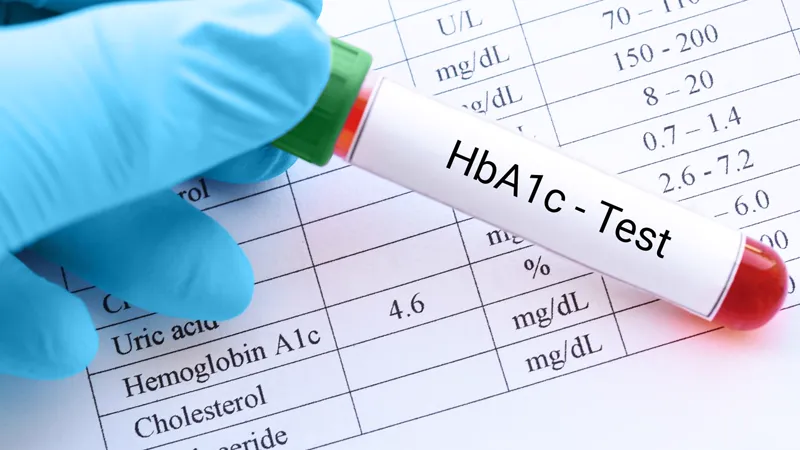
- HbA1c (Glycated Haemoglobin): Reflects average blood sugar over 2-3 months. A level of 6.5% (48 mmol/mol) or higher indicates diabetes. No fasting required.
- Random Plasma Glucose: A non-fasting blood sugar of 11.1 mmol/L (200 mg/dL) or higher with symptoms indicates diabetes.
- Oral Glucose Tolerance Test (OGTT): Measures blood sugar before and 2 hours after drinking a glucose solution. Used particularly for gestational diabetes screening.
For a detailed breakdown of diabetes testing options and costs, read our guide to diabetes test costs in Dubai.
Tests That Distinguish Type 1 from Type 2
Once diabetes is confirmed, specific tests help determine the type. This distinction is critical, particularly in adults where type 1 can be misdiagnosed as type 2. Research published in the BMJ estimates that up to 40% of adults with type 1 diabetes are initially misdiagnosed with type 2.
- Autoantibody testing: Blood tests for GAD antibodies, IA-2 antibodies, and ZnT8 antibodies. Positive results confirm an autoimmune process consistent with type 1 diabetes.
- C-Peptide test: Measures how much insulin the pancreas is producing. Very low or undetectable C-peptide levels suggest type 1 diabetes; normal or high levels suggest type 2.
- Clinical presentation: Age of onset, body weight, speed of symptom onset, and family history all contribute to the clinical picture.
Diabetes Screening Costs at DCDC Dubai
| Test | Purpose | Fasting Required | Results Turnaround | Starting Price |
|---|---|---|---|---|
| HbA1c | 3-month average blood sugar | No | Same day | From AED 149 |
| Fasting Plasma Glucose | Baseline blood sugar level | Yes (8-12 hours) | Same day | From AED 50 |
| Diabetes Screening Package | FPG + HbA1c + lipid panel + kidney function | Yes | Same day | From AED 399 |
| Comprehensive Health Checkup | Full-body screening including diabetes markers | Yes | Same day | From AED 249 |
| Autoantibody Panel (GAD, IA-2) | Differentiate type 1 from type 2 | No | 3-5 working days | From AED 350 |
| C-Peptide Test | Assess insulin production | Yes (recommended) | 1-2 working days | From AED 200 |
DCDC offers on-site sample collection with same-day results for routine diabetes tests. Direct insurance billing available with 20+ partners including Daman, AXA, Bupa, MetLife, and Cigna.
Treatment: How Type 1 and Type 2 Diabetes Are Managed Differently
Treatment for type 1 and type 2 diabetes shares the goal of keeping blood sugar within a safe range, but the approaches differ substantially because the underlying problems are different.
Type 1 Diabetes Treatment
Type 1 diabetes requires insulin from the moment of diagnosis, and this does not change. The pancreas produces little to no insulin, so it must be supplied externally. Treatment focuses on:
- Insulin therapy: Multiple daily injections (MDI) using a long-acting background insulin plus rapid-acting insulin before meals, or an insulin pump that delivers a continuous supply with meal-time boluses.
- Continuous Glucose Monitoring (CGM): Wearable sensors that track blood sugar in real time, reducing the need for finger pricks and providing trend data to help adjust insulin doses.
- Carbohydrate counting: Matching insulin doses to the amount of carbohydrates consumed at each meal. This requires education but allows flexibility in eating.
- Regular HbA1c monitoring: Typically every 3 months to assess overall blood sugar control. The target for most adults with type 1 diabetes is below 7% (53 mmol/mol).
- Complication screening: Annual checks for eyes (retinopathy), kidneys (nephropathy), feet (neuropathy), and cardiovascular risk.
Type 2 Diabetes Treatment
Type 2 diabetes treatment follows a stepwise approach, starting with lifestyle changes and progressing to medications as needed. Many people with type 2 diabetes can manage their condition without insulin for years or even decades.
- Lifestyle modification (first line): Weight loss of 5-10% of body weight, regular physical activity (150 minutes per week), and dietary changes can significantly improve insulin sensitivity and blood sugar.
- Metformin (usually first medication): Improves insulin sensitivity, reduces glucose production in the liver, and is generally well tolerated with a low risk of hypoglycaemia.
- GLP-1 receptor agonists: Medications like semaglutide (Ozempic) and dulaglutide (Trulicity) improve blood sugar, promote weight loss, and have demonstrated cardiovascular and kidney protection.
- SGLT2 inhibitors: Medications like empagliflozin (Jardiance) and dapagliflozin (Forxiga) lower blood sugar by removing excess glucose through urine and provide strong heart and kidney protection.
- Other oral medications: DPP-4 inhibitors, sulfonylureas, and thiazolidinediones may be used in combination therapy.
- Insulin therapy: Added when oral medications and lifestyle changes are no longer sufficient to maintain target HbA1c levels.
Living with Diabetes in Dubai: UAE-Specific Considerations
Managing diabetes in Dubai comes with unique challenges and advantages. Understanding the local context helps you make better decisions about your care.
The Scale of Diabetes in the UAE
The UAE has one of the highest diabetes prevalence rates in the world. According to World Bank data and the IDF Diabetes Atlas 2025, approximately 20.7% of adults aged 20-79 in the UAE live with diabetes. The Middle East and North Africa region overall has the highest age-standardized diabetes prevalence globally at 17.6%, with projections showing this could reach 22.8% by 2050. In Dubai specifically, the combination of a multinational population with high genetic risk (Arab and South Asian communities), a hot climate that limits outdoor physical activity, and widespread access to high-calorie processed foods creates a perfect storm for type 2 diabetes.
Ramadan Fasting and Diabetes
Ramadan fasting presents important considerations for people with both types of diabetes. Extended fasting can affect blood sugar, medication timing, and hydration. Key points for Dubai residents:
- Type 1 diabetes and Ramadan: Fasting carries a higher risk. The IDF-DAR guidelines classify most people with type 1 diabetes as high to very high risk. Fasting decisions should be made individually with your doctor, and CGM monitoring is strongly recommended during Ramadan.
- Type 2 diabetes and Ramadan: Many people with well-controlled type 2 diabetes can fast safely. Medication timing may need adjustment, for example, moving metformin to Iftar and Suhoor, or adjusting sulfonylurea doses to reduce hypoglycaemia risk.
- Consult early: See your doctor 1-2 months before Ramadan to plan medication adjustments, agree on blood sugar monitoring schedules, and establish when to break the fast for medical reasons.
- Hydration and nutrition: During non-fasting hours, focus on hydration, balanced meals with complex carbohydrates, protein, and healthy fats, and avoid the common Ramadan pattern of overeating high-sugar foods at Iftar.
Heat and Exercise
Dubai's summer temperatures above 40°C make outdoor exercise impractical for several months of the year. For people with diabetes who need regular physical activity, alternatives include indoor gyms and fitness classes, swimming pools, mall walking, home exercise routines, and early morning or late evening outdoor activity during cooler months. Dehydration in the heat can also affect blood sugar levels and kidney function, making adequate water intake especially important for people with diabetes in Dubai. For more information about monitoring your kidney health, see our guide to kidney health and prevention tips for Dubai residents.
Concerned About Your Diabetes Risk?
Book a diabetes screening at DCDC Dubai Healthcare City. On-site lab, same-day results, and insurance accepted from 20+ providers.
Diabetes screening from AED 399 | Sat-Thu 8 AM-10:30 PM, Fri 9 AM-10 PM
Complications: What Both Types of Diabetes Can Cause
The long-term complications of type 1 and type 2 diabetes are largely the same because both involve chronically elevated blood sugar damaging blood vessels and nerves throughout the body. The difference is that type 2 diabetes is often present for years before diagnosis, meaning complications may already be developing by the time treatment begins.
- Diabetic retinopathy (eye damage): The leading cause of blindness in working-age adults. Annual dilated eye exams are essential. At DCDC, Dr. Hadeel Elnur coordinates referrals to ophthalmology for retinal screening.
- Diabetic nephropathy (kidney damage): Diabetes is the leading cause of chronic kidney disease globally. Annual urine albumin and blood creatinine testing detects early damage.
- Diabetic neuropathy (nerve damage): Causes numbness, tingling, and pain, usually starting in the feet. Annual foot examinations by a trained clinician are recommended.
- Cardiovascular disease: People with diabetes have 2-4 times the risk of heart attack and stroke. Blood pressure and cholesterol management are critical.
- Peripheral vascular disease: Reduced blood flow to the extremities, increasing the risk of foot ulcers and, in severe cases, amputation.
- Diabetic ketoacidosis (DKA): Primarily a risk in type 1 diabetes when insulin is insufficient. A medical emergency requiring immediate treatment.
The good news is that rigorous blood sugar control, regular screening, blood pressure management, and cholesterol treatment dramatically reduce the risk of all these complications. This is why consistent follow-up with your diabetes care team matters more than any single test result.
Which Type Applies to You? A Decision Guide
If you have been diagnosed with diabetes or suspect you may have it, the following guide can help you understand which type is more likely in your case. This is not a diagnostic tool; only proper testing can confirm the type.
Type 1 Diabetes Is More Likely If
- You are under 30 years old (though type 1 can develop at any age)
- Symptoms appeared suddenly and rapidly (over days to weeks)
- You are at a normal weight or underweight
- You experienced rapid, unexplained weight loss before diagnosis
- You have a personal or family history of other autoimmune conditions (thyroid disease, coeliac disease, vitiligo)
- Your blood sugar was very high at diagnosis (often above 20 mmol/L) with ketones present
- Oral diabetes medications have not been effective in controlling your blood sugar
Type 2 Diabetes Is More Likely If
- You are over 40 years old (though type 2 is increasingly seen in younger people)
- Symptoms developed gradually or were discovered incidentally on routine blood work
- You are overweight or obese, particularly with excess abdominal fat
- You have a strong family history of type 2 diabetes
- You lead a sedentary lifestyle or have a high-calorie, high-sugar diet
- You have other features of metabolic syndrome: high blood pressure, high triglycerides, low HDL cholesterol
- You have a history of gestational diabetes or PCOS
- You have darkened skin patches (acanthosis nigricans) around the neck or armpits
If there is any uncertainty, your doctor should order autoantibody and C-peptide tests. Misdiagnosis between type 1 and type 2 is more common than many people realize, particularly in adults who develop type 1 diabetes later in life (sometimes called LADA, or Latent Autoimmune Diabetes in Adults). For more information about the blood tests used in diabetes diagnosis, read our comprehensive guide to HbA1c testing in Dubai.
What to Expect at DCDC: Your Diabetes Evaluation Journey
If you visit DCDC in Dubai Healthcare City for diabetes screening or management, here is what the process looks like from arrival to ongoing care. DCDC is located in Building 64, Block A, Al Razi Medical Complex, Dubai Healthcare City (DHCC), with free parking and extended hours (Sat-Thu 8 AM-10:30 PM, Fri 9 AM-10 PM).
Step 1: Arrival and Registration
Upon arrival, our reception team will verify your insurance (we accept 20+ providers including Daman, AXA, Bupa, MetLife, and Cigna with direct billing) or provide transparent self-pay pricing. Same-day appointments are available, and you can book in advance via WhatsApp or phone.
Step 2: On-Site Blood Tests
Our on-site laboratory performs sample collection immediately. For a diabetes screening, this typically includes fasting plasma glucose, HbA1c, a lipid panel, and kidney function tests. Most routine results are available the same day, meaning your doctor can review them during your consultation.
Step 3: Consultation with Your Doctor
Dr. Hadeel Elnur or another member of our medical team will review your results, assess your symptoms and risk factors, and establish a diagnosis. If diabetes is confirmed, we classify the type, discuss what this means for you, and create an individualized management plan. Dr. Hadeel Elnur explains: "As your first point of contact, I look at the whole picture, not just the blood sugar number. I assess cardiovascular risk, kidney function, eye health, and foot health, and if specialized care is needed, I coordinate directly with our ophthalmologists, cardiologists, podiatrists, and nutritionists here at DCDC. Having everything under one roof means the patient does not fall through the cracks between specialists."
Step 4: Treatment Initiation
Depending on the type and severity, treatment may include lifestyle counselling and dietary guidance, oral medication prescriptions, insulin initiation and education, CGM device setup and training, or referral for complication screening. For type 1 diabetes, insulin therapy is started immediately along with education on injection technique, blood sugar monitoring, and carbohydrate counting. For type 2 diabetes, we may start with lifestyle modifications, medications, or both.
Step 5: Ongoing Management and Follow-Up
Diabetes is a long-term condition that requires regular follow-up. We typically schedule HbA1c testing every 3 months until targets are met, then every 6 months for stable patients. Annual complication screening (eyes, kidneys, feet, cardiovascular risk) is coordinated through DCDC, taking advantage of our one-stop diagnostic centre with imaging, lab, and specialist services under one roof. DCDC holds a MOHAP license (No. NIMY7VY5-240925) and maintains a 4.8 out of 5 Google rating from over 1,000 verified reviews with 98% patient satisfaction.
Doctor's Clinical Perspective on Diabetes Care in Dubai
Dr. Hadeel Elnur, MD, General Practice at DCDC, brings a holistic approach to diabetes care: "Many patients come to me confused about whether they have type 1 or type 2 diabetes, especially adults who are diagnosed later in life. Proper classification through autoantibody and C-peptide testing is one of the first things I ensure, because the wrong treatment approach can be dangerous. A patient with undiagnosed type 1 diabetes put on oral medications alone will deteriorate rapidly."
She adds: "What I see most in Dubai is type 2 diabetes in relatively young people, often in their 30s, driven by the combination of genetic predisposition and modern lifestyle factors. The good news is that when we catch it early and the patient commits to lifestyle changes alongside medication, the results can be remarkable. I have patients who have brought their HbA1c from 10% down to below 6.5% within a year. That is what motivates me, and it is why I always tell my patients that a diagnosis of type 2 diabetes is not a life sentence."
Prevention: Can You Reduce Your Risk?
Prevention strategies differ fundamentally between the two types because the causes differ.
Type 1 Diabetes Prevention
Currently, there is no proven way to prevent type 1 diabetes. Because it is an autoimmune condition triggered by a combination of genetics and environmental factors that are not fully understood, lifestyle changes do not reduce the risk. Research into immunotherapy and other preventive strategies is ongoing, with the FDA-approved teplizumab (Tzield) shown to delay onset in high-risk individuals by an average of 2-3 years, but this is not yet widely available. For a broader overview of blood testing and what different markers reveal, see our guide to blood tests in Dubai.
Type 2 Diabetes Prevention
Type 2 diabetes is one of the most preventable chronic diseases. The Diabetes Prevention Program (DPP) trial demonstrated that lifestyle intervention reduced the risk of developing type 2 diabetes by 58% compared to placebo (and by 71% in people over 60). Key prevention strategies include:
- Maintain a healthy weight: Losing just 5-7% of body weight (for example, 4-6 kg for someone who weighs 80 kg) significantly reduces diabetes risk.
- Exercise regularly: At least 150 minutes of moderate-intensity physical activity per week (brisk walking, swimming, cycling).
- Eat a balanced diet: Focus on whole grains, vegetables, lean protein, and healthy fats. Limit refined carbohydrates, sugary beverages, and processed foods.
- Get screened regularly: If you have risk factors, annual fasting glucose or HbA1c testing can detect prediabetes early, giving you the opportunity to intervene before diabetes develops.
- Manage stress and sleep: Chronic stress and poor sleep both contribute to insulin resistance. Aim for 7-9 hours of sleep per night.
Book Your Diabetes Screening Today
DCDC's on-site lab offers same-day diabetes test results with direct insurance billing. Located in Dubai Healthcare City with free parking and extended hours.
Health checkup packages from AED 249 | Call or WhatsApp to book
Gestational Diabetes and Other Types
While type 1 and type 2 are the most common forms, other types of diabetes exist and are relevant to Dubai's population.
Gestational Diabetes
Gestational diabetes develops during pregnancy and usually resolves after delivery. However, women who have had gestational diabetes have a 50% higher risk of developing type 2 diabetes within 5-10 years. In the UAE, where diabetes prevalence is already high, screening for gestational diabetes at 24-28 weeks of pregnancy is standard practice. The IDF reports that 1 in 5 live births in the MENA region are affected by hyperglycaemia in pregnancy.
LADA (Latent Autoimmune Diabetes in Adults)
LADA is sometimes called type 1.5 diabetes. It is an autoimmune form of diabetes that develops in adults, typically over 30. Because it progresses more slowly than classic type 1 diabetes, it is frequently misdiagnosed as type 2. Autoantibody testing is the key to correct diagnosis. People with LADA will eventually need insulin, and recognizing this early leads to better outcomes.
MODY (Maturity Onset Diabetes of the Young)
MODY is a rare genetic form of diabetes caused by a single gene mutation. It accounts for 1-5% of diabetes cases and often runs strongly in families. Genetic testing can confirm the diagnosis, which matters because some forms of MODY respond to specific treatments or may not require insulin at all.
DCDC میں متعلقہ خدمات
دبئی ہیلتھ کیئر سٹی میں ماہرانہ دیکھ بھال اور جدید تشخیص
Frequently Asked Questions
Related Resources
Diabetes Management Dubai: Complete Guide (2026)
Diabetes Test Cost Dubai: From AED 149 (2026)
HbA1c Test Dubai: Levels, Cost & Guide (2026)
Kidney Health Dubai: Prevention & Warning Signs (2026)
ذرائع اور حوالہ جات
یہ مضمون ہماری طبی ٹیم نے جائزہ لیا ہے اور درج ذیل ذرائع کا حوالہ دیتا ہے:
- International Diabetes Federation - IDF Diabetes Atlas 2025 (11th Edition)
- World Health Organization - Diabetes Fact Sheet
- Mayo Clinic - Type 1 Diabetes vs Type 2 Diabetes
- Cleveland Clinic - Type 1 vs Type 2 Diabetes: Differences
- NHS UK - Diabetes Overview
- American Diabetes Association - Standards of Care in Diabetes (2025)
- IDF-DAR Practical Guidelines for Diabetes and Ramadan
اس سائٹ پر طبی مواد کا جائزہ DHA لائسنس یافتہ ڈاکٹرز نے لیا ہے۔ ہماری دیکھیں تحریری پالیسی مزید معلومات کے لیے۔

تحریر
Dr. Hadeel Elnur
General Practitioner
MD, General Practice
Dr. Hadeel Elnur is a General Practitioner at Doctors Clinic Diagnostic Center (DCDC) in Dubai Healthcare City. As a first point of contact for patients, she coordinates comprehensive diabetes evaluations including multi-specialty workups with ophthalmologists, cardiologists, podiatrists, and nutritionists, all under one roof.
Related Articles
Diabetes Management Dubai: Complete Guide (2026)
Diabetes Test Cost Dubai: From AED 149 (2026)
HbA1c Test Dubai: Levels, Cost & Guide (2026)

Blood Test Dubai: Types, Cost & Fasting Guide (2026)

Kidney Health Dubai: Prevention & Warning Signs (2026)
More in Internal Medicine

Bloating Causes & Treatment in Dubai (2026)
مزید پڑھیںAnemia Treatment Dubai: Types & Causes (2026)
مزید پڑھیں
Chronic Fatigue Causes Dubai: Why Always Tired (2026)
مزید پڑھیںIBS vs Food Intolerance Dubai: Which Is It? (2026)
مزید پڑھیں
Best Internal Medicine Doctor in Dubai: Dr. Hadi Komshi at DCDC (2026)
مزید پڑھیںDiabetes Specialist in Dubai: Expert Management at DCDC (2026)
مزید پڑھیں© 2026 Doctors Clinic Diagnostic Center (DCDC), Dubai Healthcare City. Originally published at https://doctorsclinicdubai.ae/blog/type-1-vs-type-2-diabetes-dubai. All rights reserved. Unauthorized reproduction is prohibited.