اہم نکات
- IBS (irritable bowel syndrome) is a functional disorder with no visible gut damage, while IBD (inflammatory bowel disease) causes chronic inflammation and structural damage to the digestive tract — the distinction fundamentally changes treatment and long-term outlook.
- The faecal calprotectin stool test is the single most useful non-invasive test for differentiating IBS from IBD: it is normal in IBS but elevated in active IBD, and it is available with same-day results at DCDC in Dubai Healthcare City.
- IBS affects an estimated 10–15% of the global population and is diagnosed using the Rome IV symptom criteria, while IBD (which includes Crohn's disease and ulcerative colitis) requires endoscopy or colonoscopy with biopsy for definitive diagnosis.
- IBD can cause extraintestinal manifestations including joint pain, skin rashes, and eye inflammation — symptoms that IBS does not produce — making a thorough clinical evaluation essential when these features are present.
- Both conditions are manageable with appropriate treatment: IBS responds well to dietary changes (particularly the low FODMAP diet), lifestyle modifications, and targeted medications, while IBD often requires anti-inflammatory drugs, immunosuppressants, or biologic therapies.
- At DCDC, Dr. Hadeel Elnur provides a systematic diagnostic approach that includes clinical assessment, on-site blood tests (CBC, CRP, ESR, coeliac serology), stool analysis, and abdominal ultrasound — with specialist referral for colonoscopy when IBD is suspected.
Abdominal pain, bloating, diarrhoea, and unpredictable bowel habits — these symptoms can point to either irritable bowel syndrome (IBS) or inflammatory bowel disease (IBD), two conditions that share surface-level similarities but differ profoundly in their cause, severity, and treatment. Confusing one for the other is not just an academic issue: an undiagnosed case of IBD that is treated as IBS can lead to progressive gut damage, complications, and years of unnecessary suffering, while an IBS patient who undergoes invasive testing for suspected IBD endures stress, cost, and procedures they do not need. Getting the distinction right early matters, and that is exactly what a structured diagnostic evaluation at Doctors Clinic Diagnostic Center (DCDC) in Dubai Healthcare City is designed to achieve.
This comprehensive comparison guide explains the fundamental differences between IBS and IBD — covering symptoms, causes, diagnostic methods, treatment approaches, and costs in Dubai in 2026. Whether you have been living with undiagnosed digestive problems, have recently received a diagnosis you want to understand better, or simply want to know which condition your symptoms might suggest, this guide gives you the clinical facts you need alongside practical information about getting evaluated at DCDC.
Health Screening Packages
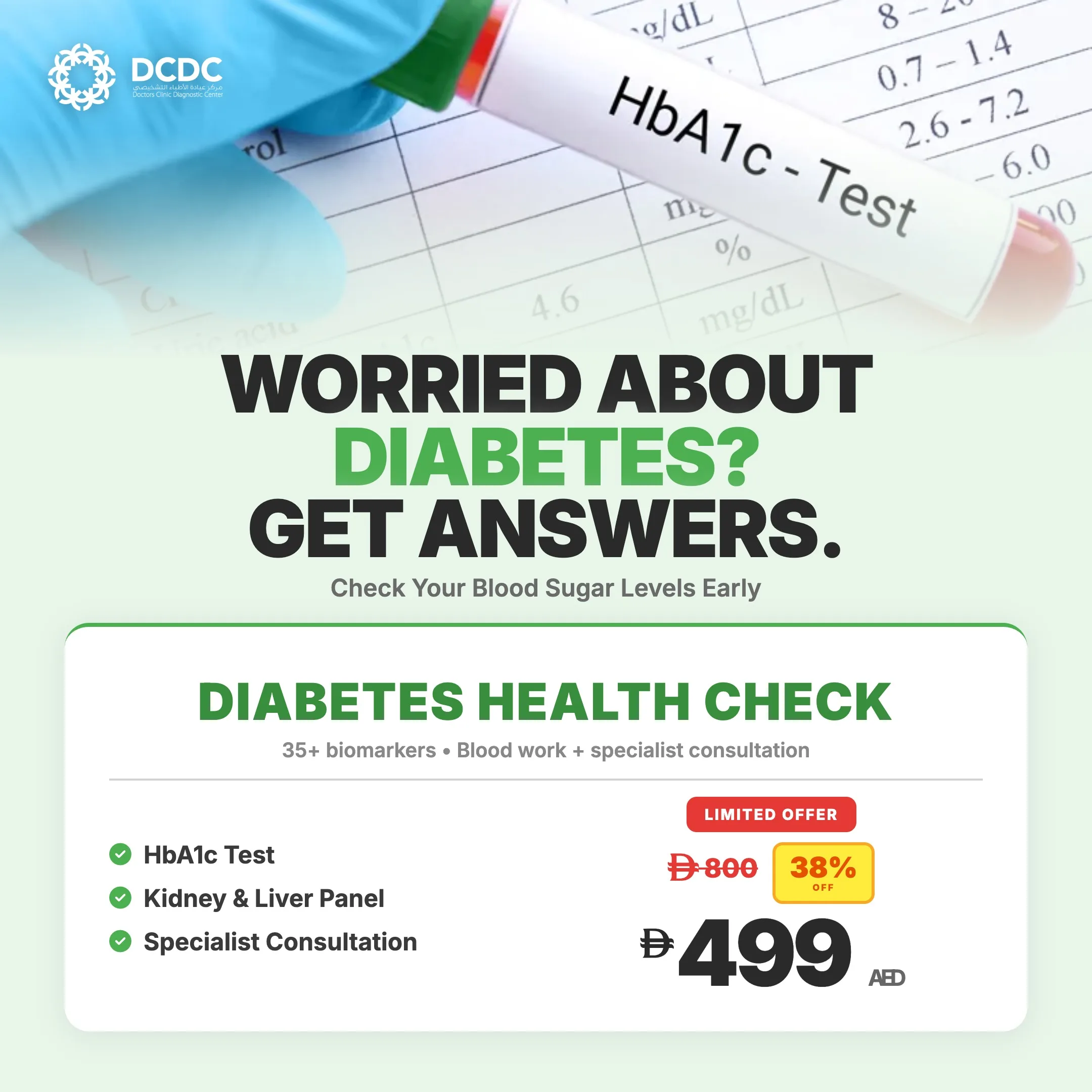
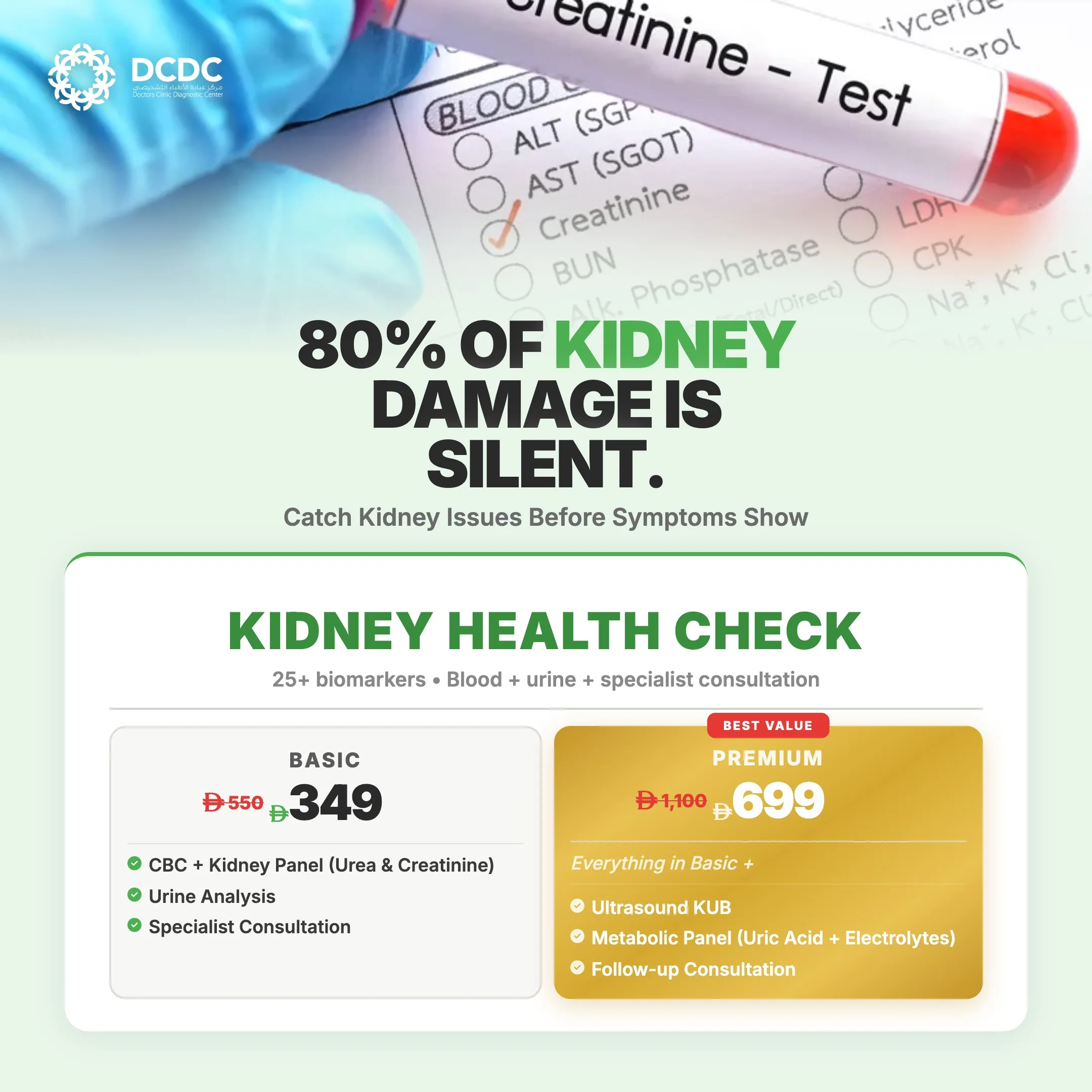
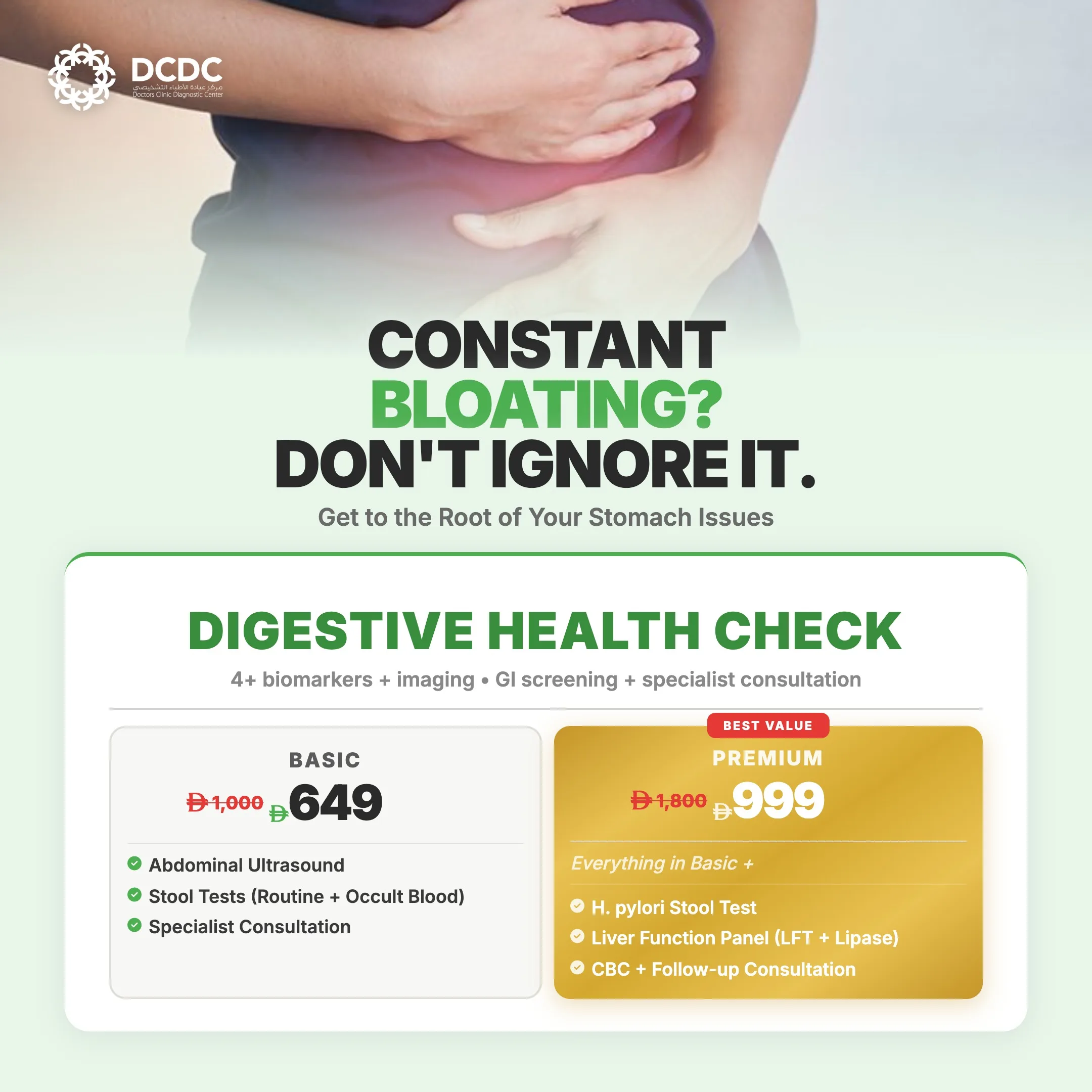
Save with our bundled screening packages — specialist consultation included


IBS vs IBD: Understanding the Key Differences
The single most important distinction between IBS and IBD is this: IBS is a functional disorder, while IBD is a structural, inflammatory disease. In IBS, the gut looks completely normal on imaging and endoscopy — the problem lies in how the gut functions, specifically in disordered communication between the brain and the intestinal nervous system, altered motility, and heightened visceral sensitivity. In IBD, the gut is visibly inflamed, ulcerated, or damaged, and this damage can be seen on colonoscopy and confirmed with biopsy.
This difference has cascading implications for every aspect of clinical care. IBS is uncomfortable, often disabling, and reduces quality of life — but it does not damage the gut, does not increase cancer risk, and does not cause systemic inflammation. IBD, on the other hand, can cause strictures, fistulas, bowel perforation, malnutrition, anaemia, and, in the case of long-standing ulcerative colitis, an increased risk of colorectal cancer. IBD can also produce symptoms far beyond the gut — affecting joints, skin, eyes, and the liver.
IBS vs IBD: Side-by-Side Overview
| Feature | IBS (Irritable Bowel Syndrome) | IBD (Inflammatory Bowel Disease) |
|---|---|---|
| Definition | Functional gastrointestinal disorder | Chronic autoimmune inflammatory disease |
| Cause | Gut-brain axis dysfunction, visceral hypersensitivity | Immune system attacks gut lining; genetic and environmental triggers |
| Inflammation | No visible inflammation | Chronic inflammation visible on endoscopy |
| Structural damage | None — gut appears normal | Ulcers, strictures, fistulas, tissue destruction |
| Types | IBS-C, IBS-D, IBS-M, IBS-U | Crohn's disease, ulcerative colitis |
| Key diagnostic tests | Rome IV criteria (clinical); calprotectin normal | Colonoscopy with biopsy; calprotectin elevated |
| Treatment approach | Diet, lifestyle, antispasmodics, gut-brain therapies | Anti-inflammatories, immunosuppressants, biologics, surgery |
| Severity | Symptoms range from mild to disabling but no organ damage | Can be life-threatening without treatment; risk of complications |
| Cure | No cure, but highly manageable | No cure; treatment aims for remission and prevents damage |
| Cancer risk | No increased risk | Increased colorectal cancer risk in long-standing ulcerative colitis |
What Is Irritable Bowel Syndrome (IBS)?
Irritable bowel syndrome is a chronic functional gastrointestinal disorder characterised by recurrent abdominal pain linked to changes in bowel habits — without any identifiable structural or biochemical abnormality explaining the symptoms. IBS affects an estimated 10–15% of the global population, with prevalence in the Middle East reported as high as 27% in some studies. It is one of the most common reasons patients visit a GP or internist in Dubai.
The underlying mechanisms involve disruption of the gut-brain axis — the bidirectional communication network linking the central nervous system and the enteric nervous system. Patients with IBS typically have heightened visceral sensitivity, meaning normal gut activity (gas movement, stretching, contractions) produces disproportionate pain. Altered gut motility, changes in the gut microbiome, low-grade immune activation, and psychological factors such as stress and anxiety all contribute to the symptom picture. IBS is classified into four subtypes: IBS-C (constipation-predominant), IBS-D (diarrhoea-predominant), IBS-M (mixed), and IBS-U (unclassified). For a detailed guide on IBS management specifically, see our IBS Treatment and Symptoms Dubai guide.
IBS is diagnosed using the Rome IV criteria — the internationally accepted diagnostic standard — which define IBS as recurrent abdominal pain occurring at least one day per week on average over the previous three months, associated with two or more of the following: pain related to defecation, change in stool frequency, or change in stool form. Critically, IBS is a positive diagnosis made on the basis of symptom patterns, not a diagnosis reached only after every other condition has been excluded.
What Is Inflammatory Bowel Disease (IBD)?
Inflammatory bowel disease is a group of chronic inflammatory conditions in which the immune system attacks the lining of the gastrointestinal tract, causing persistent inflammation and progressive tissue damage. IBD encompasses two primary conditions: Crohn's disease and ulcerative colitis. While they share the feature of chronic gut inflammation, they differ in location, pattern, and behaviour.
Crohn's Disease
Crohn's disease can affect any part of the gastrointestinal tract from the mouth to the anus, though it most commonly involves the terminal ileum (the last section of the small intestine) and the colon. Inflammation in Crohn's disease is transmural, meaning it extends through the full thickness of the bowel wall. This can lead to complications including strictures (narrowing), fistulas (abnormal connections between the bowel and other organs or the skin surface), and abscesses. Crohn's disease characteristically produces skip lesions — patches of inflamed bowel separated by areas of normal tissue.
Ulcerative Colitis
Ulcerative colitis is confined to the colon (large intestine) and rectum. Inflammation is continuous, starting at the rectum and extending proximally to a variable extent — some patients have disease limited to the rectum (proctitis), while others have inflammation throughout the entire colon (pancolitis). Unlike Crohn's, the inflammation is superficial, affecting only the mucosal lining rather than the full bowel wall. The hallmark symptom of ulcerative colitis is bloody diarrhoea, often with urgency and tenesmus (a persistent feeling of needing to pass stool).
Both forms of IBD are believed to result from an abnormal immune response in genetically susceptible individuals, triggered by environmental factors. The exact cause remains incompletely understood, but the disease mechanism involves the immune system mistakenly attacking normal gut bacteria and tissue, creating a cycle of chronic inflammation that damages the intestinal wall. IBD typically follows a relapsing-remitting course — periods of active disease (flares) alternating with periods of remission.
IBS vs IBD Symptoms: Side-by-Side Comparison
While IBS and IBD share several gastrointestinal symptoms — which is precisely why they are so often confused — there are important differences in symptom profile, severity, and the presence of systemic features. The following comparison highlights the key distinctions that help clinicians and patients differentiate between the two conditions. If you are experiencing persistent abdominal symptoms, our Abdominal Pain Causes and Diagnosis guide provides a broader overview of what different pain patterns can indicate.
| Symptom | IBS | IBD |
|---|---|---|
| Abdominal pain | Common; usually lower abdomen; relieved by defecation | Common; location depends on disease site; not always relieved by defecation |
| Bloating | Very common; often worsens through the day | Present but less prominent than in IBS |
| Diarrhoea | Intermittent; no blood; linked to meals and stress | Often persistent; frequently bloody; can be severe |
| Constipation | Common in IBS-C subtype | Less common; can occur in limited ulcerative colitis |
| Blood in stool | Not a feature of IBS — requires urgent investigation | Common, especially in ulcerative colitis |
| Unexplained weight loss | Not a feature of IBS | Common in active disease due to malabsorption and inflammation |
| Fever | Not a feature of IBS | Present during flares, especially in Crohn's disease |
| Fatigue | Common but mild-moderate | Often severe; related to anaemia and systemic inflammation |
| Nocturnal symptoms | Rare — symptoms that wake you from sleep suggest another diagnosis | Common during active flares |
| Joint pain, skin rashes, eye inflammation | Not associated with IBS | Extraintestinal manifestations affect up to 40% of IBD patients |
| Mucus in stool | Common | May be present, often mixed with blood |
The presence of red flag symptoms — blood in the stool, unexplained weight loss, fever, nocturnal symptoms, or extraintestinal features — strongly suggests IBD rather than IBS and warrants urgent investigation. However, it is important to note that early or mild IBD can present with symptoms that closely mimic IBS, which is why objective testing (particularly faecal calprotectin) is so valuable in clinical practice.
Decision Tree: Which Condition Might You Have?
While only a doctor can make a definitive diagnosis, the following questions can help guide your thinking before your appointment:
- Do you have blood in your stool? If yes, this is not IBS. Seek medical evaluation promptly — this could indicate IBD, colorectal pathology, or another condition requiring investigation.
- Have you lost weight without trying? Unexplained weight loss is a hallmark of IBD and is not a feature of IBS. This warrants blood tests and further investigation.
- Do your symptoms wake you from sleep? Nocturnal symptoms suggest an organic (structural) cause such as IBD. IBS symptoms typically do not disturb sleep.
- Do you have joint pain, skin problems, or eye inflammation alongside gut symptoms? These extraintestinal features are characteristic of IBD and do not occur in IBS.
- Are your symptoms closely linked to stress, specific foods, and meals? This pattern is more typical of IBS, where the gut-brain axis and dietary triggers play a central role.
- Is bloating your most troublesome symptom? Prominent bloating with no red flag features is more suggestive of IBS than IBD.
- Do you have a family history of Crohn's disease or ulcerative colitis? A positive family history increases your risk of IBD and lowers the threshold for investigation.
How IBS and IBD Are Diagnosed in Dubai
The diagnostic approach differs significantly between IBS and IBD, reflecting their fundamentally different nature. IBS is primarily a clinical diagnosis based on symptom criteria, supported by limited investigations to exclude other conditions. IBD requires objective evidence of inflammation, obtained through laboratory tests, imaging, and endoscopy with tissue biopsy.
Diagnosing IBS
IBS is diagnosed using the Rome IV criteria — a positive, symptom-based framework that identifies IBS on the basis of characteristic symptom patterns rather than by exhausting every other diagnostic possibility. The criteria require recurrent abdominal pain at least one day per week on average over the last three months, associated with two or more of: pain related to defecation, change in stool frequency, or change in stool form. Supporting investigations are performed to exclude conditions that mimic IBS, not to confirm IBS itself.
At DCDC, standard IBS investigations include a full blood count (CBC) to screen for anaemia and infection, C-reactive protein (CRP) and erythrocyte sedimentation rate (ESR) to check for systemic inflammation, thyroid function tests to exclude thyroid-related bowel changes, coeliac serology (anti-tTG IgA) to rule out coeliac disease, and faecal calprotectin — the most important single test for differentiating IBS from IBD. A normal calprotectin result in a patient meeting Rome IV criteria effectively confirms IBS and avoids the need for colonoscopy in most cases.
Diagnosing IBD
IBD diagnosis requires demonstrating inflammation in the gut wall. The diagnostic pathway typically begins with blood tests showing raised inflammatory markers (CRP, ESR) and an elevated faecal calprotectin, followed by colonoscopy (or ileocolonoscopy for suspected Crohn's disease) with biopsies taken from inflamed and normal-appearing tissue. Histological examination of the biopsies confirms the diagnosis and helps distinguish between Crohn's disease and ulcerative colitis. Additional imaging — such as MRI enterography for Crohn's disease — may be needed to assess the extent and severity of disease.
At DCDC, the initial evaluation including blood tests, stool analysis, and abdominal ultrasound can be completed on-site with same-day results for most panels. If IBD is suspected based on these findings, our team coordinates referral to a gastroenterologist for colonoscopy and specialist management. This integrated pathway — starting with a GP consultation and moving seamlessly to specialist care when needed — is one of the advantages of a one-stop diagnostic centre. For patients who also experience upper GI symptoms, our Gastritis Treatment Dubai guide covers how conditions like gastritis and H. pylori infection fit into the differential diagnosis.
The Role of Faecal Calprotectin
Faecal calprotectin deserves special emphasis because it is the single most valuable non-invasive test for distinguishing IBS from IBD. Calprotectin is a protein released by neutrophils (a type of white blood cell) when there is inflammation in the gut. In IBS, where there is no gut inflammation, calprotectin levels are normal (typically below 50 micrograms per gram). In active IBD, calprotectin is elevated — often significantly — reflecting the degree of intestinal inflammation. A normal calprotectin result has a negative predictive value of over 95% for IBD, meaning that if your calprotectin is normal, it is highly unlikely that you have IBD. This single test can spare many patients the discomfort, cost, and anxiety of a colonoscopy.
Concerned About Digestive Symptoms?
Whether your symptoms suggest IBS, IBD, or another condition, a structured diagnostic evaluation provides clarity. At DCDC in Dubai Healthcare City, we offer same-day GP consultations, on-site blood tests and stool analysis, and abdominal ultrasound — all under one roof. Direct billing with 20+ insurance providers.
GP consultation from AED 150 | On-site lab with same-day results | Building 64, Block A, DHCC
Treatment Options: IBS vs IBD in Dubai
Treatment for IBS and IBD diverges as sharply as their underlying pathology. IBS management centres on symptom control through diet, lifestyle, and targeted medications, while IBD treatment aims to suppress the immune-mediated inflammation that drives the disease, prevent complications, and achieve and maintain remission. Understanding the difference in treatment philosophy is critical for patients navigating their care.
IBS Treatment
- Dietary modification: The low FODMAP diet is the most evidence-backed dietary intervention for IBS, with studies showing up to 75% of patients experience significant symptom relief during the elimination phase. Dietary fibre adjustment, regular meal timing, and adequate hydration are also fundamental.
- Antispasmodics: Medications such as hyoscine butylbromide and mebeverine relax gut smooth muscle and reduce cramping. Peppermint oil capsules offer a comparable effect with fewer side effects.
- Medications for bowel habit: Laxatives (osmotic or bulk-forming) and linaclotide for IBS-C; loperamide and rifaximin for IBS-D. Treatment is matched to the predominant subtype.
- Gut-brain therapies: Low-dose tricyclic antidepressants reduce visceral sensitivity and pain. Cognitive-behavioural therapy (CBT) and gut-directed hypnotherapy are recommended by international guidelines when first-line measures are insufficient.
- Lifestyle measures: Stress management, regular exercise, sleep hygiene, and probiotics (specific strains with evidence for IBS) all contribute to symptom control.
IBD Treatment
- 5-ASA (aminosalicylates): Mesalazine is the first-line treatment for mild-to-moderate ulcerative colitis, reducing mucosal inflammation in the colon. It is less effective in Crohn's disease.
- Corticosteroids: Prednisolone and budesonide are used to induce remission during acute IBD flares. They are effective short-term but not suitable for long-term maintenance due to significant side effects.
- Immunosuppressants: Azathioprine, mercaptopurine, and methotrexate are used as maintenance therapy to prevent relapse in moderate-to-severe IBD. They work by suppressing the overactive immune response.
- Biologic therapies: Anti-TNF agents (infliximab, adalimumab), anti-integrin therapies (vedolizumab), and anti-IL-12/23 agents (ustekinumab) target specific components of the inflammatory cascade. These are used for moderate-to-severe IBD that does not respond to conventional treatment.
- Surgery: Up to 25% of ulcerative colitis patients and up to 75% of Crohn's disease patients may require surgery during their lifetime. Options range from bowel resection to total colectomy depending on disease severity and complications.
The key difference: IBS treatment is about managing symptoms and improving quality of life, while IBD treatment is about controlling an active disease process to prevent irreversible damage. Both benefit enormously from early diagnosis and structured, ongoing medical care.
IBS and IBD Diagnosis Cost in Dubai (2026)
The cost of investigating digestive symptoms in Dubai depends on the tests required, which in turn depends on the clinical presentation. A straightforward IBS evaluation typically costs less than an IBD workup because IBS does not require endoscopy in most cases. The table below provides realistic cost ranges for the diagnostic investigations commonly used when differentiating IBS from IBD at DCDC and across Dubai in 2026.
| Investigation | Cost in Dubai (AED) | Relevance |
|---|---|---|
| GP consultation (initial evaluation) | from AED 150 | First point of contact; clinical history, examination, and diagnostic plan |
| Full blood count (CBC) | from AED 60 | Screens for anaemia, infection, and raised white cells |
| CRP and ESR (inflammatory markers) | from AED 80 | Normal in IBS; elevated in active IBD |
| Comprehensive blood panel (CBC, CRP, thyroid, coeliac, vitamins) | from AED 350 | Same-day results at DCDC on-site laboratory |
| Faecal calprotectin (stool test) | AED 200–400 | Key differentiator: normal in IBS, elevated in IBD |
| Stool microscopy and culture | from AED 100 | Rules out infections mimicking IBS or IBD |
| Abdominal ultrasound | from AED 300 | Assesses bowel wall thickening, organomegaly, complications |
| Colonoscopy with biopsy (specialist referral) | AED 4,000–8,000 | Required for definitive IBD diagnosis; not routine for IBS |
| MRI enterography (specialist referral) | AED 3,000–6,000 | Assesses small bowel involvement in suspected Crohn's disease |
DCDC accepts direct billing with over 20 insurance providers including Daman, AXA, Bupa, MetLife, and Cigna. For insured patients, out-of-pocket costs are typically limited to the copayment. Our team verifies your coverage before ordering investigations, and pre-authorisation for specialist referrals and procedures is handled by our administration team. For a comprehensive overview of blood test options and pricing, see our Blood Test Dubai Guide.
What to Expect at DCDC for Digestive Evaluation
At Doctors Clinic Diagnostic Center in Dubai Healthcare City, the digestive evaluation process is designed to be efficient, thorough, and patient-centred. As a one-stop diagnostic centre with imaging, laboratory, and specialist services under one roof, DCDC can complete most of the initial workup during or immediately after your first visit.
- Step 1 — Booking: Call reception or message via WhatsApp. Same-day appointments are frequently available. Average wait time at DCDC is 15 minutes. Extended hours: Saturday to Thursday 8 AM–10 PM, Friday 9 AM–9 PM.
- Step 2 — Arrival and insurance verification: Free parking at Building 64, Block A, Al Razi Medical Complex, DHCC. Our multilingual team verifies your insurance — direct billing with 20+ providers — and completes registration within minutes.
- Step 3 — Consultation with Dr. Hadeel Elnur: A detailed clinical history covers symptom onset, duration, pattern, bowel habits, diet, medications, stress levels, red flag features, family history, and extraintestinal symptoms. Physical examination is performed. A working differential (IBS vs IBD vs other) is established and the investigation plan is discussed.
- Step 4 — On-site investigations: Blood tests (CBC, CRP, ESR, thyroid, coeliac serology, vitamin levels) and stool tests (calprotectin, microscopy, culture) are processed in our on-site laboratory with same-day results for routine panels. Abdominal ultrasound is performed on-site if clinically indicated.
- Step 5 — Results review and diagnosis: Results are reviewed with you either on the same visit or at a brief follow-up. If results point to IBS (normal calprotectin, normal inflammatory markers, Rome IV criteria met), a personalised IBS management plan is initiated. If results suggest IBD (elevated calprotectin, raised CRP, red flag features), referral to a gastroenterologist for colonoscopy is coordinated.
- Step 6 — Ongoing management: For IBS patients, follow-up at 4–8 weeks reviews treatment response and adjusts the management plan. For patients referred for IBD investigation, DCDC remains involved in coordinating care and managing comorbid conditions.
DCDC is MOHAP-licensed and holds a 4.8/5 Google rating from over 1,000 verified patient reviews, with a 98% patient satisfaction rate. Dr. Hadeel Elnur serves as the first point of contact for digestive complaints and coordinates multi-specialty workups when needed — ensuring that whether your symptoms turn out to be IBS, IBD, or something else entirely, you receive the right investigation and the right care from the start.
Living with IBS or IBD in Dubai
Both IBS and IBD are chronic conditions that require ongoing management rather than one-off treatment. However, the day-to-day reality of living with each condition in Dubai differs considerably.
Living with IBS in Dubai
IBS management in Dubai is largely about identifying and managing personal triggers in the context of a fast-paced, food-centric city. The high-stress professional environment, irregular meal patterns, reliance on restaurant food (often high in FODMAPs such as onion, garlic, and wheat), inadequate fibre intake, and dehydration in the hot climate are all well-established IBS triggers. Successful long-term IBS management involves structured dietary changes, stress management, regular exercise, adequate sleep, and periodic medical review to adjust treatment as needed. Most IBS patients in Dubai achieve good symptom control with the right approach and rarely require specialist care beyond the initial evaluation.
Living with IBD in Dubai
IBD requires more intensive ongoing medical management, including regular specialist follow-up, blood test monitoring, periodic imaging or endoscopy to assess disease activity, and adherence to often complex medication regimens. IBD patients in Dubai benefit from the city's well-developed healthcare infrastructure, including access to biologic therapies and specialist gastroenterology services. However, IBD management also requires careful attention to diet, fatigue management, mental health support, and workplace accommodation during flares. Insurance coverage for biologic therapies can vary, and navigating prior authorisation processes is an important practical consideration.
For both conditions, having a reliable primary care provider who understands your history and can coordinate care across specialists is invaluable. At DCDC, our GP team maintains continuity of care for patients with chronic digestive conditions, handling routine blood monitoring, medication renewals, flare management, and referrals as needed.
Diet and Lifestyle Management for IBS and IBD
Diet plays an important role in both IBS and IBD, though the mechanisms and specifics differ. Understanding these differences prevents patients from following advice intended for the wrong condition. If you suspect that specific foods are triggering your symptoms, our Food Intolerance Test Dubai guide explains how intolerance testing can complement your evaluation and help identify individual dietary triggers.
Diet for IBS
- Low FODMAP diet: The most evidence-supported dietary intervention for IBS, involving a structured elimination, reintroduction, and personalisation phase. Up to 75% of patients see significant improvement.
- Soluble fibre: Psyllium, oats, and root vegetables improve symptoms in both IBS-C and IBS-D. Insoluble fibre (bran) can worsen bloating in some patients.
- Regular meals: Eating at consistent times supports gut motility. Irregular meal patterns — common in Dubai — disrupt the gut clock.
- Hydration: Particularly important in Dubai's climate; 1.5–2 litres of water daily is recommended, especially for IBS-C patients.
- Limit caffeine and alcohol: Both accelerate gut transit and can worsen IBS-D symptoms.
Diet for IBD
- During flares: A low-residue or low-fibre diet reduces mechanical irritation of the inflamed bowel. Soft, well-cooked foods, lean proteins, and easily digestible carbohydrates are recommended.
- During remission: A balanced, varied diet that maintains nutritional status. Many IBD patients can tolerate a wider range of foods during remission than during active disease.
- Nutritional supplementation: Iron, vitamin B12, vitamin D, folate, and calcium deficiencies are common in IBD due to malabsorption and chronic inflammation. Targeted supplementation is often necessary.
- Exclusive enteral nutrition (EEN): A liquid-only diet used to induce remission in Crohn's disease, particularly in children and adolescents. EEN is as effective as corticosteroids for inducing remission in some studies.
- Mediterranean diet: Emerging evidence supports the Mediterranean diet (rich in fruits, vegetables, olive oil, fish, and whole grains) as beneficial for IBD patients in remission, with potential anti-inflammatory effects.
Lifestyle Measures for Both Conditions
- Regular exercise: 30 minutes of moderate activity most days improves gut motility, reduces stress, and supports mental health — beneficial for both IBS and IBD.
- Stress management: Chronic stress worsens both IBS and IBD through the gut-brain axis. Mindfulness, exercise, adequate sleep, and psychological support are evidence-based interventions.
- Sleep hygiene: Poor sleep exacerbates gut symptoms in both conditions. Consistent sleep and wake times, limiting screen exposure before bed, and addressing sleep disturbances are important.
- Smoking cessation: Smoking significantly worsens Crohn's disease and increases the risk of flares and complications. Interestingly, smoking has a complex relationship with ulcerative colitis, but cessation is still recommended for overall health.
When to See a Doctor About Digestive Symptoms in Dubai
Many people in Dubai live with digestive symptoms for months or years without seeking formal evaluation, attributing their problems to stress, diet, or a sensitive stomach. While occasional digestive discomfort is normal, certain patterns and features warrant medical assessment.
See a Doctor If You Experience:
- Persistent abdominal pain lasting more than a few weeks, particularly if it follows a pattern (e.g., worsens after eating, improves after defecation)
- Significant changes in bowel habits — new-onset diarrhoea, constipation, or alternating between the two that persists beyond a transient illness
- Bloating that affects your daily life — interfering with work, social activities, or comfort
- Symptoms that do not respond to over-the-counter remedies after 2–4 weeks of consistent use
Seek Urgent Evaluation If You Have:
- Blood in your stool — visible red blood or dark, tarry stools
- Unexplained weight loss — losing weight without dietary changes or increased activity
- Fever with bowel symptoms
- Symptoms that wake you from sleep
- New bowel symptoms after age 50 without a prior history
- Joint pain, skin rashes, or eye problems alongside digestive symptoms
- Family history of IBD or colorectal cancer
Early evaluation is particularly important because both IBS and IBD respond better to treatment when diagnosed early. For IBS, early diagnosis prevents years of unnecessary dietary restriction and anxiety. For IBD, early treatment reduces the risk of complications and preserves gut function. If you have been experiencing symptoms that you have been attributing to an infection like H. pylori, a formal evaluation can clarify the true cause and ensure you receive appropriate treatment.
Get Clarity on Your Digestive Symptoms Today
Do not wait for symptoms to worsen. At DCDC in Dubai Healthcare City, our GP team provides structured diagnostic evaluations for IBS, IBD, and the full spectrum of digestive conditions. On-site blood tests, stool analysis, and abdominal ultrasound — all with same-day results. Most insurance accepted.
Sat–Thu 8 AM–10 PM, Fri 9 AM–9 PM | Free parking | 15-min average wait | 4.8/5 Google rating
Dr. Hadeel Elnur's Perspective on Digestive Evaluation
"One of the most common scenarios I see at DCDC is a patient who has been told — or has assumed — that they have IBS, without ever having had the basic tests to differentiate IBS from IBD. The two conditions can look remarkably similar in their early stages, and it is not possible to tell them apart on symptoms alone. A simple stool test for faecal calprotectin, combined with basic blood work, can provide the answer in most cases. This is not expensive or invasive testing — it is a straightforward, evidence-based approach that gives both the patient and the doctor the clarity needed to start the right treatment."
"My approach at DCDC is systematic: take a thorough clinical history, identify any red flag features, perform targeted investigations, and then make a clear diagnosis. For IBS patients, I focus on the low FODMAP diet, lifestyle changes, and medication tailored to their subtype. For patients where the tests suggest IBD, I coordinate a timely referral to gastroenterology while managing their acute symptoms and ensuring nothing falls through the cracks. The advantage of DCDC as a one-stop centre is that the blood tests, stool tests, and ultrasound can all happen on the same day as the consultation — there is no bouncing between clinics and waiting weeks for results."
"I would encourage anyone in Dubai who has been living with chronic abdominal pain, bloating, or bowel changes to get a proper evaluation rather than self-managing indefinitely. Whether the answer is IBS, IBD, or something else, knowing what you are dealing with is always better than guessing."
DCDC میں متعلقہ خدمات
دبئی ہیلتھ کیئر سٹی میں ماہرانہ دیکھ بھال اور جدید تشخیص
Frequently Asked Questions
Final Thoughts
IBS and IBD are two of the most commonly confused conditions in gastroenterology, and the confusion is understandable — they share a confusingly similar acronym, produce overlapping symptoms, and affect the same organ system. But beneath these surface similarities, they are fundamentally different diseases that require fundamentally different treatment. IBS is a functional disorder managed with diet, lifestyle, and symptom-targeted therapies. IBD is a chronic inflammatory disease managed with immune-suppressing medications and, in some cases, surgery. Getting the distinction right early prevents years of inappropriate treatment and avoids the risk of untreated IBD causing progressive, irreversible gut damage.
The diagnostic tools to differentiate IBS from IBD are straightforward, accessible, and non-invasive in most cases. A careful clinical history, basic blood tests, and a faecal calprotectin stool test can differentiate the two conditions with high accuracy — often without the need for colonoscopy. At DCDC in Dubai Healthcare City, this entire evaluation can be completed during a single visit, with same-day results from our on-site laboratory, abdominal ultrasound if needed, and a clear plan for next steps.
Whether your symptoms turn out to be IBS, IBD, or another digestive condition entirely, having a definitive answer changes everything. It replaces anxiety with understanding, guesswork with evidence-based management, and the frustration of trial-and-error self-treatment with a personalised plan designed to work. At DCDC, with a 4.8/5 Google rating from over 1,000 verified reviews, MOHAP licensing, direct billing with 20+ insurance providers, and extended hours seven days a week, getting that answer is more accessible than you might expect.
ذرائع اور حوالہ جات
یہ مضمون ہماری طبی ٹیم نے جائزہ لیا ہے اور درج ذیل ذرائع کا حوالہ دیتا ہے:
- Rome IV Diagnostic Criteria for Irritable Bowel Syndrome — Rome Foundation
- Crohn's & Colitis Foundation — What is IBD?
- NICE Clinical Guideline CG61 — Irritable Bowel Syndrome in Adults: Diagnosis and Management
- Irritable Bowel Syndrome — Mayo Clinic Patient Guide
- Inflammatory Bowel Disease: Diagnosis and Management — The BMJ Best Practice
- Faecal Calprotectin Diagnostic Tests for Inflammatory Diseases of the Bowel — NICE Diagnostics Guidance DG11
- Global Prevalence of Irritable Bowel Syndrome — The Lancet Gastroenterology & Hepatology
اس سائٹ پر طبی مواد کا جائزہ DHA لائسنس یافتہ ڈاکٹرز نے لیا ہے۔ ہماری دیکھیں تحریری پالیسی مزید معلومات کے لیے۔

تحریر
Dr. Hadeel Elnur
General Practitioner
MD, General Practice
Dr. Hadeel Elnur is a General Practitioner at Doctors Clinic Diagnostic Center (DCDC) in Dubai Healthcare City.
Related Articles

IBS Treatment Dubai: Symptoms & Relief (2026)
Gastritis Treatment Dubai: Causes & Relief (2026)

Abdominal Pain Dubai: Causes & Diagnosis (2026)
Acid Reflux Dubai: GERD Symptoms & Care (2026)
Blood Test Dubai: Types, Cost & Fasting Guide (2026)
More in Internal Medicine
Bloating Causes & Treatment in Dubai (2026)
مزید پڑھیں
Anemia Treatment Dubai: Types & Causes (2026)
مزید پڑھیں
Chronic Fatigue Causes Dubai: Why Always Tired (2026)
مزید پڑھیںIBS vs Food Intolerance Dubai: Which Is It? (2026)
مزید پڑھیں
Best Internal Medicine Doctor in Dubai: Dr. Hadi Komshi at DCDC (2026)
مزید پڑھیںDiabetes Specialist in Dubai: Expert Management at DCDC (2026)
مزید پڑھیں© 2026 Doctors Clinic Diagnostic Center (DCDC), Dubai Healthcare City. Originally published at https://doctorsclinicdubai.ae/blog/ibs-vs-ibd-differences-dubai. All rights reserved. Unauthorized reproduction is prohibited.