اہم نکات
- ابتدائی حمل اسکین (6-12 ہفتے) تصدیق کرتے ہیں کہ حمل رحم میں ہے، دل کی دھڑکن کا پتہ لگاتے ہیں، اور آپ کی متوقع تاریخ پیدائش مقرر کرتے ہیں
- دل کی دھڑکن عام طور پر 6-7 ہفتے تک نظر آتی ہے، لیکن اگر نظر نہ آئے تو 1-2 ہفتے میں فالو اپ اسکین اکثر عام نشوونما دکھاتا ہے
- ٹرانس ویجائنل (اندرونی) الٹراساؤنڈ ابتدائی حمل میں سب سے واضح تصاویر فراہم کرتا ہے اور محفوظ اور عام طور پر اچھی طرح برداشت کیا جاتا ہے
- 11-13 ہفتے میں NT اسکین ڈاؤن سنڈروم جیسی کروموسومل حالتوں کی جانچ کرتا ہے، جو ایک اہم اسکریننگ سنگ میل ہے
- DCDC میں ابتدائی اسکیننگ کی لاگت AED 500-1,000 ہے؛ بہت سے بیمہ منصوبے ریفرل کے ساتھ حمل الٹراساؤنڈ کور کرتے ہیں
- شریک حیات تمام اسکینز میں خوش آمدید ہیں، اور ایک ساتھ دل کی دھڑکن دیکھنا اکثر جوڑوں کے لیے ایک اہم لمحہ ہوتا ہے
وہ مثبت حمل ٹیسٹ صرف شروعات ہے۔ ابتدائی حمل اسکین، عام طور پر آپ کے بڑھتے ہوئے بچے کی پہلی جھلک، ٹیسٹ نے جو دکھایا اس کی تصدیق کرتا ہے اور ایسی معلومات فراہم کرتا ہے جو آپ کی حمل کی دیکھ بھال کی رہنمائی کرتی ہے۔ بہت سی خواتین کے لیے، پہلی بار وہ ٹمٹماتی دل کی دھڑکن دیکھنا وہ لمحہ ہوتا ہے جب حمل واقعی حقیقی محسوس ہوتا ہے۔
ابتدائی حمل غیر یقینی محسوس ہو سکتا ہے۔ آپ کو علامات ہو سکتی ہیں، یا نہیں بھی۔ آپ نے پہلے نقصانات کا تجربہ کیا ہو سکتا ہے، یا یہ آپ کا پہلا حمل ہو سکتا ہے۔ جو بھی آپ کو ہمارے کلینک میں لائے، ابتدائی حمل اسکین جوابات فراہم کرتا ہے: کیا حمل عام طور پر بڑھ رہا ہے؟ کیا یہ صحیح جگہ پر ہے؟ میری متوقع تاریخ پیدائش کب ہے؟ ایک بچہ ہے یا زیادہ؟ یہ رہنمائی دبئی میں ابتدائی حمل اسکین کے بارے میں وہ سب کچھ بتاتی ہے جو آپ کو جاننا چاہیے: کب کروانا ہے، کیا توقع رکھنی ہے، اور نتائج کا کیا مطلب ہے۔
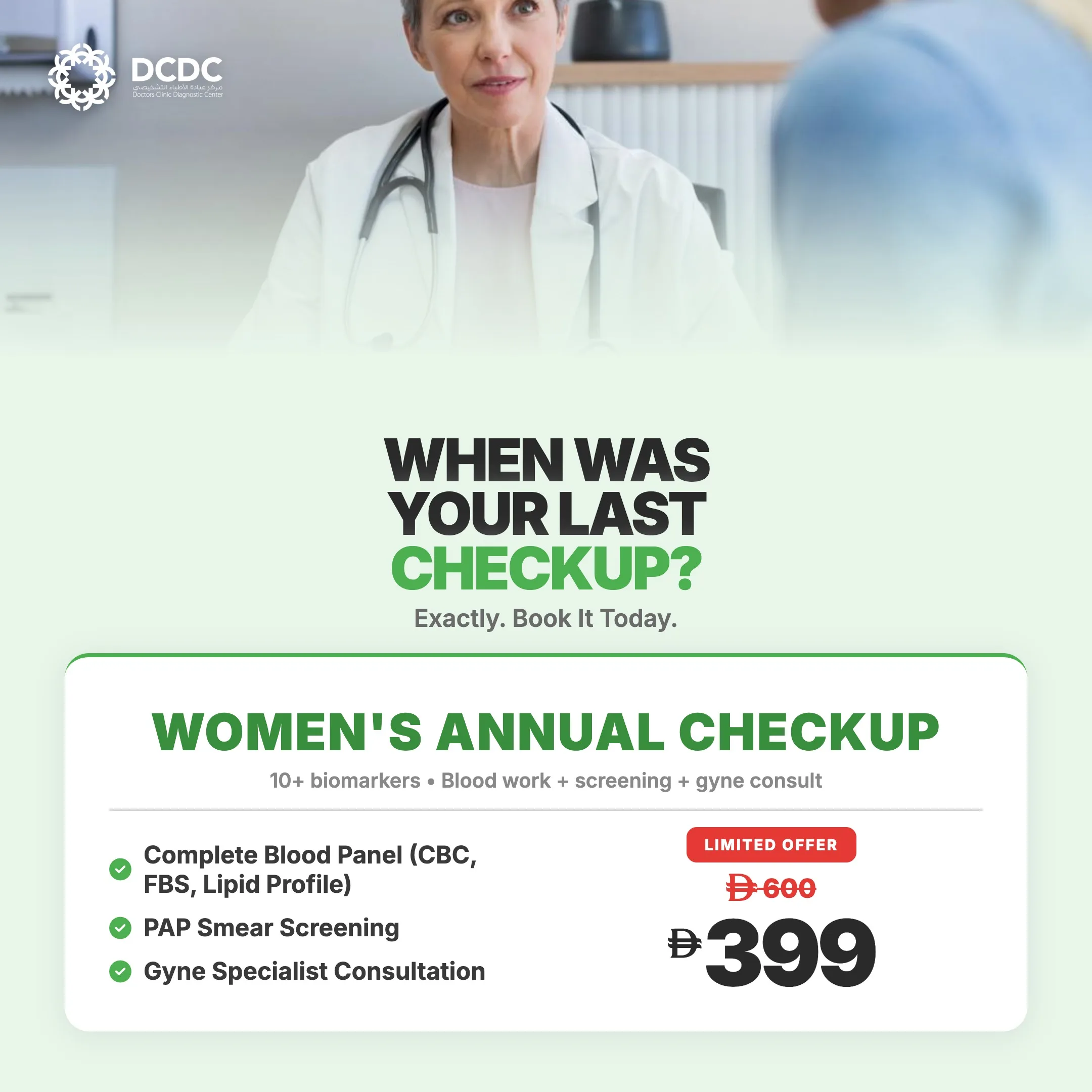
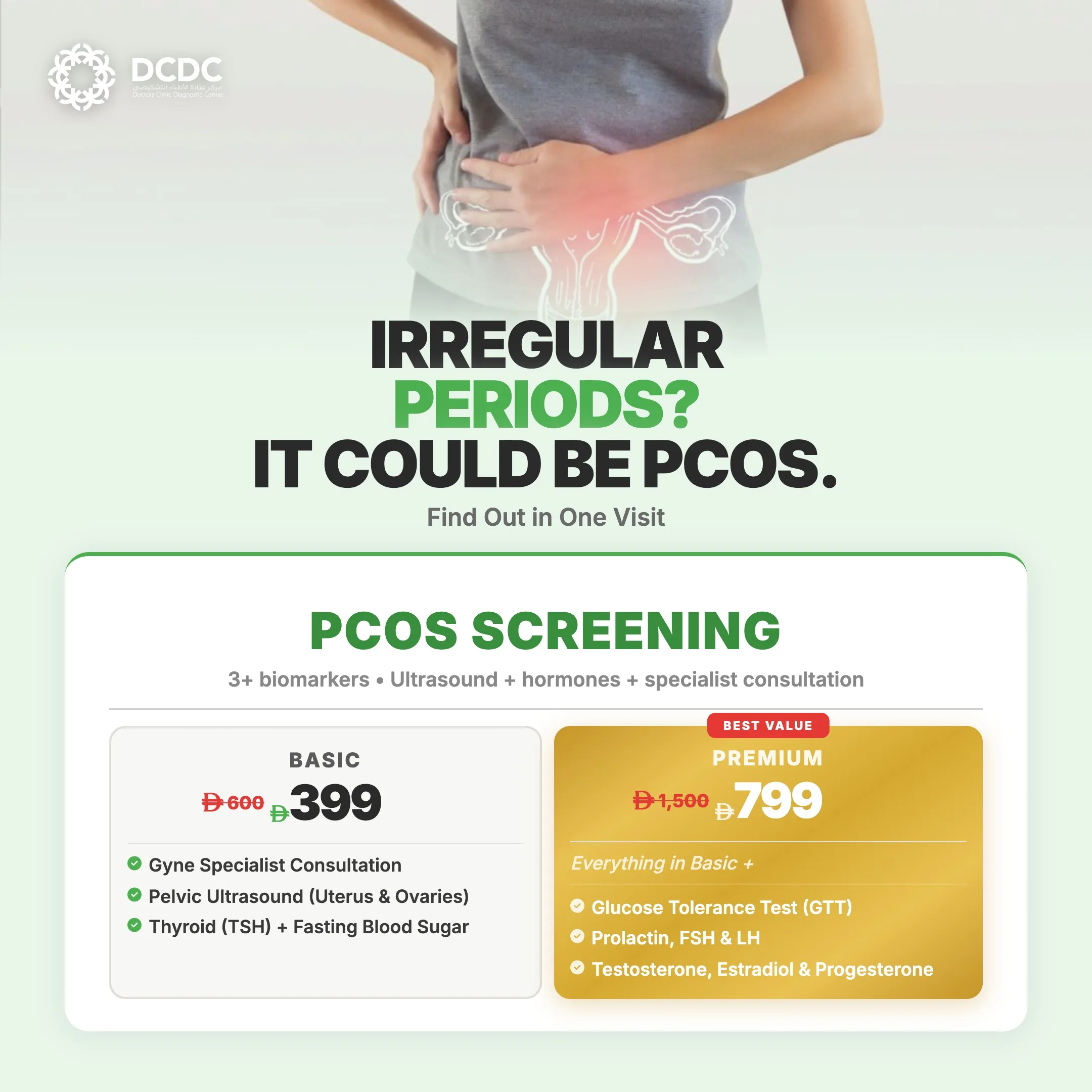
Health Screening Packages
Save with our bundled screening packages — specialist consultation included




ابتدائی حمل اسکین کیا ہے؟
ابتدائی حمل اسکین ایک الٹراساؤنڈ معائنہ ہے جو پہلی سہ ماہی (حمل کے پہلے 12-13 ہفتے) میں کیا جاتا ہے۔ بعد کے حمل اسکینز کے برعکس جہاں آپ بچے کی تفصیلی جسمانی ساخت دیکھ سکتی ہیں، ابتدائی اسکینز بنیادی سوالات پر مرکوز ہوتے ہیں:
مقام: کیا حمل رحم کے اندر ہے؟ (ایکٹوپک حمل کو خارج کرنا)
قابل عمل: کیا دل کی دھڑکن ہے؟ کیا حمل عام طور پر بڑھ رہا ہے؟
تاریخ: حمل کتنا آگے ہے؟ متوقع تاریخ پیدائش کیا ہے؟
تعداد: ایک بچہ ہے، یا جڑواں (جڑواں، تین بچے)؟
آپ کب اسکین کرواتی ہیں اس پر منحصر ہے، مختلف ساختیں نظر آئیں گی۔ ان ابتدائی ہفتوں میں حمل تیزی سے بڑھتا ہے، اس لیے جو ہم 6 ہفتے میں دیکھتے ہیں وہ 10 یا 12 ہفتے سے بہت مختلف دکھتا ہے۔
ابتدائی حمل اسکین کی اقسام
ڈیٹنگ اسکین (6-10 ہفتے)
ڈیٹنگ اسکین، جسے قابل عمل اسکین بھی کہا جاتا ہے، اکثر حمل کا پہلا اسکین ہوتا ہے۔ یہ تصدیق کرتا ہے کہ حمل رحم کے اندر واقع ہے (ایکٹوپک نہیں)، دل کی دھڑکن کے ساتھ جنین ہے (قابل عمل)، جنین کا سائز جو حمل کی عمر اور تاریخ پیدائش مقرر کرتا ہے، اور ایک بچہ ہے یا جڑواں۔
6-7 ہفتے میں، ہم عام طور پر حمل کی تھیلی، زردی کی تھیلی، اور ٹمٹماتی دل کی دھڑکن کے ساتھ ایک چھوٹا جنین دیکھتے ہیں (اگر قابل عمل ہے)۔ اس مرحلے میں جنین صرف چند ملی میٹر لمبا ہوتا ہے۔ 8-10 ہفتے تک، جنین بڑا ہوتا ہے (تقریباً 2-3 سینٹی میٹر)، دل کی دھڑکن مضبوط ہوتی ہے، اور ابتدائی اعضاء کی کلیاں نظر آ سکتی ہیں۔
NT اسکین / نیوکل ٹرانسلوسنسی اسکین (11-13 ہفتے)
NT اسکین ایک خصوصی پہلی سہ ماہی اسکریننگ ٹیسٹ ہے جو 11 ہفتے اور 13 ہفتے 6 دن کے درمیان کیا جاتا ہے۔ یہ بچے کی گردن کے پیچھے سیال کے جمع (نیوکل ٹرانسلوسنسی) کو ناپتا ہے، جو ماں کی عمر اور خون کے ٹیسٹوں کے ساتھ مل کر، ڈاؤن سنڈروم (ٹرائیسومی 21)، ایڈورڈز سنڈروم (ٹرائیسومی 18)، اور پتاؤ سنڈروم (ٹرائیسومی 13) جیسی کروموسومل حالتوں کی جانچ کرتا ہے۔
NT اسکین حمل کی تاریخ کی بھی تصدیق کرتا ہے (کراؤن-رمپ لینتھ پیمائش)، اس مرحلے میں نظر آنے والی بڑی ساختی خرابیوں کی جانچ کرتا ہے، بچوں کی تعداد اور جڑواں میں جڑواں حمل کی قسم کی تصدیق کرتا ہے (دیکھ بھال کی منصوبہ بندی کے لیے اہم)، اور ناک کی ہڈی اور دیگر نشانیوں کا جائزہ لیتا ہے۔
| وقت | اسکین کی قسم | مقصد |
|---|---|---|
| 6-7 ہفتے | پہلا قابل عمل اسکین | دل کی دھڑکن اور مقام کی تصدیق |
| 8-10 ہفتے | ڈیٹنگ اسکین | تاریخیں غیر یقینی یا تسلی کی ضرورت |
| 11-13 ہفتے | NT اسکین | کروموسومل اسکریننگ |
اگر آپ کا ایکٹوپک حمل، بار بار اسقاط حمل، یا IVF حمل کی تاریخ ہے، تو ہم پہلے یا زیادہ بار اسکیننگ کی سفارش کر سکتے ہیں۔
ابتدائی حمل اسکین کے دوران کیا ہوتا ہے؟
اسکین سے پہلے
تیاری کم سے کم ہے۔ ٹرانس ویجائنل اسکینز کے لیے (10-11 ہفتے سے پہلے سب سے عام)، آپ کو بھرے مثانے کی ضرورت نہیں۔ دراصل، خالی مثانہ زیادہ آرام دہ ہے۔ ٹرانس ایبڈومینل اسکینز کے لیے، معتدل طور پر بھرا مثانہ مدد کر سکتا ہے۔ بکنگ کے وقت ہم آپ کو مشورہ دیں گے۔
آرام دہ کپڑے پہنیں جو آپ کے نچلے پیٹ تک آسان رسائی کی اجازت دیں۔ آپ اپنے شریک حیات یا معاون شخص کو لا سکتی ہیں۔ اگر آپ جانتی ہیں تو اپنی آخری ماہواری (LMP) کی تاریخ تیار رکھیں، ساتھ ہی کوئی پچھلی اسکین رپورٹس یا متعلقہ طبی تاریخ۔
اسکین کے دوران
ٹرانس ویجائنل الٹراساؤنڈ: آپ کمر سے نیچے کپڑے اتاریں گی (پردے کے لیے چادر فراہم کی جاتی ہے) اور گھٹنے موڑ کر معائنے کے بستر پر لیٹ جائیں گی۔ ایک پتلا الٹراساؤنڈ پروب، حفاظتی غلاف اور چکنائی والی جیل سے ڈھکا ہوا، آہستہ سے اندام نہانی میں ڈالا جاتا ہے۔ پروب آواز کی لہریں بھیجتا ہے جو سکرین پر تصاویر بناتی ہیں۔ معائنے میں تقریباً 10-15 منٹ لگتے ہیں۔ یہ تھوڑا تکلیف دہ محسوس ہو سکتا ہے لیکن دردناک نہیں ہونا چاہیے۔
ٹرانس ایبڈومینل الٹراساؤنڈ: آپ اپنے نچلے پیٹ کے علاوہ کپڑے پہنے رہتی ہیں۔ آپ کی جلد پر جیل لگایا جاتا ہے، اور پروب کو آپ کے پیٹ پر گھمایا جاتا ہے۔ یہ مکمل طور پر بے درد ہے۔
اسکین کے دوران، سونوگرافر یا ڈاکٹر جنین کو ناپیں گے، دل کی دھڑکن کی جانچ کریں گے، حمل کی ساختوں کا معائنہ کریں گے، اور تصاویر لیں گے۔ آپ عام طور پر سکرین دیکھ سکیں گی اور جیسے جیسے ہم آگے بڑھتے ہیں وضاحتیں سن سکیں گی۔ اگر آپ اس وقت تک سکرین نہیں دیکھنا پسند کرتی ہیں جب تک ہم تصدیق نہ کر لیں کہ سب کچھ عام دکھ رہا ہے، تو ہمیں بتائیں۔
اسکین کے بعد
آپ کو فوری طور پر رپورٹ اور تصاویر ملیں گی۔ ہم نتائج پر بات کریں گے، ان کا مطلب سمجھائیں گے، اور آپ کے سوالات کے جوابات دیں گے۔ اگر سب کچھ عام دکھتا ہے، تو آپ تصدیق شدہ تاریخ پیدائش اور اپنے بچے کی چھپی ہوئی تصاویر کے ساتھ جائیں گی۔ اگر تشویش ہے، تو ہم نتائج کی وضاحت کریں گے، اگلے اقدامات پر بات کریں گے، اور مدد فراہم کریں گے۔
ہم ہفتہ بہ ہفتہ کیا دیکھتے ہیں
5-6 ہفتے
اس بہت ابتدائی مرحلے میں، ہم حمل کی تھیلی (رحم میں ایک چھوٹی سیال سے بھری ساخت، الٹراساؤنڈ پر حمل کی پہلی علامت)، زردی کی تھیلی (حمل کی تھیلی کے اندر ایک چھوٹی گول ساخت جو ابتدائی جنین کو غذا دیتی ہے)، اور جنینی قطب (سب سے پہلے نظر آنے والا جنین، ایک چھوٹی موٹائی کے طور پر ظاہر ہوتا ہے) تلاش کرتے ہیں۔
5-6 ہفتے میں دل کی دھڑکن نظر آ سکتی ہے یا نہیں بھی۔ اگر حمل کی تھیلی اور زردی کی تھیلی مناسب دکھتی ہیں لیکن دل کی دھڑکن نظر نہیں آتی، تو ہم نتیجہ نکالنے کی بجائے 1-2 ہفتے میں فالو اپ شیڈول کرتے ہیں۔
7-8 ہفتے
جنین اب واضح طور پر نظر آتا ہے، تقریباً 10-16 ملی میٹر (کراؤن-رمپ لینتھ) ناپتا ہے۔ دل کی دھڑکن عام طور پر مضبوط اور آسانی سے دکھائی دیتی ہے، سکرین پر ایک تسلی بخش ٹمٹماہٹ کے طور پر ظاہر ہوتی ہے۔ آپ ابتدائی اعضاء کی کلیاں دیکھنا شروع کر سکتی ہیں۔ جنین کے ساتھ زردی کی تھیلی ابھی بھی نظر آتی ہے۔
9-10 ہفتے
جنین کو اب "فیٹس" کہا جاتا ہے اور یہ تقریباً 2-3 سینٹی میٹر ناپتا ہے۔ اعضاء زیادہ واضح ہوتے ہیں۔ حرکت نظر آ سکتی ہے۔ جنین زیادہ انسان جیسا دکھنے لگتا ہے، اگرچہ ابھی بھی بہت چھوٹا ہے۔ سر اور جسم الگ الگ پہچانے جا سکتے ہیں۔
11-13 ہفتے
یہ NT اسکین کے لیے کھڑکی ہے۔ جنین تقریباً 4-8 سینٹی میٹر ناپتا ہے اور واضح طور پر بچے کی شکل کا ہوتا ہے۔ بازو، ٹانگیں، ہاتھ اور پاؤں نظر آتے ہیں۔ دماغ، پیٹ، مثانے اور دیگر ساختوں کا جائزہ لیا جا سکتا ہے۔ فعال حرکت عام ہے۔ اسکریننگ مقاصد کے لیے NT پیمائش (گردن کے پیچھے سیال) لی جاتی ہے۔
اپنے نتائج کو سمجھنا
اچھی خبر: عام نتائج
ایک عام ابتدائی حمل اسکین دکھاتا ہے کہ حمل رحم کے اندر واقع ہے (رحم کے اندر حمل)، نظر آنے والی دل کی دھڑکن کے ساتھ جنین/فیٹس، حمل کی عمر کے لیے مناسب سائز (متوقع تاریخوں کے 5-7 دنوں کے اندر)، اور عام نظر آنے والی حمل کی ساختیں۔
8 ہفتے میں دل کی دھڑکن دیکھنا بغیر علامات والی خواتین (کوئی خون بہنا یا درد نہیں) میں بعد میں اسقاط حمل کے خطرے کو 2% سے کم کر دیتا ہے۔ یہ بہت سی خواتین کے لیے انتہائی تسلی بخش ہے، خاص طور پر ان کے لیے جنہوں نے پہلے نقصانات کا تجربہ کیا ہے۔
جب نتائج غیر یقینی ہوں
کبھی کبھی ابتدائی اسکین نتائج غیر حتمی ہوتے ہیں، یعنی واضح طور پر عام نہیں لیکن واضح طور پر غیر معمولی بھی نہیں۔ عام منظرناموں میں شامل ہیں حمل توقع سے پہلے (اگر آپ کی تاریخیں غیر یقینی ہیں، تو حمل بس ہماری سوچ سے پہلے ہو سکتا ہے؛ 1-2 ہفتے میں فالو اپ اسکین اکثر عام نشوونما دکھاتا ہے)، ابھی تک دل کی دھڑکن نہیں (بہت ابتدائی مراحل میں یا اگر تاریخیں غلط ہیں، تو دل کی دھڑکن ابھی تک نظر نہیں آ سکتی؛ ہم نتیجے پر کودنے کی بجائے فالو اپ شیڈول کرتے ہیں)، اور نامعلوم مقام کا حمل (کبھی کبھی، ہم خون کے ٹیسٹوں میں ابتدائی حمل کی علامات دیکھتے ہیں لیکن ابھی تک الٹراساؤنڈ پر اس کا پتہ نہیں لگا سکتے، جس کے لیے قریبی نگرانی کی ضرورت ہے)۔
غیر یقینی صورتحال تناؤ کا باعث ہے، لیکن صبر اہم ہے۔ فطرت کو کبھی کبھی خود کو ظاہر کرنے کے لیے چند اضافی دنوں کی ضرورت ہوتی ہے، اور جلدی میں نتائج نکالنا غیر ضروری پریشانی یا، اس سے بھی بدتر، غیر ضروری مداخلت کا باعث بن سکتا ہے۔
مشکل خبر: جب کچھ غلط ہو
بدقسمتی سے، ابتدائی حمل اسکین کبھی کبھی مسائل ظاہر کرتے ہیں: مس شدہ اسقاط حمل (بغیر دل کی دھڑکن والا جنین، یا خالی حمل کی تھیلی جس میں نظر آنے والا جنین ہونا چاہیے)، ایکٹوپک حمل (رحم کے باہر واقع حمل، عام طور پر فیلوپین ٹیوب میں، جس کے لیے فوری علاج کی ضرورت ہے)، یا مولر حمل (نال کے ٹشو کی غیر معمولی نشوونما، جس کے لیے خصوصی دیکھ بھال کی ضرورت ہے)۔
مشکل خبر ملنا تباہ کن ہے۔ اگر ہمیں کچھ تشویشناک ملتا ہے، تو ہم نتائج کو واضح طور پر سمجھانے، اختیارات پر بات کرنے، جذباتی مدد فراہم کرنے، اور یہ یقینی بنانے کے لیے وقت لیتے ہیں کہ آپ کو مناسب دیکھ بھال اور مشاورت تک رسائی ہو۔ ابتدائی حمل کا نقصان عام ہے (معلوم حمل کے 10-20% کو متاثر کرتا ہے)، لیکن اس سے یہ کم تکلیف دہ نہیں ہوتا۔ آپ اکیلی نہیں ہیں، اور مدد دستیاب ہے۔
| اسکین کی قسم | قیمت کی حد (AED) | تفصیل |
|---|---|---|
| قابل عمل / ڈیٹنگ اسکین (6-10 ہفتے) | 500 - 700 | حمل کا مقام، دل کی دھڑکن اور تاریخ پیدائش کی تصدیق کرتا ہے |
| اسکریننگ کے ساتھ NT اسکین (11-13 ہفتے) | 800 - 1,200 | NT پیمائش اور اختیاری مشترکہ اسکریننگ خون کا ٹیسٹ شامل |
| تسلی اسکین | 400 - 500 | دل کی دھڑکن اور نشوونما کی جانچ کے لیے فوری اسکین (پریشان یا پچھلے نقصان والی خواتین کے لیے) |
زیادہ تر بیمہ ریفرل کے ساتھ حمل الٹراساؤنڈ کور کرتا ہے۔ ہم آپ کی اپائنٹمنٹ سے پہلے کوریج کی تصدیق کرتے ہیں۔
کسے ابتدائی حمل اسکین کروانا چاہیے؟
جبکہ ہر حمل کو بہت ابتدائی اسکین کی ضرورت نہیں ہوتی، اسے کروانے کی بہت سی وجوہات ہیں۔
طبی وجوہات
غیر یقینی تاریخیں: اگر آپ نہیں جانتیں کہ آپ کی آخری ماہواری کب تھی، یا اگر آپ کے ماہواری کے چکر غیر منظم ہیں، تو ابتدائی اسکیننگ آپ کی تاریخ پیدائش زیادہ درستی سے قائم کرتی ہے۔
پچھلا ایکٹوپک حمل: ابتدائی اسکیننگ تصدیق کرتی ہے کہ حمل رحم میں ہے۔
پچھلا اسقاط حمل: قابل عمل ہونے کی ابتدائی تصدیق تسلی فراہم کر سکتی ہے (یا مسائل کا جلد پتہ لگانا)۔
IVF یا زرخیزی کا علاج: معاون حمل کے بعد قریبی نگرانی معیاری ہے۔
خون بہنا یا درد: یہ علامات اسقاط حمل یا ایکٹوپک حمل کو خارج کرنے کے لیے تحقیقات کی ضرورت ہوتی ہے۔
متعدد حمل کا شبہ: جڑواں کی خاندانی تاریخ یا زرخیزی کا علاج جڑواں کا نتیجہ ہو سکتا ہے۔
ذاتی وجوہات
تسلی: ابتدائی حمل میں پریشانی عام ہے۔ دل کی دھڑکن دیکھنا اہم تسلی فراہم کرتا ہے۔
تعلق: بہت سے جوڑوں کے لیے، ابتدائی اسکین وہ ہے جب حمل حقیقی محسوس ہوتا ہے اور ایک اہم لمحہ بن جاتا ہے۔
منصوبہ بندی: ایک درست تاریخ پیدائش کام، سفر اور زندگی کی منصوبہ بندی میں مدد کرتی ہے۔
عام تشویشات اور سوالات
کیا الٹراساؤنڈ محفوظ ہے؟
ہاں۔ تشخیصی الٹراساؤنڈ حمل میں 50 سال سے زیادہ عرصے سے بغیر کسی معلوم نقصان دہ اثرات کے استعمال ہو رہا ہے۔ ایکس رے کے برعکس، الٹراساؤنڈ آواز کی لہریں استعمال کرتا ہے، تابکاری نہیں۔ ہم نمائش کے وقت اور شدت کے لیے بین الاقوامی حفاظتی رہنما خطوط کی پیروی کرتے ہیں۔ اس نے کہا، ہم اسکین تب کرتے ہیں جب طبی یا کلینیکل وجہ ہو نہ کہ محض تفریحی مقاصد کے لیے۔
اگر میں جڑواں بچوں سے حاملہ ہوں تو؟
متعدد حمل کے لیے ابتدائی اسکیننگ خاص طور پر قیمتی ہے۔ ہم طے کرتے ہیں کہ ایک نال ہے یا دو، اور کیا جڑواں ایک تھیلی شیئر کرتے ہیں (خطرے کی تشخیص اور نگرانی کے لیے اہم)۔ جڑواں حمل کو زیادہ گہری نگرانی کی ضرورت ہوتی ہے، اور شروع سے جڑواں حمل کی قسم جاننا مناسب دیکھ بھال کی منصوبہ بندی کے لیے اہم ہے۔
کیا میں اتنی جلدی جنس بتا سکتی ہوں؟
تقریباً 12-14 ہفتے سے پہلے جنس کا قابل اعتماد طور پر تعین نہیں کیا جا سکتا، اور تب بھی ہمیشہ دیکھنا ممکن نہیں ہوتا۔ اگر جنس جاننا آپ کے لیے اہم ہے، تو ہم عام طور پر درست جنس کی شناخت کے لیے 18-22 ہفتے میں اناٹومی اسکین تک انتظار کرنے کی سفارش کرتے ہیں۔ تقریباً 10 ہفتے سے غیر حملہ آور قبل از پیدائش ٹیسٹنگ (NIPT) بھی جنین کے DNA کے خون کے ٹیسٹ تجزیے کے ذریعے جنس ظاہر کر سکتی ہے۔
DCDC میں آپ کا حمل کا سفر
DCDC میں، ہم سمجھتے ہیں کہ ابتدائی حمل جوش، امید اور کبھی کبھی پریشانی کا وقت ہے۔ ہمارا امراض نسواں اور زچگی کا شعبہ حمل کے ابتدائی مراحل سے شفیق، ماہرانہ دیکھ بھال فراہم کرتا ہے۔
ہماری ابتدائی حمل کی خدمات میں تجربہ کار سونوگرافرز کے ساتھ قبل از پیدائش الٹراساؤنڈ، تصدیق سے پیدائش تک حمل کی دیکھ بھال، کسی بھی حمل کی تشویش کے لیے امراض نسواں کی مشاورت، حمل کے نقصان اور ابتدائی حمل کی پیچیدگیوں کے لیے مدد، اور جینیاتی اسکریننگ اور مشاورت شامل ہیں۔
چاہے یہ آپ کا پہلا حمل ہو یا آپ پہلے بھی یہاں آ چکی ہوں، چاہے سب کچھ سیدھا ہو یا آپ کی پیچیدہ ضروریات ہوں، ہم آپ کی مدد کے لیے یہاں ہیں۔ ابتدائی حمل آپ کے سفر کی صرف شروعات ہے، اور ہم اس کا حصہ ہونے پر مشرف ہیں۔
اپنا ابتدائی حمل اسکین بک کریں
دبئی ہیلتھ کیئر سٹی میں ڈاکٹرز کلینک ڈائیگناسٹک سینٹر میں، ہم تجربہ کار سونوگرافرز اور ماہر OB/GYN کے ساتھ جامع قبل از پیدائش الٹراساؤنڈ خدمات فراہم کرتے ہیں۔ ہم ڈیٹنگ اسکین، قابل عمل اسکین، اور مکمل حمل کی دیکھ بھال پیش کرتے ہیں۔
DCDC میں متعلقہ خدمات
دبئی ہیلتھ کیئر سٹی میں ماہرانہ دیکھ بھال اور جدید تشخیص
Frequently Asked Questions
متعلقہ وسائل
حمل کی دیکھ بھال اور خواتین کی صحت کے بارے میں مزید معلومات کے لیے، ہمارے متعلقہ مضامین دیکھیں: خواتین کی صحت کی اسکریننگ: عمر کے لحاظ سے مکمل رہنمائی، چھاتی کے کینسر کی اسکریننگ: آپ کو کیا جاننا چاہیے، اور DCDC میں حمل کی دیکھ بھال کی خدمات۔
DCDC میں، ہم ابتدائی مراحل سے پیدائش تک جامع حمل کی دیکھ بھال فراہم کرنے کے لیے پرعزم ہیں۔ ہمارے تجربہ کار ماہرین کی ٹیم ہر قدم پر آپ کی مدد کے لیے موجود ہے۔ اگر آپ کے حمل کے بارے میں کوئی سوالات یا تشویشات ہیں، تو ہم سے رابطہ کرنے میں ہچکچاہٹ نہ کریں۔
ذرائع اور حوالہ جات
یہ مضمون ہماری طبی ٹیم نے جائزہ لیا ہے اور درج ذیل ذرائع کا حوالہ دیتا ہے:
- دبئی ہیلتھ اتھارٹی - زچگی کی صحت کے رہنما خطوط
- متحدہ عرب امارات وزارت صحت و احتیاط - حمل کی دیکھ بھال کے معیارات
- رائل کالج آف آبسٹیٹریشنز اینڈ گائناکالوجسٹس - ابتدائی حمل کے رہنما خطوط
- امریکن کالج آف آبسٹیٹریشنز اینڈ گائناکالوجسٹس - پہلی سہ ماہی الٹراساؤنڈ
- انٹرنیشنل سوسائٹی آف الٹراساؤنڈ ان آبسٹیٹرکس اینڈ گائناکالوجی
اس سائٹ پر طبی مواد کا جائزہ DHA لائسنس یافتہ ڈاکٹرز نے لیا ہے۔ ہماری دیکھیں تحریری پالیسی مزید معلومات کے لیے۔

تحریر
ڈاکٹر پریسا دینی
ماہر امراض نسواں و زچگی
ایم ڈی، زچگی اور امراض نسواں میں ماہر
ڈاکٹر پریسا دینی DCDC دبئی ہیلتھ کیئر سٹی میں زچگی اور امراض نسواں کی ماہر ہیں۔ وہ ابتدائی حمل سے پیدائش تک جامع حمل کی دیکھ بھال فراہم کرتی ہیں، جس میں زیادہ خطرے والے حمل اور زرخیزی میں خاص مہارت ہے۔ وہ حمل کے تمام مراحل میں خواتین کی مدد کرنے اور یہ یقینی بنانے کے بارے میں پرجوش ہیں کہ ہر مریضہ کو باخبر اور دیکھ بھال محسوس ہو۔
متعلقہ مضامین
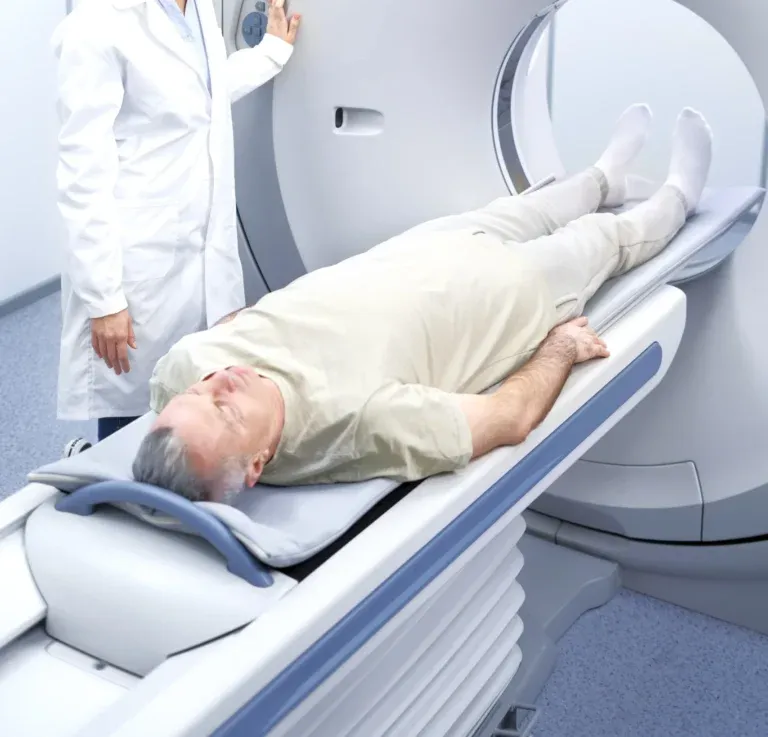
خواتین کی صحت کی اسکریننگ: عمر کے لحاظ سے مکمل رہنمائی
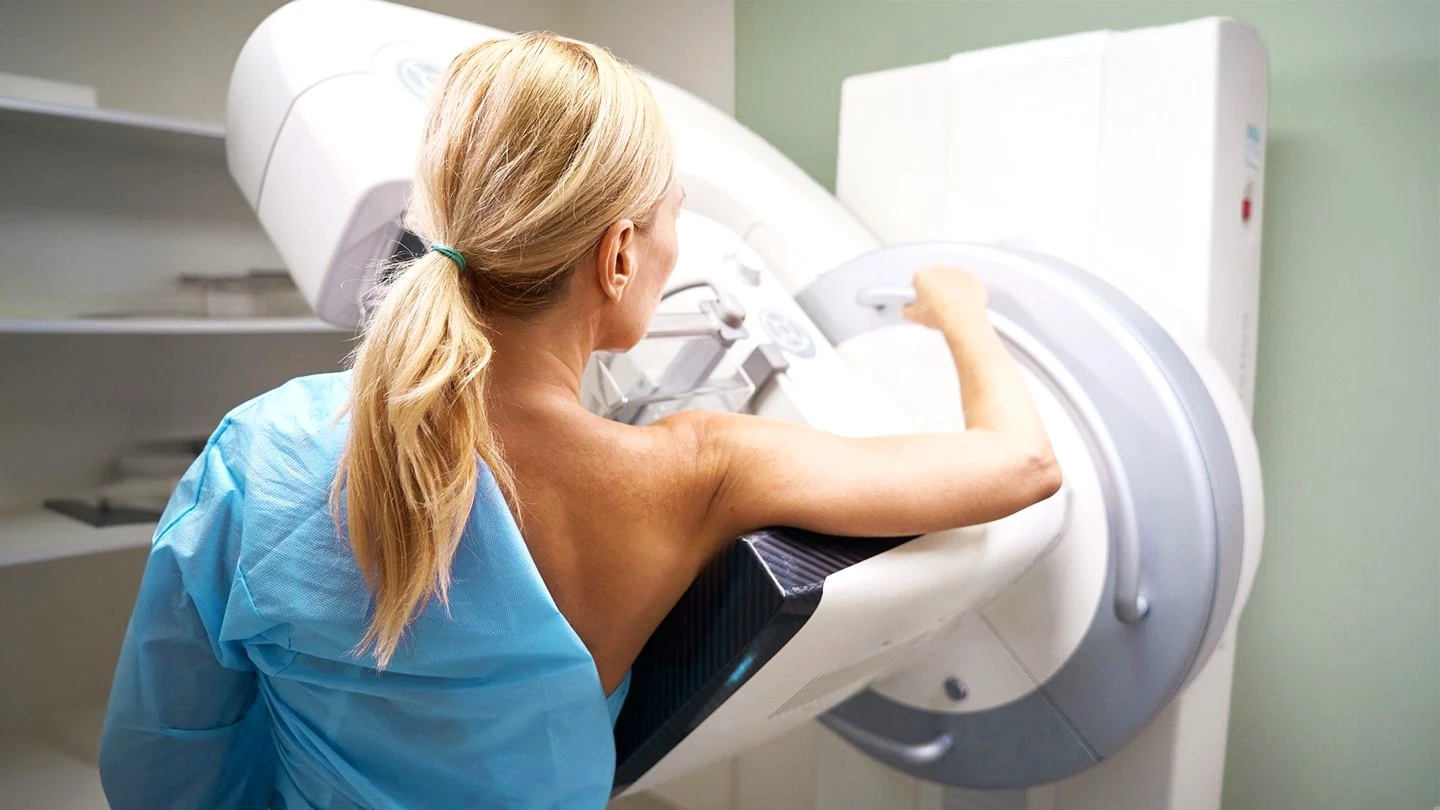
چھاتی کے کینسر کی اسکریننگ: آپ کو کیا جاننا چاہیے
DCDC میں حمل کی دیکھ بھال کی خدمات
More in Obstetrics & Gynecology
© 2026 Doctors Clinic Diagnostic Center (DCDC), Dubai Healthcare City. Originally published at https://doctorsclinicdubai.ae/blog/early-pregnancy-scan-importance. All rights reserved. Unauthorized reproduction is prohibited.