اہم نکات
- Dental inlays in Dubai start from AED 700 and onlays from AED 900, with ceramic (e.max/lithium disilicate) options ranging up to AED 2,500 for inlays and AED 3,000 for onlays depending on material, tooth location, and laboratory costs
- At DCDC, dental inlays start from AED 700 — compared to AED 1,000–2,500 at other Dubai clinics — with treatment typically completed across two visits (preparation and bonding)
- Ceramic inlays and onlays last 10 to 20 years on average, significantly outperforming direct composite fillings (5–10 years), making them more cost-effective per year of service for medium to large restorations
- Inlays fit within the cusps of a tooth and are best for moderate cavities, while onlays extend over one or more cusps and are ideal when more tooth structure needs protection but a full crown is not yet necessary
- Most comprehensive dental insurance plans in the UAE cover inlays and onlays under major restorative benefits at 50–80 percent, with DCDC offering direct billing with 20+ insurance providers to reduce out-of-pocket costs
- Choosing between an inlay and a filling depends primarily on cavity size — when more than one-third of the chewing surface is damaged, an inlay or onlay provides superior strength and longevity compared to a direct composite filling
When a tooth is too damaged for a standard filling but does not yet require a full crown, a dental inlay or onlay offers the ideal middle-ground restoration. These precision-crafted restorations — sometimes called indirect fillings — are custom-fabricated in a dental laboratory to fit the exact contours of your tooth, providing exceptional strength, longevity, and aesthetics. In Dubai, dental inlays start from AED 700 and onlays from AED 900, though the final cost depends on the material chosen, the number of tooth surfaces involved, and your clinic's location.
This comprehensive guide covers everything you need to know about dental inlays and onlays in Dubai — from a detailed pricing breakdown and material comparison (ceramic vs composite), to factors that influence cost, insurance coverage, the step-by-step treatment process at DCDC, durability data, and answers to the most frequently asked questions. Whether you are weighing an inlay against a filling or an onlay against a crown, this guide will help you understand which restoration offers the best value for your specific situation.


How Much Do Dental Inlays & Onlays Cost in Dubai?
The cost of dental inlays and onlays in Dubai varies based on the type of restoration, the material used, the number of tooth surfaces involved, and the dental clinic. Below is a comprehensive pricing table covering the Dubai market in 2026.
| Restoration Type | Material | Dubai Price Range (AED) | DCDC Starting Price (AED) | Typical Durability |
|---|---|---|---|---|
| Inlay (within cusps) | Composite resin | 700–1,500 | From 700 | 5–8 years |
| Inlay (within cusps) | Ceramic (e.max / lithium disilicate) | 1,000–2,500 | From 700 | 10–20 years |
| Onlay (covers cusps) | Composite resin | 900–1,800 | From 900 | 5–8 years |
| Onlay (covers cusps) | Ceramic (e.max / lithium disilicate) | 1,200–3,000 | From 900 | 10–20 years |
| Overlay (full cusp coverage) | Ceramic / zirconia | 1,000–3,500 | Contact clinic | 10–20 years |
| Gold inlay or onlay | Gold alloy | 2,000–3,500 | Contact clinic | 15–30 years |
Prices reflect the Dubai market in 2026 and vary by cavity size, tooth location, and number of surfaces. Contact DCDC for an exact quote.
At DCDC in Dubai Healthcare City, dental inlays start from AED 700 — compared to AED 1,000–2,500 at other Dubai clinics. This competitive pricing reflects our commitment to making high-quality indirect restorations accessible without compromising on materials or laboratory quality. For patients considering simpler restorations, our guide on dental fillings cost in Dubai explains when a direct filling is sufficient and when upgrading to an inlay makes clinical and financial sense.
Inlay vs Onlay vs Crown: Price Comparison Table
Understanding where inlays and onlays sit in the spectrum of dental restorations helps you evaluate the cost-benefit of each option. The following table compares the five main restoration types, from the simplest filling to a full dental crown.
| Restoration | Coverage Area | Price Range (AED) | Tooth Structure Preserved | Typical Lifespan |
|---|---|---|---|---|
| Direct composite filling | Small to moderate cavity | 150–500 | Maximum | 5–10 years |
| Dental inlay | Within the cusps | 700–2,500 | High | 10–20 years |
| Dental onlay | Over one or more cusps | 900–3,000 | Moderate to high | 10–20 years |
| Overlay | All cusps covered | 1,000–3,500 | Moderate | 10–20 years |
| Full dental crown | Entire visible tooth | 800–2,500 | Lowest | 10–15 years |
Inlays and onlays preserve more natural tooth structure than crowns while offering superior strength compared to direct fillings. Overlay refers to an onlay that covers all cusps.
The key takeaway from this comparison is that inlays and onlays occupy a valuable middle ground. They preserve significantly more healthy tooth structure than a crown — which requires shaving down the entire tooth — while providing substantially greater strength and longevity than a direct filling. For medium to large cavities where a filling alone would be prone to fracture, an inlay or onlay is often the most conservative and cost-effective long-term solution. If you are also considering a full crown, our dental crown cost in Dubai guide provides a detailed breakdown of crown materials and pricing.
What Are Dental Inlays and Onlays?
Dental inlays and onlays are indirect restorations — meaning they are fabricated outside the mouth (in a dental laboratory or using CAD/CAM milling) and then bonded to the prepared tooth. This is in contrast to direct fillings (such as composite resin), which are placed and shaped directly inside the cavity during a single appointment.
Dental Inlay
An inlay is a solid restoration that fits within the grooves and walls of a tooth, specifically within the cusps (the raised points on the chewing surface). Inlays are used when the cavity is too large or complex for a reliable direct filling but does not extend to the cusps themselves. They are most commonly placed on premolars and molars where chewing forces are significant and a direct composite filling may not provide adequate strength or longevity.
Dental Onlay
An onlay covers a larger area than an inlay — it extends over one or more cusps of the tooth, providing structural reinforcement to weakened tooth walls. Onlays are sometimes called partial crowns because they cover a portion of the tooth's biting surface while preserving the healthy structure that remains. When a cusp has fractured, is cracked, or has been undermined by decay, an onlay protects and reinforces it without requiring the tooth to be shaved down entirely for a full crown.
When Are They Recommended?
Your dentist may recommend an inlay or onlay in the following situations: the cavity involves more than one-third of the chewing surface; a direct filling has repeatedly failed or fractured in the same tooth; the tooth has a cracked or weakened cusp; you are replacing an old, large amalgam or composite filling; the tooth needs reinforcement but does not require a full crown; or you want a restoration with superior aesthetics and longevity for a prominent premolar. According to the American Dental Association, indirect restorations such as inlays and onlays are indicated whenever the remaining tooth structure is insufficient to reliably support a direct restoration.
Ceramic vs Composite Inlays: Which Material Is Right?
The two most common materials for dental inlays and onlays are ceramic (porcelain or lithium disilicate) and composite resin. Each has distinct advantages, and the right choice depends on your priorities for aesthetics, durability, and budget.
Ceramic Inlays and Onlays (Lithium Disilicate / e.max)
Ceramic restorations — particularly those made from lithium disilicate (commonly marketed as IPS e.max) — are the gold standard for indirect dental restorations in 2026. Lithium disilicate is a glass-ceramic material that combines exceptional translucency and colour-matching with remarkable flexural strength (approximately 400 MPa), making it strong enough for posterior teeth while looking indistinguishable from natural enamel. Clinical studies published in the Journal of Prosthetic Dentistry have demonstrated survival rates exceeding 95 percent at 10 years for lithium disilicate inlays and onlays, with some studies tracking successful restorations beyond 18 years. Ceramic restorations resist staining, do not discolour over time (unlike composite), and are highly biocompatible with gum tissue. The primary trade-off is cost — ceramic inlays require laboratory fabrication, which adds to the overall expense.
Composite Resin Inlays and Onlays
Composite resin inlays and onlays are fabricated indirectly using heat-cured or light-cured composite materials. They offer good aesthetics and can be shade-matched to the surrounding teeth, though they do not achieve the same translucency or colour stability as ceramic. Composite indirect restorations are less expensive than ceramic but also less durable, with average survival times of 5 to 8 years compared to 10 to 20 years for ceramic. They are a reasonable option for patients who want an indirect restoration at a lower price point, particularly in teeth that do not bear heavy biting forces. Research published in the International Journal of Prosthodontics suggests that indirect composite restorations perform better than direct fillings in large cavities but do not match the longevity of ceramic restorations.
| Property | Ceramic (e.max) | Composite Resin |
|---|---|---|
| Aesthetics | Excellent — near-invisible | Good — may discolour over time |
| Strength (flexural) | ~400 MPa | ~150–200 MPa |
| Durability | 10–20 years | 5–8 years |
| Stain resistance | Excellent | Moderate |
| Biocompatibility | Excellent | Good |
| Cost (Dubai range) | AED 1,000–3,000 | AED 700–1,800 |
| Fabrication | Lab-made or CAD/CAM milled | Lab-made (heat/light cured) |
| Best for | Long-term restoration, visible premolars | Budget-conscious patients, lower-stress teeth |
Ceramic inlays cost more upfront but offer superior longevity, making them more cost-effective per year of service.
If you are weighing ceramic against composite for a visible tooth, ceramic is almost always the better long-term investment. For a back molar where aesthetics is less critical and budget is a primary concern, a well-made composite inlay can still be a significant upgrade over a direct filling. Your dentist at DCDC will evaluate the specific tooth, its location, the extent of damage, and your bite pattern before recommending the most appropriate material. For patients interested in the broader topic of ceramic versus composite in dentistry, our article on porcelain vs composite veneers explores similar material trade-offs in the context of smile makeovers.
Factors That Affect Inlay and Onlay Cost
The final price of your inlay or onlay is determined by several interconnected factors. Understanding these helps you evaluate quotes from different clinics and make informed decisions about your treatment.
- Material choice: This is the single largest cost driver. Ceramic (lithium disilicate or e.max) inlays cost more than composite resin due to the superior material properties and the precision laboratory fabrication required. Gold alloy restorations are typically the most expensive due to raw material costs.
- Number of tooth surfaces: A two-surface inlay (e.g., mesio-occlusal) costs less than a three-surface inlay (mesio-occlusal-distal) because each additional surface requires more material, more complex design, and longer clinical time for preparation and bonding.
- Inlay vs onlay: Onlays are generally more expensive than inlays because they cover a larger area and require additional material and design complexity. An onlay that covers two or three cusps involves significantly more laboratory time than an inlay that sits only within the cusps.
- Tooth location: Molar restorations are typically more expensive than premolar restorations due to the larger tooth size, harder access for the dentist, and greater biting forces that demand more robust design and material thickness.
- Laboratory fees: The dental laboratory that fabricates your inlay or onlay charges for design, milling or pressing, and finishing. Premium laboratories that use advanced CAD/CAM technology and high-grade ceramic materials charge more than basic laboratories, but the precision and quality of the final restoration are typically superior.
- Digital vs traditional impressions: Clinics that use digital intraoral scanners can often produce more accurate impressions with better patient comfort, though the technology investment is reflected in the overall fee. Digital impressions eliminate the discomfort of impression trays and materials while improving accuracy.
- Clinic location and overheads: Dental clinics in premium areas such as healthcare free zones and downtown locations have higher operating costs, which are reflected in their fees. However, regulated healthcare zones like DHCC maintain strict quality and licensing standards that benefit patient safety.
- Dentist's expertise: Specialists in restorative or prosthodontic dentistry may charge more than general practitioners, but their additional training and experience in indirect restorations can translate to more precise preparations, better fit, superior aesthetics, and longer-lasting results.
At DCDC, we provide a detailed cost breakdown before treatment begins, so you know exactly what to expect. Our transparent pricing includes the consultation, preparation, digital impressions, laboratory fabrication, and the bonding appointment — no hidden surcharges.
Precision Dental Inlays & Onlays From AED 700
Restore your teeth with lab-crafted precision at Doctors Clinic Diagnostic Center in DHCC. Our dental team uses digital impressions and premium ceramic materials for durable, natural-looking restorations. Dental inlays start from AED 700 with insurance accepted.
Book your consultation today or walk in during clinic hours.
Does Insurance Cover Dental Inlays and Onlays in Dubai?
Most comprehensive dental insurance plans in the UAE cover dental inlays and onlays, but the extent of coverage and the classification of these restorations varies between insurers. Understanding your benefits before treatment helps avoid unexpected costs.
- Major restorative classification: Most insurance companies in the UAE classify inlays and onlays as major restorative procedures (not basic fillings). This means they are typically covered at 50 to 80 percent of the insurer's scheduled fee, rather than the 80 to 100 percent coverage common for direct fillings.
- Pre-authorisation required: Unlike simple fillings, inlays and onlays almost always require pre-authorisation from your insurer before treatment can proceed. DCDC handles the entire pre-authorisation process on your behalf, including submitting clinical photographs, X-rays, and a treatment justification to the insurer.
- Annual maximum limits: Inlays and onlays count toward your annual dental benefit maximum. Standard plans in the UAE offer AED 3,000 to AED 10,000 annually, while premium plans may cover up to AED 25,000. A single ceramic inlay may consume a significant portion of a basic plan's annual limit.
- Alternative benefit clauses: Some insurers apply an 'alternative benefit' clause, meaning they will cover the cost up to the amount they would pay for the least expensive clinically acceptable alternative (often a direct filling). You would pay the difference between the filling coverage and the inlay cost out of pocket.
- Waiting periods: New insurance policies may impose a 6 to 12-month waiting period for major restorative benefits. If you enrolled in a new plan recently, check whether your waiting period for major restorative procedures has elapsed.
- Direct billing at DCDC: As a MOHAP-licensed facility in Dubai Healthcare City, DCDC offers direct billing with 20+ insurance providers. This means you typically pay only your co-payment at the time of treatment — we handle the claim submission and follow-up with your insurer directly.
If you are uninsured or your plan does not cover inlays and onlays, DCDC offers competitive self-pay pricing starting from AED 700. Our dental coordinators can provide a complete treatment plan with transparent pricing before you commit to any procedure.
What to Expect at DCDC for Your Inlay or Onlay Treatment
At Doctors Clinic Diagnostic Center in Dubai Healthcare City (Building 64, DHCC), the inlay and onlay treatment process is designed for precision, comfort, and predictable outcomes. With 6+ dental specialists on staff, ultrasonic scalers, and digital impression technology, we deliver restorations that fit accurately and look natural. Here is what to expect across your two visits.
Visit 1: Preparation and Digital Impression
- Clinical examination and X-rays: Your dentist performs a thorough examination of the affected tooth, including periapical X-rays, to assess the extent of decay or damage and confirm that an inlay or onlay is the appropriate restoration. If the damage extends too deep, a crown or root canal may be recommended instead.
- Local anaesthesia: The tooth and surrounding area are numbed with a local anaesthetic to ensure a comfortable, pain-free experience throughout the preparation process.
- Decay removal and tooth preparation: All decayed or damaged tooth structure is carefully removed using precision handpieces. The cavity is then shaped to accommodate the inlay or onlay — the walls are tapered slightly outward (divergent) to allow the restoration to seat properly, and all internal angles are rounded to eliminate stress points.
- Digital impression: Rather than traditional putty impressions, DCDC uses a digital intraoral scanner to capture a highly accurate 3D model of the prepared tooth and surrounding teeth. This scan is sent electronically to the dental laboratory, eliminating the discomfort of impression material and improving the precision of the final restoration.
- Temporary restoration: A temporary filling or provisional restoration is placed over the prepared tooth to protect it while the laboratory fabricates your custom inlay or onlay. This temporary typically remains in place for 7 to 14 days.
Visit 2: Try-In and Permanent Bonding
- Temporary removal: The temporary filling is carefully removed and the prepared tooth is cleaned and dried.
- Try-in and fit check: The custom-fabricated inlay or onlay is tried in the tooth to verify the fit (marginal adaptation), the bite (occlusal contacts), the contact with adjacent teeth (proximal contacts), and the colour match. Any minor adjustments are made at this stage.
- Adhesive bonding: Once the fit is confirmed, the tooth surface is etched with phosphoric acid and treated with a bonding agent. The internal surface of the ceramic restoration is also treated (etched with hydrofluoric acid and silanated) to create a chemical bond. A dual-cure resin cement is applied, and the restoration is seated with firm pressure.
- Light curing and finishing: The resin cement is cured with a high-intensity LED curing light from multiple angles. Excess cement is removed, the margins are polished, and the bite is checked and adjusted for comfort. The final result is a seamless, strong restoration that feels natural.
The total chair time is approximately 45 to 60 minutes for each visit. Most patients report that the procedure is entirely comfortable with local anaesthesia, and there is no downtime between or after visits. You can eat normally once the anaesthetic wears off after the bonding appointment, though we recommend avoiding very hard or sticky foods for the first 24 hours. For patients who want a comprehensive dental assessment before deciding on treatment, our dental checkup guide outlines what a full examination includes and how it helps in treatment planning.
How Long Do Dental Inlays and Onlays Last?
One of the primary advantages of inlays and onlays over direct fillings is their superior longevity. The lifespan of your restoration depends on the material, your oral hygiene, and functional factors such as bruxism and diet.
- Ceramic inlays and onlays: 10 to 20 years. Clinical evidence consistently shows that well-placed lithium disilicate (e.max) inlays and onlays have survival rates exceeding 95 percent at 10 years and approximately 90 percent at 15 years. A systematic review published in the Journal of Prosthetic Dentistry found that ceramic inlays demonstrated annual failure rates of less than 1.5 percent, making them one of the most reliable indirect restorations in dentistry. Many ceramic restorations remain functional and aesthetically excellent well beyond 15 years with proper care.
- Composite resin inlays and onlays: 5 to 8 years. Indirect composite restorations perform better than direct fillings in large cavities but do not match the longevity of ceramic. Studies in the International Journal of Prosthodontics report survival rates of approximately 85 percent at 5 years and 75 to 80 percent at 10 years for indirect composite restorations.
- Gold inlays and onlays: 15 to 30 years. Gold restorations offer the longest lifespan of any indirect restoration material, with documented cases lasting over 30 years. Their exceptional marginal adaptation and biocompatibility make them particularly durable, though their metallic appearance limits their use to non-visible posterior teeth.
Several factors significantly influence the actual lifespan of your inlay or onlay. Oral hygiene is paramount — thorough brushing, daily flossing, and regular professional cleanings reduce the risk of secondary decay around the restoration margins. Bruxism (teeth grinding and clenching) is a leading cause of premature failure for all types of restorations; if you grind your teeth, a custom night guard is essential to protect your investment. Dietary habits also matter: frequent consumption of very hard foods or using teeth as tools can crack even the strongest ceramic restoration.
When evaluating cost, consider the cost per year of service. A ceramic inlay at AED 1,500 that lasts 15 years costs AED 100 per year. A composite filling at AED 400 that lasts 6 years costs AED 67 per year — but replacing it twice over 15 years costs AED 800 total, plus two additional dental appointments, injection, and the cumulative removal of tooth structure with each replacement. The upfront investment in a ceramic inlay often represents better long-term value.
Inlay vs Filling: When Is an Inlay Worth the Extra Cost?
The decision between a direct composite filling and an indirect inlay depends on the size of the cavity, the location of the tooth, and your priorities for longevity versus upfront cost. Here is a practical framework for deciding.
- Choose a direct filling when: The cavity is small to moderate (one or two surfaces), the remaining tooth structure is strong, the tooth is a front tooth or small premolar, you prefer the lowest possible upfront cost, or the filling can be reliably placed and shaped in a single visit.
- Choose an inlay or onlay when: The cavity is large (three or more surfaces) or involves more than one-third of the chewing surface, a previous direct filling in the same tooth has failed or fractured, the tooth has a cracked or weakened cusp (requiring an onlay), you want maximum longevity (10–20 years), the tooth is a premolar or molar that bears heavy chewing forces, or you want the best possible aesthetics for a large posterior restoration.
Dr. Chadi El Masry, our cosmetic and restorative dentistry specialist at DCDC, recommends that patients think of inlays and onlays as a long-term investment in tooth preservation. Every time a filling is replaced, a small amount of additional healthy tooth structure is inevitably removed. Over multiple replacement cycles, this cumulative loss can weaken the tooth to the point where it needs a crown or even extraction. By placing a single, durable inlay or onlay that lasts 10 to 20 years, you break this cycle and preserve the maximum amount of natural tooth structure.
It is also worth noting that not every cavity requires an inlay. For small, single-surface cavities, a composite filling remains the most appropriate, conservative, and cost-effective treatment. The clinical judgment of your dentist — based on the specific dimensions, location, and structural integrity of the cavity — is the most reliable guide to choosing between a filling, an inlay, and an onlay.
Signs You May Need an Inlay or Onlay
While your dentist will make the final recommendation based on a clinical examination and X-rays, several signs may indicate that you are a candidate for an inlay or onlay rather than a standard filling.
- Large or deep cavity: If the cavity extends across more than one-third of the chewing surface of a premolar or molar, a direct filling may not provide sufficient strength. The larger the filling relative to the remaining tooth, the higher the risk of fracture over time.
- Repeated filling failure: If a direct filling in the same tooth has cracked, broken, or needed replacement more than once, the cavity may be too large or the chewing forces too great for a direct restoration. An inlay or onlay provides a more robust, long-term solution.
- Cracked or fractured cusp: A cusp that has cracked, chipped, or fractured — whether from decay, trauma, or bruxism — needs structural reinforcement. An onlay covers and protects the weakened cusp, preventing further fracture. If you experience symptoms of teeth grinding, our guide on teeth grinding (bruxism) can help you understand the condition and its impact on your restorations.
- Old, large amalgam filling being replaced: When removing a large, old amalgam filling, the remaining tooth structure may be insufficient for a reliable direct composite filling. An inlay or onlay provides the strength needed without resorting to a full crown.
- Moderate tooth fracture: A tooth that has fractured due to biting on something hard or from traumatic impact — but still has a healthy root and adequate remaining structure — can often be restored with an onlay rather than a crown.
- Desire for maximum longevity: If you want a restoration that will last 10 to 20 years without replacement, an inlay or onlay made from ceramic is the most durable option for a tooth that does not yet require a crown.
Aftercare Tips for Dental Inlays and Onlays
Proper aftercare maximises the lifespan of your inlay or onlay and keeps the restored tooth healthy. Follow these guidelines both immediately after your bonding appointment and in the long term.
Immediately After Bonding
- Wait for anaesthesia to wear off: Avoid eating on the treated side until full sensation returns (typically 2 to 4 hours). Biting your cheek or tongue while numb can cause painful injuries.
- Avoid hard and sticky foods for 24 hours: While the resin cement is fully cured at the time of placement, allowing the adhesive interface to stabilise overnight before subjecting it to heavy forces is prudent. Avoid ice, hard candy, nuts, toffee, and chewing gum on the treated tooth for the first day.
- Mild sensitivity is normal: Slight sensitivity to cold or biting pressure is common for a few days to two weeks after bonding, especially for deep restorations. This typically resolves spontaneously. Use a desensitising toothpaste if recommended by your dentist.
- Check your bite: If your bite feels uneven or high after the anaesthesia wears off, contact DCDC for a quick adjustment. An unadjusted high spot can cause discomfort and excessive force on the restoration.
Long-Term Care
- Brush twice daily: Use fluoride toothpaste and a soft-bristled brush. Pay particular attention to the margins (edges) where the restoration meets the tooth, as plaque accumulation at the margins is the primary cause of secondary decay.
- Floss daily: Floss carefully around the restored tooth. If your inlay or onlay has proximal (between-teeth) surfaces, proper flossing prevents decay at the contact points. Use a gentle sawing motion to slide the floss down — do not snap it, as this can dislodge the restoration over time.
- Wear a night guard if you grind: If you clench or grind your teeth, a custom-fitted night guard protects your inlay or onlay from excessive forces that can cause fracture. This is one of the most important steps you can take to protect your investment.
- Attend six-monthly dental checkups: Regular examinations allow your dentist to check the integrity of your restoration, verify the margins, and catch any early signs of secondary decay or cement failure before they become significant problems.
- Avoid using teeth as tools: Do not use your teeth to open bottles, tear packaging, or crack nuts. These habits place concentrated forces on the restoration that can exceed the fracture strength of even the strongest ceramic.
- Limit staining agents (composite only): If you have a composite resin inlay, reducing consumption of coffee, tea, red wine, and tobacco helps maintain the colour match over time. Ceramic restorations are stain-resistant and do not require this precaution.
Why Choose DCDC for Dental Inlays and Onlays in Dubai
At Doctors Clinic Diagnostic Center in Dubai Healthcare City, our dental team delivers precision inlays and onlays using advanced technology and premium materials. Here is what sets our approach apart.
- Competitive pricing: Dental inlays start from AED 700 at DCDC — significantly below the Dubai market average of AED 1,000–2,500. Our pricing includes the full treatment (consultation, preparation, digital impressions, laboratory fabrication, and bonding) with no hidden fees.
- Experienced restorative team: Dr. Chadi El Masry, our cosmetic and restorative dentistry specialist and Hollywood Smile expert, leads our dental team with extensive experience in indirect restorations. With 6+ dental specialists on staff, we have the depth of expertise to handle everything from simple inlays to complex full-mouth rehabilitations.
- Digital impression technology: We use digital intraoral scanners to capture highly accurate 3D impressions of your teeth. This eliminates the discomfort of traditional putty impressions, improves the accuracy of the final restoration, and speeds up the laboratory fabrication process.
- Premium laboratory partnerships: We work with certified dental laboratories that use high-grade lithium disilicate (e.max) and zirconia materials with advanced CAD/CAM milling technology, ensuring precise fit and natural aesthetics.
- MOHAP-licensed, DHCC regulated: As a fully licensed facility in Dubai Healthcare City, DCDC operates under the strict regulatory oversight of MOHAP and the DHCC, ensuring the highest standards of sterilisation, clinical practice, and patient safety.
- Insurance and billing: We offer direct billing with 20+ insurance providers. Our coordination team handles pre-authorisation, claims submission, and follow-up, minimising your administrative burden and out-of-pocket costs.
- Patient trust: With a 4.8/5 Google rating from 1,000+ reviews, DCDC has earned the trust of patients across Dubai and beyond. Our focus on transparent communication, honest treatment recommendations, and clinical excellence is reflected in our patient feedback.
Expert Inlay & Onlay Restorations at DCDC — From AED 700
Whether you need to restore a damaged tooth or replace a failing filling, our dental team at Doctors Clinic Diagnostic Center delivers precision ceramic restorations that look natural and last. Dental inlays and onlays start from AED 700 with all major insurance plans accepted.
Call us today, book online, or walk in during clinic hours at Building 64, DHCC.
DCDC میں متعلقہ خدمات
دبئی ہیلتھ کیئر سٹی میں ماہرانہ دیکھ بھال اور جدید تشخیص
Frequently Asked Questions
Final Thoughts
Dental inlays and onlays represent one of the most conservative and effective ways to restore a moderately to severely damaged tooth without resorting to a full crown. By preserving more of your natural tooth structure while providing strength and durability that far exceeds a direct filling, they offer an excellent balance between longevity and conservation. In Dubai, inlays start from AED 700, and when you factor in their 10 to 20-year lifespan, the cost per year of service is often lower than repeatedly replacing direct fillings.
At Doctors Clinic Diagnostic Center in Dubai Healthcare City, our dental team — led by Dr. Chadi El Masry, our cosmetic and restorative dentistry specialist — delivers precision inlays and onlays using digital impressions, premium ceramic materials, and meticulous bonding protocols. Whether you need to restore a single tooth or are planning a comprehensive treatment involving multiple restorations, we provide transparent pricing, insurance support, and clinical excellence. Contact us today to book your consultation or walk in during clinic hours at Building 64, DHCC.
ذرائع اور حوالہ جات
یہ مضمون ہماری طبی ٹیم نے جائزہ لیا ہے اور درج ذیل ذرائع کا حوالہ دیتا ہے:
- American Dental Association — Dental Filling Options and Indirect Restorations
- Journal of Prosthetic Dentistry — Clinical Performance of Lithium Disilicate Inlays and Onlays
- International Journal of Prosthodontics — Survival of Indirect Composite vs Ceramic Restorations
- Cleveland Clinic — Dental Inlays and Onlays
- NHS — Dental Treatments: Fillings, Crowns and Inlays
اس سائٹ پر طبی مواد کا جائزہ DHA لائسنس یافتہ ڈاکٹرز نے لیا ہے۔ ہماری دیکھیں تحریری پالیسی مزید معلومات کے لیے۔
تحریر
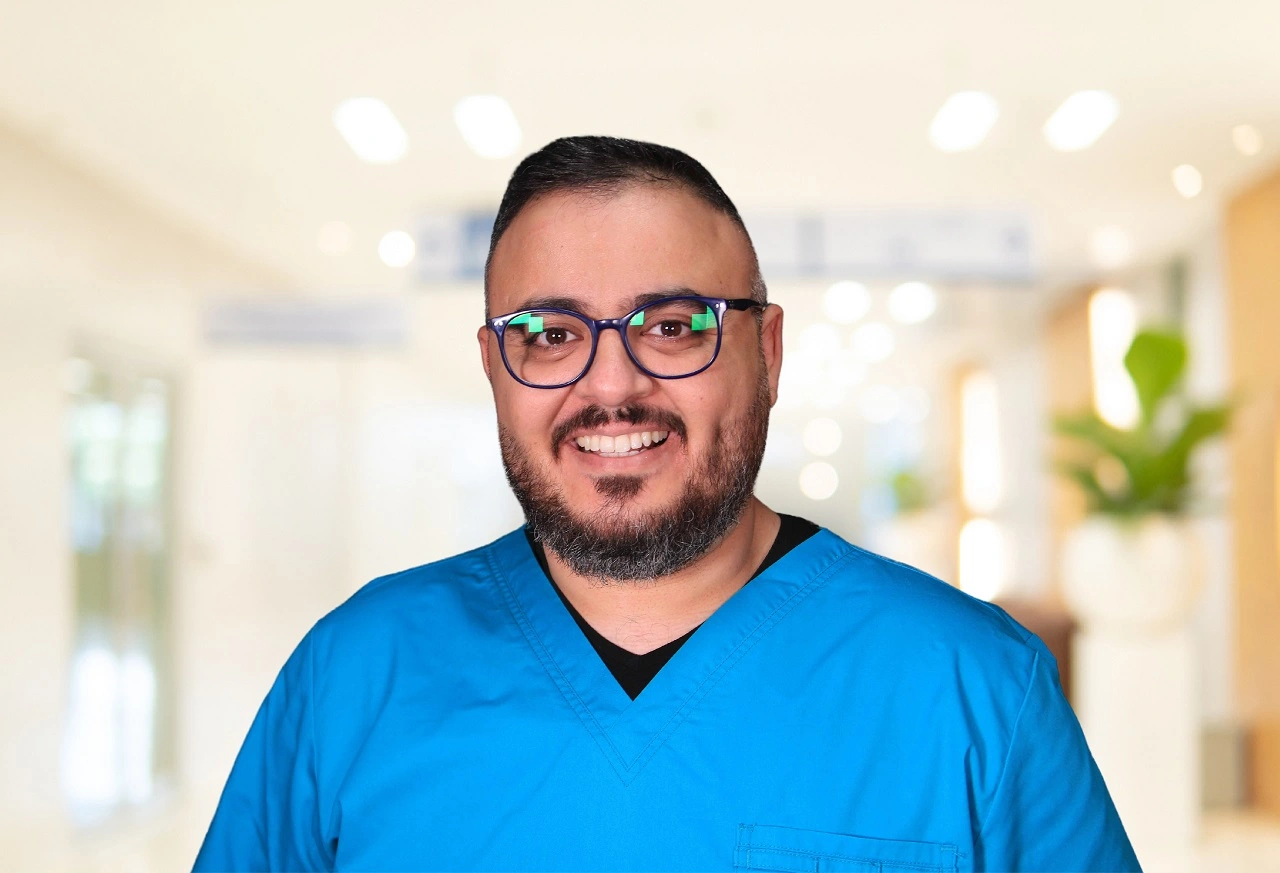
Dr. Chadi El Masry
Cosmetic & Restorative Dentistry
DDS
Dr. Chadi El Masry is a Cosmetic & Restorative Dentistry specialist at Doctors Clinic Diagnostic Center (DCDC) in Dubai Healthcare City.
Related Articles
Dental Fillings Cost Dubai: From AED 150

Dental Crown Cost Dubai: From AED 800
Dental Checkup Dubai: What to Expect
Teeth Grinding Dubai: Bruxism Signs & Care
More in Dental
Tooth Filling vs Crown Dubai: Which One? (2026)
مزید پڑھیں
Dental Crowns vs Veneers Dubai: Guide (2026)
مزید پڑھیںDentures vs Dental Implants Dubai (2026)
مزید پڑھیں
Dental Veneers Cost Dubai: From AED 500 (2026)
مزید پڑھیں
Root Canal vs Tooth Extraction Dubai (2026)
مزید پڑھیںDentures Cost Dubai: Types & Prices (2026)
مزید پڑھیں© 2026 Doctors Clinic Diagnostic Center (DCDC), Dubai Healthcare City. Originally published at https://doctorsclinicdubai.ae/blog/dental-inlays-onlays-cost-dubai. All rights reserved. Unauthorized reproduction is prohibited.