
اہم نکات
- Dental bridges in Dubai start from approximately AED 1,500 per unit for porcelain-fused-to-metal (PFM) and range up to AED 5,000 or more per unit for premium zirconia or implant-supported designs — a standard 3-unit bridge typically costs AED 3,000–12,000 total depending on the material and case complexity
- There are four main types of dental bridges — traditional (most common and strongest), cantilever (single-side support), Maryland or resin-bonded (minimally invasive, best for front teeth), and implant-supported (most durable, no adjacent tooth preparation required) — and the best choice depends on the location of the gap, the health of neighbouring teeth, and your budget
- A dental bridge is often the fastest and most cost-effective way to replace one or two missing teeth, with the entire procedure typically completed in two appointments over two to three weeks, compared to three to six months or longer for dental implants
- Most comprehensive dental insurance plans in the UAE cover dental bridges under major restorative benefits at 50 to 80 percent of the approved fee — DCDC works with 20-plus insurance providers including Daman, AXA, Bupa, MetLife, and Cigna with direct billing available
- With proper oral hygiene, regular dental check-ups, and careful dietary habits, a well-made dental bridge can last 10 to 15 years on average, with zirconia and implant-supported bridges lasting 15 to 25 years or more
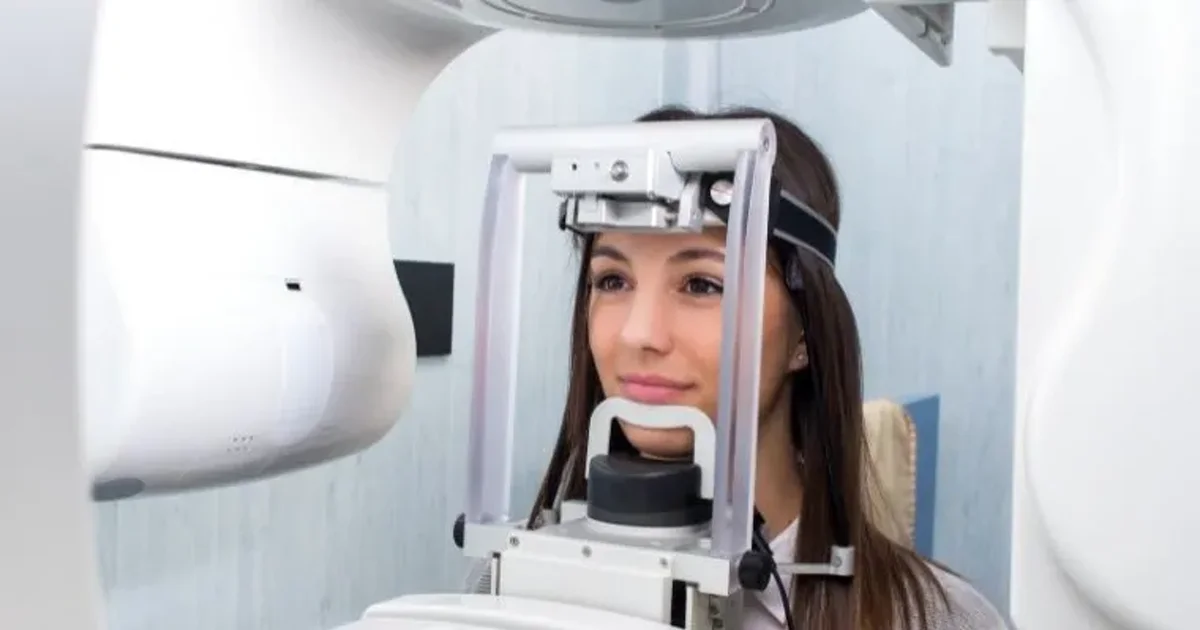
- At DCDC in Dubai Healthcare City, dental bridges are planned using on-site CBCT and OPG imaging for precise measurements, and our team of 6-plus dental specialists ensures each bridge matches your natural teeth in colour, shape, and bite alignment
A dental bridge is one of the most proven and cost-effective solutions for replacing one or more missing teeth, restoring both function and appearance in as little as two visits. Whether you have lost a tooth due to decay, trauma, or extraction, understanding dental bridge costs in Dubai before starting treatment helps you make a confident, informed decision. At Doctors Clinic Diagnostic Center, dental bridges start from approximately AED 1,500 per unit, with prices varying based on the bridge type, material, and number of units required.
This comprehensive guide covers everything you need to know about dental bridge costs in Dubai for 2026 — from a detailed pricing breakdown of every bridge type and material, to the factors that influence cost, the step-by-step procedure, a head-to-head comparison of bridges versus implants versus dentures, insurance coverage, aftercare tips, and answers to the most frequently asked questions. Whether your dentist has recommended a bridge and you want to understand pricing, or you are comparing your tooth replacement options, this guide will help you know exactly what to expect.

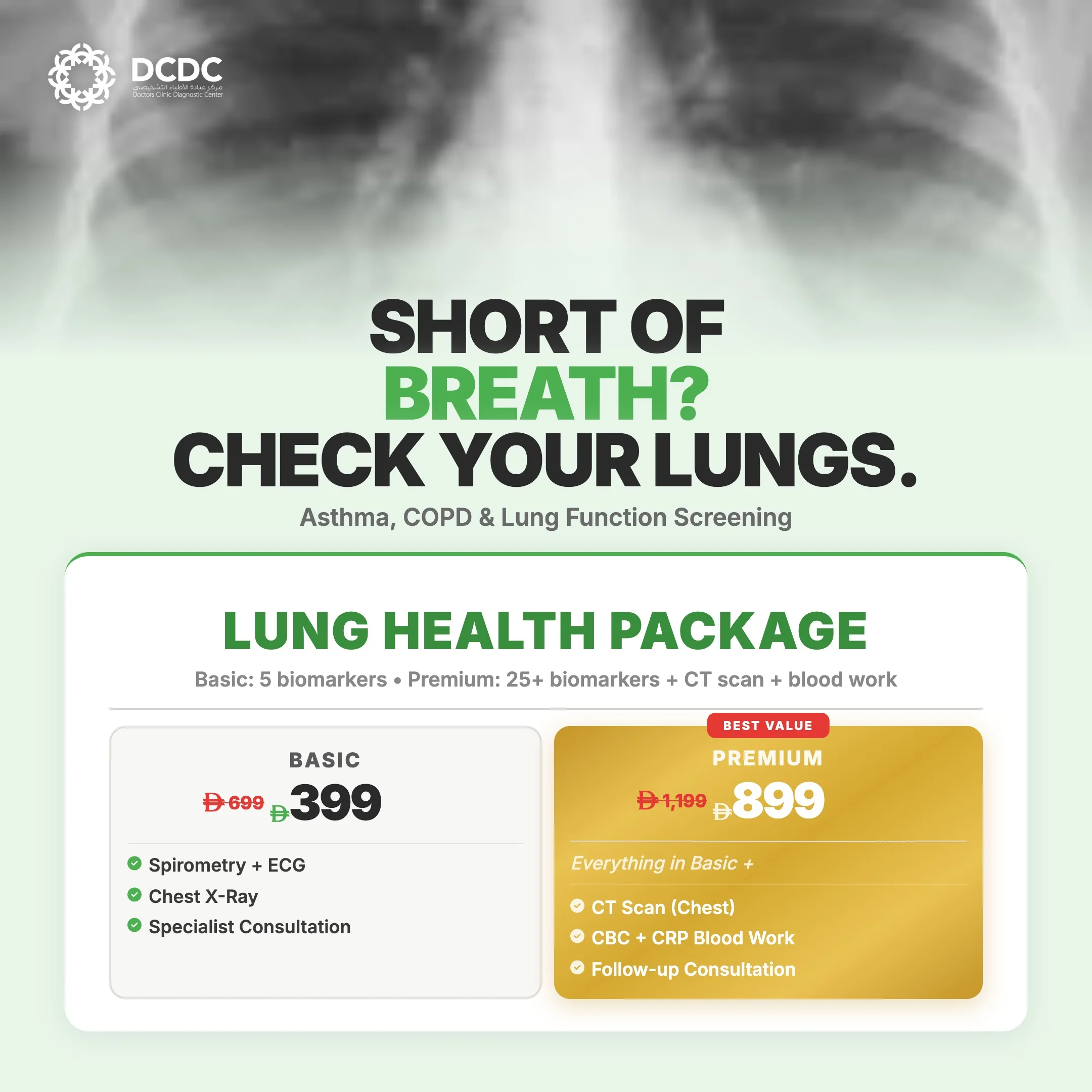
Dental Bridge Cost in Dubai: Price Comparison Table
Dental bridge prices in Dubai depend primarily on the bridge type, the material used, and the number of units (pontics plus abutment crowns). A standard 3-unit bridge consists of two abutment crowns on the teeth flanking the gap and one pontic (false tooth) in between. At Doctors Clinic Diagnostic Center, dental bridges start from approximately AED 1,500 per unit. The following table provides a comprehensive pricing overview of the most common bridge types available in Dubai.
| Bridge Type | Material | Per-Unit Price (AED) | 3-Unit Bridge Total (AED) | Durability |
|---|---|---|---|---|
| PFM (Porcelain-Fused-to-Metal) | Metal substructure with porcelain overlay | From 1,500–2,500 | 4,500–7,500 | 10–15 years |
| All-Porcelain / Ceramic | Feldspathic or leucite-reinforced porcelain | 2,000–3,000 | 6,000–9,000 | 10–15 years |
| Zirconia | Monolithic or layered zirconium dioxide | 2,500–4,000 | 7,500–12,000 | 15–20+ years |
| E-Max (Lithium Disilicate) | Pressed or CAD/CAM lithium disilicate glass ceramic | 2,500–3,500 | 7,500–10,500 | 10–15 years |
| Maryland (Resin-Bonded) | Porcelain or ceramic with metal or fibre wings | 1,500–3,000 | N/A (typically 1–2 units) | 5–10 years |
| Implant-Supported Bridge | Zirconia or PFM on titanium implants | 4,000–6,000 (bridge) + implant cost | 12,000–25,000+ (incl. 2 implants) | 15–25+ years |
Dental bridge pricing at DCDC starts from approximately AED 1,500 per unit. Prices are approximate and may vary based on case complexity, laboratory fees, and any additional preparatory treatments. Contact DCDC for a personalised quote.
It is important to understand that a dental bridge is priced per unit, not per tooth replaced. A 3-unit bridge replacing one missing tooth requires three units (two abutment crowns plus one pontic), so the total cost is three times the per-unit price. A 4-unit bridge replacing two adjacent missing teeth requires four units, and so on. When comparing quotes from different clinics, always clarify whether the quoted price is per unit or for the complete bridge to avoid confusion.
Understanding Dental Bridge Types
Choosing the right type of dental bridge is just as important as selecting the right material. Each bridge design has specific clinical indications, advantages, and limitations. Your dentist will recommend the most appropriate type based on the location of the missing tooth, the condition of the adjacent teeth, your bite forces, and your aesthetic requirements.
Traditional Fixed Bridge
A traditional fixed bridge is the most common and reliable type. It consists of one or more pontics (false teeth) held in place by dental crowns cemented onto the natural teeth on either side of the gap, known as abutment teeth. The abutment teeth must be filed down and reshaped to accommodate the crowns, which means removing a layer of healthy enamel. Traditional bridges are extremely strong and can replace one to three consecutive missing teeth in most cases. According to clinical studies, traditional bridges have a survival rate of approximately 89 to 94 percent at 10 years when properly maintained. They work best for replacing posterior (back) teeth where biting forces are highest, and for cases where the neighbouring teeth already have large fillings or existing crowns that would benefit from crown coverage.
Cantilever Bridge
A cantilever bridge is similar to a traditional bridge but is supported by an abutment crown on only one side of the gap rather than both sides. This makes it suitable when there is only one natural tooth available adjacent to the missing tooth — for example, at the back of the mouth where the missing tooth is the last tooth in the arch. Because cantilever bridges are supported on one side only, they experience greater leverage forces and have a higher risk of debonding or fracturing compared to traditional bridges. For this reason, they are typically recommended only for front teeth or areas with lower biting forces. Clinical evidence suggests cantilever bridges have a survival rate of approximately 82 percent at 18 years, which is lower than traditional bridges but still represents a viable option in specific clinical situations.
Maryland (Resin-Bonded) Bridge
A Maryland bridge, also known as a resin-bonded bridge or adhesive bridge, uses thin metal or porcelain wings that are bonded to the back surfaces of the neighbouring teeth instead of full crowns. This is the most conservative bridge option because it requires minimal or no tooth preparation — only light etching of the enamel surface for bonding. Maryland bridges are primarily used for replacing front teeth (incisors) where biting forces are lower and aesthetics are a priority. They are not suitable for back teeth because the bonded wings cannot withstand heavy chewing forces. While Maryland bridges are the most affordable option and the least invasive, they have a higher debonding rate over time compared to traditional bridges. Studies report a survival rate of approximately 87 percent at five years.
Implant-Supported Bridge
An implant-supported bridge is anchored to dental implants rather than natural teeth. Typically, two implants are placed — one at each end of the gap — to support a bridge spanning three or more missing teeth. This design is ideal for patients who are missing three or more consecutive teeth or who do not want to compromise healthy adjacent teeth. Implant-supported bridges offer the highest durability (15 to 25 years or more) and best preserve jawbone density because the implants stimulate the bone just like natural tooth roots. However, they require adequate bone volume, involve a surgical procedure, and have a significantly longer treatment timeline (three to six months or more) and higher cost. For a detailed breakdown of implant pricing, see our guide on dental implant costs in Dubai.
Factors That Affect Dental Bridge Cost in Dubai
Understanding why dental bridge prices vary from AED 1,500 to AED 5,000 or more per unit helps you evaluate quotes from different clinics and make a well-informed decision. Several key factors influence the final cost of your dental bridge.
- Bridge material: This is the single largest cost factor. PFM bridges are the most affordable, using a metal framework overlaid with porcelain. All-ceramic and E-Max bridges offer superior aesthetics at a higher price point. Zirconia bridges combine exceptional strength (900–1,200 MPa flexural strength) with good translucency and are the premium choice for both front and back teeth. The material directly affects both the laboratory fabrication cost and the longevity of the bridge.
- Number of units: The total cost scales with the number of units. Replacing one missing tooth requires a 3-unit bridge (two abutment crowns plus one pontic). Replacing two adjacent missing teeth requires a 4-unit bridge. Larger bridges cost proportionally more but may offer slightly reduced per-unit pricing at some clinics.
- Bridge type: A Maryland bridge is generally the least expensive because it requires minimal tooth preparation and uses bonded wings instead of full crowns. Traditional bridges are mid-range. Implant-supported bridges carry the highest cost because they include the surgical placement of titanium implants in addition to the bridge superstructure.
- Tooth location: Bridges for front teeth (incisors and canines) often demand premium materials and meticulous shade matching to achieve a seamless, natural appearance. Posterior (back tooth) bridges prioritise strength and function, which may allow the use of slightly less expensive materials.
- Laboratory fabrication: The dental laboratory that fabricates the bridge significantly affects cost. Bridges produced by premium European or Japanese dental laboratories typically cost more than those made locally in the UAE, but may offer higher translucency and colour matching. CAD/CAM digital fabrication generally produces more precise results than traditional wax-up methods.
- Preparatory treatments: If the abutment teeth require treatment before the bridge can be placed — such as composite fillings to rebuild lost tooth structure, a root canal, or periodontal (gum) treatment — these procedures add to the total treatment cost and are typically billed separately.
- Temporary bridge: A temporary acrylic bridge is placed while the permanent bridge is being fabricated in the laboratory. This protects the prepared abutment teeth, maintains aesthetics, and prevents tooth movement. Temporary bridge fees (typically AED 200–500) are usually included in the overall treatment cost but may be billed separately at some clinics.
- Clinic location and accreditation: Clinics in premium medical zones like Dubai Healthcare City (DHCC) operate under strict DHA and MOHAP regulatory standards, which ensures quality control and patient safety. While pricing may be slightly higher than in unregulated areas, the quality assurance and clinical governance justify the difference.
Dental Bridge vs Dental Implant vs Denture: Comparison
When you are missing one or more teeth, there are three main replacement options: a dental bridge, a dental implant, or a removable denture. Each option has distinct advantages and limitations in terms of cost, durability, procedure time, comfort, and impact on surrounding teeth and bone. The following comparison table helps you see the key differences at a glance.
| Feature | Dental Bridge | Dental Implant | Removable Partial Denture |
|---|---|---|---|
| Cost per tooth (AED) | 1,500–5,000 per unit | 3,000–7,000+ per implant + crown | 800–3,000 per arch |
| Treatment time | 2–3 weeks (2 appointments) | 3–6+ months (includes healing) | 2–4 weeks (2–3 appointments) |
| Lifespan | 10–15 years (up to 20+ for zirconia) | 15–25+ years (implant post: lifetime) | 5–7 years before reline or replacement |
| Adjacent teeth affected | Yes — abutment teeth are filed down | No — independent, self-supporting | Minimal — clasps rest on adjacent teeth |
| Bone preservation | No — bone resorption continues under pontic | Yes — implant stimulates bone like a natural root | No — accelerated bone resorption under denture |
| Comfort and feel | Fixed — feels like natural teeth | Fixed — closest to natural teeth | Removable — may feel bulky or loose |
| Chewing efficiency | 85–90% of natural teeth | 95–100% of natural teeth | 50–60% of natural teeth |
| Surgery required | No | Yes — implant placement surgery | No |
| Ideal for | 1–2 missing teeth with healthy adjacent teeth | 1+ missing teeth with adequate bone volume | Multiple missing teeth, budget-conscious patients |
Comparison based on typical Dubai pricing and clinical outcomes. Individual costs and timelines may vary. Consult your dentist for a personalised recommendation.
According to Dr. Chadi El Masry, a dental bridge is often the fastest and most cost-effective way to replace one or two missing teeth, especially when the adjacent teeth already have existing restorations that would benefit from crowns. However, if the neighbouring teeth are perfectly healthy and you want to avoid any preparation of sound tooth structure, a dental implant may be the better long-term investment despite the higher upfront cost and longer treatment time. For patients missing multiple teeth across an arch and seeking the most affordable solution, a removable partial denture offers an economical alternative, though it requires daily removal for cleaning and may feel less natural than fixed options.
Who Is a Good Candidate for a Dental Bridge?
A dental bridge is suitable for most adults who are missing one to three consecutive teeth and have healthy neighbouring teeth that can serve as abutment supports. Your dentist will assess several factors to determine whether a bridge is the right choice for you.
- Healthy abutment teeth: The teeth on either side of the gap must be strong enough to support the bridge. They should have adequate root structure, no active decay, and healthy supporting bone. If the abutment teeth have large existing fillings, crowns, or root canal treatments, they may actually be ideal candidates for bridge abutments because they already need crown coverage.
- Good oral hygiene: Patients who maintain consistent oral hygiene habits — brushing twice daily, flossing, and attending regular dental cleanings — tend to have the best outcomes with dental bridges. Gum disease must be treated and controlled before bridge placement.
- Stable bite and jaw alignment: The bridge must integrate properly with your bite. Severe malocclusion (bite problems) or active jaw joint disorders may need to be addressed before bridge treatment.
- One to three missing teeth in a row: Bridges work best for replacing a small number of consecutive missing teeth. For larger gaps (four or more missing teeth), an implant-supported bridge or removable denture may be more appropriate.
- Patients who prefer non-surgical treatment: Unlike dental implants, traditional bridges do not require surgery, making them ideal for patients who cannot or prefer not to undergo a surgical procedure due to medical conditions, medications (such as blood thinners), or personal preference.
Dental Bridges From AED 1,500 Per Unit at DCDC Dubai Healthcare City
Replace missing teeth with a precise, natural-looking dental bridge at Doctors Clinic Diagnostic Center in DHCC. Our 6-plus dental specialists use on-site CBCT and OPG imaging for accurate bridge planning and work with premium dental laboratories. Dental bridges start from approximately AED 1,500 per unit with all major insurance plans accepted.
Book your consultation today or walk in — Sat–Thu 8 AM–10 PM, Fri 9 AM–9 PM.
The Dental Bridge Procedure: Step by Step
Getting a dental bridge typically requires two to three appointments spread over two to three weeks. Understanding each step of the process helps you know exactly what to expect and reduces any anxiety about the procedure.
Appointment 1: Consultation and Tooth Preparation
Your first appointment begins with a thorough clinical examination and diagnostic imaging — at DCDC, this includes digital X-rays and, when indicated, CBCT or OPG scans for three-dimensional assessment of the abutment teeth, surrounding bone, and adjacent structures. Your dentist will discuss the bridge options, materials, timeline, and cost, and answer any questions you have. Once you decide to proceed, the abutment teeth are prepared under local anaesthesia. The dentist reshapes each abutment tooth by removing approximately 1.5 to 2 mm of enamel on all surfaces to create space for the bridge crowns. If an abutment tooth has significant decay, a composite core build-up may be placed first to restore the tooth structure. After preparation, precise dental impressions are taken — either using traditional impression material or a digital intraoral scanner — and sent to the dental laboratory. The shade of your natural teeth is carefully matched so the bridge blends seamlessly. Finally, a temporary acrylic bridge is fabricated and cemented onto the prepared teeth to protect them, maintain aesthetics, and prevent shifting while the permanent bridge is being made.
Laboratory Fabrication (1–2 Weeks)
The dental laboratory uses the impressions to create a custom bridge that precisely matches the contours, colour, and bite of your natural teeth. The fabrication process typically takes one to two weeks depending on the material chosen and the laboratory's workflow. Zirconia bridges are milled using CAD/CAM technology from solid blocks of zirconium dioxide, while PFM bridges involve casting the metal framework and layering porcelain by hand. E-Max bridges may be pressed or milled. The laboratory may send a try-in framework for the dentist to verify fit before applying the final ceramic layers.
Appointment 2: Bridge Fitting and Cementation
At the second appointment, the temporary bridge is removed and the permanent bridge is tried in. Your dentist checks the fit, colour match, bite alignment, and contact points with adjacent and opposing teeth. Minor adjustments are made as needed to ensure optimal comfort and function. Once both you and your dentist are satisfied with the fit and appearance, the bridge is permanently cemented using dental adhesive. Post-cementation, the dentist will verify your bite one final time and provide detailed aftercare instructions. Most patients can eat and drink normally within a few hours, though it is advisable to start with softer foods for the first day or two while you adjust to the new bridge.
What to Expect at DCDC: Your Dental Bridge Journey
At Doctors Clinic Diagnostic Center in Dubai Healthcare City, the dental bridge process is designed to be thorough, transparent, and comfortable from the first consultation to the final fitting. Here is what makes the DCDC dental bridge experience distinctive.
- Comprehensive digital imaging: DCDC uses on-site CBCT and OPG imaging for precise bridge planning. These advanced scans provide detailed three-dimensional views of the abutment teeth, root structure, bone density, and nerve positions, allowing your dentist to plan the bridge with exceptional accuracy and identify any potential complications before treatment begins.
- Experienced dental team: With 6-plus dental specialists including Dr. Chadi El Masry (DDS), DCDC offers expertise across all bridge types and materials. Dr. El Masry has extensive experience in both cosmetic and restorative dentistry, ensuring your bridge is not only functional but also aesthetically excellent.
- Advanced clinical equipment: DCDC's dental suites are equipped with ultrasonic scaling equipment, high-precision dental handpieces, and digital shade-matching technology to ensure each bridge integrates seamlessly with your natural teeth in colour, translucency, and surface texture.
- Premium laboratory partnerships: DCDC works with certified dental laboratories that use CAD/CAM fabrication and premium materials to produce bridges with exceptional fit, strength, and aesthetics.
- Transparent pricing and insurance support: You receive a detailed treatment plan and cost breakdown before any procedure begins. DCDC offers direct billing with 20-plus insurance providers, including Daman, AXA, Bupa, MetLife, and Cigna, so you know your out-of-pocket cost upfront.
- Convenient access: Located in Dubai Healthcare City (Building 47), DCDC offers extended hours (Sat–Thu 8 AM–10 PM, Fri 9 AM–9 PM), free parking, and walk-in availability with no referral needed.
Dental Bridge Materials: Which One Should You Choose?
The bridge material you select directly affects durability, aesthetics, comfort, and cost. Here is a detailed breakdown of the most common materials used for dental bridges in Dubai, so you can discuss the options confidently with your dentist.
Porcelain-Fused-to-Metal (PFM)
PFM bridges have been a mainstay of restorative dentistry for decades. They consist of a metal framework overlaid with layers of dental porcelain for a natural appearance. PFM offers a good balance of strength and aesthetics at the most affordable price point (from AED 1,500 per unit). The main drawback is that a dark metal line may become visible at the gum margin over time, particularly if gum recession occurs. Additionally, the porcelain layer can chip under heavy biting forces. PFM bridges are best suited for posterior (back) teeth where strength is the primary concern and the metal margin is less visible. If you are looking for ways to maintain the health of your remaining teeth alongside your bridge, consider regular professional dental cleanings to protect both the bridge and the supporting teeth.
Zirconia
Zirconia bridges are made from zirconium dioxide, one of the strongest dental ceramics available, with a flexural strength of 900 to 1,200 MPa. Monolithic zirconia bridges (milled from a single block) are virtually chip-proof and can withstand the heaviest biting forces, making them the gold standard for posterior bridges. Layered zirconia bridges have a translucent zirconia core with hand-layered porcelain for enhanced aesthetics, ideal for anterior (front) bridges where appearance is paramount. Zirconia bridges cost more (AED 2,500–4,000 per unit) but offer significantly longer lifespans of 15 to 20 years or more, potentially making them the better long-term value. They are also highly biocompatible and do not cause metal allergies.
E-Max (Lithium Disilicate)
E-Max bridges use lithium disilicate glass ceramic, which offers the best natural translucency and light transmission of any dental material — making it the premier choice for front teeth where aesthetics are the top priority. E-Max has a flexural strength of approximately 400 to 500 MPa, which is strong enough for anterior bridges and single-unit posterior bridges but may not be ideal for long-span posterior bridges where zirconia is preferred. E-Max bridges cost AED 2,500–3,500 per unit and typically last 10 to 15 years.
All-Porcelain / Ceramic
All-porcelain bridges offer excellent aesthetics with no metal components, making them a good choice for patients with metal sensitivities. They are priced at AED 2,000–3,000 per unit and are suitable for anterior and premolar bridges. However, they are not as strong as zirconia or PFM for long-span posterior bridges.
Insurance Coverage for Dental Bridges in Dubai
Most comprehensive dental insurance plans in the UAE classify dental bridges under major restorative benefits, typically covering 50 to 80 percent of the approved fee after the deductible and any waiting period. However, coverage details vary significantly between plans, so it is important to understand your specific policy.
- Pre-authorisation: Almost all insurance providers require pre-authorisation before bridge treatment can begin. Your dentist submits a treatment plan, X-rays, and clinical justification to the insurer for approval. At DCDC, the patient coordination team handles pre-authorisation on your behalf.
- Material limitations: Some plans cover bridges up to PFM level and require a patient co-payment (upgrade fee) if you choose a premium material like zirconia or E-Max. For instance, if your plan covers AED 1,500 per unit for PFM and you choose zirconia at AED 3,000 per unit, you would pay the AED 1,500 difference out of pocket.
- Annual maximums: Most dental plans have an annual benefit maximum (commonly AED 5,000–15,000 per year). A multi-unit bridge may exceed the annual maximum, in which case the remaining balance is your responsibility.
- Waiting periods: Some plans impose a 6 to 12-month waiting period for major restorative procedures like bridges. Check your policy for any waiting period that may apply.
- Direct billing at DCDC: DCDC works with over 20 insurance providers — including Daman, AXA, Bupa, MetLife, Cigna, Oman Insurance, and Orient — and offers direct billing, which means the insured portion is settled directly with the insurance company, and you only pay your co-payment or deductible at the time of treatment.
If you do not have dental insurance or your plan does not cover bridges, DCDC offers transparent self-pay pricing and can provide a detailed cost estimate before treatment begins. If you are exploring other restorative options that may be covered differently, our guide on dental crown costs in Dubai provides a useful comparison.
How Long Does a Dental Bridge Last?
The lifespan of a dental bridge depends on the type, the material, the quality of fabrication, and how well it is maintained. According to published clinical studies and dental associations, here are the expected lifespans by bridge type.
- Traditional PFM bridge: 10–15 years on average, with some lasting 20 years or more with excellent care. A systematic review published in the Journal of Dental Research reports a 10-year survival rate of approximately 89 to 94 percent for conventional fixed bridges.
- Zirconia bridge: 15–20 years or more. Zirconia's exceptional strength makes it highly resistant to fracture and wear, and studies show minimal degradation over extended periods.
- E-Max bridge: 10–15 years. E-Max is strong and aesthetic but slightly less durable than zirconia under heavy posterior biting forces.
- Maryland bridge: 5–10 years. The resin-bonded wings may debond over time, particularly under lateral forces, though rebonding is a straightforward procedure.
- Cantilever bridge: 5–10 years. Limited to low-stress areas due to single-sided support.
- Implant-supported bridge: 15–25 years or more for the bridge superstructure. The titanium implant posts themselves can last a lifetime with proper maintenance.
The most common reasons a dental bridge eventually fails include secondary decay developing at the abutment tooth margins, fracture of the ceramic or pontic, loss of cement bond, and progression of gum disease around the abutment teeth. All of these are largely preventable with proper oral hygiene and regular dental visits.
Aftercare: How to Make Your Dental Bridge Last
Proper aftercare is essential to maximise the lifespan of your dental bridge and protect the health of the supporting teeth and gums. Follow these evidence-based care guidelines to get the most out of your investment.
- Brush twice daily: Use a soft-bristled toothbrush and fluoride toothpaste. Pay special attention to the junction where the bridge crowns meet the gum line, as plaque tends to accumulate in these areas. An electric toothbrush with a pressure sensor can be especially effective for cleaning around bridges.
- Floss under the bridge daily: Standard dental floss cannot pass between the connected bridge units, so you need a floss threader, super floss, or an interdental brush to clean underneath the pontic and between the abutment teeth. This is the single most important step in bridge maintenance — food debris and plaque trapped under the pontic cause gum inflammation and bad breath if not removed daily.
- Use a water flosser: A water flosser (such as a Waterpik) is an excellent supplement to traditional flossing. It uses a pressurised stream of water to flush debris and bacteria from under the bridge and around the gum line. Many patients find it easier and more comfortable than floss threaders.
- Rinse with antiseptic mouthwash: An alcohol-free antiseptic mouthwash helps reduce bacterial plaque and gum inflammation around the bridge. Use it once daily, preferably before bedtime.
- Avoid hard and sticky foods: Chewing ice, hard candy, popcorn kernels, or sticky sweets (caramel, toffee) can damage the bridge porcelain or dislodge the cement. Cut hard foods like apples and raw carrots into smaller pieces rather than biting into them directly.
- Wear a night guard if you grind: Bruxism (teeth grinding) puts excessive force on the bridge and can cause fractures or premature wear. If you grind your teeth at night, a custom night guard protects the bridge and extends its lifespan significantly.
- Attend regular dental check-ups: Visit your dentist every six months for professional cleaning and bridge evaluation. Your dentist will check the cement integrity, look for signs of secondary decay at the abutment margins, assess gum health around the bridge, and take X-rays as needed to monitor the abutment teeth and bone levels.
Risks and Potential Complications of Dental Bridges
Dental bridges are one of the safest and most predictable dental procedures, but like any treatment, they carry some potential risks and complications. Understanding these helps you make an informed decision and recognise warning signs early.
- Tooth sensitivity: Mild sensitivity to hot, cold, or biting pressure in the abutment teeth is common for a few days to a couple of weeks after bridge placement. This usually resolves on its own as the teeth adjust. Persistent sensitivity beyond two to three weeks should be reported to your dentist.
- Secondary decay: Decay can develop at the margins where the bridge crowns meet the natural tooth structure if plaque is not adequately removed. This is the most common long-term complication and is largely preventable with thorough oral hygiene.
- Bridge loosening or debonding: The dental cement can weaken over time, especially if subjected to heavy bite forces, grinding, or if secondary decay undermines the seal. A loose bridge should be re-cemented promptly to prevent further damage.
- Ceramic fracture or chipping: The porcelain or ceramic on the bridge can chip or fracture from trauma, biting on hard objects, or manufacturing defects. Minor chips can sometimes be repaired chairside; larger fractures typically require a new bridge.
- Abutment tooth failure: In rare cases, an abutment tooth may develop irreversible pulpitis (nerve inflammation) after preparation, requiring root canal treatment through the bridge crown. If an abutment tooth fractures or becomes non-restorable, the entire bridge may need to be replaced.
- Gum recession: Over time, the gum tissue around the abutment teeth and under the pontic may recede, creating visible gaps or exposing the bridge margins. This is more common with PFM bridges where the metal substructure can become visible at the gum line.
Book Your Dental Bridge Consultation at DCDC
Ready to replace missing teeth and restore your smile? Doctors Clinic Diagnostic Center in Dubai Healthcare City offers comprehensive dental bridge treatment from AED 1,500 per unit. Our MOHAP-licensed facility, backed by DCDC's 4.8/5 Google rating from over 1,000 verified patient reviews, provides expert dental care with direct insurance billing and transparent pricing.
Call, WhatsApp, or walk in — no referral needed. Sat–Thu 8 AM–10 PM, Fri 9 AM–9 PM.
Dental Bridge Cost: Dubai vs Other Cities
Dubai is widely recognised as a regional hub for high-quality dental care, and dental bridge prices here are competitive compared to many Western countries while offering equivalent or superior quality of care and materials. The following overview provides context for how Dubai pricing compares internationally.
- Dubai, UAE: AED 1,500–5,000 per unit (approximately USD 400–1,360). Premium materials and internationally trained dentists in MOHAP-licensed facilities.
- United Kingdom: GBP 500–1,500 per unit privately (approximately AED 2,300–7,000). NHS bridges are available at Band 3 charges but with limited material options and longer waiting times.
- United States: USD 1,500–3,000 per unit (approximately AED 5,500–11,000). Costs are significantly higher due to overhead, malpractice insurance, and laboratory fees.
- India: INR 5,000–25,000 per unit (approximately AED 220–1,100). Lower costs but requires international travel and may involve variable quality standards.
- Turkey: EUR 150–500 per unit (approximately AED 600–2,000). Popular dental tourism destination with competitive pricing, though travel and accommodation costs should be factored in.
For Dubai residents and expats, getting a dental bridge locally at a clinic like DCDC offers the convenience of follow-up care, warranty coverage, and the security of treatment at a MOHAP-licensed facility — advantages that are not available with dental tourism. A cosmetic smile makeover combining bridges with veneers or crowns is also more practical when your dental team is local.
When a Dental Bridge May Not Be the Right Choice
While dental bridges are an excellent solution for many patients, there are clinical situations where a bridge may not be recommended and an alternative such as an implant or denture may be more appropriate.
- Healthy adjacent teeth with no restorations: If the teeth on either side of the gap are completely healthy and unrestored, filing them down for bridge abutments sacrifices healthy tooth structure. In this case, a dental implant preserves the adjacent teeth entirely.
- Multiple non-consecutive missing teeth: If you are missing teeth in different areas of the mouth (not next to each other), multiple separate bridges or implants may be needed, increasing complexity and cost.
- Severe bone loss or gum disease: If the abutment teeth have significant bone loss or untreated periodontal disease, they may not be strong enough to support a bridge. Gum disease treatment must be completed and stabilised before bridge placement.
- Large gaps (4+ missing teeth): Long-span bridges (replacing four or more consecutive teeth) have higher failure rates due to increased flexure and stress. Implant-supported bridges or removable dentures are typically preferred for larger gaps.
- Insufficient abutment tooth structure: If the teeth adjacent to the gap are heavily damaged, have very short roots, or have had previous failed restorations, they may not provide adequate support for a bridge.
How to Choose the Right Dental Bridge for You
Selecting the right dental bridge involves balancing several factors. Here is a practical framework to guide your decision in consultation with your dentist.
- Location of the gap: For front teeth, prioritise aesthetics — E-Max or layered zirconia offers the most natural appearance. For back teeth, prioritise strength — monolithic zirconia or PFM can withstand heavy chewing forces.
- Condition of adjacent teeth: If the neighbouring teeth already have large fillings or crowns, a traditional bridge makes clinical sense because they already need crown coverage. If they are healthy and unrestored, consider a Maryland bridge (for front teeth) or a dental implant to avoid removing healthy enamel.
- Budget considerations: PFM bridges offer the best value at AED 1,500–2,500 per unit. If budget allows, zirconia provides the best long-term value due to its superior durability. Calculate the cost per year of service: a zirconia bridge at AED 3,000 per unit lasting 20 years costs AED 150 per year, while a PFM bridge at AED 1,500 lasting 10 years costs AED 150 per year — similar long-term value, but zirconia avoids the inconvenience of replacement.
- Treatment timeline: If you need teeth replaced quickly, a traditional bridge can be completed in two to three weeks. If you can wait three to six months for a more permanent solution, an implant may be worth considering.
- Long-term dental health goals: Consider your overall dental plan. If you are planning a comprehensive smile makeover such as a Hollywood Smile, your dentist may recommend integrating the bridge with veneers or crowns on other teeth for a cohesive result.
DCDC میں متعلقہ خدمات
دبئی ہیلتھ کیئر سٹی میں ماہرانہ دیکھ بھال اور جدید تشخیص
Frequently Asked Questions
Final Thoughts
Dental bridges remain one of the most reliable, time-tested, and cost-effective solutions for replacing missing teeth. In Dubai, dental bridge prices start from approximately AED 1,500 per unit for PFM bridges and range up to AED 5,000 or more for premium zirconia or implant-supported designs, with a standard 3-unit bridge costing AED 3,000–12,000 total depending on the material and complexity. The right bridge type and material for you depends on the location of the gap, the condition of the adjacent teeth, your aesthetic goals, lifestyle, and budget — and a thorough consultation with an experienced dentist is the best way to determine the ideal option.
At Doctors Clinic Diagnostic Center in Dubai Healthcare City, our team of 6-plus dental specialists — including Dr. Chadi El Masry (DDS) — provides expert dental bridge treatment using on-site CBCT and OPG imaging, advanced clinical equipment, and premium dental laboratory materials for precise, long-lasting results. With bridges from AED 1,500 per unit, direct billing with 20-plus insurance partners, free parking, and extended clinic hours (Sat–Thu 8 AM–10 PM, Fri 9 AM–9 PM), restoring your smile has never been more accessible. Contact us today to book your dental bridge consultation or walk in — no referral needed.
ذرائع اور حوالہ جات
یہ مضمون ہماری طبی ٹیم نے جائزہ لیا ہے اور درج ذیل ذرائع کا حوالہ دیتا ہے:
- Cleveland Clinic — Dental Bridges: Types & Who Needs Them
- NHS — Bridges: Information for Patients
- American Dental Association — Dental Bridges
- Colgate Oral Care — How Long Do Dental Bridges Last?
- Journal of Prosthetic Dentistry — Survival of Fixed Dental Prostheses: Systematic Review
- Journal of Dental Research — Long-term Survival of Fixed Partial Dentures
اس سائٹ پر طبی مواد کا جائزہ DHA لائسنس یافتہ ڈاکٹرز نے لیا ہے۔ ہماری دیکھیں تحریری پالیسی مزید معلومات کے لیے۔

تحریر
Dr. Chadi El Masry
Dentist
DDS
Dr. Chadi El Masry is a Dentist at Doctors Clinic Diagnostic Center (DCDC) in Dubai Healthcare City.
Related Articles
Dental Implant Cost Dubai: From AED 3,000

Dental Crown Cost Dubai: From AED 800
Hollywood Smile Dubai: Cost & Veneer Guide
Dental Fillings Cost Dubai: From AED 150
Dental Cleaning Cost Dubai: From AED 200
More in Dental

Dental Scaling vs Deep Cleaning Dubai (2026)
مزید پڑھیںTooth Filling vs Crown Dubai: Which One? (2026)
مزید پڑھیںDental Crowns vs Veneers Dubai: Guide (2026)
مزید پڑھیں
Dentures vs Dental Implants Dubai (2026)
مزید پڑھیںDental Veneers Cost Dubai: From AED 500 (2026)
مزید پڑھیں
Root Canal vs Tooth Extraction Dubai (2026)
مزید پڑھیں© 2026 Doctors Clinic Diagnostic Center (DCDC), Dubai Healthcare City. Originally published at https://doctorsclinicdubai.ae/blog/dental-bridge-cost-dubai. All rights reserved. Unauthorized reproduction is prohibited.