
اہم نکات
- Anemia affects over 1.6 billion people worldwide, and its treatment depends entirely on identifying the correct type — iron supplements will not fix B12 deficiency, and giving iron to someone with thalassemia trait can be harmful
- The four most common types in Dubai are iron deficiency anemia, vitamin B12/folate deficiency anemia, thalassemia (5-10% carrier rate in the UAE), and anemia of chronic disease
- Diagnosis requires a comprehensive blood workup including CBC, iron studies, ferritin, B12, folate, reticulocyte count, and potentially hemoglobin electrophoresis — all available at DCDC with same-day results for routine tests
- IV iron infusion is recommended when oral iron is not tolerated or rapid correction is needed, with sessions available on-site at DCDC from AED 500
- Thalassemia is particularly prevalent in the UAE due to high consanguinity rates, and mandatory premarital screening now covers thalassemia testing as part of national genetic health policy
- Women are disproportionately affected by anemia — pregnancy doubles iron requirements, heavy menstruation causes chronic iron loss, and hormonal factors influence B12 and folate metabolism
Anemia — a condition where your blood lacks enough healthy red blood cells to deliver adequate oxygen to your body's tissues — is one of the most common medical conditions diagnosed in Dubai clinics. Yet many patients assume all anemia is the same and reach for iron supplements without understanding that incorrect treatment can delay recovery or cause harm. In Dubai's diverse population, the causes range from simple iron deficiency to genetic conditions like thalassemia, vitamin deficiencies, and chronic disease. At DCDC in Dubai Healthcare City, our internal medicine team performs comprehensive anemia workups with same-day blood testing, on-site IV iron infusion, and B12 injections — ensuring every patient receives the right diagnosis before starting treatment.
This guide covers every major type of anemia seen in Dubai — from iron deficiency and B12 deficiency to thalassemia and anemia of chronic disease. You will learn how each type is diagnosed, what blood tests are required, which treatments work for each condition, and what to expect during anemia care at DCDC. Whether you are experiencing persistent fatigue, have been told your hemoglobin is low, or want to understand a family history of thalassemia, this evidence-based, doctor-reviewed resource will help you take the right next step.
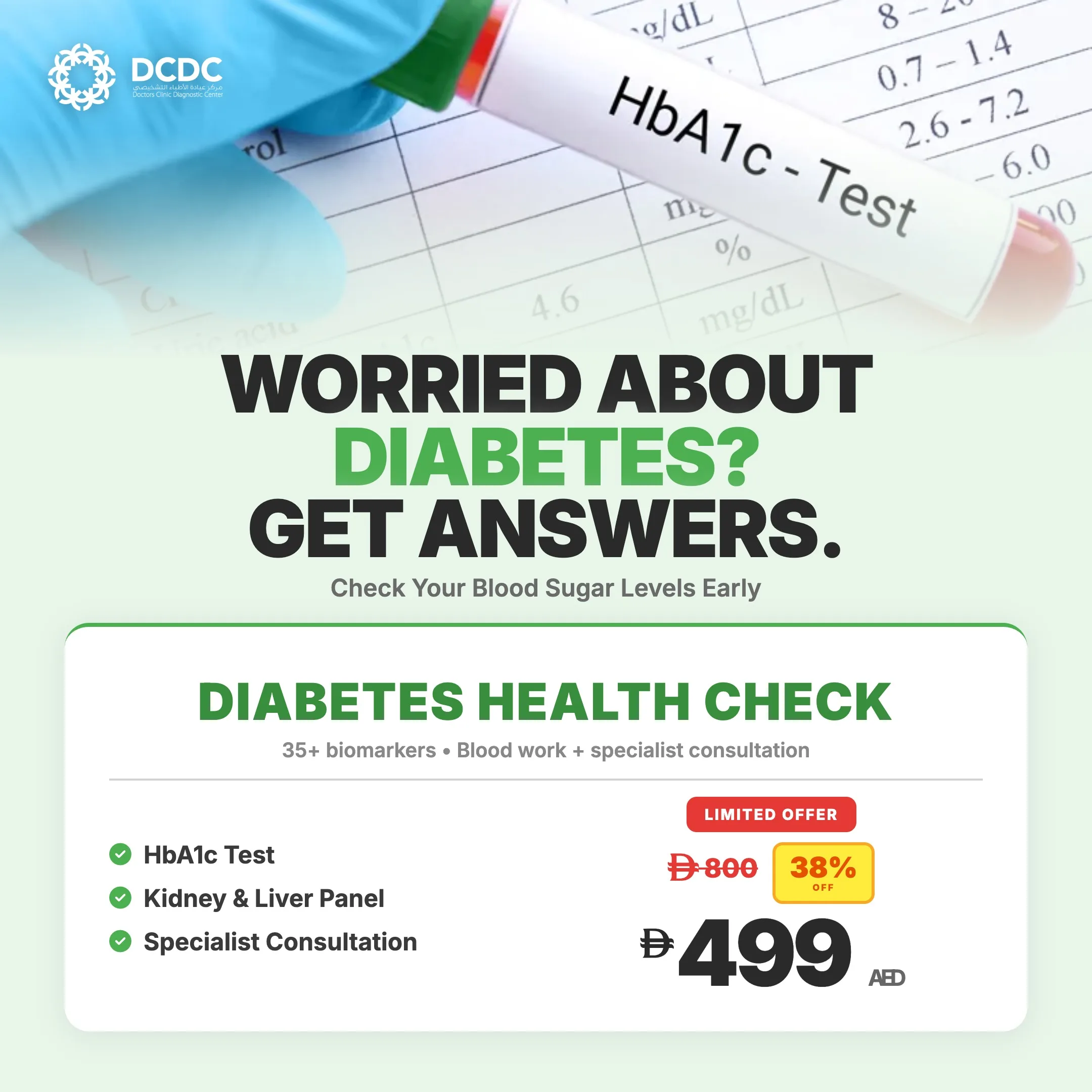
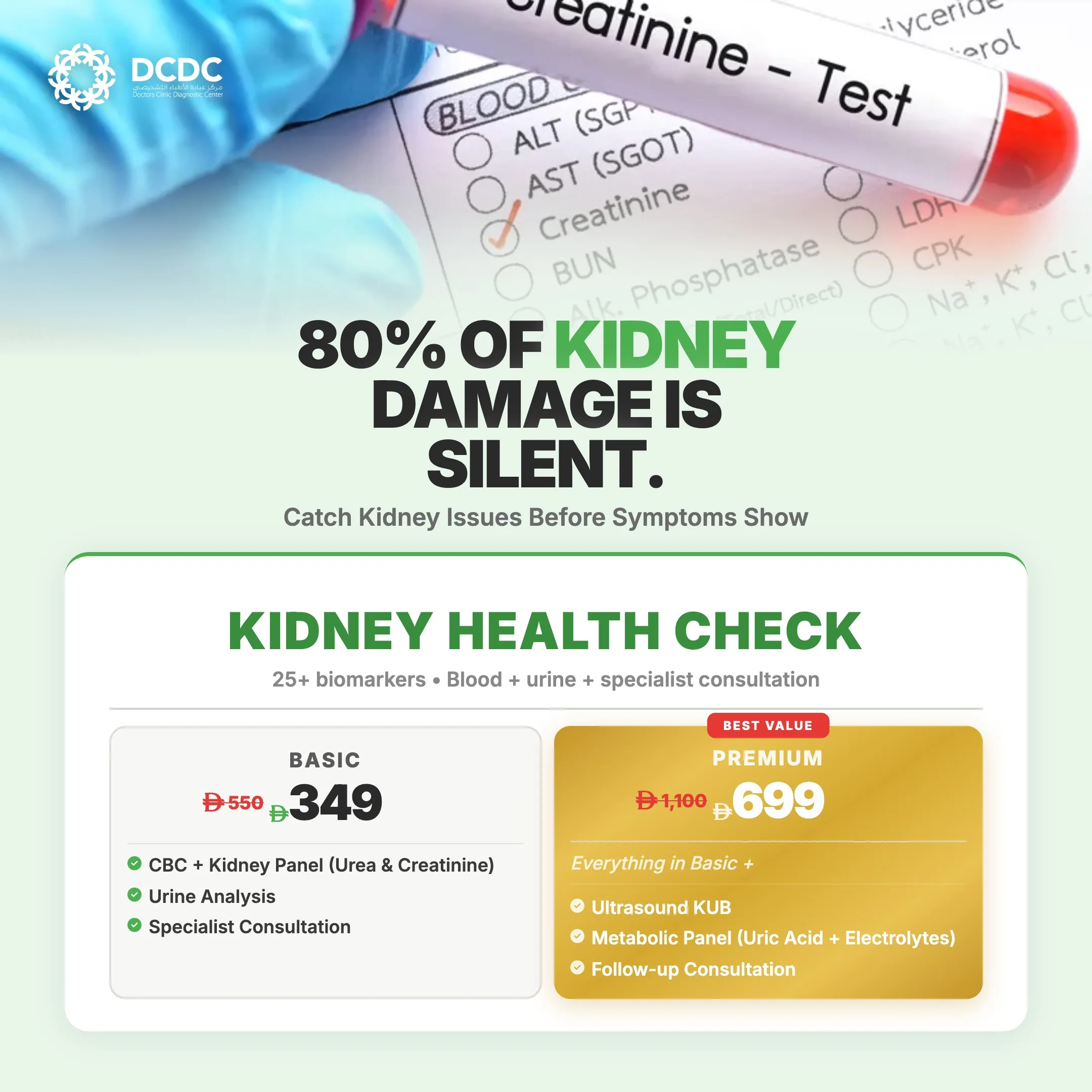
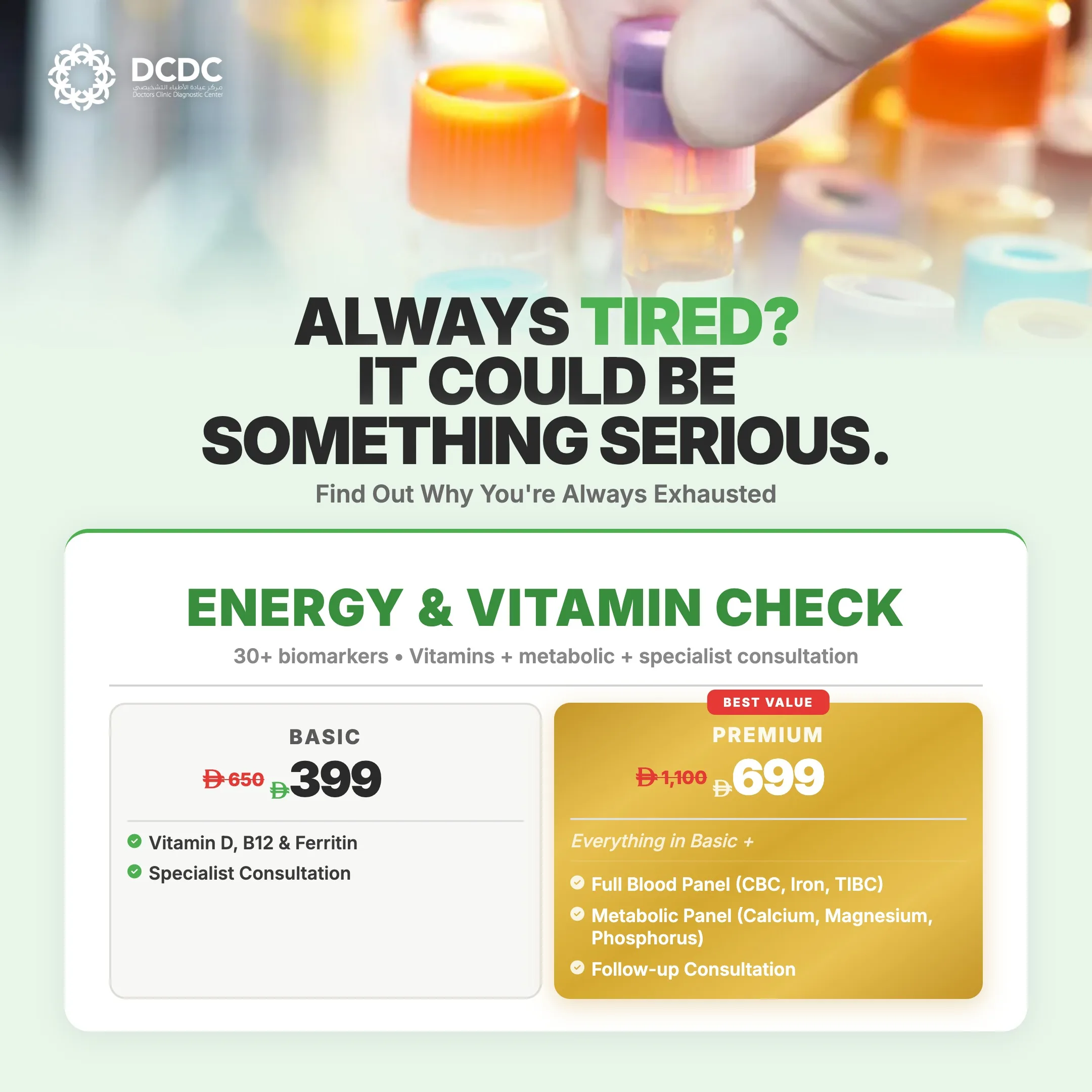
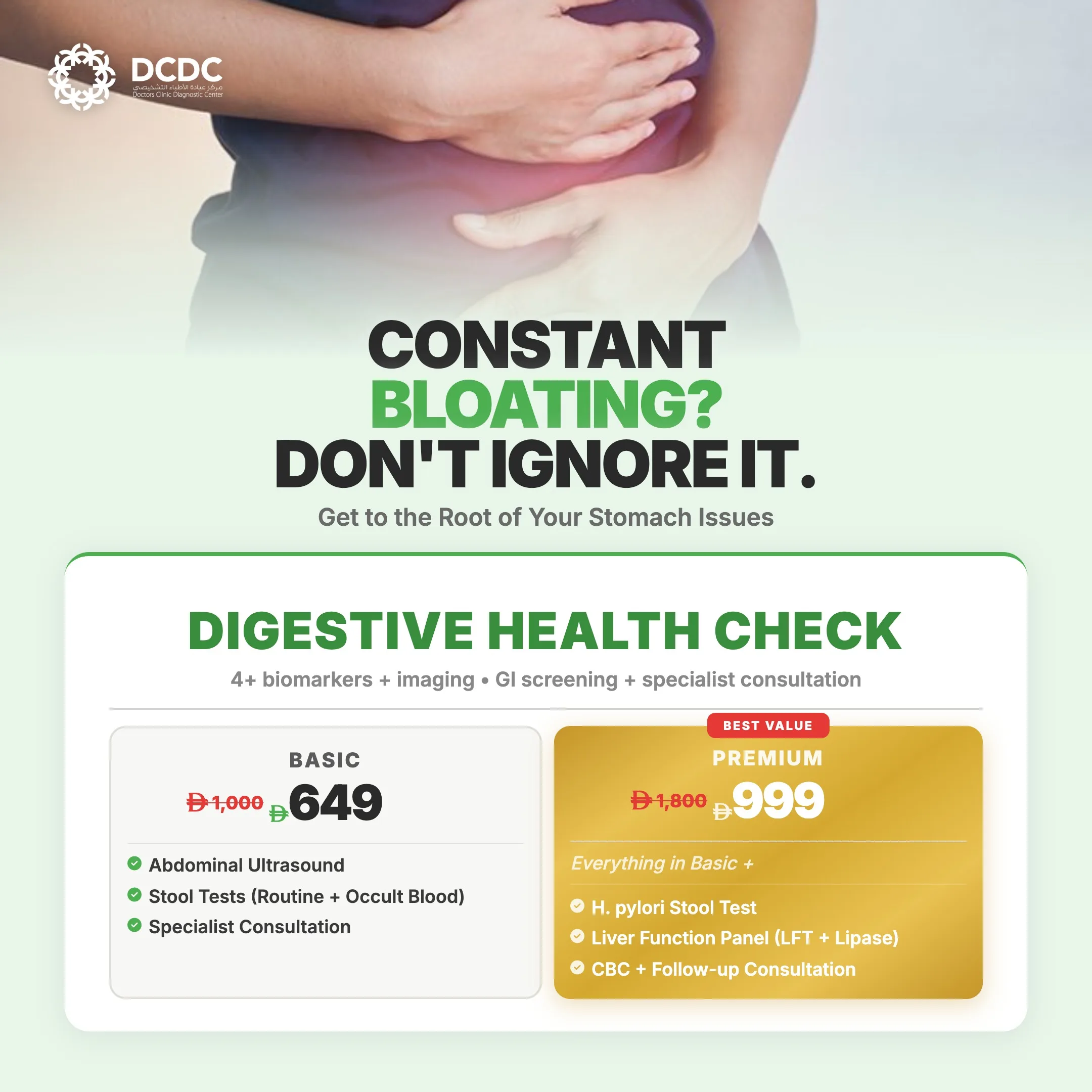
Health Screening Packages
Save with our bundled screening packages — specialist consultation included


What Is Anemia: Understanding Low Hemoglobin
Anemia is defined as a reduction in the number of red blood cells or the amount of hemoglobin in your blood, resulting in decreased oxygen delivery to organs and tissues throughout the body. Hemoglobin is the iron-containing protein inside red blood cells that binds oxygen in the lungs and releases it where it is needed. When hemoglobin falls below established thresholds, the body compensates by increasing heart rate and breathing rate, producing the characteristic symptoms of fatigue, weakness, and shortness of breath.
The World Health Organization defines anemia as hemoglobin below 13 g/dL in adult men and below 12 g/dL in non-pregnant adult women. For pregnant women, the threshold is 11 g/dL in the first and third trimesters and 10.5 g/dL in the second trimester. Severe anemia is classified as hemoglobin below 8 g/dL in non-pregnant adults and below 7 g/dL in pregnant women. According to the WHO, anemia affects approximately 1.62 billion people globally — nearly 25% of the world's population — making it one of the most prevalent medical conditions worldwide.
Understanding anemia starts with recognising that it is not a disease in itself but a sign of an underlying condition. The cause may be as simple as insufficient dietary iron or as complex as a genetic hemoglobin disorder. Effective treatment depends entirely on identifying the correct type, which is why a thorough blood workup is the essential first step. For a foundational understanding of the blood test that screens for anemia, see our CBC blood test guide.
Types of Anemia: A Complete Comparison
There are more than 400 types of anemia, but in clinical practice in Dubai, the vast majority of cases fall into a handful of categories. Each type has a distinct cause, diagnostic pattern, and treatment approach. Misidentifying the type leads to ineffective or potentially harmful treatment — for example, giving iron to a patient with thalassemia trait can cause dangerous iron overload. The table below compares the most common types encountered in the UAE.
| Type | Cause | MCV | Key Marker | Treatment |
|---|---|---|---|---|
| Iron deficiency anemia | Low dietary iron, blood loss, malabsorption | Low (<80 fL) | Ferritin <30 ng/mL | Oral iron or IV iron infusion |
| Vitamin B12 deficiency | Poor intake, pernicious anemia, malabsorption | High (>100 fL) | B12 <200 pg/mL | B12 injections or high-dose oral B12 |
| Folate deficiency | Poor dietary intake, pregnancy, medications | High (>100 fL) | Folate <3 ng/mL | Folic acid supplements |
| Thalassemia trait | Inherited hemoglobin gene mutation | Very low (<70 fL) | HbA2 elevated on electrophoresis | Usually no treatment needed; genetic counselling |
| Thalassemia major | Homozygous hemoglobin gene mutation | Very low | Hb electrophoresis abnormal | Regular blood transfusions, iron chelation |
| Anemia of chronic disease | Chronic infection, autoimmune disease, cancer | Normal or low | Ferritin normal/high, low TIBC | Treat underlying disease |
| Hemolytic anemia | Autoimmune, G6PD deficiency, infections | Normal or high | High reticulocyte count, high LDH | Treat cause; steroids if autoimmune |
| Sickle cell anemia | Inherited HbS gene mutation | Normal | HbS on electrophoresis | Hydroxyurea, pain management, transfusions |
Comparison of common anemia types by cause, diagnostic markers, and treatment approach
According to Dr. Hadeel Elnur at DCDC, 'Many patients come in thinking all anemia is the same, but treatment depends entirely on the type. Iron supplements won't help B12 deficiency, and giving iron to someone with thalassemia trait can actually be harmful. That's why we always do a complete workup before starting treatment.' This comprehensive diagnostic approach is essential in Dubai's multicultural population, where genetic anemias like thalassemia and sickle cell disease coexist with nutritional deficiencies.
Iron Deficiency Anemia: Causes & Treatment
Iron deficiency anemia is the most common type of anemia worldwide and the most frequent cause of low hemoglobin in Dubai clinics. It occurs when the body's iron stores become depleted to the point where hemoglobin production is impaired. The body cannot manufacture iron — it must be obtained from food or supplements — and any condition that reduces intake, impairs absorption, or increases loss can lead to deficiency.
Common Causes of Iron Deficiency in Dubai
- Blood loss: The most common cause in premenopausal women is heavy menstrual bleeding (menorrhagia). In men and postmenopausal women, gastrointestinal bleeding from ulcers, polyps, or colorectal cancer must be excluded
- Inadequate dietary intake: Diets low in red meat, organ meats, and iron-fortified foods — including many popular restrictive diets in Dubai — fail to meet the body's daily iron requirement of 8 mg for men and 18 mg for women
- Malabsorption: Celiac disease, inflammatory bowel disease, H. pylori infection, and previous gastric surgery reduce the gut's ability to absorb iron from food
- Increased demand: Pregnancy, breastfeeding, rapid growth in children and adolescents, and intense athletic training all increase iron requirements beyond what diet alone can provide
- Tea and coffee consumption: Tannins and polyphenols in tea and coffee — central to Dubai's social culture — can reduce iron absorption by up to 60% when consumed with meals
Treatment of Iron Deficiency Anemia
Treatment follows a stepwise approach based on severity. Oral iron supplements (ferrous sulfate, ferrous fumarate, or iron bisglycinate) are the first-line treatment, typically 100-200 mg elemental iron daily for 3-6 months. Response is monitored with a reticulocyte count at 1 week and a repeat CBC and ferritin at 4-8 weeks. For patients who cannot tolerate oral iron due to gastrointestinal side effects, who have malabsorption, or who need rapid correction (severe anemia, late pregnancy, pre-surgery), IV iron infusion delivers a full replacement dose in a single 15-30 minute session. At DCDC, IV iron infusion with ferric carboxymaltose (Ferinject) is available on-site, providing up to 1,000 mg of iron in a single visit.
Crucially, treatment must also address the underlying cause. Iron supplementation corrects the deficiency but does not stop ongoing losses. Women with heavy periods may need gynaecological evaluation, patients with gastrointestinal symptoms require endoscopy, and those with dietary causes benefit from tailored nutritional counselling. For a deeper understanding of the diagnostic tests involved, see our iron deficiency anemia test guide.
Vitamin B12 & Folate Deficiency Anemia
Vitamin B12 (cobalamin) and folate (vitamin B9) are essential for DNA synthesis and red blood cell maturation. When either is deficient, the bone marrow produces abnormally large, immature red blood cells called megaloblasts that cannot function properly. This results in macrocytic anemia — characterised by a high MCV (>100 fL) on the CBC — along with potential neurological complications that do not occur with iron deficiency.
Vitamin B12 Deficiency
B12 is found exclusively in animal products — meat, fish, eggs, and dairy. Strict vegetarians and vegans are at high risk of deficiency, as are patients with pernicious anemia (an autoimmune condition that destroys the stomach cells needed for B12 absorption), those taking long-term metformin or proton pump inhibitors, and individuals with Crohn's disease or previous ileal surgery. Neurological symptoms — numbness and tingling in hands and feet, balance problems, memory difficulties, and depression — can develop before anemia becomes apparent and may be irreversible if B12 is not replaced promptly.
Treatment depends on the cause. Dietary deficiency responds to high-dose oral B12 supplements (1,000-2,000 mcg daily). Pernicious anemia and malabsorption require intramuscular B12 injections — typically a loading course of injections over 2-4 weeks, followed by maintenance injections every 1-3 months for life. At DCDC, B12 intramuscular injections are available on-site, and treatment response is confirmed with repeat blood testing. For detailed information about B12 testing, see our vitamin B12 deficiency guide and our vitamin B12 test guide.
Folate Deficiency
Folate deficiency causes a similar macrocytic anemia but without the neurological symptoms of B12 deficiency. It is most commonly caused by poor dietary intake (folate is found in green leafy vegetables, legumes, and fortified foods), increased requirements during pregnancy, and certain medications including methotrexate and some anticonvulsants. Treatment involves oral folic acid 5 mg daily for 4 months. During pregnancy, folate supplementation (400 mcg daily) is recommended from preconception through the first trimester to prevent neural tube defects.
A critical point in clinical practice: folate supplementation must never be given without first checking B12 levels. Folate can correct the anemia of B12 deficiency while allowing the neurological damage to progress silently. This is why comprehensive testing that includes both vitamins is essential before starting treatment.
Thalassemia in the UAE: Screening & Management
Thalassemia is an inherited blood disorder in which the body produces abnormal or insufficient hemoglobin, leading to chronic anemia and red blood cell destruction. It is particularly significant in the UAE, where the carrier rate for beta-thalassemia is estimated at 5-10% — among the highest in the world. This high prevalence is attributed to the historically high rate of consanguineous marriage (estimated at 50% of unions among Emirati nationals) and the population's geographic overlap with the thalassemia belt stretching from the Mediterranean through the Middle East to South and Southeast Asia.
Thalassemia Trait (Minor)
Thalassemia carriers have one normal and one affected hemoglobin gene. They typically have mild anemia with very low MCV (<70 fL) but near-normal hemoglobin levels. The condition requires no treatment but has important implications for family planning: if both parents carry a thalassemia trait, each pregnancy carries a 25% risk of thalassemia major. This is why the UAE government mandated premarital genetic screening — now covering 570 genes and 840+ diseases as of 2025 — to identify at-risk couples and provide genetic counselling before marriage.
Thalassemia Major
Patients with thalassemia major inherit two affected genes and develop severe anemia requiring regular blood transfusions every 2-4 weeks from infancy. Chronic transfusions lead to iron overload, which must be managed with iron chelation therapy to prevent damage to the heart, liver, and endocrine organs. Modern chelation agents such as deferasirox (Exjade) are taken orally, improving quality of life compared to older intravenous chelation. Management is lifelong and requires coordination between haematologists, cardiologists, and endocrinologists.
At DCDC, thalassemia screening with hemoglobin electrophoresis is available as part of the comprehensive anemia workup. This test identifies the specific hemoglobin variants present, distinguishing thalassemia trait from iron deficiency (which can produce similar CBC results) and identifying carriers who would benefit from genetic counselling. For patients from high-risk populations — Middle Eastern, South Asian, Southeast Asian, and Mediterranean backgrounds — screening is recommended even in the absence of symptoms.
Anemia of Chronic Disease
Anemia of chronic disease (ACD) is the second most common type of anemia worldwide, after iron deficiency. It occurs in the setting of chronic infections (tuberculosis, HIV, hepatitis), autoimmune conditions (rheumatoid arthritis, lupus, inflammatory bowel disease), chronic kidney disease, and malignancies. The underlying mechanism involves inflammatory cytokines that increase hepcidin production — a hormone that blocks iron absorption from the gut and traps iron within storage cells, making it unavailable for red blood cell production.
The distinguishing laboratory feature of ACD is low serum iron with normal or elevated ferritin — the opposite pattern from iron deficiency, where ferritin is depleted. TIBC is typically low or normal (compared to high in iron deficiency). This distinction is clinically critical because iron supplementation in ACD is generally ineffective and can worsen iron overload. Treatment focuses on managing the underlying disease; as inflammation resolves, anemia typically improves. In patients with chronic kidney disease, erythropoietin-stimulating agents (ESAs) may be prescribed to boost red blood cell production.
ACD and iron deficiency can coexist — a common scenario in patients with chronic diseases who also have poor dietary intake or gastrointestinal blood loss. Distinguishing combined deficiency from pure ACD requires careful interpretation of iron studies, sometimes including soluble transferrin receptor levels and the ferritin index. DCDC physicians investigate the underlying cause of anemia of chronic disease and coordinate with specialists as needed.
Symptoms of Anemia: Warning Signs to Watch
Anemia symptoms develop gradually as hemoglobin falls, and many patients attribute them to other causes — particularly in Dubai, where heat, stress, and demanding work schedules are convenient explanations for fatigue. The symptoms are caused by reduced oxygen delivery to tissues and the body's compensatory responses (increased heart rate, redirected blood flow). Recognising these warning signs prompts timely testing and prevents complications of untreated anemia.
- Persistent fatigue and weakness: The most common and earliest symptom — present in virtually all patients with hemoglobin below 10 g/dL and often present with milder anemia
- Pale skin, nail beds, and inner eyelids: Pallor reflects reduced hemoglobin in the blood and is most reliably assessed by examining the conjunctivae (inner eyelids)
- Shortness of breath on exertion: Activities that were previously effortless — climbing stairs, walking to the car, light exercise — become noticeably more difficult
- Dizziness and lightheadedness: Reduced oxygen delivery to the brain causes feelings of faintness, particularly when standing up quickly (orthostatic symptoms)
- Rapid or irregular heartbeat: The heart beats faster and harder to compensate for reduced oxygen-carrying capacity — palpitations may be the presenting complaint
- Cold hands and feet: The body redirects blood flow to vital organs, reducing circulation to extremities
- Headaches and difficulty concentrating: Brain tissue is highly sensitive to oxygen deprivation, resulting in cognitive symptoms that affect work performance and daily function
- Brittle nails and hair loss: Iron, B12, and folate are all essential for keratin production — deficiency causes nails to weaken and hair to thin
- Unusual cravings (pica): Craving ice, clay, starch, or other non-food substances is a well-documented sign of severe iron deficiency
- Restless leg syndrome: An irresistible urge to move the legs, especially at night, is strongly associated with iron deficiency and responds to iron repletion
Some symptoms are specific to certain types of anemia. Neurological symptoms — tingling and numbness in the extremities, difficulty with balance, memory problems — suggest B12 deficiency specifically. Jaundice (yellowing of the skin and eyes) indicates hemolytic anemia, where red blood cells are being destroyed faster than they are produced. If you are experiencing persistent fatigue alongside any of these symptoms, a blood test is the logical next step. For a comprehensive discussion of fatigue causes beyond anemia, see our chronic fatigue causes guide.
Anemia Diagnosis: Blood Tests You Need
Diagnosing anemia and identifying its type requires a structured panel of blood tests. A single test — such as a CBC alone — can confirm anemia exists but cannot distinguish iron deficiency from thalassemia, B12 deficiency, or chronic disease. At DCDC, the anemia workup is tailored to each patient but typically includes the following tests, all processed in our on-site MOHAP-licensed laboratory.
| Test | What It Measures | What It Reveals |
|---|---|---|
| CBC (Complete Blood Count) | Hemoglobin, hematocrit, MCV, MCH, RDW, WBC, platelets | Confirms anemia, classifies by cell size (microcytic, normocytic, macrocytic) |
| Serum Ferritin | Body's iron stores | Low = iron deficiency; normal/high with low serum iron = chronic disease or iron overload |
| Serum Iron | Circulating iron bound to transferrin | Low in both iron deficiency and chronic disease |
| TIBC & Transferrin Saturation | Blood's iron-binding capacity and % saturation | High TIBC with low saturation = iron deficiency; low TIBC = chronic disease |
| Vitamin B12 | Circulating cobalamin levels | Low = B12 deficiency causing macrocytic anemia and/or neurological symptoms |
| Folate (Folic Acid) | Circulating folate levels | Low = folate deficiency causing macrocytic anemia |
| Reticulocyte Count | Immature red blood cells from bone marrow | High = bone marrow responding (hemolysis, blood loss); low = production problem |
| Hemoglobin Electrophoresis | Types and proportions of hemoglobin variants | Identifies thalassemia, sickle cell disease, and other hemoglobinopathies |
Blood tests used in the comprehensive anemia workup at DCDC
At DCDC, comprehensive blood panels including CBC, iron studies, ferritin, B12, folate, reticulocyte count, and hemoglobin electrophoresis are all available from our on-site laboratory. CBC results are typically available the same day, while specialised tests such as iron studies and B12 are ready within 24 hours. This rapid turnaround means your physician can review results and begin a treatment plan in a single visit. For a detailed explanation of the most common foundational blood test, visit our blood test Dubai guide.
Anemia Treatment Options in Dubai
Treatment for anemia is not one-size-fits-all. The correct approach depends on the type, severity, underlying cause, and individual patient factors. The table below summarises the recommended treatment by anemia type, reflecting current clinical guidelines.
| Anemia Type | First-Line Treatment | Second-Line / Severe Cases | Expected Response Time |
|---|---|---|---|
| Iron deficiency | Oral iron supplements (100-200 mg/day for 3-6 months) | IV iron infusion (ferric carboxymaltose) | Hb rise of 1-2 g/dL in 4 weeks |
| B12 deficiency (dietary) | High-dose oral B12 (1,000-2,000 mcg/day) | IM B12 injections if malabsorption | Reticulocyte rise in 5-7 days |
| B12 deficiency (pernicious anemia) | IM B12 injections (loading + maintenance) | Lifelong injections every 1-3 months | Neurological improvement over weeks-months |
| Folate deficiency | Oral folic acid 5 mg/day for 4 months | Address underlying cause (diet, medications) | Hb normalises in 2-3 months |
| Thalassemia trait | No treatment needed; genetic counselling | Folic acid supplementation if needed | Not applicable |
| Thalassemia major | Regular blood transfusions every 2-4 weeks | Iron chelation therapy (deferasirox) | Ongoing lifelong management |
| Anemia of chronic disease | Treat underlying condition | ESAs for CKD-related anemia; IV iron if combined deficiency | Depends on underlying disease control |
| Hemolytic anemia | Treat cause; corticosteroids if autoimmune | Immunosuppressants, splenectomy | Variable; weeks to months |
Anemia treatment approaches by type — based on current clinical guidelines
At DCDC, treatment options available on-site include oral supplement prescriptions, IV iron infusion therapy, and B12 intramuscular injections. For conditions requiring specialist management — such as thalassemia major, hemolytic anemia, or anemia secondary to malignancy — our physicians provide referrals to haematologists and other specialists within Dubai Healthcare City, ensuring continuity of care.
Anemia Treatment Cost in Dubai
The cost of anemia diagnosis and treatment in Dubai varies depending on the tests ordered, the type of treatment required, and the healthcare facility. At DCDC in Dubai Healthcare City, pricing is transparent, and most tests and treatments are covered by insurance with direct billing available for over 20 insurance partners.
| Service | DCDC Price Range | Market Range in Dubai |
|---|---|---|
| CBC (Complete Blood Count) | From AED 50-100 | AED 80-250 |
| Iron studies panel (iron, ferritin, TIBC) | From AED 200-400 | AED 250-600 |
| Comprehensive anemia panel (CBC + iron + B12 + folate) | From AED 300-500 | AED 400-800 |
| Hemoglobin electrophoresis | From AED 200-400 | AED 250-600 |
| IV iron infusion (per session) | From AED 500-1,500 | AED 800-3,000 |
| B12 intramuscular injection | From AED 100-300 | AED 150-500 |
| Internal medicine consultation | From AED 200-400 | AED 300-700 |
Anemia diagnosis and treatment costs at DCDC Dubai Healthcare City (2026)
At DCDC, a comprehensive anemia blood panel starts from AED 200, and IV iron infusion from AED 500 per session. Direct billing is available with over 20 insurance partners, so most insured patients pay only their co-pay (typically 10-20%) at the time of visit. Walk-in patients receive the same transparent pricing, and no hidden consultation fees are added to laboratory test orders.
Book Your Anemia Workup at DCDC
Comprehensive anemia blood panel from AED 200. Same-day CBC results. IV iron infusion and B12 injections available on-site at Dubai Healthcare City.
Call 04 254 3700 or WhatsApp us to book
What to Expect at DCDC for Anemia Care
DCDC provides end-to-end anemia care from initial diagnosis through treatment and follow-up monitoring, all within a single facility in Dubai Healthcare City. Here is the step-by-step patient journey for anemia evaluation and treatment.
Step 1: Arrival and Check-In
DCDC is located in Building 64, Block A, Al Razi Medical Complex, Dubai Healthcare City. Free parking is available in the building's designated areas. Check-in at reception takes 2-3 minutes. Walk-in patients are seen on a first-come basis with an average wait time of approximately 15 minutes. The clinic is open Saturday through Thursday from 8 AM to 10 PM and Friday from 9 AM to 9 PM — extended hours that accommodate working professionals.
Step 2: Blood Draw and On-Site Collection
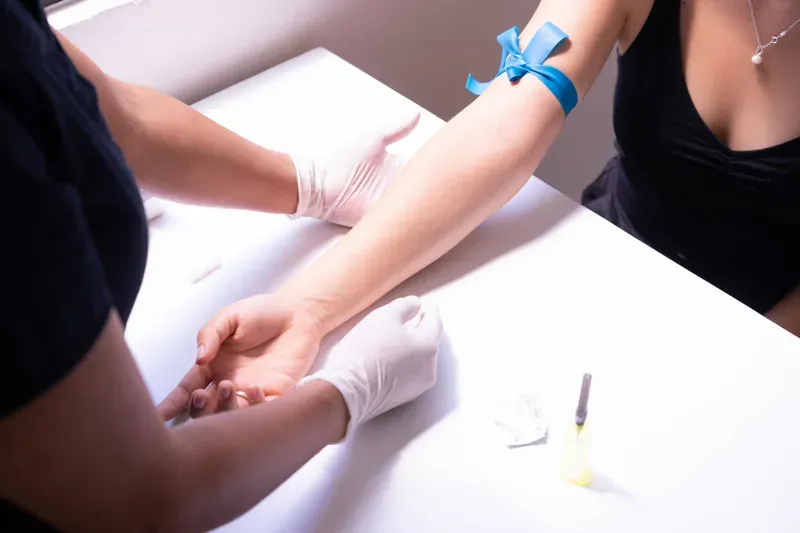
An experienced phlebotomist draws a blood sample (typically 10-15 mL for a comprehensive anemia panel) from a vein in your arm. The entire process takes 5-10 minutes including preparation and labelling. No fasting is required for anemia blood tests, though your physician may advise morning testing for the most consistent serum iron readings.
Step 3: Same-Day Results and Laboratory Processing
Your sample is processed immediately in DCDC's on-site MOHAP-licensed laboratory. CBC results are available the same day, while iron studies, B12, folate, and reticulocyte count results are typically ready within 24 hours. Hemoglobin electrophoresis may take 2-3 business days. Because all processing happens in-house, there are no courier delays.
Step 4: Doctor Review and Diagnosis
A general practitioner or internal medicine physician reviews your complete results, correlates them with your symptoms and medical history, and provides a clear diagnosis. You will understand not just whether you have anemia, but which type and what caused it. If results are normal, you receive a detailed digital report.
Step 5: Personalised Treatment Plan
Based on your diagnosis, your physician prescribes the appropriate treatment. This may include oral iron or B12 supplements with specific dosing instructions, IV iron infusion administered on-site in a comfortable setting (15-30 minutes per session), B12 intramuscular injections given at the clinic, dietary counselling tailored to UAE dietary patterns and locally available foods, and investigation of underlying causes such as GI bleeding or heavy menstruation.
Step 6: Follow-Up and Monitoring
Your physician schedules follow-up blood tests — typically at 4-8 weeks for iron deficiency and at 6-8 weeks for B12 deficiency — to confirm treatment response. Ongoing monitoring continues until blood levels normalise and iron stores are fully replenished (usually 3-6 months for iron deficiency). DCDC's 4.8/5 Google rating from over 1,000 reviews and 98% patient satisfaction score reflects this thorough, end-to-end approach to patient care.
When to See a Doctor for Anemia in Dubai
While mild fatigue is a normal part of life in a demanding city like Dubai, certain symptoms and circumstances warrant prompt medical evaluation for anemia. Delaying diagnosis risks progression to severe anemia, which can strain the heart, impair cognitive function, and complicate other medical conditions.
- Persistent fatigue lasting more than 2-3 weeks that does not improve with adequate rest, hydration, and stress management
- Shortness of breath during routine activities — climbing one flight of stairs, walking short distances, or light housework
- Visible pallor in the face, inner eyelids, nail beds, or gums noticed by you or others
- Rapid or irregular heartbeat (palpitations) occurring at rest or with minimal exertion
- Tingling or numbness in hands and feet — this may indicate B12 deficiency with neurological involvement requiring urgent treatment
- Heavy menstrual periods — soaking through a pad or tampon hourly, periods lasting more than 7 days, or blood clots larger than a coin
- Pregnancy or planning pregnancy — anemia screening is essential to protect both maternal and foetal health
- Blood in stool or dark/tarry stools — this suggests gastrointestinal bleeding as a cause of iron loss and requires urgent evaluation
- Known thalassemia carrier status with a partner who has not been screened — genetic counselling before pregnancy is strongly recommended
- Chronic conditions — patients with kidney disease, autoimmune conditions, or cancer should have regular hemoglobin monitoring
At DCDC, walk-in consultations are available seven days a week with an average wait of 15 minutes. The clinic accepts over 20 insurance plans with direct billing, and the MOHAP-licensed laboratory provides same-day CBC results. There is no reason to delay evaluation if you recognise these warning signs.
Anemia Prevention: Diet & Lifestyle Tips
Prevention is more effective and less costly than treatment. While genetic anemias like thalassemia cannot be prevented through lifestyle measures, nutritional anemias — iron, B12, and folate deficiency — are largely preventable with the right dietary habits and awareness of risk factors.
Iron-Rich Diet
- Include heme iron sources: Red meat (beef, lamb), organ meats, shellfish, and dark poultry provide the most bioavailable iron (15-35% absorption rate)
- Pair plant-based iron with vitamin C: Combining spinach, lentils, chickpeas, or fortified cereals with citrus fruits, tomatoes, or bell peppers increases non-heme iron absorption by up to 300%
- Separate tea and coffee from meals: Wait at least one hour after eating before consuming tea or coffee to avoid tannin-mediated iron absorption inhibition
- Cook in cast iron cookware: Acidic foods (tomato-based sauces, lemon-marinated dishes) cooked in cast iron absorb measurable amounts of dietary iron
B12 and Folate Intake
- Animal products for B12: Meat, fish, eggs, and dairy are the only natural sources of B12. Vegans should take a daily B12 supplement (at least 250 mcg) or consume B12-fortified foods
- Green leafy vegetables for folate: Spinach, broccoli, asparagus, and Brussels sprouts are rich in folate. Legumes (lentils, black-eyed peas) are also excellent sources
- Preconception folic acid: Women planning pregnancy should take 400 mcg folic acid daily starting at least one month before conception
UAE-Specific Considerations
- Vitamin D and iron metabolism: The high prevalence of vitamin D deficiency in the UAE (affecting up to 90% of residents despite abundant sunshine) may impair iron absorption and erythropoiesis. Correcting vitamin D deficiency can support better iron utilisation
- Ramadan fasting: Altered eating patterns during Ramadan — reduced meal frequency, dehydration, and changes in food composition — can worsen pre-existing nutritional deficiencies. Patients with known anemia should consult their physician about supplementation strategies during fasting
- Heat and appetite: Dubai's extreme summer heat suppresses appetite, reducing overall food and nutrient intake. Nutrient-dense meals and strategic supplementation help maintain iron and vitamin levels during hot months
Anemia in Women: Pregnancy, Periods & Risk
Women bear a disproportionate burden of anemia at every life stage. Menstruation, pregnancy, breastfeeding, and hormonal factors all increase the risk of iron and vitamin deficiency. In the UAE, studies estimate that 25-40% of women of childbearing age have iron deficiency, with rates even higher during pregnancy.
Menstrual Blood Loss
The average menstrual period results in the loss of 30-40 mL of blood, equivalent to approximately 15-20 mg of iron. Women with heavy menstrual bleeding (menorrhagia) — defined as blood loss exceeding 80 mL per cycle — lose iron at a rate that diet alone cannot replenish. Over months and years, this chronic loss depletes iron stores and eventually leads to anemia. Women with heavy periods should have their ferritin levels checked regularly and start supplementation early, before hemoglobin drops.
Pregnancy and Anemia
Pregnancy increases blood volume by approximately 50%, creating a massive demand for iron to support expanded maternal red blood cell mass, foetal growth, and placental development. The WHO estimates that iron requirements increase from 18 mg/day to 27 mg/day during pregnancy, an amount that cannot be met through diet alone. This is why routine iron supplementation (30-60 mg elemental iron daily) is recommended from the second trimester onwards. WHO defines anemia in pregnancy as hemoglobin below 11 g/dL, and untreated anemia is associated with preterm birth, low birth weight, and increased maternal mortality.
Folate requirements also increase during pregnancy, and deficiency in the first trimester is linked to neural tube defects. All women planning pregnancy should take 400 mcg folic acid daily from preconception, with higher doses (5 mg daily) recommended for women with a history of neural tube defects, diabetes, or epilepsy.
Postpartum Anemia
Blood loss during delivery — averaging 500 mL for vaginal delivery and 1,000 mL for caesarean section — can precipitate or worsen anemia. Postpartum anemia contributes to fatigue, impaired bonding, reduced breastfeeding success, and postpartum depression. A CBC should be checked 6-8 weeks postpartum, and iron supplementation continued until stores are replenished. At DCDC, our physicians provide coordinated pre- and postnatal anemia monitoring, with IV iron infusion available for women who need rapid correction.
Concerned About Anemia? Get Tested at DCDC Today
Comprehensive anemia workup with same-day CBC results. IV iron infusion and B12 injections available on-site. Walk-ins welcome 7 days a week at Dubai Healthcare City.
WhatsApp 04 254 3700 or walk in — average wait 15 minutes
DCDC میں متعلقہ خدمات
دبئی ہیلتھ کیئر سٹی میں ماہرانہ دیکھ بھال اور جدید تشخیص
Frequently Asked Questions
Final Thoughts on Anemia Types and Treatment in Dubai
Anemia is both one of the most common and most treatable medical conditions, but effective treatment requires identifying the correct type first. In Dubai's diverse population — where iron deficiency, B12 deficiency, thalassemia, and anemia of chronic disease all coexist — assuming that all anemia responds to iron supplements is a mistake that delays recovery and can cause harm. A comprehensive blood workup that includes CBC, iron studies, B12, folate, and when indicated hemoglobin electrophoresis provides the diagnostic clarity needed to start the right treatment from day one.
At DCDC in Dubai Healthcare City, our internal medicine team provides the full spectrum of anemia care — from same-day blood testing in our on-site MOHAP-licensed laboratory, to on-site IV iron infusion and B12 injections, to dietary counselling tailored to the UAE's unique dietary landscape. With a 4.8/5 Google rating from over 1,000 reviews, 98% patient satisfaction, direct billing with over 20 insurers, and walk-in availability seven days a week, getting evaluated for anemia has never been more accessible. If you are experiencing persistent fatigue, unexplained weakness, or any of the warning signs discussed in this guide, contact us at 04 254 3700 or visit us at Building 64, Block A, Al Razi Medical Complex, DHCC.
ذرائع اور حوالہ جات
یہ مضمون ہماری طبی ٹیم نے جائزہ لیا ہے اور درج ذیل ذرائع کا حوالہ دیتا ہے:
- WHO - Haemoglobin Concentrations for the Diagnosis of Anaemia
- Mayo Clinic - Anemia: Symptoms and Causes
- NHS UK - Iron Deficiency Anaemia
- Mayo Clinic - Iron Deficiency Anemia: Diagnosis and Treatment
- American Society of Hematology - Iron-Deficiency Anemia
- Mayo Clinic - Vitamin Deficiency Anemia
- Hemoglobinopathy Carrier Prevalence in the UAE - Premarital Screening Results
اس سائٹ پر طبی مواد کا جائزہ DHA لائسنس یافتہ ڈاکٹرز نے لیا ہے۔ ہماری دیکھیں تحریری پالیسی مزید معلومات کے لیے۔

تحریر
Dr. Hadeel Elnur
General Practitioner
MD, General Practice
Dr. Hadeel Elnur is a General Practitioner at Doctors Clinic Diagnostic Center (DCDC) in Dubai Healthcare City.
Related Articles
Iron Deficiency & Anemia Test Dubai: Guide
CBC Test Dubai: Cost, Results & Guide
Ferritin vs Iron Test: Which Do You Need?
Vitamin B12 Deficiency Dubai: Signs & Tests
Chronic Fatigue Causes Dubai: Why Always Tired
More in Internal Medicine
Endocrinologist Dubai: Diabetes & Thyroid Care (2026)
مزید پڑھیں
Gastroenterologist Dubai: When to See One (2026)
مزید پڑھیں
Pulmonologist Dubai: Lung & Breathing Care (2026)
مزید پڑھیںUrologist Dubai: Men's Health Guide (2026)
مزید پڑھیںVaricose Veins Treatment Dubai: Options & Cost (2026)
مزید پڑھیں
Low Testosterone Symptoms & Treatment Dubai (2026)
مزید پڑھیں© 2026 Doctors Clinic Diagnostic Center (DCDC), Dubai Healthcare City. Originally published at https://doctorsclinicdubai.ae/blog/anemia-types-treatment-dubai. All rights reserved. Unauthorized reproduction is prohibited.