
Book Your Appointment
Verified Patient Reviews of DCDC Diagnostic Center in Dubai
Verified reviews and real patient stories from Dubai Healthcare City
The service was truly outstanding. The doctors and staff took the time to explain everything thoroughly, and I felt genuinely cared for. The pricing was also fair and affordable. Dr. Hadi was the best, and he explained everything in detail.
Naushad C.
Great experience. Dr Hadi, Internal Medicine, took the time to clearly explain everything about my condition and treatment. Very professional and caring. The reception team was also very kind and helpful. Highly appreciated.
Miranco
I did all test with dr. Hadi Dr.parisa Dr.shahoo And sonography hamida And all helper manella and cleous all was very very very good and kindness ❤️❤️tnx sooo much for helping us
Tina G.






Anaemia Treatment in Dubai: Diagnosis, Iron Therapy & Blood Health
Comprehensive Care for All Types of Anaemia
Anaemia treatment in Dubai is essential — anaemia is one of the most prevalent health conditions in the UAE, affecting a significant proportion of the population across all demographics. At Doctors Clinic Diagnostic Center in Dubai Healthcare City, our anaemia treatment service provides thorough evaluation and evidence-based management for all types of anaemia, including iron deficiency anaemia, vitamin B12 deficiency, folate deficiency, anaemia of chronic disease, and thalassemia trait, which is particularly common among Emirati and Middle Eastern populations. Whether you are experiencing persistent fatigue, dizziness, shortness of breath, or unexplained pallor, our blood disorder specialists in Dubai identify the underlying cause and deliver targeted treatment to restore your blood health and energy levels, including low haemoglobin treatment.
Understanding the type and cause of anaemia is essential for effective treatment, which is why our diagnostic approach is thorough and systematic. We perform a comprehensive blood workup including complete blood count (CBC) with red cell indices, peripheral blood smear review, serum iron studies (iron, TIBC, transferrin saturation), ferritin levels, vitamin B12 and folate levels, reticulocyte count, and inflammatory markers. For patients with suspected thalassemia trait, we offer hemoglobin electrophoresis and genetic counseling referrals. This detailed assessment allows us to distinguish between different causes of anaemia and avoid the common mistake of treating all anaemia as simple low iron.
Dubai residents face several unique risk factors for anaemia that are driven by the regional climate and lifestyle. Despite abundant sunshine, vitamin D deficiency is extremely common in the UAE due to indoor lifestyles, protective clothing, and limited outdoor activity during the hot months. Vitamin D deficiency has been linked to impaired iron metabolism and worsened anaemia. Additionally, the diverse expatriate population brings higher prevalence of genetic hemoglobin disorders including thalassemia trait and sickle cell trait, particularly among individuals of Middle Eastern, South Asian, Southeast Asian, and Mediterranean descent. Fasting during Ramadan can exacerbate depleted iron stores and B12 deficiency in individuals with marginal nutritional status, making pre-Ramadan screening and supplementation planning an important aspect of our anaemia care.
Low haemoglobin treatment in Dubai at DCDC is tailored to the specific type and severity of your anaemia. For low iron anaemia, we offer oral iron supplementation with guidance on optimal absorption (timing, vitamin C co-administration, avoiding calcium and tea around doses) and, for patients who cannot tolerate oral iron or need rapid correction, we provide intravenous (IV) iron therapy in our clinic. Vitamin B12 deficiency is managed with intramuscular B12 injections for patients with absorption issues or oral high-dose supplementation when appropriate. Folate deficiency is corrected with folic acid supplementation and dietary counseling. For anaemia of chronic disease, we address the underlying condition while supporting blood health through targeted nutritional strategies.
Our anaemia management extends beyond prescribing supplements. We provide comprehensive dietary counseling to help patients increase iron-rich foods (red meat, dark leafy greens, legumes, fortified cereals), B12 sources (meat, fish, dairy, eggs), and folate sources (leafy greens, citrus, beans) in their daily diet. We educate patients on factors that enhance or inhibit iron absorption, monitor treatment response with follow-up blood tests at appropriate intervals, and adjust therapy based on results. For patients with chronic or recurrent anaemia, we investigate underlying causes such as occult gastrointestinal bleeding, heavy menstrual loss, chronic kidney disease, or inflammatory conditions, coordinating with relevant specialists to provide integrated, holistic care that addresses the root problem rather than just the symptom. Our internal medicine team also provides cholesterol management and runs a diabetes clinic in the same clinic.
- Blood SpecialistsExpert diagnosis of all anaemia types including thalassemia screening
- IV Iron TherapyOn-site IV iron therapy for rapid correction when needed
- Same-Day TestingSame-day blood tests and appointments in DHCC

Dr. Hadi Komshi
Specialist Internal Medicine·Internal MedicineExplore Our Services
Comprehensive anaemia treatment services at DCDC Dubai Healthcare City.

Iron Deficiency Assessment
Complete iron panel with ferritin, TIBC, and transferrin saturation for accurate diagnosis.

IV Iron Infusion
On-site intravenous iron therapy for rapid correction of severe or refractory iron depletion.
B12 & Folate Therapy
Intramuscular B12 injections and folate supplementation with absorption monitoring.
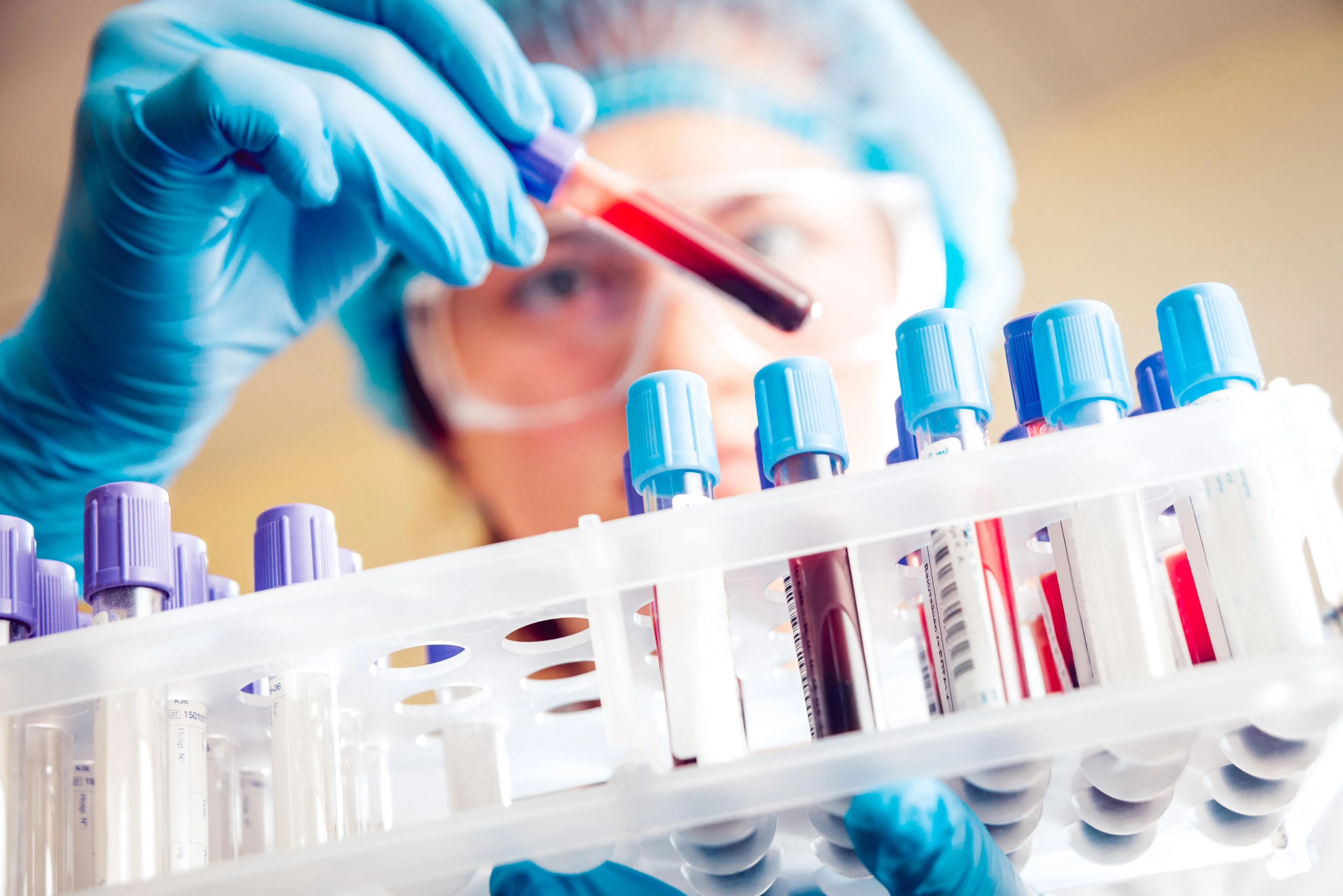
Thalassemia Screening
Hemoglobin electrophoresis and genetic counseling for thalassemia trait carriers.
All services performed by DHA-licensed specialists
Who Should Get Anaemia Treatment?
Anyone experiencing symptoms of anaemia or with risk factors for blood disorders should seek specialist evaluation.
Persistent fatigue, weakness, or lack of energy that does not improve with rest
Most CommonPale skin, pale nail beds, or pale inner eyelids noticed by self or others
Most CommonShortness of breath during normal daily activities or mild exertion
Dizziness, lightheadedness, or frequent headaches without clear cause
Heavy menstrual bleeding lasting more than seven days or requiring frequent pad changes
Women who are pregnant or planning pregnancy and at risk of nutritional deficiency
Vegetarian or vegan diet with potential inadequate iron, B12, or folate intake
Chronic disease including kidney disease, inflammatory conditions, or autoimmune disorders
Post-surgical patients or those recovering from significant blood loss
Family history of thalassemia, sickle cell disease, or other inherited blood disorders
Why Choose DCDC for Anaemia Treatment in Dubai?
MOHAP-licensed clinic in DCDC providing comprehensive anaemia evaluation, on-site intravenous iron therapy, and personalized blood health management. Same-day testing available; limited capacity.
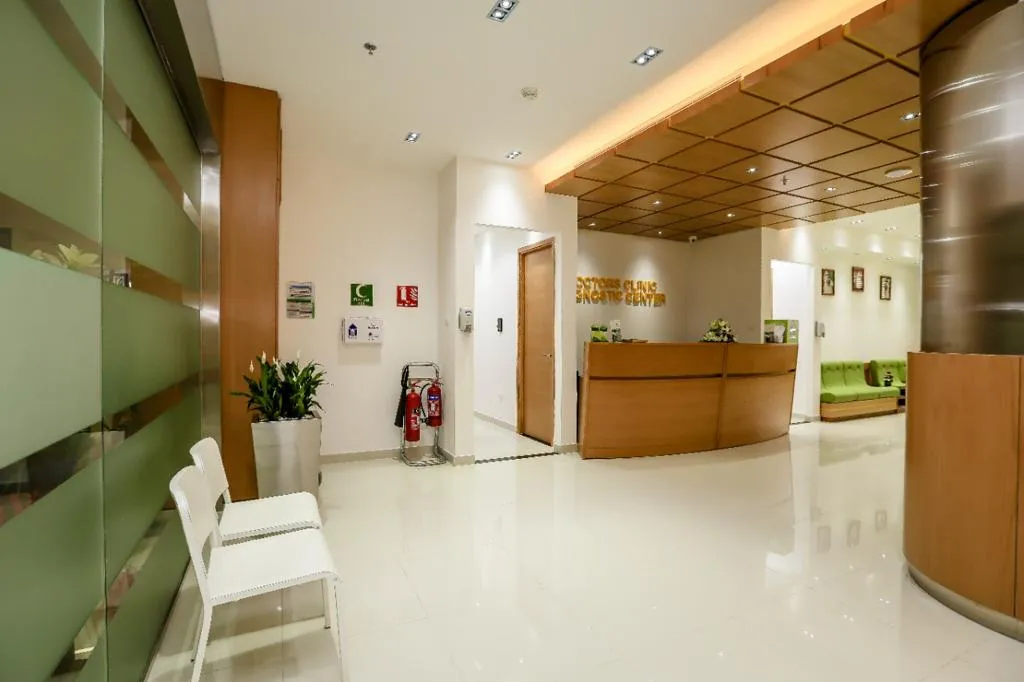
MOHAP Licensed
Licensed facility in DHCC (MOHAP license NIMY7VY5-240925) with rigorous clinical governance and quality standards.
Experienced Physicians
Internal medicine specialists with extensive expertise in diagnosing and treating all types of anaemia and blood disorders.
Same-Day Results
Same-day blood testing and consultation available; urgent anaemia cases prioritized for rapid assessment.
On-Site IV Iron Therapy
IV iron infusion administered safely in our clinic for patients requiring rapid iron repletion or unable to tolerate oral supplements.
Prime DHCC Location
Building 64, Block A, our center with free parking and easy access. Visit your anaemia doctor near nearby areas.
Root Cause Investigation
Thorough workup to identify and address the underlying cause of anaemia, not just treat the symptoms.
Your Comfortable Visit
A simple, step-by-step Anaemia scan process designed for comfort, speed, and accuracy.
Test
Comprehensive blood panel and iron studies.
Diagnose
Identify anaemia type and underlying cause.
Treat
Oral supplements, IV iron, or B12 injections.
Monitor
Follow-up blood tests to track response.
Sustain
Long-term nutrition and prevention plan.
Anaemia Treatment Fees
Anaemia pricing in Dubai varies by service type and insurance coverage for various service types.
- Pricing varies by scan type and whether contrast is required
- Insurance coverage accepted with referral and verification
- Transparent self-pay rates available with instant quote on request
- Insurance verification in minutes
- No hidden fees
- Fast response on WhatsApp
What to Expect During Your Anaemia Consultation
Structured blood health evaluation with comprehensive testing, accurate diagnosis, and personalized treatment at our DCDC clinic.
Initial Assessment
- Comprehensive blood health review.
- Symptom Review:Detailed assessment of fatigue, pallor, breathlessness, dizziness, and related symptoms with timeline and severity.
- Risk Factors:Evaluation of diet, menstrual history, pregnancy status, family history of blood disorders, and chronic conditions.
- Physical Exam:Clinical signs of anaemia including pallor, nail changes, glossitis, tachycardia, and signs of underlying disease.
Diagnostic Testing
- Targeted blood investigations.
- CBC & Indices:Complete blood count with MCV, MCH, MCHC, and RDW to classify anaemia type and severity.
- Iron Panel:Serum iron, ferritin, TIBC, and transferrin saturation for iron status assessment.
- Vitamins & More:Vitamin B12, folate, reticulocyte count, and hemoglobin electrophoresis when indicated.
Treatment Plan
- Personalized anaemia management.
- Supplementation:Oral iron, IV iron infusion, B12 injections, or folate therapy based on deficiency type.
- Diet Guidance:Iron-rich, B12-rich, and folate-rich food recommendations tailored to your dietary preferences.
- Follow-up:Scheduled blood tests at 4-8 weeks to confirm response, adjust doses, and prevent recurrence.
Insurance & Location
MOHAP License: Fully licensed diagnostic center in Dubai Healthcare City








- 20+ insurance providers in Dubaiincluding Daman, AXA, ADNIC, and others
- Pre-authorization supportand direct billing (where applicable)
- Coverage verificationbefore your appointment at our Dubai Healthcare City clinic
- Transparent pricingwith no hidden fees for anaemia treatment services
Visit Us in Dubai Healthcare City
Doctors Clinic Diagnostic Center
Building 64, Block A, Al Razi Medical Complex, Dubai Healthcare City, Dubai, UAE
Near Oud Metha Road · Easy access from Bur Dubai, Downtown Dubai, Business Bay · Free dedicated parking available
Working Hours
Mon-Thu, Sat: 8AM - 10:30PM | Sun: 8:30AM - 10:30PM | Fri: 9AM - 10PM
How Insurance Works at DCDC
Check Coverage
Verify your plan covers Anaemia Treatment
Get a Referral
Some insurers require a GP referral — we can guide you
Pre-Authorization
We handle pre-auth directly with your insurer
Direct Billing
No upfront payment — we bill your insurer directly
Co-Pay Only
You only pay any applicable co-pay at the clinic
Dr. Hadi Komshi
Specialist Internal Medicine
MD, Specialist Internal Medicine
Dr. Hadi Komshi is a DHA-licensed Internal Medicine Specialist with extensive experience in managing both acute and chronic medical conditions. With years of clinical practice across inpatient, outpatient, emergency, ICU, and CCU settings, he is known for his accurate diagnoses, comprehensive approach, and dedication to patient-centered care. He has previously led a Hemodialysis Unit and is skilled in interpreting imaging studies and specialized diagnostic tests, ensuring safe, effective, and evidence-based treatment for his patients.
- Acute & chronic disease management
- Diabetes, thyroid disorders & metabolic conditions
- Hypertension & cardiovascular risk assessment
Persian · Arabic · English
Understanding Anaemia: Types, Causes, and Modern Treatment
Anaemia is defined as a reduction in hemoglobin concentration or red blood cell mass below the normal range for age and sex, resulting in decreased oxygen-carrying capacity of the blood. The World Health Organization defines anaemia as hemoglobin below 13 g/dL in men and below 12 g/dL in non-pregnant women. Globally, anaemia affects approximately 1.6 billion people, with depleted iron stores being the single most common cause. In the UAE and broader Middle East region, anaemia prevalence is particularly high, driven by a combination of dietary factors, genetic predisposition to hemoglobin disorders, high rates of vitamin D deficiency that impair iron metabolism, and lifestyle factors including limited sun exposure and reduced physical activity during the hot months.
Iron depletion anaemia develops through a progressive sequence of stages. Initially, iron stores become depleted (low ferritin) while hemoglobin remains normal, a stage called iron depletion or latent iron depletion. Patients at this stage may already experience symptoms including fatigue, difficulty concentrating, hair thinning, and restless legs. As iron stores become further exhausted, iron supply to the bone marrow becomes inadequate, leading to iron-depleted erythropoiesis, where new red blood cells are produced but smaller and paler than normal. Finally, frank anaemia from depleted iron stores develops with low hemoglobin, low MCV (microcytic anaemia), and characteristic symptoms including profound fatigue, pallor, shortness of breath, dizziness, and pica (cravings for non-food items like ice). Treatment depends on the stage and cause, ranging from oral supplementation with vitamin C to enhance absorption, to intravenous iron treatment for severe cases or patients with absorption difficulties.
Vitamin B12 and folate deficiency anaemia produce a different pattern than low iron, causing macrocytic anaemia (large red blood cells with high MCV). B12 deficiency is common in vegetarians and vegans since B12 is found almost exclusively in animal products, in older adults due to reduced stomach acid production, and in patients with pernicious anaemia (an autoimmune condition destroying the stomach cells that produce intrinsic factor needed for B12 absorption). Beyond anaemia, B12 deficiency can cause neurological symptoms including peripheral neuropathy (numbness and tingling in hands and feet), balance problems, cognitive changes, and mood disturbances. Folate deficiency is seen with inadequate dietary intake of leafy greens and legumes, increased demands during pregnancy, malabsorption conditions, and certain medications. Both deficiencies are readily treatable with appropriate supplementation, but B12 deficiency requires prompt treatment to prevent irreversible neurological damage.
Thalassemia and other inherited hemoglobin disorders deserve special attention in the UAE context. Beta-thalassemia trait is estimated to affect 5 to 10 percent of the UAE population, with even higher rates in certain ethnic groups. Carriers typically have a mild, lifelong microcytic anaemia that does not respond to iron supplementation and is often misdiagnosed as low iron, leading to unnecessary and potentially harmful iron therapy. Hemoglobin electrophoresis is the key diagnostic test that distinguishes thalassemia trait from depleted iron stores. Preconception screening for thalassemia and sickle cell trait is strongly recommended in the UAE to prevent the birth of children with severe hemoglobin disorders. Our clinic provides carrier screening, counseling on inheritance patterns, and referral to genetic counseling services when both partners are found to be carriers.
Anaemia Conditions We Manage
Iron Deficiency Anaemia
The most common type of anaemia worldwide, caused by inadequate iron intake, poor absorption, or chronic blood loss. We provide oral iron therapy, IV IV iron therapy when needed, and investigate the underlying cause to prevent recurrence.
Vitamin B12 Deficiency
Macrocytic anaemia caused by inadequate dietary B12 intake, pernicious anaemia, or malabsorption. Treatment includes intramuscular B12 injections or high-dose oral supplementation with regular monitoring of levels and blood counts.
Folate Deficiency
Anaemia resulting from insufficient folic acid intake, increased demands during pregnancy, or malabsorption. Managed with folic acid supplementation and dietary counseling to increase folate-rich food consumption.
Anaemia of Chronic Disease
Anaemia associated with chronic inflammatory conditions, kidney disease, autoimmune disorders, and infections. Management focuses on treating the underlying condition while supporting blood health through targeted interventions.
Thalassemia Trait
Inherited carrier status for beta-thalassemia, common in Middle Eastern, South Asian, and Mediterranean populations. We provide screening, differentiation from low iron, genetic counseling referrals, and partner screening recommendations.
Sickle Cell Trait
Carrier status for sickle cell disease, present in populations of African, Middle Eastern, and South Asian descent. We offer screening, counseling on inheritance risks, and guidance for carriers planning families.
Post-Surgical Anaemia
Anaemia following surgery due to blood loss, reduced intake, or inflammatory response. We provide rapid assessment and treatment including intravenous iron treatment to support recovery and wound healing.
Pregnancy-Related Anaemia
Anaemia during pregnancy caused by increased iron and folate demands. We provide safe supplementation, monitoring, and dietary guidance to support maternal and fetal health throughout pregnancy.
Related Services
Explore other diagnostic and consultation services available at our Dubai Healthcare City clinic.
Frequently Asked Questions
Common questions about Anaemia Treatment in Dubai.
The most common types of anaemia we treat include low iron anaemia (the most prevalent globally and in the UAE), vitamin B12 deficiency anaemia (common in vegetarians and those with absorption issues), folate deficiency anaemia, anaemia of chronic disease (associated with kidney disease, autoimmune conditions, and chronic infections), and thalassemia trait, which is particularly common in the Middle East, South Asia, and Mediterranean populations. Each type requires specific diagnostic tests and targeted treatment, which is why accurate classification through comprehensive blood testing is the essential first step.
Iron deficiency treatment costs at DCDC vary depending on the severity of deficiency and the treatment approach. Oral iron supplementation is the most affordable option. Intravenous iron treatment, recommended for patients with severe deficiency, malabsorption, or intolerance to oral iron, involves facility fees and infusion costs. Most major insurance plans accepted at our clinic cover anaemia diagnostic tests and treatment, including IV iron therapy when medically indicated. Contact our clinic for current pricing and insurance verification.
Intravenous iron treatment typically takes 30 to 60 minutes for the infusion itself, plus a 30-minute observation period afterward to monitor for any adverse reactions. Most patients tolerate IV iron well, with the most common side effects being mild and temporary, such as a metallic taste, mild headache, or flushing. The number of infusions needed depends on the severity of your iron depletion and your body weight. Some patients require a single session, while others may need two to three infusions over several weeks. Your doctor will calculate the required dose based on your blood test results and body weight.
Ferritin is the storage form of iron, and levels can remain low despite a seemingly adequate diet for several reasons. Common causes include chronic occult blood loss from the gastrointestinal tract (even without visible bleeding), heavy menstrual periods, impaired iron absorption due to celiac disease, inflammatory bowel disease, or chronic gastritis, increased iron demands during pregnancy or rapid growth, chronic inflammation that sequesters iron in storage, and certain medications including proton pump inhibitors that reduce stomach acid needed for iron absorption. Vegetarian and vegan diets may provide adequate total iron but in the non-heme form, which is less efficiently absorbed than heme iron from animal sources.
Iron deficiency and anaemia are related but distinct conditions. Iron depletion refers to depleted iron stores, detected by low ferritin levels, which can exist before anaemia develops. You can have low iron without anaemia, experiencing symptoms like fatigue, hair loss, and poor concentration even when your hemoglobin is still within normal range. Anaemia occurs when iron stores become so depleted that hemoglobin production is impaired, resulting in low hemoglobin levels on a blood test. This distinction is clinically important because iron depletion should be treated even before it progresses to anaemia, as replenishing iron stores early prevents worsening symptoms and complications.
Vitamin B12 deficiency treatment depends on the cause and severity. For patients with absorption problems, such as pernicious anaemia, previous gastric surgery, or chronic gut conditions, intramuscular B12 injections are the preferred treatment, typically given daily or weekly initially, then monthly for maintenance. For patients with dietary deficiency, particularly those following vegetarian or vegan diets, high-dose oral B12 supplementation (1000-2000 mcg daily) is often effective. At DCDC, we determine the optimal route based on your specific situation, monitor B12 levels and blood counts to confirm response, and provide dietary guidance to support long-term B12 status.
No, thalassemia trait (also called thalassemia minor or carrier status) is very different from thalassemia disease (thalassemia major or intermedia). Thalassemia trait means you carry one copy of the thalassemia gene and one normal copy. Carriers typically have mild microcytic anaemia (small red blood cells) with slightly low hemoglobin, but usually do not require treatment and live normal, healthy lives. Thalassemia disease (major) occurs when a child inherits thalassemia genes from both parents, causing severe anaemia requiring regular blood transfusions. This is why carrier screening and genetic counseling before marriage and pregnancy are especially important in the UAE, where thalassemia carrier rates are high.
Yes, Low iron is one of the most common nutritional causes of hair loss, particularly in women. When iron stores are depleted, the body prioritizes vital organs over non-essential functions like hair growth, leading to increased hair shedding (telogen effluvium) and thinning hair. This can occur even with ferritin levels that are technically within the low-normal range. Many dermatologists recommend maintaining ferritin levels above 40-70 ng/mL for optimal hair health. At DCDC, we evaluate iron status as part of hair loss investigations and provide targeted iron repletion therapy, which typically leads to noticeable improvement in hair growth within three to six months of achieving optimal ferritin levels.
Key Facts
- Modality
- Anaemia Treatment
- Primary Indication
- Persistent fatigue, dizziness, pallor, shortness of breath, heavy menstruation, thalassemia screening
- Duration
- 20-30 minutes consultation
- Preparation
- Fasting not required for initial consultation. Bring recent blood test results if available
- Report Time
- Same-day assessment. CBC and iron studies results within 24 hours
- Location
- Dubai Healthcare City — Building 64, Block A
- Insurance
- Covered with physician referral. Direct billing with 20+ insurers
Medical Review & Oversight
All services are provided under the supervision of licensed medical professionals in our MOHAP-accredited facility.