

Book Your Appointment
Verified Patient Reviews of DCDC Diagnostic Center in Dubai
Verified reviews and real patient stories from Dubai Healthcare City
I'm very satisfied with this medical clinic. I had my first pregnancy screening here. It was affordable and very professional. The radiologist was welcoming, kind, and made the experience great.
Aizhan Tokmanbetova
Hurt my knee Friday night and got an MRI appointment Sunday evening (booked Sunday afternoon). Waited about 2 minutes and was done in just over 30 minutes. The team was amazing, friendly and efficient.
Kirsten Evans
Dr. Osama's team was gentle and amazing. After a bad experience elsewhere, my pelvic exam here was much more professional. Great report and very precise.
Mary






Acute Kidney Injury Treatment in Dubai: AKI Management & Emergency Care
Rapid Stabilization and Renal Recovery
Acute kidney injury treatment in Dubai is critical — AKI is a sudden drop in kidney function that can develop over hours to days. It needs immediate specialist attention from a nephrologist in Dubai to find the cause, stabilize you, and protect long-term kidney health. Our acute kidney injury treatment provides comprehensive AKI management and sudden kidney failure treatment services.
At our kidney specialist facility, inside Building 64 of Dubai Healthcare City with rapid lab access on the same floor, our nephrologists rapidly assess fluids, medications, infection risk, and obstructions. We deliver targeted AKI treatment Dubai with kidney emergency care to support recovery and prevent chronic damage.
Located in Dubai Healthcare City, same-day AKI appointments are often available with our kidney specialist Dubai team. Patients searching for a kidney doctor near me can rely on our rapid AKI assessment and transparent treatment cost. Capacity is limited, so contact us early. We stay with you through stabilization, monitoring, and follow-up to confirm improvement. Patients who need longer-term follow-up continue with our chronic kidney disease care, and we also provide electrolyte imbalance treatment.
AKI is a medical emergency that can occur in otherwise healthy individuals and is increasingly recognized as a risk factor for future chronic kidney disease. Common triggers include severe dehydration (particularly relevant in Dubai's hot climate), infections, surgical complications, certain medications (NSAIDs, contrast dye, some antibiotics), and urinary obstruction from kidney stones. Early recognition and prompt specialist intervention dramatically improve outcomes and reduce the risk of permanent kidney damage.
Our approach to AKI management follows a systematic protocol: identify and treat the underlying cause, optimize fluid balance, review and adjust all medications for renal safety, monitor kidney function closely through serial blood tests, and prevent complications. We provide close follow-up after the acute episode to ensure complete recovery and identify any patients who may need ongoing nephrology surveillance to prevent transition from AKI to chronic kidney disease.
- Immediate AssessmentRapid nephrologist review and labs
- Targeted TreatmentFluids, medication safety, infection control
- Recovery FocusClose monitoring to restore function

Dr. Manish Tripathi
Specialist Nephrologist·NephrologyExplore Our Services
Comprehensive acute kidney injury services at DCDC Dubai Healthcare City.
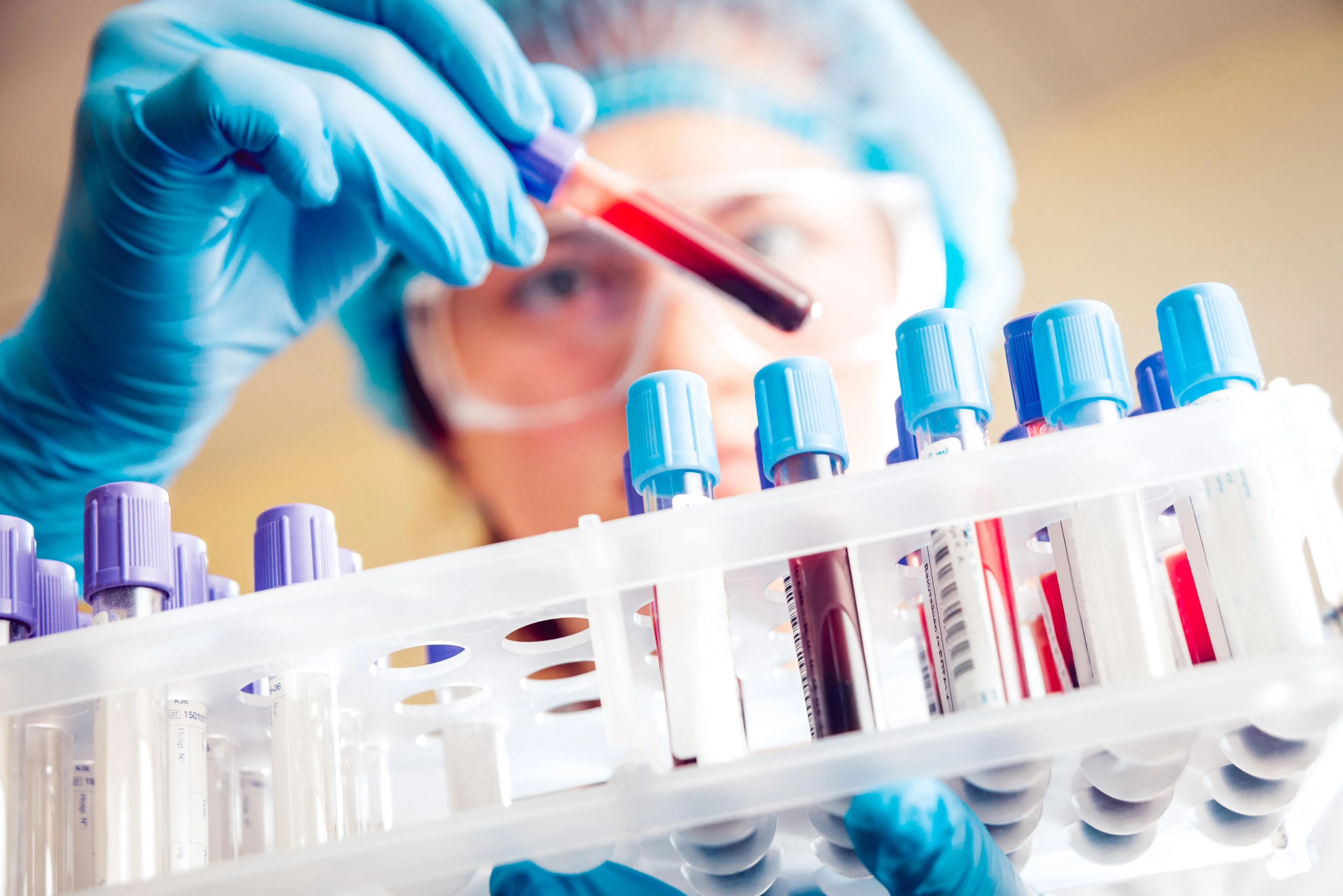
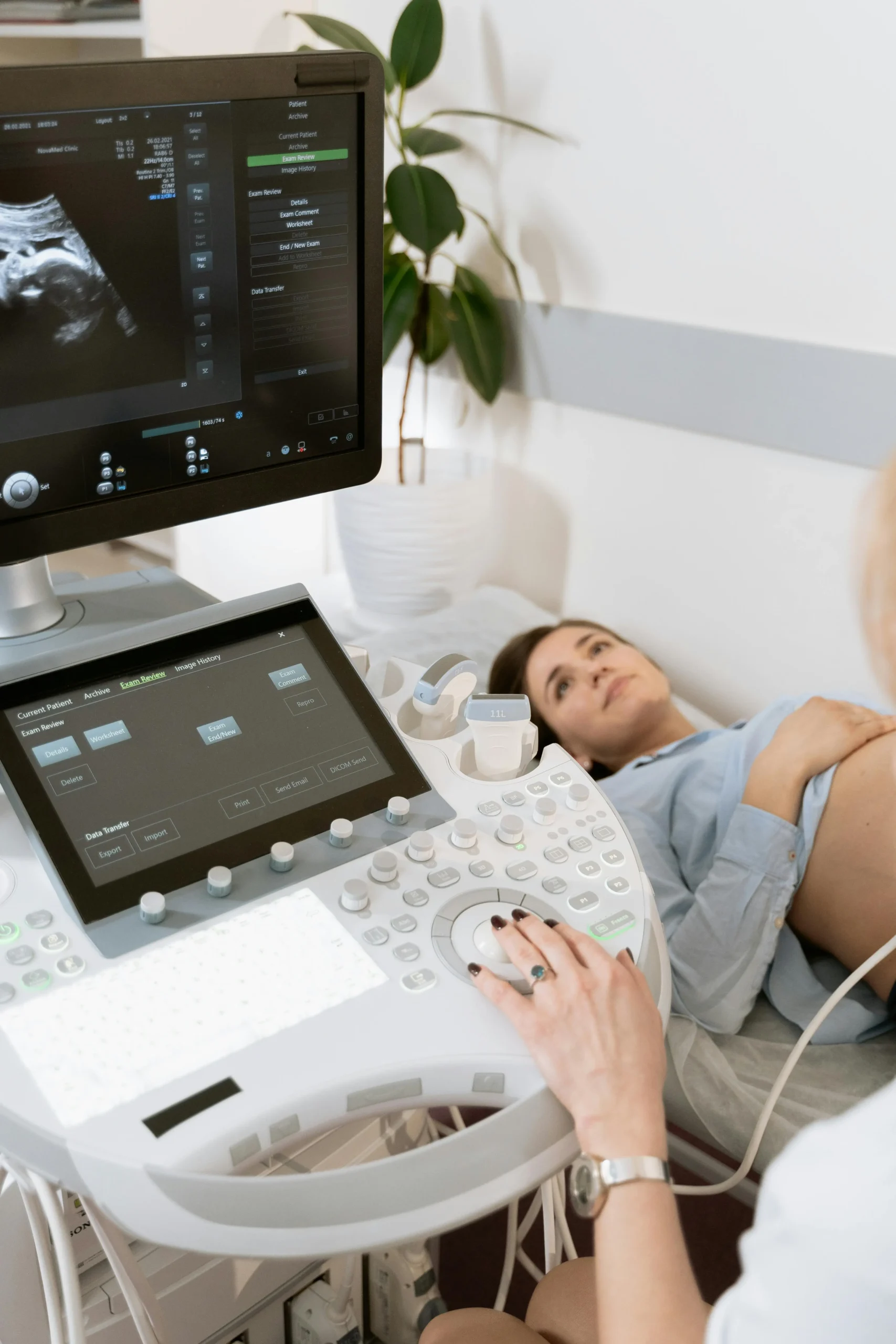

All services performed by DHA-licensed specialists
Who Should Get Acute Kidney Injury?
Seek medical help immediately if you notice sudden kidney changes or dehydration.
Decreased urine output
Most CommonFluid retention (swelling in legs/ankles)
Most CommonFatigue or confusion
Nausea or shortness of breath
Recent severe dehydration
Use of nephrotoxic medications
Recent surgery, hospitalization, or contrast dye exposure
Severe vomiting, diarrhea, or blood loss causing volume depletion
Known kidney disease with sudden worsening of function
Symptoms of urinary obstruction (difficulty urinating, lower abdominal fullness)
Why Choose DCDC for Acute Kidney Injury Care?
MOHAP-licensed nephrology clinic in DCDC with rapid AKI assessment, medication safety, and close monitoring. Same-day slots when available; limited capacity.

MOHAP Licensed
Licensed facility in DHCC (MOHAP license NIMY7VY5-240925) with strict safety standards.
AKI Specialists
Nephrologists experienced in acute kidney injury stabilization and recovery.
Same-Day Access
Same-day AKI consults when available; urgent cases prioritized.
Medication Safety
Careful review to remove nephrotoxic agents and adjust doses.
Prevention of Damage
Fluid and electrolyte management to protect kidneys.
Prime DHCC Location
Building 64, Block A, DCDC with easy access and parking.
Your Comfortable Visit
A simple, step-by-step Acute scan process designed for comfort, speed, and accuracy.
Visit
Urgent consult; same-day when available.
Test
Confirm AKI with labs and imaging.
Diagnose
Identify cause and risks.
Treat
Start fluids, adjust meds, treat cause.
Recover
Monitor recovery and prevent relapse.
Acute Kidney Injury Treatment Fees
Acute pricing in Dubai varies by service type and insurance coverage for various service types.
- Pricing varies by scan type and whether contrast is required
- Insurance coverage accepted with referral and verification
- Transparent self-pay rates available with instant quote on request
- Insurance verification in minutes
- No hidden fees
- Fast response on WhatsApp
What to Expect During Your AKI Visit
Rapid stabilization with clear steps to protect and recover kidney function.
Evaluation
- Identifying cause.
- History:Recent illness/meds.
- Exam:Fluid status check.
- Vitals:BP and heart rate.
Investigations
- Lab tests.
- Blood:Creatinine spike.
- Urine:Analysis & output.
- Scan:Ultrasound check.
Treatment
- Management.
- Fluids:Hydration therapy.
- Meds:Treat cause.
- Monitor:Daily tracking and medication safety.
Insurance & Location
MOHAP License: Fully licensed diagnostic center in Dubai Healthcare City








- 20+ insurance providers in Dubaiincluding Daman, AXA, ADNIC, and others
- Pre-authorization supportand direct billing (where applicable)
- Coverage verificationbefore your appointment at our Dubai Healthcare City clinic
- Transparent pricingwith no hidden fees for acute kidney injury services
Visit Us in Dubai Healthcare City
Doctors Clinic Diagnostic Center
Building 64, Block A, Al Razi Medical Complex, Dubai Healthcare City, Dubai, UAE
Near Oud Metha Road · Easy access from Bur Dubai, Downtown Dubai, Business Bay · Free dedicated parking available
Working Hours
Mon-Thu, Sat: 8AM - 10:30PM | Sun: 8:30AM - 10:30PM | Fri: 9AM - 10PM
How Insurance Works at DCDC
Check Coverage
Verify your plan covers Acute Kidney Injury
Get a Referral
Some insurers require a GP referral — we can guide you
Pre-Authorization
We handle pre-auth directly with your insurer
Direct Billing
No upfront payment — we bill your insurer directly
Co-Pay Only
You only pay any applicable co-pay at the clinic
Dr. Manish Tripathi
Specialist Nephrologist
MD, Specialist Nephrologist
Dr. Manish Tripathi is a highly accomplished Specialist Nephrologist with over 20 years of clinical experience, including more than a decade working in leading hospitals across the UAE. He is recognized for his deep expertise in kidney diseases, dialysis care, transplant medicine, and complex nephrology cases. With extensive training from top institutes in India and long-standing licensure with MOH, DHA, HAAD, and DHCC, Dr. Manish is known for delivering compassionate, evidence-based, and patient-focused kidney care.
- Management of acute & chronic kidney disease
- Diabetic kidney disease & hypertensive nephropathy
- Medical management of kidney stones
English · Hindi
Acute Kidney Injury: Understanding Causes, Treatment, and Recovery
Acute Kidney Injury represents a sudden decline in kidney function occurring over hours to days, characterized by a rapid rise in serum creatinine or a decrease in urine output. Unlike chronic kidney disease, which develops gradually, AKI can affect previously healthy individuals and is potentially reversible with prompt, appropriate management. AKI is classified into three stages based on severity, ranging from mild elevation in creatinine to complete kidney failure requiring dialysis. Recognizing AKI early and identifying its cause are critical for optimal outcomes.
The causes of AKI are traditionally classified into pre-renal, intrinsic, and post-renal categories. Pre-renal AKI, the most common type, results from inadequate blood flow to the kidneys due to dehydration, hemorrhage, heart failure, sepsis, or medications that impair renal perfusion. In Dubai's hot climate, dehydration-related AKI is particularly common during summer months and among outdoor workers. Intrinsic AKI involves direct damage to kidney structures, including acute tubular necrosis from prolonged ischemia or toxins, acute interstitial nephritis from drug reactions, and glomerulonephritis from inflammatory conditions. Post-renal AKI occurs when urinary outflow is obstructed by stones, enlarged prostate, or tumors.
Management of AKI follows a logical sequence: stabilize the patient, identify and treat the underlying cause, optimize fluid and electrolyte balance, and prevent complications. For pre-renal AKI, volume resuscitation with intravenous fluids is the primary treatment. All medications are reviewed, with nephrotoxic agents discontinued or dose-adjusted. For post-renal AKI, urgent relief of obstruction (catheterization, stent placement, or nephrostomy) is essential. Intrinsic causes may require specific treatments such as immunosuppression for glomerulonephritis or drug withdrawal for interstitial nephritis. Throughout recovery, close monitoring of kidney function, electrolytes, fluid balance, and urine output guides ongoing management.
The long-term implications of AKI extend well beyond the acute episode. Research has demonstrated that AKI survivors face increased risks of developing chronic kidney disease, progressing to end-stage kidney disease, and experiencing cardiovascular events. Even patients whose creatinine returns to baseline after AKI may have subclinical kidney damage that predisposes to future problems. This underscores the importance of post-AKI follow-up, including kidney function monitoring at 3 months and periodically thereafter, blood pressure optimization, avoidance of nephrotoxic medications, and management of comorbidities such as diabetes and hypertension. For patients with incomplete recovery, ongoing nephrology care ensures timely intervention if function continues to decline.
AKI Causes and Related Conditions We Manage
Pre-Renal AKI (Dehydration)
Volume assessment and fluid resuscitation for AKI caused by dehydration, hemorrhage, or reduced cardiac output.
Drug-Induced Nephrotoxicity
Identification and withdrawal of nephrotoxic medications with monitoring and supportive care during recovery.
Contrast-Induced AKI
Prevention with hydration protocols and management of kidney injury following contrast dye exposure during imaging.
Sepsis-Related AKI
Kidney support during severe infection with fluid management, antibiotic coordination, and dialysis when needed.
Obstructive AKI
Urgent assessment and referral for relief of urinary tract obstruction from stones, prostate enlargement, or other causes.
Acute Tubular Necrosis
Management of kidney tubular damage from ischemia or toxins with supportive care and monitoring until regeneration.
Acute Interstitial Nephritis
Diagnosis and treatment of allergic kidney inflammation, usually drug-related, with medication withdrawal and sometimes steroids.
Acute Glomerulonephritis
Evaluation and treatment of inflammatory kidney conditions with targeted immunosuppressive therapy when indicated.
Related Articles
Kidney Health: Prevention Tips for Dubai Residents
Essential prevention strategies including hydration and medication awareness to protect against kidney injury.
DCDCRead ArticleRenal Doppler Ultrasound: Kidney Assessment
How ultrasound helps evaluate kidney obstruction and blood flow during acute kidney injury assessment.
DCDCRead ArticleHypertension: The Silent Killer
Understanding how uncontrolled blood pressure damages kidneys and increases the risk of acute kidney injury.
DCDCRead ArticleRelated Services
Explore other diagnostic and consultation services available at our Dubai Healthcare City clinic.
Frequently Asked Questions
Common questions about Acute Kidney Injury in Dubai.
AKI causes are classified into three categories. Pre-renal AKI (most common, about 60%) results from reduced blood flow to the kidneys due to dehydration, blood loss, heart failure, severe infection (sepsis), or medications that impair kidney blood flow (NSAIDs, ACE inhibitors in certain situations). Intrinsic AKI involves direct kidney tissue damage from toxins (contrast dye, aminoglycoside antibiotics), inflammation (glomerulonephritis, interstitial nephritis), or prolonged pre-renal injury causing tubular necrosis. Post-renal AKI (about 5-10%) results from urinary obstruction by kidney stones, enlarged prostate, or tumors. Identifying the category guides targeted treatment for the best recovery outcome.
Most cases of AKI are reversible when identified and treated promptly. Pre-renal AKI from dehydration typically recovers quickly with fluid resuscitation. However, outcomes depend on the cause, severity, and duration of injury. Severe or prolonged AKI can lead to incomplete recovery and transition to chronic kidney disease. Studies show that even a single episode of AKI increases the long-term risk of CKD, especially in patients with pre-existing kidney disease, diabetes, or hypertension. This is why follow-up after AKI recovery is essential, with kidney function monitoring at 3 months and ongoing surveillance for patients with risk factors for incomplete recovery.
Dialysis is needed in only a small percentage of AKI cases, reserved for severe situations where conservative management is insufficient. Indications for emergency dialysis include life-threatening hyperkalemia (dangerously high potassium), severe metabolic acidosis unresponsive to treatment, fluid overload causing pulmonary edema (fluid in the lungs), and uremic complications such as pericarditis or encephalopathy. Most mild to moderate AKI cases are managed successfully with intravenous fluids, medication adjustment, treatment of the underlying cause, and close monitoring. When dialysis is needed, it is often temporary, supporting kidney function until the kidneys recover enough to work on their own.
Recovery is tracked through several parameters. Blood creatinine levels are monitored regularly (sometimes daily in severe cases) to assess whether kidney function is improving, stabilizing, or declining. Urine output is measured carefully, as increasing output is an early positive sign of recovery. Electrolyte levels (potassium, sodium, bicarbonate) are checked to ensure they are normalizing. Fluid balance is assessed through weight, clinical examination, and sometimes blood tests. Recovery timelines vary: pre-renal AKI from dehydration may recover within days, while more severe intrinsic kidney injury may take weeks. Your nephrologist adjusts the monitoring frequency based on your trajectory.
Several strategies reduce AKI risk. Stay well-hydrated, particularly in Dubai's hot climate, during illness with vomiting or diarrhea, and before and after exercise. Avoid NSAIDs (ibuprofen, naproxen) especially when dehydrated, ill, or if you have kidney disease. If you need a CT scan with contrast dye, inform your doctor about your kidney function so protective measures (hydration protocols) can be implemented. Manage chronic conditions (diabetes, hypertension) effectively. Be cautious with herbal supplements, some of which can be nephrotoxic. If you have existing kidney disease, ensure all prescribing doctors are aware so medications can be dosed appropriately.
Contrast-induced AKI occurs when the iodinated contrast dye used in CT scans, angiography, or other imaging procedures temporarily damages the kidneys. It typically manifests as a rise in creatinine 24-72 hours after contrast exposure. Risk factors include pre-existing kidney disease, diabetes, dehydration, heart failure, and use of nephrotoxic medications. Prevention involves adequate hydration before and after the procedure, using the minimum necessary contrast volume, and temporarily withholding certain medications (metformin, NSAIDs) around the procedure. For high-risk patients, nephrologists may recommend intravenous saline hydration protocols before and after imaging.
AKI is a sudden decline in kidney function occurring over hours to days, while CKD is a gradual loss of function over months to years. AKI is often reversible with prompt treatment, whereas CKD damage is typically permanent. However, the two conditions are interconnected: severe or recurrent AKI can lead to CKD, and patients with pre-existing CKD are at higher risk for AKI. Distinguishing between AKI and CKD requires clinical assessment, comparison with previous kidney function tests, imaging (smaller kidneys suggest CKD), and sometimes kidney biopsy. Some patients experience acute-on-chronic kidney injury, where an acute insult further damages already compromised kidneys.
Several common medications can cause or contribute to AKI. NSAIDs (ibuprofen, diclofenac, naproxen) reduce blood flow to the kidneys and are a leading cause of drug-induced AKI, especially in dehydrated or elderly patients. Aminoglycoside antibiotics (gentamicin) can cause direct tubular toxicity. ACE inhibitors and ARBs, while kidney-protective long-term, can trigger AKI in situations of dehydration or renal artery stenosis. Certain chemotherapy agents, high-dose methotrexate, and lithium can damage kidneys. Proton pump inhibitors have been associated with interstitial nephritis. Always inform your doctor about all medications you take, including over-the-counter and herbal products.
Key Facts
- Modality
- Acute Kidney Injury
- Primary Indication
- Sudden drop in urine output, swelling, nausea, confusion after dehydration or medication change
- Duration
- 20-30 minutes urgent consultation
- Preparation
- No special preparation — urgent assessment prioritized. Bring current medications
- Report Time
- Same-day urgent assessment. Kidney function labs within hours
- Location
- Dubai Healthcare City — Building 64, Block A
- Insurance
- Covered with physician referral. Direct billing with 20+ insurers
Medical Review & Oversight
All services are provided under the supervision of licensed medical professionals in our MOHAP-accredited facility.