
Запишитесь на приём
Проверенные отзывы пациентов о диагностическом центре DCDC в Дубае
Проверенные отзывы и реальные истории пациентов из Медицинского города Дубая
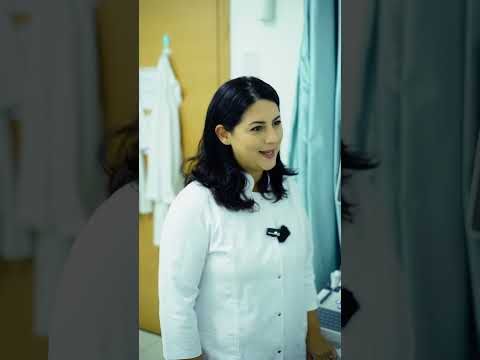
Я очень довольна этой медицинской клиникой. Здесь я прошла первый скрининг беременности. Это было доступно и очень профессионально. Рентгенолог был приветливым, добрым и сделал опыт отличным.
Айжан Токманбетова
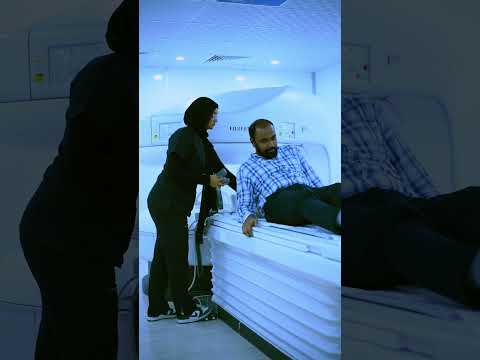
Повредила колено в пятницу вечером и получила запись на МРТ в воскресенье вечером (забронировала в воскресенье днём). Ждала около 2 минут и закончила чуть более чем за 30 минут. Команда была потрясающей, дружелюбной и эффективной.
Кирстен Эванс
Команда доктора Осамы была нежной и потрясающей. После плохого опыта в другом месте, мой гинекологический осмотр здесь был намного профессиональнее. Отличный отчёт и очень точный.
Мэри


Holter Monitoring in Dubai: 24-48 Hour Heart Rhythm Recording
Detect arrhythmias that a standard ECG misses
Экспертная помощь
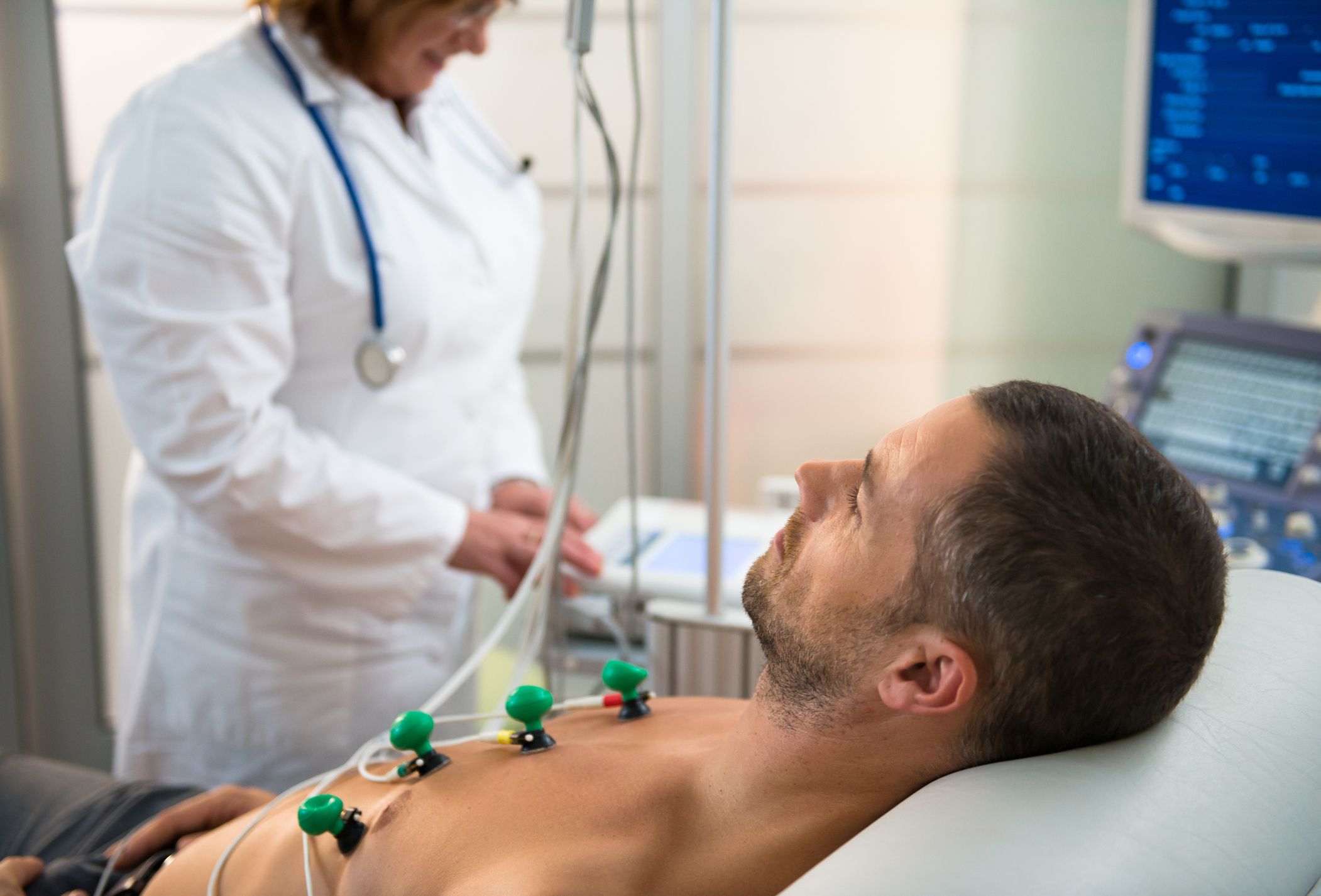
Holter Monitoring в DCDC Dubai Healthcare City
Holter Monitoring в Dubai Healthcare City предлагает пациентам самую современную медицинскую помощь с опытными специалистами. DCDC — полностью лицензированный MOHAP медицинский центр в Дубае, посвящённый предоставлению высококачественных диагностических и терапевтических услуг.
Наша команда специализированных врачей использует новейшие технологии для обеспечения точных диагнозов и эффективных планов лечения. Мы уделяем большое внимание комфорту пациентов и чёткой коммуникации на протяжении всего процесса.
В DCDC мы предлагаем Holter Monitoring с прямыми расчётами с более чем 20 страховыми компаниями и гибкими вариантами записи, включая доступность в тот же день. Свяжитесь с нами, чтобы записаться или узнать больше о наших услугах.
Экспертная помощь
Holter Monitoring в DCDC Dubai Healthcare City
Holter Monitoring in Dubai: 24-48 Hour Heart Rhythm Recording
Detect arrhythmias that a standard ECG misses
Holter Monitoring в Dubai Healthcare City предлагает пациентам самую современную медицинскую помощь с опытными специалистами. DCDC — полностью лицензированный MOHAP медицинский центр в Дубае, посвящённый предоставлению высококачественных диагностических и терапевтических услуг.
Наша команда специализированных врачей использует новейшие технологии для обеспечения точных диагнозов и эффективных планов лечения. Мы уделяем большое внимание комфорту пациентов и чёткой коммуникации на протяжении всего процесса.
В DCDC мы предлагаем Holter Monitoring с прямыми расчётами с более чем 20 страховыми компаниями и гибкими вариантами записи, включая доступность в тот же день. Свяжитесь с нами, чтобы записаться или узнать больше о наших услугах.
Dr. Shahoo Mazhari
Наши услуги
Комплексные услуги холтеровский мониторинг в DCDC Dubai Healthcare City.


Arrhythmia Diagnosis
Expert evaluation and management of irregular heartbeats.
Все услуги выполняются специалистами с лицензией DHA
Holter Monitoring
Holter monitoring in Dubai Healthcare City. 24-48 hour heart rhythm tracking. Same-day device placement. Book today.
Frequent palpitations or racing heart
Unexplained dizziness or lightheadedness
Fainting episodes (syncope)
Sensation of skipped heartbeats
Monitoring after medication changes
Post-heart attack rhythm assessment
Holter Monitoring в DCDC Dubai Healthcare City
Экспертная помощь
MOHAP Licensed
Accredited medical center in Dubai Healthcare City. License NIMY7VY5-240925.
Fast Results
Expert analysis within 24-48 hours after device return.
Insurance Support
Direct billing with 20+ insurers. We handle pre-authorization for you.
Convenient Location
Building 64, Block A in our clinic. Free parking on-site.
Expert Cardiologists
Board-certified specialists in cardiac rhythm interpretation.
Patient Experience
4.8/5 Google rating. Comfortable devices, thorough analysis.
Ваш комфортный визит
Простой пошаговый процесс Холтеровский сканирования, разработанный для комфорта, скорости и точности.
Holter Monitoring
Стоимость Холтеровский в Дубае зависит от типа услуги и страхового покрытия для различные виды услуг.
- Цены варьируются в зависимости от типа сканирования и необходимости контраста
- Страховое покрытие принимается при наличии направления и подтверждения
- Прозрачные тарифы при самостоятельной оплате с мгновенным расчётом по запросу
Проверка страховки за минуты • Без скрытых платежей • Быстрый ответ в WhatsApp
Руководство для пациента
Holter Monitoring
Holter monitoring in Dubai Healthcare City. 24-48 hour heart rhythm tracking. Same-day device placement. Book today.
Страхование и местоположение
Страховые партнёры
- •Более 20 страховых компаний в Дубае включая Daman, AXA, ADNIC и другие
- •Поддержка предварительного одобрения и прямой расчёт (при наличии)
- •Проверка покрытия перед вашим визитом в нашу клинику в Dubai Healthcare City
- •Прозрачные цены без скрытых платежей за услуги холтеровский мониторинг








Посетите нас в Медицинском городе Дубая
Докторс Клиник Диагностик Центр
Здание 64, Блок A, Медицинский комплекс Аль-Рази, Медицинский город Дубая, Дубай, ОАЭ
Рядом с улицей Уд-Мета · Удобный доступ из Бур-Дубая, центра Дубая, Бизнес-Бей · Бесплатная выделенная парковка
Часы работы
Пн-Чт, Сб: 8:00 - 22:30 | Вс: 8:30 - 22:30 | Пт: 9:00 - 22:00
Как работает страхование в DCDC
Проверьте покрытие
Убедитесь, что ваш план покрывает Холтеровский Мониторинг
Получите направление
Некоторые страховщики требуют направление от терапевта — мы поможем
Предварительное одобрение
Мы оформляем предварительное одобрение напрямую с вашей страховой
Прямой расчёт
Без предоплаты — мы выставляем счёт напрямую вашей страховой
Только доплата
Вы оплачиваете только применимую доплату в клинике
Проверьте покрытие
Убедитесь, что ваш план покрывает Холтеровский Мониторинг
Получите направление
Некоторые страховщики требуют направление от терапевта — мы поможем
Предварительное одобрение
Мы оформляем предварительное одобрение напрямую с вашей страховой
Прямой расчёт
Без предоплаты — мы выставляем счёт напрямую вашей страховой
Только доплата
Вы оплачиваете только применимую доплату в клинике
Your Specialist
Dr. Shahoo Mazhari
Consultant Cardiologist
MD, Consultant Cardiologist
Persian · English · Kurdish
Руководство для пациента
Как работает холтеровский мониторинг: подробное руководство
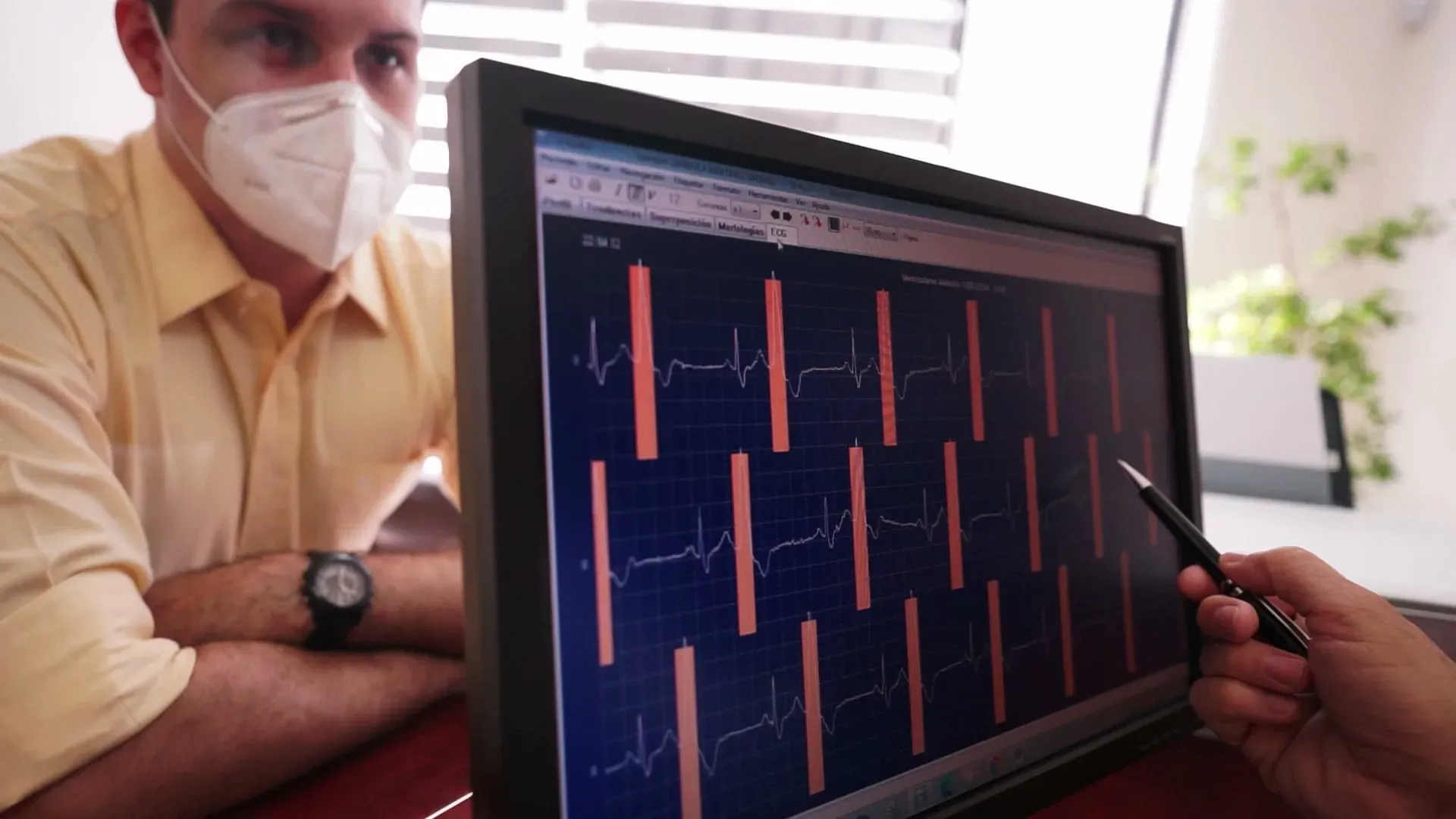
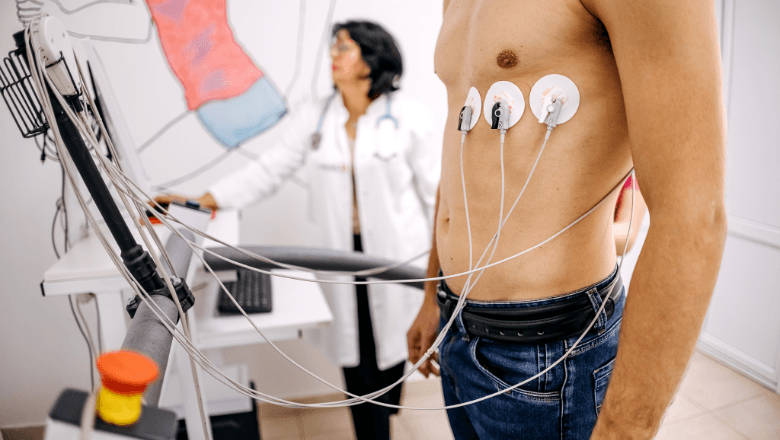
Холтеровский монитор состоит из небольшого аккумуляторного устройства записи, подключённого к нескольким клейким электродам, размещённым на грудной клетке. Эти электроды фиксируют электрические сигналы сердца при каждом ударе, а устройство непрерывно записывает их на цифровой носитель. Современные холтеровские приборы легки — как правило, менее 100 граммов — и достаточно малы, чтобы прикрепить к ремню или носить в кармане, не мешая повседневной деятельности.
В период мониторинга вас попросят вести дневник симптомов с точным указанием времени любого сердцебиения, головокружения, дискомфорта в груди, одышки или других симптомов. Этот дневник — ключевой компонент исследования, поскольку позволяет кардиологу сопоставить ваши симптомы с конкретными событиями сердечного ритма, зафиксированными в записи. Например, если в 15:15 отмечено сердцебиение, кардиолог может изучить этот момент, чтобы определить, была ли причина в доброкачественном дополнительном ударе, устойчивой аритмии или это произошло на фоне совершенно нормального ритма.
После возврата прибора запись загружается в компьютер и анализируется с помощью специализированного программного обеспечения для кардиомониторинга. Программа автоматически отмечает эпизоды аномальной частоты сердечных сокращений, нерегулярного ритма, пауз и других находок, однако каждое отмеченное событие и вся запись лично проверяются кардиологом с сертификатом специализации. Итоговый отчёт включает среднюю частоту сердечных сокращений, минимальную и максимальную частоту, общее число экстрасистол, любые эпизоды устойчивой аритмии и корреляцию между записями дневника и событиями ритма.
Состояния, выявляемые холтеровским мониторингом
Фибрилляция предсердий (ФП)
Наиболее распространённая устойчивая аритмия, характеризующаяся быстрыми и нерегулярными сокращениями верхних камер сердца. Может возникать в коротких эпизодах, которые пропускает стандартная ЭКГ.
Наджелудочковая тахикардия (НЖТ)
Эпизоды аномально частого сердечного ритма, возникающие выше желудочков, часто вызывающие внезапное учащённое сердцебиение, головокружение или одышку.
Желудочковые экстрасистолы (ЖЭС)
Дополнительные сердечные удары, возникающие из нижних камер сердца. Холтер определяет их частоту и паттерн для решения вопроса о необходимости лечения.
Предсердные экстрасистолы (ПЭС)
Дополнительные удары из верхних камер. Обычно доброкачественные, но высокая частота может предсказывать будущую фибрилляцию предсердий.
Желудочковая тахикардия
Потенциально опасная аритмия с быстрыми ударами из желудочков. Даже кратковременные эпизоды, обнаруженные на холтере, могут потребовать дальнейшего обследования.
Брадикардия и блокада сердца
Аномально медленный ритм или задержка электрического проведения между верхними и нижними камерами, вызывающие головокружение, усталость или обмороки.
Связанные статьи
Cardiology in Dubai: Expert Heart Care
An overview of cardiology services in Dubai including diagnostic tests, treatment options, and when to see a cardiologist for heart concerns.
Heart Health & Prevention in Dubai
Preventive cardiology strategies including heart screening tests, lifestyle modifications, and risk factor management for residents in Dubai.
Hypertension: The Silent Killer
Understanding high blood pressure, its effects on the heart, and why regular monitoring and treatment are essential for long-term cardiovascular health.
Связанные услуги
Изучите другие диагностические и консультационные услуги, доступные в нашей клинике в Dubai Healthcare City.
Часто задаваемые вопросы
Часто задаваемые вопросы о Холтеровский Мониторинг в Дубае.
Мы предлагаем Holter Monitoring в Dubai Healthcare City. Наша команда опытных специалистов готова провести комплексное обследование и консультацию. Свяжитесь с нами для получения дополнительной информации.
Продолжительность зависит от индивидуального случая. Наша команда заранее сообщит вам точное время. Свяжитесь с нами для записи на приём.
Большинство крупных страховых компаний в Дубае покрывают Holter Monitoring. Мы предлагаем прямые расчёты с более чем 20 страховыми компаниями, включая Daman, AXA и Bupa. Свяжитесь с нами для проверки вашего страхового покрытия.
Наша команда даст вам конкретные инструкции по подготовке перед приёмом. В целом мы рекомендуем взять с собой все текущие лекарства и соответствующие медицинские документы.
В DCDC мы предлагаем Holter Monitoring с опытными специалистами, современным оборудованием и высококачественным уходом за пациентами в Dubai Healthcare City. Наше учреждение лицензировано MOHAP и соответствует строгим клиническим стандартам.
Вы можете записаться на Holter Monitoring по телефону +971 54 219 5008 или через нашу систему онлайн-бронирования. Мы предлагаем гибкое расписание, включая приёмы в тот же день при наличии мест.
Ключевые факты
Медицинский контроль
Все услуги предоставляются под наблюдением лицензированных медицинских специалистов в нашем аккредитованном MOHAP учреждении.