
Запишитесь на приём
Проверенные отзывы пациентов о диагностическом центре DCDC в Дубае
Проверенные отзывы и реальные истории пациентов из Медицинского города Дубая
Я очень довольна этой медицинской клиникой. Здесь я прошла первый скрининг беременности. Это было доступно и очень профессионально. Рентгенолог был приветливым, добрым и сделал опыт отличным.
Айжан Токманбетова
Повредила колено в пятницу вечером и получила запись на МРТ в воскресенье вечером (забронировала в воскресенье днём). Ждала около 2 минут и закончила чуть более чем за 30 минут. Команда была потрясающей, дружелюбной и эффективной.
Кирстен Эванс
Команда доктора Осамы была нежной и потрясающей. После плохого опыта в другом месте, мой гинекологический осмотр здесь был намного профессиональнее. Отличный отчёт и очень точный.
Мэри
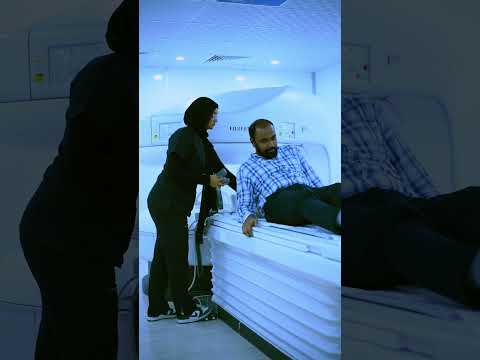

Эхокардиография в Дубае: ультразвуковая визуализация сердца
Посмотрите, как ваше сердце бьётся в реальном времени без излучения
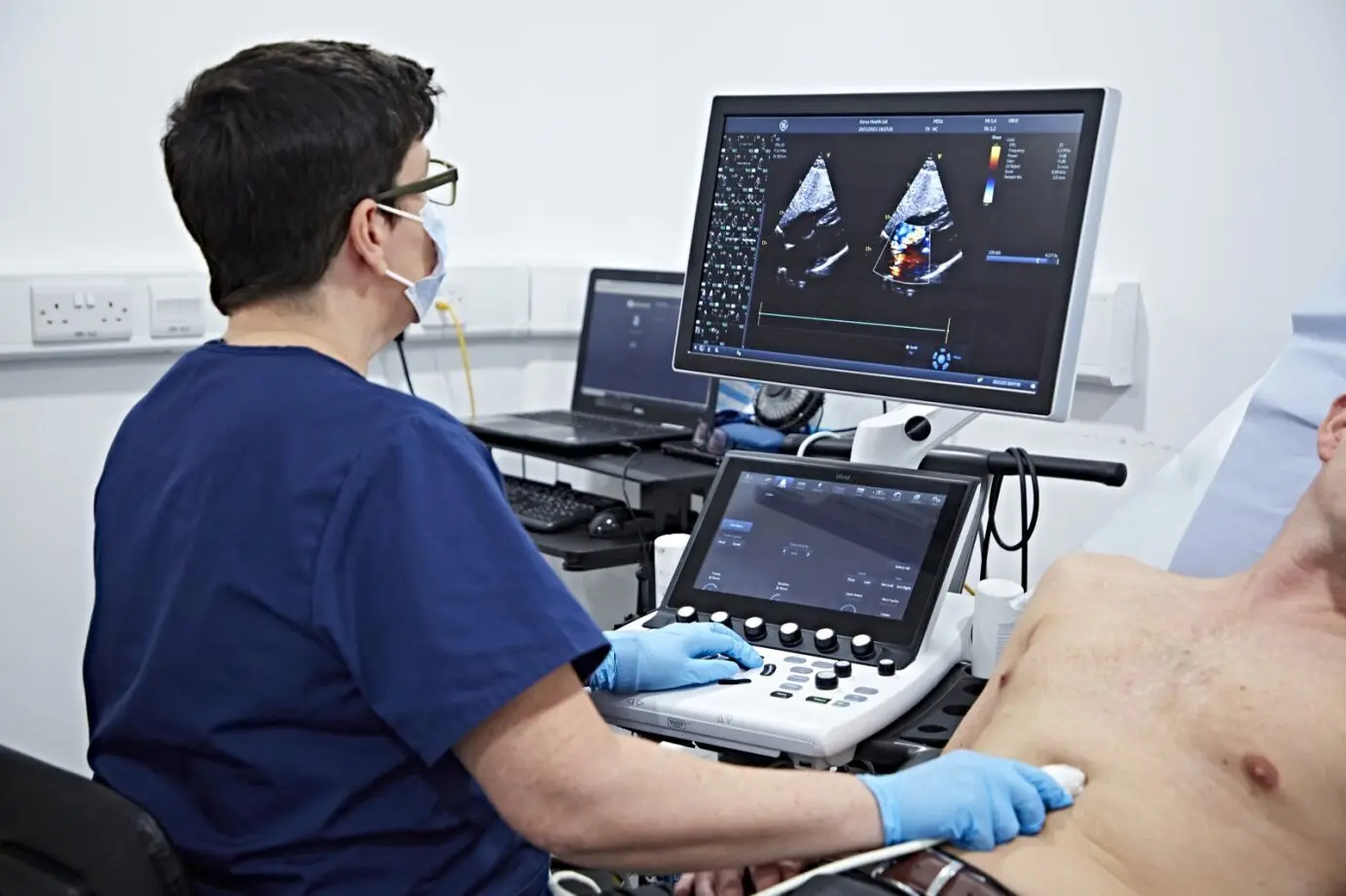
Профессиональная помощь
Эхокардиография в DCDC Dubai Healthcare City
Профессиональная эхокардиография в Dubai Healthcare City. УЗИ сердца, приём в тот же день, результаты за 24 часа, принимаем страховки. Неинвазивная визуализация сердца.
Профессиональная помощь
Эхокардиография в DCDC Dubai Healthcare City
Эхокардиография в Дубае: ультразвуковая визуализация сердца
Посмотрите, как ваше сердце бьётся в реальном времени без излучения
Профессиональная эхокардиография в Dubai Healthcare City. УЗИ сердца, приём в тот же день, результаты за 24 часа, принимаем страховки. Неинвазивная визуализация сердца.
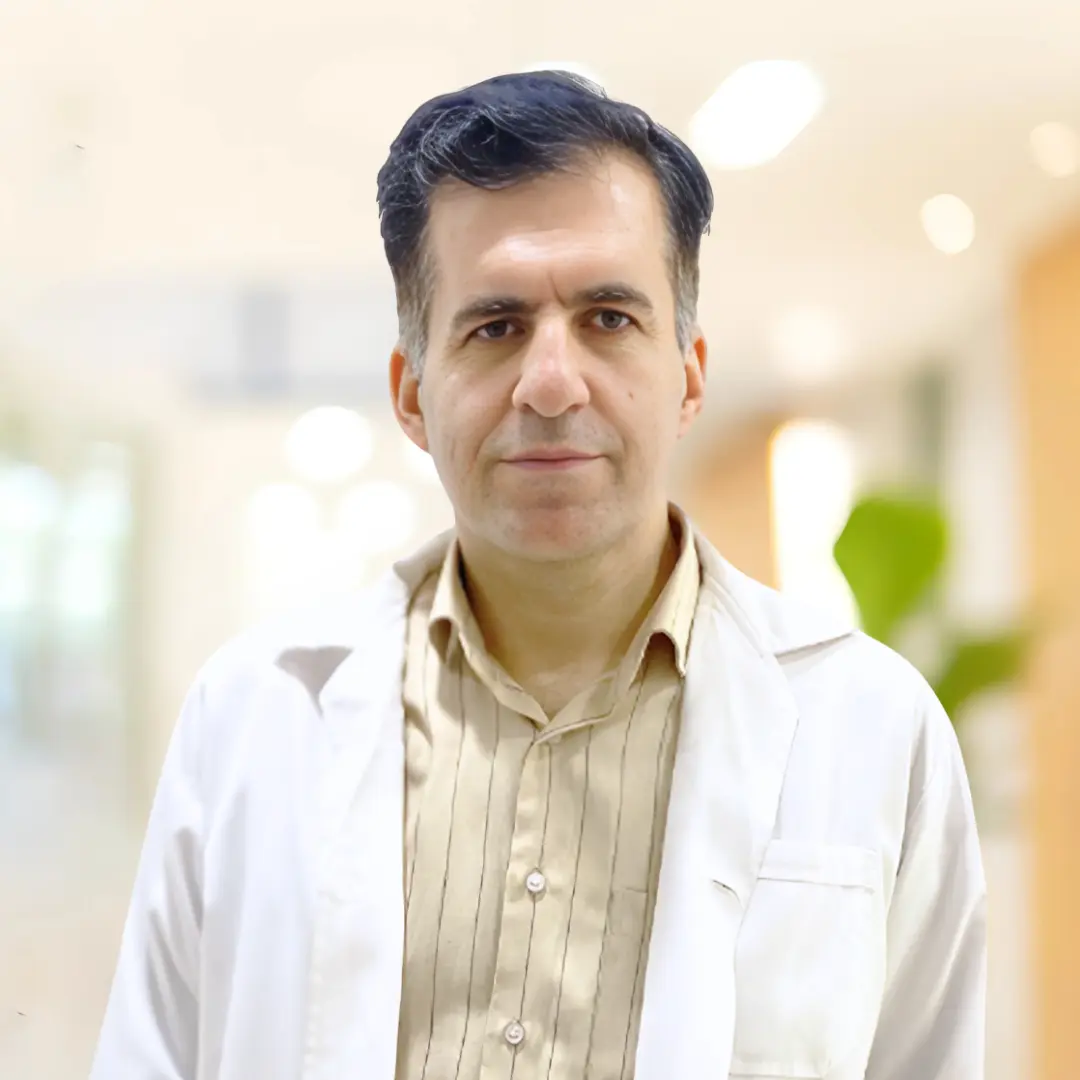
Dr. Shahoo Mazhari
Наши услуги
Комплексные услуги эхокардиография в DCDC Dubai Healthcare City.

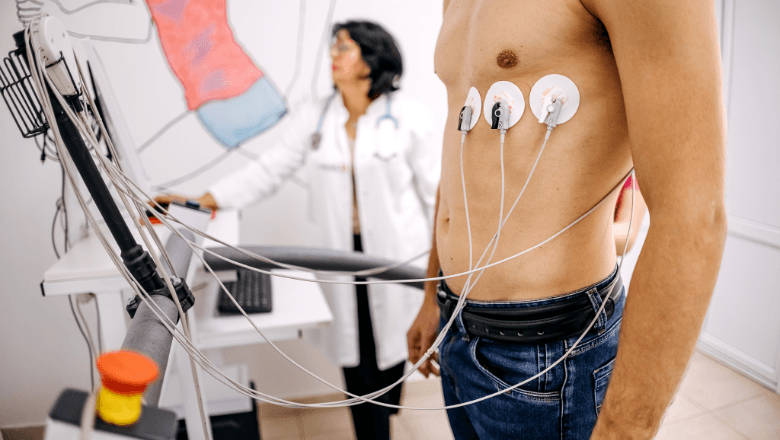
Консультация кардиолога
Expert review of your echo results and cardiac care.
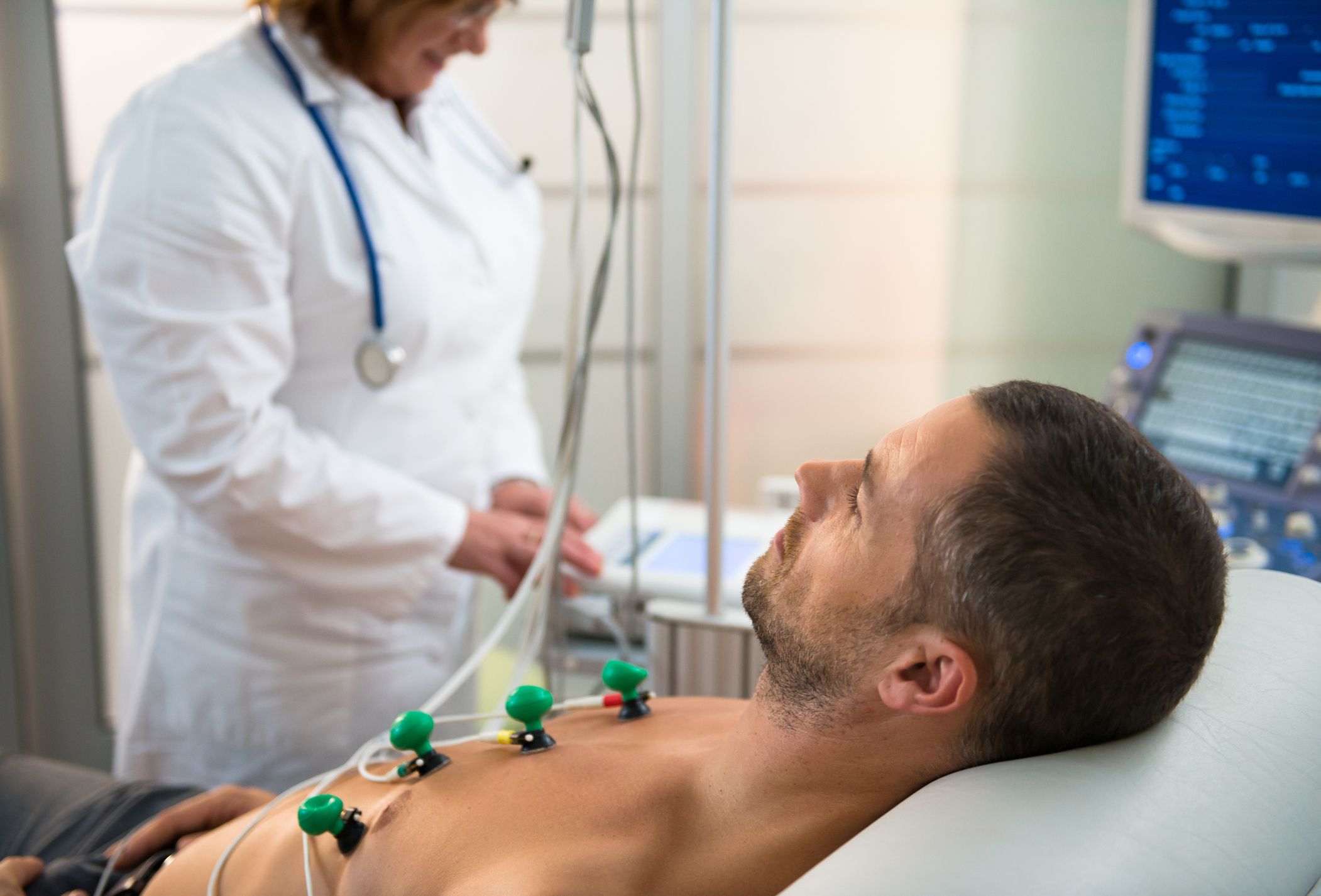
Все услуги выполняются специалистами с лицензией DHA
Кому нужна эхокардиография
Профессиональная эхокардиография в Dubai Healthcare City. УЗИ сердца, приём в тот же день, результаты за 24 часа, принимаем страховки. Неинвазивная визуализация сердца.
Heart murmurs or abnormal heart sounds
Unexplained chest pain or shortness of breath
Monitoring after heart attack or heart disease
Valve disease assessment (stenosis, regurgitation)
Heart function check after treatment or surgery
Hypertension effects on the heart
Почему выбрать DCDC для эхокардиографии
Профессиональная и надёжная помощь
MOHAP Licensed
Accredited medical center in Dubai Healthcare City. License NIMY7VY5-240925.
Fast Results
Reports ready within 18-24 hours. Same-day for urgent cases.
Insurance Support
Direct billing with 20+ insurers. We handle pre-authorization for you.
Convenient Location
Building 64, Block A in our clinic. Free parking on-site.
Expert Cardiologists
Board-certified specialists in cardiac imaging and echocardiography.
Patient Experience
4.8/5 Google rating. Comfortable, non-invasive cardiac imaging.
Ваш комфортный визит
Простой пошаговый процесс Эхокардиография сканирования, разработанный для комфорта, скорости и точности.
Цены на эхокардиографию
Стоимость Эхокардиография в Дубае зависит от типа услуги и страхового покрытия для различные виды услуг.
- Цены варьируются в зависимости от типа сканирования и необходимости контраста
- Страховое покрытие принимается при наличии направления и подтверждения
- Прозрачные тарифы при самостоятельной оплате с мгновенным расчётом по запросу
Проверка страховки за минуты • Без скрытых платежей • Быстрый ответ в WhatsApp
Руководство для пациента
Чего ожидать
Профессиональная эхокардиография в Dubai Healthcare City. УЗИ сердца, приём в тот же день, результаты за 24 часа, принимаем страховки. Неинвазивная визуализация сердца.
Страхование и местоположение
Страховые партнёры
- •Более 20 страховых компаний в Дубае включая Daman, AXA, ADNIC и другие
- •Поддержка предварительного одобрения и прямой расчёт (при наличии)
- •Проверка покрытия перед вашим визитом в нашу клинику в Dubai Healthcare City
- •Прозрачные цены без скрытых платежей за услуги эхокардиография







Посетите нас в Медицинском городе Дубая
Докторс Клиник Диагностик Центр
Здание 64, Блок A, Медицинский комплекс Аль-Рази, Медицинский город Дубая, Дубай, ОАЭ
Рядом с улицей Уд-Мета · Удобный доступ из Бур-Дубая, центра Дубая, Бизнес-Бей · Бесплатная выделенная парковка
Часы работы
Пн-Чт, Сб: 8:00 - 22:30 | Вс: 8:30 - 22:30 | Пт: 9:00 - 22:00
Как работает страхование в DCDC
Проверьте покрытие
Убедитесь, что ваш план покрывает Эхокардиография
Получите направление
Некоторые страховщики требуют направление от терапевта — мы поможем
Предварительное одобрение
Мы оформляем предварительное одобрение напрямую с вашей страховой
Прямой расчёт
Без предоплаты — мы выставляем счёт напрямую вашей страховой
Только доплата
Вы оплачиваете только применимую доплату в клинике
Проверьте покрытие
Убедитесь, что ваш план покрывает Эхокардиография
Получите направление
Некоторые страховщики требуют направление от терапевта — мы поможем
Предварительное одобрение
Мы оформляем предварительное одобрение напрямую с вашей страховой
Прямой расчёт
Без предоплаты — мы выставляем счёт напрямую вашей страховой
Только доплата
Вы оплачиваете только применимую доплату в клинике
Your Specialist
Dr. Shahoo Mazhari
Consultant Cardiologist
MD, Consultant Cardiologist
Persian · English · Kurdish
Руководство для пациента
Эхокардиография (ЭхоКГ): что нужно знать
Эхокардиография (ЭхоКГ) — ультразвуковое исследование сердца, позволяющее в реальном времени визуализировать структуры сердца, движение клапанов и насосную функцию. Излучение не используется; исследование абсолютно безопасно и комфортно. Это наиболее точный диагностический инструмент для оценки функции сердца.
В клинике DCDC сертифицированные кардиологи выполняют исследование на высокоточных 2D- и 3D-аппаратах. Исследование позволяет измерить фракцию выброса, оценить давления в полостях сердца, обнаружить тромбы и структурные аномалии.
Сеанс ЭхоКГ занимает, как правило, 30–45 минут. Исследование может проводиться в покое или при нагрузке (стресс-ЭхоКГ); результаты большинства исследований доступны в тот же день.
Состояния, оцениваемые с помощью ЭхоКГ
Сердечная недостаточность и сниженная ФВ ЛЖ
Измерение фракции выброса левого желудочка и оценка насосной функции для диагностики систолической или диастолической сердечной недостаточности.
Пороки сердечных клапанов
Оценка стеноза или недостаточности аортального, митрального, лёгочного и трёхстворчатого клапанов для наблюдения или принятия решения о вмешательстве.
Врождённые пороки сердца
Выявление дефектов межпредсердной или межжелудочковой перегородки и врождённых структурных аномалий у детей и взрослых.
Перикардиальный выпот и болезни аорты
Выявление жидкости в полости перикарда (перикардит) и аневризм или расслоений аорты.
Внутрисердечные тромбы и риск инсульта
Обнаружение тромбов в левом предсердии или желудочке и кардиоэмболического источника при фибрилляции предсердий.
Лёгочная гипертензия
Измерение давления в лёгочной артерии и оценка нагрузки на правый желудочек при ТЭЛА.
Связанные статьи
Кардиология в Дубае: Руководство по Экспертному Уходу
Узнайте о кардиологических услугах, доступных в DCDC.
Профилактика Болезней Сердца
Практические шаги для предотвращения сердечных заболеваний.
Гипертония: Тихий Убийца
Почему гипертония опасна и как её лечить.
Связанные услуги
Изучите другие диагностические и консультационные услуги, доступные в нашей клинике в Dubai Healthcare City.
Часто задаваемые вопросы
Часто задаваемые вопросы о Эхокардиография в Дубае.
Мы предлагаем Эхокардиография в Dubai Healthcare City. Наша команда опытных специалистов готова провести комплексное обследование и консультацию. Свяжитесь с нами для получения дополнительной информации.
Продолжительность зависит от индивидуального случая. Наша команда заранее сообщит вам точное время. Свяжитесь с нами для записи на приём.
Большинство крупных страховых компаний в Дубае покрывают Эхокардиография. Мы предлагаем прямые расчёты с более чем 20 страховыми компаниями, включая Daman, AXA и Bupa. Свяжитесь с нами для проверки вашего страхового покрытия.
Наша команда даст вам конкретные инструкции по подготовке перед приёмом. В целом мы рекомендуем взять с собой все текущие лекарства и соответствующие медицинские документы.
В DCDC мы предлагаем Эхокардиография с опытными специалистами, современным оборудованием и высококачественным уходом за пациентами в Dubai Healthcare City. Наше учреждение лицензировано MOHAP и соответствует строгим клиническим стандартам.
Вы можете записаться на Эхокардиография по телефону +971 54 219 5008 или через нашу систему онлайн-бронирования. Мы предлагаем гибкое расписание, включая приёмы в тот же день при наличии мест.
Ключевые факты
Медицинский контроль
Все услуги предоставляются под наблюдением лицензированных медицинских специалистов в нашем аккредитованном MOHAP учреждении.