
Ключевые выводы
- Tonsillitis is one of the most common throat infections worldwide, affecting an estimated 600 million people annually. It is especially prevalent in children aged 5–15, though adults in Dubai frequently develop it due to air-conditioning-dried air, indoor dust, and rapid temperature changes.
- Most tonsillitis is viral (70–80% of cases) and resolves within 7–10 days with rest, fluids, and pain management. Bacterial tonsillitis — most commonly caused by Group A Streptococcus — requires antibiotic treatment to prevent complications such as rheumatic fever and peritonsillar abscess.
- A rapid strep test or throat culture is essential for distinguishing bacterial from viral tonsillitis. Antibiotics are only effective against bacterial infections and should not be prescribed for viral cases.
- Tonsillectomy (surgical removal of the tonsils) is recommended for recurrent tonsillitis meeting the Paradise criteria — 7 or more episodes in one year, 5 per year for two consecutive years, or 3 per year for three consecutive years. Tonsillectomy costs in Dubai range from AED 8,000–20,000.
- Warning signs requiring urgent medical attention include difficulty breathing or swallowing, inability to open the mouth fully (trismus), a muffled or 'hot potato' voice, drooling, high fever above 39°C not responding to medication, and severe one-sided throat pain — which may indicate peritonsillar abscess.
- Prevention strategies for Dubai residents include maintaining indoor humidity at 40–60% to counteract AC-dried air, practising good hand hygiene, avoiding sharing utensils or drinks, and staying current with routine vaccinations.
Tonsillitis is one of the most frequent reasons patients visit a doctor in Dubai with a sore throat — and the city's unique environment can make it worse. Constant air conditioning dries the throat lining, indoor dust accumulates in sealed buildings, and rapid temperature shifts between scorching outdoor heat and chilled interiors weaken the body's first line of defence. Whether you are dealing with a child's recurring throat infections that are causing missed school days, an adult experiencing severe sore throat with fever, or persistent tonsil problems that antibiotics no longer seem to resolve — this guide covers every aspect of tonsillitis treatment in Dubai, from causes and symptoms to diagnosis, treatment options, tonsillectomy considerations, costs, and prevention. If you suspect tonsillitis, an ENT consultation at DCDC can provide accurate diagnosis and a tailored treatment plan.
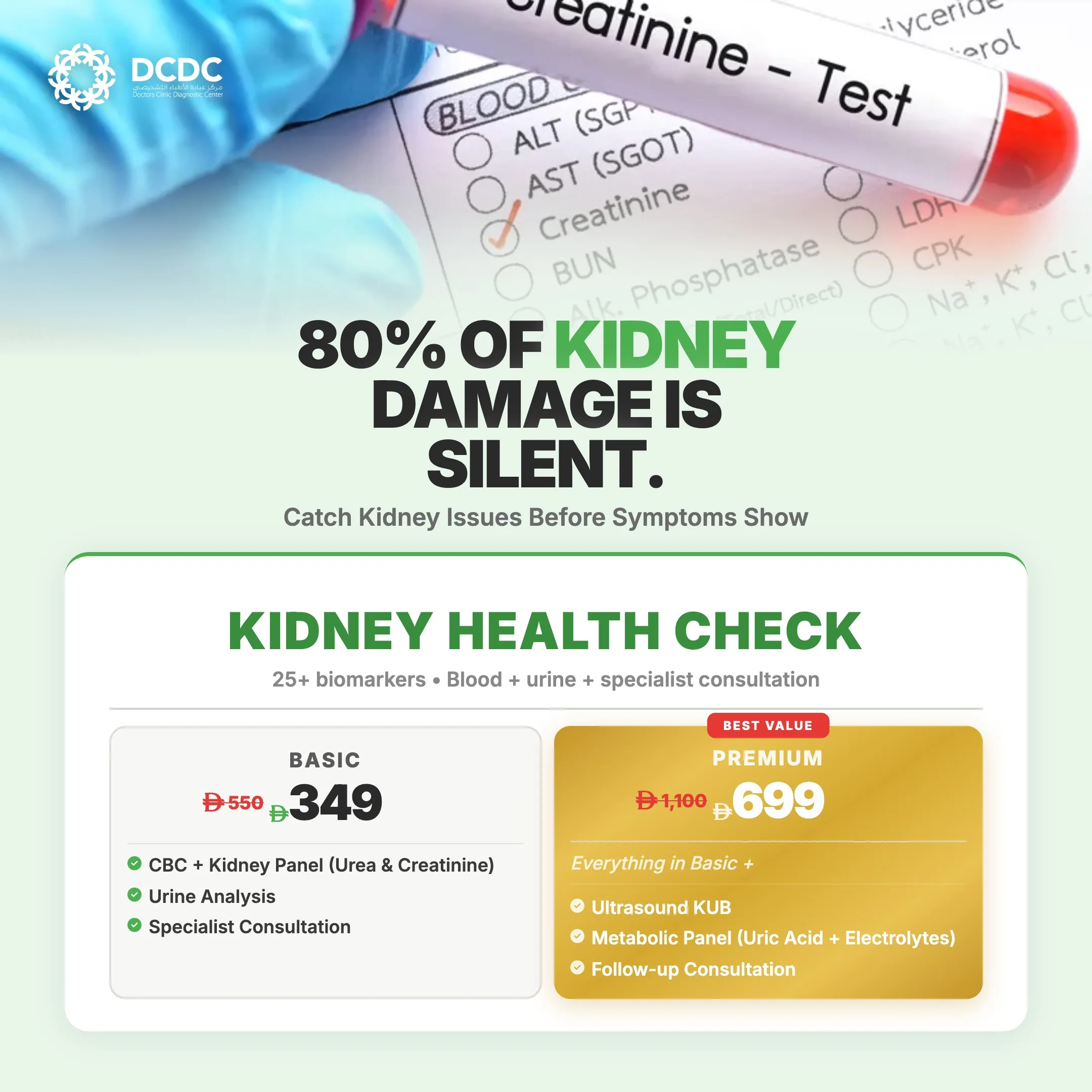
Health Screening Packages
Save with our bundled screening packages — specialist consultation included





What Is Tonsillitis? Understanding the Basics
Tonsillitis is the inflammation and infection of the palatine tonsils — the two oval-shaped masses of lymphoid tissue located at the back of the throat, one on each side. The tonsils are part of the immune system and serve as a first line of defence against inhaled and ingested pathogens. They trap bacteria and viruses entering through the mouth and nose, producing antibodies to fight infection. However, this very function makes the tonsils themselves vulnerable to infection, particularly when the immune system is weakened or when exposure to pathogens is high.
Tonsillitis is classified into three categories based on duration and frequency:
- Acute tonsillitis: A single episode lasting 7–14 days, usually caused by a viral or bacterial infection. This is the most common form and what most people mean when they say they have tonsillitis
- Recurrent tonsillitis: Multiple episodes of acute tonsillitis per year — typically defined using the Paradise criteria as 7 or more episodes in one year, 5 per year for two years, or 3 per year for three consecutive years
- Chronic tonsillitis: A persistent low-grade tonsil infection lasting longer than 3 months, characterised by chronic sore throat, tonsil stones (tonsilloliths), persistent bad breath (halitosis), and tender cervical lymph nodes
Causes of Tonsillitis: Viral vs Bacterial
Understanding whether tonsillitis is viral or bacterial is critical because treatment differs fundamentally. Viral tonsillitis requires supportive care only, while bacterial tonsillitis demands antibiotic therapy to prevent serious complications.
Viral Tonsillitis (70–80% of Cases)
The majority of tonsillitis cases are caused by viruses. The most common viral culprits include adenoviruses, rhinoviruses, influenza and parainfluenza viruses, Epstein-Barr virus (which causes infectious mononucleosis or 'mono'), and respiratory syncytial virus (RSV). Viral tonsillitis typically develops gradually with symptoms including a sore throat, runny nose, cough, hoarseness, and sometimes conjunctivitis (pink eye). Fever is usually mild to moderate. Because antibiotics have no effect on viruses, treatment focuses on symptom relief while the immune system clears the infection — usually within 7–10 days.
Bacterial Tonsillitis (20–30% of Cases)
Group A Streptococcus (GAS), also known as Streptococcus pyogenes, is the most common bacterial cause of tonsillitis, responsible for 15–30% of sore throats in children and 5–15% in adults. Strep throat — the common name for GAS tonsillitis — tends to have a more abrupt onset than viral tonsillitis, with severe sore throat, high fever (above 38.5°C), painful swallowing, swollen tender cervical lymph nodes, and white or yellow pus patches on the tonsils. Notably, strep throat usually does not include cough, runny nose, or hoarseness — the presence of these symptoms suggests a viral cause.
Other bacterial causes of tonsillitis include Staphylococcus aureus, Haemophilus influenzae, Fusobacterium necrophorum (increasingly recognised in adolescents and young adults), and Mycoplasma pneumoniae. In rare cases, sexually transmitted infections such as gonorrhoea can cause pharyngotonsillitis.
Tonsillitis Symptoms in Children and Adults
Tonsillitis symptoms vary by age, cause, and severity. Recognising the differences between viral and bacterial presentations helps determine urgency and treatment approach.
| Symptom | Viral Tonsillitis | Bacterial (Strep) Tonsillitis |
|---|---|---|
| Onset | Gradual, over 1–2 days | Sudden, within hours |
| Sore throat severity | Mild to moderate | Severe; pain may radiate to the ears |
| Fever | Low-grade (37.5–38.5°C) | High (38.5–40°C or above) |
| Tonsil appearance | Red, mildly swollen | Red, very swollen, with white/yellow patches or exudates |
| Lymph nodes | May be slightly enlarged | Tender, swollen anterior cervical nodes |
| Cough / runny nose | Often present | Usually absent |
| Headache | Sometimes | Common |
| Abdominal pain / nausea | Uncommon | Common in children |
| Rash | Uncommon | Possible (scarlatiniform rash in scarlet fever) |
Tonsillitis in Children
Children aged 5–15 are most susceptible to tonsillitis, particularly bacterial strep throat. Younger children may not be able to describe their symptoms clearly. Parents should watch for refusal to eat or drink, excessive drooling (indicating pain with swallowing), unusual fussiness or irritability, muffled or changed voice, and complaints of stomach ache — which is a surprisingly common presentation of strep throat in children. If your child also has a high temperature alongside these symptoms, our guide on managing childhood fevers can help you determine when medical attention is needed.
Tonsillitis in Adults
While tonsillitis is less common in adults, it can be more debilitating when it occurs. Adults with tonsillitis typically experience severe sore throat, difficulty swallowing (odynophagia), referred ear pain, fatigue, and sometimes voice changes. Adults are also more vulnerable to complications such as peritonsillar abscess (quinsy) — a collection of pus forming beside the tonsil that requires urgent drainage. In Dubai, adults frequently develop tonsillitis after prolonged exposure to air-conditioned environments that dry the throat mucosa, or following viral upper respiratory infections that weaken local immunity.
How Tonsillitis Is Diagnosed
Accurate diagnosis distinguishes viral from bacterial tonsillitis and determines whether antibiotics are needed. An ENT specialist or experienced GP will use clinical examination and targeted testing.
Clinical Examination
The doctor will examine the throat using a tongue depressor and light, assessing tonsil size, redness, the presence of pus or exudates, and whether the uvula is displaced (which may indicate abscess). They will palpate the neck for swollen lymph nodes and assess the patient's general condition, including hydration status and ability to swallow.
Diagnostic Tests
| Test | What It Detects | Turnaround Time |
|---|---|---|
| Rapid antigen detection test (rapid strep test) | Group A Streptococcus antigens from a throat swab | 10–15 minutes; 95% specificity but 70–90% sensitivity |
| Throat culture | Identifies the specific bacteria causing infection; gold standard for GAS | 24–48 hours; higher sensitivity than rapid test |
| Complete blood count (CBC) | White blood cell count and differential; helps distinguish viral vs bacterial | Same day |
| Monospot or EBV antibodies | Epstein-Barr virus (infectious mononucleosis) | Same day; important in adolescents with prolonged tonsillitis |
| Anti-streptolysin O (ASO) titre | Evidence of recent streptococcal infection | Same day; useful for suspected rheumatic fever or post-strep complications |
| CT scan of the neck | Peritonsillar or deep neck abscess | Same day; reserved for suspected complications |
A blood test including a complete blood count is often helpful when tonsillitis is severe, recurrent, or not responding to initial treatment. Elevated white blood cells with a left shift suggest bacterial infection, while lymphocyte predominance points toward viral causes including Epstein-Barr virus.
Severe Sore Throat? Get a Same-Day Diagnosis
DCDC Dubai Healthcare City offers rapid strep testing, throat cultures, and ENT evaluation for tonsillitis. Walk in or book online for same-week appointments.
Tonsillitis Treatment Options in Dubai
Treatment for tonsillitis depends on the cause (viral or bacterial), severity, and whether the condition is acute, recurrent, or chronic. Current guidelines from the AAP, the American Academy of Otolaryngology (AAO-HNS), and NICE emphasise appropriate use of antibiotics and clear criteria for when surgical intervention is warranted.
Supportive Care (All Types of Tonsillitis)
Regardless of the cause, supportive care is the foundation of tonsillitis treatment. This includes adequate rest and hydration, over-the-counter pain relief with paracetamol (acetaminophen) or ibuprofen to reduce pain and fever, throat lozenges or medicated sprays containing benzocaine or lidocaine for local pain relief, warm fluids such as broth or tea with honey (for children over 1 year), gargling with warm salt water (half a teaspoon of salt in a glass of warm water), and cool soft foods such as yoghurt or ice cream that soothe the throat. In Dubai's air-conditioned environments, using a room humidifier set to 40–60% humidity can prevent further drying of the inflamed throat lining and accelerate recovery.
Antibiotic Therapy for Bacterial Tonsillitis
When a rapid strep test or throat culture confirms bacterial tonsillitis, antibiotics are essential — not only to speed recovery but to prevent serious complications including rheumatic fever, post-streptococcal glomerulonephritis, and peritonsillar abscess. The recommended antibiotic regimens are:
- First-line: Penicillin V or amoxicillin — A 10-day course of oral penicillin V or amoxicillin remains the gold standard for GAS tonsillitis. Amoxicillin is often preferred for children due to its better taste
- Penicillin allergy: Cephalexin, cefadroxil, or azithromycin — First-generation cephalosporins are safe for most penicillin-allergic patients (except those with severe anaphylactic reactions). Azithromycin offers a shorter 5-day course but resistance rates are increasing
- Recurrent tonsillitis: Amoxicillin-clavulanate or clindamycin — These are used when standard amoxicillin fails, as they cover beta-lactamase-producing bacteria that may protect GAS in the tonsillar crypts
- Single-dose option: Intramuscular benzathine penicillin G — A single injection that ensures full treatment compliance; useful when adherence to a 10-day oral course is a concern
It is critical to complete the full prescribed course of antibiotics, even if symptoms improve within 2–3 days. Stopping early increases the risk of treatment failure, recurrence, and — most importantly — rheumatic fever, which can cause permanent heart valve damage.
Treating Complications: Peritonsillar Abscess
Peritonsillar abscess (quinsy) is the most common deep neck space infection and a serious complication of bacterial tonsillitis. It occurs when infection spreads from the tonsil into the surrounding tissue, forming a pus collection. Symptoms include severe one-sided throat pain, difficulty opening the mouth (trismus), a muffled 'hot potato' voice, drooling, and deviation of the uvula away from the affected side. Treatment requires needle aspiration or incision and drainage of the abscess by an ENT specialist, combined with intravenous antibiotics. Most patients recover fully, but peritonsillar abscess is a common indication for subsequent tonsillectomy to prevent recurrence.
When Is Tonsillectomy Needed? Surgery Criteria and Recovery
Tonsillectomy — the surgical removal of the palatine tonsils — is one of the most commonly performed surgeries worldwide. However, it is not the first-line treatment for tonsillitis. Clear clinical criteria determine when surgery is appropriate.
Indications for Tonsillectomy
The AAO-HNS clinical practice guidelines recommend tonsillectomy in the following situations:
- Recurrent tonsillitis meeting Paradise criteria: 7 or more documented episodes of strep throat in one year, 5 episodes per year for two consecutive years, or 3 episodes per year for three consecutive years — each with fever above 38.3°C, cervical lymphadenopathy, tonsillar exudates, or positive GAS test
- Obstructive sleep-disordered breathing: Enlarged tonsils causing sleep apnoea or significant snoring in children or adults, leading to disturbed sleep, daytime fatigue, behavioural issues, or poor school performance
- Peritonsillar abscess: A history of one or more peritonsillar abscesses, particularly if tonsillitis recurrence is likely
- Chronic tonsillitis: Persistent symptoms despite adequate medical management, significantly affecting quality of life
- Tonsilloliths (tonsil stones): Recurrent troublesome tonsil stones causing chronic halitosis and discomfort that do not respond to conservative management
- Suspected malignancy: Asymmetric tonsil enlargement or other features raising concern for lymphoma or squamous cell carcinoma (rare)
Tonsillectomy Procedure and Techniques
Tonsillectomy is performed under general anaesthesia and typically takes 20–45 minutes. Several techniques are used by ENT surgeons in Dubai:
- Cold steel dissection: The traditional technique using surgical instruments to remove the tonsils. It provides precise tissue removal with minimal thermal damage
- Electrocautery (diathermy): Uses electrical current to cut and cauterise simultaneously, reducing bleeding during surgery
- Coblation tonsillectomy: A newer technique using radiofrequency energy at lower temperatures (40–70°C compared to 400°C with electrocautery), resulting in less tissue damage and potentially less post-operative pain
- Intracapsular (partial) tonsillectomy: Removes the bulk of the tonsil tissue while preserving the capsule, reducing post-operative pain and bleeding risk. Increasingly used for obstructive (non-infectious) indications in children
Tonsillectomy Recovery
Recovery from tonsillectomy typically takes 10–14 days. Patients should expect moderate to severe throat pain for the first 5–7 days, with a secondary increase in pain around days 5–8 when the surgical scab (eschar) begins to separate. Key recovery guidelines include:
- Pain management: Regular paracetamol and ibuprofen on a schedule, not just when pain is felt. Avoid aspirin due to bleeding risk
- Hydration: Drink plenty of cool fluids — this is the single most important factor in recovery. Dehydration worsens pain and increases complication risk
- Diet: Start with cool, soft foods (yoghurt, ice cream, smoothies, mashed potato) and gradually progress to normal diet as tolerated. Avoid hot, spicy, crunchy, or acidic foods for 2 weeks
- Rest: Avoid strenuous activity for 2 weeks. Children should stay home from school for 10–14 days
- When to seek urgent care: Bleeding from the throat (even small amounts), inability to swallow fluids, fever above 38.5°C, or signs of dehydration require immediate medical attention
Considering Tonsillectomy in Dubai?
DCDC's ENT specialists can assess whether tonsillectomy is appropriate and coordinate your surgical care within Dubai Healthcare City. Book a consultation to discuss your options.
Tonsillitis in Dubai: Why It Is So Common
Dubai's unique environment creates conditions that make tonsillitis particularly prevalent among residents. Understanding these factors can help you take preventive action.
Environmental Factors Contributing to Tonsillitis in Dubai
- Air conditioning: Dubai residents spend the majority of their time in air-conditioned environments — homes, offices, malls, cars, and schools. AC systems significantly reduce indoor humidity, drying the throat and nasal mucosa and weakening the body's first barrier against pathogens
- Temperature shock: Moving between outdoor temperatures exceeding 45°C in summer and indoor temperatures of 20–22°C creates thermal stress on the respiratory system. This rapid cooling of the throat can reduce local blood flow and impair immune defences
- Indoor dust and poor air quality: Desert dust infiltrates buildings and accumulates in AC ducts and filters. Without regular maintenance, these systems can circulate dust, mould spores, and bacteria. Breathing irritants inflames the throat and makes it more susceptible to infection
- Close indoor contact: Dubai's climate drives people indoors for much of the year, increasing person-to-person transmission of respiratory viruses and bacteria — especially in schools, nurseries, and offices
- Diverse population and travel: Dubai's international community and position as a global travel hub mean exposure to a wide variety of viral and bacterial strains, some of which residents may have limited immunity against
Many of these same environmental factors also contribute to sinusitis and ear infections, as the throat, nose, and ears are interconnected through the eustachian tubes and posterior pharynx. It is common for tonsillitis to occur alongside or be followed by sinus or ear involvement.
Tonsillitis Treatment Cost in Dubai
Understanding the costs involved in tonsillitis treatment helps you plan your healthcare budget. Below is a guide to typical costs at private clinics and hospitals in Dubai. Prices vary between providers, and most Dubai health insurance plans cover tonsillitis evaluation and treatment.
| Service | Estimated Cost (AED) | Notes |
|---|---|---|
| ENT specialist consultation | From AED 300 | Initial assessment including throat examination and clinical evaluation |
| GP consultation (sore throat) | From AED 200 | Suitable for first-time, uncomplicated sore throat |
| Rapid strep test | AED 100–200 | In-clinic result within 15 minutes |
| Throat culture and sensitivity | AED 150–300 | Identifies specific bacteria and effective antibiotics; results in 24–48 hours |
| Complete blood count (CBC) | AED 80–150 | Helps distinguish viral from bacterial infection |
| EBV / monospot test | AED 100–250 | Tests for infectious mononucleosis in adolescents and young adults |
| Antibiotic course (oral) | AED 20–80 | Pharmacy cost for penicillin, amoxicillin, or alternative |
| Follow-up consultation | AED 150–350 | Monitoring treatment response and recovery |
| Tonsillectomy (surgery) | AED 8,000–20,000 | Includes surgeon fees, anaesthesia, and facility charges; day-case or overnight stay |
| Peritonsillar abscess drainage | AED 2,000–5,000 | Emergency procedure; may require hospital admission |
Most comprehensive health insurance plans in Dubai cover ENT consultations, diagnostic tests, and medically necessary surgical procedures including tonsillectomy. Pre-authorisation is typically required for surgical procedures. At DCDC, we process insurance claims directly for major providers and can verify your coverage before your appointment.
When to See a Doctor for Tonsillitis
Not every sore throat requires a doctor visit — many cases of mild viral tonsillitis resolve with home care. However, certain symptoms and circumstances warrant professional medical evaluation.
See Your GP or ENT Specialist If You Have
- Sore throat lasting more than 48 hours without improvement, or worsening despite pain medication
- Fever above 38.5°C combined with sore throat, especially with visible pus or white patches on the tonsils
- Difficulty swallowing liquids or saliva — this may indicate severe swelling or developing abscess
- Swollen, tender neck lymph nodes that are increasing in size
- Recurrent episodes — if you or your child have had multiple bouts of tonsillitis in the past year
- Persistent bad breath or tonsil stones that do not resolve with gargling or good oral hygiene
Seek Urgent or Emergency Care If You Have
- Difficulty breathing or noisy breathing (stridor) — severely enlarged tonsils can partially obstruct the airway
- Inability to open the mouth fully (trismus) — a key sign of peritonsillar abscess
- Muffled 'hot potato' voice or drooling — suggests significant swelling or abscess formation
- Severe one-sided throat pain with deviation of the uvula — highly suggestive of peritonsillar abscess
- High fever above 39°C not responding to paracetamol and ibuprofen
- Signs of dehydration — dry mouth, dark urine, dizziness, no tears in a crying child
For a detailed overview of when to consult an ENT specialist and what to expect at your visit, read our comprehensive guide to ENT doctors in Dubai.
Preventing Tonsillitis: Evidence-Based Strategies
While tonsillitis cannot always be prevented — especially in children who are naturally exposed to pathogens at school and nursery — several evidence-based strategies significantly reduce the risk of infection and recurrence.
General Prevention Measures
- Hand hygiene: Regular handwashing with soap and water for at least 20 seconds is the single most effective way to prevent the spread of respiratory infections. Use alcohol-based hand sanitiser when soap is not available
- Avoid sharing utensils and drinks: GAS and other pathogens spread through saliva and respiratory droplets. This is especially important for children in school settings
- Cough and sneeze etiquette: Cover the mouth and nose with a tissue or elbow, and dispose of tissues immediately
- Stay home when symptomatic: Children and adults with fever and sore throat should avoid school or work until fever-free for at least 24 hours and, if on antibiotics, until they have completed at least 24 hours of treatment
- Replace toothbrush after infection: Bacteria can survive on toothbrush bristles — replace your toothbrush after recovering from tonsillitis to reduce re-infection risk
Dubai-Specific Prevention Tips
- Maintain indoor humidity at 40–60%: Use a room humidifier to counteract the drying effect of air conditioning. This keeps throat and nasal mucosa moist and better able to trap and clear pathogens
- Service AC units regularly: Have air conditioning filters cleaned or replaced every 1–3 months and ducts professionally cleaned annually. Poorly maintained AC systems circulate dust, mould, and bacteria
- Stay hydrated: Dubai's heat and dry indoor air accelerate fluid loss. Drink at least 2–3 litres of water daily and more during summer months
- Manage allergies: Allergic rhinitis with post-nasal drip irritates the throat and increases infection susceptibility. If you have chronic nasal symptoms, an allergy test can identify triggers and guide preventive treatment
- Avoid abrupt temperature changes: When possible, allow gradual transition between outdoor heat and air-conditioned interiors. Keep indoor temperatures no lower than 23–24°C to reduce thermal shock
Tonsillitis Treatment at DCDC Dubai Healthcare City
At Doctors Clinic Diagnostic Center (DCDC) in Dubai Healthcare City, we provide comprehensive tonsillitis evaluation and treatment for patients of all ages. Located in Building 47 of the dedicated healthcare free zone, DCDC offers ENT consultation, rapid diagnostic testing, and pharmacy all under one roof — allowing efficient diagnosis and treatment in a single visit.
What to Expect at Your DCDC Visit
- Thorough throat examination: Your ENT specialist or GP will examine the tonsils, assess for exudates, check lymph nodes, and evaluate for signs of complications
- Rapid strep testing: In-clinic rapid antigen testing delivers results within 15 minutes, allowing same-visit treatment decisions
- Same-day blood work: If needed, CBC, EBV testing, and other investigations are available at our on-site laboratory
- Evidence-based prescribing: We follow current AAP, AAO-HNS, and NICE guidelines — prescribing antibiotics only when bacterial infection is confirmed and recommending supportive care for viral tonsillitis
- Surgical assessment when appropriate: For recurrent or chronic tonsillitis, our ENT specialists evaluate whether tonsillectomy criteria are met and coordinate surgical care within Dubai Healthcare City
- Insurance processing: We accept and directly process claims for most major Dubai insurance providers
Book Your Tonsillitis Consultation
Do not let a persistent sore throat go unchecked. DCDC Dubai Healthcare City offers expert ENT evaluation for tonsillitis in adults and children — walk in or book online for same-week appointments.
Связанные услуги в DCDC
Квалифицированная помощь и современная диагностика в Dubai Healthcare City
ENT Consultation
Comprehensive ear, nose, and throat evaluation by specialist ENT doctor
Записаться на приёмAllergy Testing
IgE blood tests to identify allergy triggers that may worsen throat conditions
Записаться на приёмBlood Test
CBC, CRP, and rapid strep testing for accurate tonsillitis diagnosis
Записаться на приёмFrequently Asked Questions
Final Thoughts
Tonsillitis is one of the most common throat infections encountered in Dubai, driven by a combination of environmental factors — air-conditioned dry air, indoor dust, rapid temperature shifts, and close indoor contact — that weaken the throat's natural defences. The most important first step when you or your child develops a severe sore throat is determining whether the cause is viral or bacterial. A rapid strep test takes just 15 minutes and directs the entire treatment pathway: viral tonsillitis needs supportive care and patience, while bacterial strep throat requires a full course of antibiotics to prevent complications including rheumatic fever and peritonsillar abscess.
For those dealing with recurrent tonsillitis that disrupts daily life, school attendance, or work productivity, tonsillectomy is a safe and effective solution when clinical criteria are met. Modern surgical techniques including coblation have reduced post-operative pain and recovery time. If you or your child is caught in a cycle of repeated tonsil infections and courses of antibiotics, an ENT evaluation can determine whether surgery is the right next step. At Doctors Clinic Diagnostic Center in Dubai Healthcare City, we provide comprehensive tonsillitis assessment — from rapid strep testing and blood tests to ENT specialist evaluation and surgical referral — all in Building 47. Most insurance plans are accepted, and same-week appointments are available.
Источники и ссылки
Эта статья проверена нашей медицинской командой и ссылается на следующие источники:
- American Academy of Otolaryngology — Clinical Practice Guideline: Tonsillectomy in Children (Update)
- Mayo Clinic — Tonsillitis: Symptoms, Causes, and Treatment
- NHS — Tonsillitis: Overview, Symptoms, and When to See a GP
- American Academy of Pediatrics — Group A Streptococcal Pharyngitis: Clinical Practice Guideline
- NICE Clinical Knowledge Summary — Sore Throat (Acute): Antimicrobial Prescribing
Медицинский контент на этом сайте проверяется врачами, лицензированными DHA. См. нашу редакционную политику для получения дополнительной информации.

Автор
Dr. Hadeel Elnur
General Practitioner
MD, General Practice
Dr. Hadeel Elnur is a General Practitioner at Doctors Clinic Diagnostic Center (DCDC) in Dubai Healthcare City.
Related Articles

ENT Doctor Dubai: When to See a Specialist
Ear Infection Treatment in Dubai

Sinusitis Treatment Dubai: ENT Relief Guide

Child Fever Management Guide
Sleep Apnea & Snoring Treatment Dubai
More in General Health
Post-Surgical Care at Home Dubai: Guide (2026)
Читать далее
Corporate Wellness Dubai: Programs & Cost (2026)
Читать далее
Pre Employment Medical Test Dubai: Cost (2026)
Читать далее
Bronchitis Treatment Dubai: Symptoms & Care (2026)
Читать далее
Wound Care at Home Dubai: Full Guide (2026)
Читать далее
Dizziness Causes Dubai: When to Get Checked (2026)
Читать далее© 2026 Doctors Clinic Diagnostic Center (DCDC), Dubai Healthcare City. Originally published at https://doctorsclinicdubai.ae/blog/tonsillitis-treatment-dubai. All rights reserved. Unauthorized reproduction is prohibited.