Ключевые выводы
- Premarital screening is mandatory in the UAE under Federal Law No. 28 of 2005 — both partners must complete approved tests before a marriage licence is issued by the court or DHA
- Premarital screening packages in Dubai cost from AED 300 to AED 800 for standard panels, with comprehensive packages including genetic testing ranging from AED 500 to AED 2,000 — DCDC offers MOHAP-regulated pricing with no hidden fees
- The standard panel includes blood group, Rh factor, CBC, hepatitis B and C, HIV, sickle cell disease screening, and thalassemia testing — additional tests such as rubella, G6PD, and hormonal panels may be added based on clinical need
- Results are typically available within 24 to 72 hours for standard panels — the premarital screening certificate is valid for 3 to 6 months from the date of testing
- Most major insurance plans cover premarital screening when ordered by a licensed physician — DCDC works with 20+ insurance partners including Daman, AXA, Bupa, MetLife, and Cigna with direct billing
- Both UAE nationals and expats of all nationalities are required to complete premarital screening — the process is the same regardless of residency status or nationality
Premarital screening is a legal requirement in the UAE, and for good reason: it protects both partners and their future children from preventable genetic and infectious diseases. Whether you are a UAE national or an expat planning to marry in Dubai, you will need a premarital screening certificate before your marriage licence can be issued. This guide covers every test included, how much it costs, what the results mean, and how to prepare. Our Blood Tests service at DCDC offers same-day appointments in Dubai Healthcare City.
From understanding which tests are mandatory versus optional, to comparing costs across Dubai facilities, navigating insurance coverage, and knowing what to do if a result comes back abnormal — this is the most comprehensive premarital screening guide for couples in Dubai. Reviewed by Dr. Hadeel Elnur, MD, General Practice at DCDC Dubai Healthcare City.
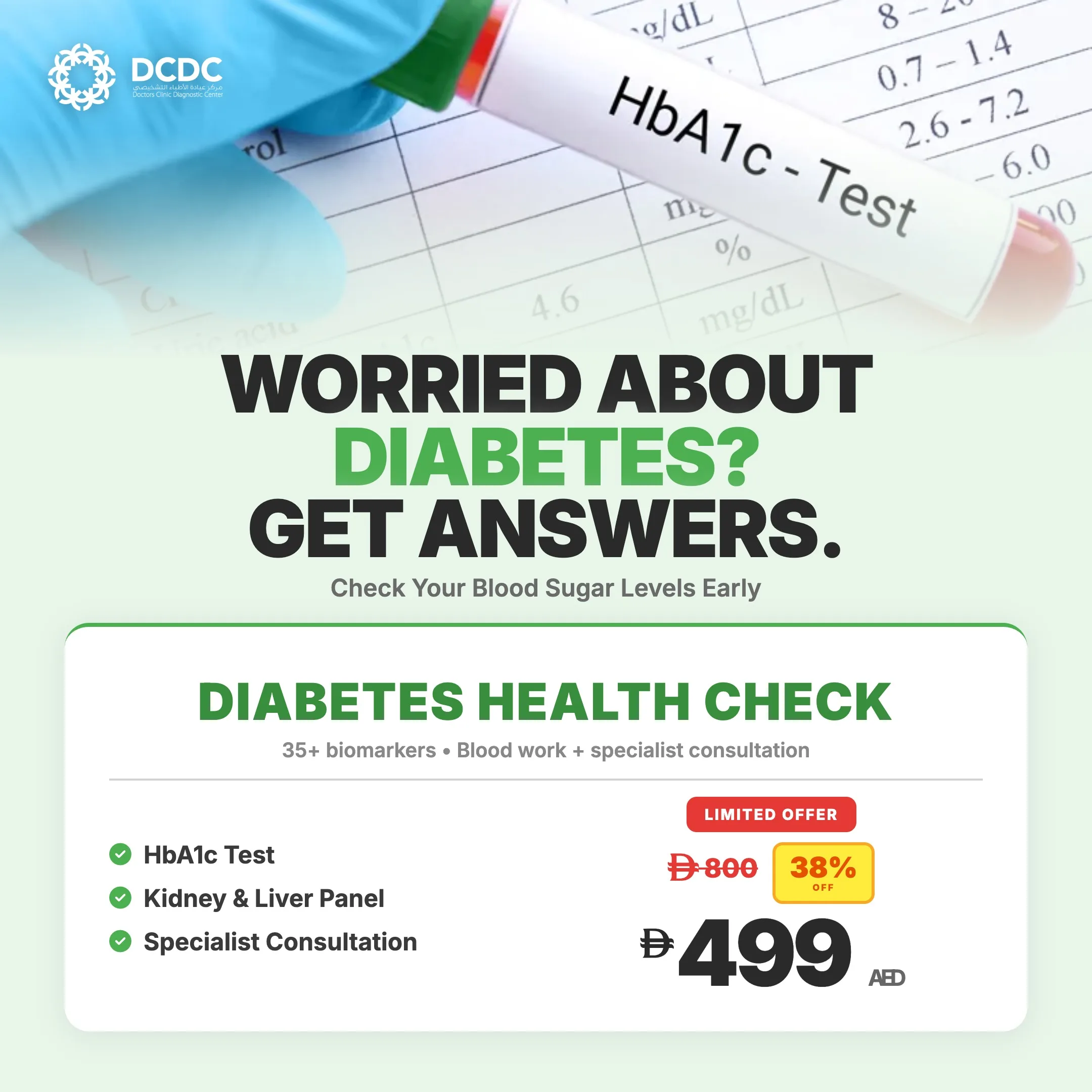
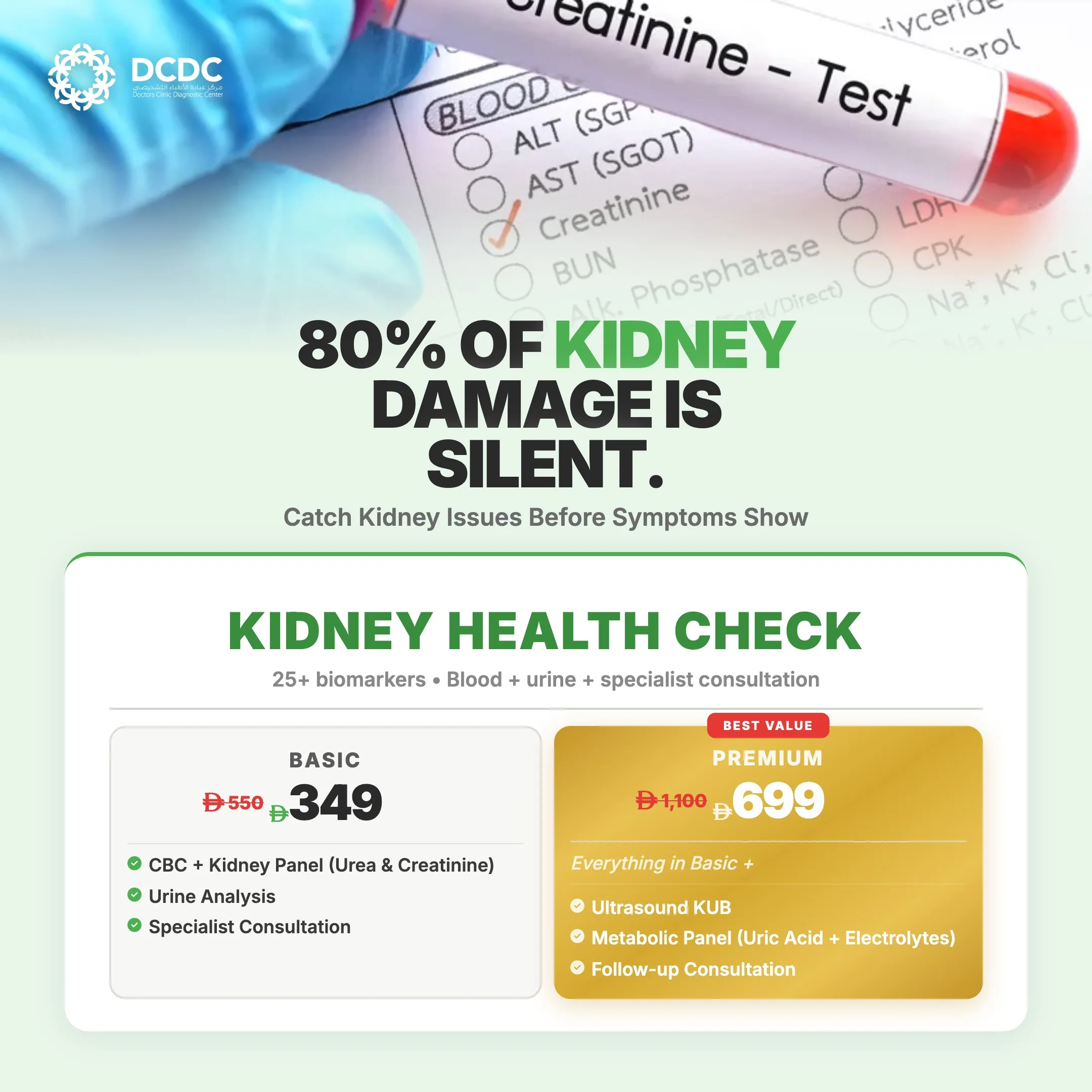
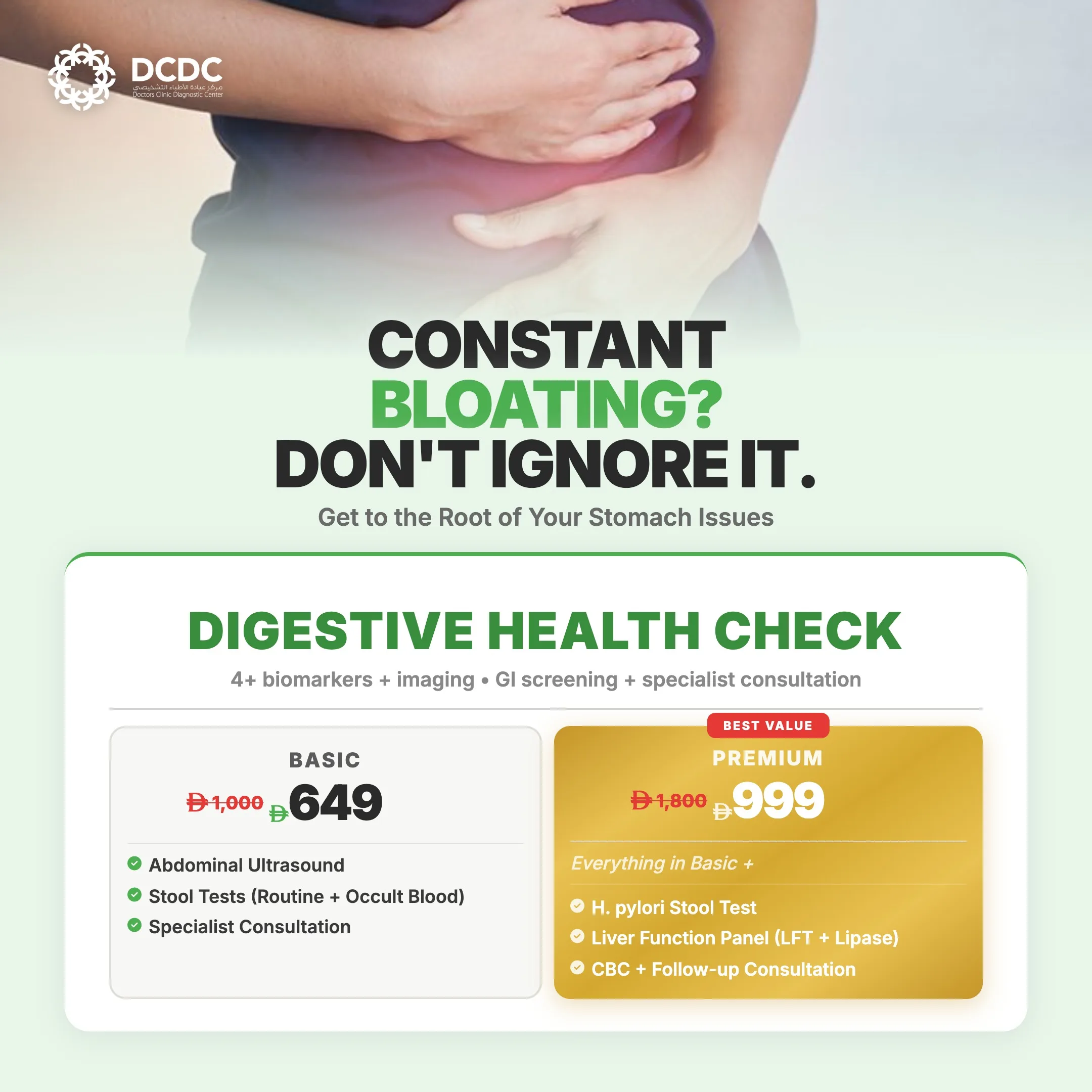
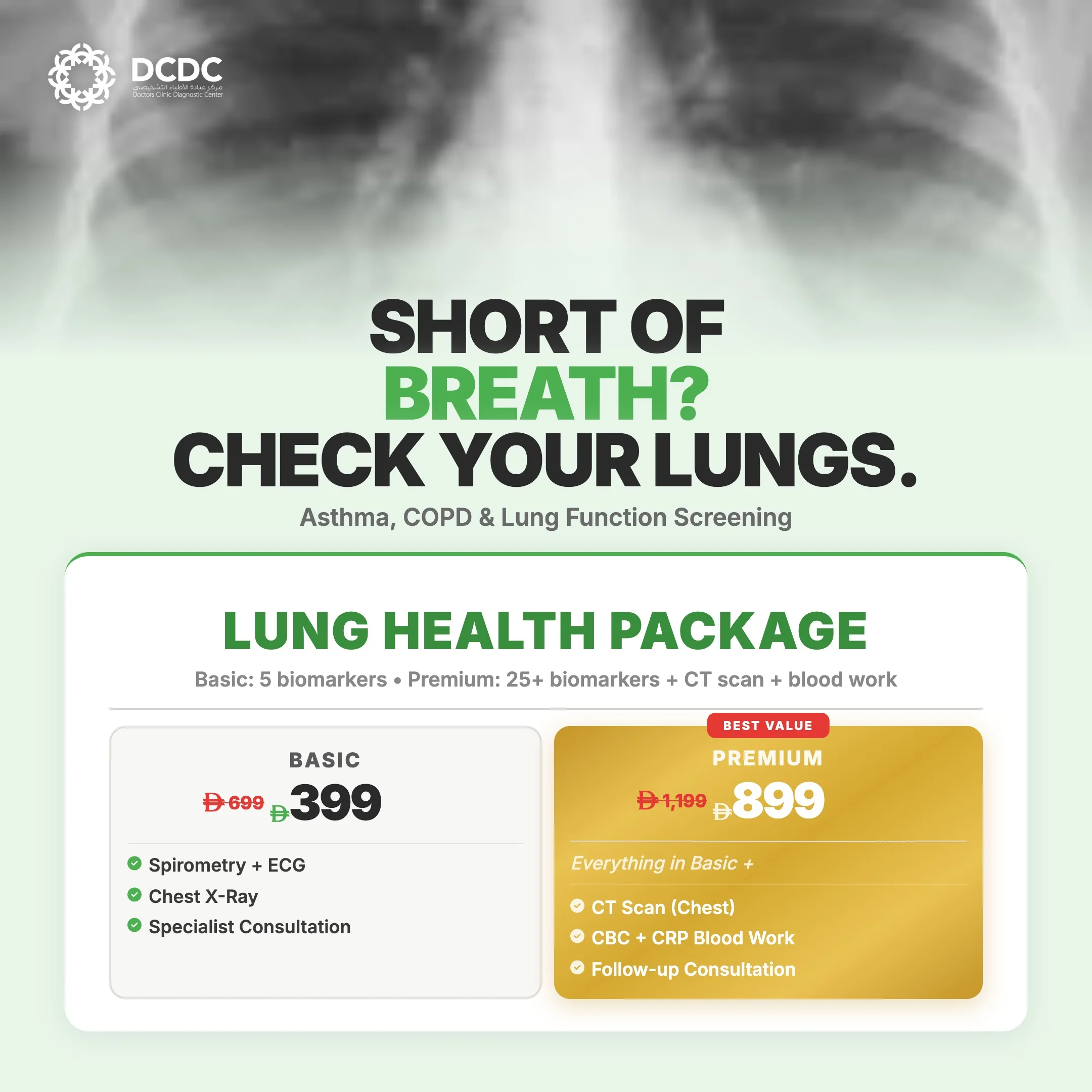
Health Screening Packages
Save with our bundled screening packages — specialist consultation included


What Is Premarital Screening in Dubai?
Premarital screening is a set of medical tests that both partners must undergo before getting married in the UAE. The purpose is to identify infectious diseases, genetic conditions, and blood disorders that could affect the health of the couple or their future children. The screening was made mandatory under UAE Federal Law No. 28 of 2005 (Personal Status Law) and has since been reinforced by emirate-level regulations from the Dubai Health Authority (DHA) and the Ministry of Health and Prevention (MOHAP).
The tests focus on two broad categories. The first is communicable diseases — infections such as hepatitis B, hepatitis C, and HIV that can be transmitted between partners or from mother to child during pregnancy. The second is hereditary blood disorders — conditions like thalassemia and sickle cell disease that are especially prevalent in the Middle East and can have devastating consequences if both partners are carriers and the risk is not identified before conception.
Unlike a general health checkup, premarital screening is specifically designed around the medical risks most relevant to marriage and family planning. The results do not prevent marriage — even if abnormalities are found, couples retain the right to marry — but they ensure both partners are fully informed about potential health risks. This allows couples to seek genetic counselling, plan preventive measures, or make informed reproductive decisions before starting a family.
Premarital Screening Cost in Dubai: 2026 Pricing
The cost of premarital screening in Dubai depends on whether you choose a government health centre, a private clinic, or a comprehensive package that includes additional tests beyond the mandatory minimum. Here is a breakdown of current pricing across Dubai:
| Package Type | What Is Included | Cost (AED) | Results Timeline |
|---|---|---|---|
| Basic Mandatory Panel | Blood group, Rh factor, CBC, hepatitis B & C, HIV, sickle cell, thalassemia | 300 – 500 | 24 – 48 hours |
| Standard Premarital Package | All mandatory tests + rubella, G6PD, blood sugar, kidney & liver function | 500 – 800 | 24 – 72 hours |
| Comprehensive Premarital Package | Standard package + hormonal panel (FSH, LH, prolactin), STI panel, vitamin D | 800 – 1,200 | 48 – 72 hours |
| Premarital + Genetic Testing | Comprehensive package + carrier screening for 50+ genetic conditions | 1,200 – 2,000 | 2 – 4 weeks (genetic) |
| Individual Blood Tests | Any single test (e.g., hepatitis B surface antigen, HIV test) | From 99 | Same day – 24 hours |
| GP Consultation | Pre-test counselling or results review with a physician | From 150 | Same day |
Premarital screening costs at DCDC Dubai Healthcare City (2026). Prices are indicative and may vary based on insurance coverage and clinical requirements.
At DCDC, the standard premarital screening package starts from AED 300 per person. Because both partners must be tested, couples should budget for two individual screenings. The total cost for a couple typically ranges from AED 600 to AED 1,600 depending on the package breadth. Insurance often covers all or part of the cost when ordered by a licensed physician — check with our billing team for your specific plan.
What Tests Are Included in Premarital Screening?
The premarital screening panel is designed to detect conditions that directly affect marital and reproductive health. Each test serves a specific clinical purpose. Here is a detailed breakdown of every test in the standard panel and why it matters:
Blood Group and Rh Factor
This test determines your ABO blood type (A, B, AB, or O) and Rh status (positive or negative). Rh incompatibility between partners — specifically when the mother is Rh-negative and the father is Rh-positive — can cause haemolytic disease of the newborn (HDN) in subsequent pregnancies. Identifying Rh incompatibility before marriage allows doctors to plan preventive Rh immunoglobulin (RhoGAM) injections during pregnancy.
Complete Blood Count (CBC)
The CBC test measures red blood cells, white blood cells, haemoglobin, and platelets. In the context of premarital screening, it is primarily used to detect anaemia and abnormal haemoglobin levels that may indicate thalassemia trait or sickle cell trait. Low MCV (mean corpuscular volume) on a CBC often triggers further haemoglobin electrophoresis testing.
Haemoglobin Electrophoresis (Thalassemia and Sickle Cell Screening)
This is the most critical test in the premarital panel for the Gulf region. Haemoglobin electrophoresis separates different types of haemoglobin in the blood to detect thalassemia trait and sickle cell trait. In the UAE, approximately 1 in 12 Emiratis carry the thalassemia trait, and sickle cell disease affects populations across the Gulf, Africa, and South Asia. If both partners carry the same trait, each pregnancy has a 25% chance of producing a child with the full disease — a preventable outcome when identified before conception.
Hepatitis B and Hepatitis C
Hepatitis B surface antigen (HBsAg) and hepatitis C antibody (anti-HCV) tests detect active or past infection with these liver viruses. Both are sexually transmitted and can pass from mother to baby during birth. Identifying hepatitis B allows the uninfected partner to be vaccinated before sexual contact, and identifying hepatitis C ensures early treatment, which now has cure rates above 95% with modern antiviral therapy.
HIV Screening
HIV testing detects antibodies or antigens for the human immunodeficiency virus. While HIV is not curable, modern antiretroviral therapy makes it a manageable chronic condition, and treatment can reduce viral load to undetectable levels, effectively eliminating transmission risk. Early detection protects both partners and enables safe family planning.
Mandatory vs Optional Premarital Tests in the UAE
Not all premarital tests are legally required. The UAE mandates a core panel, but many clinics — including DCDC — offer extended packages with additional tests that provide a more complete picture of your health before marriage. Understanding the difference helps you choose the right package:
| Test | Mandatory? | Purpose | Recommended For |
|---|---|---|---|
| Blood Group & Rh Factor | Yes | Rh incompatibility risk | All couples |
| CBC | Yes | Anaemia, blood disorders | All couples |
| Thalassemia Screening | Yes | Carrier status identification | All couples |
| Sickle Cell Screening | Yes | Carrier status identification | All couples |
| Hepatitis B | Yes | Infection detection, vaccination planning | All couples |
| Hepatitis C | Yes | Infection detection, treatment planning | All couples |
| HIV | Yes | Infection detection, prevention planning | All couples |
| Rubella (German Measles) IgG | Optional | Immunity check — prevents birth defects | Women of childbearing age |
| G6PD Deficiency | Optional | Enzyme deficiency affecting medication safety | Men (X-linked condition) |
| Fasting Blood Sugar | Optional | Diabetes screening | Family history of diabetes |
| Liver & Kidney Function | Optional | Organ health baseline | All couples (recommended) |
| Hormonal Panel (FSH, LH, Prolactin) | Optional | Reproductive health, fertility baseline | Women with irregular cycles |
| STI Panel (Syphilis, Chlamydia, Gonorrhoea) | Optional | Sexually transmitted infection screening | All couples (recommended) |
| Genetic Carrier Screening (50+ conditions) | Optional | Expanded hereditary disease risk | Consanguineous marriages, family history |
| Vitamin D | Optional | Bone health, fertility support | UAE residents (high deficiency rates) |
Mandatory tests are required by UAE law for marriage licence issuance. Optional tests are clinically recommended based on individual risk factors.
Dr. Hadeel Elnur, General Practitioner at DCDC, advises: "While the mandatory panel covers the essentials, I recommend couples also test for rubella immunity, G6PD deficiency, and a basic hormonal panel — especially if you plan to start a family soon after marriage. These additional tests cost relatively little but can prevent significant complications during pregnancy. For couples with a family history of genetic disorders or consanguineous marriages, expanded carrier screening should be strongly considered."
For a deeper understanding of what each blood test measures and costs, including fasting requirements and how to read your results, see our complete blood test guide.
Book Your Premarital Screening at DCDC
MOHAP-licensed clinic in Dubai Healthcare City. Both partners tested, results within 24-72 hours, certificate issued. From AED 300 per person.
Walk-in available or WhatsApp us to schedule your appointment.
Why Premarital Screening Is Mandatory in the UAE
The UAE introduced mandatory premarital screening as a public health measure to reduce the prevalence of hereditary blood disorders and preventable infections. The legal basis is UAE Federal Law No. 28 of 2005 (Personal Status Law), which requires both parties to submit a medical fitness certificate before a marriage contract can be registered. Individual emirates have since introduced additional regulations through their health authorities.
The public health rationale is compelling. Before systematic screening, the UAE had one of the highest rates of thalassemia and sickle cell disease in the world, driven by a combination of genetic prevalence and traditional consanguineous marriages (marriage between relatives). Studies estimate that 8-10% of UAE nationals carry the beta-thalassemia trait, and approximately 1-2% carry the sickle cell trait. When two carriers marry without knowing their status, each pregnancy carries a 25% risk of the child having the full disease.
Since the programme's introduction, the incidence of thalassemia major and sickle cell disease among newborns in the UAE has declined significantly. The programme has also identified thousands of hepatitis B and C cases early, enabling treatment and preventing transmission. The screening does not prevent marriage — couples who are both carriers can still marry — but it ensures they receive genetic counselling and understand their reproductive options, including preimplantation genetic testing (PGT) during IVF.
For couples interested in expanded hereditary screening beyond the mandatory panel, DNA and genetic testing can identify carrier status for hundreds of additional conditions including cystic fibrosis, spinal muscular atrophy, and Fragile X syndrome.
How to Prepare for Your Premarital Screening
Premarital screening involves a straightforward blood draw, but proper preparation ensures accurate results and a smooth experience. Here is what you need to know before your appointment:
Before Your Appointment
- Fasting: A light fast of 8-10 hours is recommended if your package includes fasting blood sugar or lipid panel. For the mandatory-only panel, fasting is not required — but check with your clinic when booking
- Hydration: Drink plenty of water before your blood draw. Good hydration makes veins easier to access and reduces discomfort
- Documents: Bring your Emirates ID (or passport for visitors), insurance card if applicable, and any relevant medical records including vaccination history
- Medications: Continue all regular medications unless your doctor specifically advises otherwise. Make a list of current medications to share with the phlebotomist
- Both partners: Both individuals must be tested. You can attend together or separately — results are issued individually
- Timing: Schedule your screening at least 2-4 weeks before you need the certificate, allowing time for results, any repeat tests if needed, and certificate issuance
What to Bring
- Valid Emirates ID or passport
- Insurance card (if applicable — many plans cover premarital screening)
- Partner's details (name, Emirates ID number) — may be needed for certificate pairing
- Previous medical reports or vaccination records (if available)
- List of any known medical conditions or family history of genetic disorders
What to Expect at DCDC
DCDC in Dubai Healthcare City is a MOHAP-licensed diagnostic centre (Licence No. NIMY7VY5-240925) with an on-site laboratory that processes premarital screening tests in-house. Here is what your visit looks like from arrival to certificate:
Step 1: Registration and Pre-Test Consultation (10-15 minutes)
You arrive at Building 64, Block A, Al Razi Medical Complex in Dubai Healthcare City. Free parking is available. At reception, you present your Emirates ID and insurance card. If you have chosen a package that includes a GP consultation (from AED 150), you will see a physician first to discuss your medical history, family history of genetic conditions, and any specific concerns. The doctor may recommend additional tests beyond the standard panel based on your risk profile.
Step 2: Blood Sample Collection (5-10 minutes)
Our phlebotomist draws 2-4 tubes of blood depending on the tests ordered. The entire draw takes less than 5 minutes. For the standard premarital panel, typically 3 tubes are collected: one EDTA tube (for CBC and haemoglobin electrophoresis), one serum tube (for hepatitis, HIV, and biochemistry), and one citrate tube if coagulation studies are included. The process is the same as any routine blood test.
Step 3: Laboratory Processing (24-72 hours)
Your samples are processed in our on-site laboratory. Routine tests (CBC, blood group, hepatitis, HIV) are typically completed within 24 hours. Haemoglobin electrophoresis and any additional specialised tests may take 48-72 hours. If genetic carrier screening is included, those results come from a reference laboratory and take 2-4 weeks.
Step 4: Results Review and Certificate (Same Day or Follow-Up)
Once results are ready, you can collect them in person or receive them digitally. If you opted for a physician consultation, your doctor will review the results with you, explain any findings, and discuss their implications for your marriage and future family planning. If all results are normal, the premarital screening certificate is issued. If any results require follow-up — such as carrier status for thalassemia — you will be referred for genetic counselling before the certificate is issued.
The average wait time at DCDC is 15 minutes, and most patients complete their blood draw and leave within 30 minutes of arrival. With a 4.8/5 Google rating from over 1,000 reviews and 98% patient satisfaction, DCDC is designed to make clinical visits efficient and stress-free.
Premarital Screening Results: What They Mean
Understanding your premarital screening results is essential for making informed decisions. Here is what each category of results means and what happens next:
Normal Results (All Clear)
If all tests come back within normal ranges — no infections detected, no carrier status identified — you receive your premarital screening certificate. The certificate is valid for 3 to 6 months from the test date (depending on the issuing authority), after which you would need to retest if the marriage has not been registered. This is the outcome for the majority of couples.
Carrier Status Detected (Thalassemia or Sickle Cell)
Being a carrier means you carry one copy of a mutated gene but do not have the disease yourself. Carriers are generally healthy. The concern arises when both partners carry the same trait. If both partners are thalassemia carriers, for example, each pregnancy has a 25% chance of thalassemia major — a serious condition requiring lifelong blood transfusions. If only one partner is a carrier, the risk to children is significantly lower (carrier children only, no disease). In either scenario, genetic counselling is provided to explain the risks and reproductive options.
Infection Detected (Hepatitis B/C or HIV)
A positive hepatitis B, hepatitis C, or HIV result requires confirmation with additional testing and specialist referral. Hepatitis B: the uninfected partner should be vaccinated. Hepatitis C: modern treatments cure over 95% of cases within 8-12 weeks. HIV: antiretroviral therapy can achieve undetectable viral load, effectively eliminating transmission risk. A positive result does not prevent marriage but triggers a treatment and prevention plan.
Rh Incompatibility
If the woman is Rh-negative and the man is Rh-positive, there is a potential risk of Rh sensitisation during pregnancy. This is easily managed with Rh immunoglobulin (anti-D) injections during and after pregnancy. Identifying this before marriage ensures the obstetric team is prepared from the first pregnancy.
Insurance Coverage for Premarital Tests in Dubai
Most major health insurance plans in Dubai cover premarital screening, particularly when ordered by a licensed physician. However, coverage varies by insurer and plan tier. Here is a general guide:
- DHA Basic Plans (Essential Benefits Package): Typically cover the mandatory premarital tests as they fall under preventive care. Coverage may require a physician's order
- Enhanced and Premium Plans: Usually cover the full standard premarital package including optional tests like rubella, G6PD, and hormonal panels. Some plans include genetic carrier screening
- Self-Pay: Available at DCDC at MOHAP-regulated rates. No referral needed. Premarital packages start from AED 300 per person
- Network Requirements: Most insurers require you to visit a network clinic. DCDC works with 20+ insurance partners including Daman, AXA, Bupa, MetLife, and Cigna — all with direct billing so you pay nothing upfront if covered
To check your specific coverage, bring your insurance card to your appointment and our billing team will verify benefits in real time. For a broader understanding of preventive screening costs and what your insurance may cover, read our guide to health checkup costs in Dubai.
Check Your Insurance Coverage
DCDC accepts 20+ insurance plans with direct billing. WhatsApp us your insurance details and we will confirm your premarital screening coverage before your visit.
Self-pay packages available from AED 300 per person. No referral needed.
Premarital Screening for Expats in Dubai
Premarital screening is required for all couples marrying in the UAE, regardless of nationality. Whether you are a British expat, an Indian resident, a Filipino worker, or from any other nationality — you must complete the screening before your marriage can be legally registered in Dubai. Here is what expats specifically need to know:
Embassy and Consulate Requirements
Some embassies and consulates in the UAE require premarital screening results as part of their own marriage documentation process. For example, couples marrying at certain embassies may need to present blood test results alongside other civil documentation. Check with your embassy whether they accept UAE-issued premarital certificates or require specific tests.
Language and Certificate Format
Premarital screening certificates issued in Dubai are typically in Arabic and English. If your home country or embassy requires certification in another language, you may need to have the results officially translated and attested. DCDC provides bilingual reports that are accepted by UAE courts and most embassies.
Special Considerations by Nationality
Certain populations have higher carrier rates for specific conditions. South Asian expats have elevated rates of thalassemia. African expats have higher sickle cell trait prevalence. Mediterranean populations (Greek, Italian, Turkish) have significant thalassemia carrier rates. Couples from these backgrounds may benefit from the comprehensive premarital package that includes expanded carrier screening. For couples considering more detailed genetic analysis, DNA and genetic testing options are available at DCDC.
Interfaith and Cross-Cultural Marriages
The UAE accommodates marriages across different faiths and nationalities. Regardless of the type of ceremony — civil, religious, or court marriage — the premarital screening requirement is universal. The same tests apply, and the same certificate is issued. Couples should plan their screening timeline around both the UAE legal requirements and any additional requirements from their embassy or religious authority.
Premarital Screening Timeline: Planning Your Tests
Timing your premarital screening correctly is important. Too early and the certificate may expire before your wedding date. Too late and you may face delays in obtaining your marriage licence. Here is a recommended timeline:
- 3-4 months before wedding: Schedule your screening appointment. This gives ample time for results, any follow-up testing, genetic counselling if needed, and certificate processing
- 2-3 months before wedding: Receive results and certificate. Begin any recommended vaccinations (e.g., hepatitis B for uninfected partner, rubella for non-immune women)
- 1-2 months before wedding: Submit certificate with marriage application to the court, DHA, or relevant authority. The certificate is valid for 3-6 months
- Important: If genetic carrier screening is included, add 2-4 weeks for those specific results. Standard panels are ready within 72 hours
If your wedding is in less than two weeks and you have not yet completed screening, DCDC offers expedited processing for standard panels. Contact us to discuss your timeline and we will prioritise your tests accordingly.
Comparing Premarital Screening Providers in Dubai
You have several options for premarital screening in Dubai. Here is how they compare:
| Provider Type | Cost Range (AED) | Wait Time | Additional Services |
|---|---|---|---|
| Government Health Centre (DHA) | 250 – 400 | Variable (may require booking weeks ahead) | Mandatory tests only, limited hours |
| Private Clinic (Standard) | 400 – 800 | Walk-in or next-day appointment | Extended hours, optional add-on tests |
| Private Clinic with On-Site Lab (DCDC) | 300 – 1,200 | Walk-in available, 15 min avg wait | Full range of add-on tests, GP consultation, insurance billing, same-day results for routine tests |
| Hospital-Based Lab | 500 – 1,500 | Appointment required, 30-60 min wait | Specialist referral if needed, hospital rates |
Comparison of premarital screening providers in Dubai. DCDC prices reflect MOHAP-regulated rates with direct insurance billing.
DCDC combines the convenience of a private clinic with the reliability of an on-site laboratory. Unlike standalone labs that send samples out for processing, our in-house lab processes routine tests on the same day, reducing turnaround time significantly. And unlike hospitals, you do not pay hospital-grade facility fees — our pricing follows MOHAP-regulated rates.
Additional Reproductive Health Tests to Consider
Beyond the standard premarital panel, couples planning to start a family soon after marriage may want to consider additional tests that provide a more complete picture of reproductive readiness:
- Hormonal Panel (FSH, LH, AMH, Prolactin, Testosterone): Assesses fertility potential for both partners. AMH (anti-Mullerian hormone) is particularly valuable for women as it estimates ovarian reserve. A hormone test can identify issues early, from AED 300
- Thyroid Function (TSH, T3, T4): Thyroid disorders affect fertility and pregnancy outcomes. Undiagnosed hypothyroidism can cause miscarriage, preterm birth, and developmental delays
- Vitamin D and B12: Both are critical for fertility and healthy pregnancy. Deficiency is extremely common among UAE residents — over 50% are vitamin D deficient despite the sunshine
- HPV Screening: For women, HPV testing before or shortly after marriage can identify high-risk strains early, enabling prevention of cervical cancer
- Semen Analysis (for men): If the couple plans to conceive soon, a baseline semen analysis provides early identification of any male factor fertility issues
- Rubella and Varicella Immunity: Women who are not immune to rubella (German measles) or varicella (chickenpox) should be vaccinated at least one month before attempting conception, as these infections during pregnancy cause severe birth defects
These additional tests are optional but clinically valuable. Discuss with your GP during your premarital screening consultation to determine which tests are appropriate for your situation. At DCDC, we can add any of these to your premarital package, providing a one-stop comprehensive assessment.
Planning a Family? Get Comprehensive Screening
Combine your premarital screening with fertility and reproductive health tests. One visit, one blood draw, complete results.
DCDC Dubai Healthcare City — Building 64, Block A. Walk-in or WhatsApp to book.
Связанные услуги в DCDC
Квалифицированная помощь и современная диагностика в Dubai Healthcare City
Frequently Asked Questions
Your Premarital Screening, Your Family's Health Foundation
Premarital screening is more than a legal checkbox — it is the first health decision you make as a couple. The tests are simple, the results are fast, and the information they provide can shape your family planning in meaningful ways. Whether you learn that you need a hepatitis B vaccination, that you carry a genetic trait worth monitoring, or that everything is clear and you can proceed with confidence — every result has value.
At DCDC Dubai Healthcare City, we process thousands of premarital screenings annually. Our MOHAP-licensed on-site laboratory, direct insurance billing with 20+ partners, and experienced clinical team make the process straightforward. Walk in to Building 64, Block A, Al Razi Medical Complex — or WhatsApp us to book your premarital screening and start your marriage with complete peace of mind.
Источники и ссылки
Эта статья проверена нашей медицинской командой и ссылается на следующие источники:
- UAE Federal Law No. 28 of 2005 — Personal Status Law (Premarital Screening Provisions)
- Dubai Health Authority — Premarital Screening Guidelines
- Ministry of Health and Prevention (MOHAP) — National Premarital Screening Programme
- World Health Organization — Thalassaemia and Other Haemoglobinopathies: Fact Sheet
- Centers for Disease Control and Prevention — Sickle Cell Disease: Carrier Testing
- Emirates Health Services — Premarital Health Check Programme
Медицинский контент на этом сайте проверяется врачами, лицензированными DHA. См. нашу редакционную политику для получения дополнительной информации.

Автор
Dr. Hadeel Elnur
General Practitioner
MD, General Practice
Dr. Hadeel Elnur is a General Practitioner at Doctors Clinic Diagnostic Center (DCDC) in Dubai Healthcare City.
Related Articles
Blood Test Dubai: Types, Cost & Fasting Guide
DNA & Genetic Testing Dubai: Types & Cost
CBC Test Dubai: Cost, Results & Guide

Health Checkup Cost in Dubai
More in Preventive Health
Hepatitis B Test Dubai: Screening Guide (2026)
Читать далее
Flu Vaccine Cost Dubai: Guide & Prices (2026)
Читать далее
Full Body Checkup Cost Dubai: From AED 249 (2026)
Читать далееPSA Test Dubai: Prostate Screening Guide (2026)
Читать далее
HPV Vaccine Dubai: Gardasil 9 Cost & Guide (2026)
Читать далее
Men's Health Screening Dubai: Tests by Age (2026)
Читать далее© 2026 Doctors Clinic Diagnostic Center (DCDC), Dubai Healthcare City. Originally published at https://doctorsclinicdubai.ae/blog/premarital-screening-test-dubai. All rights reserved. Unauthorized reproduction is prohibited.