Ключевые выводы
- A migraine is a neurological condition with distinct phases, while a tension headache is a pain disorder typically caused by muscle tension, stress, or posture
- Migraines are usually one-sided, pulsating, and moderate-to-severe, while tension headaches produce bilateral, pressing, mild-to-moderate pain
- Only migraines cause aura symptoms such as visual disturbances, tingling, or speech difficulty, which affect roughly 25-30% of migraine sufferers
- Migraines are commonly accompanied by nausea, vomiting, and extreme sensitivity to light and sound, whereas tension headaches rarely cause these symptoms
- Dubai-specific triggers including extreme heat, dehydration, bright sunlight, and rapid indoor-outdoor temperature changes can provoke both headache types but are especially potent migraine triggers
- A neurologist can accurately diagnose headache type through clinical history, neurological examination, and when needed, brain MRI to rule out secondary causes
- Effective migraine management combines acute treatment, preventive medication, trigger avoidance, and lifestyle modifications tailored to the individual patient
- At DCDC in Dubai Healthcare City, neurology consultations start from AED 500 and on-site brain MRI is available from AED 900 for same-day evaluation
If you experience recurring head pain, knowing whether you have a migraine or a tension headache changes everything about how you treat it. Migraines and headaches are often confused, but they are fundamentally different conditions that require different approaches. At DCDC's neurology department, our specialists see this confusion daily: patients who have suffered for years with migraines they assumed were "just bad headaches," and patients who worry they have migraines when a simple tension headache is the culprit. This guide explains the key differences between migraine vs headache, the diagnostic process, and what treatment options are available in Dubai.
Understanding whether your head pain is a migraine or a headache is not merely academic. The distinction determines which medications will work, which lifestyle changes will help, what triggers to avoid, and whether you need specialist neurological care. Here, we break down the differences in symptoms, causes, triggers, diagnosis, and treatment so you can take the right next step.
Health Screening Packages
Save with our bundled screening packages — specialist consultation included





Migraine vs Headache: Understanding the Key Differences
The term "headache" describes any pain in the head, but it encompasses dozens of distinct conditions classified by the International Headache Society. The two most common primary headache disorders are tension-type headache and migraine. Together, they account for more than 90% of all headache complaints seen in clinical practice. However, the migraine vs headache distinction goes far deeper than pain intensity.
A tension headache is primarily a pain condition. It produces uncomfortable pressure or tightness, but it does not typically disrupt your ability to function. A migraine, on the other hand, is a complex neurological disease that involves changes in brain chemistry, blood vessel regulation, and nerve signaling. Pain is only one symptom of migraine, and in some cases, migraine attacks can occur with minimal headache pain at all.
According to the World Health Organization, migraine is the sixth most disabling condition worldwide, affecting approximately 1 billion people globally. In the UAE, studies suggest that migraine prevalence is comparable to global averages, with approximately 12-15% of the adult population affected. Despite this, many people in Dubai go years without a proper diagnosis because they assume their symptoms are "normal headaches" that do not warrant medical attention.
What Is a Tension Headache?
Tension-type headache is the most common form of primary headache, affecting up to 80% of adults at some point in their lives. It is characterised by a dull, non-pulsating pain that feels like a tight band or pressure around both sides of the head. The pain is typically mild to moderate and does not worsen with routine physical activity such as walking or climbing stairs.
Common Tension Headache Symptoms
- Pain quality: Pressing, tightening, or squeezing, often described as a "band around the head"
- Location: Both sides of the head (bilateral), forehead, temples, or back of the head and neck
- Intensity: Mild to moderate. Does not prevent daily activities, though it may reduce concentration
- Duration: 30 minutes to 7 days per episode
- Physical activity: Pain is not aggravated by routine physical movement
- Associated symptoms: May include mild light sensitivity or mild noise sensitivity (but not both), and no nausea or vomiting
- Frequency: Episodic (fewer than 15 days per month) or chronic (15 or more days per month for at least 3 months)
Common Tension Headache Causes
Tension headaches are most commonly triggered by stress, poor posture, eye strain, inadequate sleep, dehydration, and prolonged screen time. In Dubai, the combination of long working hours, air-conditioned office environments, and high-stress lifestyles makes tension headaches particularly prevalent among working professionals. Jaw clenching, teeth grinding (bruxism), and neck muscle tension from poor ergonomics are also frequent contributors.
What Is a Migraine? More Than Just a Headache
A migraine is a genetically influenced neurological condition that involves abnormal brain activity affecting nerve signals, blood flow regulation, and neurotransmitter balance. Unlike a tension headache, migraine is not simply a pain response to muscle tension or stress. It is a brain disorder with a characteristic pattern of phases, and the headache itself is only one phase of the attack.
The Four Phases of a Migraine Attack
- Prodrome (hours to days before): Mood changes, food cravings, increased yawning, neck stiffness, frequent urination, or difficulty concentrating. Up to 77% of migraine sufferers experience prodrome symptoms
- Aura (5-60 minutes before or during headache): Visual disturbances (zigzag lines, flashing lights, blind spots), tingling or numbness in the face or hand, speech difficulty, or rarely, motor weakness. Aura occurs in 25-30% of migraine patients
- Headache phase (4-72 hours): Intense, throbbing, usually one-sided pain that worsens with physical activity. Accompanied by nausea, vomiting, photophobia (light sensitivity), and phonophobia (sound sensitivity)
- Postdrome (24-48 hours after): Often called the "migraine hangover," featuring fatigue, difficulty concentrating, mood changes, and residual sensitivity. Affects up to 80% of migraine patients
Key Migraine Symptoms That Distinguish It from a Headache
- One-sided pain: Migraine pain typically affects one side of the head (unilateral), though it can switch sides or become bilateral
- Pulsating or throbbing quality: Unlike the pressing quality of tension headache, migraine pain throbs in rhythm with the heartbeat
- Moderate to severe intensity: Migraines frequently prevent or significantly limit normal daily activities
- Worsened by activity: Routine physical movements such as walking, bending, or climbing stairs intensify migraine pain
- Nausea and/or vomiting: Present in up to 80% of migraine attacks, these are among the most disabling symptoms
- Light and sound sensitivity: Most migraine sufferers need to retreat to a dark, quiet room during an attack
- Visual aura: Zigzag lines, shimmering spots, or temporary blind spots that develop gradually over 5-20 minutes
For a deeper exploration of which headache symptoms require urgent attention, read our guide on headache types and when to see a doctor in Dubai.
Migraine vs Headache Comparison: Side-by-Side Differences
The following table summarises the key clinical differences between migraine and tension-type headache. Use this as a quick reference, but remember that only a qualified neurologist can make a definitive diagnosis, as some patients experience features of both conditions.
| Feature | Tension Headache | Migraine |
|---|---|---|
| Pain location | Both sides (bilateral), band-like | Usually one side (unilateral), can switch sides |
| Pain quality | Pressing, tightening, non-pulsating | Throbbing, pulsating |
| Pain intensity | Mild to moderate | Moderate to severe |
| Duration | 30 minutes to 7 days | 4 to 72 hours (untreated) |
| Nausea / vomiting | Absent | Common (up to 80% of attacks) |
| Light sensitivity | Mild or absent | Pronounced, often debilitating |
| Sound sensitivity | Mild or absent | Pronounced, often debilitating |
| Aura | Never present | Present in 25-30% of patients |
| Effect of physical activity | No worsening | Significantly worsens pain |
| Impact on daily activities | Annoying but manageable | Often prevents normal function |
| Family history | Less strongly genetic | Strong genetic component (up to 70%) |
| Typical triggers | Stress, posture, eye strain | Hormones, foods, weather, sleep changes |
| Response to OTC painkillers | Usually effective | Often insufficient alone |
| Need for specialist care | Rarely needed | Frequently needed for proper management |
Clinical comparison based on International Headache Society (ICHD-3) diagnostic criteria. Some patients experience mixed features or both conditions.
Types of Headaches and Their Causes in Dubai
While tension headache and migraine are the two most common primary headache types, several other headache disorders are important to recognise. Understanding the broader headache landscape helps you identify your own symptoms and communicate more effectively with your doctor.
Cluster Headache
Cluster headaches are rare but extremely intense. They produce severe, stabbing pain around one eye or temple, lasting 15 minutes to 3 hours, and occur in clusters (multiple attacks per day for weeks to months, followed by remission periods). Accompanying symptoms include eye watering, nasal congestion, eyelid drooping, and restlessness. Unlike migraines, cluster headache patients cannot lie still and often pace or rock during attacks.
Medication-Overuse Headache
Also called rebound headache, this occurs when pain medications (particularly over-the-counter analgesics, triptans, or combination painkillers) are used too frequently, typically more than 10-15 days per month for 3 or more months. The paradox is that the medication itself perpetuates the headache cycle. This is a common problem in Dubai, where many patients self-medicate with easily available painkillers before seeking specialist care.
Sinus Headache vs Migraine
Many patients believe they have "sinus headaches," but research shows that up to 90% of self-diagnosed sinus headaches are actually migraines. This is because migraines can cause facial pressure, nasal congestion, and watery eyes, mimicking sinus symptoms. True sinus headache caused by acute sinusitis is accompanied by fever, thick discoloured nasal discharge, and reduced sense of smell. If you have recurring "sinus headaches" without these features, a neurological evaluation for migraine is advisable.
Cervicogenic Headache
Originating from the neck (cervical spine), cervicogenic headaches produce one-sided pain that radiates from the back of the head to the forehead. They are common among Dubai office workers who spend long hours at desks with poor ergonomics. These headaches are worsened by neck movement and often accompanied by reduced neck range of motion.
Migraine Triggers Common in Dubai
Dubai's unique climate and lifestyle create a distinct set of migraine triggers that neurologists in the region see regularly. Understanding and managing these triggers is essential for migraine prevention.
Environmental Triggers
- Extreme heat and sun exposure: Summer temperatures exceeding 45 degrees Celsius cause vasodilation and dehydration, both potent migraine triggers. Direct sunlight and glare are additional provocateurs
- Rapid temperature changes: Moving between scorching outdoor heat and heavily air-conditioned indoor spaces (often set below 20 degrees Celsius) creates thermal shock that can trigger migraine in susceptible individuals
- Humidity fluctuations: Dubai's coastal humidity varies significantly between seasons and even within a single day, and barometric pressure changes are a recognised migraine trigger
- Bright artificial lighting: Fluorescent and LED lighting in malls, offices, and public spaces can trigger photosensitive migraines
- Sandstorms and air quality: Periodic sandstorms reduce air quality and increase atmospheric pressure changes, both associated with migraine onset
Lifestyle Triggers
- Dehydration: Dubai's heat demands higher fluid intake than most residents maintain. Even mild dehydration of 1-2% body weight can trigger migraine
- Irregular sleep patterns: Dubai's active social scene, late dining culture, and varied work schedules (including shift work) disrupt sleep regularity, a critical migraine trigger
- Stress: The fast-paced professional environment, long commutes, and high cost of living contribute to chronic stress, one of the most consistent migraine triggers
- Fasting: During Ramadan and other fasting periods, skipped meals and altered caffeine intake frequently trigger migraines. Neurologists in Dubai see a notable increase in migraine consultations during this period
- Dietary triggers: Aged cheeses, processed meats, MSG, alcohol (especially red wine), chocolate, and caffeine withdrawal are common dietary triggers
- Screen time: Extended use of phones, tablets, and computers contributes to both eye strain and migraine triggering, particularly with blue light exposure in the evening
To understand when brain imaging is warranted for persistent or unusual headache patterns, see our detailed guide on MRI for headaches and migraines.
When Headaches Need Medical Attention
Most headaches are benign, but certain features signal the need for urgent or specialist evaluation. Any of the following "red flag" symptoms should prompt immediate medical attention, as they may indicate a secondary headache caused by an underlying condition such as bleeding, infection, or elevated intracranial pressure.
Seek Emergency Care If You Experience
- Thunderclap headache: Sudden, severe headache reaching maximum intensity within seconds to one minute, which may indicate subarachnoid haemorrhage
- Headache with fever, stiff neck, and rash: May indicate meningitis or encephalitis
- Headache with neurological symptoms: Weakness, numbness, vision loss, confusion, seizures, or difficulty speaking
- Headache after head trauma: Especially if worsening over hours or accompanied by vomiting or confusion
- New headache in patients over 50: First-onset headache later in life raises concern for giant cell arteritis, space-occupying lesions, or other secondary causes
Book a Neurology Consultation If You Notice
- Headaches occurring more than 15 days per month (chronic daily headache)
- Progressive worsening of headache frequency or severity over weeks to months
- Headaches that wake you from sleep consistently
- Headaches that do not respond to over-the-counter medications
- Headaches with aura symptoms lasting more than 60 minutes or occurring for the first time
- Headache pattern that has changed significantly from your usual pattern
- Need for pain medication more than 2-3 times per week
Concerned About Your Headaches?
Our MOHAP-licensed neurologists at DCDC Dubai Healthcare City specialise in diagnosing and treating all headache types. Same-day appointments are frequently available with an average wait time of just 15 minutes. Neurology consultation from AED 500.
Call or WhatsApp to book your evaluation today.
How Neurologists Diagnose Migraines in Dubai
Migraine diagnosis is primarily clinical, meaning it is based on your symptom history and neurological examination rather than a single diagnostic test. However, neuroimaging and other investigations play an important role in excluding secondary causes. Here is how the diagnostic process typically works at a specialist neurology clinic.
Step 1: Detailed Clinical History
Your neurologist will ask detailed questions about your headache characteristics: location, quality, intensity, duration, frequency, associated symptoms, triggers, family history, medication use, and impact on your daily life. Keeping a headache diary for 4-8 weeks before your appointment significantly improves diagnostic accuracy. Record the date and time of each headache, what you ate, your sleep quality, stress levels, weather conditions, and any medications taken.
Step 2: Neurological Examination
A thorough neurological exam tests cranial nerves, reflexes, coordination, sensation, muscle strength, vision, and balance. This examination is essential to identify any neurological deficits that might suggest a secondary headache cause. In most migraine patients, the neurological examination is entirely normal between attacks.
Step 3: Brain MRI When Indicated
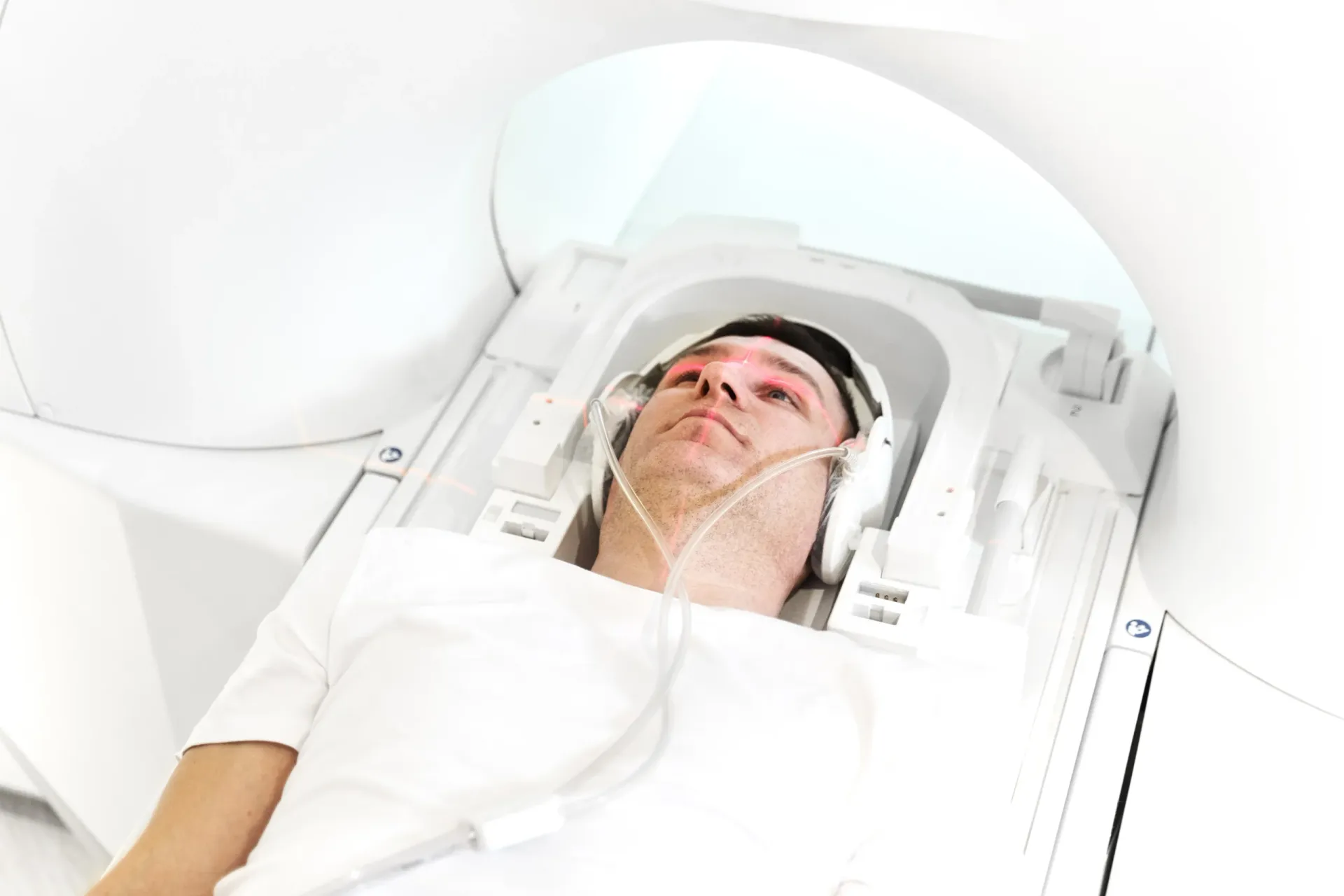
Brain MRI is not required for every headache patient, but it is recommended when the clinical presentation includes atypical features, neurological abnormalities on examination, or "red flag" warning signs. At DCDC, our on-site Siemens 1.5T wide-bore MRI (70cm opening) allows same-day brain imaging when clinically indicated, eliminating the need to visit a separate imaging centre. The wide-bore design is particularly beneficial for patients who experience claustrophobia, which is common among those already suffering from anxiety-related headaches. Brain MRI from AED 900.
Step 4: Additional Investigations
Depending on clinical findings, your neurologist may order blood tests (thyroid function, inflammatory markers, vitamin levels), visual field testing, or other specialised investigations. In rare cases, lumbar puncture may be needed to measure cerebrospinal fluid pressure or test for infection.
"Many patients come to me convinced they need a brain scan for their headaches, while others have been suffering for years without ever seeing a specialist," says Dr. Riad Trabulsi, Neurologist at DCDC. "The reality is that a careful clinical history is the most powerful diagnostic tool we have. I can diagnose the majority of headache types within the first consultation. When imaging is needed, having MRI available on-site means we can get answers the same day rather than sending patients elsewhere and waiting days for results."
Migraine vs Headache Treatment Options
Treatment approaches differ significantly between tension headaches and migraines, which is precisely why accurate diagnosis matters. Using the wrong treatment strategy leads to poor outcomes, medication overuse, and unnecessary suffering.
Tension Headache Treatment
- Over-the-counter analgesics: Paracetamol (acetaminophen) or ibuprofen are usually effective for episodic tension headaches. Use no more than 2-3 days per week to avoid medication-overuse headache
- Stress management: Relaxation techniques, cognitive behavioural therapy, and mindfulness can reduce frequency in patients with stress-related tension headaches
- Physical therapy: Posture correction, neck stretching, ergonomic workspace adjustments, and trigger point therapy address musculoskeletal contributors
- Preventive medication: For chronic tension headache (15+ days/month), low-dose amitriptyline is the first-line preventive medication
Migraine Treatment: Acute (Stopping an Attack)
- Triptans: Sumatriptan, rizatriptan, and other triptans are the gold standard for moderate-to-severe migraine attacks. They work best when taken early in the attack
- NSAIDs: Ibuprofen, naproxen, or aspirin can be effective for mild-to-moderate migraines, especially in combination with an antiemetic
- Antiemetics: Metoclopramide or domperidone address nausea and also improve absorption of oral medications
- Combination analgesics: Some patients benefit from prescription combinations of paracetamol, aspirin, and caffeine
- Gepants (CGRP receptor antagonists): Rimegepant and ubrogepant are newer acute treatments available for patients who cannot use triptans or when triptans are insufficient
- Ditans: Lasmiditan is an option for patients with cardiovascular contraindications to triptans
Migraine Treatment: Preventive (Reducing Frequency)
- Beta-blockers: Propranolol and metoprolol are first-line preventive medications with strong evidence
- Antidepressants: Amitriptyline and venlafaxine reduce migraine frequency and are especially useful when migraine coexists with tension headache or depression
- Anticonvulsants: Topiramate and valproate are effective preventives, though side effect profiles must be considered
- CGRP monoclonal antibodies: Erenumab, fremanezumab, and galcanezumab represent the newest class of migraine-specific preventive treatments, given as monthly or quarterly injections
- Botulinum toxin (Botox): Approved for chronic migraine (15+ headache days per month), administered as injections every 12 weeks
- Candesartan: An angiotensin receptor blocker with good evidence for migraine prevention and a favourable side effect profile
For more information about when a neurology consultation is the right step, read our guide on when to see a neurologist in Dubai.
What to Expect at DCDC for Headache Evaluation
At Doctors Clinic Diagnostic Center (DCDC) in Dubai Healthcare City, we have streamlined the headache evaluation process to provide thorough, efficient, and patient-centred care. Here is what your visit looks like from start to finish.
Your Patient Journey
- Booking: Schedule online, by phone, or via WhatsApp. Same-day neurology appointments are frequently available. We partner with 20+ insurance providers for direct billing, so most patients pay nothing upfront
- Arrival: Our clinic is located in Building 64, Block A, Al Razi Medical Complex, Dubai Healthcare City, with free parking. Average wait time is 15 minutes
- Consultation (30-45 minutes): Your neurologist conducts a comprehensive clinical history and neurological examination. Bring any headache diaries, previous imaging, and a list of current medications
- Same-day imaging if needed: If brain MRI or other imaging is indicated, it can be performed on-site the same day using our Siemens 1.5T wide-bore scanner. No referral to an external imaging centre is required
- Diagnosis and treatment plan: Your neurologist explains the diagnosis, discusses treatment options (acute and preventive), identifies triggers, and creates a personalised management plan
- Follow-up: A follow-up appointment is typically scheduled for 4-8 weeks to assess treatment response and adjust medications if needed
Our Neurology Team
DCDC's neurology department includes Dr. Riad Trabulsi, a neurologist with expertise in stroke care and neuropathy who brings extensive clinical experience to headache diagnosis, and Dr. Heike Jacobs, a neurologist with a particular focus on vertigo, migraine, and cognitive assessment. Having two neurologists with complementary expertise means that patients benefit from multidisciplinary perspectives, especially in complex or treatment-resistant headache cases.
Neurologist
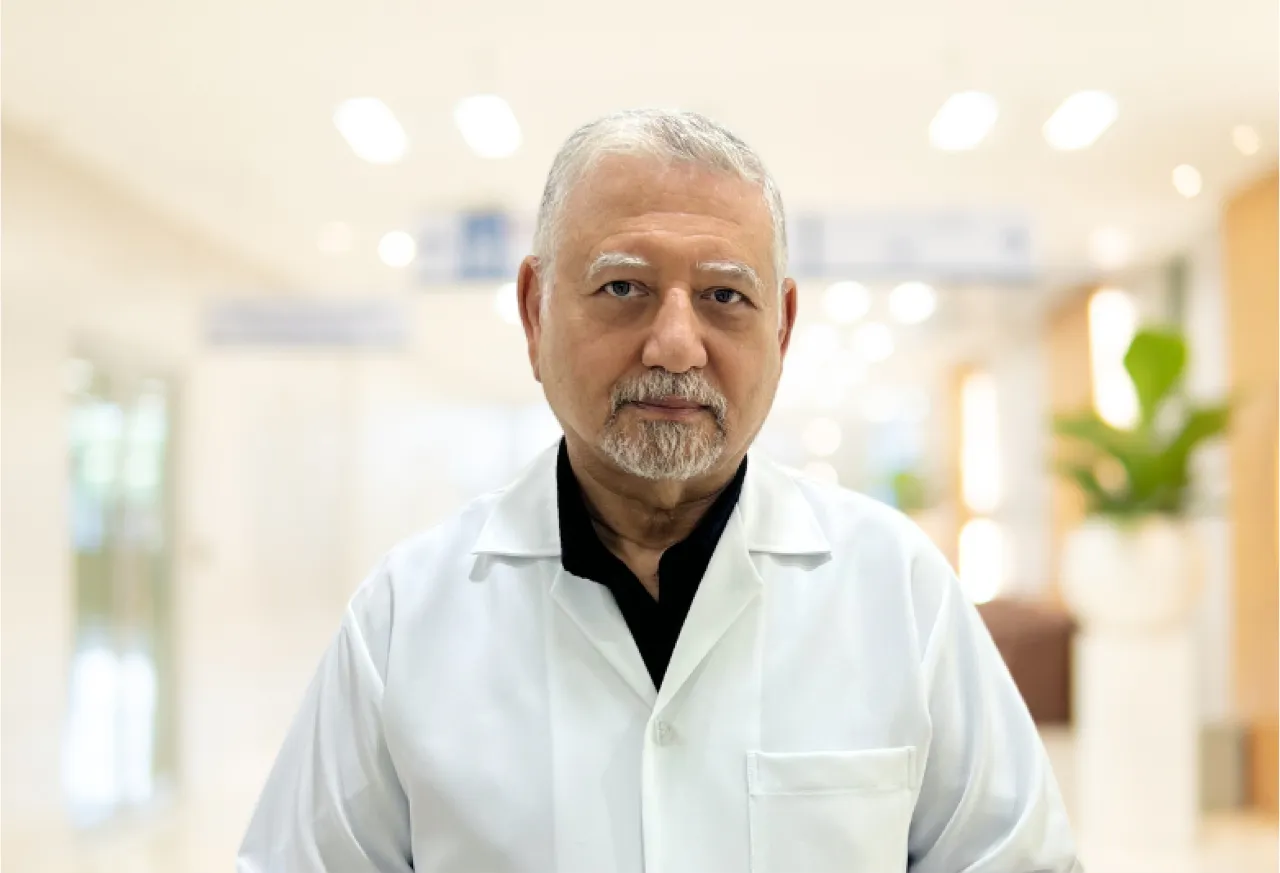
Dr. Riad Trabulsi is a Neurologist at Doctors Clinic Diagnostic Center (DCDC) in Dubai Healthcare City, specialising in stroke care, neuropathy, and headache management.
DCDC holds a 4.8/5 rating from over 1,000 verified Google reviews and maintains a 98% patient satisfaction rate. The clinic is fully licensed by the Ministry of Health and Prevention (MOHAP License No. NIMY7VY5-240925), and our extended operating hours (Saturday to Thursday 8 AM to 10 PM, Friday 9 AM to 9 PM) make it convenient to schedule appointments around work and family commitments.
Migraine Prevention Strategies That Work
Effective migraine prevention combines medication (when indicated) with evidence-based lifestyle modifications. Research consistently shows that patients who adopt a comprehensive prevention strategy experience significantly fewer migraine days than those who rely on acute treatment alone.
Lifestyle Modifications
- Regular sleep schedule: Go to bed and wake up at the same time every day, including weekends. Both insufficient sleep and oversleeping are migraine triggers. Aim for 7-8 hours
- Consistent hydration: In Dubai's climate, aim for a minimum of 2.5-3 litres of water daily. Increase intake during summer months and outdoor activities. Keep a water bottle at your desk
- Regular meals: Never skip meals. Maintain consistent blood sugar levels by eating at regular intervals. This is especially important during Ramadan, when fasting can trigger migraines
- Regular aerobic exercise: 30 minutes of moderate exercise 3-5 times per week reduces migraine frequency. Walking, swimming, and cycling are well-tolerated options. Avoid exercising in peak Dubai heat
- Stress management: Progressive muscle relaxation, deep breathing exercises, yoga, and mindfulness meditation have evidence supporting their role in migraine prevention
- Limit caffeine: Keep caffeine intake consistent and moderate (1-2 cups of coffee daily). Both excessive caffeine and sudden caffeine withdrawal trigger migraines
Dubai-Specific Prevention Tips
- Wear quality sunglasses: UV-blocking, polarised sunglasses reduce glare-triggered migraines during outdoor exposure
- Manage temperature transitions: Allow gradual acclimatisation between outdoor heat and indoor air conditioning. Carry a light layer for heavily cooled spaces
- Monitor air quality: During sandstorms or high-pollution days, limit outdoor exposure and consider using an indoor air purifier
- Plan Ramadan fasting carefully: If you are a migraine sufferer who fasts, consult your neurologist before Ramadan. Pre-dawn meal timing, hydration strategies, and medication adjustments can minimise fasting-related migraines
- Blue light management: Use blue light filters on screens in the evening, and take regular screen breaks (20-20-20 rule: every 20 minutes, look at something 20 feet away for 20 seconds)
Trigger Diary and Pattern Recognition
Dr. Heike Jacobs, Neurologist at DCDC with a focus on migraine and cognitive assessment, recommends that all migraine patients maintain a trigger diary for at least 8 weeks. "Identifying your personal trigger pattern is one of the most empowering steps a migraine patient can take," she advises. "Most migraine attacks are not caused by a single trigger but by a combination of factors reaching a threshold. When you understand your combination, you can manage your exposure and significantly reduce attack frequency."
Cost of Headache and Migraine Treatment in Dubai
Understanding treatment costs helps you plan your care. The following table provides typical price ranges for headache and migraine-related services in Dubai, with DCDC's pricing included for reference.
| Service | Dubai Market Range (AED) | DCDC Pricing (AED) | Notes |
|---|---|---|---|
| Neurology consultation | 500 - 1,200 | From 500 | Initial 30-45 minute evaluation |
| Follow-up consultation | 300 - 800 | From 300 | Review and medication adjustment |
| Brain MRI (without contrast) | 1,500 - 4,000 | From 900 | Siemens 1.5T wide-bore, same-day availability |
| Brain MRI (with contrast) | 2,500 - 6,000 | From 1,500 | When detailed vascular or lesion assessment is needed |
| Blood tests (headache panel) | 200 - 800 | From 200 | Thyroid, vitamins, inflammatory markers |
| Botox for chronic migraine | 3,000 - 6,000 | Contact clinic | 31 injection sites every 12 weeks |
| CGRP monoclonal antibody (monthly) | 2,000 - 3,500 | Contact clinic | Erenumab, fremanezumab, galcanezumab |
Prices are approximate and may vary based on insurance coverage and clinical requirements. DCDC partners with 20+ insurance providers for direct billing.
Many patients are surprised to learn that comprehensive headache evaluation can be more affordable than months of self-medication with over-the-counter painkillers, which can cost AED 50-150 per month while potentially worsening the condition through medication overuse. A single neurology consultation from AED 500 can establish the correct diagnosis and treatment pathway, saving both money and unnecessary suffering.
Book Your Headache Evaluation at DCDC
Stop guessing whether your headaches are migraines. Our neurologists at Doctors Clinic Diagnostic Center in Dubai Healthcare City provide thorough evaluation, same-day brain MRI when needed, and personalised treatment plans. Rated 4.8/5 by over 1,000 patients. Extended hours: Sat-Thu 8 AM-10 PM, Fri 9 AM-9 PM.
Direct insurance billing available with 20+ partners. Free parking.
Which Is It? A Decision Guide for Your Head Pain
Use the following decision guide to help determine whether your head pain is more consistent with a tension headache or a migraine. This is not a substitute for professional diagnosis, but it can help you prepare for your neurology consultation and communicate your symptoms more effectively.
Your Head Pain Is Likely a Tension Headache If
- The pain is on both sides of your head, like a tight band
- The pain is mild to moderate and does not prevent you from working
- You can walk, climb stairs, or exercise without the pain getting worse
- You do not feel nauseous during the headache
- Light and noise are not significantly bothersome
- Over-the-counter paracetamol or ibuprofen relieves the pain within 30-60 minutes
- The headache started during or after a period of stress, poor sleep, or prolonged screen use
Your Head Pain Is Likely a Migraine If
- The pain is predominantly on one side of your head and throbs or pulses
- The pain is moderate to severe and makes it difficult or impossible to function normally
- Physical activity such as walking or bending makes the pain noticeably worse
- You feel nauseous or have vomited during the headache
- You need to lie down in a dark, quiet room because light and sound are unbearable
- You noticed visual disturbances (zigzag lines, flashing lights, blind spots) before the headache
- Over-the-counter painkillers provide little or no relief
- The headache lasts 4-72 hours and leaves you feeling drained or "hungover" afterward
- You have a parent or sibling who also experiences migraines
See a Neurologist Regardless If
- Your headaches are worsening in frequency or severity
- You are taking painkillers more than 2-3 times per week
- Your headache pattern has changed from what is normal for you
- You have never had your headaches professionally evaluated
- Your headaches are affecting your work, relationships, or quality of life
Связанные услуги в DCDC
Квалифицированная помощь и современная диагностика в Dubai Healthcare City
Frequently Asked Questions
Final Thoughts
The distinction between migraine and headache is not just about pain intensity. It is about understanding two fundamentally different conditions that require different diagnostic approaches, different treatments, and different prevention strategies. Tension headaches respond well to over-the-counter analgesics, stress management, and postural correction. Migraines require a comprehensive neurological approach that may include specialised medications, trigger management, and sometimes advanced treatments like CGRP antibodies or Botox.
If you have been managing your head pain alone with over-the-counter medications and the results have been disappointing, or if you are unsure whether you have migraines or tension headaches, a neurology consultation can provide clarity and significantly improve your quality of life. Proper diagnosis is the foundation of effective treatment.
At Doctors Clinic Diagnostic Center in Dubai Healthcare City, our neurologists Dr. Riad Trabulsi and Dr. Heike Jacobs provide thorough headache evaluation with on-site brain MRI capability, personalised treatment plans, and ongoing follow-up. With neurology consultations from AED 500, a 4.8/5 Google rating, and same-day appointment availability, taking the first step toward accurate diagnosis and effective headache management has never been more accessible.
Источники и ссылки
Эта статья проверена нашей медицинской командой и ссылается на следующие источники:
- World Health Organization - Headache Disorders Fact Sheet
- International Headache Society - ICHD-3 Classification
- NHS - Migraine Overview and Tension Headache Guide
- Mayo Clinic - Migraine Diagnosis and Treatment
- Cleveland Clinic - Migraine vs Headache: Differences and Treatment
- American Migraine Foundation - Understanding Migraine
- The Lancet Neurology - Global Burden of Migraine
Медицинский контент на этом сайте проверяется врачами, лицензированными DHA. См. нашу редакционную политику для получения дополнительной информации.
Автор
Dr. Riad Trabulsi
Neurologist
MD, Neurology
Dr. Riad Trabulsi is a Neurologist at Doctors Clinic Diagnostic Center (DCDC) in Dubai Healthcare City.
Related Articles

Headache Types Dubai: When to See a Doctor
MRI for Headaches & Migraines
When to See a Neurologist in Dubai
Migraine Treatment Dubai: Relief & Prevention
Best Neurologist Dubai: Brain & Nerve Specialist
More in Neurology
When to See a Neurologist in Dubai (2026)
Читать далееNeurologist Cost Dubai: From AED 500 (2026)
Читать далее
Best Neurologist in Dubai: Dr. Heike Jacobs at DCDC (2026)
Читать далееGerman Neurologist in Dubai: Dr. Heike Jacobs at DCDC (2026)
Читать далееMigraine Specialist in Dubai: Expert Treatment at DCDC Healthcare City (2026)
Читать далееNeurologist in Dubai Healthcare City: Dr. Heike Jacobs at DCDC (2026)
Читать далее© 2026 Doctors Clinic Diagnostic Center (DCDC), Dubai Healthcare City. Originally published at https://doctorsclinicdubai.ae/blog/migraine-vs-headache-dubai. All rights reserved. Unauthorized reproduction is prohibited.