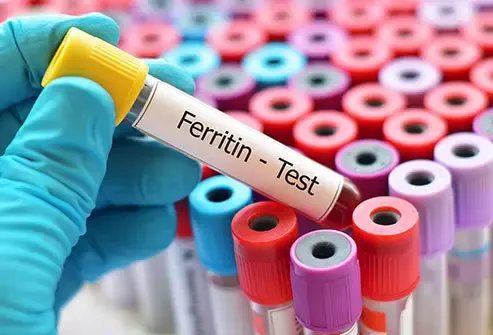
Ключевые выводы
- Iron deficiency is the most common nutritional deficiency worldwide, affecting nearly 30% of women of reproductive age in Dubai and the wider UAE
- A CBC (Complete Blood Count) and serum ferritin test together are the gold-standard first-line screening for iron deficiency anemia, available at DCDC from AED 99
- Key symptoms include persistent fatigue, pale skin, brittle nails, shortness of breath, dizziness, and cold hands and feet — many of which are mistakenly attributed to heat or stress in Dubai
- Iron deficiency can exist without anemia — ferritin levels below 30 ng/mL indicate depleted iron stores even when hemoglobin is still normal
- DCDC offers same-day CBC results and iron studies within 24 hours from its on-site MOHAP-licensed laboratory in Dubai Healthcare City
- Treatment ranges from dietary changes and oral iron supplements to intravenous iron infusions for severe or non-responsive cases, all available through DCDC physicians
Iron deficiency is the leading nutritional deficiency among adults and children in the UAE, yet it remains dramatically underdiagnosed because its symptoms — fatigue, weakness, poor concentration — overlap with the everyday effects of Dubai's demanding lifestyle and extreme heat. A simple blood test can reveal whether your body's iron stores are depleted, and early detection prevents the progression to iron deficiency anemia, a condition that impairs oxygen delivery to every organ in your body. At DCDC's blood tests laboratory in Dubai Healthcare City, iron panels and CBC results are available within 24 hours, with prices starting from AED 99 and walk-ins welcome seven days a week.
This guide covers the full spectrum of iron deficiency and anemia testing in Dubai — from understanding the difference between iron depletion and true anemia, to interpreting your ferritin, serum iron, and CBC results, to treatment options available at DCDC. Whether you are a woman experiencing heavy periods and unexplained exhaustion, a vegetarian concerned about dietary iron intake, or a parent worried about your child's energy levels, you will find evidence-based, doctor-reviewed information to help you take the right next step.
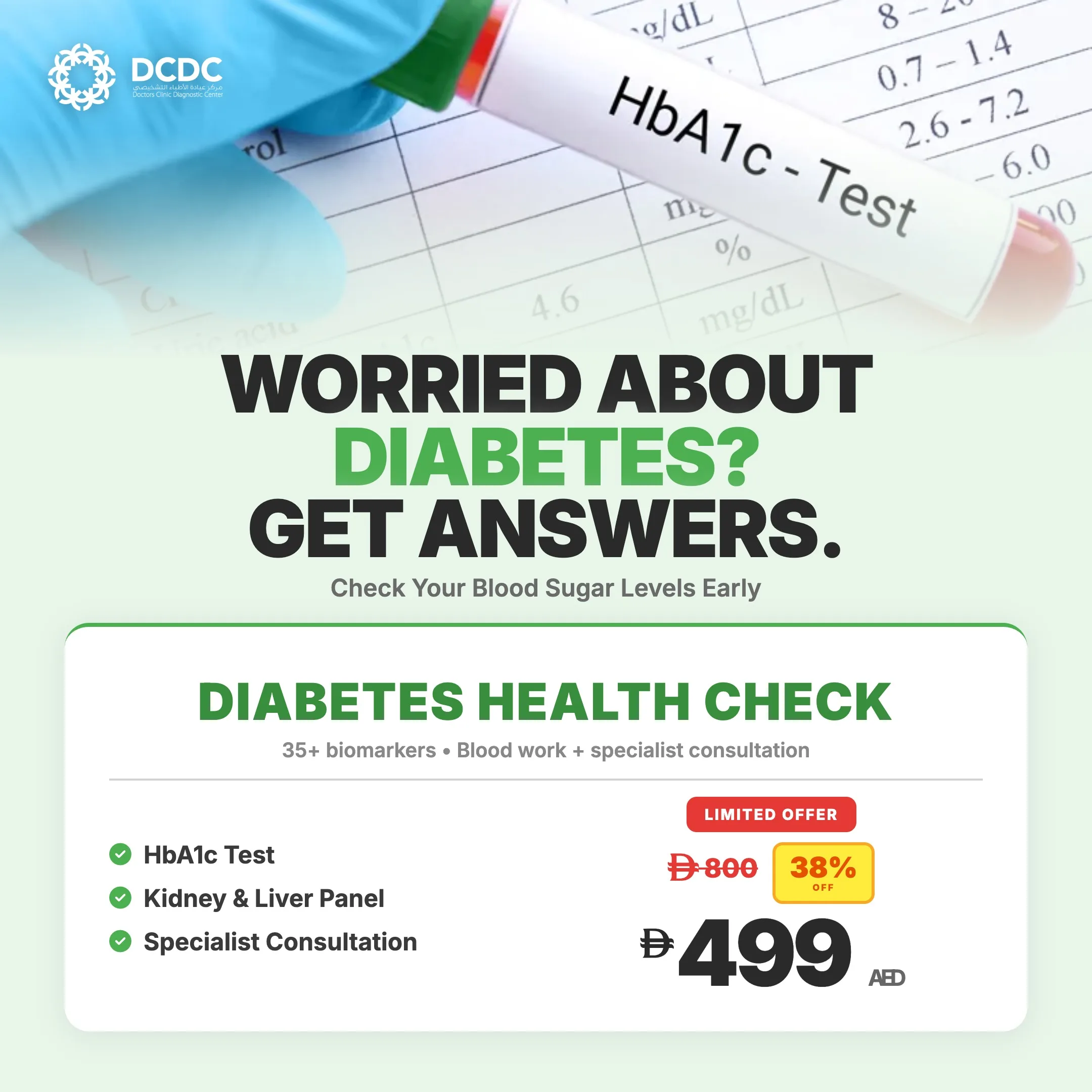
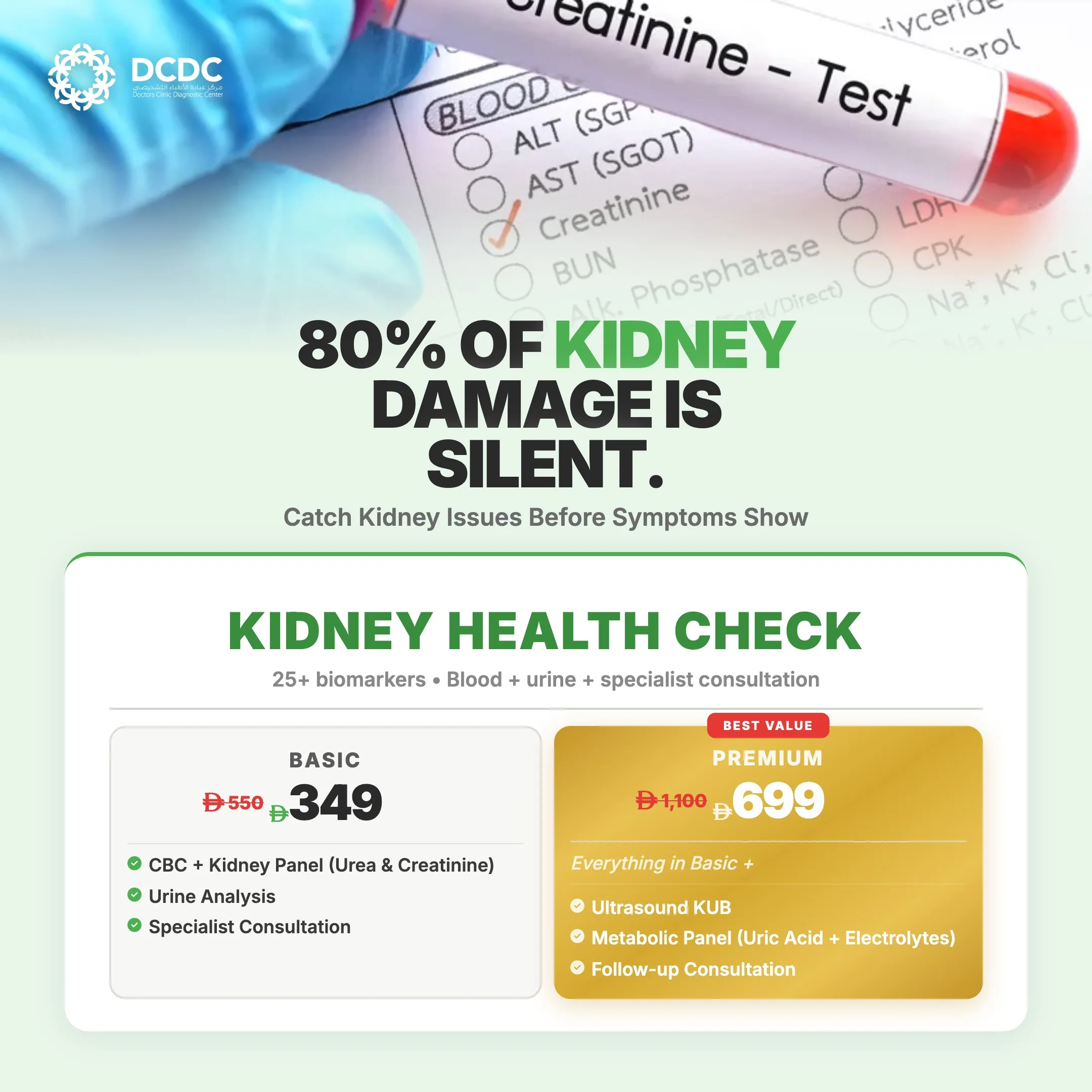
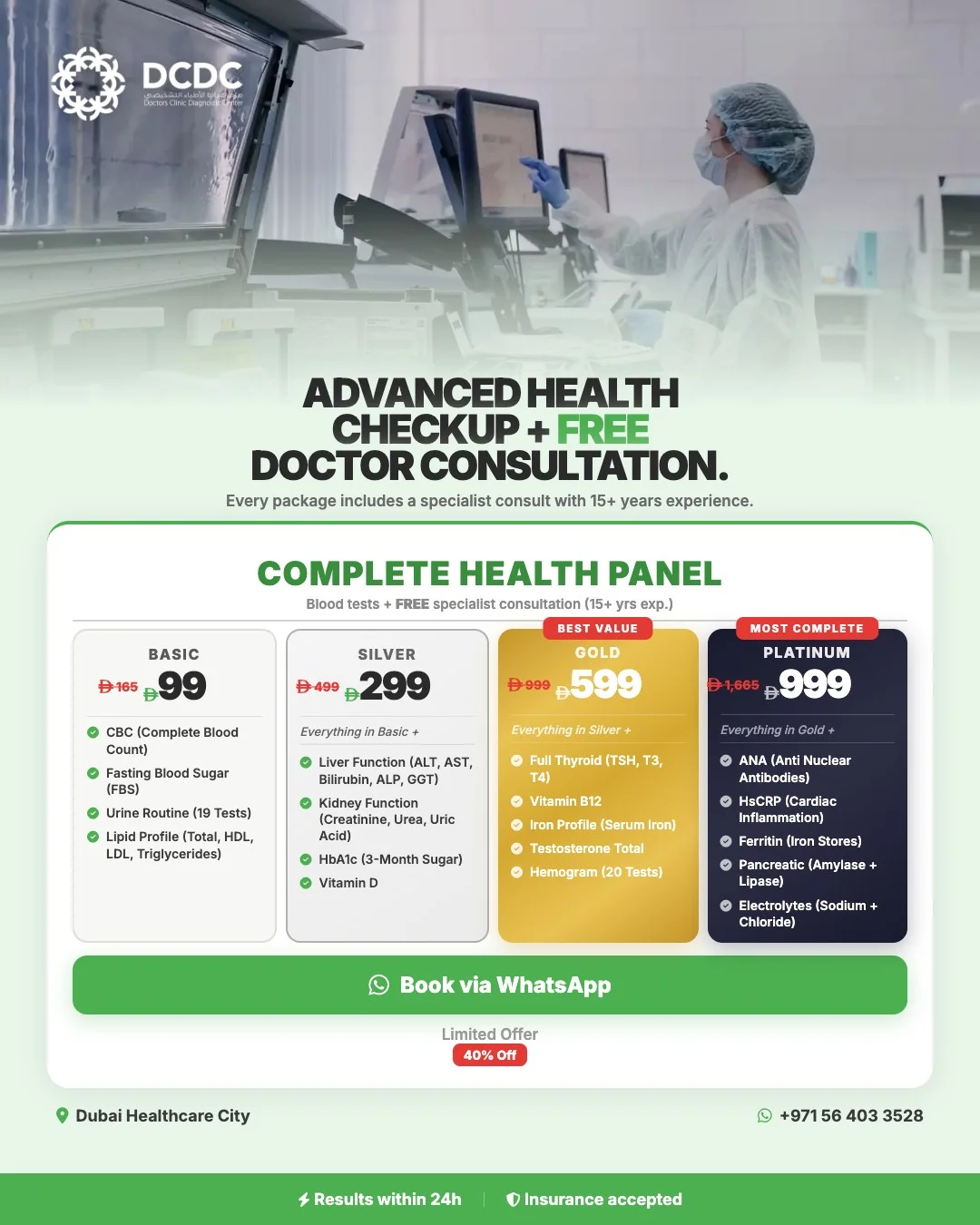
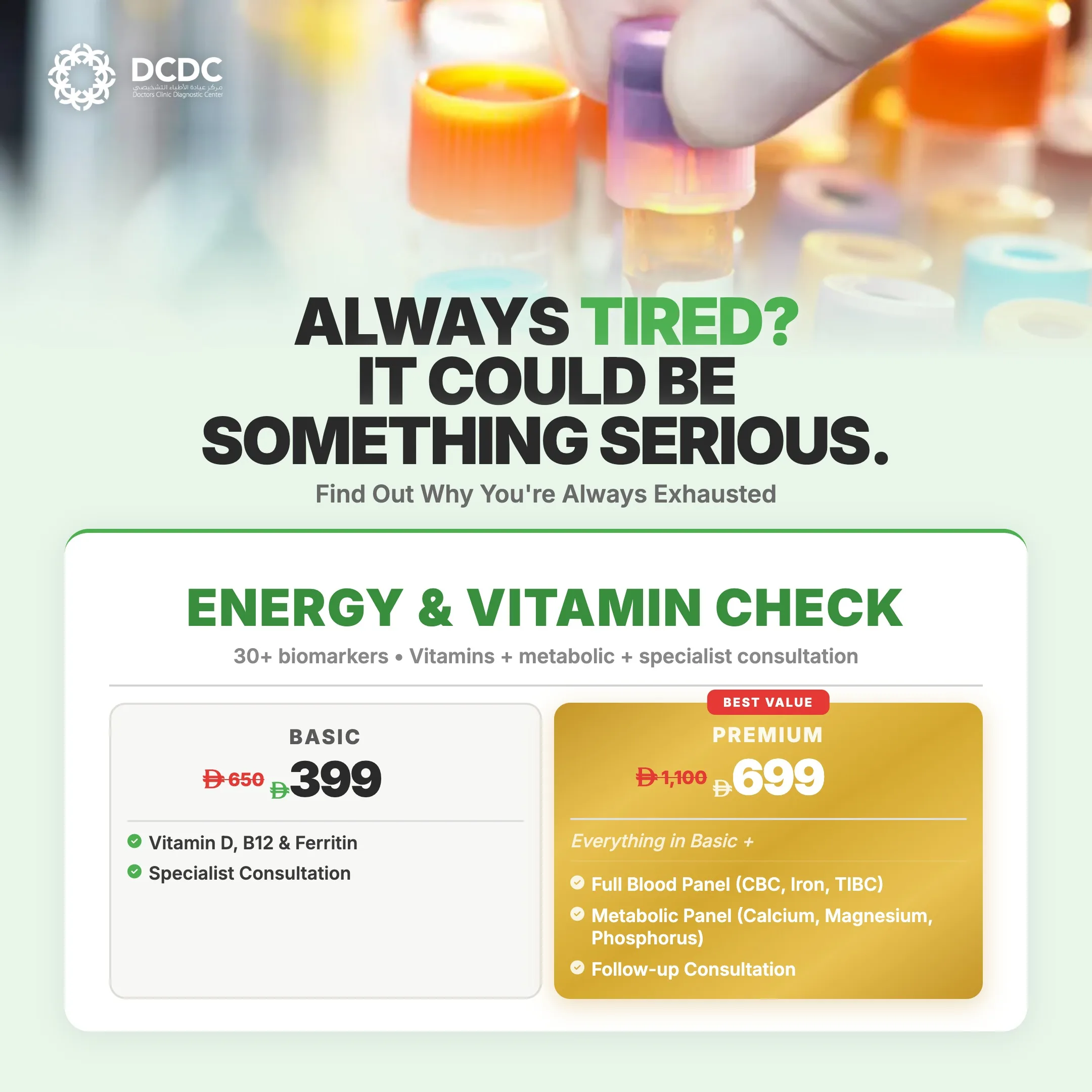
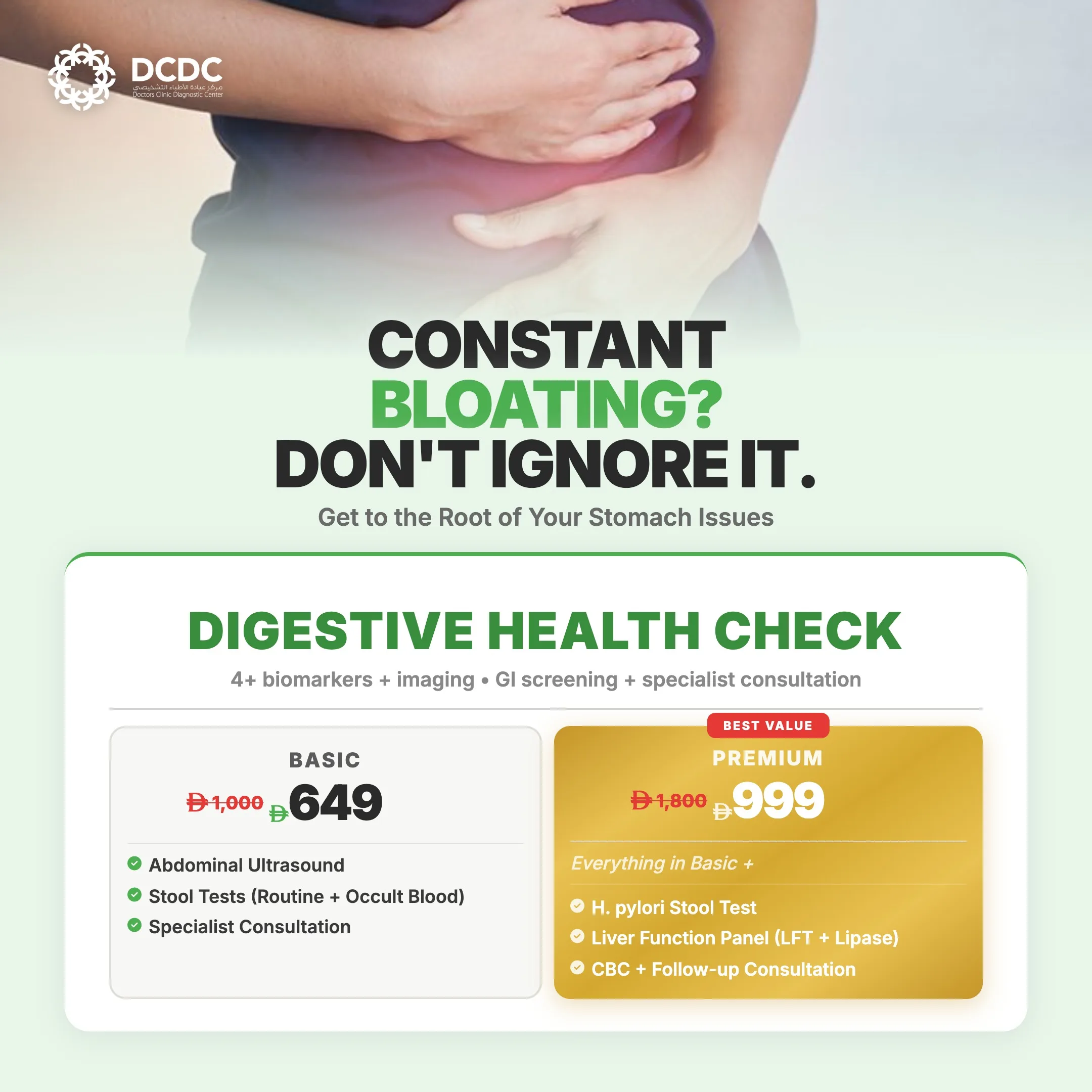
Health Screening Packages
Save with our bundled screening packages — specialist consultation included

What Is Iron Deficiency Anemia?
Iron deficiency anemia is a condition in which your blood lacks enough healthy red blood cells due to insufficient iron. Iron is an essential mineral that forms the core of hemoglobin — the protein inside red blood cells responsible for carrying oxygen from your lungs to every tissue in your body. When iron stores become depleted, the body cannot produce adequate hemoglobin, resulting in smaller, paler red blood cells that deliver less oxygen. According to the World Health Organization, iron deficiency anemia affects over 1.2 billion people globally, making it the most prevalent nutritional disorder on the planet.
It is important to distinguish between iron deficiency without anemia and iron deficiency anemia. Iron depletion occurs in stages: first, storage iron (measured by ferritin) drops; then, circulating iron (serum iron) decreases; and finally, hemoglobin falls below the diagnostic threshold for anemia. Many patients experience significant symptoms — fatigue, brain fog, hair loss — during the early depletion stage, well before their hemoglobin drops into the anemic range. This is why testing ferritin levels alongside a CBC is essential for catching iron deficiency early.
In the UAE specifically, studies have found that iron deficiency affects an estimated 25-40% of women of childbearing age and up to 20% of children under five. Contributing factors include dietary patterns low in bioavailable iron, high tea and coffee consumption that inhibits iron absorption, and the physiological demands of pregnancy and menstruation. The condition is treatable and even preventable, but only if identified through appropriate blood testing.
Iron Deficiency Symptoms: 10 Warning Signs
Iron deficiency develops gradually, and early symptoms are often so subtle that patients attribute them to stress, poor sleep, or Dubai's intense summer heat. According to Dr. Hadeel Elnur, 'Iron deficiency is the most common nutritional deficiency I see in Dubai — it affects nearly 30% of women of reproductive age. Fatigue is often dismissed as stress or poor sleep, but a simple CBC and ferritin test can reveal the true cause. I always check iron levels as part of any fatigue workup.' Recognizing the following warning signs can prompt you to seek testing before the condition worsens.
- 1. Persistent fatigue and weakness: The hallmark symptom — iron-deficient cells cannot deliver enough oxygen to muscles and organs, leaving you exhausted despite adequate rest
- 2. Pale skin and mucous membranes: Hemoglobin gives blood its red colour, and low levels cause noticeable pallor in the face, inner eyelids, nail beds, and gums
- 3. Shortness of breath: Even mild exertion — climbing stairs or walking short distances — can leave you breathless as your body compensates for reduced oxygen-carrying capacity
- 4. Dizziness and lightheadedness: Reduced oxygen to the brain causes feelings of faintness, especially when standing up quickly
- 5. Cold hands and feet: Poor oxygen delivery to extremities causes temperature sensitivity that does not resolve with warming
- 6. Brittle nails and hair loss: Iron is essential for keratin production — deficiency causes nails to become spoon-shaped (koilonychia) and hair to thin and fall out
- 7. Restless leg syndrome: An irresistible urge to move the legs, particularly at night, is strongly associated with low iron and ferritin levels
- 8. Unusual cravings (pica): Craving ice, dirt, starch, or other non-food items is a well-documented sign of severe iron deficiency
- 9. Frequent infections: Iron supports immune cell function — deficiency impairs the body's ability to fight off infections effectively
- 10. Difficulty concentrating and brain fog: Cognitive performance declines measurably with iron deficiency, affecting work productivity and academic performance
If you experience three or more of these symptoms simultaneously, particularly if you are a woman of reproductive age, pregnant, or following a plant-based diet, iron deficiency should be investigated with a blood test rather than assumed to be lifestyle-related.
Who Is at Risk for Iron Deficiency in Dubai?
Certain populations in Dubai face a significantly higher risk of iron deficiency due to physiological demands, dietary habits, and environmental factors unique to life in the UAE. Understanding these risk factors can help you determine whether proactive testing is warranted.
- Women of reproductive age: Monthly menstrual blood loss depletes iron stores — women with heavy periods (menorrhagia) lose iron at an accelerated rate that diet alone often cannot replenish
- Pregnant and breastfeeding women: Iron requirements nearly double during pregnancy (from 18 mg to 27 mg daily) to support foetal development, placental growth, and expanded maternal blood volume
- Vegetarians and vegans: Plant-based diets increasingly popular in Dubai provide only non-heme iron, which has an absorption rate of 2-20% compared to 15-35% for heme iron from animal sources
- Heavy tea and coffee drinkers: Tannins in tea and polyphenols in coffee reduce iron absorption by up to 60% when consumed with meals — a significant factor in Dubai's chai and coffee culture
- Endurance athletes and gym enthusiasts: Intense exercise increases iron loss through sweat, foot-strike hemolysis, and gastrointestinal bleeding — Dubai's fitness-focused community is particularly affected
- People with gastrointestinal conditions: Celiac disease, Crohn's disease, gastric bypass surgery, and chronic H. pylori infection reduce iron absorption from the gut
- Frequent blood donors: Each whole blood donation removes approximately 250 mg of iron, requiring several months to replenish
- Children and adolescents: Rapid growth increases iron demand — toddlers transitioning from breast milk and teenagers experiencing growth spurts are especially vulnerable
Dubai's environment adds unique risk factors: extreme summer heat suppresses appetite, leading to reduced food intake and consequently lower iron consumption. Additionally, the high prevalence of vitamin D deficiency in the UAE — affecting up to 90% of residents — may compound iron deficiency, as emerging research suggests vitamin D plays a role in iron metabolism and erythropoiesis. For a comprehensive guide to screening for all common deficiencies, see our CBC blood test guide, which explains the foundational blood panel that detects anemia.
Types of Anemia: Iron Deficiency vs Other Causes
While iron deficiency is the most common cause of anemia globally, it is not the only one. Accurately identifying the type of anemia is essential because treatment differs significantly. Your blood test results — particularly MCV (Mean Corpuscular Volume) and the specific markers tested — help your physician distinguish between causes.
Microcytic Anemia (Small Red Blood Cells — Low MCV)
- Iron deficiency anemia: The most common type — low ferritin, low serum iron, high TIBC, low hemoglobin. Responds to iron supplementation
- Thalassemia trait: A genetic condition common in Middle Eastern, South Asian, and Mediterranean populations in Dubai. Normal or high ferritin distinguishes it from iron deficiency
- Anemia of chronic disease: Inflammation from chronic infections, autoimmune disease, or cancer sequesters iron — ferritin is typically normal or elevated
Macrocytic Anemia (Large Red Blood Cells — High MCV)
- Vitamin B12 deficiency: Causes megaloblastic anemia with neurological symptoms — common in vegetarians and patients on metformin or proton pump inhibitors
- Folate deficiency: Similar to B12 deficiency but without neurological symptoms — important to test during pregnancy
- Hypothyroidism: Thyroid hormone deficiency slows red blood cell maturation, producing larger cells
Normocytic Anemia (Normal-Sized Red Blood Cells — Normal MCV)
- Anemia of chronic kidney disease: Reduced erythropoietin production decreases red blood cell formation
- Hemolytic anemia: Red blood cells are destroyed faster than they are produced — can be autoimmune, infectious, or hereditary (e.g., sickle cell disease, G6PD deficiency)
- Acute blood loss: Trauma, surgery, or gastrointestinal bleeding causes sudden hemoglobin drop with normal-sized cells
Given Dubai's diverse expatriate population, physicians at DCDC routinely consider thalassemia trait and G6PD deficiency alongside iron deficiency when evaluating anemia — conditions that are especially prevalent in patients from the Middle East, South Asia, and Southeast Asia.
Iron Deficiency Blood Tests: What Gets Tested?
Diagnosing iron deficiency requires more than a single test. A combination of markers provides a complete picture of your iron status — from circulating iron to stored iron to your body's capacity to bind and transport iron. At DCDC, the following tests are available individually or as part of comprehensive panels.
CBC (Complete Blood Count)
The CBC is the starting point for any anemia investigation. It measures hemoglobin (the oxygen-carrying protein), hematocrit (the percentage of blood volume occupied by red blood cells), MCV (average red blood cell size), and RDW (variation in red blood cell size). In iron deficiency anemia, the CBC typically shows low hemoglobin, low MCV (microcytosis), and elevated RDW. However, a normal CBC does not rule out iron deficiency — ferritin can be depleted long before hemoglobin drops.
Serum Ferritin
Ferritin is the most sensitive and specific marker for iron stores. It reflects how much iron your body has in reserve. A ferritin level below 30 ng/mL indicates depleted iron stores, even if hemoglobin is still within the normal range. Below 15 ng/mL is diagnostic of iron deficiency in most clinical guidelines. However, ferritin is also an acute-phase reactant — it rises during infection, inflammation, and liver disease, which can mask true iron deficiency. This is why it must be interpreted alongside other markers.
Serum Iron
Serum iron measures the amount of iron circulating in your blood, bound to the transport protein transferrin. It fluctuates throughout the day and is affected by recent meals, making it less reliable as a standalone marker. Low serum iron combined with low ferritin strongly supports iron deficiency, while low serum iron with normal or high ferritin suggests anemia of chronic disease.
TIBC (Total Iron-Binding Capacity) and Transferrin Saturation
TIBC measures your blood's capacity to bind iron using transferrin. In iron deficiency, the body produces more transferrin to capture whatever iron is available, so TIBC rises. Transferrin saturation — calculated as serum iron divided by TIBC — is a particularly useful marker: a value below 20% is consistent with iron deficiency, while below 16% is strongly diagnostic. Together, these markers form the complete iron panel that guides treatment decisions.
Reticulocyte Count
Reticulocytes are immature red blood cells freshly released from the bone marrow. A low reticulocyte count in the presence of anemia indicates that the bone marrow is not producing enough red blood cells — consistent with iron deficiency. This test is particularly useful for monitoring treatment response, as reticulocyte counts rise within 5-7 days of starting effective iron therapy.
Understanding Your Iron Panel Results
Interpreting iron studies requires looking at the overall pattern rather than individual numbers. A single low marker may have multiple explanations, but the combination of results paints a clear diagnostic picture. The table below summarises the typical patterns seen in different conditions.
| Marker | Iron Deficiency | Chronic Disease | Thalassemia Trait | Normal Range |
|---|---|---|---|---|
| Hemoglobin | Low | Low | Low-Normal | M: 13-18 g/dL, F: 12-16 g/dL |
| MCV | Low (<80 fL) | Normal/Low | Very Low (<70 fL) | 80-100 fL |
| Ferritin | Low (<30 ng/mL) | Normal/High | Normal/High | 30-300 ng/mL |
| Serum Iron | Low | Low | Normal | 60-170 mcg/dL |
| TIBC | High (>400) | Low/Normal | Normal | 250-400 mcg/dL |
| Transferrin Sat. | Low (<20%) | Low/Normal | Normal | 20-50% |
| RDW | High (>15%) | Normal | Normal | 11.5-14.5% |
Iron panel result patterns for different types of anemia
When you receive your results at DCDC, a general practitioner or internist will review the full pattern and explain what it means for your health. If iron deficiency is confirmed, they will assess the severity, investigate potential causes (dietary, menstrual, gastrointestinal), and develop a personalised treatment plan. If results suggest a different type of anemia — such as thalassemia trait, which is common in the UAE's population — appropriate referrals and genetic counselling can be arranged.
It is worth noting that iron deficiency and vitamin B12 deficiency in Dubai frequently coexist, especially in vegetarians and patients with gastrointestinal absorption issues. When both deficiencies are present simultaneously, the MCV may appear deceptively normal because the opposing effects on cell size cancel each other out. This is why comprehensive testing — not just a CBC — is critical for accurate diagnosis.
Iron Deficiency Anemia Test Cost in Dubai (2026)
Iron deficiency testing is affordable and widely accessible across Dubai. At DCDC in Dubai Healthcare City, all iron-related blood tests are processed in our on-site MOHAP-licensed laboratory, eliminating courier delays and ensuring rapid results. Pricing is transparent with no hidden charges, and most major insurance plans provide coverage when tests are ordered by a licensed physician.
| Test | DCDC Price | Market Range |
|---|---|---|
| CBC (Complete Blood Count) | From AED 99 | AED 100-250 |
| Serum Iron + Ferritin | From AED 149 | AED 150-350 |
| Complete Iron Panel (Iron, Ferritin, TIBC, Transferrin Saturation) | From AED 199 | AED 200-500 |
| Comprehensive Anemia Panel (CBC + Iron + B12 + Folate) | From AED 299 | AED 350-700 |
Iron deficiency and anemia test pricing at DCDC Dubai Healthcare City (2026)
DCDC offers direct billing with over 20 insurance providers in the UAE, including Daman, Oman Insurance, AXA, MetLife, and Cigna. If you are paying out of pocket, the prices above apply with no additional fees. Walk-in patients receive the same pricing as those with appointments. For patients who need multiple tests, combination packages offer significant savings compared to ordering each test individually.
Compared to other facilities across Dubai, DCDC's pricing represents the most competitive range in the market, particularly for comprehensive panels. The complete iron panel at from AED 199 includes all four critical iron markers — serum iron, ferritin, TIBC, and transferrin saturation — providing the full diagnostic picture that a single ferritin test alone cannot deliver.
Book Your Iron Deficiency Test at DCDC
CBC from AED 99 with same-day results. Complete iron panels within 24 hours. Walk-ins welcome at Dubai Healthcare City.
Call 04 254 3700 or WhatsApp us to book
Iron-Rich Foods and Dietary Recommendations
Diet plays a fundamental role in both preventing and treating mild iron deficiency. Iron from food comes in two forms: heme iron from animal sources (absorbed at 15-35% efficiency) and non-heme iron from plant sources (absorbed at only 2-20% efficiency). Understanding which foods provide the most bioavailable iron, and which dietary habits enhance or inhibit absorption, can meaningfully impact your iron levels over time.
Best Sources of Heme Iron
- Red meat (beef, lamb): 2.5-3.5 mg iron per 100 g — the most efficient dietary source of heme iron, widely available in Dubai
- Organ meats (liver, kidney): 5-9 mg iron per 100 g — exceptionally iron-dense but should be limited during pregnancy due to vitamin A content
- Shellfish (clams, oysters, mussels): 3-28 mg iron per 100 g depending on type — clams are one of the richest food sources of iron
- Dark poultry meat: 1.1-1.4 mg iron per 100 g — chicken thighs and legs contain more iron than breast meat
- Fish (sardines, tuna): 1-2.5 mg iron per 100 g — also provides omega-3 fatty acids and vitamin B12
Best Sources of Non-Heme Iron
- Legumes (lentils, chickpeas, kidney beans): 3-6 mg iron per cup cooked — staples in many cuisines common in Dubai
- Spinach and dark leafy greens: 2.7-6.4 mg iron per cup cooked — pair with vitamin C for enhanced absorption
- Fortified cereals and breads: 4-18 mg iron per serving — check labels for iron-fortified products available in UAE supermarkets
- Tofu and tempeh: 3-6 mg iron per serving — important sources for vegetarians and vegans
- Pumpkin seeds and quinoa: 2-4 mg iron per serving — nutrient-dense snack options
Dietary Tips to Maximise Iron Absorption
- Pair iron-rich foods with vitamin C: Orange juice, bell peppers, tomatoes, and strawberries can increase non-heme iron absorption by up to 300%
- Avoid tea and coffee with meals: Wait at least one hour after eating before consuming tea or coffee — tannins reduce iron absorption by up to 60%
- Limit calcium with iron-rich meals: Calcium supplements and dairy products temporarily inhibit iron absorption — separate them by 2 hours
- Cook in cast iron pans: Acidic foods cooked in cast iron absorb small but meaningful amounts of dietary iron
- Choose fermented foods: Fermentation reduces phytates that inhibit iron absorption — sourdough bread absorbs more iron than regular bread
While dietary adjustments can help maintain iron levels and prevent mild deficiency, they are typically insufficient to correct established iron deficiency anemia. Studies show that diet alone provides only 1-2 mg of absorbed iron per day, while the body needs 150-200 mg of absorbed iron to replenish depleted stores. This is why supplementation or medical treatment is necessary once deficiency is confirmed through blood testing.
Iron Deficiency Treatment Options in Dubai
Treatment for iron deficiency depends on the severity of depletion, the underlying cause, and individual patient factors. At DCDC, your physician will develop a personalised treatment plan based on your blood test results, symptoms, and medical history.
Oral Iron Supplements
Oral iron is the first-line treatment for most patients with iron deficiency. The recommended dose is typically 100-200 mg of elemental iron daily, taken on an empty stomach with vitamin C to maximise absorption. Common formulations include ferrous sulfate, ferrous fumarate, and ferrous gluconate. While effective, oral iron causes gastrointestinal side effects (nausea, constipation, dark stools) in up to 30% of patients, which can reduce adherence. Newer formulations such as iron bisglycinate and polysaccharide iron complex offer better tolerability with comparable absorption.
Response to oral iron should be monitored with repeat blood testing: a reticulocyte count rise is expected within 5-7 days, hemoglobin should increase by approximately 1-2 g/dL within 4 weeks, and ferritin should normalise within 3-6 months. Treatment should continue for at least 3 months after hemoglobin normalises to fully replenish iron stores.
Intravenous (IV) Iron Infusion
IV iron is recommended when oral supplements are not tolerated, not absorbed (due to gastrointestinal conditions), or when rapid correction is needed (severe anemia, late pregnancy, pre-surgical patients). Modern IV iron formulations such as ferric carboxymaltose (Ferinject) allow the delivery of a full replacement dose in a single 15-30 minute infusion. IV iron bypasses the gut entirely, achieving iron repletion significantly faster than oral therapy. DCDC physicians can arrange IV iron infusion at affiliated infusion centres in Dubai Healthcare City when indicated.
Treating the Underlying Cause
Iron supplementation addresses the deficiency but not its root cause. Your physician will also investigate and manage underlying factors: heavy menstrual bleeding may require gynaecological evaluation, gastrointestinal blood loss necessitates endoscopy referral, and malabsorption conditions like celiac disease need specific dietary management. Without addressing the underlying cause, iron deficiency will recur after supplementation ends.
In Dubai, the combination of heat-related appetite suppression, prevalent tea and coffee consumption, and the popularity of restrictive diets means that many cases of iron deficiency have a significant dietary component. DCDC physicians provide practical dietary counselling tailored to the foods available in the UAE market, alongside medical treatment. For patients with overlapping nutritional deficiencies — which is common — testing for vitamin D deficiency and vitamin B12 is typically performed simultaneously to ensure comprehensive correction.
What to Expect at DCDC for Anemia Testing
Testing for iron deficiency and anemia at DCDC is straightforward, efficient, and designed to minimise your wait time while maximising the clinical value of your visit. Here is a step-by-step overview of the process from arrival to treatment plan.
Step 1: Arrival and Check-In
DCDC is located in Building 64, Block A, Al Razi Medical Complex, Dubai Healthcare City. Free parking is available in the building's designated parking areas. Upon arrival, you check in at reception — the process takes 2-3 minutes. If you have an appointment, you are seen at your scheduled time. Walk-in patients are accommodated on a first-come basis, with an average wait of approximately 15 minutes.
Step 2: Blood Draw
An experienced phlebotomist draws a small blood sample (5-10 mL) from a vein in your arm. The procedure takes approximately 5-10 minutes including preparation and labelling. For patients who are anxious about needles, our phlebotomists use butterfly needles and distraction techniques to minimise discomfort. No fasting is required for iron studies or CBC, though your physician may advise morning testing for the most consistent serum iron levels.
Step 3: Laboratory Processing
Your sample goes directly to DCDC's on-site MOHAP-licensed laboratory, equipped for comprehensive blood panels including CBC, iron studies, ferritin, TIBC, and transferrin saturation — all processed in-house. CBC results are often available the same day. Iron studies, ferritin, and TIBC results are typically ready within 24 hours. There are no courier delays because everything is analysed on-site.
Step 4: Results Review
Results are reviewed by a general practitioner or internist. If your results are normal, you receive a digital report via email or patient portal. If iron deficiency or anemia is detected, a follow-up consultation is arranged to discuss findings in detail, investigate potential causes, and initiate treatment.
Step 5: Treatment Plan
For confirmed iron deficiency, your DCDC physician will develop a tailored plan that may include oral iron supplementation with specific dosing instructions, dietary guidance customised to foods available in the UAE, a follow-up blood test in 4-8 weeks to monitor response, and referral for IV iron or specialist evaluation if needed. The clinic's 4.8/5 Google rating from over 1,000 reviews reflects the quality of this end-to-end patient experience, with 98% patient satisfaction in post-visit surveys.
Iron Deficiency During Pregnancy: Special Considerations
Pregnancy dramatically increases the body's iron demands. A woman needs approximately 1,000 mg of additional iron over the course of pregnancy — 300 mg for the growing foetus and placenta, 500 mg for expanding maternal red blood cell mass, and 200 mg to compensate for normal daily losses. The WHO estimates that iron deficiency anemia in pregnancy affects 40% of women globally and is associated with increased risk of preterm birth, low birth weight, and maternal complications.
Iron requirements vary by trimester. In the first trimester, iron needs are approximately 0.8 mg/day — similar to non-pregnant levels. By the third trimester, this increases to 6-7 mg/day, an amount nearly impossible to meet through diet alone. This is why the WHO, ACOG, and DHA all recommend routine iron supplementation during pregnancy, typically 30-60 mg of elemental iron daily from the second trimester onwards.
- Screening schedule: CBC and ferritin should be checked at the booking visit (8-12 weeks), at 28 weeks, and at 36 weeks. Additional testing is recommended if symptoms develop between scheduled checks
- Diagnostic thresholds: WHO defines anemia in pregnancy as hemoglobin below 11 g/dL in the first and third trimesters, and below 10.5 g/dL in the second trimester (due to physiological hemodilution)
- Ferritin target: Maintaining ferritin above 30 ng/mL throughout pregnancy ensures adequate iron stores for both mother and baby
- Treatment urgency: Hemoglobin below 7 g/dL in pregnancy requires urgent evaluation and may necessitate blood transfusion. Levels between 7-10 g/dL typically warrant IV iron for rapid correction
- Postpartum monitoring: Blood loss during delivery can worsen iron deficiency — CBC should be repeated 6-8 weeks postpartum, especially after caesarean section or postpartum haemorrhage
At DCDC, pregnant patients benefit from coordinated care between general practitioners and obstetricians, ensuring that iron levels are monitored consistently throughout pregnancy and postpartum. Early identification and treatment of iron deficiency in pregnancy protects both maternal health and foetal development.
When to See a Doctor for Iron Deficiency in Dubai
While mild iron deficiency can be managed with dietary changes and over-the-counter supplements, certain situations warrant professional medical evaluation. Seeing a doctor ensures accurate diagnosis, rules out serious underlying causes, and provides access to prescription-strength treatments that are more effective than over-the-counter options.
- Persistent fatigue lasting more than 2-3 weeks that does not improve with adequate sleep, hydration, and stress management
- Symptoms of anemia: Pale skin, shortness of breath on exertion, dizziness, rapid heartbeat, or chest pain — particularly if worsening over time
- Heavy menstrual periods: Soaking through a pad or tampon every hour, periods lasting more than 7 days, or passing clots larger than a coin
- Pregnancy or planning pregnancy: Pre-conception iron testing ensures adequate stores before the demands of pregnancy begin
- Blood in stool or dark/tarry stools: This may indicate gastrointestinal bleeding causing iron loss — requires urgent evaluation
- Unexplained hair loss or brittle nails: When accompanied by fatigue, these are classic signs of iron depletion worth investigating
- Poor response to oral iron supplements: If you have been taking iron for 4-6 weeks without improvement in symptoms or blood levels, absorption issues or incorrect diagnosis should be investigated
- Chronic conditions: Patients with inflammatory bowel disease, celiac disease, kidney disease, or heart failure need regular iron monitoring under medical supervision
DCDC's location in Dubai Healthcare City, a MOHAP-licensed facility with direct billing to over 20 insurers, makes accessing professional iron deficiency evaluation convenient and affordable. With an average wait time of just 15 minutes and same-day consultation availability, there is no reason to delay getting tested if you recognise the warning signs discussed in this guide.
Concerned About Iron Deficiency? Get Tested Today
Iron panel from AED 149 with results within 24 hours. Our MOHAP-licensed laboratory at Dubai Healthcare City provides accurate, affordable testing with physician review included.
WhatsApp 04 254 3700 or walk in — no appointment needed
Связанные услуги в DCDC
Квалифицированная помощь и современная диагностика в Dubai Healthcare City
Frequently Asked Questions
Final Thoughts on Iron Deficiency and Anemia Testing in Dubai
Iron deficiency remains the most treatable yet most underdiagnosed nutritional deficiency in Dubai. The symptoms — fatigue, weakness, poor concentration, hair loss — are too often attributed to lifestyle factors or dismissed as consequences of the heat, when a straightforward blood test costing from AED 99 can identify the real cause within hours. If you recognise three or more warning signs discussed in this guide, testing is the logical and affordable next step.
At DCDC in Dubai Healthcare City, our on-site MOHAP-licensed laboratory processes CBC and iron panels with same-day to 24-hour turnaround, and our physicians provide immediate interpretation with a personalised treatment plan if deficiency is confirmed. Whether you walk in for a quick CBC or schedule a comprehensive anemia panel, early detection means faster recovery and prevention of the serious complications that untreated iron deficiency can cause. Contact us today at 04 254 3700 or visit our clinic at Building 64, Block A, Al Razi Medical Complex, DHCC.
Источники и ссылки
Эта статья проверена нашей медицинской командой и ссылается на следующие источники:
- WHO - Iron Deficiency Anaemia: Assessment, Prevention and Control
- Mayo Clinic - Iron Deficiency Anemia
- NHS UK - Iron Deficiency Anaemia
- Cleveland Clinic - Ferritin Blood Test
- American Society of Hematology - Iron-Deficiency Anemia
- The Lancet - Global Burden of Anaemia
Медицинский контент на этом сайте проверяется врачами, лицензированными DHA. См. нашу редакционную политику для получения дополнительной информации.

Автор
Dr. Hadeel Elnur
General Practitioner
MD, General Practice
Dr. Hadeel Elnur is a General Practitioner at Doctors Clinic Diagnostic Center (DCDC) in Dubai Healthcare City.
Related Articles
CBC Test Dubai: Cost, Results & Guide
Blood Test Dubai: Types, Cost & Fasting Guide
Vitamin B12 Deficiency Dubai: Signs & Tests

Vitamin D Deficiency Dubai: Signs & Treatment

Health Checkup Cost in Dubai: AED 800-6,000 by Package
More in General Health
Dizziness Causes Dubai: When to Get Checked (2026)
Читать далее
Elderly Care at Home Dubai: Full Guide (2026)
Читать далее
IV Drip at Home Dubai: From AED 449 (2026)
Читать далее
Nurse at Home Dubai: Cost & Services (2026)
Читать далее
Stomach Infection Treatment Dubai (2026)
Читать далее
Cholesterol Levels by Age Dubai: Chart (2026)
Читать далее© 2026 Doctors Clinic Diagnostic Center (DCDC), Dubai Healthcare City. Originally published at https://doctorsclinicdubai.ae/blog/iron-deficiency-anemia-test-dubai. All rights reserved. Unauthorized reproduction is prohibited.