Ключевые выводы
- Избегайте кофеина минимум за 24-48 часов до КТ-ангиографии для поддержания низкой частоты пульса
- Частота пульса в покое ниже 65 уд/мин идеальна для получения качественных изображений; при необходимости могут быть назначены бета-блокаторы
- Голодайте 4-6 часов перед сканированием, но продолжайте принимать назначенные лекарства, запивая водой
- Функция почек (креатинин) должна быть проверена перед введением контрастного вещества
- Наденьте удобную свободную одежду и снимите все металлические украшения перед сканированием
Правильная подготовка необходима для успешной КТ-ангиографии. В отличие от многих других визуализационных исследований, коронарная КТ-ангиография требует выполнения определённых шагов в дни и часы перед визитом для обеспечения максимально чётких изображений сердечных артерий. Точное соблюдение этих рекомендаций может определить разницу между диагностическим и требующим повторения сканированием.
Этот чек-лист охватывает всё, что нужно знать перед КТ-ангиографией: от ограничений в питании и лекарственных вопросов до того, что происходит по прибытии в клинику.

Почему подготовка важна для КТ-ангиографии
Коронарная КТ-ангиография фиксирует изображения сердечных артерий за один удар сердца. Поскольку сердце постоянно движется, сканеру необходимо, чтобы пульс был медленным и стабильным для получения чётких изображений без артефактов движения. Такие факторы, как приём кофеина, стресс, обезвоживание и некоторые лекарства, могут повысить пульс и снизить качество изображений.
Кроме того, сканирование включает внутривенное контрастное вещество, которое подсвечивает артерии на изображениях. Для безопасной переработки контраста организмом необходимы достаточная функция почек и гидратация. Правильная подготовка учитывает все эти факторы.
За 48 часов до КТ-ангиографии
Полностью исключите кофеин
Кофеин — стимулятор, повышающий частоту пульса и способный сделать его нерегулярным. Следует избегать всех источников кофеина минимум за 24-48 часов до сканирования. Это включает кофе, чай, энергетические напитки, шоколад, газированные напитки с кофеином и некоторые лекарства или добавки, содержащие кофеин.
Многие пациенты недооценивают влияние кофеина на пульс. Даже кофе без кофеина содержит небольшие количества. Если вы регулярно употребляете кофеин, начните ограничение за два полных дня до сканирования — это даст организму время адаптироваться и поможет избежать колебаний пульса, связанных с отменой.
Недавно один пациент выпил чашку кофе утром в день запланированной КТ-ангиографии, не осознавая, насколько это повлияет на его сканирование. Когда он прибыл в DCDC, его пульс составлял 92 уд/мин — значительно выше целевых 65 уд/мин, необходимых для чётких изображений. Несмотря на введение бета-блокаторов, мы не смогли достаточно снизить его пульс и были вынуждены перенести сканирование на следующую неделю. Позже пациент признался, что жалеет, что не отнёсся к ограничению кофеина более серьёзно. Его опыт — напоминание о том, что этот единственный шаг подготовки может определить, состоится ли ваше сканирование по расписанию.
«Кофеин — причина номер один переноса КТ-ангиографий,» — говорит доктор Шахо Мазхари, кардиолог-консультант в DCDC. «Пациенты часто думают, что одна чашка кофе не имеет значения, но даже небольшое количество может повысить пульс настолько, чтобы ухудшить качество изображений. 48-часовое окно без кофеина — это не пожелание, а необходимость.»
Обсудите лекарства с врачом
Некоторые лекарства может потребоваться скорректировать перед КТ-ангиографией. Обсудите все текущие лекарства с кардиологом или центром визуализации, включая:
- Бета-блокаторы: Если вы уже принимаете бета-блокаторы, врач может скорректировать дозу для достижения целевого пульса ниже 65 уд/мин.
- Метформин: Пациентам с диабетом, принимающим метформин, может быть рекомендовано приостановить его на 48 часов после сканирования из-за возможного взаимодействия с контрастным веществом и функцией почек.
- Препараты для лечения эректильной дисфункции: Такие препараты, как силденафил (Виагра), обычно следует прекратить за 48 часов до исследования, так как они могут взаимодействовать с нитроглицерином, который может быть использован во время сканирования.
- Антикоагулянты: Как правило, продолжайте приём в обычном режиме, но сообщите команде обо всех антикоагулянтах или антиагрегантах, которые вы принимаете.
Поддерживайте хорошую гидратацию
Хорошая гидратация поддерживает функцию почек, что важно для переработки контрастного вещества, используемого во время сканирования. Пейте много воды за два дня до визита. Избегайте алкоголя, так как он может вызвать обезвоживание и повлиять на сердечный ритм.
Накануне КТ-ангиографии
- Продолжайте избегать кофеина и алкоголя
- Выпейте не менее 1,5-2 литров воды в течение дня
- Подготовьте удобную свободную одежду без металлических молний, кнопок или косточек
- Отложите все украшения, часы и пирсинг, чтобы оставить их дома
- Подтвердите время визита и любые специальные инструкции клиники
- Хорошо выспитесь; усталость и плохой сон могут повысить пульс в покое
В день КТ-ангиографии
Требования к голоданию
Следует голодать за 4-6 часов до назначенного времени сканирования. Это означает отсутствие еды и напитков, кроме простой воды. Голодание снижает риск тошноты от контрастного вещества и помогает поддерживать стабильные физиологические условия во время сканирования.
Однако продолжайте принимать назначенные лекарства с небольшими глотками воды, если врач не дал других указаний. Это особенно важно для препаратов от давления и бета-блокаторов, которые помогают контролировать пульс.
Что надеть и взять с собой
- Наденьте удобную свободную одежду (вам могут предоставить больничный халат)
- Снимите все металлические предметы: украшения, часы, ремни, заколки для волос и пирсинг
- Возьмите список принимаемых лекарств с дозировками
- Возьмите свежие результаты анализов крови, особенно функции почек (креатинин/рСКФ), если они есть
- Возьмите удостоверение личности Emirates ID или паспорт и страховую карту
- Возьмите предыдущие кардиологические обследования или направления
Подготовка к КТ-ангиографии в DCDC
В Doctors Clinic Diagnostic Center в Dubai Healthcare City мы проводим каждого пациента через правильную подготовку к КТ-ангиографии для обеспечения наилучших результатов.
Целевая частота пульса: Почему важны менее 65 уд/мин
Оптимальная частота пульса для коронарной КТ-ангиографии — ниже 65 ударов в минуту (уд/мин), некоторые центры предпочитают ниже 60 уд/мин. При такой частоте сердце расслабляется достаточно долго между ударами, чтобы сканер зафиксировал чёткие изображения коронарных артерий без артефактов движения.
По прибытии в клинику будет измерена ваша частота пульса. Если она выше целевого диапазона, медицинская команда может назначить короткодействующий бета-блокатор (обычно метопролол) перорально или внутривенно для его снижения. Это рутинная и безопасная часть подготовки к КТ-ангиографии.
Факторы, которые могут повысить пульс и которых следует избегать в день сканирования: кофеин, курение, интенсивные физические упражнения, стресс и спешка на приём. Приезжайте на 15-20 минут раньше, чтобы у вас было время расслабиться перед сканированием.
«Мы выполняем более 1 000 диагностических сканирований каждый месяц в DCDC, и лучшие результаты получают те пациенты, которые тщательно соблюдают этапы подготовки,» — говорит доктор Шахо Мазхари, кардиолог-консультант в DCDC. «Прибытие в расслабленном и хорошо гидратированном состоянии с низким пульсом — ключевой фактор чёткости изображений.»
Проверка функции почек: Почему креатинин важен
Контрастное вещество (на основе йода), используемое при КТ-ангиографии, перерабатывается и выводится почками. Перед сканированием требуется анализ крови на креатинин и расчётную скорость клубочковой фильтрации (рСКФ) для подтверждения того, что ваши почки функционируют достаточно хорошо для безопасной переработки контраста.
Этот анализ крови желательно сдать в течение 1-3 месяцев до сканирования. Пациенты с диабетом, гипертонией, известным заболеванием почек или старше 60 лет подвержены более высокому риску проблем с почками, связанных с контрастом, и будут находиться под более тщательным наблюдением.
Если функция почек пограничная, врач может рекомендовать предварительную гидратацию внутривенными растворами до и после сканирования для защиты почек. В редких случаях сканирование может быть отложено при значительном нарушении функции почек.
Вопросы аллергии
Если у вас известна аллергия на йодсодержащее контрастное вещество, морепродукты или была предыдущая аллергическая реакция на любой контрастный агент, заблаговременно сообщите об этом медицинской команде. Может быть организована премедикация антигистаминными препаратами и/или стероидами для снижения риска реакции.
Лёгкие реакции, такие как ощущение тепла, металлический привкус или кратковременная тошнота во время инъекции контраста, являются обычными и нормальными. Истинные аллергические реакции редки, но купируемы при готовности команды.
Чек-лист подготовки к КТ-ангиографии
| Когда | Действие |
|---|---|
| За 48 часов | Прекратите приём кофеина (кофе, чай, энергетики, шоколад) |
| За 48 часов | Обсудите лекарства с врачом (метформин, препараты от ЭД) |
| За 48 часов | Избегайте алкоголя |
| За 2 дня | Увеличьте потребление воды до 1,5-2 литров в день |
| За 1 день | Подтвердите приём и инструкции по подготовке |
| За 1 день | Подготовьте удобную одежду без металла |
| Накануне вечером | Хорошо выспитесь; избегайте позднего ужина |
| За 4-6 часов | Начните голодание (вода разрешена) |
| Утром в день сканирования | Примите назначенные лекарства с небольшими глотками воды |
| В клинике | Приезжайте на 15-20 минут раньше; возьмите удостоверение, страховку и список лекарств |
Следуйте этому графику для оптимальной подготовки к КТ-ангиографии.
Что происходит во время КТ-ангиографии
Понимание процедуры помогает снизить тревожность. По прибытии в вену на руке будет установлена внутривенная линия для введения контраста. Электроды ЭКГ будут прикреплены к грудной клетке для мониторинга сердечного ритма. Вы ляжете на узкий стол, который скользит в КТ-сканер — он имеет форму открытого кольца (не закрытого туннеля, как МРТ).
Вам могут дать спрей нитроглицерина под язык для расширения коронарных артерий и лучшей визуализации. Во время сканирования вас попросят задержать дыхание примерно на 10-15 секунд, пока сканер фиксирует изображения. Само сканирование обычно занимает менее минуты, хотя весь визит обычно длится 30-60 минут.
После сканирования: Чего ожидать
- Пейте больше воды после сканирования, чтобы помочь вывести контрастное вещество из организма
- Возобновите обычное питание и питьё сразу после сканирования
- Если вам вводили бета-блокаторы, вы можете чувствовать лёгкую сонливость; избегайте вождения 1-2 часа при необходимости
- Результаты обычно доступны в течение 24-48 часов
- Свяжитесь с клиникой, если возникнут необычные симптомы: кожная сыпь, отёк или затруднённое дыхание
Готовитесь к КТ-ангиографии в DCDC?
В Doctors Clinic Diagnostic Center в Dubai Healthcare City мы проводим каждого пациента через правильную подготовку к КТ-ангиографии для обеспечения наилучших результатов. С более чем 1 000 диагностических сканирований в месяц и 13+ лет обслуживания пациентов в Dubai Healthcare City, наша опытная команда свяжется с вами с персонализированными инструкциями до вашего визита. Мы принимаем пациентов со всех концов ОАЭ и из-за рубежа.
Связанные услуги в DCDC
Квалифицированная помощь и современная диагностика в Dubai Healthcare City
CT Angiogram
Detailed CT imaging of your coronary arteries with expert guidance
Записаться на приёмCardiology Consultation
Pre-procedure consultation and post-scan result interpretation
Записаться на приёмCoronary CT Calcium Score
Non-invasive screening to assess coronary artery calcification
Записаться на приёмFrequently Asked Questions
Заключение
Коронарная КТ-ангиография — одно из самых передовых неинвазивных средств оценки сердечных артерий, но её точность во многом зависит от правильной подготовки. Соблюдая эти рекомендации — особенно отказ от кофеина, поддержание гидратации и прибытие в расслабленном состоянии — вы создаёте команде визуализации лучшие условия для получения чётких диагностических изображений.
Если у вас есть вопросы о вашей конкретной подготовке, не стесняйтесь связаться с центром визуализации или кардиологом до визита. Ситуация каждого пациента несколько отличается, и персонализированное руководство обеспечивает наиболее безопасное и эффективное сканирование. Информацию о стоимости и страховке вы найдёте в нашем руководстве по стоимости КТ-ангиографии в Дубае.
Источники и ссылки
Эта статья проверена нашей медицинской командой и ссылается на следующие источники:
- Общество компьютерной томографии сердечно-сосудистой системы — Руководства по подготовке пациентов
- Американская коллегия радиологов — Стандарты КТ-ангиографии
- Европейское общество кардиологов — Протоколы кардиологической КТ-визуализации
Медицинский контент на этом сайте проверяется врачами, лицензированными DHA. См. нашу редакционную политику для получения дополнительной информации.
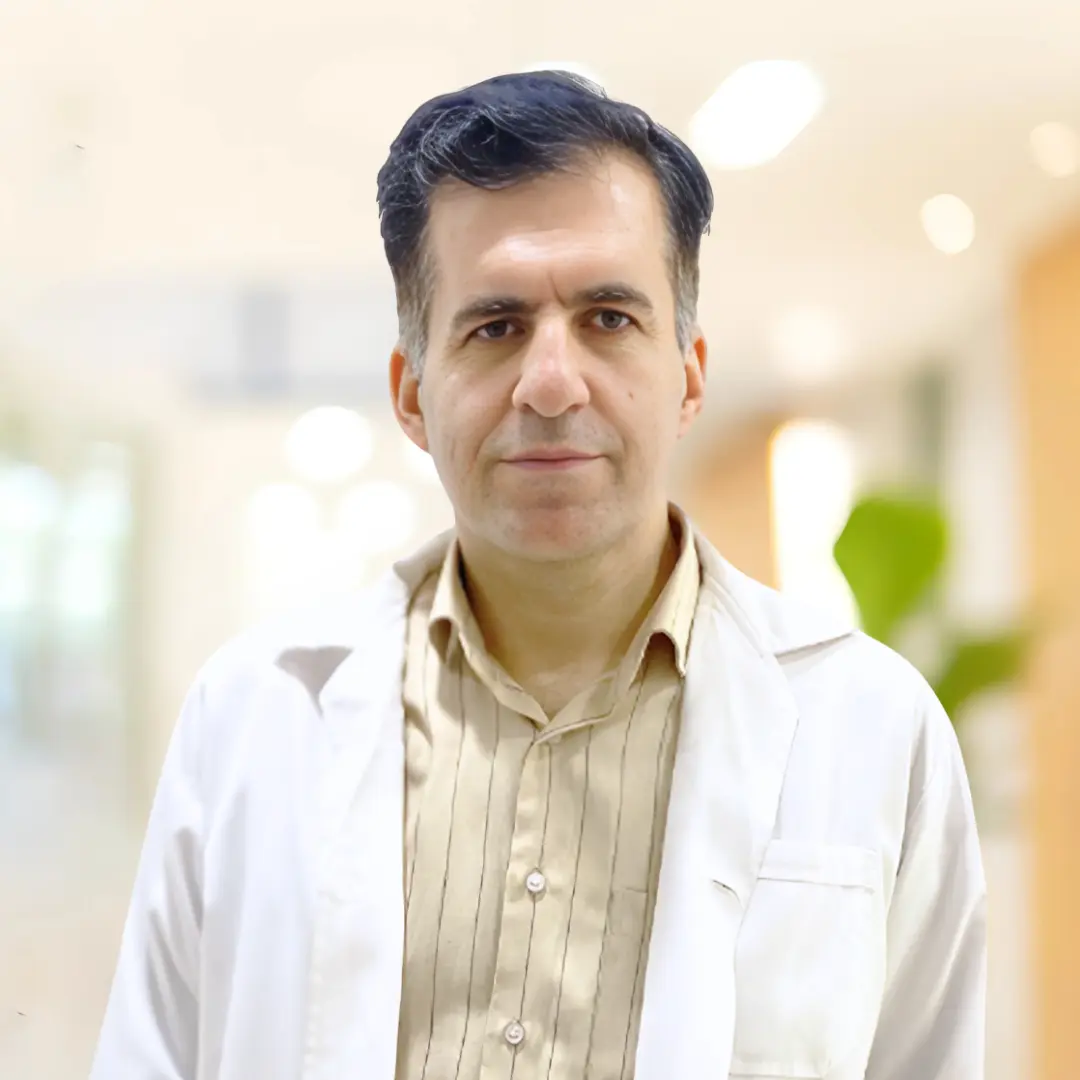
Автор
Dr. Shahoo Mazhari
Кардиолог-консультант
Доктор медицины, сертифицированный кардиолог
Доктор Шахо Мазхари — кардиолог-консультант, специализирующийся на неинвазивной кардиологической визуализации, коронарной КТ-ангиографии и профилактической кардиологии в DCDC Dubai Healthcare City.
Связанные статьи
Что такое КТ-ангиография?
Процедура КТ-ангиографии: Что происходит во время сканирования
Безопасность и риски КТ-ангиографии
Кардиология в Дубае: Экспертная кардиологическая помощь
More in Cardiology

ECG Cost in Dubai: From AED 200 (2026)
Читать далее
Echo at Home Dubai: From AED 799 (2026)
Читать далееECG at Home Dubai: Cost & What to Expect (2026)
Читать далее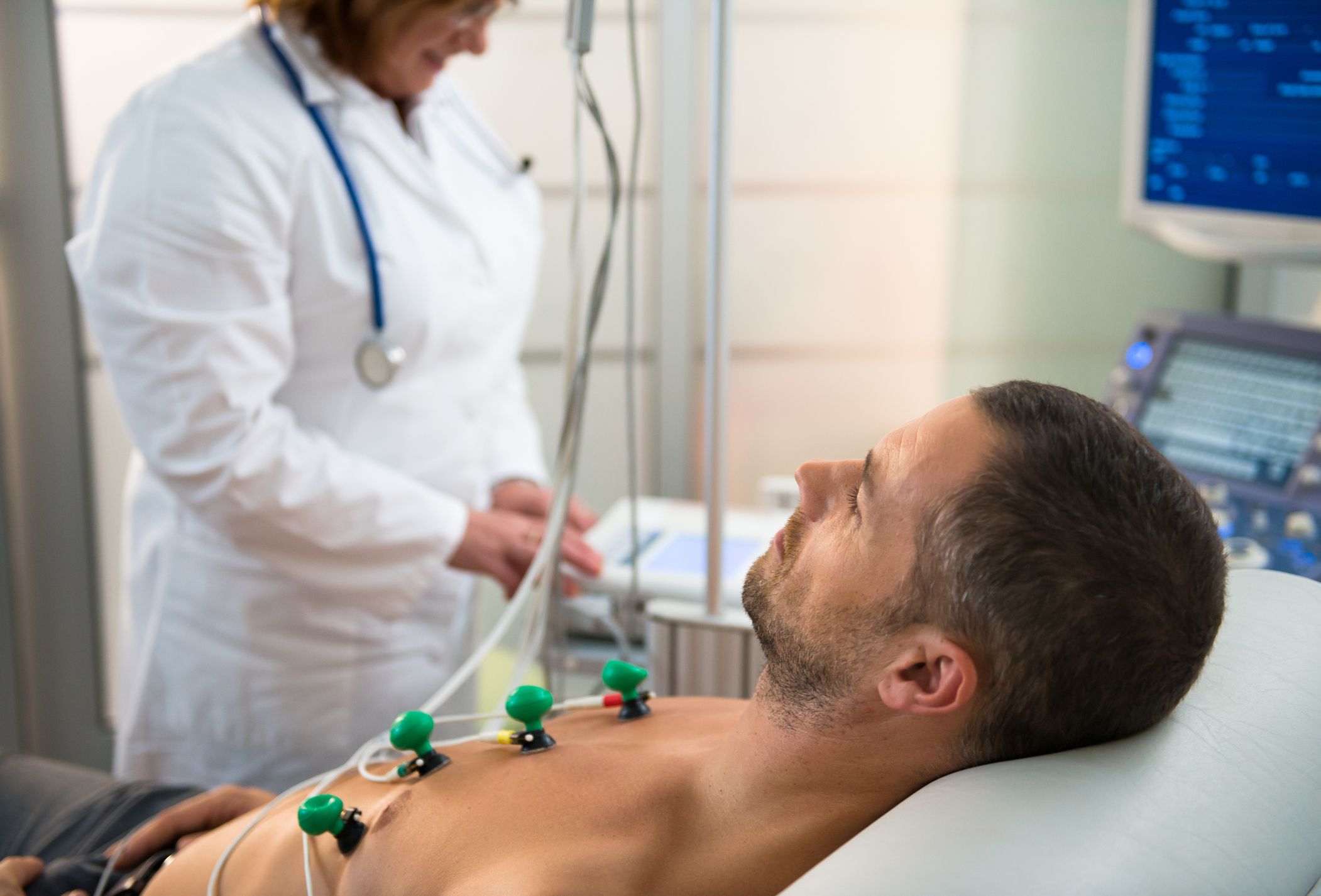
Holter Monitor vs ECG Dubai: Which Test? (2026)
Читать далее
Cardiac Rehabilitation Dubai: Recovery (2026)
Читать далее
Troponin Test Dubai: Heart Attack Marker (2026)
Читать далее© 2026 Doctors Clinic Diagnostic Center (DCDC), Dubai Healthcare City. Originally published at https://doctorsclinicdubai.ae/blog/how-to-prepare-ct-angiogram. All rights reserved. Unauthorized reproduction is prohibited.