Ключевые выводы
- A knocked-out permanent tooth has the best chance of survival if re-implanted within 15 to 30 minutes — store it in milk or saliva (never water) and get to a dentist immediately; the American Dental Association confirms that teeth re-implanted within one hour have the highest success rates
- DCDC in Dubai Healthcare City is open Sat–Thu 8 AM to 10 PM and Fri 9 AM to 9 PM with same-day emergency slots reserved daily — significantly later than most Dubai dental clinics, making it ideal for after-hours dental emergencies
- Emergency dental visit costs in Dubai start from AED 200–500 for the initial assessment, with common emergency treatments ranging from AED 150 for a filling to AED 800 for a root canal — DCDC offers transparent pricing with no hidden surcharges for emergency appointments
- Not every dental issue is an emergency — severe uncontrollable bleeding, facial swelling affecting breathing or swallowing, jaw fractures, and fever above 38 degrees Celsius require an emergency room visit, while toothache, chipped teeth, lost fillings, and minor infections should be treated by a dentist
- DCDC provides on-site CBCT and OPG digital imaging with 80 percent less radiation than conventional X-rays, enabling precise emergency diagnosis and same-day treatment planning without referral to external radiology centres
- Most comprehensive dental insurance plans in the UAE cover emergency dental treatment — DCDC works with 20-plus insurance providers including Daman, AXA, Bupa, MetLife, and Cigna with direct billing so you pay only your co-payment
A dental emergency can happen at any time — a knocked-out tooth during a football match, a sudden severe toothache at midnight, a cracked tooth from biting into something hard, or a painful dental abscess that develops over a weekend. Knowing what to do in those critical first minutes can mean the difference between saving and losing a tooth. This guide covers every common dental emergency you may face in Dubai, the step-by-step first aid actions to take immediately, when to visit a dentist versus an emergency room, treatment costs across the city, and exactly what to expect if you come to Doctors Clinic Diagnostic Center (DCDC) in Dubai Healthcare City — open until 10 PM on weekdays and 9 PM on Fridays.
Whether you are a Dubai resident, an expat, or a visitor, understanding how to handle a dental emergency quickly and correctly can save your tooth, prevent serious infection, and avoid costly complications. This comprehensive guide is based on clinical guidelines from the American Dental Association (ADA), the International Association of Dental Traumatology (IADT), and the NHS, and includes Dubai-specific information on costs, insurance coverage, and where to find after-hours emergency dental care.
What Counts as a Dental Emergency?
Not every dental problem requires immediate emergency treatment, but some situations demand urgent action within minutes or hours. According to the American Dental Association, a dental emergency is any situation involving uncontrolled bleeding from the mouth, severe pain that cannot be managed with over-the-counter medication, trauma to the teeth or jaw, or signs of infection such as swelling, fever, or pus. Understanding which situations are true emergencies helps you respond appropriately and seek the right level of care.
The following situations are considered dental emergencies that require same-day treatment: a permanent tooth that has been completely knocked out (avulsed), a tooth that has been fractured or broken with exposed nerve tissue, severe toothache or dental pain that does not respond to ibuprofen or paracetamol, a dental abscess with facial swelling or fever, uncontrolled bleeding after an extraction or trauma, a loose or displaced tooth after an impact, a lost crown or filling that is causing pain, and a jaw injury that affects your ability to open or close your mouth. At DCDC, same-day emergency appointment slots are reserved daily specifically for these situations, so you can call or walk in without a prior booking.
Dental Emergency First Aid: Knocked-Out Tooth
A knocked-out (avulsed) permanent tooth is one of the most time-sensitive dental emergencies. The International Association of Dental Traumatology and the Mayo Clinic agree that the single most important factor in saving the tooth is how quickly it is re-implanted. Teeth re-implanted within 15 minutes have the highest success rate, and the chances decrease significantly after 60 minutes. Here is exactly what to do.
- Find the tooth immediately: Locate the tooth as soon as possible. Pick it up by the crown (the white chewing surface) only — never touch the root, as the delicate periodontal ligament cells on the root surface are essential for successful re-implantation.
- Rinse gently if dirty: If the tooth has dirt or debris on it, rinse it briefly (no more than 10 seconds) under clean running water or with milk. Do not scrub the root, do not use soap or disinfectant, and do not wrap the tooth in tissue or cloth, as all of these actions destroy the root surface cells.
- Try to re-implant the tooth: If the patient is conscious, calm, and old enough to cooperate, gently push the tooth back into its socket, making sure it faces the right way. Have the patient bite down gently on a clean cloth or gauze to hold the tooth in position. This gives the tooth the best chance of survival.
- If re-implantation is not possible: Place the tooth in a container of cold cow's milk, which preserves the root cells for up to 60 minutes. Alternatively, the patient can hold the tooth inside their cheek (between the teeth and cheek) to keep it bathed in saliva. Never store a knocked-out tooth in water, as water damages the root cells through osmotic pressure.
- Get to a dentist within 30 minutes: Time is critical. Call DCDC (open until 10 PM Sat–Thu and 9 PM Fri) or go to the nearest emergency dental clinic immediately. Inform them you are coming with a knocked-out tooth so they can prepare.
- Important — baby teeth are different: Knocked-out baby (primary) teeth should not be re-implanted, as this can damage the developing permanent tooth underneath. See a dentist for assessment, but do not attempt to push a baby tooth back in.
Dental Emergency First Aid: Broken or Chipped Tooth
A broken or chipped tooth can range from a minor cosmetic chip to a severe fracture exposing the nerve. The severity determines the urgency and the treatment needed. According to the ADA, any tooth fracture that causes pain, has sharp edges cutting the tongue or cheek, or exposes pink or red tissue (the pulp) should be treated the same day.
- Save any broken pieces: Collect any tooth fragments, rinse them gently, and bring them to your dental appointment. In some cases, larger fragments can be bonded back onto the tooth.
- Rinse your mouth: Rinse gently with warm salt water (half a teaspoon of salt in a glass of warm water) to clean the area and reduce bacteria. Do not use hot or ice-cold water on the broken tooth.
- Control bleeding: If the gums are bleeding, apply gentle pressure with a clean gauze pad for 10 to 15 minutes. A moistened tea bag can also help, as the tannins promote clotting.
- Cover sharp edges: If the broken tooth has a sharp edge that is cutting your tongue or cheek, cover it temporarily with sugar-free chewing gum, dental wax, or a piece of gauze until you can see a dentist.
- Manage pain and swelling: Take ibuprofen (400 mg for adults) for pain relief and to reduce inflammation. Apply a cold compress to the outside of the cheek for 15 minutes on, 15 minutes off to reduce swelling. Avoid aspirin, which can increase bleeding.
- See a dentist promptly: Minor chips can wait 24 to 48 hours, but fractures with pain, sensitivity, or exposed pulp need same-day treatment. Treatment options range from a simple dental filling (from AED 150) for small chips to a dental crown (from AED 800) for larger fractures, or a root canal if the nerve is exposed.
Dental Emergency First Aid: Severe Toothache
A severe toothache is the most common reason people seek emergency dental care. While toothache itself is a symptom rather than a diagnosis, it often signals an underlying problem — deep decay reaching the nerve, a cracked tooth, an abscess, or advanced gum disease — that requires professional treatment. The ADA recommends the following first aid steps while you arrange to see a dentist.
- Rinse with warm salt water: Gently swish warm salt water around the affected area for 30 seconds. This helps clean out food debris and reduces bacterial load around the tooth.
- Floss carefully: Sometimes a severe toothache is caused by food trapped between teeth pressing on the gum. Gently floss around the painful tooth to dislodge any debris. If flossing relieves the pain, food impaction was likely the cause.
- Take over-the-counter pain relief: Ibuprofen (400 to 600 mg for adults, every 6 to 8 hours) is the most effective over-the-counter medication for dental pain because it reduces both pain and inflammation. Paracetamol (1,000 mg) can be taken in combination with ibuprofen for severe pain. The ADA advises against routine use of antibiotics for toothache pain.
- Apply a cold compress: Hold a cold pack or ice wrapped in a towel against the outside of your cheek for 15 minutes on and 15 minutes off. This helps reduce swelling and numbs the area slightly.
- Avoid certain things: Do not apply aspirin directly to the gum (this causes chemical burns), avoid very hot or cold foods and drinks, do not chew on the painful side, and do not ignore the pain hoping it will go away — dental infections can spread and become serious.
- See a dentist as soon as possible: A toothache that persists for more than one to two days, is severe enough to disrupt sleep, or is accompanied by swelling, fever, or a bad taste in the mouth requires prompt professional evaluation. For a comprehensive overview of toothache causes and when to seek treatment, see our detailed guide on toothache causes and treatment in Dubai.
Dental Emergency First Aid: Lost Filling or Crown
A lost filling or crown exposes the underlying tooth structure, which can cause sensitivity, pain, and increased risk of further damage or decay. While not always as urgent as a knocked-out tooth, a lost restoration should be addressed within 24 to 48 hours to prevent complications.
- Keep the crown if you find it: If your crown came off intact, save it and bring it to your dentist. In many cases, the crown can be re-cemented if the underlying tooth is healthy. Clean the inside of the crown gently with a toothbrush.
- Temporary re-attachment: You can temporarily reattach a crown using denture adhesive or over-the-counter temporary dental cement (available at most pharmacies in Dubai). Apply a thin layer inside the crown and press it gently onto the tooth. This is a temporary measure only — see a dentist within one to two days.
- If the crown is lost or broken: Apply clove oil (eugenol) to the exposed tooth surface using a cotton swab. Clove oil has natural analgesic and antiseptic properties and has been used in dentistry for centuries. It is available at most pharmacies.
- For a lost filling: Press a piece of sugar-free chewing gum into the cavity as a temporary seal, or use temporary filling material from a pharmacy. Avoid chewing on that side and keep the area clean.
- Manage sensitivity: The exposed tooth may be sensitive to temperature and pressure. Use a desensitising toothpaste and avoid very hot, cold, or sweet foods until the restoration is replaced.
Dental Emergency? DCDC Is Open Until 10 PM
Same-day emergency dental appointments are available at Doctors Clinic Diagnostic Center in Dubai Healthcare City. Our 6-plus dental specialists handle knocked-out teeth, severe toothache, broken teeth, dental infections, and all urgent dental problems. On-site CBCT and digital X-rays for immediate diagnosis. Emergency visits from AED 200–500 with 20-plus insurance partners accepted.
Call us, WhatsApp, or walk in — Sat–Thu 8 AM–10 PM, Fri 9 AM–9 PM. No referral needed.
Dental Emergency First Aid: Dental Abscess and Infection
A dental abscess is a pocket of pus caused by a bacterial infection at the root tip of a tooth (periapical abscess) or in the gums (periodontal abscess). Abscesses are serious because the infection can spread to the jaw, head, neck, or even into the bloodstream (sepsis) if left untreated. The Cleveland Clinic and NHS both classify a dental abscess with facial swelling as a condition requiring urgent medical attention.
- Signs of a dental abscess: Persistent, throbbing toothache that may radiate to the jaw, ear, or neck; swelling in the face or cheek; tender or swollen lymph nodes under the jaw; fever (38 degrees Celsius or higher); a bad taste in the mouth from pus drainage; difficulty swallowing or breathing (this is a medical emergency — go to the ER immediately).
- First aid for an abscess: Rinse with warm salt water several times a day to draw the pus toward the surface and reduce discomfort. Take ibuprofen for pain and inflammation. Do not try to squeeze or pop the abscess yourself, as this can spread the infection.
- Seek urgent dental care: A dental abscess will not resolve on its own and requires professional drainage and treatment of the underlying cause — typically a root canal (from AED 800) or tooth extraction (from AED 200). Delaying treatment risks the infection spreading to surrounding tissues.
- When to go to the emergency room: If you develop facial swelling that is spreading rapidly, difficulty breathing or swallowing, high fever with chills, or if you feel generally unwell, go to the nearest hospital emergency department immediately. These signs can indicate a spreading infection that requires intravenous antibiotics and potentially surgical drainage.
Dental Emergency First Aid: Bleeding Gums and Soft Tissue Injuries
Injuries to the gums, tongue, cheeks, and lips are common during falls, sports activities, and accidents. Most soft tissue injuries in the mouth heal quickly due to the excellent blood supply to oral tissues, but significant bleeding or deep lacerations need professional attention.
- Control the bleeding: Rinse the area gently with warm salt water to clean it, then apply firm pressure with a clean gauze pad or cloth for 15 to 20 minutes. If bleeding does not stop after 20 minutes of continuous pressure, seek emergency care.
- Apply a cold compress: For lip and cheek injuries, apply a cold compress to the outside of the face to reduce swelling and slow bleeding.
- Check for embedded objects: If a fall caused the injury, check for tooth fragments, gravel, or other debris embedded in the wound. Do not attempt to remove deeply embedded objects yourself.
- For persistent gum bleeding without trauma: Bleeding gums that occur during brushing or spontaneously may indicate gum disease (gingivitis or periodontitis), which requires professional treatment including scaling and root planing.
Dental Emergency First Aid: Jaw Injury
A jaw injury from a fall, sports impact, car accident, or assault can range from a minor bruise to a fracture (broken jaw). Jaw injuries are particularly concerning because they can affect your ability to breathe, eat, and speak, and a fractured jaw requires hospital-based treatment.
- Stabilise the jaw: If you suspect a jaw fracture (severe pain, inability to open or close the mouth, misalignment of teeth, numbness in the lower lip), immobilise the jaw by wrapping a bandage or scarf under the chin and tying it over the top of the head. Do not try to realign the jaw yourself.
- Apply cold compress: Use ice wrapped in a towel against the injured area for 15 minutes on, 15 minutes off to control swelling.
- Go to the emergency room: A suspected jaw fracture should be evaluated in a hospital emergency department where X-rays and CT scans can assess the extent of the injury. Treatment may involve wiring the jaw, surgical fixation with plates and screws, or conservative management with a soft diet depending on the type and location of the fracture.
- For minor jaw pain after impact: If you can open and close your mouth normally and your teeth align correctly, the injury may be a bruise or mild strain. Apply ice, take ibuprofen, eat soft foods, and see a dentist within 24 to 48 hours for a thorough evaluation including X-rays to rule out a hairline fracture.
When to Go to the Emergency Room vs the Dentist
One of the most common questions during a dental emergency is whether to go to a hospital emergency room or a dental clinic. The correct choice depends on the nature and severity of your situation. Hospital emergency departments can manage life-threatening complications such as airway obstruction, uncontrolled bleeding, and spreading infections, but most hospitals in Dubai do not have dentists on staff and cannot provide definitive dental treatment like root canals, splinting, or re-implantation. A dental clinic like DCDC, on the other hand, has the dental specialists, equipment, and materials to provide definitive treatment for most dental emergencies.
Go to the emergency room if: You have uncontrolled bleeding that does not stop after 20 minutes of firm pressure. You have facial swelling that is affecting your ability to breathe, swallow, or open your eyes. You have a suspected jaw fracture after significant trauma. You have a fever above 38 degrees Celsius with facial swelling. You have sustained multiple injuries beyond just the teeth (for example, in a car accident or fall with head injury).
Go to a dentist or emergency dental clinic if: You have a knocked-out tooth (bring the tooth with you). You have a broken, chipped, or cracked tooth. You have a severe toothache that is not responding to over-the-counter painkillers. You have a lost filling or crown causing pain or sensitivity. You have a dental abscess without signs of systemic infection (no high fever, no difficulty breathing). You have a loose tooth after an impact. You have post-extraction bleeding that is not severe.
DCDC in Dubai Healthcare City is open Sat–Thu 8 AM to 10 PM and Fri 9 AM to 9 PM — much later than most dental clinics in Dubai. This means that for many dental emergencies that happen in the evening, you can still see a qualified dentist at DCDC rather than waiting in a hospital emergency room where definitive dental treatment may not be available.
Dental Emergency Treatment Cost in Dubai
Understanding the cost of emergency dental treatment in Dubai helps you make informed decisions and reduces financial anxiety during a stressful situation. The following table outlines the typical cost range for common emergency dental treatments in Dubai, with DCDC pricing included as a reference. All prices below are starting prices and may vary based on the complexity of the case, materials used, and any additional procedures required.
| Emergency Treatment | DCDC Price (AED) | Dubai Market Range (AED) | Typical Situation |
|---|---|---|---|
| Emergency dental consultation | From 200–500 | 195–600 | Assessment, X-ray, diagnosis, and pain management |
| Dental filling (composite) | From 150 | 150–500 | Small chip, minor cavity, or lost filling replacement |
| Tooth extraction (simple) | From 200 | 200–800 | Severely damaged or infected tooth that cannot be saved |
| Wisdom tooth extraction | From 399 | 400–2,500 | Impacted or infected wisdom tooth causing pain |
| Root canal treatment | From 800 | 800–4,500 | Deep decay or infection reaching the tooth nerve |
| Dental crown | From 800 | 800–3,000 | Severely broken tooth requiring full-coverage restoration |
| Dental bridge | From 1,500 | 1,500–6,000 | Replacing a tooth lost due to trauma or extraction |
| Abscess drainage and treatment | From 200–500 | 300–1,500 | Incision, drainage, and antibiotic therapy for infection |
| Tooth splinting | From 300–800 | 400–1,500 | Stabilising a loose or displaced tooth after trauma |
| Re-cementation of crown | From 150–300 | 150–500 | Reattaching a crown that has fallen off |
Emergency dental treatment prices at DCDC in Dubai Healthcare City. Prices are starting rates and may vary based on case complexity. No hidden emergency surcharges. Contact DCDC for a personalised quote.
It is important to note that DCDC does not charge hidden emergency surcharges on top of the standard treatment fees. The consultation fee covers the initial assessment, any required X-rays for diagnosis, and a detailed treatment plan with transparent pricing before any treatment begins. According to Dr. Chadi El Masry, a specialist in cosmetic and restorative dentistry at DCDC, "Time is the most critical factor in most dental emergencies. A knocked-out tooth re-implanted within 30 minutes has up to a 90 percent chance of long-term survival, but that drops dramatically after an hour. A cracked tooth treated early with a filling or crown can last decades, but if left untreated, the crack can propagate into the root and the tooth becomes unsalvageable. This is why we reserve same-day emergency slots every day — because in dental emergencies, the treatment you receive in the first hour often determines whether you keep or lose the tooth."
What to Expect During a Dental Emergency at DCDC
Knowing what happens when you arrive at a dental clinic during an emergency reduces anxiety and helps you prepare. Here is the step-by-step emergency visit experience at Doctors Clinic Diagnostic Center in Dubai Healthcare City.
- Step 1 — Contact or walk in: Call DCDC, send a WhatsApp message, or simply walk in during clinic hours (Sat–Thu 8 AM to 10 PM, Fri 9 AM to 9 PM). Let the reception team know you have a dental emergency and they will prioritise your case. Same-day emergency slots are reserved daily, so you will not need to wait days for an appointment.
- Step 2 — Triage and registration: On arrival, you will be registered and triaged based on the severity of your emergency. Patients with knocked-out teeth, uncontrolled bleeding, or severe infections are seen first. Average wait time at DCDC is approximately 15 minutes.
- Step 3 — Emergency assessment: One of DCDC's 6-plus dental specialists will examine you, take a detailed history of the injury or symptoms, and perform a clinical examination. On-site CBCT and OPG digital imaging is available for immediate diagnostic imaging when needed — these digital X-rays use up to 80 percent less radiation than conventional X-rays and provide detailed 3D views of the teeth, roots, jawbone, and surrounding structures.
- Step 4 — Pain relief: Immediate pain management is a priority. This may include local anaesthesia to numb the affected area, prescription pain medication, or drainage of an abscess. For anxious patients, DCDC offers sedation options to ensure comfort throughout the emergency treatment.
- Step 5 — Diagnosis and treatment plan: Based on the clinical examination and imaging, your dentist will explain the diagnosis, outline the treatment options, and provide a transparent cost estimate before proceeding. You will know exactly what the treatment involves and what it will cost before any work begins.
- Step 6 — Emergency treatment: Depending on the diagnosis, same-day treatment may include re-implantation of a knocked-out tooth, splinting of a loose or displaced tooth, emergency root canal to remove an infected nerve, abscess drainage and antibiotic prescription, tooth extraction if the tooth cannot be saved, placement of a temporary or permanent filling, or re-cementation of a dislodged crown.
- Step 7 — Insurance processing: If you have dental insurance, DCDC's team handles insurance verification, pre-authorisation, and direct billing with over 20 insurance partners including Daman, AXA, Bupa, MetLife, and Cigna. You pay only your co-payment.
- Step 8 — Follow-up scheduling: Before you leave, your dentist will schedule any necessary follow-up appointments, provide aftercare instructions, and prescribe any required medications. Emergency treatments like root canals may require a follow-up visit for a permanent dental crown (from AED 800) to protect the treated tooth long-term.
Insurance Coverage for Dental Emergencies in Dubai
Understanding your insurance coverage before a dental emergency occurs helps you make quick decisions when time is critical. Here is what you need to know about dental emergency insurance in the UAE.
- Basic health insurance (DHA mandatory): The mandatory health insurance required by the Dubai Health Authority provides limited dental coverage. Basic plans typically cover only emergency dental treatment — such as pain relief, extractions, and treatment of acute infections — but may not cover elective procedures like crowns or root canals. Coverage varies by plan, so check your policy details.
- Comprehensive dental insurance: Enhanced insurance plans offer broader dental coverage with annual allowances typically ranging from AED 1,500 to AED 5,000. These plans may cover emergency consultations, X-rays, fillings, root canals, extractions, and crowns at 50 to 80 percent of the approved fee. Pre-authorisation may be waived for genuine emergencies at some insurers.
- DCDC insurance partners: DCDC works with over 20 insurance providers including Daman, AXA, Bupa, MetLife, Cigna, and others. Our insurance coordination team handles the entire claims process — from eligibility verification to pre-authorisation to direct billing — so you can focus on your treatment rather than paperwork.
- No insurance or self-pay: If you do not have dental insurance or your plan does not cover the required treatment, DCDC offers transparent self-pay pricing with no hidden fees. Emergency consultations start from AED 200–500. Our team can also help you explore payment options for more expensive treatments.
- Tourist and visitor coverage: Travel insurance policies typically include emergency dental coverage for pain relief and temporary treatment, usually with a cap of USD 200 to USD 500. If you are visiting Dubai and experience a dental emergency, bring your travel insurance details to DCDC and our team will assist with the claims process.
How to Prevent Dental Emergencies
While not all dental emergencies can be prevented, many of the most common ones are avoidable with proper precautions. Taking preventive steps significantly reduces your risk of experiencing a dental emergency in the first place.
- Wear a mouthguard during sports: Custom-fitted mouthguards from your dentist provide the best protection against knocked-out and broken teeth during contact sports such as football, rugby, basketball, martial arts, and cycling. Over-the-counter boil-and-bite mouthguards offer basic protection. The International Association of Dental Traumatology recommends mouthguards for all contact sports.
- Do not chew hard objects: Avoid chewing ice, hard candy, popcorn kernels, pen caps, and other hard objects. These habits are among the most common causes of cracked and broken teeth in adults. Dubai's popular bone-in meats and nuts are also common culprits.
- Maintain regular dental check-ups: Visiting your dentist every six months for a check-up and professional cleaning allows early detection of cracks, weakened fillings, early decay, and gum disease before they become emergencies. At DCDC, check-ups include oral cancer screening and comprehensive digital imaging.
- Address dental problems early: A small cavity treated with a filling (from AED 150) will not become a dental emergency, but the same cavity ignored for months can lead to a painful abscess requiring a root canal (from AED 800) or extraction. Early treatment is always simpler, less painful, and less expensive.
- Practise good oral hygiene: Brush twice daily with fluoride toothpaste, floss daily, and use an antiseptic mouthwash. Good oral hygiene prevents the decay and gum disease that lead to many dental emergencies. In Dubai's hot climate, stay hydrated to prevent dry mouth, which increases the risk of decay — air conditioning can also contribute to dry mouth.
- Replace old fillings and crowns: Dental restorations do not last forever. Old, worn, or cracked fillings and crowns are at risk of breaking or falling out, often at the worst possible time. Ask your dentist to assess the condition of existing restorations at each check-up.
- Wear a night guard if you grind your teeth: Bruxism (teeth grinding) weakens teeth over time and is a leading cause of cracked teeth and broken restorations. A custom night guard from your dentist protects your teeth and dental work while you sleep.
- Childproof your home: Falls are the leading cause of dental trauma in children under age six. Use safety gates, non-slip mats, and corner guards. Teach children not to run with objects in their mouths. For more guidance, see our kids dental care guide.
Common Dental Emergency Mistakes to Avoid
In the stress of a dental emergency, people often make mistakes that can worsen the outcome. Avoiding these common errors can make the difference between saving and losing a tooth.
- Do not put a knocked-out tooth in water: Plain water damages the delicate periodontal ligament cells on the root through osmotic lysis. Always use milk, saliva, or saline. This is one of the most critical mistakes people make.
- Do not touch the root of a knocked-out tooth: Handle the tooth by the crown only. Touching, scrubbing, or wiping the root destroys the cells that are essential for successful re-implantation.
- Do not apply aspirin to a sore tooth or gum: Placing aspirin directly on the gum tissue causes a chemical burn (aspirin burn) that damages the soft tissue. Aspirin should be swallowed with water, not applied topically.
- Do not ignore a dental abscess: An untreated dental abscess will not heal on its own. The infection can spread to the jaw, neck, and even the brain in severe cases. A condition called Ludwig's angina — infection spreading to the floor of the mouth — can become life-threatening by obstructing the airway.
- Do not self-prescribe antibiotics: The ADA recommends against using antibiotics for most toothache pain. Antibiotics are only indicated when there are signs of systemic infection (fever, malaise, swelling). Inappropriate antibiotic use contributes to antibiotic resistance and delays proper dental treatment.
- Do not wait and see: Dental emergencies generally worsen with time. A crack that could be treated with a crown today may extend to the root next week, requiring extraction. An infection that needs a root canal now may spread to surrounding tissues if delayed. Act promptly.
Do Not Wait — See a Dentist Today at DCDC
If you are experiencing a dental emergency in Dubai, Doctors Clinic Diagnostic Center in Dubai Healthcare City has same-day emergency slots with 6-plus dental specialists, on-site CBCT and digital imaging, and transparent pricing from AED 200. Rated 4.8/5 from 1,000+ verified reviews. MOHAP Licensed (License No. NIMY7VY5-240925). Direct insurance billing with 20-plus providers.
Open Sat–Thu 8 AM–10 PM, Fri 9 AM–9 PM. Call, WhatsApp, or walk in — 10 minutes from Downtown Dubai with free parking.
Связанные услуги в DCDC
Квалифицированная помощь и современная диагностика в Dubai Healthcare City
Frequently Asked Questions
Final Thoughts
A dental emergency can be frightening, but knowing what to do in the first few minutes makes a significant difference in the outcome. The key principles are simple: act quickly, preserve any knocked-out teeth in milk or saliva, manage pain with ibuprofen, control bleeding with gentle pressure, and get to a dentist as soon as possible. Avoid the common mistakes — never put a knocked-out tooth in water, never apply aspirin to the gums, never ignore a dental abscess, and never assume the pain will just go away on its own.
At Doctors Clinic Diagnostic Center in Dubai Healthcare City, our team of 6-plus dental specialists — including Dr. Chadi El Masry — provides comprehensive emergency dental care with same-day appointments, on-site CBCT and digital imaging, and transparent pricing starting from AED 200. With extended hours (Sat–Thu 8 AM to 10 PM, Fri 9 AM to 9 PM), free parking, a 15-minute average wait time, and direct billing with 20-plus insurance providers, DCDC is equipped to handle your dental emergency quickly, effectively, and affordably. Located in Building 64, Block A, Al Razi Medical Complex — just 10 minutes from Downtown Dubai — you can call, WhatsApp, or walk in whenever you need urgent dental care. Do not wait for a dental problem to become a dental crisis.
Источники и ссылки
Эта статья проверена нашей медицинской командой и ссылается на следующие источники:
- American Dental Association — Dental Emergencies: What to Do
- Mayo Clinic — Tooth Loss: First Aid
- International Association of Dental Traumatology — Guidelines for the Management of Traumatic Dental Injuries
- NHS — Dental Abscess: Symptoms and Treatment
- Cleveland Clinic — Dental Emergencies: What to Do
- ADA Clinical Practice Guidelines — Antibiotics for Dental Pain and Swelling
Медицинский контент на этом сайте проверяется врачами, лицензированными DHA. См. нашу редакционную политику для получения дополнительной информации.
Автор
Dr. Chadi El Masry
Dentist
DDS
Dr. Chadi El Masry is a Dentist specializing in cosmetic and restorative dentistry at Doctors Clinic Diagnostic Center (DCDC) in Dubai Healthcare City.
Related Articles
Toothache Dubai: Causes & When to See a Dentist
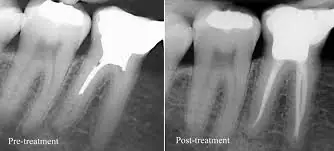
Root Canal Cost Dubai: From AED 800
Tooth Extraction Cost Dubai: From AED 200

Dental Crown Cost Dubai: From AED 800
Wisdom Teeth Removal Dubai: From AED 399
More in Dental

Dental Scaling vs Deep Cleaning Dubai (2026)
Читать далее
Tooth Filling vs Crown Dubai: Which One? (2026)
Читать далее
Dental Crowns vs Veneers Dubai: Guide (2026)
Читать далее
Dentures vs Dental Implants Dubai (2026)
Читать далее
Dental Veneers Cost Dubai: From AED 500 (2026)
Читать далееRoot Canal vs Tooth Extraction Dubai (2026)
Читать далее© 2026 Doctors Clinic Diagnostic Center (DCDC), Dubai Healthcare City. Originally published at https://doctorsclinicdubai.ae/blog/dental-emergency-guide-dubai. All rights reserved. Unauthorized reproduction is prohibited.