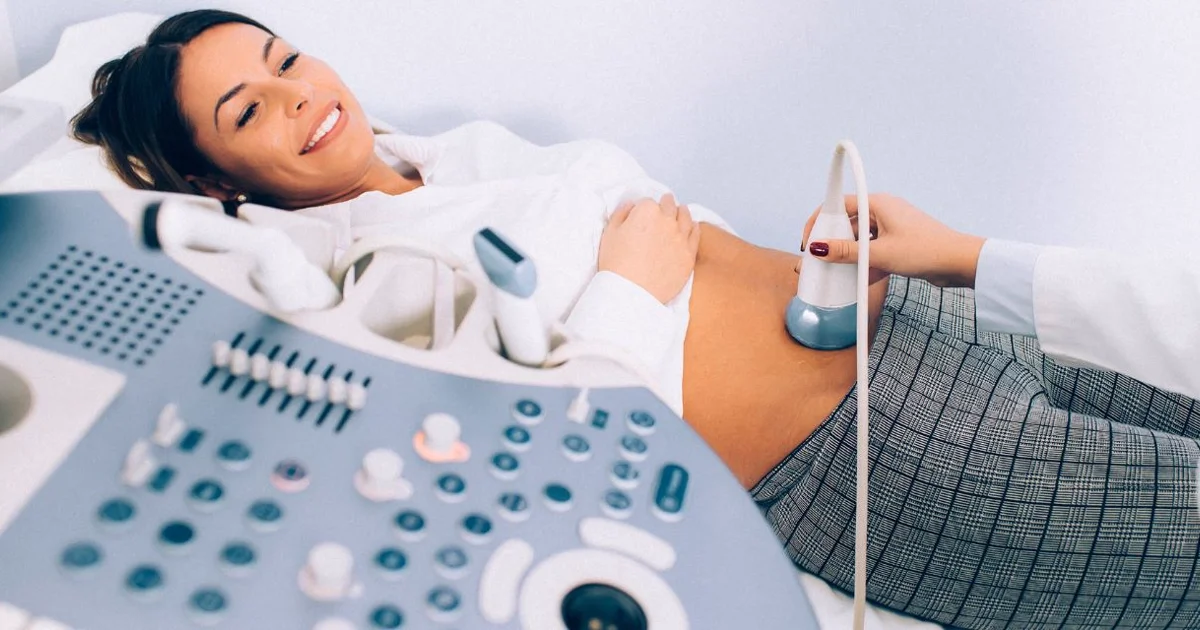
मुख्य बातें
- An ultrasound scan uses high-frequency sound waves to create real-time images of organs, tissues, and blood vessels without any radiation
- There are more than eight types of ultrasound including abdominal, pelvic, thyroid, breast, musculoskeletal, vascular Doppler, pregnancy, and echocardiogram
- Ultrasound can detect gallstones, kidney stones, liver disease, thyroid nodules, ovarian cysts, blood clots, hernias, and many other conditions
- Most ultrasound scans take 15 to 30 minutes, require minimal preparation, and cause no pain or discomfort
- DCDC in Dubai Healthcare City offers same-day ultrasound appointments with results typically available within hours
An ultrasound scan is a diagnostic imaging procedure that uses high-frequency sound waves to produce real-time images of structures inside the body. Unlike X-rays or CT scans, diagnostic ultrasound involves zero radiation, making it one of the safest medical imaging tools available for patients of all ages, including pregnant women and children.
This comprehensive guide explains how ultrasound technology works, describes the different types of ultrasound scans used in clinical practice, and covers everything you need to know before your appointment. Whether your doctor has recommended an ultrasound or you are researching your options, this article provides the detailed, medically reviewed information you need.
What Is Ultrasound and How Does It Work?
Ultrasound imaging, also called sonography, is a medical technique that uses sound waves with frequencies above the range of human hearing (typically between 2 and 18 megahertz) to create pictures of the inside of your body. The technology was first adapted for medical use in the 1950s and has since become one of the most widely used diagnostic tools in modern medicine.
The process begins with a small handheld device called a transducer, which the sonographer places against your skin. The transducer emits pulses of high-frequency sound waves that travel into the body and bounce off internal structures such as organs, tissues, and fluid boundaries. These returning echoes are captured by the same transducer and sent to a computer, which converts them into a detailed, real-time image displayed on a monitor.
Different tissues reflect sound waves differently. Dense structures like bone produce strong echoes and appear bright white on the image. Fluid-filled structures such as cysts or the bladder allow sound waves to pass through and appear dark or black. Soft tissue organs like the liver or kidneys fall somewhere in between, appearing in various shades of grey. This is why ultrasound images are sometimes referred to as greyscale imaging.
One of the greatest advantages of ultrasound is that it produces images in real time. Unlike an MRI or CT scan that captures a snapshot, ultrasound shows movement as it happens. This allows doctors to observe the beating of the heart, the movement of a fetus, blood flowing through vessels, or the motion of tendons and muscles during physical examination. The real-time capability also makes ultrasound ideal for guiding procedures such as biopsies and fluid drainage.
"Ultrasound is the safest imaging tool we have in diagnostic radiology because it uses absolutely zero ionizing radiation," explains Dr. Osama Elzamzami, Consultant Radiologist at DCDC. "This means we can use it repeatedly on any patient, including pregnant women and newborns, without any cumulative risk. For many clinical questions, ultrasound gives us the answer faster and more safely than any other modality."
Types of Ultrasound Scans
Ultrasound technology is remarkably versatile. Different transducers and techniques allow radiologists to examine nearly every part of the body. Below are the main types of ultrasound scans used in clinical practice, each designed for specific diagnostic purposes.
- <strong>Abdominal ultrasound</strong> - Examines the liver, gallbladder, pancreas, spleen, kidneys, and abdominal aorta. It is the first-line test for investigating abdominal pain, jaundice, and suspected gallstones or kidney stones.
- Pelvic ultrasound - Evaluates the uterus, ovaries, fallopian tubes, and bladder in women, or the prostate and seminal vesicles in men. Used to investigate pelvic pain, abnormal bleeding, ovarian cysts, and fibroids.
- Thyroid ultrasound - Provides detailed images of the thyroid gland and surrounding neck structures. Used to evaluate thyroid nodules, goitre, and to guide fine-needle aspiration biopsies when needed.
- Breast ultrasound - Complements mammography by evaluating breast lumps and abnormalities. Particularly useful for distinguishing solid masses from fluid-filled cysts in dense breast tissue.
- Musculoskeletal ultrasound - Assesses muscles, tendons, ligaments, and joints in real time. Valuable for diagnosing rotator cuff tears, tennis elbow, carpal tunnel syndrome, and sports injuries.
- <strong>Vascular Doppler ultrasound</strong> - Measures blood flow speed and direction through arteries and veins. Used to detect blood clots (DVT), carotid artery narrowing, varicose veins, and peripheral artery disease.
- Pregnancy (obstetric) ultrasound - Monitors fetal development, checks the placenta and amniotic fluid, determines gestational age, and detects structural abnormalities. Used throughout all three trimesters.
- Echocardiogram - A specialized ultrasound of the heart that evaluates heart chamber size, valve function, pumping strength, and blood flow patterns. Essential for diagnosing heart failure, valve disease, and congenital heart conditions.
In addition to these standard types, there are specialized techniques such as transvaginal ultrasound (which uses an internal probe for closer evaluation of pelvic organs), transrectal ultrasound (used for prostate assessment), and contrast-enhanced ultrasound (which uses microbubble contrast agents to improve visualization of blood flow in organs like the liver).
What Can an Ultrasound Scan Detect?
An ultrasound scan can identify a wide range of medical conditions across virtually every organ system. Because it provides real-time imaging without radiation, it is often the first diagnostic test ordered when a doctor suspects an internal problem. Below is a comprehensive list of conditions that ultrasound can detect or help evaluate.
- Gallstones - Ultrasound is the gold standard for detecting gallstones and gallbladder inflammation (cholecystitis), with an accuracy rate exceeding 95 percent
- Kidney stones - Identifies stones within the kidneys and checks for hydronephrosis (swelling caused by urine backup)
- Liver disease - Detects fatty liver, cirrhosis, liver cysts, hemangiomas, and focal liver lesions
- Thyroid nodules - Characterizes nodule size, composition, and suspicious features to determine whether biopsy is needed
- Ovarian cysts - Identifies the type, size, and characteristics of ovarian cysts to guide management decisions
- <strong>Pregnancy monitoring</strong> - Confirms pregnancy, tracks fetal growth, checks the placenta, and detects developmental abnormalities
- <strong>Blood clots (DVT)</strong> - Doppler ultrasound detects deep vein thrombosis in the legs and arms with high sensitivity
- Heart conditions - Echocardiography evaluates heart valve function, chamber enlargement, pericardial effusion, and ejection fraction
- Hernias - Visualizes inguinal, umbilical, and incisional hernias, particularly when physical examination is inconclusive
- Appendicitis - Ultrasound is the preferred initial imaging test for suspected appendicitis, especially in children and pregnant women
- Uterine fibroids - Identifies the number, size, and location of fibroids affecting the uterus
- Prostate enlargement - Measures prostate size and evaluates for benign prostatic hyperplasia or suspicious lesions
- Breast lumps - Differentiates between solid tumours and fluid-filled cysts, guiding further investigation
- Musculoskeletal injuries - Detects tendon tears, muscle strains, joint effusions, and soft tissue masses
It is important to note that while ultrasound is excellent for soft tissue evaluation, it has limitations. Sound waves cannot penetrate bone or air-filled structures effectively, which means ultrasound is generally not the best choice for imaging the lungs or the brain in adults. In these cases, CT scans or MRI may be more appropriate.
When Do You Need an Ultrasound Scan?
Doctors recommend ultrasound scans for a wide variety of clinical reasons. The following are the most common situations where your physician may order a diagnostic ultrasound examination.
Abdominal Pain
Abdominal ultrasound is the standard first-line investigation for patients presenting with upper or lower abdominal pain. It can quickly identify gallstones, kidney stones, liver abnormalities, pancreatic problems, enlarged spleen, abdominal aortic aneurysm, and free fluid in the abdomen. Because it provides real-time images and requires no radiation, it is particularly useful for evaluating acute abdominal conditions in emergency settings.
Pregnancy Monitoring
Ultrasound is the cornerstone of prenatal care. An early pregnancy scan confirms viability and gestational age, while mid-pregnancy anomaly scans assess fetal anatomy in detail. Third-trimester scans monitor growth, amniotic fluid levels, and placental position. Additional Doppler studies during pregnancy evaluate blood flow through the umbilical cord and placenta in high-risk cases.
Thyroid Assessment
Thyroid ultrasound is recommended when a doctor feels a lump in the neck during physical examination, when blood tests show abnormal thyroid hormone levels, or when a nodule is found incidentally on another imaging study. High-resolution ultrasound can characterize nodules in detail, measuring their size and evaluating features that help determine whether a fine-needle aspiration biopsy is needed.
Breast Evaluation
Breast ultrasound is frequently used alongside mammography, particularly for women with dense breast tissue where mammography alone may miss lesions. It is also the go-to test when a palpable lump needs immediate assessment, as it can quickly distinguish a harmless fluid-filled cyst from a solid mass requiring further investigation. Ultrasound-guided biopsy allows precise sampling of suspicious breast lesions.
Musculoskeletal Injuries
For patients with joint pain, tendon injuries, or suspected muscle tears, musculoskeletal ultrasound offers significant advantages. Because it provides real-time dynamic imaging, the sonographer can ask you to move the affected area during the scan, revealing injuries that might not be visible on a static MRI. Common indications include rotator cuff assessment, Achilles tendon evaluation, carpal tunnel syndrome, and guidance for joint injections.
Vascular Assessment
When blood flow problems are suspected, Doppler ultrasound provides a non-invasive way to evaluate the circulatory system. It is used to screen for carotid artery stenosis in patients at risk of stroke, detect deep vein thrombosis in patients with leg swelling, assess varicose veins, and monitor blood flow to organs after transplantation. Vascular ultrasound is the first test ordered in most circulatory concerns because it is safe, widely available, and provides immediate results.
Book an Ultrasound Scan in Dubai
DCDC in Dubai Healthcare City offers comprehensive ultrasound scan services with experienced radiologists and advanced equipment. Same-day appointments and results available.
Ultrasound vs CT Scan vs MRI: Which Do You Need?
Patients frequently ask how an ultrasound scan compares to other imaging modalities. Each technology has distinct strengths and limitations. The choice depends on the clinical question being asked, the body part being examined, and patient-specific factors such as age, pregnancy status, and the presence of metal implants. The comparison table below summarizes the key differences.
| Feature | Ultrasound | CT Scan | MRI |
|---|---|---|---|
| Radiation | None | Yes (ionizing radiation) | None |
| Typical duration | 15 to 30 minutes | 5 to 15 minutes | 30 to 60 minutes |
| Best for | Soft tissue, organs, pregnancy, blood flow | Bones, lungs, brain bleeding, acute trauma | Soft tissue detail, brain, spine, joints |
| Cost | Lower | Moderate | Higher |
| Real-time imaging | Yes | No | No |
| Availability | Widely available, portable | Widely available | Less widely available |
| Contrast needed | Usually no | Often yes (iodine-based) | Sometimes (gadolinium-based) |
| Safe in pregnancy | Yes | Generally avoided | Caution in first trimester |
Each imaging modality serves a different purpose. Your doctor selects the most appropriate test based on your specific clinical situation.
In many cases, ultrasound is the starting point. If the ultrasound raises questions that require more detailed evaluation, your doctor may then recommend a CT scan or MRI as a follow-up. For example, an abdominal ultrasound may detect a liver lesion that then requires an MRI for further characterization. Similarly, a musculoskeletal ultrasound showing a complex shoulder tear may be followed by an MRI for surgical planning.
The key advantage of starting with ultrasound is that it is radiation-free, relatively inexpensive, and provides immediate answers. Many conditions can be diagnosed definitively with ultrasound alone, without the need for more advanced imaging.
How to Prepare for an Ultrasound Scan
Preparation requirements for an ultrasound scan vary depending on the type of examination being performed. Following these instructions correctly ensures the best possible image quality and most accurate results.
Abdominal Ultrasound Preparation
For an abdominal ultrasound, you will typically be asked to fast for 6 to 8 hours before your appointment. This means no food or drink (other than small sips of water for taking essential medications). Fasting is necessary because eating causes the gallbladder to contract and release bile, which makes it smaller and more difficult to evaluate. A full gallbladder provides a clear acoustic window and allows the sonographer to identify gallstones, wall thickening, and other abnormalities more accurately. Fasting also reduces intestinal gas, which can obscure the pancreas and other abdominal structures.
Pelvic Ultrasound Preparation
For a transabdominal pelvic ultrasound, you will be asked to have a full bladder. This means drinking approximately 1 litre of water starting about one hour before your scan time, and avoiding urination until after the examination. A distended bladder acts as an acoustic window that pushes the bowel out of the way and provides a clear view of the uterus, ovaries, and surrounding pelvic structures. For a transvaginal ultrasound, a full bladder is not required, and the examination is performed with an empty bladder for patient comfort.
Thyroid and Musculoskeletal Ultrasound
For thyroid, breast, and musculoskeletal ultrasound, no special preparation is needed. You can eat and drink normally before your appointment. Simply wear comfortable, loose clothing that allows easy access to the area being scanned. Remove any jewellery or accessories around the scan area before arriving. If you are having a neck ultrasound, avoid wearing necklaces or high-collared clothing.
- Bring any previous imaging reports or relevant medical records with you
- Bring your doctor's referral letter or request form
- Arrive 10 to 15 minutes early to complete any registration paperwork
- Wear loose, comfortable clothing or a two-piece outfit for easy access to the scan area
- If you are unsure about preparation requirements, call the clinic ahead of time to confirm
What to Expect During Your Ultrasound
Knowing what happens during an ultrasound scan can help you feel relaxed and prepared. The process is straightforward, painless, and typically completed within 15 to 30 minutes.
- Step 1: Registration and preparation - You check in at reception, complete any required forms, and are directed to the ultrasound room. You may be asked to change into a gown or simply expose the area being scanned.
- Step 2: Positioning - The sonographer asks you to lie on the examination table, usually on your back. Depending on the type of scan, you may be asked to lie on your side or adjust your position during the examination.
- Step 3: Gel application - A clear, water-based gel is applied to the skin over the area being examined. This gel eliminates air between the transducer and your skin, allowing the sound waves to transmit efficiently into the body. The gel may feel slightly cool but is completely harmless and washes off easily.
- Step 4: Scanning - The sonographer presses the transducer gently against your skin and moves it across the area of interest. You will see real-time images appearing on the monitor. The sonographer captures multiple images and measurements during the scan. You may feel gentle pressure but should not experience any pain.
- Step 5: Additional views - The sonographer may ask you to hold your breath, roll onto your side, or take a deep breath to obtain clearer images of specific structures. These adjustments are routine and help improve image quality.
- Step 6: Completion - Once all necessary images have been captured, the gel is wiped off, and you can get dressed. There is no recovery period, and you can return to your normal activities immediately.
After the scan, the images are reviewed by a radiologist who prepares a detailed written report. At DCDC, reports are typically available the same day and are sent directly to your referring doctor. If urgent findings are identified, the radiologist communicates with your doctor immediately.
"One of the things patients appreciate most about ultrasound is how quickly it provides answers," says Dr. Osama Elzamzami. "I recall a patient who came in with sudden right upper abdominal pain. Within minutes of starting the scan, we identified multiple gallstones and signs of acute cholecystitis. The diagnosis was confirmed right there on the screen in real time. The patient was referred to a surgeon the same afternoon, and the entire process from walking in to having a diagnosis took less than 30 minutes. That is the power of ultrasound."
Ultrasound Scan at DCDC Dubai Healthcare City
At Doctors Clinic Diagnostic Center (DCDC) in Dubai Healthcare City, we provide a comprehensive range of ultrasound scan services performed by experienced, board-certified radiologists using state-of-the-art equipment. Our ultrasound department is equipped with high-resolution machines capable of performing all types of diagnostic ultrasound, from routine abdominal and pelvic scans to specialized vascular Doppler, musculoskeletal, and thyroid assessments.
With over 1,000 diagnostic scans performed every month and more than 13 years of operation since 2013, DCDC has built a reputation for diagnostic accuracy, rapid turnaround, and patient-centred care. Our team of multilingual radiologists and sonographers ensures clear communication and a comfortable experience for patients from across the UAE and internationally.
We accept walk-in patients and offer same-day appointments for most ultrasound examinations. Results and reports are typically available within hours of your scan, allowing your referring doctor to make timely treatment decisions. We accept most major insurance plans in the UAE, including Daman, Oman Insurance, AXA, MetLife, and Cigna, and we also offer transparent self-pay pricing for patients without insurance.
Located in the heart of Dubai Healthcare City, DCDC is easily accessible from Oud Metha, Karama, Business Bay, and surrounding areas. Whether you need a routine abdominal ultrasound, a pregnancy scan, a thyroid assessment, or a specialized Doppler ultrasound, our team is ready to provide accurate, same-day diagnostics in a professional and welcoming environment.
Need an Ultrasound Scan in Dubai?
At Doctors Clinic Diagnostic Center in Dubai Healthcare City, we provide comprehensive ultrasound scan services with experienced radiologists and advanced equipment. Walk-ins welcome. Same-day appointments and results available.
अक्सर पूछे जाने वाले प्रश्न
Final Thoughts
An ultrasound scan is one of the most versatile, safest, and most widely used diagnostic tools in modern medicine. By using sound waves rather than radiation, it provides real-time images of organs, tissues, and blood flow without any known risk to the patient. From detecting gallstones and monitoring pregnancy to evaluating thyroid nodules and guiding biopsies, ultrasound plays a central role in diagnosing and managing a vast range of medical conditions.
Understanding what an ultrasound is, how it works, and what to expect during your appointment can help you approach the experience with confidence. If your doctor has recommended an ultrasound or you have symptoms that warrant investigation, there is no reason to delay. At Doctors Clinic Diagnostic Center in Dubai Healthcare City, our team of experienced radiologists provides accurate, same-day ultrasound diagnostics in a comfortable, patient-centred environment. Book your appointment today or walk in during clinic hours.
स्रोत एवं संदर्भ
यह लेख हमारी चिकित्सा टीम द्वारा समीक्षित है और निम्नलिखित स्रोतों का संदर्भ देता है:
- RadiologyInfo.org - Ultrasound Imaging
- World Health Organization - Diagnostic Imaging
- American Institute of Ultrasound in Medicine - Practice Guidelines
- British Medical Ultrasound Society - Standards and Guidelines
इस साइट पर चिकित्सा सामग्री DHA-लाइसेंस प्राप्त चिकित्सकों द्वारा समीक्षित है। हमारी देखें संपादकीय नीति अधिक जानकारी के लिए।

लेखक
Dr. Osama Elzamzami
Consultant Radiologist
MD, Radiology
Dr. Osama Elzamzami is a Consultant Radiologist specializing in diagnostic imaging including MRI, CT, ultrasound, and Doppler studies at DCDC Dubai Healthcare City.