मुख्य बातें
- Urine tests in Dubai cost from AED 50 for routine urinalysis to AED 500+ for specialised panels such as 24-hour urine protein or comprehensive drug screening — DCDC offers MOHAP-regulated pricing with an on-site laboratory for faster turnaround
- The six main types of urine tests are: routine urinalysis (dipstick + microscopy), urine culture and sensitivity, microalbumin/uACR, 24-hour urine collection, urine drug screening, and urine pregnancy test (hCG) — each serves a distinct diagnostic purpose
- A routine urinalysis can detect UTIs, kidney disease, diabetes, liver problems, dehydration, and proteinuria — making it one of the most versatile and affordable screening tools in medicine
- Most urine tests require no fasting. A clean-catch midstream sample takes under 5 minutes to collect, and routine results are available within 24 hours at DCDC (same-day for urgent cases)
- At DCDC Dubai Healthcare City, the lab sits on the same floor as specialist clinics (nephrology, internal medicine, cardiology) — your doctor can review abnormal urine results and adjust your treatment plan in the same visit
- Insurance covers most urine tests when ordered by a physician — DCDC works with 20+ insurance partners including Daman, AXA, Bupa, MetLife, and Cigna with direct billing, so you pay nothing out of pocket if your plan covers it
A urine test is one of the simplest, most affordable, and most informative diagnostic tools available — a single sample can reveal signs of urinary tract infections, kidney disease, diabetes, liver problems, dehydration, and even pregnancy. Despite this, many people in Dubai skip routine urinalysis until symptoms become severe. Whether your doctor has ordered a specific urine test, you need pre-employment or visa screening, or you want to proactively check your kidney and metabolic health, this guide covers every type of urine test available in Dubai: what each test detects, how much it costs, how to prepare, and what your results mean. Our laboratory services at DCDC include walk-in urine testing with same-day results in Dubai Healthcare City.
From understanding the difference between a routine dipstick urinalysis and a urine culture, to interpreting your pH, protein, and glucose levels, comparing costs across Dubai facilities, and knowing when a urine test is medically necessary — this is the most comprehensive urine test guide for Dubai residents and visitors. Reviewed by Dr. Hadeel Elnur, MD, General Practitioner at DCDC Dubai Healthcare City.
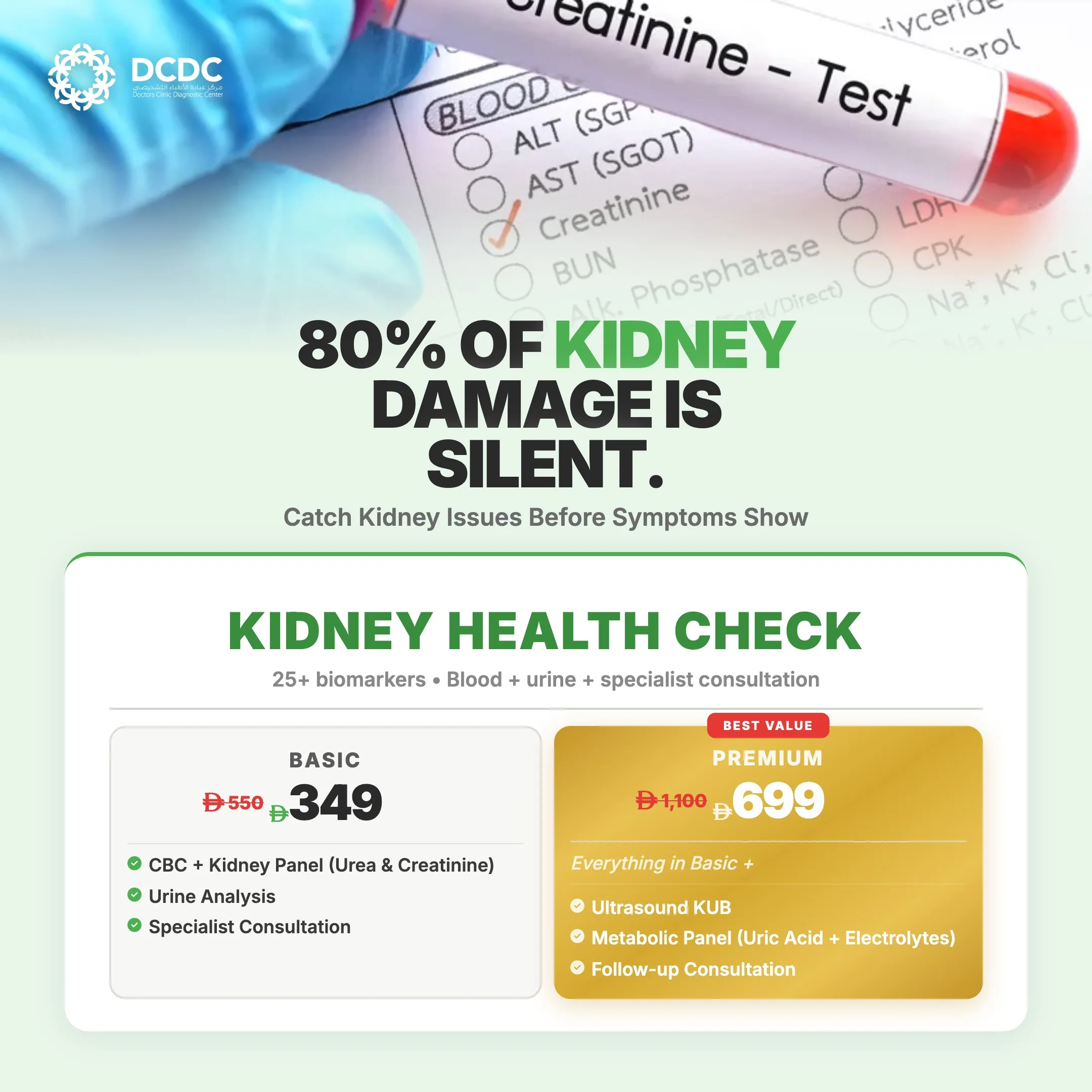
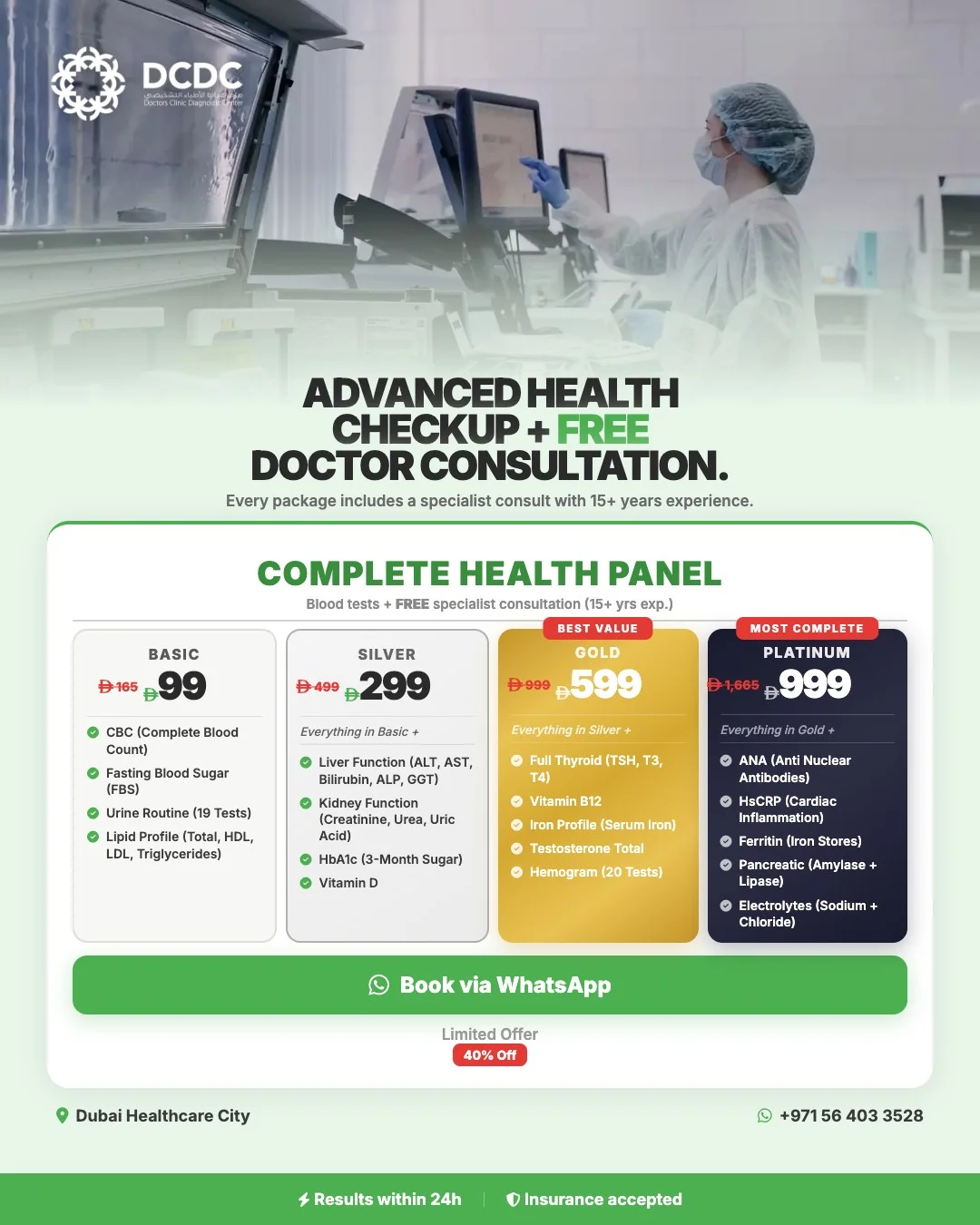
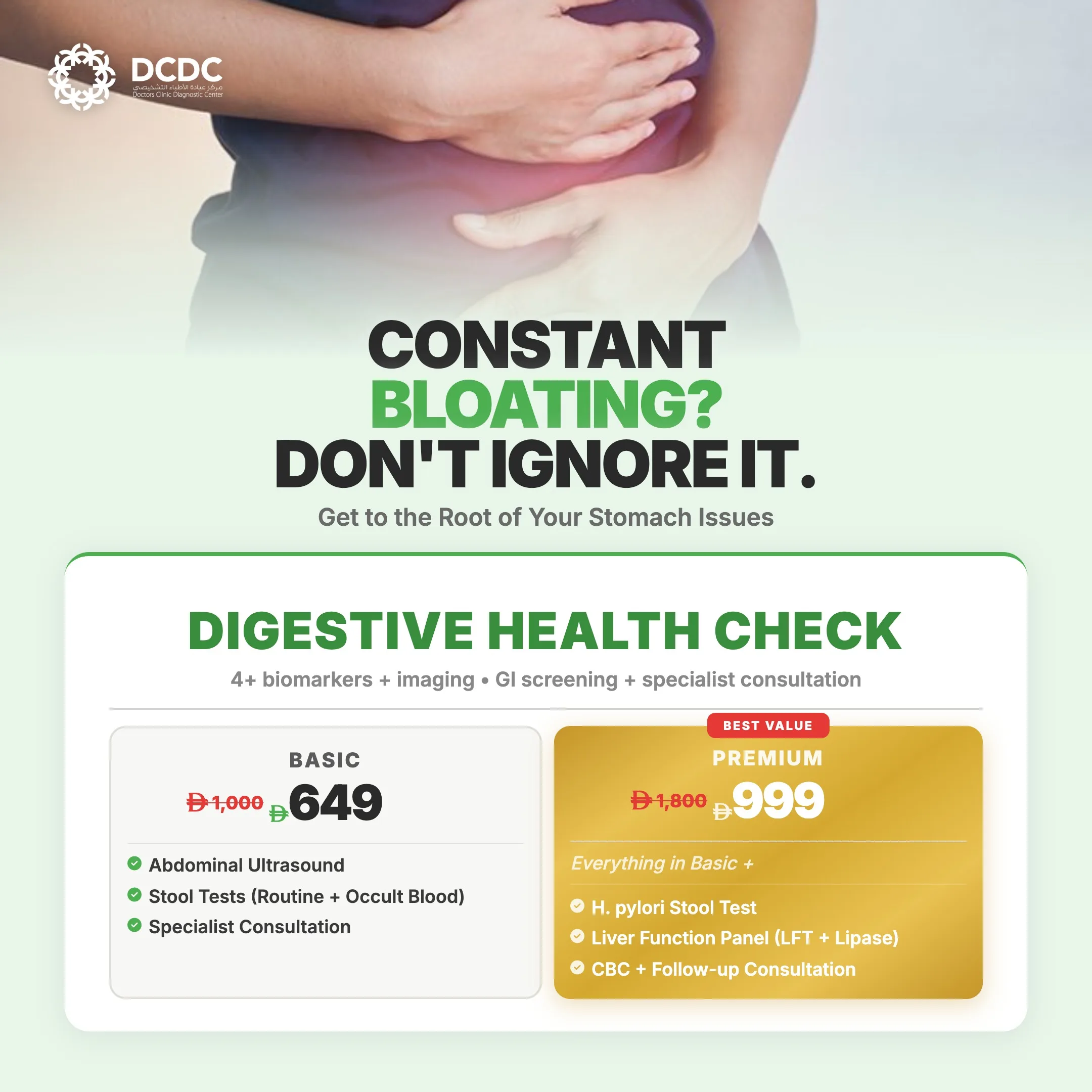
Health Screening Packages
Save with our bundled screening packages — specialist consultation included



What Is a Urine Test (Urinalysis)?
A urine test — medically called urinalysis — is a laboratory examination of your urine sample to check for abnormalities that may indicate disease. Urine is produced by the kidneys as they filter waste products, excess water, and electrolytes from your blood. Because urine passes through the kidneys, ureters, bladder, and urethra, it carries chemical and cellular markers from each of these organs, making it a window into your overall metabolic and urinary tract health.
A complete urinalysis typically involves three stages of analysis. The visual examination assesses colour (pale yellow is normal; dark amber suggests dehydration; red or brown may indicate blood), clarity (cloudy urine may signal infection), and foam (persistent foam can indicate proteinuria). The chemical dipstick test uses a plastic strip treated with reagent pads that change colour when dipped in urine, measuring pH, specific gravity, protein, glucose, ketones, bilirubin, urobilinogen, blood, leukocyte esterase, and nitrites — all within 60 seconds. The microscopic examination involves a laboratory technician examining a centrifuged urine sample under a microscope to identify red blood cells, white blood cells (pus cells), bacteria, yeast, casts, crystals, and epithelial cells that are invisible to the naked eye.
Urinalysis is one of the oldest and most widely performed medical tests. It is ordered as part of routine health checkups, pre-operative assessments, pregnancy monitoring, and whenever a patient presents with urinary symptoms such as burning, frequency, or discoloured urine. In Dubai, urinalysis is included in most health screening packages and is available as a standalone walk-in test at DCDC Dubai Healthcare City.
Types of Urine Tests Available in Dubai
Not all urine tests are the same. Depending on what your doctor is looking for, you may need one or more of the following types of urine tests. Here is a detailed breakdown of each type, what it measures, and when it is ordered:
1. Routine Urinalysis (Dipstick + Microscopy)
What it checks: pH, specific gravity, protein, glucose, ketones, bilirubin, urobilinogen, blood, leukocyte esterase, nitrites, plus microscopic examination for cells, casts, crystals, and bacteria. When ordered: Routine health checkups, pre-operative screening, monitoring chronic conditions (diabetes, hypertension, kidney disease), or investigating symptoms like painful urination, cloudy urine, or frequent urination. Sample type: Clean-catch midstream urine. Results: Usually within 4–24 hours. This is the most commonly ordered urine test and the one included in standard health packages.
2. Urine Culture and Sensitivity (C&S)
What it checks: Identifies the specific bacteria or yeast causing a urinary tract infection and tests which antibiotics will kill them. When ordered: Suspected UTI (especially recurrent or complicated), persistent symptoms despite treatment, or when the dipstick shows positive leukocytes and nitrites. Sample type: Clean-catch midstream urine collected in a sterile container. Results: 24–72 hours (cultures need time to grow). A positive culture with over 100,000 colony-forming units per millilitre (CFU/mL) confirms a UTI, and the sensitivity report guides your doctor in choosing the most effective antibiotic.
3. Microalbumin / Urine Albumin-Creatinine Ratio (uACR)
What it checks: Detects tiny amounts of albumin (protein) in your urine that a standard dipstick cannot pick up. The uACR compares albumin to creatinine to estimate 24-hour protein excretion from a spot sample. When ordered: Annual screening for diabetic kidney disease (diabetic nephropathy), hypertension monitoring, early detection of chronic kidney disease (CKD), and pre-eclampsia screening in pregnancy. Sample type: First-morning spot urine (preferred) or random spot urine. Results: Within 24 hours. Normal uACR is below 30 mg/g. Microalbuminuria (30–300 mg/g) is an early warning sign of kidney damage that is often reversible with treatment.
4. 24-Hour Urine Collection
What it checks: Total protein, creatinine clearance (accurate GFR estimation), calcium, oxalate, citrate, uric acid, and other analytes over a full day. When ordered: Kidney stone evaluation, accurate assessment of kidney function (creatinine clearance), quantifying proteinuria in CKD, and evaluating certain endocrine conditions. Sample type: All urine produced over 24 hours is collected in a special container. You discard the first morning void and then collect every subsequent void, including the first void the following morning. Results: 24–48 hours after submission. While less convenient than spot tests, the 24-hour collection remains the gold standard for quantifying kidney function and stone risk factors.
5. Urine Drug Screening
What it checks: Detects the presence of illicit or controlled substances including amphetamines, barbiturates, benzodiazepines, cocaine, marijuana (THC), methamphetamine, opioids, phencyclidine (PCP), and other drugs. When ordered: Pre-employment screening, visa or residency medical examinations, sports doping control, legal or forensic purposes, and clinical monitoring for patients on controlled medications. Sample type: Observed or unobserved urine collection depending on context. Results: Immunoassay screening results within 24 hours; confirmatory testing (GC-MS/LC-MS) may take 3–5 days. Drug screening is commonly required for UAE employment visas and is available at DCDC as part of our occupational health services.
6. Urine Pregnancy Test (hCG)
What it checks: Detects human chorionic gonadotropin (hCG), a hormone produced by the placenta after implantation. When ordered: Confirming pregnancy, pre-operative screening in women of reproductive age, or as part of early pregnancy assessment. Sample type: First-morning urine (highest hCG concentration) or random urine. Results: Point-of-care dipstick results within 5–10 minutes; lab-based quantitative hCG within 24 hours. While home pregnancy tests work on the same principle, a lab-based urine hCG test at DCDC is more sensitive and can detect pregnancy earlier — typically 6–8 days after conception.
Urine Test Cost in Dubai (2026 Pricing)
Cost is one of the most common questions patients ask about urine testing in Dubai. Prices vary depending on the type of test, the facility, and whether you are using insurance or paying out of pocket. The table below shows typical pricing ranges across Dubai clinics and laboratories, with DCDC pricing positioned competitively thanks to our on-site MOHAP-licensed lab that eliminates third-party outsourcing costs:
| Urine Test Type | What It Detects | DCDC Price (AED) | Dubai Market Range (AED) |
|---|---|---|---|
| Routine Urinalysis (Dipstick + Microscopy) | UTI, protein, glucose, blood, pH, specific gravity | From 50 | 30 – 150 |
| Urine Culture & Sensitivity | Bacterial identification + antibiotic sensitivity | From 120 | 100 – 300 |
| Microalbumin / uACR | Early kidney damage (diabetic nephropathy) | From 80 | 60 – 200 |
| 24-Hour Urine Protein | Total protein excretion, creatinine clearance | From 150 | 120 – 400 |
| 24-Hour Urine (Stone Panel) | Calcium, oxalate, citrate, uric acid for stone risk | From 300 | 250 – 600 |
| Urine Drug Screen (5-Panel) | Amphetamines, cocaine, THC, opioids, PCP | From 150 | 100 – 350 |
| Urine Drug Screen (10-Panel) | Extended panel including benzodiazepines, barbiturates | From 250 | 200 – 500 |
| Urine Pregnancy Test (hCG) | Pregnancy confirmation | From 50 | 30 – 100 |
| Urine Electrolytes | Sodium, potassium, chloride excretion | From 120 | 100 – 250 |
| Urine Cytology | Abnormal cells (bladder cancer screening) | From 200 | 150 – 500 |
Urine test costs in Dubai are indicative ranges (2026). DCDC prices shown are starting rates. Actual cost depends on insurance coverage, test complexity, and add-on panels. Insurance direct billing available.
Why DCDC pricing is competitive: Because our MOHAP-licensed laboratory (License No. NIMY7VY5-240925) is on-site, there are no courier or outsourcing fees. Samples are processed in-house by our lab team, which means lower costs passed on to you and faster turnaround. For patients needing both urine and blood tests in Dubai, combining them in a single visit further reduces overall costs.
What Does a Urine Test Detect?
A urine test is far more than a simple UTI check. Depending on the type of analysis performed, urinalysis can detect or screen for a wide range of conditions affecting the kidneys, urinary tract, liver, and metabolic system. Here are the key conditions a urine test can identify:
Urinary Tract Infections (UTIs)
The most common reason doctors order a urine test. UTIs affect up to 60% of women at some point in their lives. Urinalysis detects UTIs through positive leukocyte esterase (indicates white blood cells fighting infection), positive nitrites (produced by bacteria like E. coli), and bacteria and white blood cells on microscopy. A follow-up urine culture identifies the exact pathogen and which antibiotics will work.
Kidney Disease and Kidney Damage
The kidneys filter your blood and produce urine — when they are damaged, substances that should stay in your blood (protein, blood cells) leak into your urine. Proteinuria (protein in urine) is the hallmark early sign of kidney disease. Microalbuminuria detected by the uACR test catches kidney damage years before symptoms appear, especially in diabetic and hypertensive patients. Red blood cells in urine (hematuria) may indicate glomerulonephritis, kidney stones, or, rarely, kidney cancer. Casts — cylindrical structures formed in kidney tubules — indicate active kidney inflammation.
Diabetes and Prediabetes
Glucose in urine (glycosuria) appears when blood sugar exceeds approximately 180 mg/dL — the threshold at which the kidneys can no longer reabsorb all glucose. While blood tests (fasting glucose, HbA1c) remain the primary diabetes diagnostic tools, urinary glucose is an important screening marker, especially in undiagnosed diabetes. Ketones in urine (ketonuria) indicate that the body is burning fat instead of glucose for energy — seen in uncontrolled diabetes (diabetic ketoacidosis), prolonged fasting, or very low-carbohydrate diets.
Liver Disease
Bilirubin in urine is always abnormal and suggests liver disease or bile duct obstruction. Bilirubin is normally processed by the liver and excreted in stool — when it appears in urine, it may indicate hepatitis, cirrhosis, or gallstones. Elevated urobilinogen may also point to liver dysfunction or haemolytic anaemia (excessive red blood cell breakdown).
Dehydration and Fluid Balance
Specific gravity measures how concentrated your urine is. The normal range is 1.005–1.030. A high specific gravity (above 1.025) indicates concentrated urine and likely dehydration — common in Dubai's hot climate. A persistently low specific gravity may suggest diabetes insipidus or impaired kidney concentrating ability. Urine colour is also a quick indicator: pale straw is ideal, dark amber signals dehydration.
When Do You Need a Urine Test?
Many people only think about urine tests when they have obvious urinary symptoms. But urinalysis plays a much broader role in preventive and diagnostic medicine. Here are the key scenarios when a urine test is recommended:
- Urinary symptoms: Burning or pain during urination, frequent urination, urgency, cloudy or foul-smelling urine, blood in urine, lower abdominal or flank pain
- Annual health checkups: Routine urinalysis is a standard component of preventive screening packages in Dubai — it screens for kidney disease, diabetes, and UTIs that may be asymptomatic
- Diabetes monitoring: Patients with diabetes should have urine microalbumin (uACR) tested annually to detect early diabetic kidney disease — the leading cause of kidney failure worldwide
- Pregnancy: Urine testing is performed at every prenatal visit to screen for gestational diabetes, pre-eclampsia (protein in urine), and UTIs (which are more common during pregnancy)
- Pre-operative screening: Surgeons routinely order urinalysis before procedures to rule out hidden infections or kidney issues that could complicate surgery or anaesthesia
- Kidney stone evaluation: If you have had kidney stones, 24-hour urine analysis identifies the metabolic abnormalities (high calcium, low citrate, high oxalate) driving stone formation
- Hypertension management: High blood pressure damages the kidneys over time. Regular urine protein testing tracks whether your blood pressure treatment is protecting your kidneys
- Employment and visa medicals: UAE employment visas and certain professional licences require urine drug screening as part of the mandatory medical examination
"I recommend a routine urinalysis as part of every annual checkup, especially for patients with diabetes, hypertension, or a family history of kidney disease. It is a quick, painless test that can catch serious conditions early — when they are still treatable. In Dubai’s hot climate, I also frequently use urine specific gravity to assess hydration status, which many patients underestimate." — Dr. Hadeel Elnur, MD, General Practitioner, DCDC Dubai Healthcare City
How to Prepare for a Urine Test
One advantage of urine testing is that most tests require minimal preparation — unlike many kidney function tests that require fasting or timed collections. However, proper sample collection is critical for accurate results. Here is a step-by-step guide to preparing for your urine test:
General Preparation Guidelines
- Stay normally hydrated: Drink your usual amount of water. Do not overhydrate (dilutes the sample) or restrict fluids (concentrates the sample). Either extreme can affect accuracy
- No fasting required: Unlike many blood tests, routine urinalysis does NOT require fasting. You can eat and drink normally before your test
- First-morning sample is best: For routine urinalysis, microalbumin, and pregnancy tests, the first void of the morning provides the most concentrated and diagnostically useful sample. If this is not practical, any time works
- Inform your doctor about medications: Certain medications can affect urine test results. Vitamin C supplements can cause false-negative glucose and blood readings. Rifampin, nitrofurantoin, and some laxatives change urine colour. Always list your current medications when providing a sample
- Women: avoid testing during menstruation if possible, as menstrual blood can contaminate the sample and produce false-positive results for blood and protein
- Avoid strenuous exercise for 24 hours before your test, as intense physical activity can temporarily cause proteinuria and hematuria
Clean-Catch Midstream Technique
The clean-catch midstream method is the standard collection technique for most urine tests. It reduces contamination from skin bacteria and ensures accurate results. Here is the proper technique: (1) Wash your hands thoroughly with soap and water. (2) Clean the genital area with the antiseptic wipe provided by the lab. For women: wipe front to back. For men: clean the tip of the penis. (3) Begin urinating into the toilet. (4) After a few seconds, place the sterile collection cup under the urine stream and collect the midstream portion (this is the "clean catch"). (5) Remove the cup before you finish urinating. (6) Secure the lid tightly without touching the inside of the cup. (7) Hand the sample to the lab technician immediately. At DCDC, our lab team provides clear instructions and a private collection room to make this process straightforward and comfortable.
Special Preparation for Specific Tests
- 24-hour urine collection: You will receive a large collection container from the lab. On the collection day, discard your first morning void and record the time. Collect every subsequent void for 24 hours, including the first void the following morning at the same time. Keep the container refrigerated between collections
- Urine drug screen: Avoid poppy seed-containing foods for 48 hours before testing (can cause false-positive opioid results). Inform the lab of all prescription and over-the-counter medications you are taking
- Urine culture: Do not urinate for at least 1 hour before collection. Drink a glass of water 20 minutes before to ensure adequate sample volume. Use strict clean-catch technique to avoid skin bacteria contamination
Walk-In Urine Testing at DCDC Dubai
No appointment needed for routine urine tests. On-site MOHAP-licensed laboratory with results within 24 hours. Located in Building 64, Block A, Al Razi Medical Complex, Dubai Healthcare City. View our laboratory services or walk in — Sat–Thu 8 AM–10 PM, Fri 9 AM–9 PM.
What to Expect at DCDC: Your Urine Test Visit
Knowing what to expect can ease any anxiety about your visit. Here is the typical patient journey for a urine test at DCDC Dubai Healthcare City, from arrival to results:
Step 1: Arrival and Registration (5 Minutes)
Walk into DCDC at Building 64, Block A, Al Razi Medical Complex, Dubai Healthcare City. Free dedicated parking is available on-site. No appointment is needed for routine urine tests — walk-ins are welcome. At reception, present your Emirates ID (residents) or passport (visitors). If you have insurance, provide your insurance card for direct billing — DCDC works with 20+ insurance partners including Daman, AXA, Bupa, MetLife, and Cigna. Average wait time is just 15 minutes.
Step 2: Sample Collection (5–10 Minutes)
Our experienced lab team provides you with a sterile collection cup and clear instructions for the clean-catch midstream technique. A private, clean collection room is available. If you need help or have questions, our staff are happy to assist. For patients who need both urine and blood tests, samples can be collected in the same visit — the blood draw and urine collection happen in the same lab area for convenience.
Step 3: Laboratory Analysis
Your sample goes directly to our on-site MOHAP-licensed laboratory equipped with advanced automated urine analysers. Dipstick analysis is completed within minutes. Microscopic examination follows. Because the lab is in-house — not outsourced to a third-party facility — there is no transit delay. For routine urinalysis, results are typically available within 4–6 hours. Urine cultures require 24–72 hours for bacterial growth.
Step 4: Results and Doctor Review
Results are delivered digitally. If your results are normal, you receive confirmation and can proceed with confidence. If any abnormalities are found, here is where DCDC offers a unique advantage: our lab sits on the same floor as specialist clinics in nephrology, internal medicine, and cardiology. Your general practitioner can review the results immediately and, if needed, refer you to the appropriate specialist — often for a same-day consultation. This integrated model eliminates the delays that occur when your lab is in one location and your doctor is in another. With a 4.8/5 Google rating from over 1,000 reviews and 98% patient satisfaction, DCDC’s seamless lab-to-doctor workflow is one of the reasons patients return.
Understanding Your Urine Test Results
Receiving your urine test report can be confusing if you do not know what the values mean. Here is a detailed guide to the most important parameters on a routine urinalysis report, with normal ranges and what abnormal values may indicate:
| Parameter | Normal Range | High / Positive May Indicate | Low / Negative Significance |
|---|---|---|---|
| pH | 4.5 – 8.0 (typical 5.0–7.0) | UTI, kidney infection, vegetarian diet, renal tubular acidosis | High-protein diet, dehydration, diabetic ketoacidosis, diarrhoea |
| Specific Gravity | 1.005 – 1.030 | Dehydration, heart failure, SIADH, glycosuria | Overhydration, diabetes insipidus, kidney damage |
| Protein | Negative | Kidney disease, UTI, fever, strenuous exercise, pre-eclampsia | Normal finding (negative is expected) |
| Glucose | Negative | Diabetes (blood sugar > 180 mg/dL), pregnancy, Fanconi syndrome | Normal finding (negative is expected) |
| Ketones | Negative | Uncontrolled diabetes (DKA), fasting, low-carb diet, vomiting | Normal finding (negative is expected) |
| Blood (Haemoglobin) | Negative | UTI, kidney stones, glomerulonephritis, bladder cancer, menstruation | Normal finding (negative is expected) |
| Leukocyte Esterase | Negative | UTI, kidney infection, urethritis, contamination | Normal finding (negative is expected) |
| Nitrites | Negative | Bacterial UTI (Gram-negative bacteria like E. coli) | Does not rule out UTI (some bacteria do not produce nitrites) |
| Bilirubin | Negative | Liver disease, bile duct obstruction, hepatitis, cirrhosis | Normal finding (negative is expected) |
| Urobilinogen | 0.1 – 1.0 mg/dL | Haemolytic anaemia, liver disease (hepatitis, cirrhosis) | Bile duct obstruction, certain antibiotics |
| WBC (Microscopy) | 0 – 5 per high-power field | UTI, kidney infection, interstitial nephritis, contamination | Normal finding |
| RBC (Microscopy) | 0 – 3 per high-power field | Kidney stones, UTI, glomerulonephritis, trauma, malignancy | Normal finding |
Reference ranges are general guidelines. Your laboratory report may use slightly different ranges. Always have your results interpreted by a qualified physician.
Important: A single abnormal value does not necessarily mean disease. Factors like hydration, diet, medications, exercise, and sample collection technique can all influence results. Your doctor interprets your urine test in the context of your symptoms, medical history, and other test results. At DCDC, Dr. Hadeel Elnur and our internal medicine team review all abnormal urine results and determine whether further testing or treatment is needed.
Urine Tests for Specific Conditions
Urine Test for UTI (Urinary Tract Infection)
UTIs are among the most common infections worldwide, affecting approximately 150 million people annually. In Dubai, UTIs are particularly common due to the hot climate (which can lead to dehydration and concentrated urine) and high humidity. The standard diagnostic approach involves a dipstick urinalysis as the first-line screening: positive leukocyte esterase and nitrites strongly suggest infection. If the dipstick is positive or symptoms are severe, a urine culture and sensitivity is ordered to identify the specific bacterium and determine which antibiotics will be effective. This is critical because antibiotic resistance is an increasing concern, and empiric treatment may fail without culture guidance. At DCDC, women with recurrent UTIs can see our GP or internal medicine specialist to investigate underlying causes and develop a prevention strategy.
Urine Test for Kidney Disease
Chronic kidney disease (CKD) affects an estimated 10% of the global population, and many patients are undiagnosed because early-stage kidney disease is asymptomatic. Urine testing is central to kidney disease detection: proteinuria (protein in urine) is the earliest and most important marker. The uACR test can detect microalbuminuria before a standard dipstick turns positive, allowing early intervention. 24-hour urine protein quantifies the severity of protein loss. Microscopic examination for casts (especially red cell casts and waxy casts) indicates active kidney inflammation. At DCDC, our nephrology department works directly with the laboratory to fast-track urine results for patients with suspected kidney disease.
Urine Test for Diabetes
While blood tests (fasting glucose, HbA1c) remain the primary tools for diagnosing and monitoring diabetes, urine tests play a complementary role. Glycosuria (glucose in urine) can be the first incidental finding that leads to a diabetes diagnosis, particularly in unscreened populations. Ketonuria (ketones in urine) is critical for detecting diabetic ketoacidosis (DKA), a life-threatening complication that requires emergency treatment. For diabetic patients already diagnosed, annual uACR testing is the most important urine test — it detects diabetic nephropathy early, when treatment (ACE inhibitors, ARBs, SGLT2 inhibitors) can slow or prevent progression to kidney failure. Learn more in our comprehensive guide to diabetes testing in Dubai.
Urine Test During Pregnancy
Urine testing is a cornerstone of prenatal care. At each antenatal visit, your obstetrician checks urine for: protein (a key marker for pre-eclampsia, which affects 2–8% of pregnancies and can be life-threatening if undetected), glucose (screening for gestational diabetes, which develops in 6–9% of pregnancies), and leukocytes/nitrites (screening for asymptomatic bacteriuria, which affects 2–10% of pregnant women and, if untreated, can progress to pyelonephritis). A urine pregnancy test (hCG) confirms pregnancy in the initial visit. At DCDC, our obstetrics team coordinates with the lab for immediate prenatal urine screening, with results available the same day.
Insurance Coverage and Billing for Urine Tests
Urine tests are among the most commonly covered laboratory investigations under Dubai health insurance plans. Here is what you need to know about insurance and payment for urine tests at DCDC:
- Insurance-covered tests: Routine urinalysis, urine culture, and microalbumin are covered by virtually all Dubai insurance plans when ordered by a physician. Pregnancy-related urine tests are covered under maternity benefits
- Direct billing: DCDC offers direct billing with 20+ insurance partners including Daman, AXA, Bupa, MetLife, Cigna, and more. You pay only your co-pay or deductible — no upfront payment and no claim forms to submit
- Self-pay option: If you do not have insurance or prefer to pay out of pocket, DCDC offers competitive self-pay rates starting from AED 50 for routine urinalysis. No doctor’s referral is required for self-pay urine tests
- DHA basic plan: The mandatory Dubai Health Authority basic plan covers medically necessary urine tests. Preventive screening urinalysis may have annual limits — check your policy
- Package discounts: When urine tests are ordered as part of a comprehensive health checkup package, the per-test cost is significantly lower than ordering each test individually
Urine Test vs Blood Test: When Each Is Needed
Patients sometimes wonder whether a urine test or a blood test is "better." The truth is that they serve different but complementary purposes. Understanding when each is appropriate helps you have informed conversations with your doctor:
| Feature | Urine Test | Blood Test |
|---|---|---|
| Sample collection | Non-invasive (urine sample) | Minimally invasive (needle blood draw) |
| Best for detecting | UTIs, kidney disease (proteinuria), drug use, pregnancy | Diabetes (HbA1c), cholesterol, thyroid, anaemia, liver enzymes |
| Kidney assessment | Protein, albumin, cells, casts (damage markers) | Creatinine, BUN, eGFR (function markers) |
| Diabetes screening | Glucose, ketones (overflow markers) | Fasting glucose, HbA1c (direct measurement) |
| Infection detection | UTI (leukocytes, nitrites, bacteria) | Systemic infection (WBC, CRP, procalcitonin) |
| Fasting required? | No (for most urine tests) | Yes (for lipid panel, fasting glucose, iron) |
| Results turnaround | Dipstick: minutes. Full report: 4–24 hours | Basic panel: 4–6 hours. Full panel: 24 hours |
| Cost range (Dubai) | From AED 50 (routine urinalysis) | From AED 50 (single marker, e.g., fasting glucose) |
Urine and blood tests are complementary — not interchangeable. Your doctor selects the appropriate test based on your symptoms and clinical question.
In most comprehensive health checkups, both urine and blood tests are performed together. At DCDC, you can have both collected in a single visit — blood draw and urine sample on the same floor, processed in the same laboratory, reviewed by the same doctor. This integrated approach provides the most complete picture of your health and is the reason urinalysis is included in nearly every health screening package.
Tips for Accurate Urine Test Results
Even a perfectly processed lab test is only as good as the sample provided. Follow these evidence-based tips to ensure your urine test results are as accurate as possible:
- Use the midstream clean-catch technique every time. The first and last portions of your urine stream contain more contaminants (skin bacteria, epithelial cells) than the midstream portion
- Provide the sample promptly. If you collect urine at home, deliver it to the lab within 1 hour. Bacteria multiply rapidly at room temperature, turning a negative culture positive
- Collect the first-morning sample when possible. It is the most concentrated and provides the most reliable results for protein, glucose, and microscopic examination
- Disclose all medications and supplements. Vitamin C, antibiotics, aspirin, diuretics, and even beetroot consumption can alter results. Full disclosure helps your doctor interpret findings correctly
- Avoid sexual intercourse for 24 hours before the test, as it can introduce contaminants and cause temporary proteinuria or hematuria
- Stay normally hydrated. Drinking excessive water before the test dilutes the sample and may mask abnormalities. Drink your usual amount
Why Choose DCDC for Urine Testing in Dubai
Dubai offers many options for urine testing — from standalone laboratories to home collection services to hospital labs. Here is why patients consistently choose DCDC Dubai Healthcare City for their urine and laboratory tests:
- On-site MOHAP-licensed laboratory: Our lab (License No. NIMY7VY5-240925) is equipped with advanced automated urine analysers and staffed by experienced lab technicians. No outsourcing, no transit delays
- Same-floor specialist access: Abnormal results? Our nephrology, internal medicine, and cardiology specialists are on the same floor. Your GP can refer you immediately for a same-day specialist consultation
- Fast results: Routine urinalysis within 4–6 hours. Most comprehensive panels within 24 hours. Same-day reporting for urgent cases
- Walk-in convenience: No appointment needed for routine urine tests. Open Sat–Thu 8 AM–10 PM, Fri 9 AM–9 PM
- Insurance direct billing: 20+ insurance partners with direct billing. No upfront payment, no claim paperwork
- Patient-rated excellence: 4.8/5 Google rating from 1,000+ reviews, 98% patient satisfaction rate, average wait time of just 15 minutes
- Free parking: Dedicated on-site parking eliminates the hassle of finding parking in Dubai Healthcare City
- Affordable pricing: Starting from AED 50 for routine urinalysis. General blood tests from AED 99. Competitive rates on all laboratory services
Book Your Urine Test at DCDC Today
Walk in or WhatsApp us to schedule your urine test. On-site lab, same-day results, 20+ insurance partners with direct billing. DCDC — Building 64, Block A, Al Razi Medical Complex, Dubai Healthcare City.
Frequently Asked Questions About Urine Tests in Dubai
Below are the most common questions patients in Dubai ask about urine testing, answered by our medical team:
DCDC में संबंधित सेवाएं
दुबई हेल्थकेयर सिटी में विशेषज्ञ देखभाल और उन्नत निदान
Frequently Asked Questions
Your Urine Test, Your Health Insight
A urine test is one of the most underrated diagnostic tools in medicine. It is quick, painless, affordable, and non-invasive — yet it can detect conditions ranging from simple UTIs to early-stage kidney disease, undiagnosed diabetes, and liver dysfunction. In Dubai, where dehydration from the hot climate is common and lifestyle-related conditions like diabetes and hypertension are prevalent, routine urine testing is an essential part of preventive healthcare. If you have not had a urine test in the past 12 months, consider adding one to your next health checkup.
At DCDC Dubai Healthcare City, our on-site MOHAP-licensed laboratory processes urine tests daily with fast turnaround, affordable pricing from AED 50, and the unique advantage of same-floor specialist access if your results need medical attention. Walk in today — Building 64, Block A, Al Razi Medical Complex — or WhatsApp us to discuss which urine tests are right for your health goals.
स्रोत एवं संदर्भ
यह लेख हमारी चिकित्सा टीम द्वारा समीक्षित है और निम्नलिखित स्रोतों का संदर्भ देता है:
- Mayo Clinic — Urinalysis: Overview, Purpose, and Results
- Cleveland Clinic — Urinalysis: What It Is, Purpose, Procedure & Results
- National Kidney Foundation — Urinalysis and Urine Albumin-Creatinine Ratio (uACR)
- NIDDK — Assessing Urine Albumin for Kidney Disease Evaluation
- Cleveland Clinic — Urine Culture: Purpose, Procedure & Results
- NCBI Bookshelf (InformedHealth.org) — Understanding Urine Tests
इस साइट पर चिकित्सा सामग्री DHA-लाइसेंस प्राप्त चिकित्सकों द्वारा समीक्षित है। हमारी देखें संपादकीय नीति अधिक जानकारी के लिए।

लेखक
Dr. Hadeel Elnur
General Practitioner
MD, General Practice
Dr. Hadeel Elnur is a General Practitioner at Doctors Clinic Diagnostic Center (DCDC) in Dubai Healthcare City. As the first point of contact for patients, she coordinates multi-specialty workups, interprets screening results, and provides comprehensive primary care for residents and international visitors.
Related Articles
Blood Test Dubai: Types, Cost & Fasting Guide
Kidney Function Test Cost Dubai: Complete Guide

UTI Treatment & Symptoms in Dubai
Diabetes Test Cost Dubai: HbA1c, Glucose & More
Annual Health Checkup Dubai: Complete Guide
More in General Health

Corporate Wellness Dubai: Programs & Cost (2026)
और पढ़ें
Pre Employment Medical Test Dubai: Cost (2026)
और पढ़ें
Bronchitis Treatment Dubai: Symptoms & Care (2026)
और पढ़ें
Wound Care at Home Dubai: Full Guide (2026)
और पढ़ें
Dizziness Causes Dubai: When to Get Checked (2026)
और पढ़ें
Elderly Care at Home Dubai: Full Guide (2026)
और पढ़ें© 2026 Doctors Clinic Diagnostic Center (DCDC), Dubai Healthcare City. Originally published at https://doctorsclinicdubai.ae/blog/urine-test-dubai-guide. All rights reserved. Unauthorized reproduction is prohibited.