
मुख्य बातें
- Semen analysis in Dubai costs from AED 200-400 for a basic panel, with advanced testing from AED 500-800 depending on parameters measured.
- Male factor infertility accounts for 40-50% of all infertility cases, making semen analysis an essential first-line diagnostic test.
- WHO 2021 reference limits include sperm concentration above 16 million/mL, progressive motility above 30%, and normal morphology above 4%.
- A proper semen sample requires 2-5 days of sexual abstinence before collection for accurate results.
- DCDC offers on-site private collection rooms, same-day analysis, and results within 24-48 hours at their MOHAP-licensed laboratory in Dubai Healthcare City.
- Most major insurance providers in Dubai cover semen analysis when ordered as part of a medically indicated fertility workup.
If you are trying to conceive and wondering whether a male fertility issue could be a factor, a semen analysis is the single most important first step. Male factor infertility contributes to 40-50% of all infertility cases, yet many couples in Dubai delay testing for years. Understanding what a semen analysis costs, what it measures, and where to get one can save you time, money, and emotional stress on your fertility journey.
This guide breaks down semen analysis pricing in Dubai for 2026, explains every parameter measured under WHO 2021 standards, and walks you through what to expect when you book your test at a MOHAP-licensed facility. Whether your GP has recommended testing or you want proactive screening, we cover everything you need to make an informed decision.
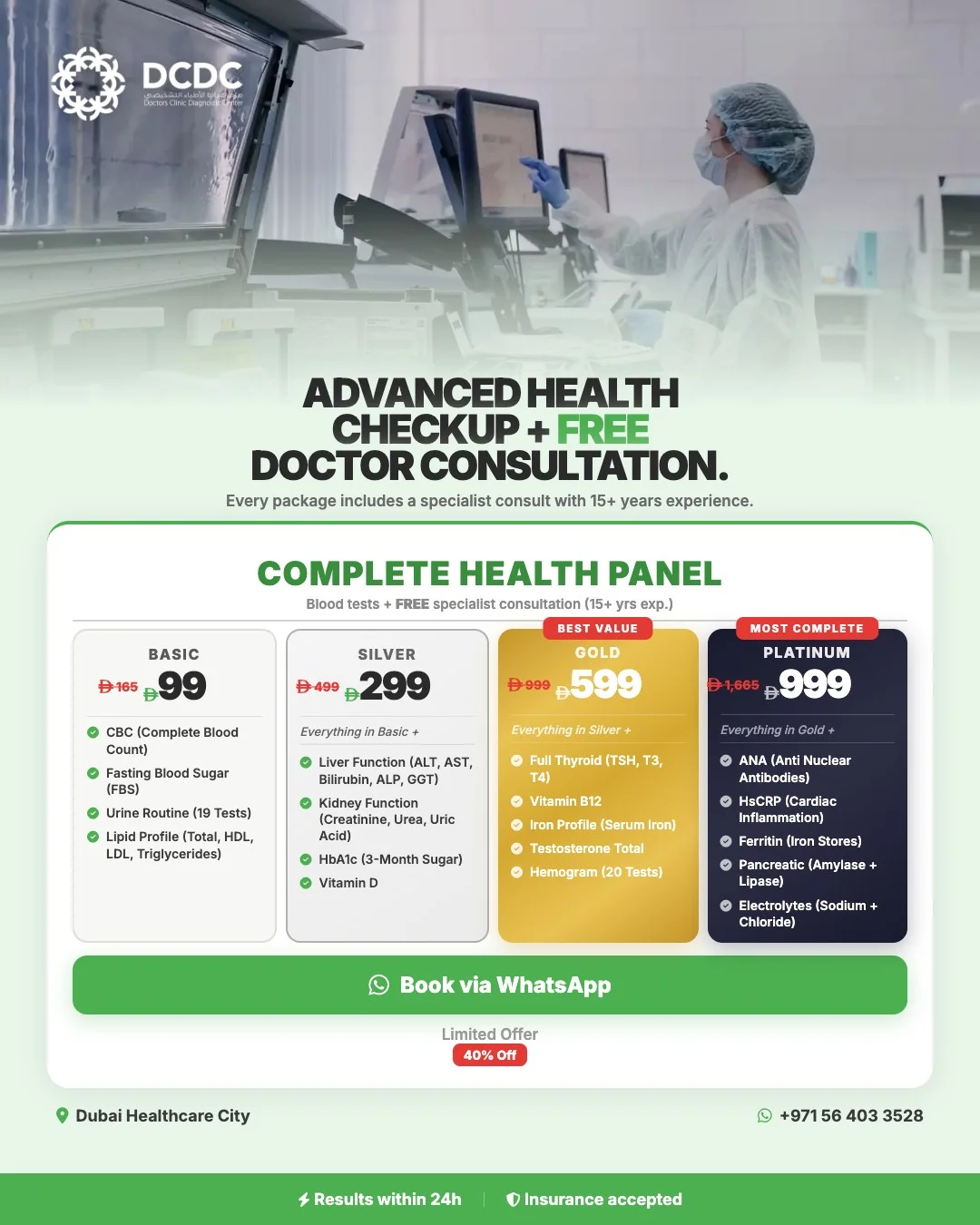
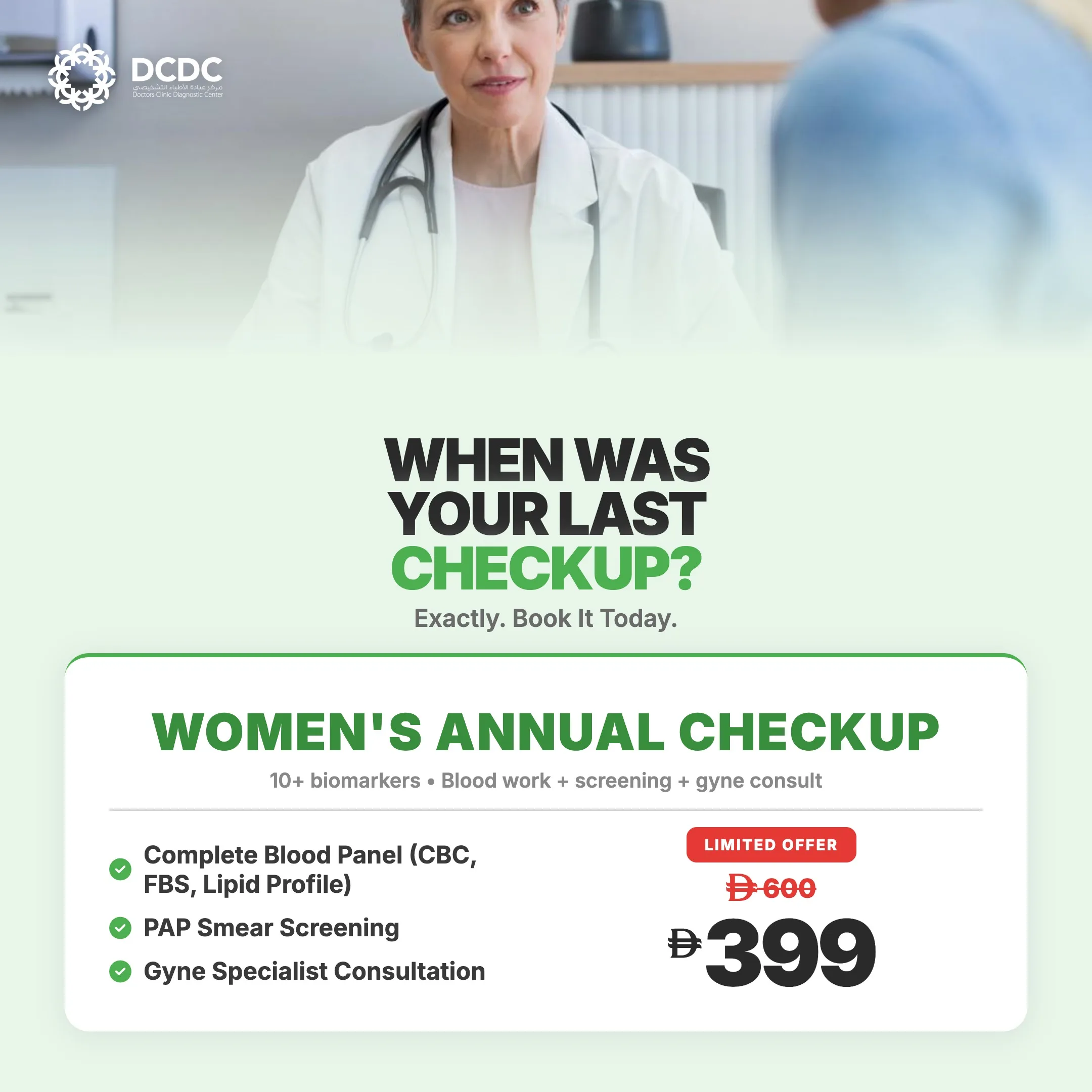
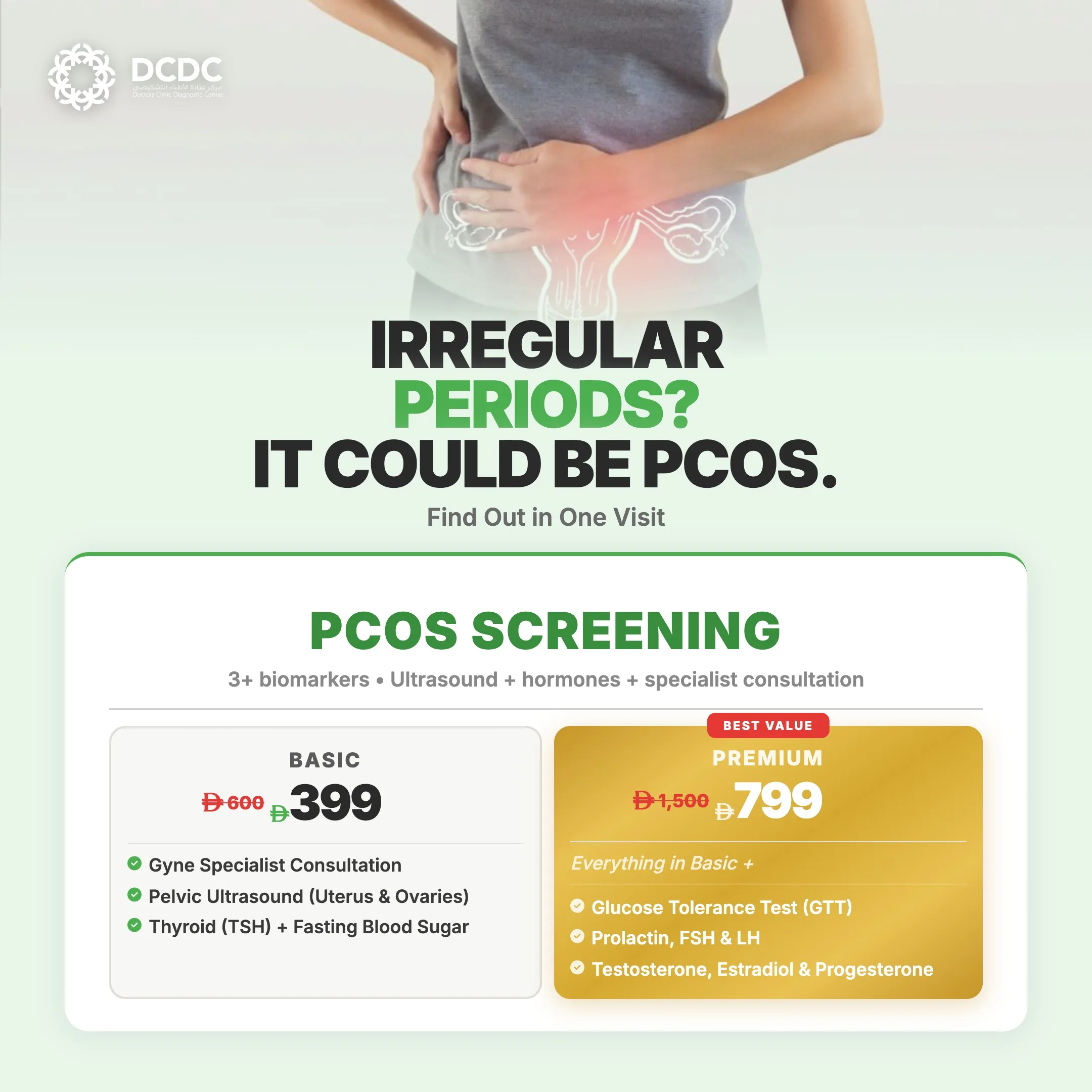
Health Screening Packages
Save with our bundled screening packages — specialist consultation included



Semen Analysis Cost in Dubai: 2026 Price Breakdown
The cost of a semen analysis in Dubai varies depending on the type of test ordered, the number of parameters measured, and whether additional hormone panels are included. Below is a pricing overview for the most commonly requested male fertility tests in 2026.
| Test | What's Included | Price Range (AED) |
|---|---|---|
| Basic Semen Analysis | Volume, concentration, motility, morphology, pH, liquefaction | AED 200-400 |
| Advanced Semen Analysis | All basic parameters + vitality, WBC count, anti-sperm antibodies, DNA fragmentation screening | AED 500-800 |
| Hormone Panel (FSH, LH, Testosterone) | Follicle-stimulating hormone, luteinizing hormone, total testosterone | AED 300-600 |
| Fertility Consultation | Review of results, medical history, lifestyle assessment, next-step planning | AED 250-400 |
| Comprehensive Male Fertility Package | Advanced semen analysis + hormone panel + consultation | AED 900-1,500 |
Semen analysis and male fertility test prices in Dubai, 2026. Prices vary by clinic and insurance coverage.
At DCDC in Dubai Healthcare City, semen analysis is performed in a MOHAP-licensed on-site laboratory with results available within 24-48 hours. The clinic works with 20+ insurance partners including Daman, AXA, and Bupa, offering direct billing so you can often avoid out-of-pocket costs entirely.
Factors That Affect Semen Analysis Pricing in Dubai
Not every semen analysis costs the same. Several factors determine your final bill, and understanding them helps you budget accurately and avoid surprises.
- Number of parameters tested: A basic analysis measuring 5-6 parameters costs less than an advanced panel assessing 15+ parameters including DNA fragmentation and anti-sperm antibodies.
- Clinic location and accreditation: Facilities in Dubai Healthcare City (DHCC) and other medical free zones often have higher accreditation standards, which can influence pricing but also ensures quality.
- Add-on hormone panels: Many physicians recommend pairing semen analysis with a hormone panel including FSH, LH, and testosterone to get a complete picture of reproductive health. This adds AED 300-600 to the total cost.
- Insurance coverage: Most major Dubai insurers cover semen analysis when it is ordered for a medical indication such as infertility investigation. Direct billing eliminates upfront payment at clinics like DCDC.
- Repeat testing: WHO guidelines recommend at least two semen analyses performed 2-4 weeks apart to confirm abnormal findings, which means you may need to budget for more than one test.
What Is a Semen Analysis and Why Does It Matter?
A semen analysis, sometimes called a sperm count test or seminogram, is a laboratory evaluation of a semen sample to assess male fertility potential. It is the cornerstone of male infertility investigation and one of the first tests any fertility specialist will order when a couple has difficulty conceiving.
According to the World Health Organization, male factor infertility is involved in approximately 40-50% of all infertility cases globally. Despite this, many couples focus exclusively on female testing first, sometimes delaying the simpler and less invasive semen analysis for months or years. A single semen analysis can reveal conditions like oligozoospermia (low sperm count), asthenozoospermia (poor motility), and teratozoospermia (abnormal morphology) that directly impact natural conception chances.
"In my experience, I always recommend that both partners undergo fertility testing simultaneously rather than sequentially," says Dr. Hadeel Elnur, General Practitioner at DCDC. "A semen analysis is non-invasive, relatively inexpensive, and provides critical information within 24-48 hours. Identifying a male factor early can completely change the treatment approach and save couples significant time and expense."
Semen Analysis Parameters: What WHO 2021 Standards Measure
Modern semen analysis follows the WHO 2021 Laboratory Manual for the Examination and Processing of Human Semen (6th edition), which updated reference limits based on global population data. At DCDC, every semen analysis measures 15+ parameters against these evidence-based benchmarks.
| Parameter | WHO 2021 Reference Limit | Clinical Significance |
|---|---|---|
| Semen Volume | 1.4 mL or more | Low volume may indicate ejaculatory duct obstruction or retrograde ejaculation |
| Sperm Concentration | 16 million/mL or more | Below this threshold is classified as oligozoospermia |
| Total Sperm Count | 39 million or more per ejaculate | Reflects overall sperm production capacity |
| Progressive Motility | 30% or more | Sperm that swim forward effectively; critical for reaching the egg |
| Total Motility | 42% or more | Includes both progressive and non-progressive movement |
| Normal Morphology | 4% or more (strict criteria) | Percentage of sperm with normal head, midpiece, and tail shape |
| pH | 7.2 or higher | Abnormal pH may indicate infection or accessory gland dysfunction |
| Liquefaction Time | Within 60 minutes | Delayed liquefaction can trap sperm and reduce motility |
| Viscosity | Normal (pours in drops) | Hyperviscosity can impair sperm transport through cervical mucus |
WHO 2021 semen analysis reference limits (6th edition). Values below these thresholds warrant further investigation.
It is important to understand that falling below one or more WHO reference limits does not automatically mean you cannot conceive naturally. These are population-based 5th percentile values from men whose partners conceived within 12 months. Your physician will interpret your results in the context of your overall health, your partner's fertility status, and your conception timeline.
How to Prepare for a Semen Analysis
Proper preparation is essential for accurate semen analysis results. Failure to follow preparation guidelines can lead to falsely abnormal readings and unnecessary anxiety or repeat testing. Here is what you need to do before your appointment.
- Abstain from ejaculation for 2-5 days: This is the most important preparation step. Abstaining for fewer than 2 days may result in a lower sperm count, while abstaining for more than 5 days can reduce motility and increase the percentage of abnormal forms.
- Avoid alcohol for at least 72 hours: Alcohol consumption can temporarily affect sperm parameters. While chronic alcohol use has well-documented effects on fertility, even short-term intake before testing can skew results.
- Avoid excessive heat exposure for 72 hours: Hot baths, saunas, steam rooms, and prolonged laptop use on your lap can raise scrotal temperature and temporarily impair sperm production and motility.
- Report all medications: Certain medications including testosterone supplements, anabolic steroids, chemotherapy agents, and some antibiotics can significantly affect sperm production. Inform your physician about everything you take, including supplements.
- Stay hydrated and well-rested: General health affects semen parameters. Arrive for your appointment in a reasonably rested state and well-hydrated.
- Plan for on-site collection: For the most accurate results, the sample should be analysed within 30-60 minutes of collection. DCDC provides a private, comfortable collection room on-site to eliminate transport-related issues.
If you are also considering broader health screening, a comprehensive men's health screening can be coordinated alongside your semen analysis to assess cardiovascular risk factors, metabolic markers, and other parameters that affect both general and reproductive health.
What to Expect at DCDC: Your Semen Analysis Appointment
Knowing exactly what happens during your visit can reduce anxiety and help you prepare mentally. At DCDC in Dubai Healthcare City, the process is designed for maximum privacy and efficiency, with most patients spending no more than 30-45 minutes at the clinic.
- Step 1 - Check-in and registration: Arrive at Building 64, Block A, Al Razi Medical Complex in Dubai Healthcare City. The multilingual front desk team (Arabic, English, Farsi, Urdu, Hindi) will verify your insurance details and handle direct billing if applicable. Average wait time is approximately 15 minutes.
- Step 2 - Brief consultation: A physician will review your medical history, current medications, abstinence period, and any relevant lifestyle factors. This ensures your sample can be accurately interpreted.
- Step 3 - Sample collection: You will be escorted to a private, comfortable collection room. The room is lockable, clean, and designed for discretion. Staff will provide a sterile specimen container and clear instructions.
- Step 4 - Laboratory analysis: Your sample is processed immediately in the on-site MOHAP-licensed laboratory. Technicians assess macroscopic parameters (volume, pH, liquefaction, viscosity, colour) and microscopic parameters (concentration, motility, morphology, vitality, white blood cells).
- Step 5 - Results and follow-up: Results are typically available within 24-48 hours. You can receive them via a secure patient portal, in person, or during a follow-up consultation where a physician explains each parameter and recommends next steps if needed.
DCDC maintains a 4.8 out of 5 Google rating from over 1,000 verified patient reviews, with a 98% patient satisfaction rate. Free parking is available on-site, and the clinic is open Saturday through Thursday from 8 AM to 10 PM and Friday from 9 AM to 9 PM, making it easy to schedule your test around your work commitments.
Book Your Semen Analysis at DCDC
Get accurate WHO 2021 standard results within 24-48 hours. Private collection room, on-site laboratory, and direct insurance billing available at Dubai Healthcare City.
Call, WhatsApp, or book online to schedule your appointment.
Understanding Your Semen Analysis Results
Receiving your semen analysis report can feel overwhelming, especially if some values fall below WHO reference limits. Here is how to interpret the most common findings and what they mean for your fertility.
Normal Results (Normozoospermia)
If all measured parameters meet or exceed WHO 2021 reference limits, your result is classified as normozoospermic. This is encouraging but does not guarantee fertility, as factors like sperm DNA integrity, female partner health, and timing of intercourse also play a role. Approximately 15% of men with normal semen parameters still experience subfertility due to functional issues not captured by standard analysis.
Common Abnormal Findings
- Oligozoospermia (low count): Sperm concentration below 16 million/mL. Mild oligozoospermia (10-16 million/mL) may still allow natural conception, while severe oligozoospermia (below 5 million/mL) often requires assisted reproduction.
- Asthenozoospermia (poor motility): Progressive motility below 30% or total motility below 42%. Sperm that cannot swim effectively have difficulty reaching and penetrating the egg.
- Teratozoospermia (abnormal morphology): Normal forms below 4% using strict Kruger criteria. While this sounds alarming, it is one of the most common findings and does not preclude natural conception in many cases.
- Azoospermia (no sperm): Complete absence of sperm in the ejaculate. This requires further investigation to determine whether it is obstructive (blocked ducts) or non-obstructive (production failure), as treatment options differ significantly.
- Oligoasthenoteratozoospermia (OAT): A combination of low count, poor motility, and abnormal morphology. OAT syndrome is the most common diagnosis in male infertility and often benefits from both lifestyle modification and medical intervention.
One abnormal semen analysis does not define your fertility. The WHO and the American Urological Association both recommend repeating the test after 2-4 weeks before drawing conclusions, as semen parameters naturally fluctuate due to illness, stress, sleep quality, and other temporary factors.
Semen Analysis and Insurance Coverage in Dubai
One of the most common questions patients ask is whether their insurance covers semen analysis. In Dubai, coverage depends on your specific insurance plan, but the majority of comprehensive health insurance policies do include male fertility testing when it is medically indicated.
- DHA-mandated basic plans: The Dubai Health Authority requires all employer-sponsored health insurance to cover essential diagnostic tests. Semen analysis is generally covered when ordered by a licensed physician for infertility investigation.
- Enhanced and premium plans: Plans from providers like Daman, AXA, Bupa, and others typically cover semen analysis along with related hormone panels and specialist consultations.
- Direct billing at DCDC: With 20+ insurance partners, DCDC can bill your insurer directly, so you pay nothing out of pocket if your plan covers the test. The front desk team verifies your coverage before your appointment.
- Self-pay options: If you do not have insurance coverage, basic semen analysis starts from AED 200-400, making it one of the most affordable fertility tests available.
When Should You Get a Semen Analysis?
While semen analysis is most commonly ordered after a couple has been trying to conceive for 12 months without success (or 6 months if the female partner is over 35), there are several other situations where testing is appropriate.
- Proactive fertility screening: Men planning to start a family in the near future can benefit from a baseline semen analysis, particularly if they are over 40, have a history of testicular issues, or have been exposed to environmental toxins.
- Post-vasectomy confirmation: A semen analysis 8-12 weeks after vasectomy confirms the procedure was successful.
- Before fertility treatment: Semen analysis is mandatory before IUI (intrauterine insemination) or IVF (in vitro fertilisation) to determine the most appropriate assisted reproduction technique.
- Monitoring treatment response: If you have been prescribed medication for a hormonal imbalance or have made lifestyle changes to improve fertility, repeat semen analysis tracks whether those interventions are working.
- After cancer treatment: Chemotherapy and radiation can affect sperm production. Post-treatment semen analysis assesses recovery of spermatogenesis.
- Testosterone therapy monitoring: Exogenous testosterone suppresses sperm production. Men on TRT who wish to preserve fertility need regular monitoring. Our testosterone testing guide covers how hormone levels interact with male fertility.
Lifestyle Factors That Affect Semen Quality
Research consistently shows that modifiable lifestyle factors have a significant impact on semen quality. If your semen analysis reveals borderline or abnormal results, addressing these factors over 2-3 months (one full spermatogenesis cycle takes approximately 74 days) can often improve parameters meaningfully.
- Diet and nutrition: A Mediterranean-style diet rich in antioxidants, omega-3 fatty acids, zinc, selenium, folate, and vitamin D is associated with better sperm parameters. Processed foods, trans fats, and high sugar intake are linked to poorer outcomes.
- Body weight: Obesity is associated with lower sperm concentration, reduced motility, and hormonal imbalances (elevated estrogen, reduced testosterone). Even a 5-10% reduction in body weight can improve semen parameters in overweight men.
- Exercise: Moderate regular exercise (150 minutes per week) supports healthy testosterone levels and sperm production. However, excessive endurance training and anabolic steroid use can suppress spermatogenesis.
- Smoking and tobacco: Smoking reduces sperm concentration by 15-20% and motility by 10-15% on average. It also increases sperm DNA fragmentation, which affects embryo development.
- Alcohol: Heavy alcohol consumption (more than 14 units per week) is associated with reduced semen quality and altered hormone levels. Moderate consumption appears to have minimal impact.
- Heat exposure: Occupational heat exposure, frequent sauna use, tight underwear, and prolonged sitting can raise scrotal temperature above the optimal 34-35 degrees Celsius, impairing sperm production.
- Stress and sleep: Chronic psychological stress and sleep deprivation (fewer than 6 hours per night) are associated with lower testosterone levels and reduced semen quality.
- Environmental toxins: Exposure to pesticides, heavy metals, bisphenol A (BPA), phthalates, and certain industrial chemicals can act as endocrine disruptors and impair spermatogenesis.
Semen Analysis vs. Other Male Fertility Tests
While semen analysis is the gold standard first-line test, it does not capture every aspect of male fertility. Depending on your results and clinical picture, your physician may recommend additional investigations.
| Test | What It Measures | When It's Recommended |
|---|---|---|
| Standard Semen Analysis | Count, motility, morphology, volume, pH | First-line test for all men undergoing fertility evaluation |
| Sperm DNA Fragmentation | Integrity of sperm genetic material | Recurrent miscarriage, unexplained infertility, failed IVF cycles |
| Hormone Panel (FSH, LH, Testosterone) | Reproductive hormone levels | Abnormal semen analysis, suspected hormonal cause, low libido |
| Anti-Sperm Antibody Test | Immune reaction against own sperm | Post-vasectomy reversal, genital tract infection history |
| Scrotal Ultrasound | Testicular structure, varicocele detection | Abnormal physical examination, low sperm count |
| Genetic Testing (Karyotype, Y-microdeletion) | Chromosomal and genetic abnormalities | Severe oligozoospermia, azoospermia |
Comparison of male fertility tests. Semen analysis remains the essential first step before more specialised investigations.
A comprehensive fertility workup often includes both partners being evaluated concurrently. While this guide focuses on male testing, women may undergo assessments like an HSG test to evaluate fallopian tube patency alongside their partner's semen analysis. Coordinating both evaluations simultaneously is the most time-efficient approach.
Start Your Fertility Assessment Today
DCDC offers comprehensive male and female fertility testing under one roof at Dubai Healthcare City. Same-day semen analysis with results in 24-48 hours.
Direct insurance billing with 20+ providers. Free parking available.
Choosing a Semen Analysis Clinic in Dubai
Not all laboratories offer the same standard of semen analysis. When choosing where to have your test performed in Dubai, consider the following factors to ensure you receive accurate, clinically useful results.
- WHO 2021 compliance: Ensure the laboratory follows current WHO 6th edition standards, not outdated 4th or 5th edition reference values. This affects how your results are classified and interpreted.
- MOHAP licensing: A MOHAP-licensed facility meets the UAE Ministry of Health's quality and safety standards for diagnostic laboratories.
- On-site collection: Clinics with private collection rooms eliminate the need to transport a sample from home, which can degrade quality. The sample should be analysed within 30-60 minutes of production.
- Turnaround time: Same-day or next-day results allow your physician to act quickly. Waiting a week or more for basic semen analysis results is unnecessary.
- Physician review: Choose a facility where a qualified physician reviews and interprets your results, not just a printed lab report. Context matters enormously in semen analysis interpretation.
- Privacy and comfort: The collection process is personal. A clinic that prioritises patient comfort with a dedicated, private, clean collection room demonstrates attention to patient experience.
At DCDC, all of these criteria are met. Located in Building 64, Block A, Al Razi Medical Complex in Dubai Healthcare City, the clinic combines MOHAP-licensed diagnostics with a patient-centred approach that has earned a 4.8/5 rating from over 1,000 verified Google reviews.
Next Steps After Your Semen Analysis
What happens after you receive your semen analysis results depends on the findings. Here is a general roadmap based on the most common scenarios.
If Results Are Normal
Normal semen parameters are reassuring, but if you and your partner have been trying to conceive for 12 months or longer, further investigation is needed. Your physician may recommend a comprehensive blood test panel to check thyroid function, metabolic markers, and other health parameters. Your partner should also undergo evaluation if she has not already done so.
If Results Are Mildly Abnormal
Borderline or mildly abnormal results (values slightly below WHO reference limits) often improve with lifestyle modifications over 2-3 months. Your physician may recommend dietary changes, weight management, stress reduction, and supplements such as coenzyme Q10, zinc, and L-carnitine. A repeat semen analysis after 10-12 weeks assesses whether these changes have had an effect.
If Results Are Significantly Abnormal
Markedly abnormal results warrant further investigation including hormone panels (FSH, LH, testosterone, prolactin), scrotal ultrasound, and potentially genetic testing. Your GP will coordinate referrals to urology or reproductive endocrinology depending on the suspected cause. Conditions like varicocele, hormonal imbalance, and obstructive azoospermia often have effective treatments.
If Results Show Azoospermia
Azoospermia requires urgent specialist referral to determine whether sperm production is occurring but blocked (obstructive) or not occurring at all (non-obstructive). Hormone levels, genetic testing, and potentially testicular biopsy or micro-TESE can identify the cause and guide treatment. Even in azoospermia, surgically retrieved sperm can sometimes be used for IVF-ICSI.
Male Fertility and Age: What the Evidence Shows
While age-related fertility decline is more dramatic in women, men also experience gradual changes in reproductive function. Understanding these trends can help you make informed decisions about family planning timelines.
Research published in Fertility and Sterility shows that semen volume declines by approximately 0.03 mL per year after age 30, and sperm motility decreases by about 0.7% per year. Morphology also deteriorates gradually. Men over 45 have higher rates of sperm DNA fragmentation, which is associated with reduced fertilisation rates, impaired embryo development, and increased miscarriage risk in their partners.
However, unlike women, men do not have a defined fertility endpoint. Many men father children naturally well into their 50s and beyond. The key is proactive testing. If you are over 40 and planning to start or expand your family, a baseline semen analysis combined with a hormone panel provides valuable information about your current reproductive capacity and helps your physician recommend any necessary interventions early.
Frequently Asked Questions About Semen Analysis in Dubai
Below are the most common questions our physicians at DCDC receive about semen analysis testing, preparation, costs, and results interpretation.
DCDC में संबंधित सेवाएं
दुबई हेल्थकेयर सिटी में विशेषज्ञ देखभाल और उन्नत निदान
Frequently Asked Questions
Final Thoughts
A semen analysis is the most important first step in evaluating male fertility, and there is no medical reason to delay it. The test is quick, non-invasive, relatively inexpensive, and provides information that can fundamentally change your fertility treatment plan. Whether you are actively trying to conceive, planning for the future, or following up on a previous result, understanding your semen parameters gives you and your physician the data needed to make informed decisions.
At DCDC in Dubai Healthcare City, semen analysis is performed to WHO 2021 standards in a MOHAP-licensed on-site laboratory with private collection facilities and results available within 24-48 hours. With direct billing for over 20 insurance providers, multilingual staff, and extended hours including weekends, getting tested has never been more convenient. If your results require further investigation, DCDC coordinates referrals to urology, reproductive endocrinology, and other specialists within the same medical complex.
Do not let stigma or uncertainty keep you from a test that takes less than an hour and could save you months or years on your fertility journey. Book your semen analysis today and take the first step toward answers.
स्रोत एवं संदर्भ
यह लेख हमारी चिकित्सा टीम द्वारा समीक्षित है और निम्नलिखित स्रोतों का संदर्भ देता है:
- World Health Organization — WHO Laboratory Manual for the Examination and Processing of Human Semen, 6th Edition (2021)
- American Urological Association — Diagnosis and Treatment of Infertility in Men: AUA/ASRM Guideline (2024)
- American Society for Reproductive Medicine — Diagnostic Evaluation of the Infertile Male: A Committee Opinion (2024)
- Mayo Clinic — Semen Analysis: Overview, Preparation, and Results
- Cleveland Clinic — Semen Analysis: Purpose, Procedure, and Results
- Fertility and Sterility — The Effect of Male Age on Semen Parameters: Analysis of 1,364 Men (Kidd et al.)
इस साइट पर चिकित्सा सामग्री DHA-लाइसेंस प्राप्त चिकित्सकों द्वारा समीक्षित है। हमारी देखें संपादकीय नीति अधिक जानकारी के लिए।

लेखक
Dr. Hadeel Elnur
General Practitioner
MD, General Practice
Dr. Hadeel Elnur is a General Practitioner at Doctors Clinic Diagnostic Center (DCDC) in Dubai Healthcare City. As a first point of contact for patients, she coordinates multi-specialty workups including male and female fertility evaluations, ensuring patients receive comprehensive, evidence-based care.
Related Articles
Hormone Test Dubai Guide
Testosterone Test Dubai Guide
Men's Health Screening Dubai
Blood Test Dubai Guide
© 2026 Doctors Clinic Diagnostic Center (DCDC), Dubai Healthcare City. Originally published at https://doctorsclinicdubai.ae/blog/semen-analysis-fertility-test-dubai. All rights reserved. Unauthorized reproduction is prohibited.