
मुख्य बातें
- Menstrual cramps (dysmenorrhea) affect up to 90 percent of women of reproductive age, yet only 15 percent seek medical evaluation despite available treatments
- Period pain that stops you from attending work or school, lasts beyond the first 2 to 3 days, or worsens over time may indicate an underlying condition requiring investigation
- Secondary dysmenorrhea caused by endometriosis, fibroids, or adenomyosis requires specific treatment beyond standard painkillers and should be diagnosed via ultrasound and clinical assessment
- Dubai lifestyle factors including vitamin D deficiency from indoor living, sedentary office work, high stress, and prolonged air conditioning exposure can intensify menstrual pain
- A gynecology consultation for period pain at DCDC starts from AED 500, with same-day pelvic ultrasound from AED 300 and hormone panels from AED 200 available on-site
- Self-care measures including heat therapy, regular exercise, magnesium supplementation, and anti-inflammatory diet can reduce mild to moderate cramps by 25 to 50 percent
- NSAIDs taken 1 to 2 days before expected period onset are significantly more effective than waiting until pain begins, reducing prostaglandin production before the inflammatory cascade starts
- DCDC offers one-visit diagnostic workup where ultrasound, blood tests, and specialist consultation can all be completed on the same day, with results discussed immediately
Period pain is one of the most common reasons women miss work, cancel plans, and suffer in silence. If your menstrual cramps have become severe enough to disrupt your daily life, you deserve answers — not dismissal. At Doctors Clinic Diagnostic Center (DCDC) in Dubai Healthcare City, our gynecology team provides compassionate, thorough evaluation of period pain through a women's health consultation that identifies whether your cramps are normal or signaling something that needs treatment. This guide explains how to grade your pain, when to worry, what conditions cause severe cramps, and what relief options are available in Dubai.
Menstrual cramps — medically termed dysmenorrhea — affect up to 90 percent of menstruating women at some point in their lives, making them the leading cause of recurrent short-term absenteeism among women under 30. Despite how common period pain is, it remains vastly undertreated. Many women in Dubai and globally accept debilitating cramps as normal because they have been told it is just part of being a woman. This is not accurate. While mild discomfort during menstruation is physiologically expected, pain that prevents you from functioning normally always warrants evaluation. The distinction between manageable cramps and pain that signals a treatable medical condition is something every woman should understand.
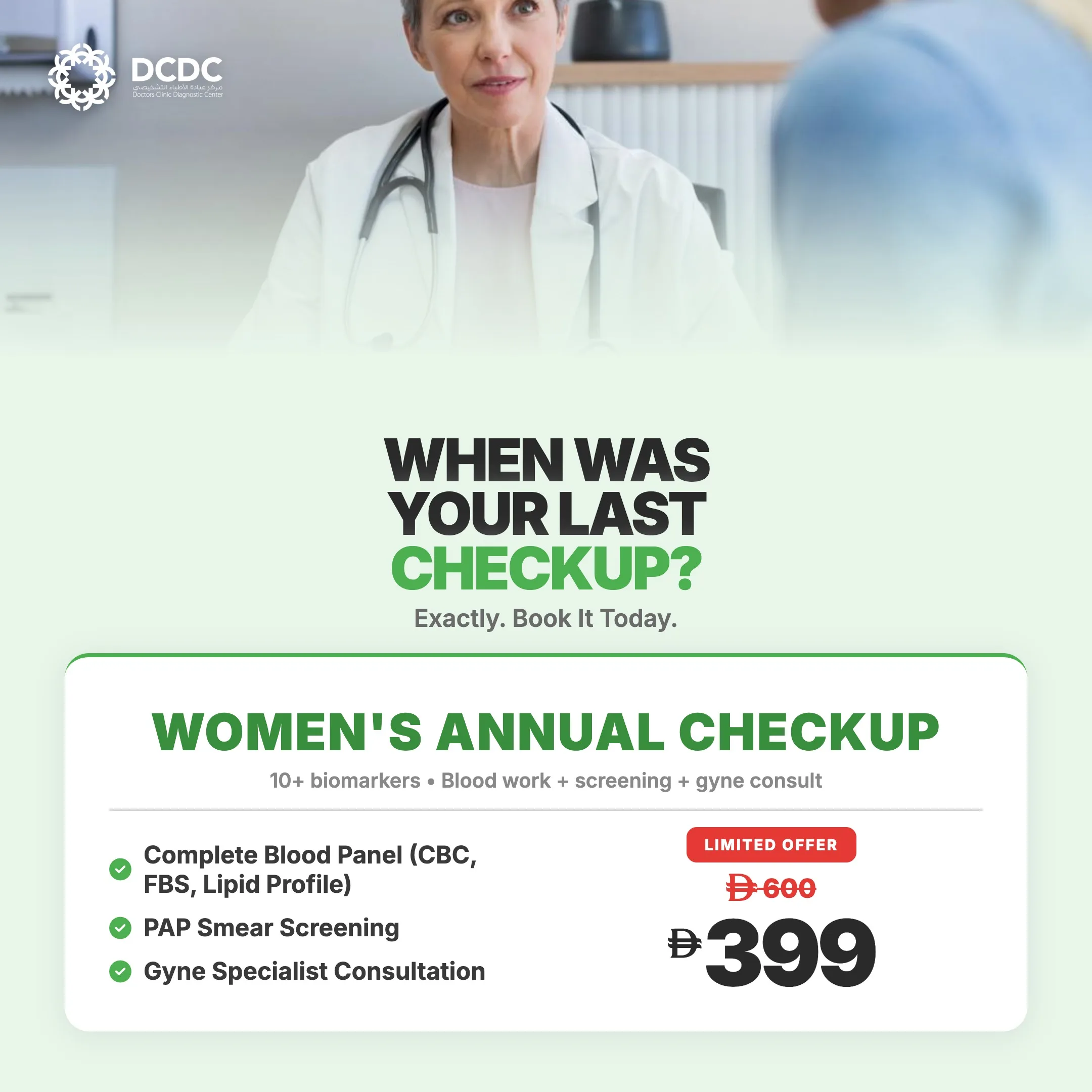
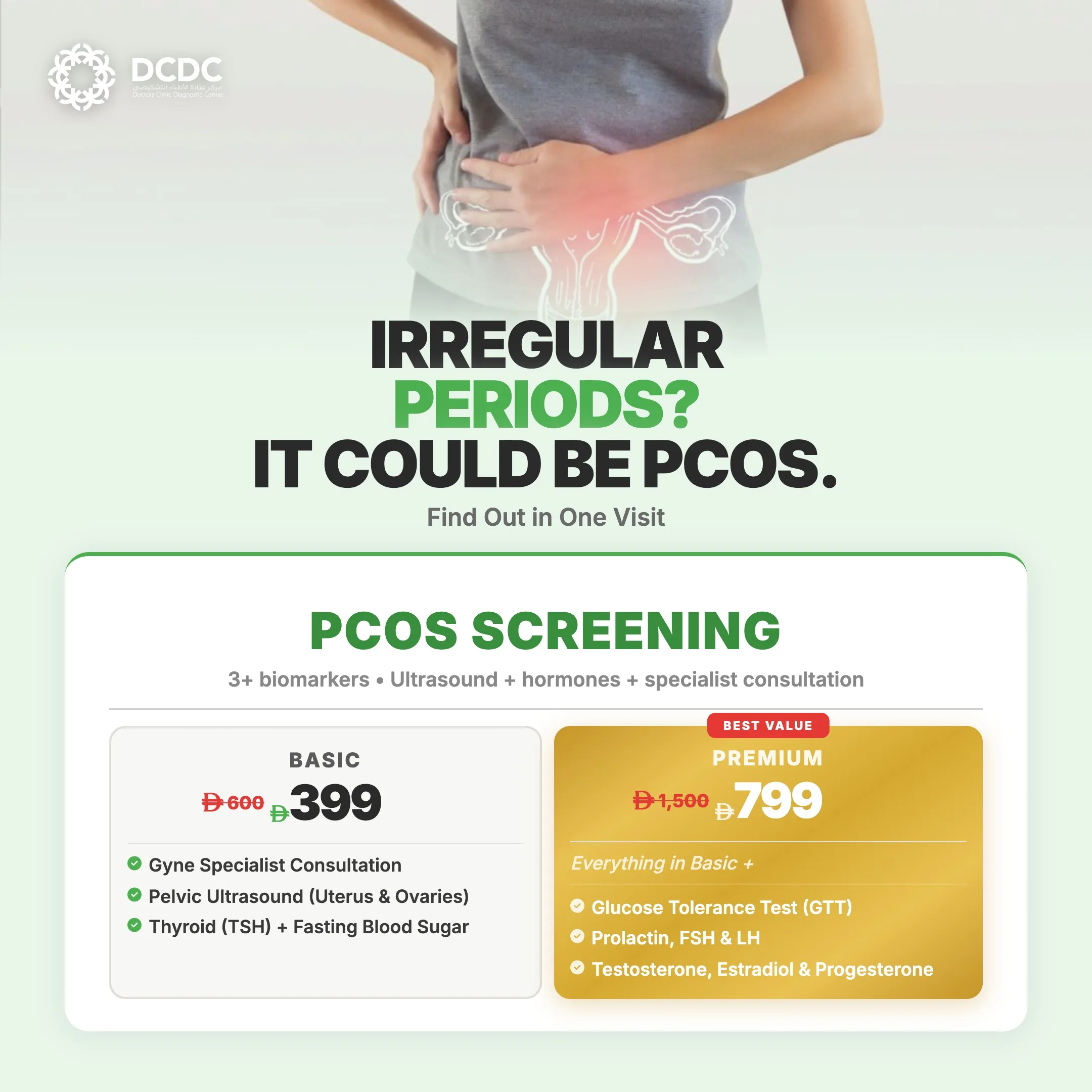
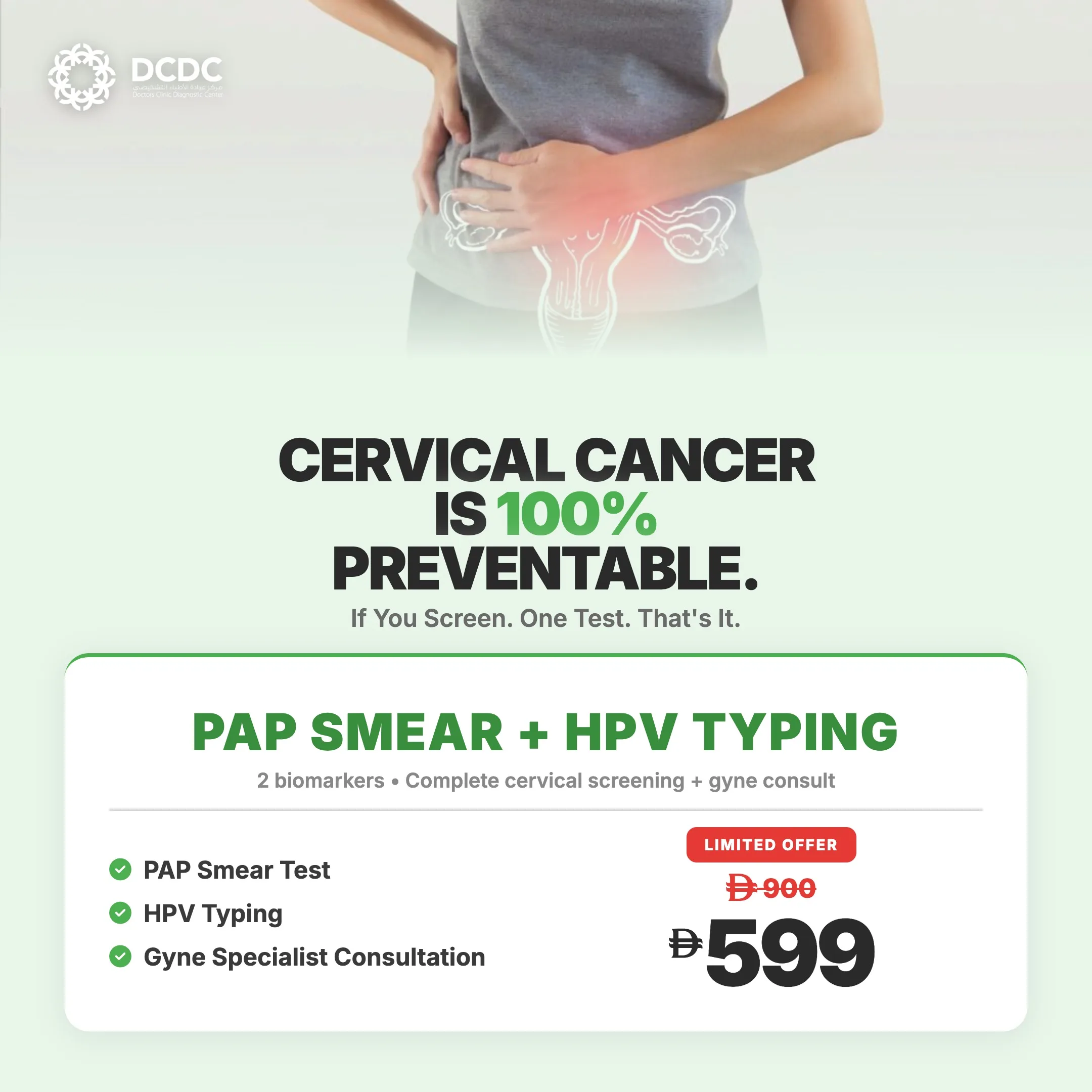
Health Screening Packages
Save with our bundled screening packages — specialist consultation included



Understanding Menstrual Cramps: What Is Dysmenorrhea?
Dysmenorrhea refers to painful cramping in the lower abdomen that occurs before or during menstruation. The pain is caused by the uterus contracting to shed its lining, driven by hormone-like substances called prostaglandins. Higher prostaglandin levels mean stronger, more painful uterine contractions. When the uterus contracts too forcefully, it temporarily cuts off oxygen supply to the muscle tissue, producing the characteristic cramping pain that can radiate to the lower back and thighs.
Prostaglandin production is influenced by multiple factors including hormonal balance, inflammation levels, diet, stress, and underlying uterine conditions. This is why period pain varies so dramatically between women and even between cycles for the same woman. Understanding what drives your specific pain pattern is the first step toward finding effective relief rather than simply enduring each cycle.
Menstrual Cramp Severity: How to Grade Your Pain
Not all period pain is the same. Gynecologists classify dysmenorrhea into three severity levels based on pain intensity, functional impact, and response to treatment. Knowing where your pain falls on this spectrum helps determine whether self-care is sufficient or medical evaluation is needed.
| Severity | Pain Level | Impact on Daily Life | Treatment Approach |
|---|---|---|---|
| Mild | Dull ache, brief twinges (1-3/10) | Minimal disruption; can work and exercise normally | Heat therapy, gentle movement, OTC pain relief if needed |
| Moderate | Steady cramping with waves of sharper pain (4-6/10) | Reduced productivity; may need to modify activities; pain lasts 1-2 days | NSAIDs (ibuprofen/naproxen), heat therapy, lifestyle modifications, consider gynecologist visit if recurring |
| Severe | Intense, debilitating pain (7-10/10) with nausea, vomiting, or diarrhea | Cannot attend work/school; bedridden; pain lasts 2-4+ days; unresponsive to OTC medications | Requires gynecological evaluation; pelvic ultrasound; possible hormonal treatment or investigation for secondary causes |
Menstrual cramp severity grading. If your pain consistently falls in the moderate-to-severe range or is worsening over time, consult a gynecologist for evaluation.
A critical point many women miss: pain that has progressively worsened over months or years is not normal aging. Progressive dysmenorrhea — cramps that were once manageable but have become increasingly severe — is a hallmark sign of conditions like endometriosis and adenomyosis that require specific diagnosis and treatment.
Primary vs Secondary Dysmenorrhea: Key Differences
Gynecologists distinguish between two fundamentally different types of period pain, and the distinction matters because treatment approaches differ significantly.
Primary Dysmenorrhea
Primary dysmenorrhea is period pain without any underlying pelvic pathology. It is caused purely by excessive prostaglandin production and typically begins within 1 to 2 years of a woman's first period (menarche), once ovulatory cycles are established. The pain usually starts a few hours before or at the onset of bleeding, peaks within the first 24 to 48 hours, and resolves by the end of menstruation. Primary dysmenorrhea tends to improve with age and often decreases significantly after childbirth. It responds well to NSAIDs and hormonal contraceptives.
Secondary Dysmenorrhea
Secondary dysmenorrhea is period pain caused by an identifiable structural or pathological condition in the reproductive organs. It often develops later — in the mid-20s to 30s — though it can occur at any age. The pain may begin several days before menstruation, persist throughout the period and even after it ends, and is often accompanied by other symptoms such as heavy bleeding, pain during intercourse, or irregular cycles. Common causes include endometriosis, adenomyosis, uterine fibroids, ovarian cysts, pelvic inflammatory disease (PID), and cervical stenosis.
If your period pain pattern has changed — becoming more severe, lasting longer, or developing new accompanying symptoms — this suggests a shift from primary to secondary dysmenorrhea and warrants investigation. Women experiencing irregular periods alongside worsening cramps should be particularly attentive to these changes, as the combination often points toward hormonal or structural abnormalities.
Red Flags: When Menstrual Cramps Are NOT Normal
While mild to moderate cramping during the first 1 to 2 days of your period is physiologically normal, certain patterns and symptoms are warning signs that your pain may have an underlying cause requiring medical evaluation. If you recognize any of the following, do not delay seeking a gynecological assessment:
- Pain unresponsive to over-the-counter medications: If ibuprofen (400-600 mg) or naproxen taken at full dose fails to provide meaningful relief, this suggests either very high prostaglandin levels or a secondary cause of pain that simple anti-inflammatories cannot address.
- Progressive worsening over time: Cramps that have steadily increased in severity over months or years — particularly if they were once manageable — strongly suggest developing endometriosis or adenomyosis.
- Pain lasting beyond 3 days: Normal prostaglandin-driven cramps typically peak within the first 24 to 48 hours and resolve by day 3. Pain persisting throughout the period or extending beyond it warrants investigation.
- Pain between periods (non-menstrual pelvic pain): Chronic pelvic pain that occurs outside of menstruation — mid-cycle pain, pain during ovulation, or constant low-grade discomfort — may indicate endometriosis, adhesions, or chronic pelvic inflammatory disease.
- Pain during intercourse (dyspareunia): Deep pain during or after sexual intercourse, particularly with deep penetration, is a classic symptom of endometriosis affecting the uterosacral ligaments or pouch of Douglas.
- Extremely heavy bleeding: Soaking through a pad or tampon every hour for several consecutive hours, passing blood clots larger than a 50-fils coin, or periods lasting longer than 7 days suggest fibroids, adenomyosis, or a bleeding disorder.
- Sudden onset of severe cramps in someone who previously had pain-free periods: A dramatic change in pain pattern that begins suddenly may indicate a new ovarian cyst, infection, or other acute condition.
- Associated fever, abnormal discharge, or foul-smelling bleeding: These symptoms suggest infection (pelvic inflammatory disease) and require urgent evaluation.
- Bowel or bladder symptoms during menstruation: Painful bowel movements, diarrhea specifically during your period, blood in stool or urine during menstruation, or urinary urgency may indicate endometriosis involving the bowel or bladder.
If you are experiencing any combination of these warning signs, please take them seriously. Period pain that significantly impacts your quality of life is not something you should accept without investigation. Modern gynecological assessment can identify the cause and offer targeted treatment in the vast majority of cases.
Conditions That Cause Severe Menstrual Cramps
Several gynecological conditions are responsible for secondary dysmenorrhea. Understanding these conditions helps you recognize patterns in your own symptoms and communicate effectively with your gynecologist during evaluation.
Endometriosis
Endometriosis occurs when tissue similar to the uterine lining grows outside the uterus — on the ovaries, fallopian tubes, bowel, bladder, or peritoneum. This displaced tissue responds to hormonal cycles, bleeding during menstruation and triggering chronic inflammation, scarring, and adhesions. Endometriosis affects approximately 10 percent of women of reproductive age and is the most common cause of secondary dysmenorrhea. It takes an average of 7 to 10 years from symptom onset to diagnosis due to normalization of period pain and diagnostic challenges. Key symptoms include progressively worsening period pain, pain during intercourse, chronic pelvic pain, bowel or bladder symptoms during menstruation, and infertility.
Uterine Fibroids
Fibroids (leiomyomas) are non-cancerous growths of the uterine muscle wall that affect 20 to 40 percent of women by age 40. While many fibroids are asymptomatic, those that grow into the uterine cavity (submucosal fibroids) or become large can cause severe cramping, heavy menstrual bleeding, prolonged periods, and pelvic pressure. For a comprehensive overview of this condition, read our uterine fibroids treatment guide.
Adenomyosis
Adenomyosis occurs when endometrial tissue grows into the muscular wall of the uterus itself. This causes the uterus to become enlarged and boggy, leading to severe cramping, heavy bleeding, and a sensation of pelvic heaviness. Adenomyosis is most common in women aged 35 to 50 and often coexists with endometriosis. It is diagnosed via transvaginal ultrasound or MRI, which shows characteristic thickening and heterogeneity of the uterine wall (myometrium).
Other Causes
Less common causes of secondary dysmenorrhea include ovarian cysts (particularly endometriomas or large functional cysts), pelvic inflammatory disease (PID) from untreated infections, cervical stenosis (narrowing of the cervical canal that impedes menstrual flow), and intrauterine adhesions (Asherman syndrome). Women with PCOS may also experience irregular, painful periods due to hormonal imbalances and infrequent ovulation leading to thickened endometrial lining.
Dubai Lifestyle Factors That Worsen Period Pain
Living in Dubai presents specific lifestyle patterns that can intensify menstrual cramps. Understanding these factors allows you to make targeted modifications that may reduce your pain without medication.
- Vitamin D deficiency: Despite abundant sunshine, vitamin D deficiency affects an estimated 75 to 90 percent of UAE residents due to indoor lifestyles, sun avoidance during extreme heat, and limited dietary intake. Research shows that vitamin D deficiency is associated with increased severity of dysmenorrhea, as vitamin D plays a role in reducing prostaglandin synthesis and modulating inflammation. Studies have demonstrated that vitamin D supplementation (50,000 IU weekly for 8 weeks in deficient women) can reduce menstrual pain scores by up to 40 percent.
- Sedentary office work: Dubai's economy is heavily office-based, with many women spending 8 to 10 hours seated daily. Prolonged sitting reduces pelvic blood flow, increases muscle tension in the pelvic floor and lower back, and worsens inflammatory processes. Regular movement breaks and pelvic stretching during the workday can help counteract these effects.
- Chronic stress and high-pressure work culture: Elevated cortisol from chronic stress disrupts the hypothalamic-pituitary-ovarian axis, increases systemic inflammation, and amplifies pain perception. Stress also promotes prostaglandin production and alters the balance of pro-inflammatory and anti-inflammatory cytokines, directly worsening menstrual pain.
- Air conditioning and cold exposure: While not well-studied in clinical literature, many women in Dubai report that constant exposure to cold air conditioning worsens their cramps. The physiological basis may relate to cold-induced vasoconstriction in the pelvic region, which can reduce blood flow to the uterus and exacerbate ischemic pain during menstruation. Moving between extreme heat outdoors and cold indoor environments may also contribute to muscular tension.
- Dietary patterns: High consumption of processed foods, refined sugars, and inflammatory seed oils — common in Dubai's fast-paced dining culture — promotes systemic inflammation and can increase prostaglandin production. Additionally, caffeine intake and dehydration (common in hot climates despite readily available water) can worsen pain perception.
- Sleep disruption: Late-night social culture, screen exposure, and irregular sleep schedules common in Dubai's lifestyle disrupt circadian hormonal rhythms, impair pain tolerance, and increase inflammatory markers — all of which can intensify menstrual symptoms.
Self-Care and Natural Remedies for Period Cramps
For mild to moderate menstrual cramps (primary dysmenorrhea), evidence-based self-care strategies can provide meaningful relief. These approaches work by reducing prostaglandin production, improving pelvic blood flow, relaxing uterine smooth muscle, or modulating pain perception. They are most effective when used consistently across cycles rather than only during acute pain episodes.
- Heat therapy: Applying heat (40 degrees Celsius) to the lower abdomen for 20 to 30 minutes has been shown in clinical trials to be as effective as ibuprofen for mild to moderate cramps. Heat relaxes the uterine smooth muscle, improves local blood flow, and reduces ischemic pain. Use a heating pad, hot water bottle, or adhesive heat patches.
- Regular aerobic exercise: Women who exercise regularly (at least 150 minutes of moderate activity per week) report significantly less severe menstrual pain than sedentary women. Exercise releases endorphins (natural pain modulators), reduces systemic inflammation, improves pelvic blood flow, and helps regulate hormonal balance. Swimming, yoga, brisk walking, and cycling are all effective options.
- Magnesium supplementation: Magnesium acts as a natural muscle relaxant and has been shown to reduce menstrual pain in multiple clinical trials. A dose of 250 to 400 mg of magnesium glycinate or citrate daily, starting a few days before the expected period, can reduce cramping intensity. Magnesium also helps with associated symptoms like headaches and mood changes.
- Omega-3 fatty acids: Fish oil supplementation (1,000 to 2,000 mg of combined EPA and DHA daily) has anti-inflammatory effects that can reduce prostaglandin production. A meta-analysis of clinical trials found that omega-3 supplementation significantly reduced both pain intensity and the need for rescue analgesics during menstruation.
- Anti-inflammatory diet: Emphasizing fruits, vegetables, whole grains, fatty fish, nuts, and olive oil while reducing red meat, processed foods, sugar, and alcohol can lower baseline inflammation levels. Studies suggest that women following Mediterranean-style diets report less severe dysmenorrhea.
- Stress reduction techniques: Yoga, progressive muscle relaxation, deep breathing exercises, and mindfulness meditation have all demonstrated benefits for menstrual pain in clinical studies. These techniques reduce cortisol, lower muscle tension, and modulate pain perception through central nervous system pathways.
- Adequate hydration: Dehydration increases muscle cramping and worsens bloating. Aim for 2 to 3 liters of water daily, particularly in Dubai's hot climate where insensible water loss is high even in air-conditioned environments.
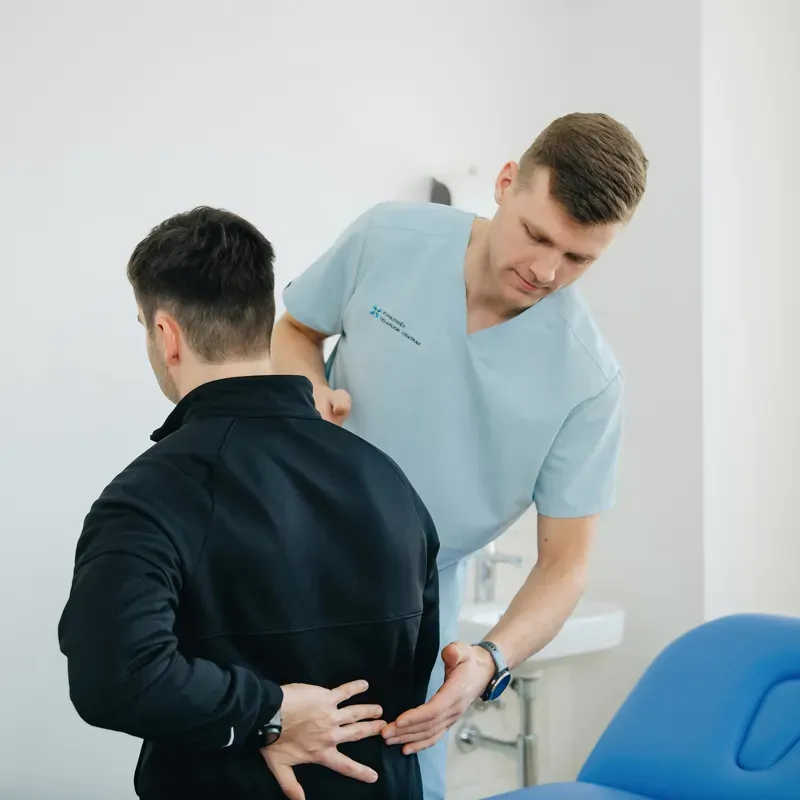
- Pelvic floor physiotherapy: For women with chronic pelvic pain or muscle tension contributing to their cramps, pelvic floor physiotherapy can address muscular dysfunction, release trigger points, and improve pelvic blood flow through targeted exercises and manual therapy.
Period Pain Affecting Your Daily Life?
You do not have to manage severe cramps alone. At Doctors Clinic Diagnostic Center in Dubai Healthcare City, our female gynecologists provide compassionate, judgment-free evaluation of period pain. Same-day appointments available. Book your consultation — from AED 500.
On-site pelvic ultrasound and blood work available. Most results discussed same day.
Medical Treatment Options for Menstrual Pain
When self-care measures are insufficient, several medical treatments can provide effective relief for menstrual cramps. Treatment selection depends on severity, underlying cause, whether you are planning pregnancy, and your preference regarding hormonal versus non-hormonal approaches.
Non-Steroidal Anti-Inflammatory Drugs (NSAIDs)
NSAIDs remain the first-line pharmacological treatment for primary dysmenorrhea. They work by inhibiting cyclooxygenase (COX) enzymes, which are responsible for prostaglandin synthesis. By reducing prostaglandin levels, NSAIDs decrease the strength and frequency of uterine contractions. Common options include ibuprofen (400-600 mg every 6 to 8 hours), naproxen (500 mg initially then 250 mg every 6 to 8 hours), and mefenamic acid (500 mg initially then 250 mg every 6 hours). The critical point most women do not know is that NSAIDs are significantly more effective when started 1 to 2 days before the expected period onset — this prevents prostaglandin buildup rather than trying to counteract already-elevated levels.
Hormonal Treatments
Hormonal contraceptives reduce menstrual pain by suppressing ovulation, thinning the endometrial lining, and reducing prostaglandin production. Options include combined oral contraceptive pills (particularly effective when taken continuously to skip periods), the hormonal IUD (Mirena, which reduces menstrual flow by 90 percent and significantly decreases cramps), progestogen-only pills, contraceptive patches, and vaginal rings. For women not seeking pregnancy, hormonal methods provide both contraception and significant pain relief. Many women with severe dysmenorrhea experience dramatic improvement within 2 to 3 cycles of starting hormonal treatment.
Other Medical Options
- Tranexamic acid: Reduces heavy menstrual bleeding by 40 to 50 percent but does not directly treat cramps. Useful when heavy flow contributes to pelvic pressure and discomfort.
- GnRH agonists or antagonists: Reserved for severe endometriosis or adenomyosis-related pain when other treatments have failed. They temporarily suppress ovarian function, creating a low-estrogen state that reduces endometriotic lesion activity. Used short-term due to bone density concerns.
- Surgical options: Laparoscopic excision of endometriosis, fibroid removal (myomectomy), or endometrial ablation may be appropriate for specific secondary causes of dysmenorrhea that do not respond to medical management.
- TENS (Transcutaneous Electrical Nerve Stimulation): A non-invasive device that delivers low-voltage electrical impulses to interfere with pain signal transmission. Clinical trials show moderate effectiveness for primary dysmenorrhea with no side effects.
Your gynecologist will recommend treatment based on your specific situation. Women experiencing hormonal imbalances that contribute to painful periods may benefit from a broader hormonal evaluation to guide targeted treatment rather than simply masking pain with analgesics.
When to See a Gynecologist: Decision Guide
Many women delay seeking help for period pain because they are unsure whether their experience is severe enough to warrant a medical appointment. The following decision guide can help you determine when professional evaluation is appropriate.
See a gynecologist soon (within 1 to 2 weeks) if:
- Your cramps regularly cause you to miss work, school, or social activities
- Over-the-counter pain medications at full recommended doses do not provide adequate relief
- Your period pain has become progressively worse over the past 6 to 12 months
- You experience pain during sexual intercourse
- Your periods have become heavier or longer than previously
- You have pelvic pain outside of your period
- You are having difficulty conceiving after 12 months of trying (or 6 months if over 35)
- You have a family history of endometriosis or fibroids
Seek same-day or urgent evaluation if:
- Sudden onset of severe pelvic pain (new and different from your usual cramps)
- Period pain accompanied by fever above 38 degrees Celsius
- Heavy bleeding with dizziness, fainting, or rapid heartbeat
- Severe pain with a positive pregnancy test (possible ectopic pregnancy)
- Pain with abnormal or foul-smelling vaginal discharge
If you have been told your pain is normal when you know something has changed, trust your instincts. You know your body better than anyone. A thorough evaluation with pelvic ultrasound and appropriate blood work can either provide reassurance or identify a treatable condition — both outcomes are valuable.
What to Expect at DCDC: Your Period Pain Consultation
Understanding the consultation process can reduce anxiety about seeking help. At DCDC in Dubai Healthcare City, our gynecology team has designed a streamlined, comfortable experience for women presenting with menstrual pain concerns. Here is what your visit will involve:
- Step 1 — Booking and arrival: Schedule your appointment online, via WhatsApp, or by phone. Same-day appointments are available with an average wait time of just 15 minutes. Free parking is provided at the clinic. Our reception team ensures your intake is efficient and private.
- Step 2 — Detailed history taking: Your gynecologist (Dr. Parisa Dini or another member of our team) will spend time understanding your pain — when it started, how it has changed, its relationship to your cycle, associated symptoms, impact on daily life, what you have tried, and your medical and family history. This conversation happens in a confidential, non-judgmental environment.
- Step 3 — Physical examination: A gentle pelvic examination may be performed to check for tenderness, masses, or structural abnormalities. This step is conducted with your full consent, and you can request a chaperone if preferred.
- Step 4 — On-site pelvic ultrasound: DCDC offers same-day pelvic ultrasound (from AED 300) to visualize the uterus and ovaries. This can identify fibroids, adenomyosis, ovarian cysts, endometriomas, and structural abnormalities. Transabdominal or transvaginal approaches are available based on your comfort and clinical needs.
- Step 5 — Blood work if indicated: Our on-site laboratory can perform hormone panels (from AED 200), complete blood count (to assess for anemia from heavy bleeding), inflammatory markers, and other targeted tests. Results for most basic panels are available within hours.
- Step 6 — Same-day results and treatment plan: In many cases, your ultrasound and key blood results will be reviewed during the same visit. Dr. Dini will explain her findings, discuss the likely diagnosis, and develop a personalized treatment plan with you — including both immediate pain relief strategies and any longer-term management needed.
This one-visit diagnostic approach is a hallmark of DCDC's patient-centered care model. Rather than requiring multiple appointments spread over weeks, our co-located consultation rooms, ultrasound suites, and laboratory allow most women to receive a comprehensive evaluation and initial treatment plan on the same day. The clinic is MOHAP-licensed and maintains a 4.8 out of 5 Google rating with over 1,000 reviews and 98 percent patient satisfaction — reflecting our commitment to thorough, compassionate care.
Dr. Parisa Dini's Approach to Menstrual Health

OB-GYN Specialist
English, Farsi, Arabic
Dr. Parisa Dini is an OB-GYN Specialist at Doctors Clinic Diagnostic Center (DCDC) in Dubai Healthcare City, with expertise in PCOS, menopause management, and preventive women's health.
"Period pain is one of the most normalized yet undertreated conditions in women's health. When a patient tells me her cramps are unbearable, I believe her. My first priority is always to listen without judgment, then to investigate thoroughly. Many of the women I see in Dubai have been told for years that their pain is normal — by the time they reach my clinic, they have often been suffering unnecessarily for far too long." — Dr. Parisa Dini, MD, OB-GYN
Dr. Dini's clinical approach to menstrual pain combines systematic investigation with patient-centered communication. She emphasizes that every woman's experience of pain is valid and that modern gynecology has effective tools to both identify causes and provide relief. Her approach includes:
- Thorough pain characterization: Understanding the specific pattern, timing, and associated symptoms to differentiate primary from secondary causes
- Appropriate imaging: Using pelvic ultrasound as a first-line tool to identify structural causes including fibroids, adenomyosis, endometriomas, and ovarian pathology
- Hormonal assessment: Evaluating hormonal balance when indicated, particularly in women with concurrent cycle irregularities or symptoms suggesting PCOS or hormonal imbalance
- Shared decision-making: Discussing all available treatment options — from lifestyle modifications and supplements through to hormonal treatments and surgical intervention — so patients can make informed choices aligned with their values and life plans
- Holistic consideration: Addressing the full impact of period pain on mental health, relationships, work performance, and overall quality of life — not just the physical symptom in isolation
Menstrual Cramp Treatment Cost in Dubai
Understanding the cost of period pain evaluation and treatment helps you plan your healthcare. At DCDC in Dubai Healthcare City, we maintain transparent pricing and work with over 20 insurance partners including Daman, AXA, and Bupa for direct billing. The following outlines typical costs for dysmenorrhea investigation and management.
| Service | Cost at DCDC | What It Includes |
|---|---|---|
| Gynecology Consultation | From AED 500 | Comprehensive history, examination, pain assessment, and treatment plan |
| Pelvic Ultrasound | From AED 300 | Transabdominal or transvaginal imaging of uterus and ovaries |
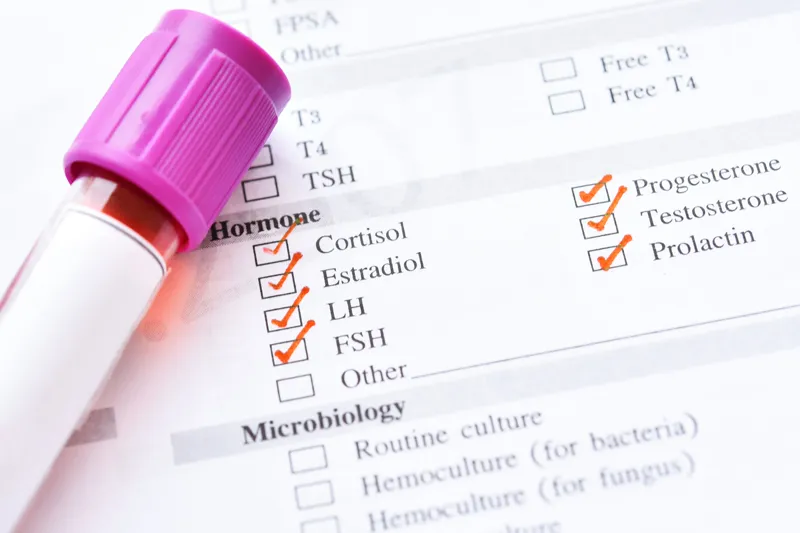
| Hormone Panel | From AED 200 | FSH, LH, estradiol, progesterone, and other relevant markers |
| Complete Blood Count (CBC) | From AED 80 | Assessment for anemia from heavy menstrual bleeding |
| Follow-Up Consultation | From AED 300 | Treatment monitoring and plan adjustment |
| Gynecology consultation (market range) | AED 400-800 | Typical range across Dubai clinics for specialist consultation |
Prices at DCDC Dubai Healthcare City. Most UAE health insurance plans cover gynecological consultations and diagnostic investigations. Contact our team for insurance pre-authorization assistance.
A typical first-visit workup for period pain — including consultation, pelvic ultrasound, and basic blood work — can be completed for approximately AED 1,000 to 1,200 at DCDC. This represents excellent value given the one-visit diagnostic model where all assessments and initial results review happen on the same day. Our clinic is open Saturday through Thursday 8AM to 10PM and Friday 9AM to 9PM, offering flexible scheduling for working women.
Prevention and Long-Term Management of Period Pain
Whether your cramps are primary (prostaglandin-driven) or secondary (caused by an underlying condition), a proactive long-term approach can significantly reduce their impact on your life. Prevention and management strategies should be tailored to your specific situation, but the following principles apply broadly.
- Track your cycles: Use a period tracking app to document pain severity, timing, associated symptoms, and what helps. This data is invaluable for your gynecologist and helps identify patterns or progressive changes early.
- Pre-emptive treatment: If your cramps are predictable, begin NSAIDs or natural anti-inflammatory supplements 1 to 2 days before your expected period. This preventive approach is consistently more effective than reactive treatment.
- Address modifiable risk factors: Correct vitamin D deficiency, maintain regular physical activity, manage stress, optimize sleep, and maintain a healthy weight. Each of these independently influences prostaglandin production and pain sensitivity.
- Regular gynecological check-ups: Annual or biannual visits allow your gynecologist to monitor for developing conditions, adjust treatment plans, and ensure your approach remains optimal as your needs change over time.
- Do not normalize escalating pain: If your management strategy is becoming less effective, or if your pain is gradually worsening, return for re-evaluation rather than simply escalating painkillers.
Ready to Take Control of Your Period Pain?
At DCDC in Dubai Healthcare City, we believe no woman should accept period pain that diminishes her quality of life. Our female gynecologists offer confidential, supportive consultations with same-day diagnostic capability. Book your appointment today — gynecology consultation from AED 500. Over 20 insurance partners with direct billing.
Call us, WhatsApp, or book online. Open Sat-Thu 8AM-10PM, Fri 9AM-9PM.
DCDC में संबंधित सेवाएं
दुबई हेल्थकेयर सिटी में विशेषज्ञ देखभाल और उन्नत निदान
Frequently Asked Questions
Final Thoughts
Menstrual cramps are extraordinarily common, but that does not mean severe pain should be accepted as your normal. The gap between what women endure and what modern gynecology can offer in terms of diagnosis and relief is unnecessarily wide — often because women are told their pain is not serious, or because they believe suffering is simply part of having a period. Neither is true. If your cramps are affecting your work, your relationships, your sleep, or your overall quality of life, you have every right to seek answers and treatment.
At Doctors Clinic Diagnostic Center in Dubai Healthcare City, we take period pain seriously. Whether your cramps are driven by prostaglandins and responsive to simple interventions, or whether they signal endometriosis, fibroids, or another condition requiring targeted treatment, our gynecology team will listen, investigate, and help. With same-day appointments, on-site diagnostics, female gynecologists, and a one-visit diagnostic model, we have removed as many barriers as possible between you and the answers you deserve. Schedule your consultation and take the first step toward understanding — and managing — your menstrual pain.
स्रोत एवं संदर्भ
यह लेख हमारी चिकित्सा टीम द्वारा समीक्षित है और निम्नलिखित स्रोतों का संदर्भ देता है:
- ACOG - Dysmenorrhea: Painful Periods
- NHS - Period Pain
- Mayo Clinic - Menstrual Cramps
- Cleveland Clinic - Dysmenorrhea
- World Health Organization - Endometriosis
- The Lancet - Primary Dysmenorrhea: Advances in Pathogenesis and Management
इस साइट पर चिकित्सा सामग्री DHA-लाइसेंस प्राप्त चिकित्सकों द्वारा समीक्षित है। हमारी देखें संपादकीय नीति अधिक जानकारी के लिए।
लेखक
Dr. Parisa Dini
OB-GYN Specialist
MD, OB-GYN
Dr. Parisa Dini is an OB-GYN Specialist at Doctors Clinic Diagnostic Center (DCDC) in Dubai Healthcare City, with expertise in PCOS, menopause, and preventive women's health.
Related Articles
Irregular Periods Treatment Dubai
PCOS Treatment & Diagnosis Dubai: Guide

Hormonal Imbalance Dubai: Signs & Treatment
Pelvic Floor Physiotherapy Dubai: Who Needs It

Uterine Fibroids Dubai: Treatment Guide
More in Gynecology
Irregular Periods Treatment Dubai (2026)
और पढ़ें
Premature Ovarian Failure Dubai: Guide (2026)
और पढ़ेंOvarian Cyst Dubai: Symptoms & Treatment (2026)
और पढ़ेंUterine Fibroids Dubai: Treatment Guide (2026)
और पढ़ेंBest Gynecologist in Dubai: Dr. Parisa Dini at DCDC (2026)
और पढ़ेंFemale Gynecologist in Dubai: Dr. Parisa Dini at DCDC Healthcare City (2026)
और पढ़ें© 2026 Doctors Clinic Diagnostic Center (DCDC), Dubai Healthcare City. Originally published at https://doctorsclinicdubai.ae/blog/menstrual-cramps-relief-dubai. All rights reserved. Unauthorized reproduction is prohibited.