मुख्य बातें
- Dentures in Dubai cost from AED 1,500 for a basic acrylic partial to AED 8,000 or more for a premium complete denture set — the final price depends on the denture type, base material, number of teeth replaced, and lab fabrication quality
- Complete (full) dentures replace an entire arch of missing teeth and cost from AED 2,500 to AED 6,000 per arch in Dubai, while partial dentures that replace one or more teeth with remaining natural dentition start from AED 1,500
- Flexible nylon-based dentures (such as Valplast) offer a metal-free, lightweight alternative to traditional acrylic partials and cost from AED 2,500 to AED 5,000 — they are ideal for patients who dislike the look of metal clasps
- At DCDC in Dubai Healthcare City, dentures are custom-fabricated through multiple fittings including initial impressions, wax try-in for bite and aesthetics verification, and final delivery with chairside adjustments — ensuring a precise, comfortable fit
- Dentures typically last 5 to 10 years with proper care, but require relining every 2 to 3 years as gum tissue and bone naturally change shape — budgeting for maintenance extends denture lifespan and comfort significantly
- Dental implants are a permanent alternative starting from AED 3,000 per fixture but require surgery; dentures remain the most affordable and non-surgical option for replacing multiple missing teeth and restoring chewing function
- DCDC offers interest-free payment plans, direct billing with 20-plus insurance partners, and a 4.8/5 Google rating from over 1,000 verified reviews — with 6-plus dental specialists and extended clinic hours including weekends
Whether you have lost teeth due to decay, gum disease, or injury, dentures at DCDC offer a reliable, non-surgical way to restore your smile and chewing ability. In Dubai, denture prices range from AED 1,500 for a basic acrylic partial to AED 8,000 or more for a premium complete denture set with high-quality teeth and a precision-moulded base. Understanding the different types, materials, and cost factors before starting treatment helps you choose the right option for your oral health needs and budget.
This comprehensive guide covers everything you need to know about denture costs in Dubai in 2026 — from a detailed pricing table comparing every denture type, to the factors that influence cost, how dentures compare to dental implants and bridges, the step-by-step fitting process at DCDC, insurance coverage options, denture care and maintenance, and answers to the most frequently asked questions. Whether you need a single partial denture or a full set for both arches, this guide will help you understand what to expect in terms of cost, timeline, and results.
Denture Prices in Dubai: Comprehensive Pricing Table (2026)
Denture prices in Dubai vary depending on the type of denture, the base material, the quality of the prosthetic teeth, and the dental laboratory used for fabrication. At Doctors Clinic Diagnostic Center (DCDC), every denture case begins with a thorough oral examination and gum assessment before any impressions are taken. The following table provides a comprehensive comparison of denture types and their typical price ranges across Dubai clinics.
| Denture Type | What It Includes | Price Range (AED) | Expected Lifespan |
|---|---|---|---|
| Acrylic Partial Denture | Acrylic base with wire clasps, replaces 1–5 teeth | From 1,500–3,000 | 3–5 years |
| Chrome Cobalt Partial Denture | Metal framework with precision clasps, replaces multiple teeth | 2,500–5,000 | 5–8 years |
| Flexible Partial Denture (Valplast/TCS) | Nylon-based flexible base, no metal clasps | 2,500–5,000 | 3–5 years |
| Complete Denture (Single Arch) | Full acrylic denture replacing all teeth in one arch | 2,500–4,500 | 5–8 years |
| Complete Denture (Both Arches) | Upper and lower full dentures as a set | 4,500–8,000 | 5–8 years |
| Immediate Denture (Per Arch) | Pre-fabricated denture placed same day as extractions | 2,000–4,000 | 6–12 months (transitional) |
| Premium Denture (Per Arch) | High-impact acrylic or Ivoclar teeth with precision base | 4,000–6,000 | 7–10 years |
| Implant-Supported Overdenture | 2–4 implants with snap-on removable denture | 15,000–30,000 | 10–15 years (denture replaced periodically) |
| Denture Reline (Per Denture) | Refitting the denture base to changed gum contours | 500–1,200 | Extends denture life by 2–3 years |
| Denture Repair | Fixing cracks, replacing broken teeth, or clasp repair | 300–800 | Varies by damage |
Denture pricing in Dubai (2026). Prices are approximate and vary based on material quality, lab fabrication, and case complexity. Contact DCDC for a personalised assessment and quote.
The prices above reflect the typical range across dental clinics in Dubai. It is important to note that quoted prices may refer to a single arch only — always confirm whether a quote covers one arch or both. The total cost of your dentures depends on the number of teeth being replaced, the material selected, the complexity of your bite, and whether any preparatory treatments such as extractions or gum treatment are needed before impressions can be taken.
Types of Dentures Explained
Choosing the right type of denture depends on how many teeth you are missing, the health of your remaining teeth and gums, your lifestyle, and your budget. Below is a detailed explanation of each denture type available at dental clinics in Dubai.
Complete (Full) Dentures
Complete dentures replace all teeth in one or both arches. They consist of a gum-coloured acrylic base that rests on the alveolar ridge (the bony ridge where teeth once sat) and supports a full set of prosthetic teeth. Upper complete dentures cover the palate for suction-based retention, while lower complete dentures sit on the lower ridge and rely on muscle control and sometimes adhesive for stability. Complete dentures are recommended when all natural teeth have been lost or when the remaining teeth are too damaged or mobile to preserve. According to the American Dental Association, complete dentures should be evaluated annually and relined or replaced every 5 to 10 years as bone resorption changes the fit.
Partial Dentures
Partial dentures are designed for patients who still have some healthy natural teeth remaining. They fill the gaps left by missing teeth while clasping onto the adjacent natural teeth for support and retention. The two most common types are acrylic partials (with wire clasps) and chrome cobalt partials (with a cast metal framework). Chrome cobalt partials are thinner, stronger, and more comfortable than acrylic partials because the metal framework distributes biting forces more evenly and takes up less space in the mouth. Partial dentures also help prevent the remaining natural teeth from shifting out of position, which can lead to bite problems and further tooth loss.
Flexible Dentures
Flexible dentures are a modern alternative to rigid acrylic partials. Made from soft thermoplastic nylon materials such as Valplast or TCS, these dentures flex slightly to conform to the contours of the gums and snap gently around the natural teeth without metal clasps. The translucent nylon base blends naturally with gum tissue, making flexible dentures virtually invisible when worn. They are particularly popular with patients who are self-conscious about the visible metal clasps of traditional partial dentures. However, flexible dentures cannot be relined or adjusted as easily as acrylic dentures, and they are not suitable for replacing a full arch of teeth.
Immediate Dentures
Immediate dentures are pre-fabricated dentures that are placed in the mouth on the same day teeth are extracted. They serve as transitional prostheses, ensuring you are never without teeth during the healing period. Because the gums and bone change shape significantly during the first 3 to 6 months after extractions, immediate dentures require frequent adjustments and typically need to be replaced with a permanent set once healing is complete. They are an excellent solution for patients who cannot go without teeth for social or professional reasons while waiting for their gums to fully heal.
Factors That Affect Denture Cost in Dubai
Understanding the factors that drive denture pricing helps you evaluate quotes from different clinics and ensures you are comparing like with like. The following factors have the greatest impact on the total cost of your dentures in Dubai.
- Denture type and coverage: Complete dentures that replace an entire arch cost more than partial dentures that replace only a few teeth. The base size, number of prosthetic teeth, and complexity of the design all contribute to the overall price.
- Base material: Acrylic resin is the most affordable base material. Chrome cobalt metal frameworks are stronger and thinner but cost more. Flexible nylon materials (Valplast, TCS) fall in the mid-to-upper price range and offer superior aesthetics with no metal clasps.
- Prosthetic teeth quality: Economy denture teeth are made from basic acrylic and wear down faster. Premium teeth — such as those from Ivoclar Vivadent or VITA — are made from multi-layered composite or cross-linked acrylic that resists wear and looks more natural. Premium teeth can add AED 500 to AED 1,500 to the total cost.
- Dental laboratory: The skill of the dental technician who fabricates your dentures significantly affects the final result. Clinics that partner with high-quality dental laboratories produce dentures with more natural-looking teeth arrangement, better colour matching, and a more precise fit. At DCDC, dentures are custom-fabricated through skilled dental laboratory partnerships with multiple quality-control fittings.
- Number of fittings and adjustments: A properly fitted denture requires multiple appointments — typically 4 to 6 visits from initial impressions to final delivery. Clinics that invest more time in the try-in and adjustment stages generally produce better-fitting, more comfortable dentures.
- Preparatory treatments: If you need tooth extractions, gum disease treatment, or ridge smoothing before denture impressions can be taken, these additional procedures will increase the total cost of treatment.
- Clinic location and accreditation: Clinics in Dubai Healthcare City operate under strict MOHAP and DHA regulatory standards, which ensures quality but may reflect in pricing. DCDC is a MOHAP-licensed facility with 6-plus dental specialists, offering the assurance of full regulatory oversight, sterilisation protocols, and oral cancer screening included in comprehensive dental assessments.
Dentures vs Dental Implants vs Dental Bridge: Cost Comparison
If you are missing teeth, three main replacement options exist: dentures, dental implants, and dental bridges. Each option offers a different balance of cost, durability, comfort, and maintenance requirements. The following comparison table helps you understand how these options compare for replacing multiple missing teeth in Dubai. For a detailed breakdown of implant pricing, see our guide on dental implant cost in Dubai.
| Feature | Removable Dentures | Dental Implants | Dental Bridge |
|---|---|---|---|
| Cost (Multiple Teeth) | AED 1,500–8,000 | AED 5,000–15,000 per tooth | AED 1,500–4,500 per unit |
| Surgery Required | No | Yes (implant placement) | No (but adjacent teeth are trimmed) |
| Lifespan | 5–10 years | 20–25+ years | 10–15 years |
| Bone Preservation | No — bone loss continues | Yes — stimulates jawbone | Minimal |
| Removable | Yes — removed for cleaning | No — permanently fixed | No — permanently cemented |
| Chewing Efficiency | 60–70% of natural teeth | 95–100% of natural teeth | 85–90% of natural teeth |
| Maintenance | Daily cleaning, relines every 2–3 years | Brushing, flossing, annual check-ups | Flossing under bridge, regular check-ups |
| Aesthetic Result | Good (may show clasps) | Excellent (looks like natural teeth) | Very good (fixed, natural appearance) |
| Best For | Multiple missing teeth, budget-conscious patients, patients unsuitable for surgery | Patients wanting a permanent, fixed solution with jawbone preservation | 1–3 adjacent missing teeth with healthy neighbouring teeth |
Comparison of tooth replacement options in Dubai. Costs are approximate ranges — consult DCDC for a personalised treatment recommendation based on your specific dental situation.
While dental implants offer the longest lifespan and best functional outcome, they require surgery and a higher initial investment. Dentures remain the most accessible option for patients who need to replace multiple teeth without surgery, and they can be fabricated relatively quickly. A dental bridge is a fixed option that works well for replacing 1 to 3 adjacent missing teeth when healthy neighbouring teeth can serve as support. For more details on bridge pricing, read our guide on dental bridge cost in Dubai.
What to Expect at DCDC: The Denture Fitting Process
At Doctors Clinic Diagnostic Center in Dubai Healthcare City (Building 64, Block A), the denture fitting process is designed around precision, patient comfort, and clinical thoroughness. Free parking is available at the building. Here is exactly what to expect from your first visit through to final denture delivery.
- Step 1 — Initial consultation and oral examination: Your dentist performs a comprehensive oral exam, assessing the health of your gums, remaining teeth, and jawbone. This includes checking for gum disease, oral infections, and any conditions that need treatment before denture fabrication. DCDC's comprehensive dental assessments include oral cancer screening as standard, along with the use of ultrasonic scalers for any necessary cleaning.
- Step 2 — Treatment planning: Based on the examination findings, your dentist discusses the most suitable denture type for your specific situation, explains the expected cost, and outlines the treatment timeline. If extractions or gum treatment are needed first, these are scheduled before impressions.
- Step 3 — Impressions and bite registration: Precise impressions of your upper and lower arches are taken using dental impression trays and alginate or silicone material. A bite registration records how your jaws come together. These records are sent to the dental laboratory where your custom denture will be fabricated.
- Step 4 — Wax try-in appointment: Before the final denture is processed, you return for a wax trial fitting. The denture teeth are set in a wax base that simulates the final denture. This critical step allows you and your dentist to evaluate the tooth position, colour, shape, bite alignment, and overall aesthetics — and make adjustments before the final denture is fabricated. This is the stage where changes are easiest and most precise.
- Step 5 — Final denture delivery: The completed denture is tried in, and your dentist checks the fit, bite, and comfort. Chairside adjustments are made to eliminate any pressure points. You receive detailed instructions on how to wear, remove, and clean your new dentures.
- Step 6 — Follow-up and adjustments: It is normal for new dentures to require one or more follow-up adjustments as your gums adapt to the new prosthesis. Pressure spots, minor sore areas, and initial discomfort are addressed through chairside adjustments at no additional charge during the initial adaptation period. DCDC typically schedules the first follow-up within one to two weeks of delivery.
The entire process from initial consultation to final delivery typically takes 3 to 5 weeks, depending on whether preparatory treatments are needed and the complexity of the case. DCDC's team of 6-plus dental specialists ensures that every denture is custom-fabricated with multiple quality-control fittings for optimal comfort and appearance.
Custom Dentures From AED 1,500 at DCDC Dubai Healthcare City
Book a denture consultation with our dental specialists. Comprehensive oral exam, impressions, wax try-in, and precision fitting — all under one roof. Direct billing with 20+ insurance providers and interest-free payment plans available.
Book your consultation today or walk in — Sat–Thu 8 AM–10 PM, Fri 9 AM–9 PM.
Dr. Chadi El Masry on Denture Fitting at DCDC
Dr. Chadi El Masry, DDS, is a cosmetic and restorative dentistry specialist at DCDC with particular expertise in denture design, Hollywood Smile makeovers, and full-mouth rehabilitation. His approach to denture fitting emphasises precision at every stage.
"A well-made denture should feel comfortable from day one and look completely natural. The key to achieving this is the wax try-in stage — this is where we verify the bite, check the tooth positioning against the patient's facial features, and make sure the smile line looks right. I never rush this step because once the final denture is processed, changes become much more difficult. At DCDC, we work closely with our lab partners to ensure that every denture is customised to the patient's mouth, not produced from a generic mould. The difference in comfort and appearance between a precision-fitted denture and a mass-produced one is significant — and our patients notice it immediately."
Insurance Coverage for Dentures in Dubai
Many UAE health insurance plans include partial or full coverage for dentures, especially when the treatment is deemed medically necessary for restoring function after tooth loss. Coverage details vary significantly between providers and plan tiers, so it is essential to verify your specific benefits before starting treatment.
- Basic DHA-compliant plans: Most standard health insurance plans in Dubai include basic dental coverage that may extend to removable dentures with a co-payment or annual sub-limit of AED 2,000 to AED 5,000 for dental treatment. Dentures are typically covered when prescribed for medical necessity, not cosmetic preference.
- Enhanced and premium plans: Plans from providers such as Cigna, Bupa, MetLife, and AXA often include higher dental sub-limits (AED 5,000 to AED 15,000) and cover a larger portion of denture costs. Some premium international plans cover up to 80 percent of prosthodontic treatment costs.
- Direct billing at DCDC: DCDC offers direct billing with 20-plus insurance partners, meaning the clinic can process your insurance claim directly so you only pay the co-payment or uncovered balance at the time of treatment. This eliminates the need to pay upfront and wait for reimbursement.
- Pre-authorisation: For denture treatment exceeding a certain threshold, your insurance provider may require pre-authorisation. DCDC's reception team can assist you with submitting pre-authorisation requests and verifying your coverage before treatment begins.
- Payment plans: For patients who are uninsured or whose insurance does not fully cover denture costs, DCDC offers interest-free payment plans that allow you to spread the cost of treatment over several months.
How to Care for Your Dentures
Proper denture care is essential for maintaining oral health, extending the life of your dentures, and preventing complications such as fungal infections, gum irritation, and bad breath. The following guidelines are based on recommendations from the American Dental Association, NHS UK, and the American College of Prosthodontists.
- Remove and rinse after eating: After every meal, remove your dentures and rinse them under running water to remove food debris and loose particles. This simple step prevents staining and bacterial build-up.
- Brush dentures daily: Use a soft-bristled denture brush (not a regular toothbrush) and a non-abrasive denture cleanser or mild soap to brush all surfaces of the denture at least once a day. Avoid using regular toothpaste, which contains abrasives that can scratch the denture surface and create microscopic grooves where bacteria accumulate.
- Soak overnight: Remove your dentures at night and soak them in water or a denture-soaking solution. This prevents the acrylic from drying out and warping, and gives your gum tissue time to rest and recover from the pressure of wearing dentures during the day. According to the NHS, dentures should always be kept moist when not being worn.
- Clean your mouth and gums: Even if you have no remaining natural teeth, brush your gums, tongue, and palate with a soft toothbrush every morning before inserting your dentures. This removes biofilm, stimulates blood circulation to the gum tissue, and reduces the risk of denture stomatitis (a fungal infection common in denture wearers).
- Handle with care: Dentures are fragile and can break if dropped on a hard surface. Always clean your dentures over a basin filled with water or lined with a towel to cushion any accidental drops.
- Avoid hot water: Never place your dentures in boiling or very hot water, as heat can warp the acrylic base and permanently distort the fit.
- Use denture adhesive correctly: If your dentures feel loose, a small amount of denture adhesive can improve retention temporarily. However, the American Dental Association advises that adhesive should not be a substitute for a poorly fitting denture — if you need adhesive to keep your dentures in place, consult your dentist about a reline or new denture.
- Schedule regular dental check-ups: Even if you wear full dentures and have no natural teeth remaining, you should visit your dentist at least once a year for an oral examination. Your dentist will check the fit of your dentures, examine your gums and oral tissues for signs of infection or abnormalities, and screen for oral cancer. For comprehensive check-up guidance, see our guide to dental check-ups in Dubai.
When Do You Need Dentures? Signs and Symptoms
Knowing the signs that indicate you may need dentures — or that your existing dentures need replacement — helps you seek treatment before complications worsen. The following symptoms suggest it is time to consult a dentist about denture options.
- Multiple missing teeth: If you are missing several teeth in the same arch and gaps are affecting your ability to chew food properly or speak clearly, partial or complete dentures can restore function. Missing teeth also cause the remaining teeth to shift, leading to bite misalignment.
- Severe tooth decay or gum disease: Teeth that are extensively decayed, fractured, or loosened by advanced periodontal (gum) disease may need to be extracted. When multiple extractions are planned, dentures are often the most practical replacement option.
- Difficulty chewing: If you find yourself avoiding certain foods because chewing is painful or impossible due to missing or damaged teeth, this is a strong indication that tooth replacement is needed.
- Facial sagging or sunken appearance: When teeth are lost, the jawbone gradually resorbs (shrinks) due to lack of stimulation. Over time, this causes the lower face to appear sunken and aged. Dentures restore facial support and improve appearance, though they do not prevent ongoing bone resorption the way dental implants do.
- Existing dentures are loose, cracked, or uncomfortable: Dentures that no longer fit properly due to bone and gum changes, or that are visibly damaged, should be assessed for relining, repair, or replacement. Ill-fitting dentures can cause chronic sore spots, fungal infections, and difficulty eating.
- Chronic dental infections: Repeated infections around damaged teeth that are no longer restorable with fillings, crowns, or root canal treatment may indicate the need for extraction and denture replacement.
Denture Materials Compared: Acrylic vs Metal vs Flexible
The material used to construct your denture base directly affects comfort, durability, appearance, and cost. Here is how the three main denture base materials compare.
| Feature | Acrylic (PMMA) | Chrome Cobalt Metal | Flexible Nylon (Valplast) |
|---|---|---|---|
| Cost Range | AED 1,500–4,500 | AED 2,500–5,000 | AED 2,500–5,000 |
| Thickness | Thicker base required for strength | Thin metal framework, less bulky | Thin, flexible base |
| Comfort | Moderate — can feel bulky | High — thin and well-fitting | High — soft and flexible |
| Durability | Moderate — can crack if dropped | High — very strong framework | Moderate — may stain over time |
| Aesthetics | Good — but metal clasps may show | Good — but metal framework visible near clasps | Excellent — no metal, translucent base |
| Reline/Repair | Easy to reline and repair | Difficult to reline, easy to repair clasps | Cannot be relined, limited repairs |
| Best For | Budget-conscious patients, temporary solutions | Long-term partials, patients wanting durability | Patients wanting metal-free aesthetics |
Comparison of denture base materials. Your dentist will recommend the most suitable material based on your oral condition, number of missing teeth, and treatment goals.
How Long Do Dentures Last?
According to the Cleveland Clinic, the average lifespan of a denture is 7 to 10 years with proper care. However, this varies by denture type and material. Acrylic dentures typically last 5 to 8 years, chrome cobalt partials can last 8 to 10 years, and flexible dentures generally last 3 to 5 years before the nylon loses its elasticity. Immediate dentures are designed to be temporary and usually require replacement within 6 to 12 months as healing progresses.
Regardless of the denture type, the fit will gradually change over time because the jawbone and gum tissue naturally remodel after tooth loss. This is why relining — reshaping the inner surface of the denture to match the current gum contour — is needed every 2 to 3 years. Regular dental check-ups allow your dentist to assess denture fit and recommend relining or replacement before discomfort or oral complications develop.
Extending the life of your dentures starts with consistent daily care: brushing them with a non-abrasive cleanser, soaking them overnight, handling them carefully to avoid breakage, and attending annual dental examinations. Dentures that are well-maintained and professionally relined at appropriate intervals can provide many years of comfortable service and represent excellent value relative to their initial cost.
Need New Dentures or a Reline? Consult DCDC's Dental Team
Whether you need your first set of dentures or a replacement for an ageing pair, our dental specialists at DCDC will assess your mouth, discuss all available options, and provide a clear, upfront cost estimate. We offer direct billing with 20+ insurers and flexible payment plans.
Call us, WhatsApp, book online, or walk in during clinic hours — no referral needed.
Denture Alternatives: When to Consider Implants or Bridges
While dentures are the most affordable and accessible tooth replacement option, they are not always the ideal solution for every patient. In certain clinical situations, dental implants or dental bridges may offer superior outcomes. Understanding when alternatives might be preferable helps you make the most informed choice.
- If you are replacing 1 to 3 adjacent teeth: A fixed dental bridge is often preferable to a small removable partial denture because it is cemented permanently in place, requires no daily removal, and provides a more natural feel. However, a bridge requires trimming the healthy teeth on either side of the gap, which is an irreversible procedure.
- If you want to prevent bone loss: Dentures sit on the gum surface and do not stimulate the underlying jawbone, which means bone resorption continues even with dentures in place. Dental implants integrate directly with the jawbone and provide the mechanical stimulation needed to maintain bone density. For patients concerned about the long-term effects of bone loss on facial appearance, implant-supported solutions are superior.
- If you want maximum stability and chewing power: Implant-supported dentures (overdentures) combine the cost-effectiveness of dentures with the stability of implants. Two to four implants anchor the denture securely in place, eliminating the slipping and reduced chewing efficiency associated with conventional removable dentures.
- If long-term cost matters: Although dentures have a lower initial cost, they require replacement every 5 to 10 years and relining every 2 to 3 years. Over a 20-year period, the cumulative cost of dentures, including relines, repairs, and replacements, can approach or exceed the one-time cost of dental implants, which can last 20 to 25 years or longer with proper care.
Tips for Adjusting to New Dentures
Adjusting to new dentures takes patience. Most patients need 2 to 4 weeks to adapt fully to the feeling of wearing dentures, and some adaptation challenges are completely normal. The following tips, based on guidance from the American Dental Association and Mayo Clinic, will help you through the adjustment period.
- Start with soft foods: For the first week, eat soft foods cut into small pieces. Avoid sticky, hard, or crunchy foods until you build confidence chewing with your dentures. Chew slowly and use both sides of your mouth simultaneously to distribute pressure evenly.
- Practice speaking: New dentures may temporarily affect your pronunciation, especially with 's' and 'th' sounds. Reading aloud and repeating difficult words helps your tongue and facial muscles adapt more quickly. Most speech difficulties resolve within 1 to 2 weeks.
- Expect minor soreness: Some gum soreness is normal as your tissues adapt to the pressure of a new prosthesis. If you develop a persistent sore spot, contact your dentist for an adjustment rather than trying to modify the denture yourself.
- Use adhesive sparingly: A thin layer of denture adhesive can help with retention during the initial adjustment period, especially for lower dentures. Apply it in small dabs, not thick layers, and clean all adhesive residue from the denture and your gums each night.
- Remove dentures at night: Always take your dentures out before bed to give your gum tissue at least 6 to 8 hours of rest. This helps prevent fungal infections such as denture stomatitis and allows saliva to naturally cleanse the oral tissues.
- Attend all follow-up appointments: Do not skip your post-delivery check-ups, even if the dentures feel comfortable. Your dentist can identify subtle fit issues and pressure areas that you may not yet feel but that could cause problems later.
Why Choose DCDC for Dentures in Dubai
Doctors Clinic Diagnostic Center (DCDC) in Dubai Healthcare City offers a patient-centred approach to denture treatment backed by clinical expertise, quality materials, and operational convenience. DCDC's dental department is staffed by 6-plus dental specialists covering general dentistry, prosthodontics, cosmetic dentistry, and oral surgery — ensuring that complex cases involving extractions, gum treatment, and denture fabrication can all be managed under one roof.
- Experienced dental team: DCDC's team includes specialists in restorative and cosmetic dentistry, including Dr. Chadi El Masry (DDS), who brings extensive experience in denture design, full-mouth rehabilitation, and Hollywood Smile makeovers.
- Quality laboratory partnerships: All dentures are custom-fabricated by skilled dental laboratories with multiple quality-control stages — from initial impressions to wax try-in to final processing — ensuring a precise, comfortable, and natural-looking result.
- Proven patient satisfaction: DCDC maintains a 4.8/5 Google rating from over 1,000 verified patient reviews, reflecting consistent quality across all dental services including dentures, implants, and cosmetic treatments.
- Comprehensive dental assessments: Every new patient receives a thorough oral examination that includes gum health evaluation, bite analysis, and oral cancer screening using advanced diagnostic equipment including ultrasonic scalers and digital imaging.
- Convenient location and hours: Located in Building 64, Block A, Dubai Healthcare City with free parking. Extended hours: Saturday to Thursday 8 AM to 10 PM, Friday 9 AM to 9 PM. Average wait time of just 15 minutes.
- Insurance and payment flexibility: Direct billing with 20-plus insurance providers and interest-free payment plans for self-paying patients make denture treatment accessible and affordable.
DCDC में संबंधित सेवाएं
दुबई हेल्थकेयर सिटी में विशेषज्ञ देखभाल और उन्नत निदान
Frequently Asked Questions
Final Thoughts
Dentures remain the most accessible, non-surgical solution for replacing missing teeth in Dubai, with costs starting from AED 1,500 for a partial denture and ranging up to AED 8,000 for a premium complete set. Whether you choose acrylic, chrome cobalt, or flexible nylon dentures, the quality of the result depends on the skill of your dentist, the precision of the fitting process, and the calibre of the dental laboratory.
At DCDC in Dubai Healthcare City, every denture case is managed through a structured multi-visit process — oral assessment, impressions, wax try-in, delivery, and follow-up — designed to achieve a precise fit and natural appearance. With 6-plus dental specialists, direct billing with 20-plus insurance partners, interest-free payment plans, and a 98 percent patient satisfaction rate, DCDC makes quality denture treatment both clinically excellent and financially accessible.
If you are experiencing tooth loss, difficulty chewing, or discomfort with existing dentures, we encourage you to book a consultation to explore your options. Understanding the full range of tooth replacement solutions — from conventional dentures to implant-supported overdentures — empowers you to make the best decision for your oral health, appearance, and budget.
स्रोत एवं संदर्भ
यह लेख हमारी चिकित्सा टीम द्वारा समीक्षित है और निम्नलिखित स्रोतों का संदर्भ देता है:
- American Dental Association — Dentures: Oral Health Topics
- NHS UK — Dentures (False Teeth)
- Cleveland Clinic — Dentures: Types, Care & What You Should Know
- Mayo Clinic — Denture Care: How Do I Clean Dentures?
- Journal of the American Dental Association — Evidence-Based Guidelines for the Care and Maintenance of Complete Dentures
इस साइट पर चिकित्सा सामग्री DHA-लाइसेंस प्राप्त चिकित्सकों द्वारा समीक्षित है। हमारी देखें संपादकीय नीति अधिक जानकारी के लिए।
लेखक
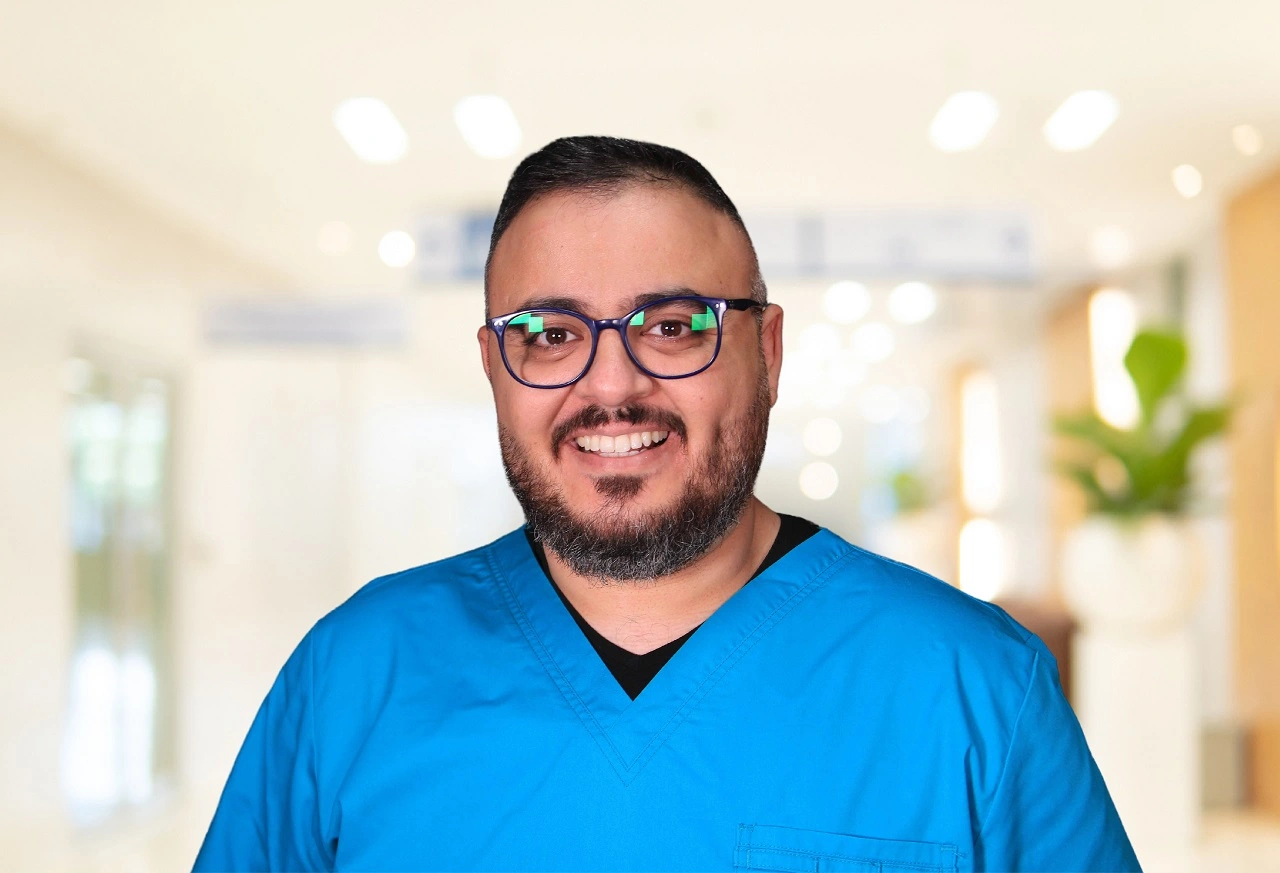
Dr. Chadi El Masry
Dentist
DDS
Dr. Chadi El Masry is a Dentist at Doctors Clinic Diagnostic Center (DCDC) in Dubai Healthcare City.
Related Articles
Dental Implant Cost Dubai: From AED 3,000 (2026)

Dental Bridge Cost Dubai: From AED 1,500 (2026)
Dental Crown Cost Dubai: From AED 800 (2026)
Dental Checkup Dubai: What to Expect (2026)
More in Dental
Tooth Filling vs Crown Dubai: Which One? (2026)
और पढ़ें
Dental Crowns vs Veneers Dubai: Guide (2026)
और पढ़ें
Dentures vs Dental Implants Dubai (2026)
और पढ़ेंDental Veneers Cost Dubai: From AED 500 (2026)
और पढ़ें
Root Canal vs Tooth Extraction Dubai (2026)
और पढ़ेंDental Inlays & Onlays Dubai: Cost Guide (2026)
और पढ़ें© 2026 Doctors Clinic Diagnostic Center (DCDC), Dubai Healthcare City. Originally published at https://doctorsclinicdubai.ae/blog/dentures-cost-dubai. All rights reserved. Unauthorized reproduction is prohibited.