Prenez votre rendez-vous
Avis verifies des patients du centre de diagnostic DCDC a Dubai
Avis verifies et temoignages reels de patients de Dubai Healthcare City
Je suis très satisfaite de cette clinique médicale. J'ai fait mon premier dépistage de grossesse ici. C'était abordable et très professionnel. Le radiologue était accueillant, gentil et a rendu l'expérience formidable.
Aizhan Tokmanbetova
Je me suis blessée au genou vendredi soir et j'ai obtenu un rendez-vous IRM dimanche soir (réservé dimanche après-midi). J'ai attendu environ 2 minutes et c'était terminé en un peu plus de 30 minutes. L'équipe était incroyable, sympathique et efficace.
Kirsten Evans
L'équipe du Dr Osama était douce et incroyable. Après une mauvaise expérience ailleurs, mon examen pelvien ici était beaucoup plus professionnel. Excellent rapport et très précis.
Mary

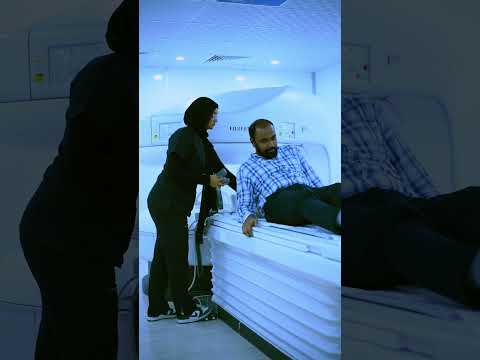
Rééducation Neurologique à Dubaï : Récupération Post-AVC et Réhabilitation Neurologique
Récupération neurologique basée sur les preuves à Dubai Healthcare City
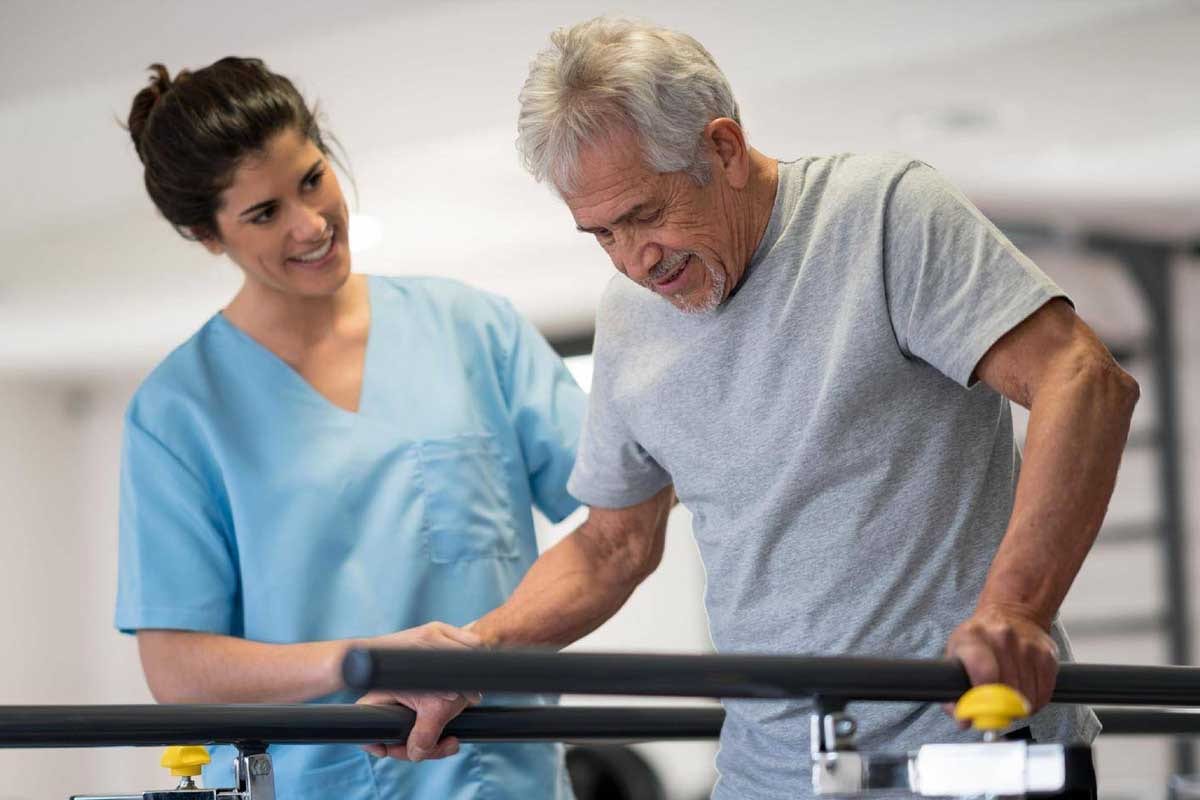
Neuroplasticité
Récupération neurale basée sur les preuves
Dirigé par un Consultant
Médecine de rééducation spécialisée
Intégré
Imagerie sur place et équipe spécialisée
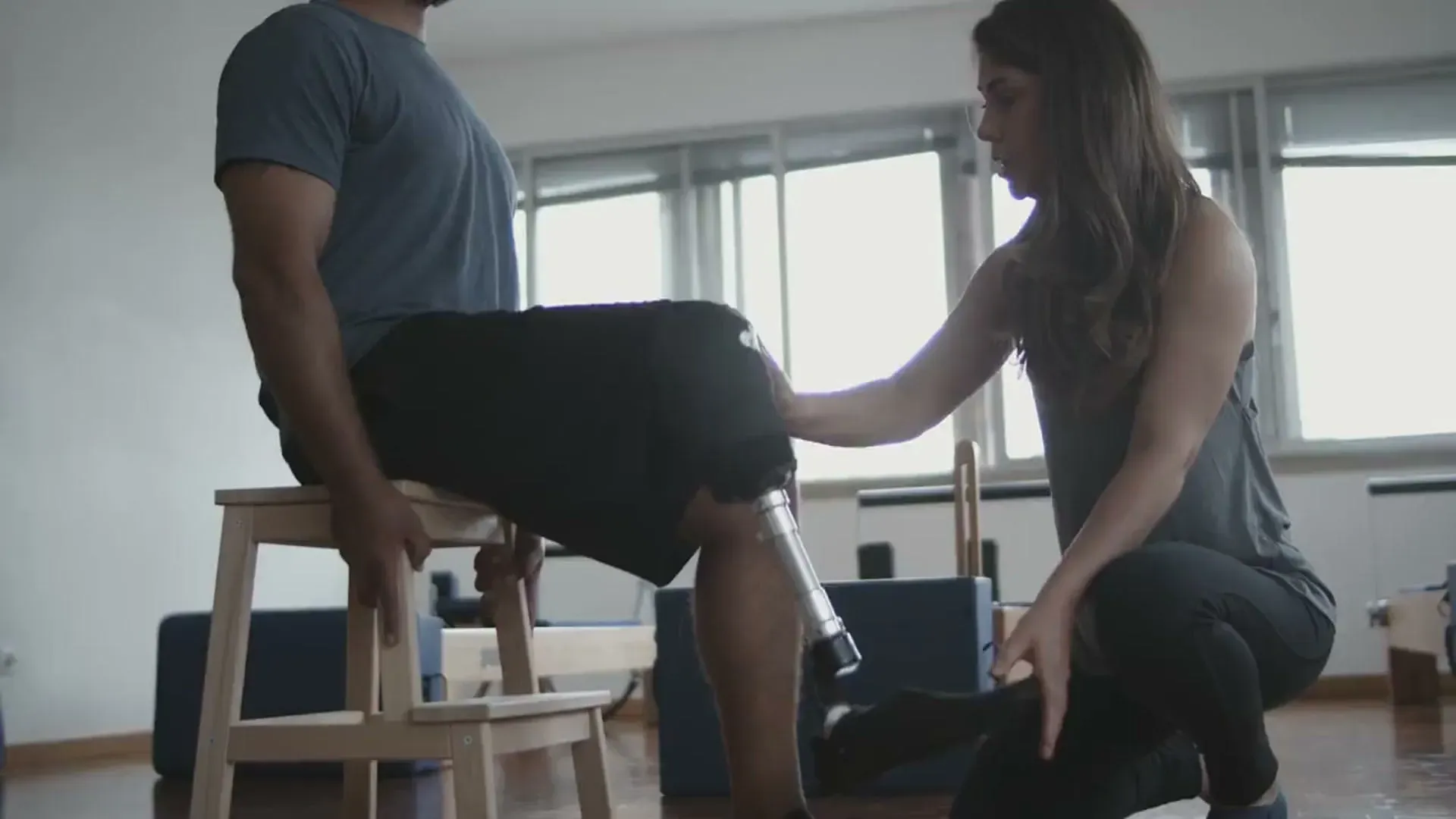
Le programme de rééducation neurologique du DCDC à Dubai Healthcare City offre une réhabilitation pour les AVC, les lésions cérébrales et les conditions neurologiques progressives. Notre approche basée sur les preuves utilise des techniques de neuroplasticité pour maximiser la récupération fonctionnelle et restaurer l'autonomie.
Les blessures et maladies neurologiques affectent la capacité du cerveau à contrôler le mouvement, la sensibilité, la cognition et la communication. L'AVC est la cause la plus fréquente de handicap chez l'adulte dans le monde, et la réhabilitation précoce est le facteur le plus important déterminant les résultats fonctionnels à long terme.
Notre programme de rééducation neurologique est fondé sur le principe que le cerveau peut se réorganiser lui-même grâce à la neuroplasticité. Même après des dommages importants d'un AVC ou d'une lésion cérébrale, le cerveau peut former de nouveaux circuits neuronaux et renforcer les connexions existantes lorsqu'il est stimulé par une pratique structurée, répétitive et orientée vers les tâches.
Neuroplasticité
Récupération neurale basée sur les preuves
Dirigé par un Consultant
Médecine de rééducation spécialisée
Intégré
Imagerie sur place et équipe spécialisée
Rééducation Neurologique à Dubaï : Récupération Post-AVC et Réhabilitation Neurologique
Récupération neurologique basée sur les preuves à Dubai Healthcare City
Le programme de rééducation neurologique du DCDC à Dubai Healthcare City offre une réhabilitation pour les AVC, les lésions cérébrales et les conditions neurologiques progressives. Notre approche basée sur les preuves utilise des techniques de neuroplasticité pour maximiser la récupération fonctionnelle et restaurer l'autonomie.
Les blessures et maladies neurologiques affectent la capacité du cerveau à contrôler le mouvement, la sensibilité, la cognition et la communication. L'AVC est la cause la plus fréquente de handicap chez l'adulte dans le monde, et la réhabilitation précoce est le facteur le plus important déterminant les résultats fonctionnels à long terme.
Notre programme de rééducation neurologique est fondé sur le principe que le cerveau peut se réorganiser lui-même grâce à la neuroplasticité. Même après des dommages importants d'un AVC ou d'une lésion cérébrale, le cerveau peut former de nouveaux circuits neuronaux et renforcer les connexions existantes lorsqu'il est stimulé par une pratique structurée, répétitive et orientée vers les tâches.

Shanika Rajasekara
Découvrez nos services
Services rééducation neurologique complets au DCDC Dubai Healthcare City.

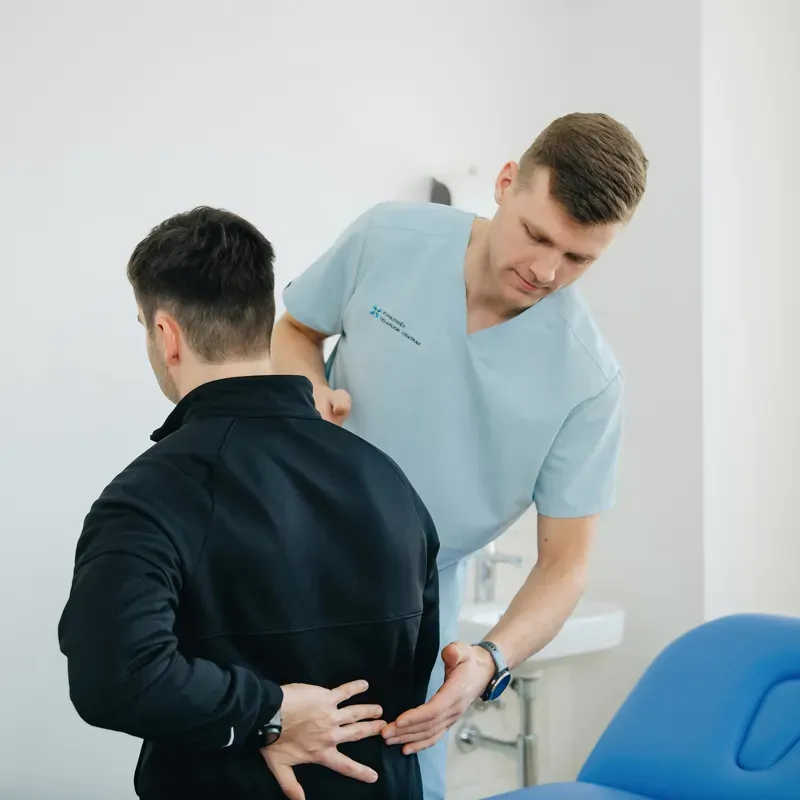
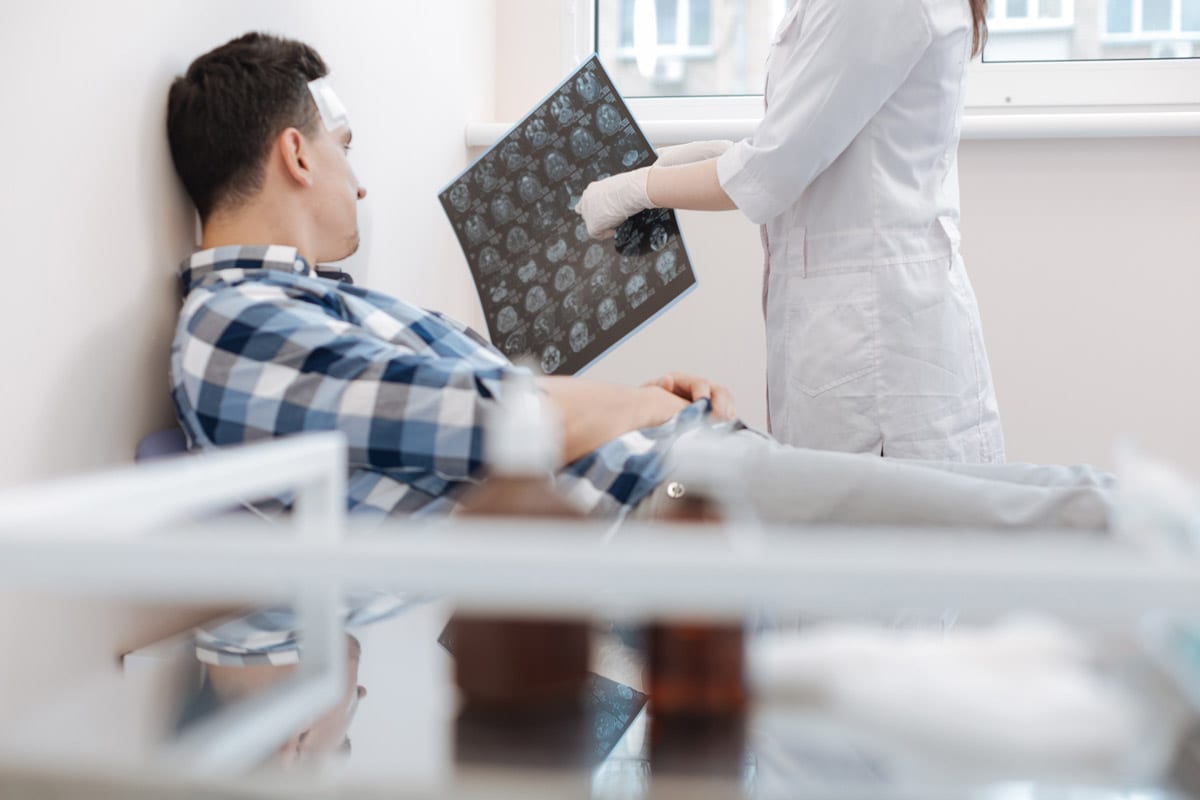
Tous les services realises par des specialistes agrees DHA
Qui devrait beneficier de Rééducation Neurologique ?
La rééducation neurologique est essentielle pour les patients atteints de conditions neurologiques affectant le mouvement, l'équilibre, la cognition ou la fonction quotidienne.
Récupération post-AVC (ischémique ou hémorragique)
Lésion cérébrale traumatique à n'importe quelle phase de la récupération
Maladie de Parkinson avec difficultés de mouvement ou d'équilibre
Sclérose en plaques avec fatigue, faiblesse ou problèmes de coordination
Troubles de l'équilibre et de la marche d'origine neurologique
Récupération après neurochirurgie
Pourquoi Choisir DCDC pour la Rééducation Neurologique ?
Rééducation neurologique agréée MOHAP dans notre clinique dirigée par des consultants avec des programmes basés sur la neuroplasticité et une imagerie avancée sur place.
Agréé MOHAP
Établissement agréé à Dubai Healthcare City avec des normes cliniques strictes.
Accent sur la Neuroplasticité
Techniques de réapprentissage moteur et d'adaptation neurale basées sur les preuves.
Dirigé par un Consultant
Consultant en médecine de rééducation avec expertise neurologique.
Imagerie Sur Place
IRM et scanner cérébral disponibles pour l'évaluation neurologique et le suivi.
Multidisciplinary
Physical therapy, neurorehabilitation, and medical management coordinated.
DHCC Location
Building 64, Block A, DCDC. Accessible facilities and free parking.
Votre visite en tout confort
Un processus d'examen Rééducation simple, etape par etape, concu pour le confort, la rapidite et la precision.
Tarifs de la Rééducation Neurologique
Les tarifs Rééducation à Dubaï varient selon le type de service et la couverture d'assurance pour différents types de services.
- Les tarifs varient selon le type d'examen et la necessite de produit de contraste
- Couverture d'assurance acceptee avec ordonnance et verification
- Tarifs transparents pour paiement direct avec devis instantane sur demande
Verification d'assurance en quelques minutes - Pas de frais caches - Reponse rapide sur WhatsApp
Guide du patient
À Quoi S'attendre en Rééducation Neurologique
Évaluation complète et plan de rééducation personnalisé suivis de sessions régulières.
Assurance et localisation
Partenaires d'assurance
- •Plus de 20 assureurs à Dubaï dont Daman, AXA, ADNIC et d'autres
- •Assistance pré-autorisation et facturation directe (le cas échéant)
- •Vérification de la couverture avant votre rendez-vous dans notre clinique de Dubai Healthcare City
- •Tarification transparente sans frais cachés pour les services de rééducation neurologique







Rendez-nous visite a Dubai Healthcare City
Doctors Clinic Diagnostic Center
Batiment 64, Bloc A, Al Razi Medical Complex, Dubai Healthcare City, Dubai, EAU
Pres de Oud Metha Road - Acces facile depuis Bur Dubai, Downtown Dubai, Business Bay - Parking gratuit dedie disponible
Horaires d'ouverture
Lun-Jeu, Sam : 8h - 22h30 | Dim : 8h30 - 22h30 | Ven : 9h - 22h
Comment fonctionne l'assurance chez DCDC
Vérifier la couverture
Vérifiez que votre plan couvre Rééducation Neurologique
Obtenir une référence
Certains assureurs exigent une référence du médecin — nous pouvons vous guider
Pré-autorisation
Nous gérons la pré-autorisation directement avec votre assureur
Facturation directe
Pas de paiement initial — nous facturons directement votre assureur
Co-paiement uniquement
Vous ne payez que le co-paiement applicable à la clinique
Vérifier la couverture
Vérifiez que votre plan couvre Rééducation Neurologique
Obtenir une référence
Certains assureurs exigent une référence du médecin — nous pouvons vous guider
Pré-autorisation
Nous gérons la pré-autorisation directement avec votre assureur
Facturation directe
Pas de paiement initial — nous facturons directement votre assureur
Co-paiement uniquement
Vous ne payez que le co-paiement applicable à la clinique
Your Specialist
Shanika Rajasekara
Physiotherapist
DHA-licensed Physiotherapist
English · Sinhala · Hindi
Guide du patient
Comprendre Neurorehabilitation
Neurorehabilitation is the medical specialty devoted to restoring function after injury or disease affecting the brain, spinal cord, and peripheral nervous system. Unlike general rehabilitation, which focuses on musculoskeletal recovery, neurorehabilitation targets the unique challenges of neurological damage: disrupted motor control, altered sensation, impaired cognition, and compromised autonomic function. The discipline integrates neuroscience, rehabilitation medicine, and behavioural science to design programmes that promote neural recovery.
Stroke is the most common condition requiring neurorehabilitation and the leading cause of long-term disability in adults. A stroke occurs when blood supply to part of the brain is interrupted (ischaemic stroke) or when a blood vessel bursts (haemorrhagic stroke), causing brain cell death and loss of function in the areas controlled by the damaged tissue. The pattern of impairment depends on the location and extent of damage: right-hemisphere strokes typically cause left-sided weakness and spatial awareness problems, while left-hemisphere strokes often affect right-sided movement and language.
The cornerstone of modern neurorehabilitation is the principle of neuroplasticity, the brain\
The intensity of rehabilitation is a critical determinant of outcome. Studies consistently show a dose-response relationship: more therapy produces better results, up to a point. Current evidence suggests that stroke patients benefit from at least three heures of active rehabilitation per jour during the initial recovery phase. While this level of intensity is challenging to sustain, the principle underscores the importance of maximising active practice time during sessions and supplementing clinic-based therapy with structured home exercise. At DCDC, our neurorehabilitation programmes are designed to optimise therapy intensity within each patient\
Neurological Conditions We Treat in Rehabilitation
Stroke Recovery
Comprehensive rehabilitation for ischaemic and haemorrhagic stroke including motor recovery, walking retraining, upper limb function, speech and swallowing, and return to daily activities.
Traumatic Brain Injury
Physical and cognitive rehabilitation following head injuries addressing mobility, coordination, memory, attention, behavioural changes, and functional independence.
Parkinson Disease
Exercise-based therapy focusing on gait training, balance, movement amplitude, dual-task performance, and fall prevention tailored to disease stage.
Multiple Sclerosis
Symptom management and functional maintenance addressing fatigue, balance, mobility, strength, and cognitive function during stable periods.
Vestibular Disorders
Balance rehabilitation for vestibular neuritis, BPPV, and central vestibular conditions using habituation, gaze stabilisation, and balance retraining exercises.
Peripheral Neuropathy
Rehabilitation for nerve damage affecting limb function including sensory re-education, strengthening, balance training, and fall prevention.
Articles associés
Back Pain: Causes and Treatment
Understanding pain management and rehabilitation approaches for spinal conditions.
Lateral Recess Stenosis and CT Scan
How imaging and rehabilitation work together for spinal conditions.
Sports Injury Recovery in Dubai
A guide to structured rehabilitation for injury recovery at DCDC.
Services connexes
Decouvrez d'autres services de diagnostic et de consultation disponibles dans notre clinique de Dubai Healthcare City.
Questions frequentes
Questions courantes sur Rééducation Neurologique a Dubai.
Les recherches montrent que commencer une rééducation structurée précocement — dans les jours suivant un AVC — donne les meilleurs résultats fonctionnels. Même à des stades tardifs, le cerveau reste capable de changer et de s'améliorer.
Oui. La thérapie du mouvement LSVT BIG et les techniques d'entraînement moteur améliorent la stabilité, la conscience motrice et réduisent la rigidité tout en ralentissant le déclin fonctionnel dans la maladie de Parkinson.
Généralement 45 à 60 minutes par session. La durée des programmes varie de quelques semaines à plusieurs mois selon la nature de la condition et les objectifs de récupération.
Non. Le programme est conçu pour être progressif et adapté à vos capacités. Vous pouvez ressentir une fatigue physique et cognitive au début, ce qui est une partie normale du processus de récupération.
Faits cles
Supervision medicale
Tous les services sont fournis sous la supervision de professionnels medicaux agrees dans notre etablissement accredite MOHAP.