
Prenez votre rendez-vous
Avis verifies des patients du centre de diagnostic DCDC a Dubai
Avis verifies et temoignages reels de patients de Dubai Healthcare City
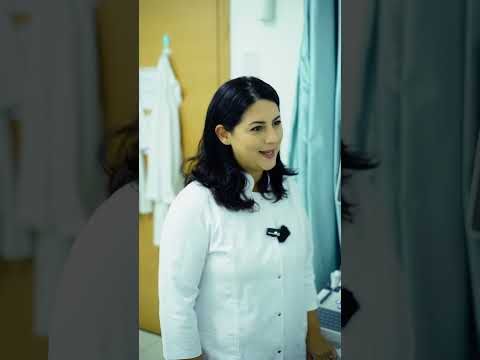
Je suis très satisfaite de cette clinique médicale. J'ai fait mon premier dépistage de grossesse ici. C'était abordable et très professionnel. Le radiologue était accueillant, gentil et a rendu l'expérience formidable.
Aizhan Tokmanbetova
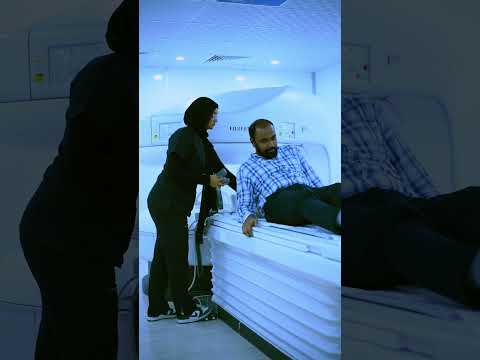
Je me suis blessée au genou vendredi soir et j'ai obtenu un rendez-vous IRM dimanche soir (réservé dimanche après-midi). J'ai attendu environ 2 minutes et c'était terminé en un peu plus de 30 minutes. L'équipe était incroyable, sympathique et efficace.
Kirsten Evans
L'équipe du Dr Osama était douce et incroyable. Après une mauvaise expérience ailleurs, mon examen pelvien ici était beaucoup plus professionnel. Excellent rapport et très précis.
Mary


Hypertension Management in Dubai: Expert Blood Pressure Control
Protect your heart, brain, and kidneys with personalized BP management

Soins spécialisés
Hypertension Management au DCDC Dubai Healthcare City
Hypertension management in Dubai Healthcare City. Expert BP control, 24-hour monitoring, same-day appointments. Book today.
Soins spécialisés
Hypertension Management au DCDC Dubai Healthcare City
Hypertension Management in Dubai: Expert Blood Pressure Control
Protect your heart, brain, and kidneys with personalized BP management
Hypertension management in Dubai Healthcare City. Expert BP control, 24-hour monitoring, same-day appointments. Book today.
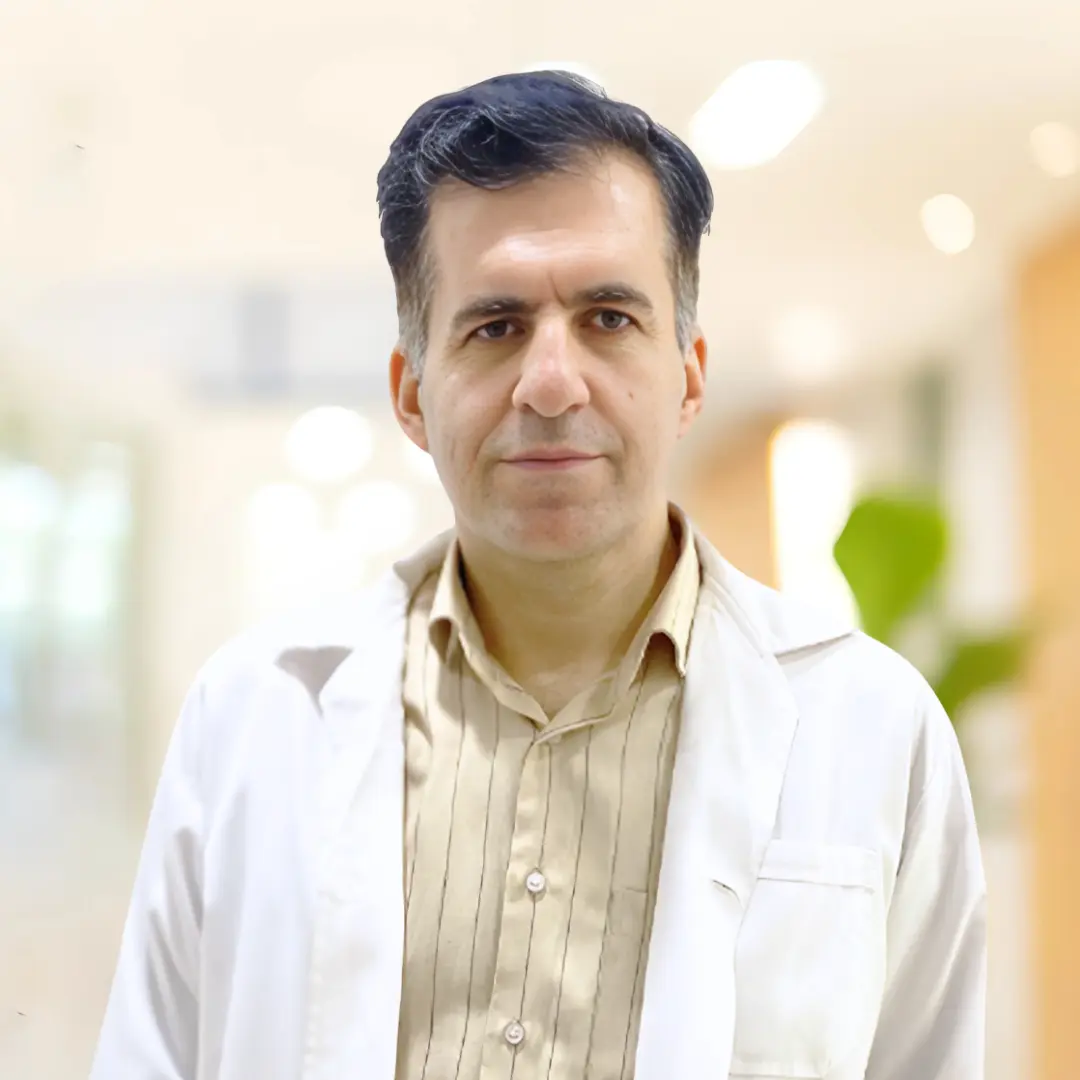
Dr. Shahoo Mazhari
Découvrez nos services
Services gestion de l'hypertension complets au DCDC Dubai Healthcare City.

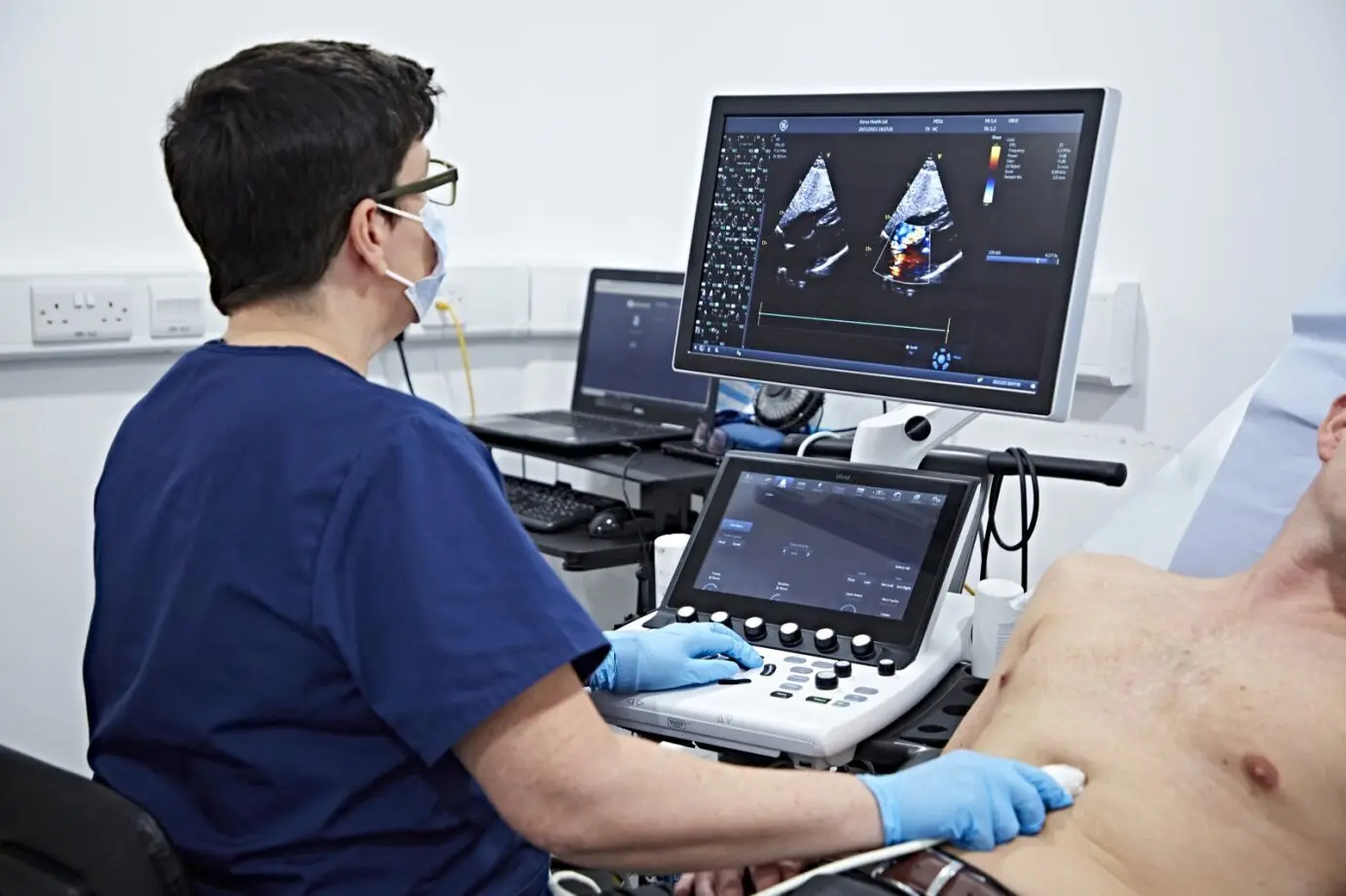
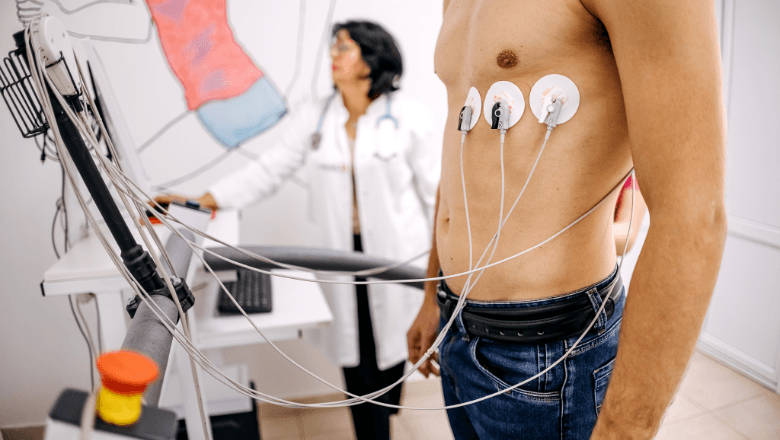
Tous les services realises par des specialistes agrees DHA
Hypertension Management
Hypertension management in Dubai Healthcare City. Expert BP control, 24-hour monitoring, same-day appointments. Book today.
Consistent BP readings above 130/80 mmHg despite lifestyle changes
White coat hypertension suspected. high only at doctor visits
Masked hypertension. Normal at clinic, high at home
Diabetes or kidney disease requiring tight BP control
Resistant hypertension despite three or more medications
Secondary hypertension workup needed for younger patients
Hypertension Management au DCDC Dubai Healthcare City
Soins spécialisés
MOHAP Licensed
Accredited medical center in our center. License NIMY7VY5-240925.
Expert Cardiologists
Board-certified specialists in hypertension and cardiovascular risk management.
Same-Day Appointments
Available for urgent BP concerns. Book early. Slots fill fast.
Insurance Support
Direct billing with 20+ insurers. We handle pre-authorization for you.
Convenient Location
Building 64, Block A in DCDC. Free parking on-site.
Patient Experience
4.8/5 Google rating. Comprehensive care with compassionate service.
Votre visite en tout confort
Un processus d'examen Hypertension simple, etape par etape, concu pour le confort, la rapidite et la precision.
Hypertension Management
Les tarifs Hypertension à Dubaï varient selon le type de service et la couverture d'assurance pour différents types de services.
- Les tarifs varient selon le type d'examen et la necessite de produit de contraste
- Couverture d'assurance acceptee avec ordonnance et verification
- Tarifs transparents pour paiement direct avec devis instantane sur demande
Verification d'assurance en quelques minutes - Pas de frais caches - Reponse rapide sur WhatsApp
Guide du patient
Hypertension Management
Hypertension management in Dubai Healthcare City. Expert BP control, 24-hour monitoring, same-day appointments. Book today.
Assurance et localisation
Partenaires d'assurance
- •Plus de 20 assureurs à Dubaï dont Daman, AXA, ADNIC et d'autres
- •Assistance pré-autorisation et facturation directe (le cas échéant)
- •Vérification de la couverture avant votre rendez-vous dans notre clinique de Dubai Healthcare City
- •Tarification transparente sans frais cachés pour les services de hypertension management






Rendez-nous visite a Dubai Healthcare City
Doctors Clinic Diagnostic Center
Batiment 64, Bloc A, Al Razi Medical Complex, Dubai Healthcare City, Dubai, EAU
Pres de Oud Metha Road - Acces facile depuis Bur Dubai, Downtown Dubai, Business Bay - Parking gratuit dedie disponible
Horaires d'ouverture
Lun-Jeu, Sam : 8h - 22h30 | Dim : 8h30 - 22h30 | Ven : 9h - 22h
Comment fonctionne l'assurance chez DCDC
Vérifier la couverture
Vérifiez que votre plan couvre Hypertension Management
Obtenir une référence
Certains assureurs exigent une référence du médecin — nous pouvons vous guider
Pré-autorisation
Nous gérons la pré-autorisation directement avec votre assureur
Facturation directe
Pas de paiement initial — nous facturons directement votre assureur
Co-paiement uniquement
Vous ne payez que le co-paiement applicable à la clinique
Vérifier la couverture
Vérifiez que votre plan couvre Hypertension Management
Obtenir une référence
Certains assureurs exigent une référence du médecin — nous pouvons vous guider
Pré-autorisation
Nous gérons la pré-autorisation directement avec votre assureur
Facturation directe
Pas de paiement initial — nous facturons directement votre assureur
Co-paiement uniquement
Vous ne payez que le co-paiement applicable à la clinique
Your Specialist
Dr. Shahoo Mazhari
Consultant Cardiologist
MD, Consultant Cardiologist
Persian · English · Kurdish
Guide du patient
L'Hypertension : Guide Complet
L'hypertension, définie par des lectures supérieures à 140/90 mmHg de façon persistante, touche des millions de personnes aux Émirats et dans le monde.
Comprendre les lectures de la pression artérielle est essentiel. Le chiffre supérieur est la pression systolique qui mesure la force de pompage du cœur, et le chiffre inférieur est la pression diastolique.
Les stratégies de gestion de l'hypertension comprennent des changements de mode de vie : réduction du sodium, régime DASH, activité physique régulière, perte de poids et arrêt du tabac.
La surveillance ambulatoire de la pression artérielle sur 24 heures permet un suivi continu tout au long de la journée et de la nuit.
Conditions Traitées à la Clinique de l'Hypertension
Hypertension Essentielle
Type d'hypertension le plus courant sans cause organique spécifique, traitée par modification du mode de vie et médicaments
Hypertension Secondaire
Hypertension causée par des maladies sous-jacentes comme une maladie rénale ou des troubles thyroïdiens
Hypertension Résistante
Hypertension restant non contrôlée malgré trois médicaments ou plus
Crise Hypertensive
Élévation aiguë sévère de la pression artérielle nécessitant des soins d'urgence
Hypertension Gravidique
Hypertension pendant la grossesse incluant la prééclampsie nécessitant une surveillance étroite
Effet Blouse Blanche
Hypertension en clinique avec des lectures normales à domicile, diagnostiquée par monitoring ambulatoire
Articles associés
Hypertension : Le Tueur Silencieux
Pourquoi l'hypertension est dangereuse et comment la gérer efficacement.
Cardiologie à Dubaï
Guide complet des services de cardiologie au DCDC.
Prévention des Maladies Cardiaques
Stratégies de prévention des maladies cardiaques et modification des facteurs de risque.
Services connexes
Decouvrez d'autres services de diagnostic et de consultation disponibles dans notre clinique de Dubai Healthcare City.
Questions frequentes
Questions courantes sur Hypertension Management a Dubai.
Nous proposons Hypertension Management à Dubai Healthcare City. Notre équipe de spécialistes expérimentés est disponible pour un examen et une consultation complète. Contactez-nous pour plus d'informations.
La durée varie selon chaque cas individuel. Notre équipe vous informera à l'avance du temps exact nécessaire. Contactez-nous pour prendre un rendez-vous.
La plupart des grandes assurances à Dubaï couvrent Hypertension Management. Nous proposons une facturation directe avec plus de 20 compagnies d'assurance, dont Daman, AXA et Bupa. Contactez-nous pour vérifier votre couverture.
Notre équipe vous donnera des instructions de préparation spécifiques avant votre rendez-vous. En général, nous recommandons d'apporter tous vos médicaments actuels et vos dossiers médicaux pertinents.
Chez DCDC, nous proposons Hypertension Management avec des spécialistes expérimentés, des équipements de pointe et des soins aux patients de premier ordre à Dubai Healthcare City. Notre établissement est agréé par MOHAP et suit des normes cliniques strictes.
Vous pouvez prendre rendez-vous pour Hypertension Management par téléphone au +971 54 219 5008 ou via notre système de réservation en ligne. Nous proposons des horaires flexibles, y compris des rendez-vous le jour même si disponibles.
Faits cles
Supervision medicale
Tous les services sont fournis sous la supervision de professionnels medicaux agrees dans notre etablissement accredite MOHAP.