Points cles
- Snoring affects up to 40% of adults, but not all snoring indicates sleep apnea. Sleep apnea involves repeated breathing pauses during sleep (apneas) lasting 10+ seconds, causing oxygen drops, fragmented sleep, and serious cardiovascular consequences if untreated.
- The 10 warning signs of obstructive sleep apnea (OSA) include: loud habitual snoring, witnessed breathing pauses, gasping/choking during sleep, excessive daytime sleepiness, morning headaches, dry mouth on waking, difficulty concentrating, irritability, frequent nighttime urination, and reduced libido.
- Diagnosis requires a sleep study — either in-lab polysomnography (gold standard, from AED 3,000) or a home sleep test (from AED 1,500). Self-diagnosis is not possible because most apnea events occur without the patient's awareness.
- CPAP (continuous positive airway pressure) is the first-line treatment for moderate-to-severe OSA. CPAP devices cost from AED 2,000 in Dubai. Alternatives include oral appliances (mandibular advancement devices), positional therapy, weight loss, and surgery for selected cases.
- Untreated sleep apnea significantly increases the risk of hypertension, heart attack, stroke, type 2 diabetes, atrial fibrillation, and motor vehicle accidents. It is a treatable condition — most patients experience dramatic improvement in energy and quality of life with appropriate treatment.
- Dubai lifestyle factors — air conditioning affecting nasal congestion, late-night social culture, high obesity rates, and stress — all contribute to a high prevalence of snoring and sleep apnea in the region.
If your partner complains about your loud snoring, if you wake up feeling exhausted despite 7-8 hours of sleep, if you struggle with afternoon fatigue that no amount of coffee can fix, or if someone has witnessed you stop breathing during sleep — you may have obstructive sleep apnea (OSA). Sleep apnea affects an estimated 1 billion people worldwide and is dramatically underdiagnosed — up to 80% of moderate-to-severe cases remain undetected. This guide covers everything you need to know: the difference between harmless snoring and dangerous sleep apnea, the 10 warning signs, how sleep studies work, every treatment option available in Dubai, costs, and why getting diagnosed could literally save your life.
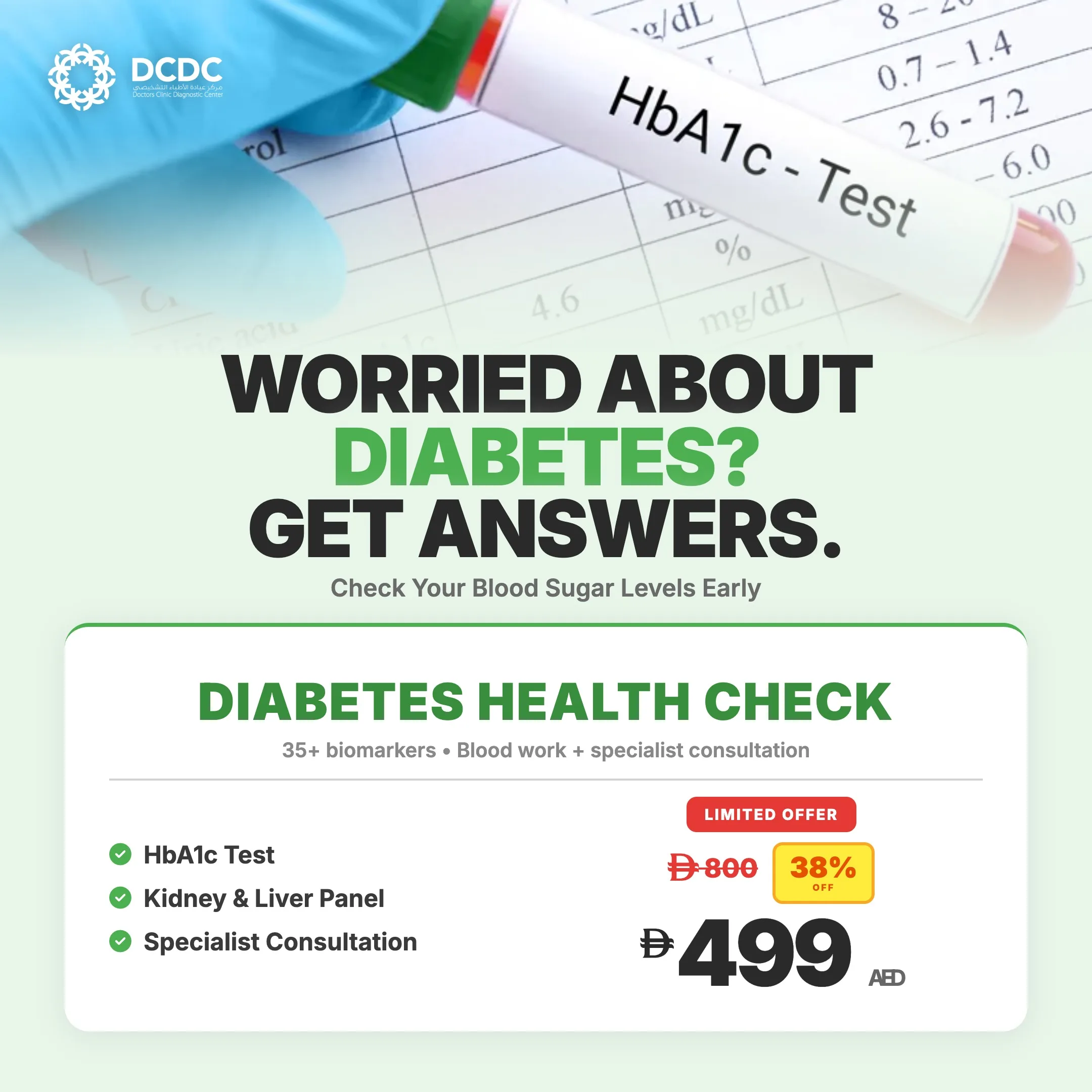
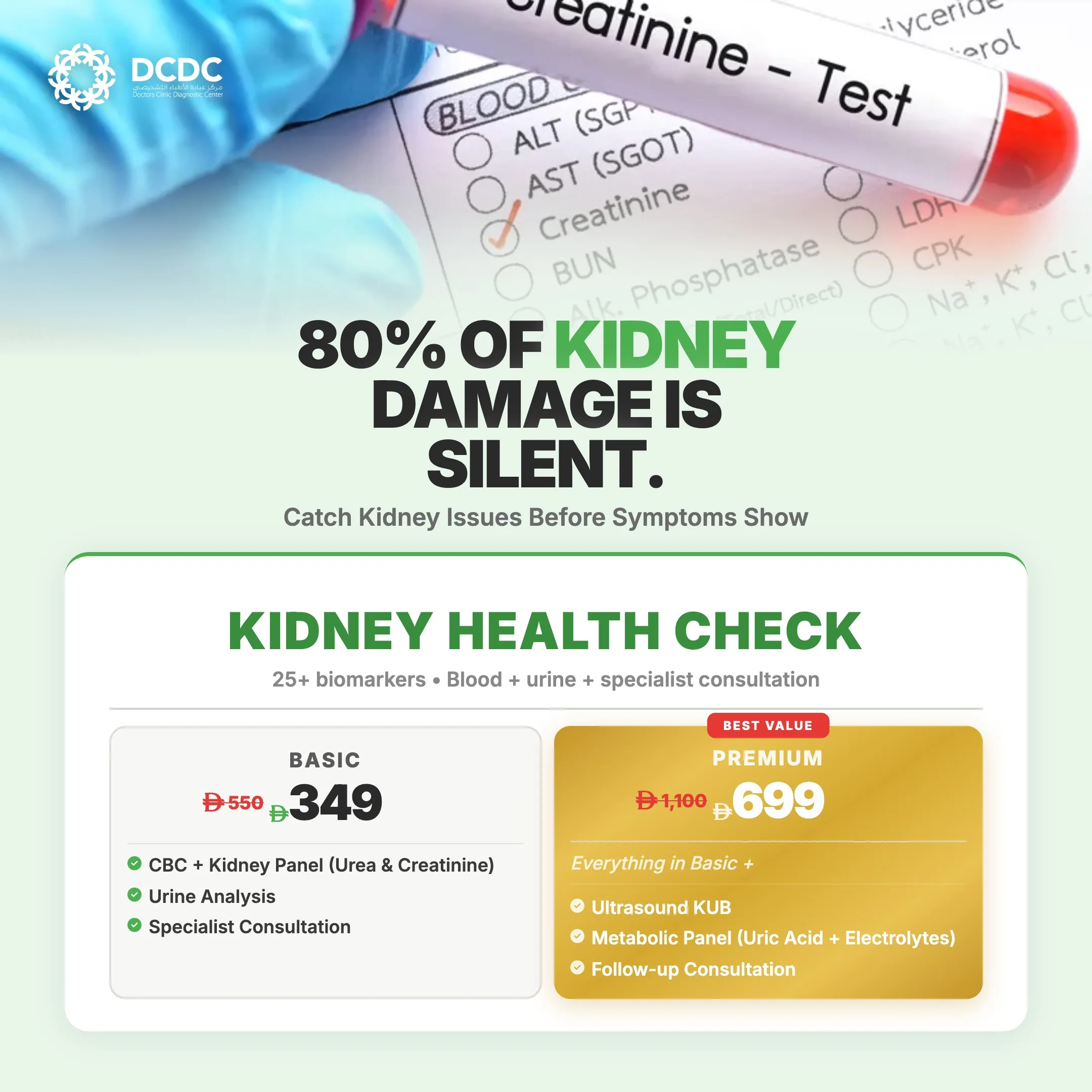
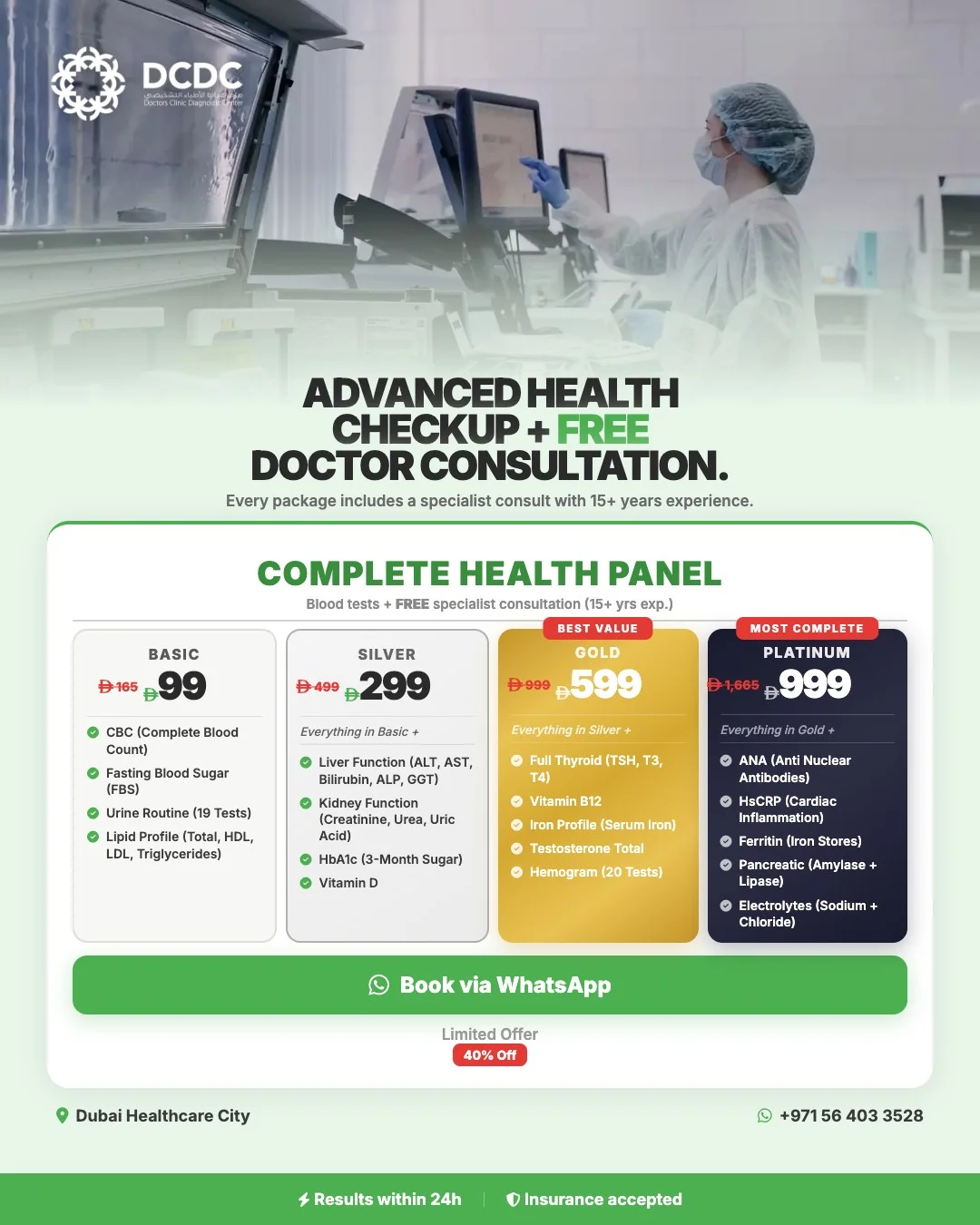
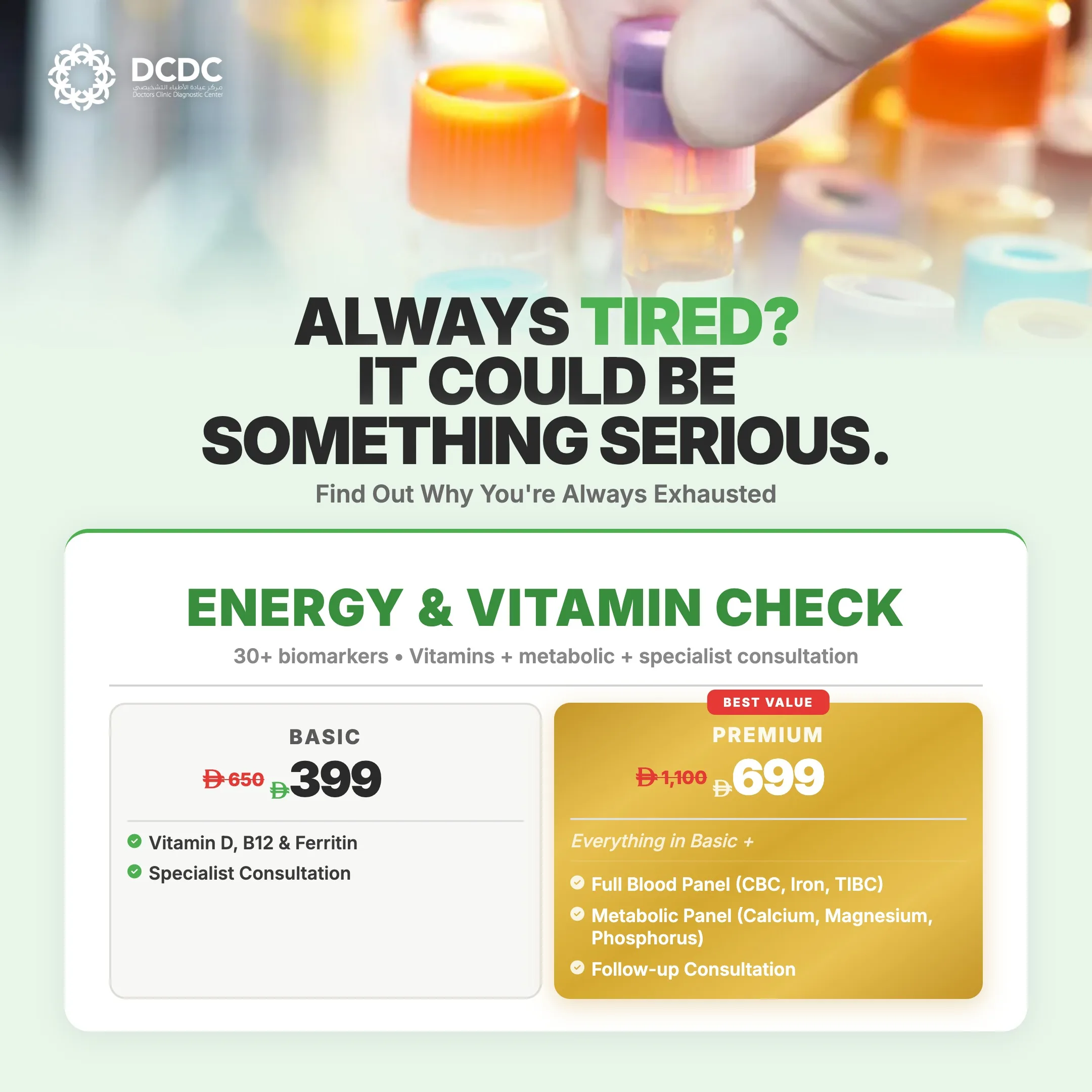
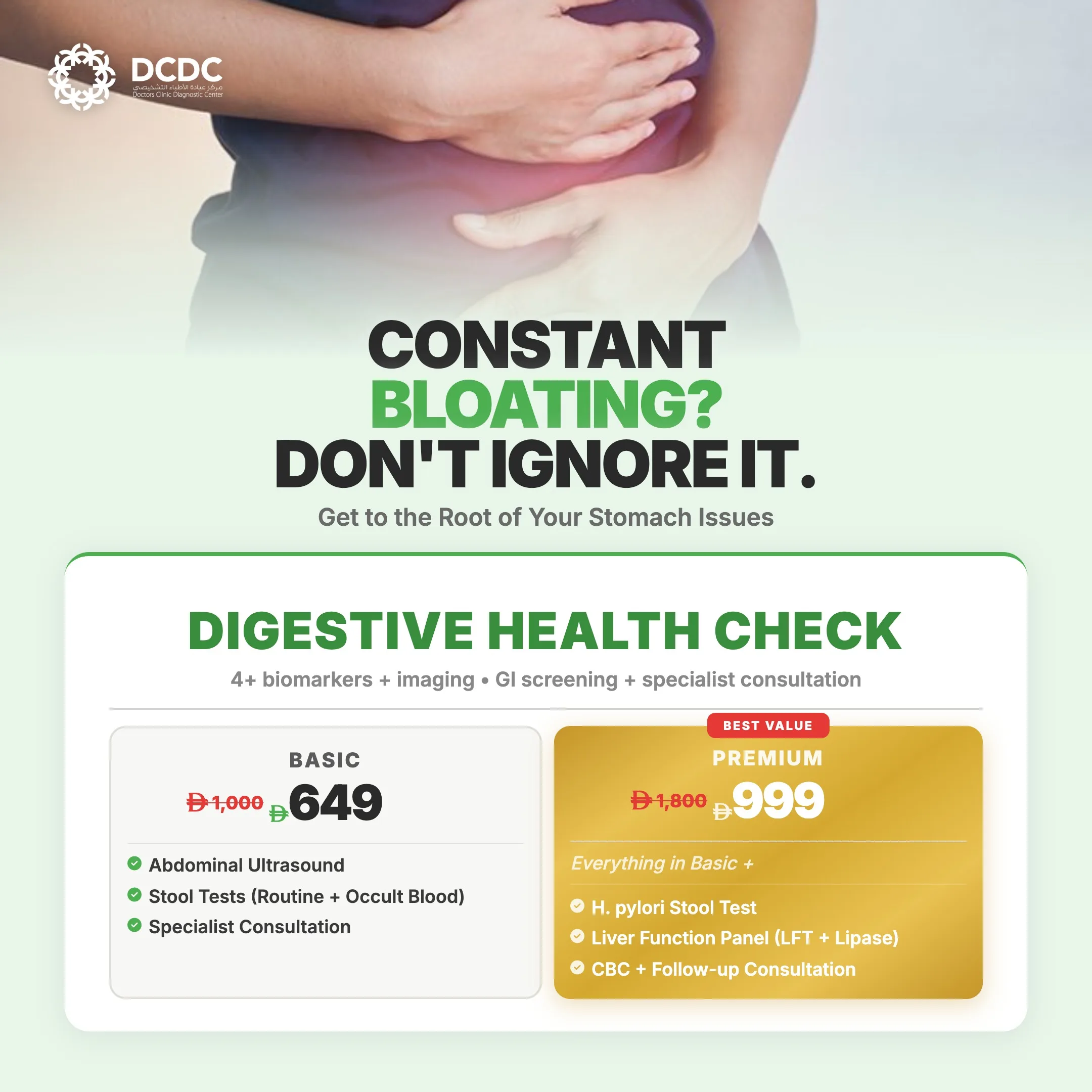
Health Screening Packages
Save with our bundled screening packages — specialist consultation included

What Is Sleep Apnea?
Sleep apnea is a sleep disorder characterised by repeated interruptions in breathing during sleep. The word "apnea" means "without breath" — during an apnea event, airflow stops completely for at least 10 seconds. A related event called a hypopnea is a partial reduction in airflow (30-50% reduction) with an associated oxygen drop or arousal.
These breathing interruptions cause blood oxygen levels to drop, trigger micro-arousals that fragment sleep (often without the patient being aware), and activate the sympathetic nervous system (fight-or-flight response). Over time, this repeated oxygen deprivation and sympathetic activation damages blood vessels, strains the heart, and disrupts metabolic processes.
Types of Sleep Apnea
- Obstructive Sleep Apnea (OSA): The most common type (84% of cases). The airway physically collapses or becomes blocked during sleep, usually at the level of the soft palate, tongue base, or both. Breathing effort continues (the chest moves) but air cannot get through the obstruction
- Central Sleep Apnea (CSA): The brain fails to send the signal to breathe. Unlike OSA, there is no physical obstruction — the chest and diaphragm simply stop moving. CSA is associated with heart failure, stroke, opioid use, and high-altitude exposure
- Mixed (Complex) Sleep Apnea: A combination of both obstructive and central events. Some patients initially diagnosed with OSA develop central apneas after starting CPAP therapy
Snoring vs Sleep Apnea: What Is the Difference?
Snoring is the sound produced by vibration of the soft palate and other throat tissues when airflow is partially obstructed during sleep. Not all snoring is sleep apnea — simple (primary) snoring without apnea events is common and, while socially disruptive, is not inherently dangerous.
| Feature | Simple Snoring | Obstructive Sleep Apnea |
|---|---|---|
| Sound pattern | Steady, rhythmic | Loud with pauses, gasps, choking sounds |
| Breathing pauses | None | Repeated pauses lasting 10+ seconds |
| Oxygen levels | Normal | Drop during apnea events |
| Daytime sleepiness | Minimal or none | Excessive — falling asleep in meetings, while driving |
| Morning headaches | Rare | Common (from overnight oxygen drops) |
| Health risks | Social disruption | Hypertension, heart attack, stroke, diabetes |
| Treatment needed? | Lifestyle changes, positional | Medical treatment essential |
Key differences between simple snoring and obstructive sleep apnea
When to worry about snoring: If snoring is loud enough to disturb others, is accompanied by witnessed breathing pauses or gasping, or you experience excessive daytime sleepiness — a sleep study is strongly recommended to rule out or confirm OSA.
10 Warning Signs of Sleep Apnea
Many people with sleep apnea do not realise they have it — they are asleep when the apnea events occur. The following warning signs should prompt evaluation.
- 1. Loud, habitual snoring — especially if it can be heard through closed doors or in the next room
- 2. Witnessed breathing pauses — a bed partner observes you stop breathing, sometimes for alarmingly long periods, followed by a loud snort or gasp
- 3. Gasping or choking during sleep — waking suddenly with a sensation of choking or suffocation
- 4. Excessive daytime sleepiness (EDS) — falling asleep easily during passive activities (watching TV, reading, meetings), difficulty staying alert while driving. This is the hallmark symptom — measured by the Epworth Sleepiness Scale
- 5. Morning headaches — dull, pressing headaches upon waking that improve within a few hours, caused by overnight carbon dioxide retention
- 6. Dry mouth or sore throat on waking — from mouth breathing during sleep due to nasal obstruction or jaw opening
- 7. Difficulty concentrating and memory problems — chronic sleep fragmentation impairs cognitive function, mimicking attention deficit disorder in adults
- 8. Irritability and mood changes — depression, anxiety, and irritability are significantly more common in untreated OSA patients
- 9. Nocturia (frequent nighttime urination) — OSA causes increased production of atrial natriuretic peptide, leading to frequent urination at night (often 2-4+ times)
- 10. Reduced libido and erectile dysfunction — sleep fragmentation and oxygen deprivation affect hormone production, particularly testosterone
Risk Factors for Sleep Apnea
- Obesity (BMI >30): The single strongest risk factor. Excess fat around the neck and throat narrows the airway. A neck circumference >43cm (17 inches) in men or >38cm (15 inches) in women significantly increases risk
- Age: Risk increases with age — prevalence peaks in the 50-70 age group, though OSA can occur at any age including childhood
- Male sex: Men are 2-3 times more likely to have OSA than pre-menopausal women. After menopause, women's risk approaches that of men
- Anatomical factors: Large tonsils, enlarged uvula, retrognathia (recessed chin), macroglossia (large tongue), deviated nasal septum, nasal polyps
- Family history: First-degree relatives of OSA patients have a 2-4x higher risk, reflecting inherited craniofacial structure
- Alcohol consumption: Alcohol relaxes the throat muscles and suppresses the arousal response, worsening both snoring and apnea severity — especially when consumed within 3 hours of bedtime
- Smoking: Smokers are 3x more likely to have OSA due to inflammation and fluid retention in the upper airway
- Nasal congestion: Chronic nasal obstruction from allergies, sinusitis, or structural problems forces mouth breathing and increases airway collapse risk
- Sleeping position: Sleeping on the back (supine position) allows the tongue and soft palate to fall backward, worsening airway obstruction
Dubai Lifestyle Factors & Sleep Apnea
Several aspects of life in Dubai contribute to a higher prevalence of snoring and sleep apnea.
- Obesity rates: The UAE has one of the highest obesity rates in the Middle East — approximately 37% of adults are overweight and 20% are obese (WHO data). This directly translates to higher OSA prevalence
- Late-night social culture: Dubai's social and dining culture often extends well past midnight. Late meals, particularly large ones, increase acid reflux and worsen sleep quality. Alcohol consumption at late-night events further relaxes the airway
- Air conditioning and nasal congestion: AC-induced nasal dryness and congestion force mouth breathing during sleep, which increases snoring and airway collapse. Allergic rhinitis from AC mould and dust mites compounds the problem
- Work stress and fatigue: Dubai's demanding work culture, long commutes, and high-stress professional environments mask OSA-related fatigue — people attribute their tiredness to their lifestyle rather than a medical condition
- Underdiagnosis in the region: Cultural factors, limited sleep medicine awareness, and the misconception that snoring is "normal" mean that OSA is significantly underdiagnosed in the Gulf region
How Sleep Apnea Is Diagnosed
Sleep apnea cannot be diagnosed by symptoms alone. A sleep study (polysomnography) is required to measure the number and severity of breathing events during sleep.
In-Lab Polysomnography (PSG) — Gold Standard
An overnight polysomnography (PSG) is conducted in a sleep laboratory under technician supervision. You arrive in the evening, sensors are attached (non-invasively) to your head, face, chest, abdomen, and finger, and you sleep in a private room while the following parameters are recorded.
- EEG (brain waves): Determines sleep stages and arousals
- EOG (eye movements): Identifies REM sleep
- EMG (muscle tone): Detects limb movements and chin muscle activity
- Airflow sensors (nasal cannula and thermistor): Measures breathing through nose and mouth
- Respiratory effort bands: Detect chest and abdominal movement (to distinguish obstructive from central events)
- Pulse oximetry: Continuous blood oxygen monitoring
- ECG: Heart rhythm monitoring
- Body position sensor: Records supine vs lateral sleeping
- Microphone: Records snoring intensity
Home Sleep Test (HST)
A home sleep test is a simplified, portable version of a sleep study that you conduct in your own bed. It typically measures airflow, respiratory effort, blood oxygen, and heart rate — but not brain waves (so it cannot determine sleep stages). HSTs are appropriate for patients with a high pre-test probability of moderate-to-severe OSA without significant comorbidities.
- Advantages: Performed in your own bed (more natural sleep), convenient, lower cost (from AED 1,500), no overnight facility stay
- Limitations: May underestimate OSA severity (because total sleep time is estimated, not measured), cannot detect central sleep apnea, not suitable for patients with other sleep disorders
Understanding Your Sleep Study Results (AHI)
The key measurement from a sleep study is the Apnea-Hypopnea Index (AHI) — the number of apnea and hypopnea events per hour of sleep.
| AHI (events/hour) | Severity | Clinical Significance |
|---|---|---|
| <5 | Normal | No sleep apnea |
| 5-14 | Mild OSA | Treatment recommended if symptomatic (excessive sleepiness, cardiovascular risk) |
| 15-29 | Moderate OSA | Treatment strongly recommended — CPAP, oral appliance, or surgery |
| ≥30 | Severe OSA | Treatment essential — CPAP is first-line, significant health risks if untreated |
Sleep apnea severity classification based on AHI
Sleep Apnea Treatment Options
1. CPAP Therapy (Continuous Positive Airway Pressure)
CPAP is the gold standard treatment for moderate-to-severe obstructive sleep apnea. A small bedside machine delivers a continuous stream of pressurised air through a mask worn over the nose (or nose and mouth), acting as a pneumatic splint that keeps the airway open during sleep.
- How it works: Air pressure (typically 6-16 cmH2O) prevents the soft tissues from collapsing. Modern auto-CPAP (APAP) machines automatically adjust pressure throughout the night
- Effectiveness: Eliminates apnea events in 95%+ of users when properly fitted. Most patients notice dramatic improvement in energy, morning freshness, and daytime alertness within the first week
- Mask types: Nasal pillow (minimal contact, good for mild-moderate), nasal mask (covers nose, most popular), full-face mask (covers nose and mouth, for mouth breathers)
- Common concerns: Initial discomfort, mask leaks, nasal dryness (resolved with heated humidifier), claustrophobia (nasal pillow masks minimise this), difficulty travelling (modern travel CPAPs weigh under 500g)
- Cost in Dubai: CPAP machines from AED 2,000 (basic) to AED 5,000 (premium auto-CPAP with integrated humidifier and data tracking)
2. Oral Appliances (Mandibular Advancement Devices)
A mandibular advancement device (MAD) is a custom-fitted dental appliance worn during sleep that holds the lower jaw slightly forward, preventing the tongue from falling backward and keeping the airway open. MADs are recommended for mild-to-moderate OSA or for patients who cannot tolerate CPAP.
- Custom-fitted by a dentist specialising in sleep medicine
- Effectiveness: Reduces AHI by 50-70% on average — sufficient for many mild-moderate cases
- More comfortable and portable than CPAP for many patients
- Potential side effects: Jaw discomfort, temporary bite changes, excessive salivation initially
- Cost in Dubai: From AED 3,000-5,000 for a custom-fitted device
3. Lifestyle Modifications
- Weight loss: Losing 10% of body weight can reduce AHI by 26-50%. For overweight patients with mild OSA, weight loss alone may resolve the condition entirely
- Avoid alcohol before bed: No alcohol within 3-4 hours of sleep. Alcohol relaxes throat muscles and suppresses the arousal response
- Sleep on your side: Positional therapy — avoiding the supine (back) position — can reduce AHI by 50%+ in patients with position-dependent OSA. Special pillows or wearable devices can maintain side-sleeping
- Treat nasal congestion: Managing allergic rhinitis with nasal steroids and treating sinusitis reduces nasal resistance, improving CPAP tolerance and reducing mouth breathing
- Quit smoking: Reduces airway inflammation and swelling
- Avoid sedatives: Sedating medications (benzodiazepines, some sleep aids, opioids) suppress the arousal response and worsen OSA
4. Surgical Options
Surgery is considered when conservative treatments fail or when there is a clear anatomical obstruction. Surgical options include.
- Uvulopalatopharyngoplasty (UPPP): Removal or reshaping of excess tissue in the throat (uvula, soft palate, tonsils) to widen the airway. Most common OSA surgery, ~50% success rate as standalone
- Tonsillectomy/adenoidectomy: First-line surgical treatment for children with OSA — removal of enlarged tonsils and adenoids resolves OSA in 70-80% of pediatric cases
- Septoplasty and turbinate reduction: Corrects a deviated septum and reduces enlarged turbinates to improve nasal airflow
- Inspire therapy (hypoglossal nerve stimulation): A surgically implanted device that stimulates the tongue nerve to prevent airway collapse. For moderate-severe OSA patients who cannot tolerate CPAP. Available at select centres
- Maxillomandibular advancement (MMA): Surgical advancement of both jaws to enlarge the airway. High success rate (>85%) but significant surgery reserved for severe cases
Sleep Apnea & Snoring Treatment Costs in Dubai
| Service | Cost Range (AED) |
|---|---|
| ENT Consultation (Initial) | From AED 300 |
| Home Sleep Test | From AED 1,500 |
| In-Lab Polysomnography (Overnight) | From AED 3,000 |
| CPAP Machine (Auto-CPAP) | From AED 2,000 |
| CPAP Mask Replacement | From AED 200 |
| Oral Appliance (Custom MAD) | AED 3,000–5,000 |
| Tonsillectomy (Surgical) | AED 8,000–15,000 |
| UPPP (Surgical) | AED 15,000–25,000 |
Sleep apnea diagnosis and treatment costs in Dubai (2026)
Health Risks of Untreated Sleep Apnea
Untreated sleep apnea is not just about snoring and tiredness — it has serious, well-documented consequences for cardiovascular health, metabolism, and safety.
- Hypertension: OSA is present in 30-50% of patients with hypertension. The repeated oxygen drops and sympathetic surges during sleep directly raise blood pressure. Resistant hypertension (not responding to 3+ medications) should always be investigated for OSA
- Heart attack: Severe OSA increases heart attack risk by 2-3x. The overnight oxygen fluctuations cause oxidative stress, endothelial damage, and accelerated atherosclerosis
- Stroke: OSA increases stroke risk by 2-4x, independent of other risk factors. The combination of hypertension, atrial fibrillation, and blood hypercoagulability from OSA creates a perfect storm
- Atrial fibrillation: OSA patients have 4x the risk of developing AF. The intermittent hypoxia and intrathoracic pressure changes structurally remodel the heart's atria
- Type 2 diabetes: OSA impairs insulin sensitivity and glucose metabolism. Up to 70% of type 2 diabetes patients have co-existing OSA, and treating OSA improves glycaemic control
- Motor vehicle accidents: Untreated OSA increases accident risk by 2-7x due to microsleeps and impaired reaction time. Some countries require OSA screening for commercial drivers
- Depression and cognitive decline: Chronic sleep fragmentation contributes to depression, anxiety, memory problems, and reduced work performance
The good news: treating sleep apnea reverses many of these risks. CPAP therapy reduces blood pressure, improves insulin sensitivity, reduces atrial fibrillation recurrence, and dramatically reduces accident risk. An ECG test and comprehensive health checkup are recommended for all newly diagnosed OSA patients to assess cardiovascular baseline.
Insurance Coverage for Sleep Apnea
Most comprehensive Dubai health insurance plans cover sleep apnea diagnosis and treatment when medically indicated, including ENT consultation, sleep studies (both in-lab and home), CPAP equipment (sometimes with annual replacement limits), and surgical procedures when conservative treatment has failed.
Basic DHA-mandated plans may cover the consultation and diagnosis but may have limitations on CPAP equipment coverage. Pre-authorisation is often required for sleep studies and surgical procedures. At DCDC, we verify your insurance coverage and obtain pre-authorisation before proceeding.
Concerned About Snoring or Sleep Apnea?
Book an ENT consultation at DCDC Dubai Healthcare City for a comprehensive evaluation. We can arrange a sleep study and discuss all treatment options including CPAP, oral appliances, and lifestyle modifications.
ENT consultation from AED 300 — most insurance accepted
Sleep Apnea in Children
Pediatric sleep apnea is more common than many parents realise — affecting 1-5% of children. Unlike adults where obesity is the primary cause, in children the most common cause is enlarged tonsils and adenoids.
- Symptoms in children: Snoring (not normal in children), mouth breathing, restless sleep, bedwetting, behavioural problems (hyperactivity, aggression), difficulty concentrating at school, poor growth
- Consequences: Untreated pediatric OSA can impair growth, cognitive development, and school performance. It is increasingly recognised as a cause of ADHD-like symptoms
- Treatment: Adenotonsillectomy (removal of tonsils and adenoids) is the first-line treatment, resolving OSA in 70-80% of children. For residual OSA or children where surgery is not appropriate, CPAP or weight loss (in obese children) may be needed
If your child snores regularly, breathes through their mouth, or has behavioural or attention problems, an ENT consultation can determine whether enlarged tonsils/adenoids are contributing.
Tips for Better Sleep in Dubai
- Keep the bedroom cool but not cold: Set AC to 22-24°C — excessively cold temperatures worsen nasal congestion
- Use a humidifier: Combat AC-induced dryness by maintaining 40-50% bedroom humidity
- Maintain a consistent sleep schedule: Go to bed and wake up at the same time — even on weekends
- Avoid heavy meals within 3 hours of bedtime: Particularly relevant in Dubai's late-dining culture
- Limit caffeine after 2pm: Dubai's coffee culture can sabotage sleep when Arabic or specialty coffees are consumed late in the day
- Reduce screen time before bed: Blue light from phones and tablets suppresses melatonin production
- Exercise regularly: But not within 3 hours of bedtime — regular aerobic exercise improves sleep quality and reduces OSA severity
Services associés au DCDC
Soins spécialisés et diagnostics avancés à Dubai Healthcare City
Snoring & Sleep Apnea
Comprehensive snoring and obstructive sleep apnea evaluation and management
Prendre rendez-vousENT Consultation
Comprehensive ear, nose, and throat evaluation by specialist ENT doctor
Prendre rendez-vousHealth Checkup
Annual health checkup packages including cardiovascular risk assessment
Prendre rendez-vousFrequently Asked Questions
Final Thoughts
Sleep apnea is one of the most underdiagnosed and undertreated conditions in modern medicine — yet it is also one of the most treatable. If you snore loudly, wake up tired despite adequate sleep hours, or have been told you stop breathing at night, a sleep study can provide definitive answers within a single night.
The consequences of ignoring sleep apnea are serious — hypertension, heart attack, stroke, diabetes, and impaired daily function. But the benefits of treatment are equally dramatic: most CPAP users describe the first night of proper treatment as transformative, waking up feeling refreshed for the first time in years.
At Doctors Clinic Diagnostic Center in Dubai Healthcare City, we offer comprehensive ENT evaluation for snoring and sleep apnea, including assessment of nasal obstruction, allergy testing, and coordination of sleep studies. Whether you need lifestyle advice, CPAP therapy, or surgical evaluation, our team can guide you toward better sleep and better health.
Sources et references
Cet article a ete revise par notre equipe medicale et fait reference aux sources suivantes :
- American Academy of Sleep Medicine (AASM) — Clinical Practice Guidelines for OSA (2024)
- European Respiratory Society (ERS) — Obstructive Sleep Apnea Task Force Report
- The Lancet Respiratory Medicine — Global Prevalence of Obstructive Sleep Apnea (Benjafield et al., 2019)
- British Thoracic Society — Guidelines for Sleep-Disordered Breathing
- World Health Organization — Obesity and Overweight in the Eastern Mediterranean Region
- Dubai Health Authority — Respiratory and Sleep Medicine Standards
Le contenu medical de ce site est revise par des medecins agrees DHA. Voir notre politique editoriale pour plus d'informations.

Redige par
Dr. Hadeel Elnur
General Practitioner
MD General Practice
Dr. Hadeel Elnur is a General Practitioner at DCDC Dubai Healthcare City with expertise in primary care, preventive medicine, and sleep-related health assessments. She helps patients identify sleep apnea symptoms and coordinates specialist referrals for diagnosis and treatment.
Related Articles
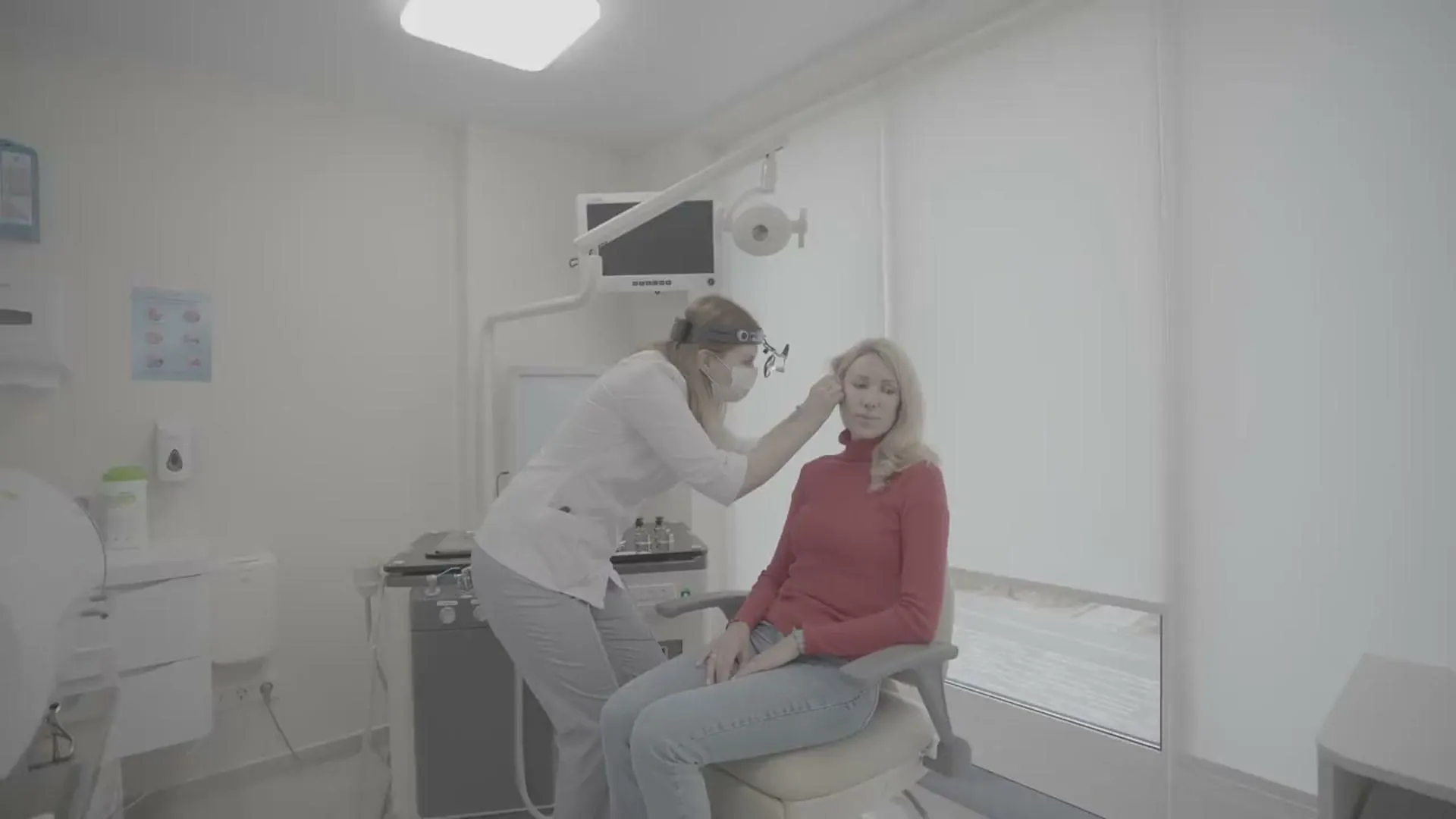
ENT Doctor Dubai: When to See a Specialist (2026)
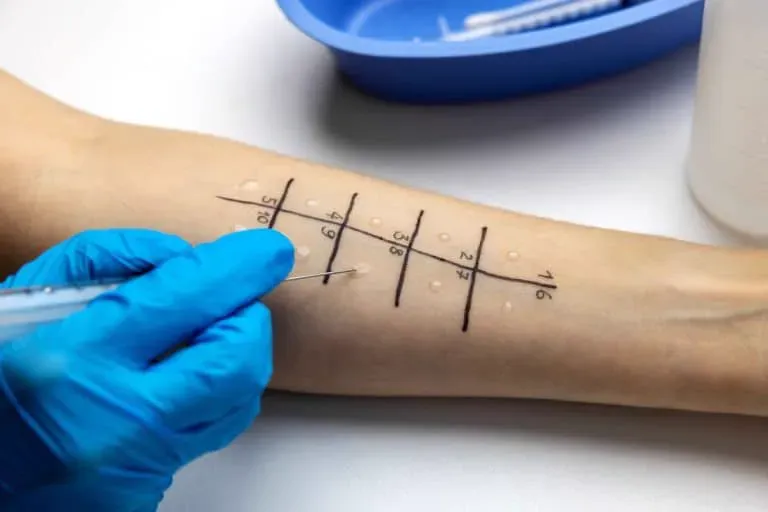
Allergy Testing Dubai: IgE, Skin Prick & Cost Guide

ECG Test Dubai: Cost, Types & Results Guide
Health Checkup Cost Dubai: Complete Guide
More in General Health
Dizziness Causes Dubai: When to Get Checked (2026)
Lire la suite
Elderly Care at Home Dubai: Full Guide (2026)
Lire la suite
IV Drip at Home Dubai: From AED 449 (2026)
Lire la suite
Nurse at Home Dubai: Cost & Services (2026)
Lire la suite
Stomach Infection Treatment Dubai (2026)
Lire la suite
Cholesterol Levels by Age Dubai: Chart (2026)
Lire la suite© 2026 Doctors Clinic Diagnostic Center (DCDC), Dubai Healthcare City. Originally published at https://doctorsclinicdubai.ae/blog/sleep-apnea-snoring-dubai. All rights reserved. Unauthorized reproduction is prohibited.