Points cles
- Dizziness is one of the most common reasons for medical visits globally, affecting up to 30% of adults at some point in their lives — it is a symptom with dozens of possible causes spanning multiple body systems, which is why proper evaluation is essential before self-treating
- Dubai's extreme summer heat (40-50 degrees Celsius) makes dehydration and heat exhaustion leading causes of dizziness between May and September — even mild dehydration of 1-2% body weight loss can impair balance and cognitive function
- Benign paroxysmal positional vertigo (BPPV) is the single most common cause of true spinning vertigo, affecting roughly 2.4% of the general population, and can be diagnosed and treated in a single clinic visit with repositioning maneuvers
- Cardiac causes of dizziness including arrhythmias, low blood pressure, and structural heart disease account for approximately 6% of cases but carry the highest risk — dizziness with chest pain, palpitations, or fainting always requires urgent cardiac evaluation
- At DCDC in Dubai Healthcare City, dizziness evaluation starts with a GP consultation from AED 150, with on-site neurology, cardiology, ENT, blood tests, ECG, echocardiogram, and brain MRI (Siemens 1.5T) all available under one roof for same-day workup
- Rapid temperature transitions between outdoor heat and aggressive indoor air conditioning in Dubai can trigger vasovagal responses and orthostatic blood pressure drops — a uniquely Dubai-relevant cause of dizziness that many residents experience but few attribute correctly
Dizziness is one of those symptoms that almost everyone experiences at some point, yet few people take seriously enough to get checked. In Dubai, where summer temperatures routinely exceed 40 degrees Celsius and dehydration can set in within hours of inadequate fluid intake, dizziness is especially common between May and September. But heat and dehydration are only two entries on a long list of potential causes. Dizziness can originate from the inner ear, the brain, the cardiovascular system, metabolic imbalances, medications, or psychological conditions — and the only reliable way to identify the cause is through systematic medical evaluation. This guide covers the full spectrum of dizziness causes relevant to Dubai residents, the red flags that demand urgent attention, and what to expect when you visit a specialist for vertigo and dizziness treatment in Dubai.
According to the World Health Organization, dizziness and balance disorders account for 5-10% of all physician visits globally, making it one of the most common reasons people seek medical attention. In the UAE, the prevalence is likely higher due to environmental factors including extreme heat, widespread vitamin D deficiency from sun-avoidance behavior, and the metabolic burden of diabetes and obesity. This comprehensive guide, reviewed by Dr. Hadeel Elnur, General Practitioner at DCDC in Dubai Healthcare City, provides a systematic approach to understanding dizziness — from recognizing the type you are experiencing to knowing which specialist you need and what tests to expect. Dr. Elnur serves as the first point of contact for dizziness evaluation at DCDC, coordinating multi-specialty workups across neurology, cardiology, and ENT when needed.
Health Screening Packages
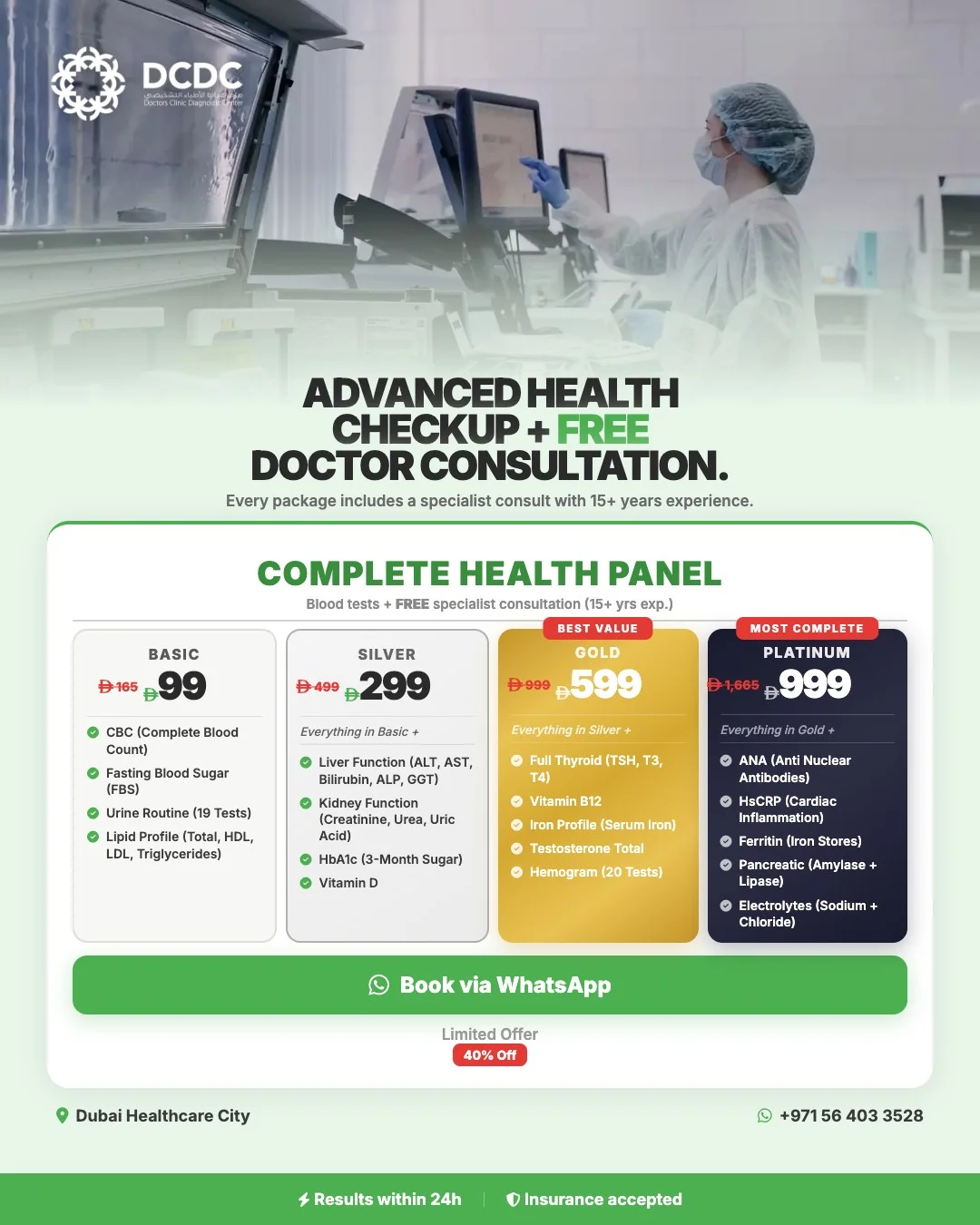
Save with our bundled screening packages — specialist consultation included



Why Am I Dizzy? Understanding Dizziness Causes in Dubai
Dizziness is not a diagnosis — it is a symptom. That distinction matters because the word "dizziness" means different things to different people. Some patients use it to describe a sensation of spinning (vertigo), others mean a feeling of lightheadedness or near-fainting (presyncope), and still others mean a general sense of unsteadiness or imbalance when walking. Each of these descriptions points toward a different set of causes and a different diagnostic pathway.
The challenge with dizziness is that it sits at the crossroads of multiple medical specialties. The vestibular system in the inner ear, the cardiovascular system, the central nervous system, and even the musculoskeletal system all contribute to balance and spatial orientation. When any one of these systems malfunctions, the result can be experienced as dizziness. This is precisely why a general practitioner is often the best starting point for evaluation — a GP can assess the whole picture and determine which specialist pathway is most appropriate.
"Dizziness is one of the most common complaints I see in clinic, particularly during the summer months in Dubai," says Dr. Hadeel Elnur, General Practitioner at DCDC. "What makes it challenging is that patients often struggle to describe exactly what they are feeling. My approach is to listen carefully, ask targeted questions about the nature, triggers, and associated symptoms of the dizziness, and then systematically narrow down the possibilities. In most cases, we can identify the cause through a combination of clinical examination, basic blood tests, and an ECG — all available same-day at DCDC."
In Dubai specifically, environmental factors add layers of complexity. The extreme summer heat drives dehydration-related dizziness to levels rarely seen in temperate climates. The rapid transitions between scorching outdoor temperatures and aggressively air-conditioned indoor environments can trigger blood pressure fluctuations. Widespread vitamin D deficiency — paradoxically high in one of the sunniest cities on earth because residents avoid direct sun exposure — has been linked to vestibular dysfunction. Understanding these Dubai-specific factors is essential for accurate diagnosis.
Types of Dizziness: Vertigo, Lightheadedness, and Imbalance
The first step in evaluating dizziness is determining which type you are experiencing. Medical professionals classify dizziness into four distinct categories, each pointing toward different underlying causes. Identifying your type helps your doctor narrow the differential diagnosis significantly before any tests are ordered.
Vertigo (Spinning Sensation)
True vertigo is the illusion of movement — either you feel like you are spinning, or the room appears to rotate around you. Vertigo is almost always caused by a problem in the vestibular system, either in the inner ear (peripheral vertigo) or, less commonly, in the brain (central vertigo). Peripheral vertigo accounts for approximately 80% of vertigo cases and includes conditions like BPPV, vestibular neuritis, and Meniere's disease. Central vertigo, caused by brainstem or cerebellar pathology, is less common but more serious and requires neurological evaluation.
Lightheadedness (Near-Fainting)
Lightheadedness or presyncope is the feeling that you are about to faint — the world dims, you feel weak, and your legs may feel unsteady. This type of dizziness is typically caused by insufficient blood flow to the brain. Common culprits include dehydration, low blood pressure, standing up too quickly (orthostatic hypotension), heart rhythm abnormalities, anemia, low blood sugar, and certain medications. In Dubai's summer heat, dehydration-driven lightheadedness is extraordinarily common.
Disequilibrium (Unsteadiness)
Disequilibrium is a sense of imbalance or unsteadiness, particularly when walking. You may feel like you are going to fall but without the spinning sensation of vertigo or the faintness of presyncope. This type is more common in older adults and is often caused by peripheral neuropathy (nerve damage in the feet, frequently associated with diabetes), musculoskeletal problems, or medication side effects.
Non-Specific Dizziness
Some patients describe dizziness that does not fit neatly into the categories above — a vague sense of being "off," foggy-headed, or disconnected from their surroundings. This type is often associated with anxiety, hyperventilation, chronic fatigue, depression, or medication side effects. While the underlying cause may be less dangerous, it can be just as debilitating and warrants thorough evaluation to rule out organic causes.
Common Causes of Dizziness by Body System
Organizing dizziness causes by body system helps both patients and clinicians think systematically about the differential diagnosis. The following table summarizes the most common causes across each system, along with their typical presentation and the type of specialist best suited to evaluate them.
| Body System | Common Causes | Typical Presentation | Specialist |
|---|---|---|---|
| Inner Ear (Vestibular) | BPPV, vestibular neuritis, Meniere's disease, labyrinthitis | True spinning vertigo, often triggered by head position changes, may include hearing loss or tinnitus | ENT / Neurologist |
| Cardiovascular | Orthostatic hypotension, arrhythmias, aortic stenosis, heart failure | Lightheadedness or near-fainting, worse on standing, may accompany palpitations or chest pain | Cardiologist |
| Neurological | Vestibular migraine, stroke, MS, acoustic neuroma | Vertigo with headache, visual changes, or focal neurological deficits | Neurologist |
| Metabolic / Systemic | Dehydration, anemia, hypoglycemia, thyroid dysfunction, vitamin D deficiency | Lightheadedness, fatigue, generalized weakness, gradual onset | GP / Internal Medicine |
| Medication-Related | Blood pressure drugs, sedatives, anticonvulsants, antibiotics, antidepressants | Onset coincides with starting or changing medication dose | GP (medication review) |
| Psychological | Anxiety, panic disorder, hyperventilation, PPPD (persistent postural-perceptual dizziness) | Dizziness with anxiety, shortness of breath, tingling, chronic vague unsteadiness | GP / Psychiatrist |
Common causes of dizziness organized by body system. Many patients have overlapping causes from multiple systems, which is why a systematic evaluation approach is important.
It is worth noting that many patients have more than one contributing factor. A Dubai resident in their 50s might, for example, have mild BPPV compounded by dehydration and a blood pressure medication that causes orthostatic hypotension — three factors from three different systems, each contributing to the overall symptom. This is why a comprehensive approach that evaluates all potential contributors is more effective than focusing narrowly on a single suspected cause.
For a detailed look at the most common vestibular cause of dizziness and how it is diagnosed, read our guide on vertigo treatment in Dubai: causes and diagnosis.
Summer Heat and Dizziness in Dubai
Dubai's summer climate is a significant and often underestimated driver of dizziness. From May through September, outdoor temperatures regularly exceed 40 degrees Celsius, with humidity levels that can push the "feels like" temperature above 50 degrees. This extreme heat environment creates multiple pathways to dizziness that are unique to — or significantly more prevalent in — Gulf region climates.
Heat-Related Dehydration
The human body can lose 1-2 liters of fluid per hour through sweating in extreme heat, and most people significantly underestimate their fluid losses. In Dubai, even a 15-minute walk from a parking lot to an office building during summer can cause meaningful fluid loss. Dehydration reduces blood volume, which lowers blood pressure and decreases blood flow to the brain — producing lightheadedness, weakness, and in severe cases, fainting. During Ramadan, the combination of fasting (no food or water during daylight hours) and summer heat compounds dehydration risk dramatically.
Temperature Transition Effects
A phenomenon particularly common in Dubai is dizziness triggered by rapid transitions between extreme outdoor heat and aggressively air-conditioned indoor environments. The temperature difference can be 20-25 degrees Celsius — moving from 48 degrees outside to 22 degrees inside within seconds. This rapid temperature change causes blood vessels to constrict suddenly, which can trigger a vasovagal response or orthostatic blood pressure drop, producing a brief but alarming sensation of lightheadedness or near-fainting. Many Dubai residents experience this regularly in shopping malls, offices, and metro stations without realizing it has a physiological explanation.
Summer Vitamin D Paradox
Despite living in one of the sunniest regions on earth, vitamin D deficiency affects an estimated 50-90% of the UAE population according to studies published in the Journal of Steroid Biochemistry and Molecular Biology. During summer, the extreme heat drives residents indoors, further reducing sun exposure. Emerging research, including studies from the Otology & Neurotology journal, has identified associations between vitamin D deficiency and increased risk of BPPV and other vestibular disorders. Patients with recurrent BPPV in Dubai should have their vitamin D levels checked as part of the evaluation.
Heat Exhaustion and Heat Stroke
Dizziness is one of the earliest warning signs of heat exhaustion — a condition that can progress to life-threatening heat stroke if unrecognized. Heat exhaustion presents with dizziness, heavy sweating, nausea, headache, weakness, and cool clammy skin. If body temperature continues to rise above 40 degrees Celsius, the condition progresses to heat stroke, which is a medical emergency. Outdoor workers in Dubai, athletes training in summer, and tourists unaccustomed to the heat are at highest risk. If you or someone around you develops dizziness with confusion, hot dry skin, or loss of consciousness in the heat, call 999 immediately.
Dizziness Red Flags: When to Seek Urgent Care
Most dizziness is caused by benign conditions that resolve on their own or respond well to treatment. However, certain combinations of symptoms signal potentially dangerous causes that require urgent medical attention. The following red flags should prompt you to seek same-day medical evaluation or, in some cases, emergency care.
| Red Flag Symptom | What It May Indicate | Urgency Level |
|---|---|---|
| Sudden severe vertigo with slurred speech, facial drooping, or arm/leg weakness | Stroke or TIA (transient ischemic attack) | EMERGENCY - Call 999 |
| Dizziness with chest pain, palpitations, or shortness of breath | Cardiac arrhythmia, heart attack, or pulmonary embolism | EMERGENCY - Call 999 |
| Dizziness after head injury or fall | Concussion or intracranial bleeding | EMERGENCY - Go to ER |
| Dizziness with high fever, severe headache, and neck stiffness | Meningitis or encephalitis | EMERGENCY - Call 999 |
| Dizziness with confusion, hot dry skin in summer heat | Heat stroke | EMERGENCY - Call 999 |
| Sudden hearing loss on one side with vertigo | Vestibular neuritis, labyrinthitis, or acoustic neuroma | URGENT - Same-day evaluation |
| Dizziness with double vision or difficulty swallowing | Brainstem pathology | URGENT - Same-day evaluation |
| Recurrent fainting episodes with dizziness | Cardiac arrhythmia or structural heart disease | URGENT - Same-day evaluation |
| Persistent dizziness lasting more than 72 hours without improvement | Vestibular disorder requiring treatment or systemic cause | PROMPT - See doctor within days |
| Dizziness only when standing up, improving when lying down | Orthostatic hypotension, dehydration, anemia, or medication side effect | PROMPT - See doctor within days |
Dizziness red flags and urgency guide. When in doubt, always err on the side of seeking medical evaluation sooner rather than later.
"The most important red flag combination I teach my patients is the 'FAST' acronym used for stroke detection: Face drooping, Arm weakness, Speech difficulty, Time to call 999," says Dr. Hadeel Elnur. "If dizziness comes on suddenly and is accompanied by any of these neurological signs, it could be a stroke, and every minute matters. For most other types of dizziness, a prompt but non-emergency evaluation is appropriate — and that is exactly what we provide at DCDC with same-day GP appointments."
Dehydration and Dizziness: A Dubai Summer Problem
Dehydration deserves its own dedicated section because it is the single most common preventable cause of dizziness in Dubai, particularly during the summer months. Understanding the mechanism, recognizing the signs early, and knowing how to prevent it can eliminate a large proportion of dizziness episodes experienced by Dubai residents.
The human body maintains blood volume within a narrow range. When fluid intake fails to match fluid losses through sweating, breathing, and urination, blood volume drops. The cardiovascular system compensates by constricting blood vessels and increasing heart rate, but beyond a certain point, blood flow to the brain decreases — and dizziness results. In Dubai's summer, fluid losses can be dramatic: the average person loses 500 milliliters to 1 liter of sweat per hour in 45-degree heat, and those exercising outdoors can lose considerably more.
The warning signs of dehydration progress in a predictable sequence: thirst (which is actually a late sign — you are already dehydrated by the time you feel thirsty), dark yellow urine, dry mouth, fatigue, headache, lightheadedness, rapid heartbeat, and eventually confusion or fainting. In mild to moderate dehydration, oral rehydration with water and electrolytes is sufficient. Severe dehydration with inability to stand, altered consciousness, or minimal urine output requires intravenous fluid replacement.
Certain groups in Dubai are at particularly high risk for dehydration-related dizziness: outdoor workers exposed to prolonged heat, elderly individuals whose thirst mechanism diminishes with age, people taking diuretic medications for blood pressure, those observing Ramadan fasting during summer months, and athletes or gym-goers who do not adequately replace sweat losses. For a comprehensive overview of dehydration warning signs and treatment options, see our guide on dehydration symptoms and treatment in Dubai.
Heart-Related Causes of Dizziness
Cardiac causes account for approximately 6% of dizziness presentations according to a systematic review in the Journal of the American Board of Family Medicine. While this is a relatively small proportion, cardiac dizziness carries the highest morbidity and mortality of any dizziness cause, which is why it must always be considered and ruled out — particularly in patients with cardiovascular risk factors.
Orthostatic Hypotension
Orthostatic hypotension — a drop in blood pressure upon standing — is one of the most common cardiovascular causes of dizziness, affecting up to 20% of adults over 65. When you stand up, gravity pulls blood into the legs. The body normally compensates by constricting blood vessels and increasing heart rate. When this compensation fails, blood pressure drops and blood flow to the brain decreases, causing lightheadedness or fainting within seconds of standing. In Dubai, dehydration amplifies orthostatic hypotension significantly, as there is less blood volume available to maintain pressure during positional changes.
Cardiac Arrhythmias
Abnormal heart rhythms — both too fast (tachycardia) and too slow (bradycardia) — can cause dizziness by reducing the heart's ability to pump blood effectively. Atrial fibrillation, the most common sustained arrhythmia, affects 2-4% of the adult population and frequently presents with palpitations accompanied by dizziness and shortness of breath. Ventricular tachycardia is a more dangerous arrhythmia that can cause sudden dizziness or loss of consciousness and requires urgent evaluation. Heart rhythm disorders are diagnosed through ECG, Holter monitoring, or event recorders.
Structural Heart Disease
Conditions like aortic stenosis (narrowing of the heart's main outflow valve), hypertrophic cardiomyopathy, and heart failure can cause dizziness — particularly during exertion, when the heart cannot increase its output to meet the body's demands. These conditions are diagnosed through echocardiography and require ongoing cardiology management. Any dizziness that consistently occurs during physical activity should prompt cardiac evaluation.
At DCDC, cardiac evaluation for dizziness includes on-site ECG, 24-hour Holter monitoring, echocardiography, and comprehensive blood work — all performed in a single facility. The cardiology team works closely with the GP to ensure that cardiac causes are identified or excluded efficiently, particularly for patients over 40 or those with known cardiovascular risk factors.
Inner Ear and Neurological Causes
The vestibular system — a set of fluid-filled canals and sensory organs in the inner ear — is the body's primary balance sensor. When it malfunctions, the brain receives conflicting signals about head position and movement, producing the spinning sensation of vertigo. Neurological conditions affecting the brainstem or cerebellum, which process vestibular information, can produce similar symptoms.
Benign Paroxysmal Positional Vertigo (BPPV)
BPPV is the single most common cause of vertigo, accounting for approximately 17-42% of all vertigo cases depending on the clinical setting. It occurs when tiny calcium carbonate crystals (otoconia) become dislodged from the utricle and migrate into the semicircular canals. These displaced crystals cause abnormal fluid movement in response to head position changes, sending false rotation signals to the brain. The characteristic symptom is brief episodes (typically lasting 10-30 seconds) of intense spinning triggered by specific head movements — rolling over in bed, looking up, or bending forward. BPPV is diagnosed through the Dix-Hallpike maneuver and treated with repositioning maneuvers (Epley or Semont) that physically move the crystals out of the affected canal. Treatment success rates exceed 80% in a single session.
Vestibular Neuritis and Labyrinthitis
Vestibular neuritis is inflammation of the vestibular nerve, typically caused by a viral infection. It produces sudden, severe, continuous vertigo lasting days to weeks, often accompanied by nausea and vomiting. Labyrinthitis is similar but also affects the cochlear nerve, causing hearing loss or tinnitus in addition to vertigo. Both conditions are treated with vestibular suppressant medications during the acute phase and vestibular rehabilitation exercises during recovery. Most patients recover fully within weeks to months, though some experience residual imbalance.
Meniere's Disease
Meniere's disease is caused by abnormal fluid pressure in the inner ear and produces episodes of vertigo lasting 20 minutes to several hours, accompanied by fluctuating hearing loss, tinnitus (ringing or roaring in the ear), and a feeling of fullness in the affected ear. It typically affects one ear and requires ongoing ENT management. Treatment includes dietary salt restriction, diuretics, and in refractory cases, more advanced interventions.
Vestibular Migraine
Vestibular migraine is an increasingly recognized cause of recurrent vertigo, estimated to affect 1-3% of the general population. It produces episodes of vertigo lasting minutes to days, often accompanied by migraine headache, light sensitivity, and sound sensitivity — though notably, the headache may be mild or even absent during some episodes. Diagnosis requires a thorough neurological evaluation, and treatment involves migraine preventive strategies including lifestyle modifications, dietary changes (avoiding triggers like caffeine, alcohol, and aged cheese), and preventive medications.
Central Causes: Stroke and TIA
Approximately 3-5% of isolated vertigo presentations in emergency departments are caused by posterior circulation stroke — a diagnosis that is frequently missed on initial evaluation. Cerebellar stroke can present with vertigo, nausea, and imbalance that closely mimics benign peripheral vestibular disorders. The key differentiators include the inability to walk, severe truncal imbalance, direction-changing nystagmus, and other neurological signs such as speech difficulty, double vision, or limb weakness. Any sudden vertigo with neurological symptoms requires urgent brain MRI. DCDC's on-site Siemens 1.5T wide-bore MRI enables same-day brain imaging when central causes are suspected.
Medications and Lifestyle Factors
Medications are an underappreciated cause of dizziness, particularly in older adults taking multiple prescriptions. A medication review should be part of every dizziness evaluation. The following classes of medications are most commonly associated with dizziness.
- Blood pressure medications — especially ACE inhibitors, beta-blockers, and alpha-blockers, which can cause orthostatic hypotension. Over-treated hypertension is a very common cause of dizziness in elderly patients.
- Diuretics — by reducing blood volume and depleting electrolytes (potassium, magnesium, sodium), diuretics can cause lightheadedness. In Dubai's summer heat, the fluid-depleting effect of diuretics compounds environmental dehydration.
- Sedatives and sleep aids — benzodiazepines, antihistamines (like diphenhydramine), and prescription sleeping pills impair central nervous system function and can cause dizziness, unsteadiness, and increased fall risk.
- Antidepressants — both SSRIs (during initiation) and tricyclic antidepressants (through anticholinergic effects and orthostatic hypotension) can cause dizziness. Starting or stopping antidepressants should always be done under medical supervision.
- Aminoglycoside antibiotics — these antibiotics (gentamicin, streptomycin) are known to be toxic to the vestibular system and can cause permanent balance damage if used inappropriately.
- Anti-seizure medications — carbamazepine, phenytoin, and gabapentin can cause dose-dependent dizziness and ataxia.
Beyond medications, several lifestyle factors prevalent in Dubai contribute to dizziness. Excessive caffeine consumption can cause palpitations and lightheadedness. Alcohol use causes direct vestibular suppression and next-day dehydration. Chronic sleep deprivation — common in Dubai's fast-paced work culture — impairs the brain's ability to process vestibular information. Prolonged screen time and sedentary behavior contribute to deconditioning of the vestibular system and proprioceptive pathways.
"I always ask patients about every medication they take, including over-the-counter supplements and herbal remedies," explains Dr. Hadeel Elnur. "It is remarkable how often we discover that a patient's dizziness started within days of a medication change. Sometimes adjusting the dose or timing of a blood pressure medication is all it takes to resolve months of dizziness. This is why a thorough medication review is a non-negotiable part of every dizziness evaluation at DCDC." If your dizziness is accompanied by a racing or pounding heartbeat, our guide on heart palpitations causes in Dubai covers the overlap between palpitations and dizziness in detail.
Experiencing Dizziness? Get Evaluated Today at DCDC
Do not ignore persistent or recurrent dizziness. Book a same-day GP evaluation at DCDC in Dubai Healthcare City — on-site blood tests, ECG, and specialist referral to neurology, cardiology, or ENT if needed. GP consultation from AED 150. Rated 4.8/5 from 1,000+ Google reviews. Direct billing with 20+ insurance providers. WhatsApp us to book your appointment.
How Doctors Diagnose the Cause of Dizziness
Diagnosing dizziness follows a systematic approach that begins with a detailed clinical history and examination, then proceeds to targeted investigations based on the suspected cause. The goal is to identify or exclude serious causes efficiently while avoiding unnecessary testing. Here is the typical diagnostic pathway.
Clinical History and Physical Examination
The clinical history is the single most important diagnostic tool in dizziness evaluation. Your doctor will ask about the nature of the dizziness (spinning vs. lightheadedness vs. imbalance), duration and timing of episodes (seconds, minutes, hours, or constant), triggers (head position changes, standing up, stress, specific environments), associated symptoms (hearing loss, tinnitus, headache, palpitations, numbness, weakness), medications and recent changes, hydration habits, and relevant medical history. The physical examination includes blood pressure measurement lying down and standing (orthostatic vital signs), neurological assessment of cranial nerves, coordination, gait, and balance, otoscopic ear examination, and specific vestibular tests including the Dix-Hallpike maneuver for BPPV and the head impulse test.
Blood Tests
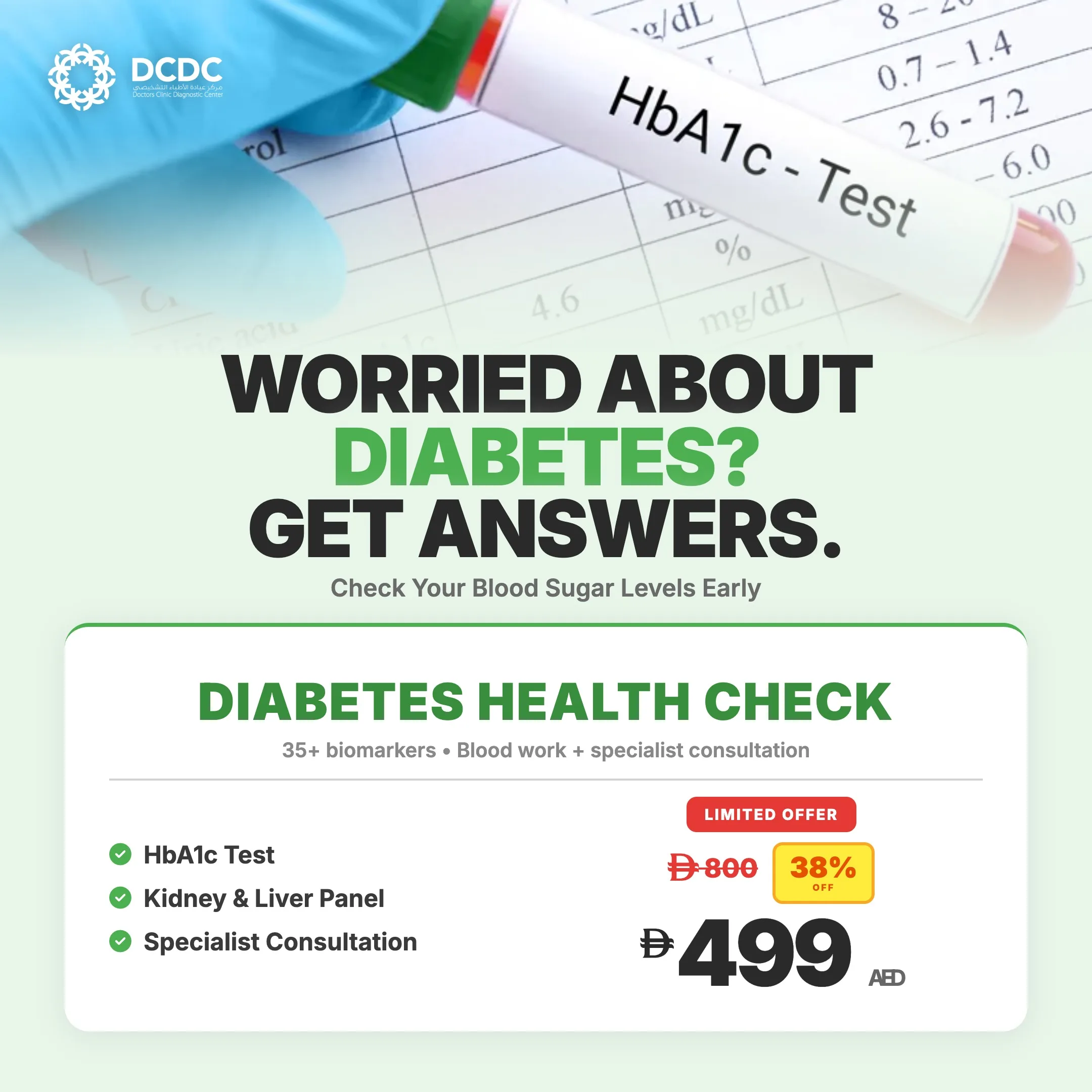
Blood tests help identify systemic and metabolic causes of dizziness. A standard dizziness blood panel typically includes complete blood count (to detect anemia), fasting blood glucose and HbA1c (to assess for diabetes and hypoglycemia), thyroid function tests (hypothyroidism or hyperthyroidism can cause dizziness), electrolytes including sodium, potassium, and magnesium, vitamin D level, vitamin B12 level, and kidney and liver function tests. At DCDC, blood samples are drawn on-site and most results are available the same day.
ECG and Cardiac Monitoring
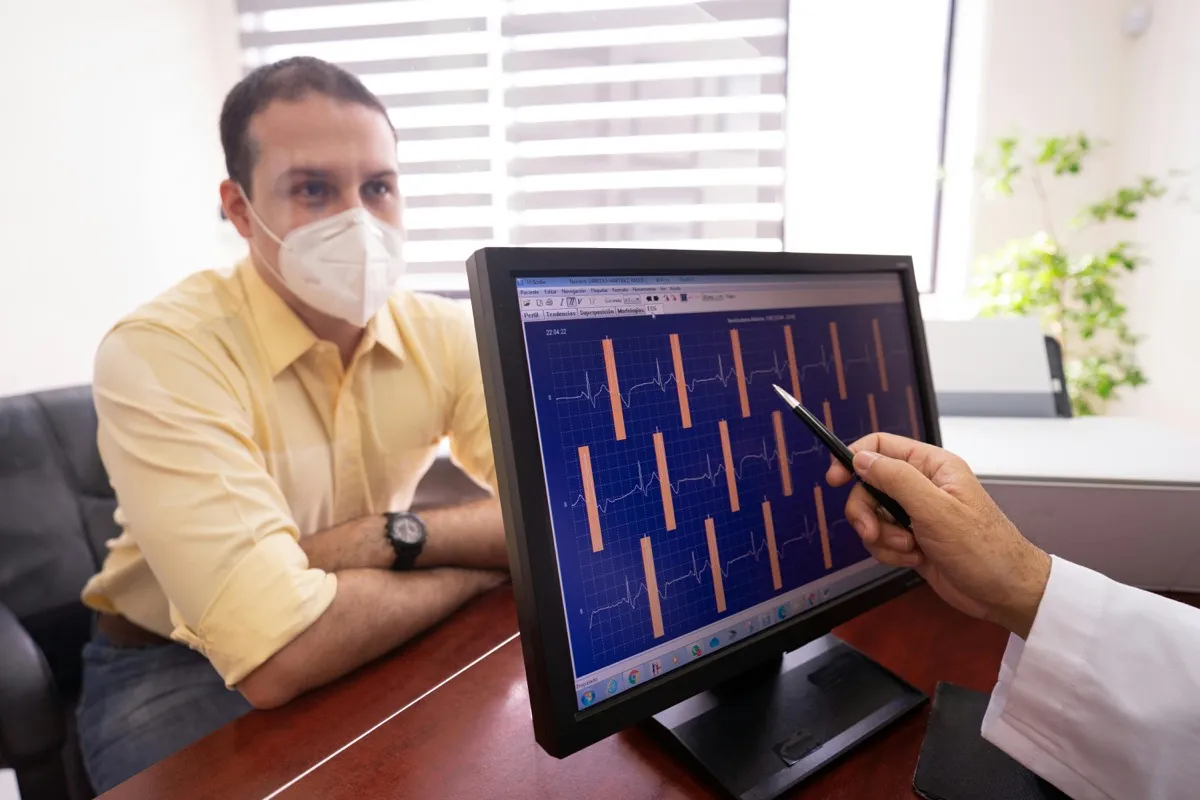
An ECG is performed when cardiac causes are suspected — particularly when dizziness is accompanied by palpitations, chest pain, shortness of breath, or occurs with exertion or positional changes. If the resting ECG is normal but cardiac arrhythmia is suspected, a 24-hour Holter monitor may be recommended to capture intermittent rhythm disturbances. An echocardiogram evaluates structural heart disease, valve function, and cardiac output.
Brain MRI
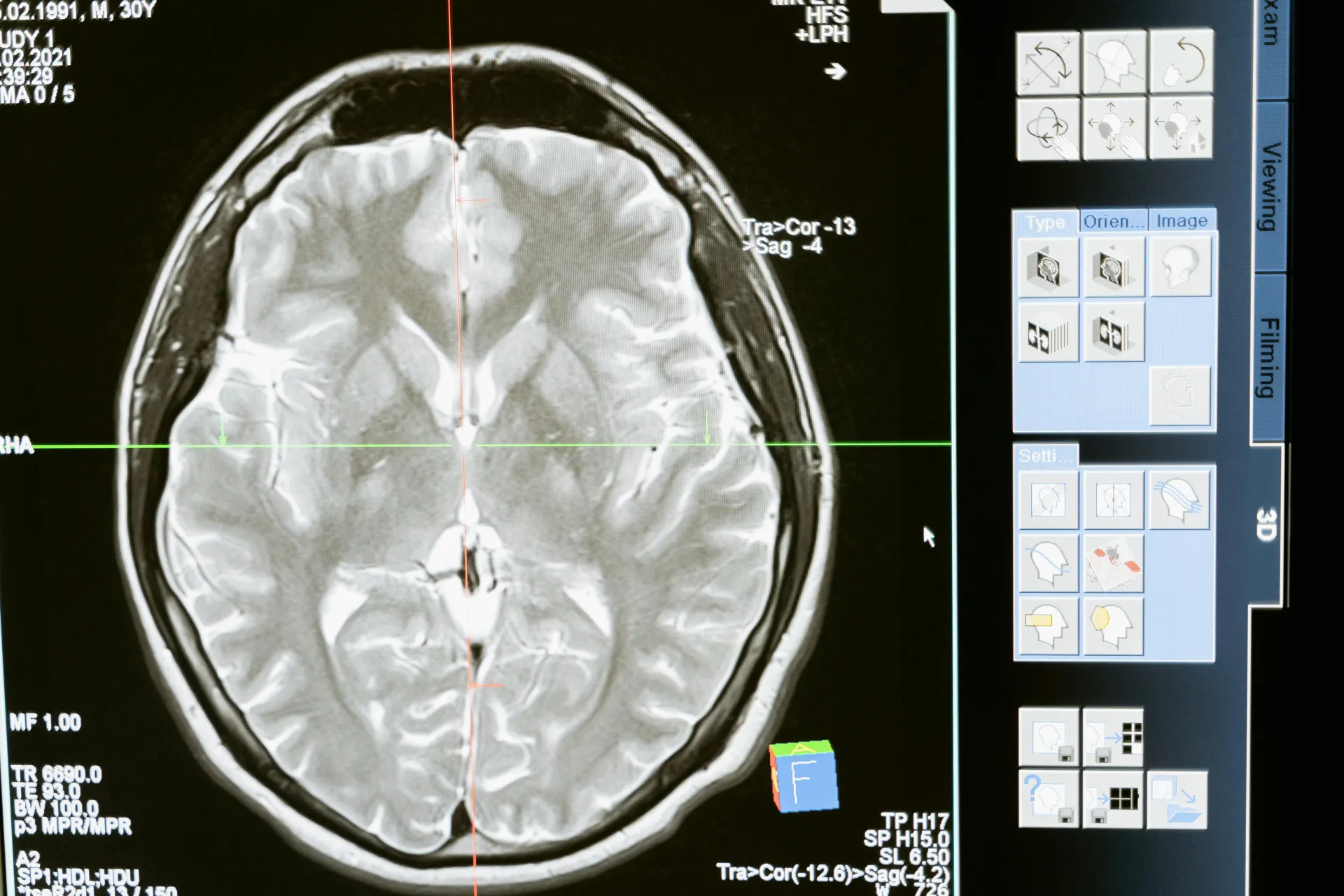
Brain MRI is indicated when central causes of vertigo are suspected — including stroke, multiple sclerosis, acoustic neuroma, or other structural brain lesions. It is also recommended for persistent unexplained vertigo that does not respond to treatment for peripheral vestibular causes. DCDC's on-site Siemens 1.5T wide-bore MRI provides high-resolution brain imaging with the additional comfort advantage of a wider bore, which reduces claustrophobia — a common concern among patients undergoing brain MRI.
What to Expect at DCDC for Dizziness Evaluation
At Doctors Clinic Diagnostic Center in Dubai Healthcare City, dizziness evaluation follows a structured, patient-centered pathway that leverages DCDC's unique advantage as a one-stop diagnostic center with GP, neurology, cardiology, ENT, imaging, and laboratory services all under one roof. This integrated approach eliminates the delays and inconvenience of being referred between separate facilities — a common frustration for patients with dizziness, which often requires input from multiple specialties. DCDC is a MOHAP-licensed facility in Building 64, Block A, Al Razi Medical Complex, DHCC, with a 4.8/5 Google rating from over 1,000 verified reviews and a 98% patient satisfaction rate.
Step 1: GP Consultation as Your Starting Point
Your dizziness evaluation begins with Dr. Hadeel Elnur or one of DCDC's general practitioners. The GP consultation (from AED 150) includes a thorough clinical history, focused physical examination including orthostatic blood pressure measurement and basic vestibular tests, and initial assessment to categorize your dizziness type and identify the most likely body system involved. The GP determines whether the cause can be identified and treated at the GP level (as is often the case with dehydration, medication side effects, or straightforward BPPV) or whether specialist referral is needed.
Step 2: Same-Day Blood Tests and ECG
Based on the clinical assessment, blood tests are ordered from DCDC's on-site laboratory. A comprehensive dizziness blood panel (from AED 99 for basic tests) can be drawn immediately, with most results available the same day. If cardiac causes are suspected, an ECG is performed within minutes on-site. This rapid turnaround allows the doctor to review results during the same visit whenever possible, eliminating the need for a separate follow-up appointment for many patients.
Step 3: Specialist Referral When Needed
If the GP assessment points toward a specific body system, internal referral to the appropriate DCDC specialist happens seamlessly — often the same day or next day. Neurology consultation (from AED 500) is arranged for suspected vestibular migraine, central vertigo, or cases requiring brain MRI interpretation. Cardiology consultation is arranged for dizziness with palpitations, syncope, or abnormal ECG findings. ENT evaluation is arranged for dizziness with hearing loss, tinnitus, or suspected Meniere's disease. Because all specialists are within the same facility, coordinating multi-specialty workups is straightforward.
Step 4: Advanced Imaging If Indicated
When brain MRI is indicated, DCDC's on-site Siemens 1.5T wide-bore MRI provides high-resolution imaging without the need to visit a separate radiology center. The wide-bore design is particularly important for dizziness patients, as the wider opening (70 cm) significantly reduces claustrophobia and anxiety during the scan. Echocardiography for cardiac dizziness workup is also performed on-site, ensuring comprehensive evaluation within a single facility.
Step 5: Integrated Results and Treatment Plan
Once all investigations are complete, the treating doctor — whether your GP or a referred specialist — discusses results comprehensively and provides a clear diagnosis and treatment plan. For BPPV, treatment with repositioning maneuvers may be performed during the same visit. For metabolic causes, treatment (hydration, supplementation, medication adjustment) begins immediately. For conditions requiring ongoing management, a follow-up schedule is established. Throughout the process, DCDC's average wait time of 15 minutes keeps the experience efficient and patient-friendly.
DCDC offers extended operating hours — Saturday to Thursday 8 AM to 10 PM, Friday 9 AM to 9 PM — with free parking and direct billing with over 20 insurance partners, making dizziness evaluation accessible regardless of your schedule or insurance situation.
Dizziness Prevention: Practical Tips for Dubai Residents
While not all causes of dizziness are preventable, many of the most common triggers — particularly those amplified by Dubai's climate and lifestyle — can be significantly reduced through consistent daily habits. The following evidence-based strategies are tailored to the realities of living in the UAE.
Hydration Strategy for Dubai's Climate
The standard recommendation of 2 liters of water daily is insufficient for Dubai's summer conditions. A more appropriate target for adults during the hot months is 3-4 liters per day, with additional electrolyte replacement for those spending significant time outdoors or exercising. Practical strategies include carrying a reusable water bottle everywhere, setting hourly hydration reminders on your phone, drinking water before you feel thirsty (thirst is a late indicator of dehydration), including water-rich foods like watermelon, cucumber, and oranges in your diet, and using oral rehydration solutions or electrolyte tablets after heavy sweating. During Ramadan, maximize fluid intake during non-fasting hours by drinking consistently between iftar and suhoor.
Managing Temperature Transitions
To reduce dizziness triggered by moving between outdoor heat and air-conditioned environments, consider gradual transitions when possible. When entering a cold building from the heat, pause briefly in transitional areas. Carrying a light layer to put on in heavily air-conditioned spaces helps reduce the thermal shock. Setting indoor AC to 24-25 degrees Celsius rather than very low temperatures reduces the differential. If you consistently feel dizzy when standing up in air-conditioned environments, rise slowly from sitting, especially after meals.
Vitamin D and Nutritional Optimization
Given the extremely high prevalence of vitamin D deficiency in the UAE, proactive supplementation based on blood test results is advisable for most residents. The Endocrine Society recommends maintaining vitamin D levels above 30 nanograms per milliliter, with supplementation of 1,000-2,000 IU daily for most adults and higher doses for those with documented deficiency. Adequate iron intake (particularly for women of reproductive age, who are at higher risk for iron-deficiency anemia), vitamin B12 (especially for vegetarians and vegans), and a balanced diet supporting overall metabolic health all contribute to dizziness prevention.
Medication Awareness
If you take blood pressure medications, diuretics, or other drugs known to cause dizziness, discuss timing and dosing with your doctor, especially heading into summer. Many patients benefit from dose adjustments during the hot months when natural blood pressure drops from heat-induced vasodilation compound the effect of antihypertensive medication. Never adjust your medication without medical guidance, but do not hesitate to request a review if you notice increased dizziness during summer.
Vestibular Health and Exercise
Regular physical activity strengthens the vestibular system and improves the brain's ability to compensate for balance challenges. Yoga, tai chi, and balance-specific exercises are particularly beneficial. Even simple daily practice such as standing on one leg while brushing your teeth can maintain vestibular fitness. For Dubai residents, indoor exercise options during summer — gym workouts, swimming, mall walking, and home exercise routines — help maintain activity levels when outdoor exercise is impractical.
Do Not Let Dizziness Disrupt Your Life — Get Answers at DCDC
Whether your dizziness is new, recurring, or worsening, our multi-specialty team can identify the cause and start treatment. Book a GP consultation at Doctors Clinic Diagnostic Center in Dubai Healthcare City — your one-stop center for blood tests, ECG, brain MRI, and specialist referral all under one roof. GP from AED 150, neurology from AED 500, blood tests from AED 99. MOHAP-licensed, 4.8/5 Google rating, 98% patient satisfaction. WhatsApp us to book your appointment.
Services associés au DCDC
Soins spécialisés et diagnostics avancés à Dubai Healthcare City
Frequently Asked Questions
Final Thoughts
Dizziness is a symptom that most people experience at some point, but too many tolerate it without seeking evaluation — especially in Dubai, where summer heat makes mild dizziness feel like an unavoidable consequence of the climate. While dehydration-related lightheadedness may indeed be the most common cause during the hot months, it is not the only possibility, and persistent or recurrent dizziness always deserves investigation. The causes span the inner ear, the cardiovascular system, the brain, metabolic pathways, and medications — and without systematic evaluation, guessing the cause is unreliable and potentially dangerous.
The most important message from this guide is that dizziness evaluation does not need to be complicated, time-consuming, or expensive. A GP consultation, basic blood tests, and an ECG — all available same-day at DCDC — can identify or rule out the majority of causes in a single visit. For cases requiring specialist input, DCDC's integrated model with neurology, cardiology, ENT, brain MRI, and full laboratory services under one roof eliminates the referral delays that frustrate patients and delay diagnosis.
At Doctors Clinic Diagnostic Center in Dubai Healthcare City (Building 64, Block A, Al Razi Medical Complex), our team led by Dr. Hadeel Elnur provides comprehensive dizziness evaluation with a patient-centered approach: GP from AED 150, same-day blood tests, on-site ECG and brain MRI, and seamless specialist referral when needed. With a 4.8/5 Google rating from over 1,000 verified reviews, 98% patient satisfaction, extended hours (Saturday-Thursday 8 AM-10 PM, Friday 9 AM-9 PM), free parking, and direct billing with 20+ insurance partners, getting your dizziness evaluated has never been more straightforward. WhatsApp us or call to book your appointment today.
Sources et references
Cet article a ete revise par notre equipe medicale et fait reference aux sources suivantes :
- World Health Organization - Deafness and Hearing Loss (including vestibular disorders)
- Mayo Clinic - Dizziness: Symptoms & Causes
- NHS - Dizziness (including vertigo and lightheadedness)
- Cleveland Clinic - Dizziness: Possible Causes, Diagnosis & Treatment
- American Academy of Neurology - Clinical Practice Guideline: Benign Paroxysmal Positional Vertigo
- Journal of the American Board of Family Medicine - Dizziness: A Diagnostic Approach
Le contenu medical de ce site est revise par des medecins agrees DHA. Voir notre politique editoriale pour plus d'informations.

Redige par
Dr. Hadeel Elnur
General Practitioner
MD, General Practice
Dr. Hadeel Elnur is a General Practitioner at Doctors Clinic Diagnostic Center (DCDC) in Dubai Healthcare City.
Related Articles
Vertigo Treatment Dubai: Causes & Diagnosis

Dehydration Dubai: Symptoms & Treatment
Heart Palpitations Dubai: Causes & Help

When to See a Neurologist in Dubai

Anemia Treatment Dubai: Types & Causes
More in General Health

Elderly Care at Home Dubai: Full Guide (2026)
Lire la suite
IV Drip at Home Dubai: From AED 449 (2026)
Lire la suite
Nurse at Home Dubai: Cost & Services (2026)
Lire la suite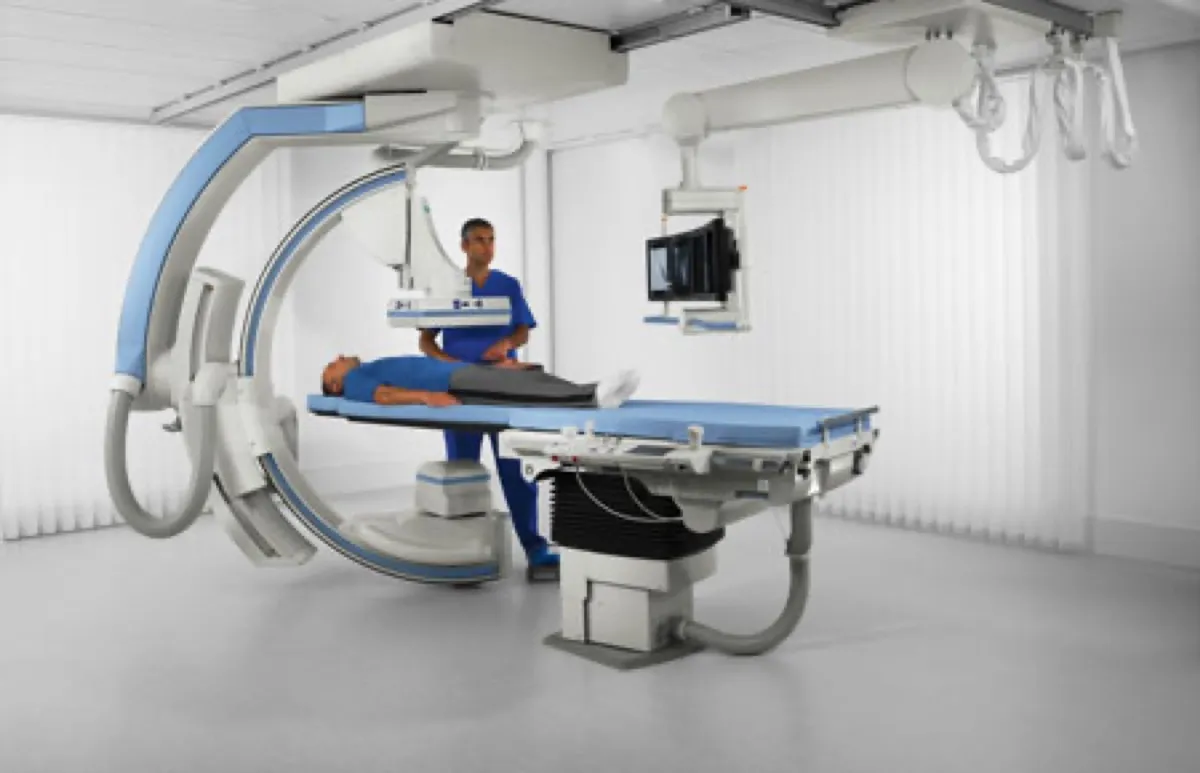
Stomach Infection Treatment Dubai (2026)
Lire la suiteCholesterol Levels by Age Dubai: Chart (2026)
Lire la suiteIV Drip Therapy Dubai: Costs, Types & Benefits (2026)
Lire la suite© 2026 Doctors Clinic Diagnostic Center (DCDC), Dubai Healthcare City. Originally published at https://doctorsclinicdubai.ae/blog/dizziness-causes-dubai. All rights reserved. Unauthorized reproduction is prohibited.