I-book ang Iyong Appointment
Mga Na-verify na Review ng Pasyente ng DCDC Diagnostic Center sa Dubai
Mga na-verify na review at totoong kwento ng pasyente mula sa Dubai Healthcare City
Lubos akong nasiyahan sa medikal na klinikang ito. Dito ko ginawa ang aking unang pregnancy screening. Abot-kaya at napaka-propesyonal. Ang radiologist ay malugod, mabait, at nagpaganda ng karanasan.
Aizhan Tokmanbetova
Nasaktan ang tuhod ko noong Biyernes ng gabi at nakakuha ng MRI appointment noong Linggo ng hapon (na-book noong Linggo ng hapon). Naghintay ng mga 2 minuto lang at natapos sa mahigit 30 minuto. Kamangha-mangha, magiliw, at mahusay ang team.
Kirsten Evans
Ang team ni Dr. Osama ay malambot at kamangha-mangha. Pagkatapos ng masamang karanasan sa ibang lugar, ang aking pelvic exam dito ay mas propesyonal. Magandang report at napaka-tumpak.
Mary

Neurological Rehabilitation sa Dubai: Stroke Recovery at Neural Rehabilitation
Evidence-based na neural recovery sa Dubai Healthcare City
Neuroplasticity
Evidence-based na neural recovery
Pinamumunuan ng Consultant
Espesyalistang rehabilitation medicine
Integrated
On-site imaging at espesyalistang koponan
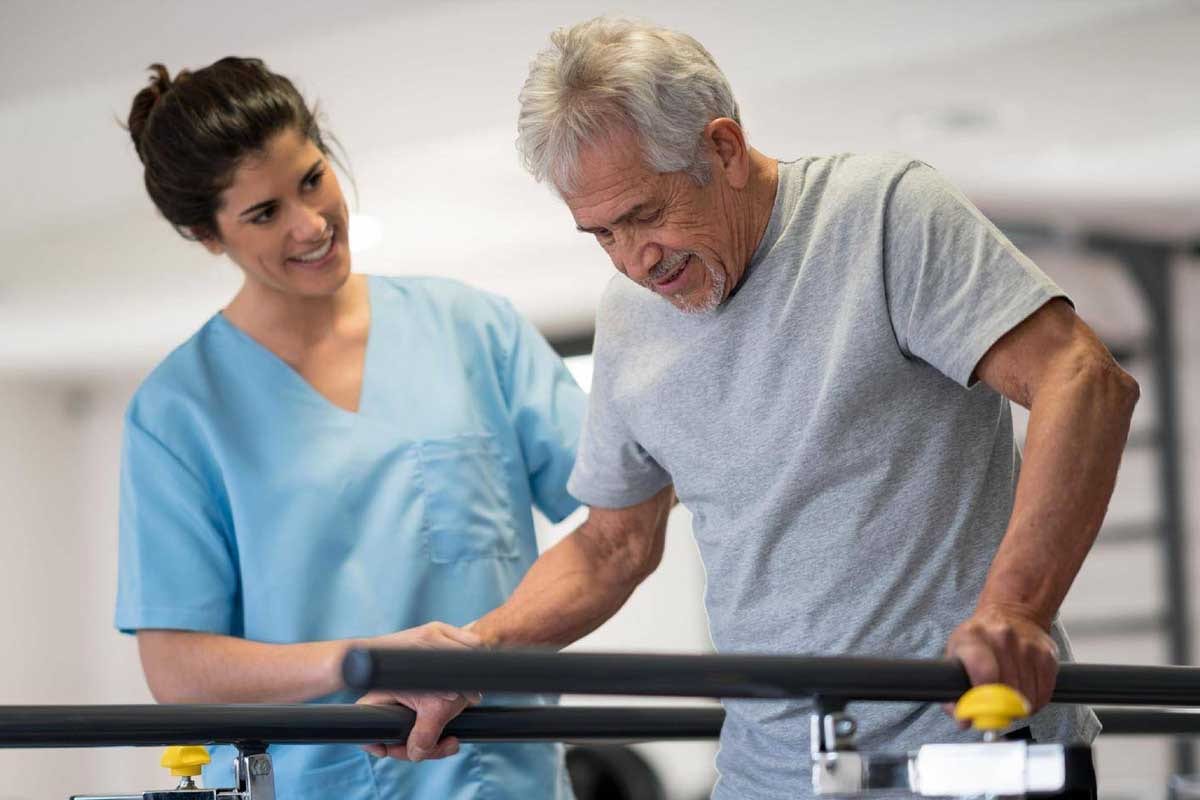
Ang neurological rehabilitation program ng DCDC sa Dubai Healthcare City ay nagbibigay ng rehabilitation para sa stroke, brain injury at progressive neurological conditions. Ang aming evidence-based na diskarte ay gumagamit ng neuroplasticity techniques upang ma-maximize ang functional recovery at maibalik ang kalayaan.
Ang mga neurological injury at sakit ay nakakaapekto sa kakayahan ng utak na kontrolin ang paggalaw, pandamdam, kognisyon at komunikasyon. Ang stroke ang pinakakaraniwang sanhi ng kapansanan sa mga matatanda sa buong mundo, at ang agarang rehabilitation ang pinakamahalagang salik sa pagtukoy ng pangmatagalang functional outcome.
Ang aming neurological rehabilitation program ay nakabatay sa prinsipyo na maaaring muling ma-organize ng utak ang sarili nito sa pamamagitan ng neuroplasticity. Kahit pagkatapos ng malaking pinsala mula sa stroke o brain injury, maaaring bumuo ang utak ng mga bagong neural pathway at palakasin ang mga umiiral na koneksyon kapag pinasigla ng structured, repetitive, task-oriented na pagsasanay.
Neuroplasticity
Evidence-based na neural recovery
Pinamumunuan ng Consultant
Espesyalistang rehabilitation medicine
Integrated
On-site imaging at espesyalistang koponan
Neurological Rehabilitation sa Dubai: Stroke Recovery at Neural Rehabilitation
Evidence-based na neural recovery sa Dubai Healthcare City
Ang neurological rehabilitation program ng DCDC sa Dubai Healthcare City ay nagbibigay ng rehabilitation para sa stroke, brain injury at progressive neurological conditions. Ang aming evidence-based na diskarte ay gumagamit ng neuroplasticity techniques upang ma-maximize ang functional recovery at maibalik ang kalayaan.
Ang mga neurological injury at sakit ay nakakaapekto sa kakayahan ng utak na kontrolin ang paggalaw, pandamdam, kognisyon at komunikasyon. Ang stroke ang pinakakaraniwang sanhi ng kapansanan sa mga matatanda sa buong mundo, at ang agarang rehabilitation ang pinakamahalagang salik sa pagtukoy ng pangmatagalang functional outcome.
Ang aming neurological rehabilitation program ay nakabatay sa prinsipyo na maaaring muling ma-organize ng utak ang sarili nito sa pamamagitan ng neuroplasticity. Kahit pagkatapos ng malaking pinsala mula sa stroke o brain injury, maaaring bumuo ang utak ng mga bagong neural pathway at palakasin ang mga umiiral na koneksyon kapag pinasigla ng structured, repetitive, task-oriented na pagsasanay.

Shanika Rajasekara
Tuklasin ang Aming mga Serbisyo
Komprehensibong serbisyo sa neurological rehabilitation sa DCDC Dubai Healthcare City.

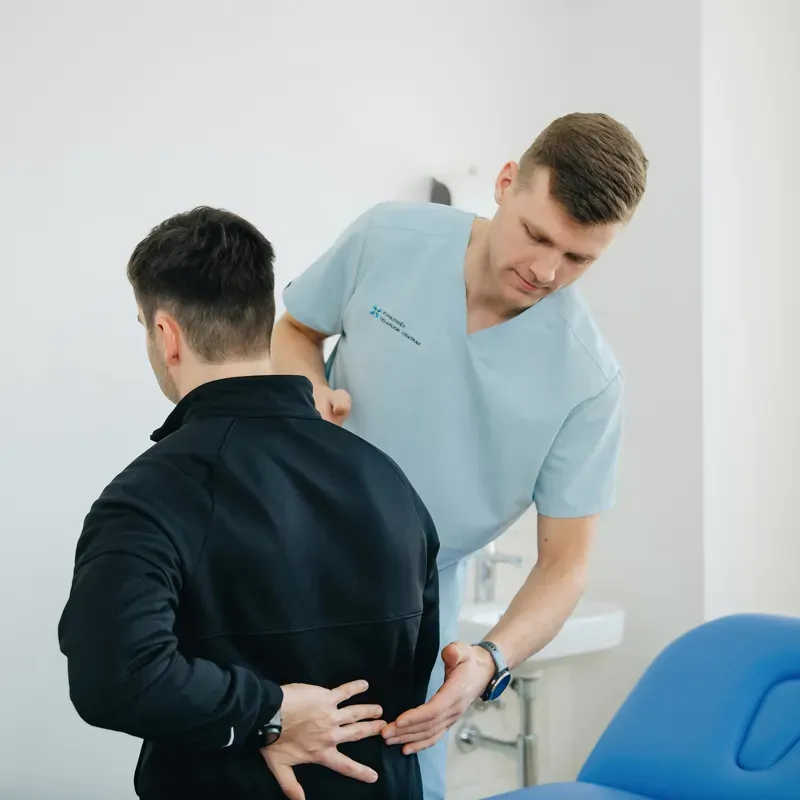
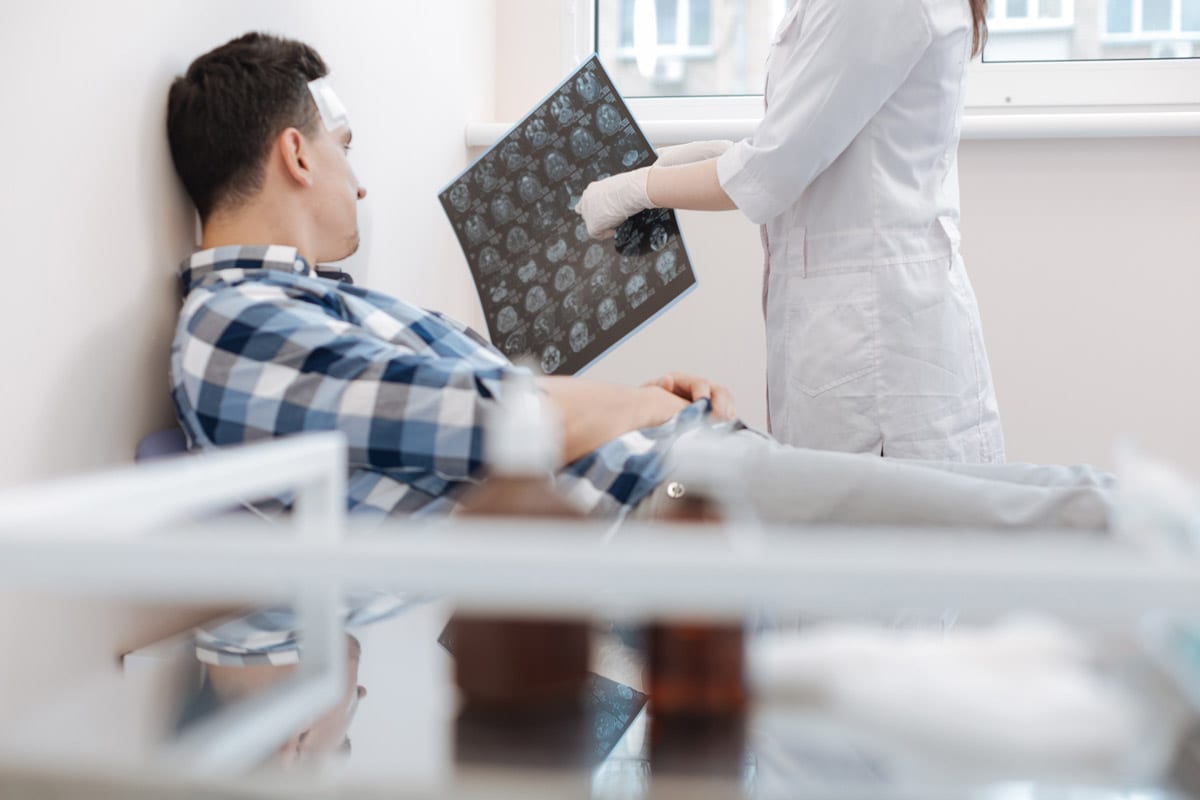
Lahat ng serbisyo ay ginagawa ng mga DHA-licensed na espesyalista
Sino ang Dapat Kumuha ng Neurological Rehabilitation?
Ang neurological rehabilitation ay mahalaga para sa mga pasyenteng may neurological na kondisyon na nakakaapekto sa paggalaw, balanse, kognisyon o pang-araw-araw na function.
Stroke recovery (ischemic o hemorrhagic)
Traumatic brain injury sa anumang yugto ng pagbabago
Parkinson's disease na may kahirapan sa paggalaw o balanse
Multiple sclerosis na may pagod, kahinaan o coordination problem
Balance at gait disorder mula sa neurological na sanhi
Pagbabago pagkatapos ng neurosurgery
Bakit Piliin ang DCDC para sa Neurological Rehabilitation?
MOHAP-licensed na neurological rehabilitation sa aming klinika na pinamumunuan ng consultant na may neuroplasticity-based na programa at advanced na on-site imaging.
MOHAP na May Lisensya
Licensed na pasilidad sa Dubai Healthcare City na may mahigpit na clinical standards.
Neuroplasticity Focus
Evidence-based na motor relearning at neural adaptation techniques.
Pinamumunuan ng Consultant
Rehabilitation medicine consultant na may neurological expertise.
On-Site Imaging
Brain MRI at CT ay available para sa neurological assessment at monitoring.
Multidisciplinary
Physical therapy, neurorehabilitation, and medical management coordinated.
DHCC Location
Building 64, Block A, DCDC. Accessible facilities and free parking.
Ang Iyong Komportableng Pagbisita
Isang simple, hakbang-hakbang na proseso ng Neurological scan na dinisenyo para sa kaginhawahan, bilis, at katumpakan.
Mga Bayad sa Neurological Rehabilitation
Ang presyo ng Neurological sa Dubai ay nag-iiba ayon sa uri ng serbisyo at insurance coverage para sa iba't ibang uri ng serbisyo.
- Ang presyo ay nag-iiba ayon sa uri ng scan at kung kailangan ng contrast
- Tinatanggap ang insurance coverage na may referral at verification
- Transparent na self-pay rate na available na may instant na presyo kapag hiniling
Verification ng insurance sa ilang minuto • Walang nakatagong bayad • Mabilis na sagot sa WhatsApp
Gabay para sa Pasyente
Ano ang Inaasahan sa Neurological Rehabilitation
Komprehensibong pagsusuri at personalisadong rehabilitation plan na sinusundan ng mga regular na sesyon.
Insurance at Lokasyon
Mga Kasosyo sa Insurance
- •20+ na insurance provider sa Dubai kabilang ang Daman, AXA, ADNIC, at iba pa
- •Suporta sa pre-authorization at direct billing (kung naaangkop)
- •Verification ng coverage bago ang iyong appointment sa aming klinika sa Dubai Healthcare City
- •Transparent na presyo na walang nakatagong bayad para sa mga serbisyo ng neurological rehabilitation




Bisitahin Kami sa Dubai Healthcare City
Doctors Clinic Diagnostic Center
Building 64, Block A, Al Razi Medical Complex, Dubai Healthcare City, Dubai, UAE
Malapit sa Oud Metha Road · Madaling puntahan mula sa Bur Dubai, Downtown Dubai, Business Bay · May libreng dedikadong parking
Oras ng Trabaho
Lun-Huw, Sab: 8AM - 10:30PM | Lin: 8:30AM - 10:30PM | Biy: 9AM - 10PM
Paano Gumagana ang Insurance sa DCDC
Suriin ang Coverage
I-verify na sakop ng iyong plano ang Neurological Rehabilitation
Kumuha ng Referral
Ang ilang insurer ay nangangailangan ng GP referral — maaari ka naming gabayan
Pre-Autorisation
Kami ang mag-aasikaso ng pre-auth nang direkta sa iyong insurer
Direktang Pagsingil
Walang bayad sa una — direkta kaming nagbi-bill sa iyong insurer
Co-Pay Lang
Ikaw ay magbabayad lamang ng anumang naaangkop na co-pay sa klinika
Suriin ang Coverage
I-verify na sakop ng iyong plano ang Neurological Rehabilitation
Kumuha ng Referral
Ang ilang insurer ay nangangailangan ng GP referral — maaari ka naming gabayan
Pre-Autorisation
Kami ang mag-aasikaso ng pre-auth nang direkta sa iyong insurer
Direktang Pagsingil
Walang bayad sa una — direkta kaming nagbi-bill sa iyong insurer
Co-Pay Lang
Ikaw ay magbabayad lamang ng anumang naaangkop na co-pay sa klinika
Your Specialist
Shanika Rajasekara
Physiotherapist
DHA-licensed Physiotherapist
English · Sinhala · Hindi
Gabay para sa Pasyente
Pag-unawa sa Neurorehabilitation
Neurorehabilitation is the medical specialty devoted to restoring function after injury or disease affecting the brain, spinal cord, and peripheral nervous system. Unlike general rehabilitation, which focuses on musculoskeletal recovery, neurorehabilitation targets the unique challenges of neurological damage: disrupted motor control, altered sensation, impaired cognition, and compromised autonomic function. The discipline integrates neuroscience, rehabilitation medicine, and behavioural science to design programmes that promote neural recovery.
Stroke is the most common condition requiring neurorehabilitation and the leading cause of long-term disability in adults. A stroke occurs when blood supply to part of the brain is interrupted (ischaemic stroke) or when a blood vessel bursts (haemorrhagic stroke), causing brain cell death and loss of function in the areas controlled by the damaged tissue. The pattern of impairment depends on the location and extent of damage: right-hemisphere strokes typically cause left-sided weakness and spatial awareness problems, while left-hemisphere strokes often affect right-sided movement and language.
The cornerstone of modern neurorehabilitation is the principle of neuroplasticity, the brain\
The intensity of rehabilitation is a critical determinant of outcome. Studies consistently show a dose-response relationship: more therapy produces better results, up to a point. Current evidence suggests that stroke patients benefit from at least three oras of active rehabilitation per araw during the initial recovery phase. While this level of intensity is challenging to sustain, the principle underscores the importance of maximising active practice time during sessions and supplementing clinic-based therapy with structured home exercise. At DCDC, our neurorehabilitation programmes are designed to optimise therapy intensity within each patient\
Neurological Conditions We Treat in Rehabilitation
Stroke Recovery
Comprehensive rehabilitation for ischaemic and haemorrhagic stroke including motor recovery, walking retraining, upper limb function, speech and swallowing, and return to daily activities.
Traumatic Brain Injury
Physical and cognitive rehabilitation following head injuries addressing mobility, coordination, memory, attention, behavioural changes, and functional independence.
Parkinson Disease
Exercise-based therapy focusing on gait training, balance, movement amplitude, dual-task performance, and fall prevention tailored to disease stage.
Multiple Sclerosis
Symptom management and functional maintenance addressing fatigue, balance, mobility, strength, and cognitive function during stable periods.
Vestibular Disorders
Balance rehabilitation for vestibular neuritis, BPPV, and central vestibular conditions using habituation, gaze stabilisation, and balance retraining exercises.
Peripheral Neuropathy
Rehabilitation for nerve damage affecting limb function including sensory re-education, strengthening, balance training, and fall prevention.
Mga Kaugnay na Artikulo
Back Pain: Causes and Treatment
Understanding pain management and rehabilitation approaches for spinal conditions.
Lateral Recess Stenosis and CT Scan
How imaging and rehabilitation work together for spinal conditions.
Sports Injury Recovery in Dubai
A guide to structured rehabilitation for injury recovery at DCDC.
Mga Kaugnay na Serbisyo
Galugarin ang iba pang serbisyo sa diagnostics at konsultasyon na available sa aming klinika sa Dubai Healthcare City.
Mga Madalas Itanong
Mga karaniwang tanong tungkol sa Neurological Rehabilitation sa Dubai.
Ipinapakita ng mga pananaliksik na ang pagsisimula ng structured rehabilitation nang maaga — sa loob ng ilang araw pagkatapos ng stroke — ang nagbibigay ng pinakamahusay na functional outcome. Kahit sa mga huling yugto, ang utak ay nananatiling may kakayahang magbago at mapabuti.
Oo. Ang LSVT BIG movement therapy at motor training techniques ay nagpapabuti ng katatagan, motor awareness at nagpapababa ng katigasan habang nagpapabagal ng functional decline sa Parkinson's disease.
Karaniwang 45–60 minuto bawat sesyon. Ang tagal ng programa ay maaaring ilang linggo hanggang maraming buwan batay sa katangian ng kondisyon at mga layunin ng pagbabago.
Hindi. Ang programa ay dinisenyo upang maging progresibo at angkop sa inyong kakayahan. Maaaring maramdaman ang pisikal at cognitive na pagod sa simula, na natural na bahagi ng proseso ng pagbabago.
Mga Pangunahing Katotohanan
Medikal na Pagsusuri at Pamamahala
Lahat ng serbisyo ay ibinibigay sa ilalim ng pamamahala ng mga lisensyadong propesyonal sa medisina sa aming MOHAP-accredited na pasilidad.