
I-book ang Iyong Appointment
Pagsusuri ng Memory at Cognitive sa Dubai: Ekspertong Evaluation
Komprehensibong pagsusuri ng memory at cognitive function
Masusing Pagsusuri
Komprehensibong cognitive testing
Tumpak na Diagnosis
Kilalanin ang mga nagagamot na kondisyon
Mahabaging Pangangalaga
Suporta para sa mga pasyente at pamilya
Ang mga alalahanin sa alaala ay karaniwan, lalo na habang tumatanda tayo. Ang aming komprehensibong memory assessment ay nakakatulong na makilala ang pagitan ng normal na mga pagbabago na nauugnay sa edad at mga kondisyon na nangangailangan ng medikal na atensyon, kabilang ang mild cognitive impairment at dementia.
Kasama sa aming pagsusuri ang detalyadong cognitive testing, neurological examination, at mga naaangkop na pagsisiyasat upang matukoy ang mga nagagamot na sanhi ng mga problema sa alaala. Maraming kondisyon na nakakaapekto sa alaala, tulad ng mga kakulangan sa bitamina, mga sakit sa thyroid, at depression, ay reversible sa wastong paggamot.
Para sa mga pasyente at pamilyang nahaharap sa diagnosis ng dementia, nagbibigay kami ng mahabaging pangangalaga, pagpaplano ng paggamot, at mga resources upang makatulong sa pamamahala ng kondisyon at mapanatili ang kalidad ng buhay.
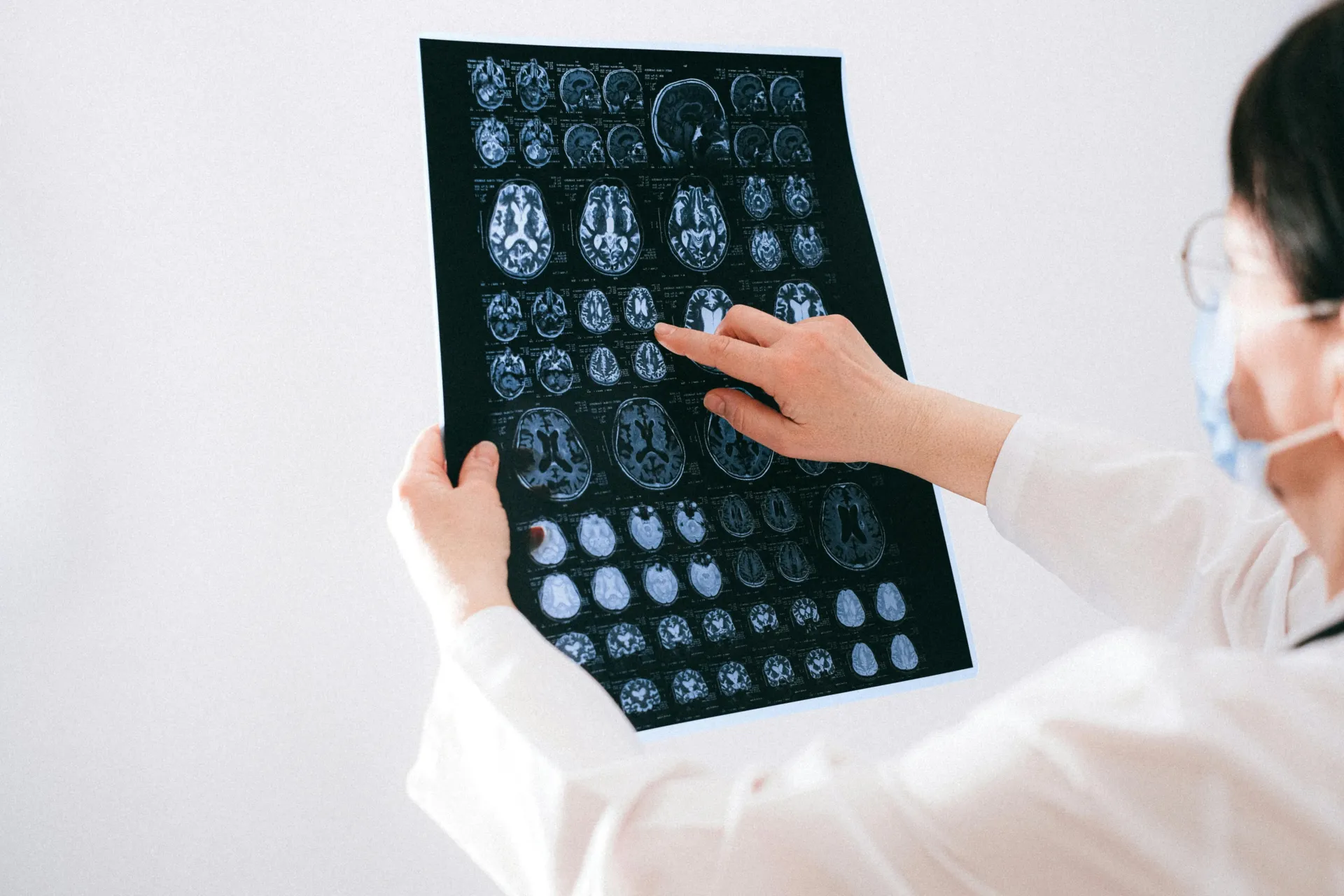
Masusing Pagsusuri
Komprehensibong cognitive testing
Tumpak na Diagnosis
Kilalanin ang mga nagagamot na kondisyon
Mahabaging Pangangalaga
Suporta para sa mga pasyente at pamilya
Pagsusuri ng Memory at Cognitive sa Dubai: Ekspertong Evaluation
Komprehensibong pagsusuri ng memory at cognitive function
Ang mga alalahanin sa alaala ay karaniwan, lalo na habang tumatanda tayo. Ang aming komprehensibong memory assessment ay nakakatulong na makilala ang pagitan ng normal na mga pagbabago na nauugnay sa edad at mga kondisyon na nangangailangan ng medikal na atensyon, kabilang ang mild cognitive impairment at dementia.
Kasama sa aming pagsusuri ang detalyadong cognitive testing, neurological examination, at mga naaangkop na pagsisiyasat upang matukoy ang mga nagagamot na sanhi ng mga problema sa alaala. Maraming kondisyon na nakakaapekto sa alaala, tulad ng mga kakulangan sa bitamina, mga sakit sa thyroid, at depression, ay reversible sa wastong paggamot.
Para sa mga pasyente at pamilyang nahaharap sa diagnosis ng dementia, nagbibigay kami ng mahabaging pangangalaga, pagpaplano ng paggamot, at mga resources upang makatulong sa pamamahala ng kondisyon at mapanatili ang kalidad ng buhay.

Dr. Heike Jacobs
Tuklasin ang Aming mga Serbisyo
Komprehensibong serbisyo sa pagsusuri ng memory at cognitive sa DCDC Dubai Healthcare City.

Lahat ng serbisyo ay ginagawa ng mga DHA-licensed na espesyalista
Sino ang Dapat Kumuha ng Pagsusuri ng Memory at Cognitive?
Ang pagsusuri ng memory ay inirerekomenda para sa sinumang may mga alalahanin tungkol sa cognitive function o mga pagbabago sa alaala.
Pagkalimot ng mga kamakailan na pangyayari o usapan
Kahirapan sa paghahanap ng mga salita o pagsunod sa mga usapan
Naliligaw sa mga pamilyar na lugar
Kahirapan sa pagpaplano o paglutas ng problema
Mga pagbabago sa mood o personalidad
Mga alalahanin ng pamilya tungkol sa mga cognitive changes
Bakit Piliin ang DCDC para sa Memory Assessment?
Ekspertong pagsusuri na may mahabaging at komprehensibong pangangalaga.
Mga Ekspertong Neurologist
Mga espesyalista sa cognitive disorders at dementia.
Masusing Testing
Komprehensibong cognitive assessment battery.
Advanced Imaging
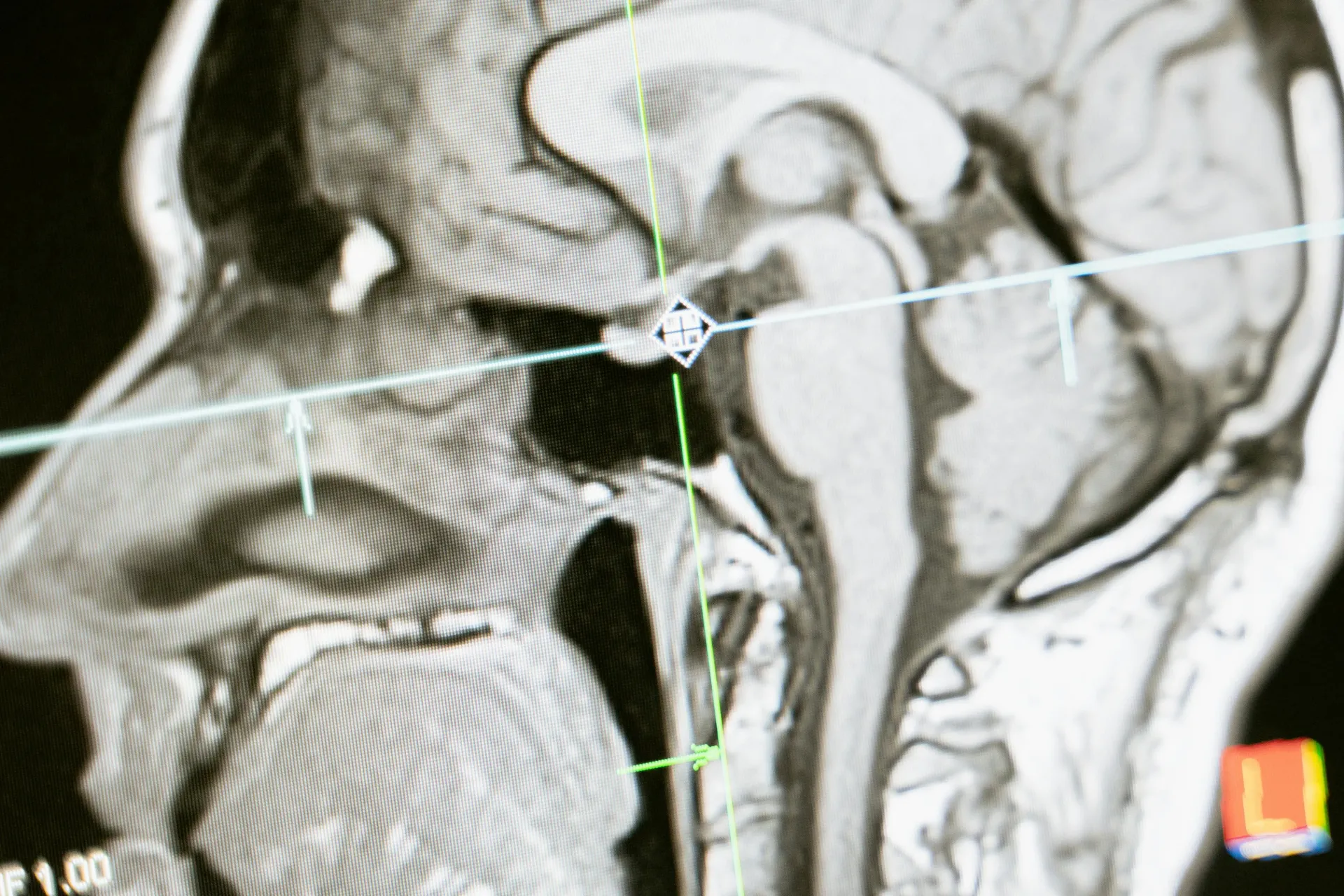
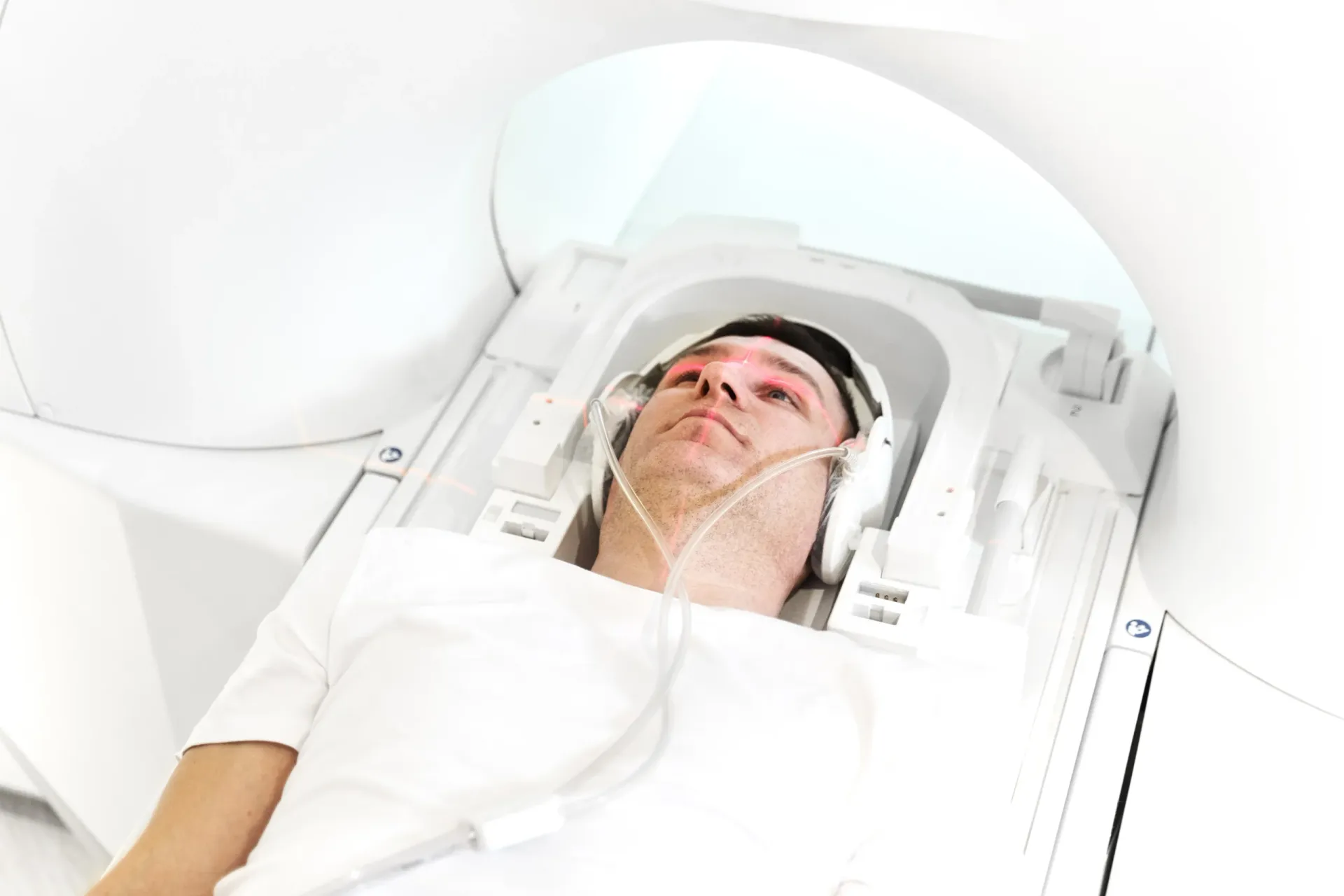
On-site MRI para sa pagsusuri ng istruktura ng utak.
Mahabaging Pangangalaga
Masuportang diskarte para sa mga pasyente at pamilya.
Multidisciplinary
Koordinasyon sa psychiatry at ibang mga espesyalista.
Suporta sa Insurance
Direct billing sa mga pangunahing insurer.
Ang Iyong Komportableng Pagbisita
Isang simple, hakbang-hakbang na proseso ng Pagsusuri scan na dinisenyo para sa kaginhawahan, bilis, at katumpakan.
Presyo ng Memory Assessment
Ang presyo ng Pagsusuri sa Dubai ay nag-iiba ayon sa uri ng serbisyo at insurance coverage para sa iba't ibang uri ng serbisyo.
- Ang presyo ay nag-iiba ayon sa uri ng scan at kung kailangan ng contrast
- Tinatanggap ang insurance coverage na may referral at verification
- Transparent na self-pay rate na available na may instant na presyo kapag hiniling
Verification ng insurance sa ilang minuto • Walang nakatagong bayad • Mabilis na sagot sa WhatsApp
Gabay para sa Pasyente
Ano ang Aasahan sa Memory Assessment
Komprehensibong pagsusuri upang maunawaan ang iyong cognitive function.
Insurance at Lokasyon
Mga Kasosyo sa Insurance
- •20+ na insurance provider sa Dubai kabilang ang Daman, AXA, ADNIC, at iba pa
- •Suporta sa pre-authorization at direct billing (kung naaangkop)
- •Verification ng coverage bago ang iyong appointment sa aming klinika sa Dubai Healthcare City
- •Transparent na presyo na walang nakatagong bayad para sa mga serbisyo ng pagsusuri ng memory at cognitive








Bisitahin Kami sa Dubai Healthcare City
Doctors Clinic Diagnostic Center
Building 64, Block A, Al Razi Medical Complex, Dubai Healthcare City, Dubai, UAE
Malapit sa Oud Metha Road · Madaling puntahan mula sa Bur Dubai, Downtown Dubai, Business Bay · May libreng dedikadong parking
Oras ng Trabaho
Lun-Huw, Sab: 8AM - 10:30PM | Lin: 8:30AM - 10:30PM | Biy: 9AM - 10PM
Paano Gumagana ang Insurance sa DCDC
Suriin ang Coverage
I-verify na sakop ng iyong plano ang Pagsusuri ng Memory at Cognitive
Kumuha ng Referral
Ang ilang insurer ay nangangailangan ng GP referral — maaari ka naming gabayan
Pre-Autorisation
Kami ang mag-aasikaso ng pre-auth nang direkta sa iyong insurer
Direktang Pagsingil
Walang bayad sa una — direkta kaming nagbi-bill sa iyong insurer
Co-Pay Lang
Ikaw ay magbabayad lamang ng anumang naaangkop na co-pay sa klinika
Suriin ang Coverage
I-verify na sakop ng iyong plano ang Pagsusuri ng Memory at Cognitive
Kumuha ng Referral
Ang ilang insurer ay nangangailangan ng GP referral — maaari ka naming gabayan
Pre-Autorisation
Kami ang mag-aasikaso ng pre-auth nang direkta sa iyong insurer
Direktang Pagsingil
Walang bayad sa una — direkta kaming nagbi-bill sa iyong insurer
Co-Pay Lang
Ikaw ay magbabayad lamang ng anumang naaangkop na co-pay sa klinika
Your Specialist
Dr. Heike Jacobs
Consultant Neurologist
MD, MRCP, Consultant Neurologist
German · English
Gabay para sa Pasyente
Memory and Cognitive Health: Understanding Assessment and Management
Memory is not a single function but rather a complex system involving multiple brain regions working together. Short-term or working memory holds information for seconds to minuto and is managed by the prefrontal cortex. Long-term memory consolidation, the process of converting experiences into lasting memories, depends critically on the hippocampus. Recall involves retrieval networks spanning multiple brain areas. Different types of dementia affect different memory systems and brain regions, which is why detailed cognitive testing that evaluates multiple domains is essential for accurate diagnosis and distinguishing between conditions.
s disease is the most common cause of dementia, accounting for approximately 60 to 70 percent of cases. It is characterized by the progressive accumulation of abnormal amyloid plaques and tau tangles in the brain, leading to nerve cell damage and death. The disease typically begins with difficulty forming new memories, gradually expanding to affect language, reasoning, behavior, and eventually basic functions. While age is the greatest risk factor, Alzheimer\
The concept of cognitive reserve helps explain why some individuals with brain changes maintain better function than others. Cognitive reserve is built throughout life through education, intellectual engagement, social interaction, and physical activity. People with greater cognitive reserve can tolerate more brain pathology before showing clinical symptoms. This concept has practical implications: continuing to challenge your brain with new learning, maintaining social connections, and staying physically active throughout life builds reserves that may delay or reduce the impact of age-related brain changes.
Comprehensive memory assessment serves multiple purposes beyond simply diagnosing dementia. It establishes a baseline against which future changes can be measured, identifies treatable contributing factors that may be amplifying cognitive difficulties, distinguishes between different types of cognitive conditions that require different treatments, provides prognostic information to guide planning, and often provides reassurance to worried individuals whose concerns fall within the range of normal aging. Regardless of the outcome, a thorough evaluation empowers patients and families with knowledge and a clear plan of action.
Cognitive Conditions We Evaluate and Manage
Alzheimer\
The most common dementia type, characterized by progressive memory loss, language difficulties, and functional decline, managed with medication, cognitive stimulation, and comprehensive support planning.
Mild Cognitive Impairment (MCI)
Measurable cognitive decline beyond normal aging but not meeting criteria for dementia, monitored regularly with intervention strategies to maintain function and address modifiable risk factors.
Vascular Dementia
Cognitive decline caused by stroke or small vessel disease, managed with aggressive cardiovascular risk factor control and cognitive rehabilitation.
Lewy Body Dementia
Dementia with features including visual hallucinations, fluctuating cognition, and parkinsonism, requiring careful medication selection and comprehensive management.
Frontotemporal Dementia
Relatively young-onset dementia affecting behavior, personality, or language, diagnosed through clinical evaluation and brain imaging, with specialized management strategies.
Depression-Related Cognitive Impairment
Memory and concentration difficulties caused by depression (pseudodementia), distinguished from dementia through assessment and dramatically improved with antidepressant treatment.
Mga Kaugnay na Artikulo
Complete Guide to MRI Scan in Dubai
Learn how brain MRI supports memory assessment by evaluating brain structure and detecting changes associated with dementia.
Vitamin D Deficiency in Dubai
Understand the link between vitamin deficiencies and cognitive health, and why nutritional screening is part of memory evaluation.
Executive Health Checkup Benefits
Discover how comprehensive health screening including cognitive assessment supports brain health and early detection of treatable conditions.
Mga Kaugnay na Serbisyo
Galugarin ang iba pang serbisyo sa diagnostics at konsultasyon na available sa aming klinika sa Dubai Healthcare City.
Mga Madalas Itanong
Mga karaniwang tanong tungkol sa Pagsusuri ng Memory at Cognitive sa Dubai.
Ang ilang mga pagbabago sa alaala ay normal habang tumatanda (tulad ng paminsan-minsang pagkalimot ng mga pangalan). Gayunpaman, ang mga makabuluhang problema sa alaala na nakakaapekto sa pang-araw-araw na buhay ay nangangailangan ng pagsusuri upang maalis ang mga nagagamot na kondisyon o maagang dementia.
Maraming kondisyon ang maaaring makaapekto sa alaala, kabilang ang mga kakulangan sa bitamina, mga problema sa thyroid, depression, mga sakit sa tulog, mga gamot, at mga neurological conditions tulad ng Alzheimer's disease. Tinutukoy ng wastong pagsusuri ang sanhi.
Oo, hinihikayat namin na sumama ang isang miyembro ng pamilya o malapit na kaibigan. Maaari silang magbigay ng mahalagang impormasyon tungkol sa mga pagbabagong napansin nila at makatulong sa pag-unawa sa mga rekomendasyon.
Oo, maraming sanhi ang nagagamot o reversible, kabilang ang kakulangan sa vitamin B12, mga sakit sa thyroid, depression, sleep apnea, at mga side effects ng gamot. Kaya naman mahalaga ang masusing pagsusuri.
Ang Mild Cognitive Impairment (MCI) ay kinabibilangan ng mga cognitive changes na mas malaki kaysa sa inaasahan para sa edad ngunit hindi sapat na malubha upang makaapekto sa pang-araw-araw na buhay. Ang dementia ay kinabibilangan ng mas malaking pagbaba na nakakaapekto sa independiyenteng function.
Bagama't walang lunas, ang mga gamot ay maaaring makatulong na pamahalaan ang mga sintomas at pabagalin ang pag-unlad. Ang maagang diagnosis ay nagbibigay-daan sa pagpaplano ng paggamot, mga pagbabago sa lifestyle, at paghahanda para sa mga pangangailangan sa hinaharap.
Mga Pangunahing Katotohanan
Medikal na Pagsusuri at Pamamahala
Lahat ng serbisyo ay ibinibigay sa ilalim ng pamamahala ng mga lisensyadong propesyonal sa medisina sa aming MOHAP-accredited na pasilidad.