
I-book ang Iyong Appointment
Mga Na-verify na Review ng Pasyente ng DCDC Diagnostic Center sa Dubai
Mga na-verify na review at totoong kwento ng pasyente mula sa Dubai Healthcare City
Lubos akong nasiyahan sa medikal na klinikang ito. Dito ko ginawa ang aking unang pregnancy screening. Abot-kaya at napaka-propesyonal. Ang radiologist ay malugod, mabait, at nagpaganda ng karanasan.
Aizhan Tokmanbetova
Nasaktan ang tuhod ko noong Biyernes ng gabi at nakakuha ng MRI appointment noong Linggo ng hapon (na-book noong Linggo ng hapon). Naghintay ng mga 2 minuto lang at natapos sa mahigit 30 minuto. Kamangha-mangha, magiliw, at mahusay ang team.
Kirsten Evans
Ang team ni Dr. Osama ay malambot at kamangha-mangha. Pagkatapos ng masamang karanasan sa ibang lugar, ang aking pelvic exam dito ay mas propesyonal. Magandang report at napaka-tumpak.
Mary




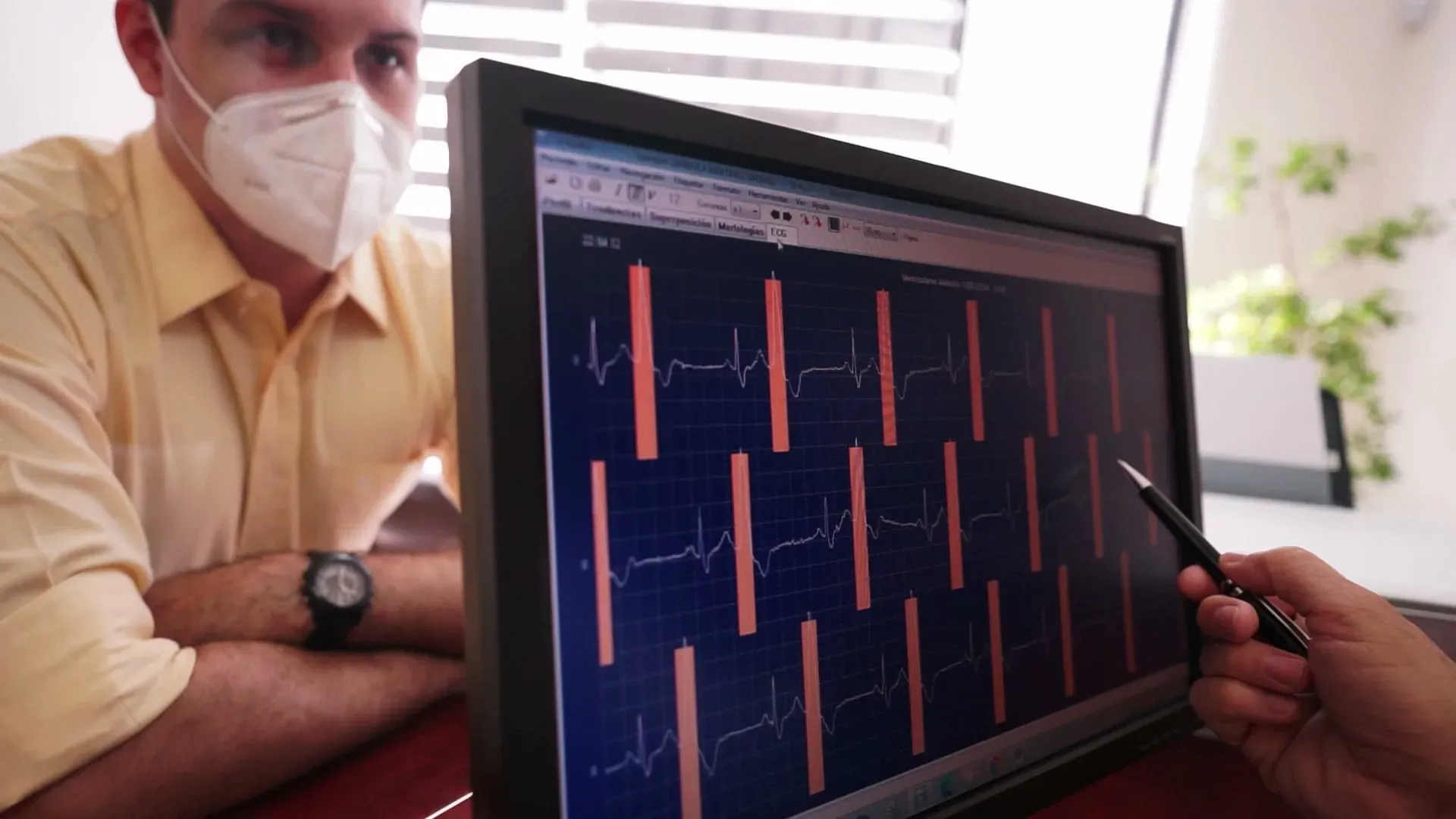
Holter Monitoring sa Dubai: 24-48 Oras na Pagre-record ng Ritmo ng Puso
Tuklasin ang mga arrhythmia na hindi nakakakita ang karaniwang ECG
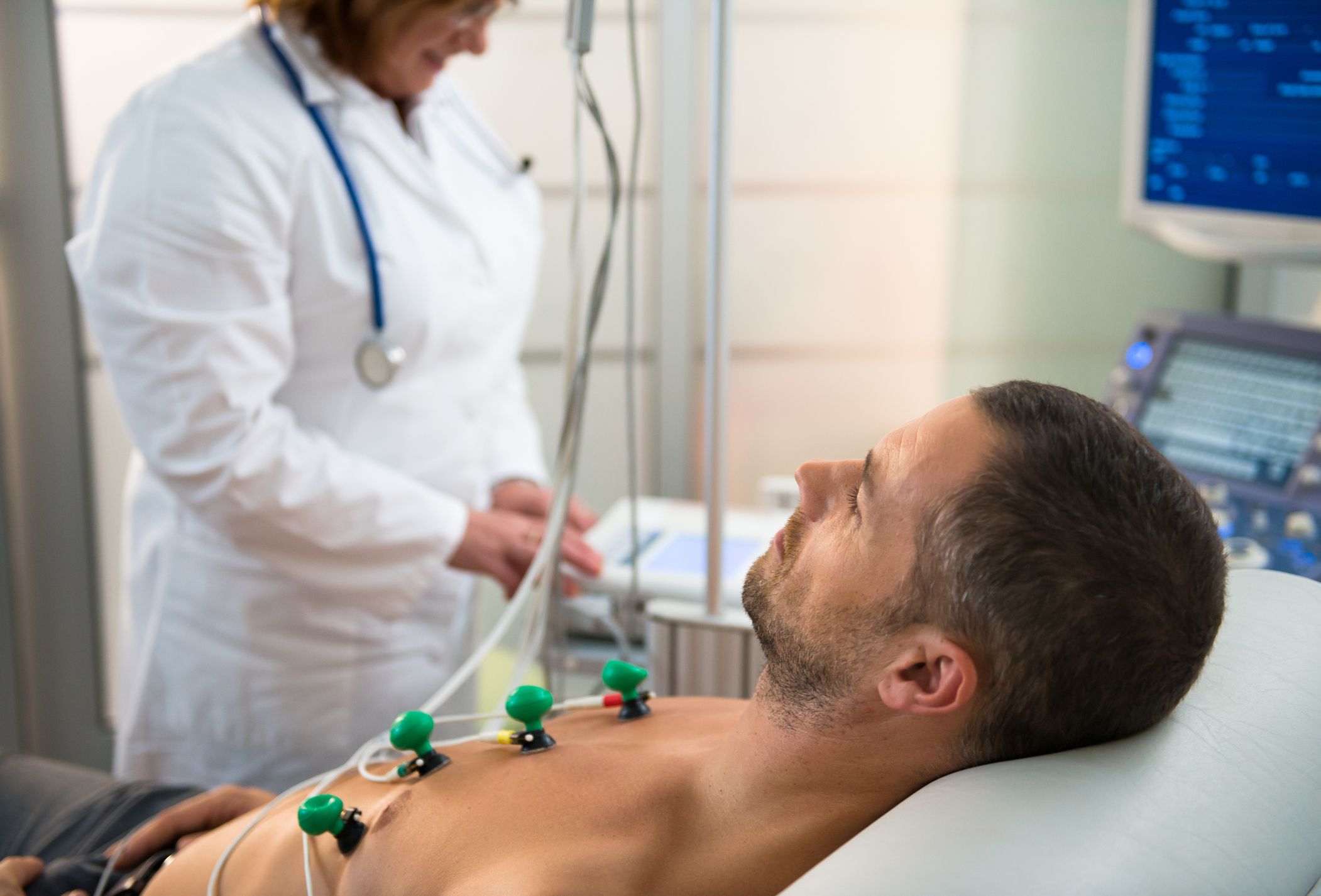
Tuloy-tuloy na Pagre-record
Bawat tibok ng puso sa loob ng 24-48 oras. Gabi at araw
Mabilis na Resulta
Ekspertong pagsusuri sa loob ng 24-48 oras pagkatapos ibalik
Normal na Aktibidad
Magaang device. Ipagpatuloy ang iyong pang-araw-araw na gawain
Ang Holter monitor ay isang maliit na naisusuot na device na nire-record ang ritmo ng iyong puso nang tuloy-tuloy sa loob ng 24-48 oras. Hindi katulad ng karaniwang ECG na ilang segundo lamang ang natatala, nire-record ng Holter monitoring ang bawat tibok ng puso sa panahon ng iyong normal na mga aktibidad at tulog. Nahuhuli nito ang mga arrhythmia na maaaring hindi mangyari sa panahon ng pagbisita sa klinika.
Maaaring irekomenda ng iyong cardiologist ang Holter monitoring para sa palpitations, hindi maipaliwanag na pagkahilo, mga episode ng pagkahimatay, o para subaybayan ang ritmo ng puso pagkatapos ng paggamot. Mag-iingat ka ng talaan ng mga sintomas upang maiugnay namin ang mga ito sa anumang pagbabago sa ritmo.
Bawat Holter study ay sinusuri ng board-certified na cardiologists. Karaniwang available ang mga resulta sa loob ng 24-48 oras pagkatapos mong ibalik ang device.
Tuloy-tuloy na Pagre-record
Bawat tibok ng puso sa loob ng 24-48 oras. Gabi at araw
Mabilis na Resulta
Ekspertong pagsusuri sa loob ng 24-48 oras pagkatapos ibalik
Normal na Aktibidad
Magaang device. Ipagpatuloy ang iyong pang-araw-araw na gawain
Holter Monitoring sa Dubai: 24-48 Oras na Pagre-record ng Ritmo ng Puso
Tuklasin ang mga arrhythmia na hindi nakakakita ang karaniwang ECG
Ang Holter monitor ay isang maliit na naisusuot na device na nire-record ang ritmo ng iyong puso nang tuloy-tuloy sa loob ng 24-48 oras. Hindi katulad ng karaniwang ECG na ilang segundo lamang ang natatala, nire-record ng Holter monitoring ang bawat tibok ng puso sa panahon ng iyong normal na mga aktibidad at tulog. Nahuhuli nito ang mga arrhythmia na maaaring hindi mangyari sa panahon ng pagbisita sa klinika.
Maaaring irekomenda ng iyong cardiologist ang Holter monitoring para sa palpitations, hindi maipaliwanag na pagkahilo, mga episode ng pagkahimatay, o para subaybayan ang ritmo ng puso pagkatapos ng paggamot. Mag-iingat ka ng talaan ng mga sintomas upang maiugnay namin ang mga ito sa anumang pagbabago sa ritmo.
Bawat Holter study ay sinusuri ng board-certified na cardiologists. Karaniwang available ang mga resulta sa loob ng 24-48 oras pagkatapos mong ibalik ang device.
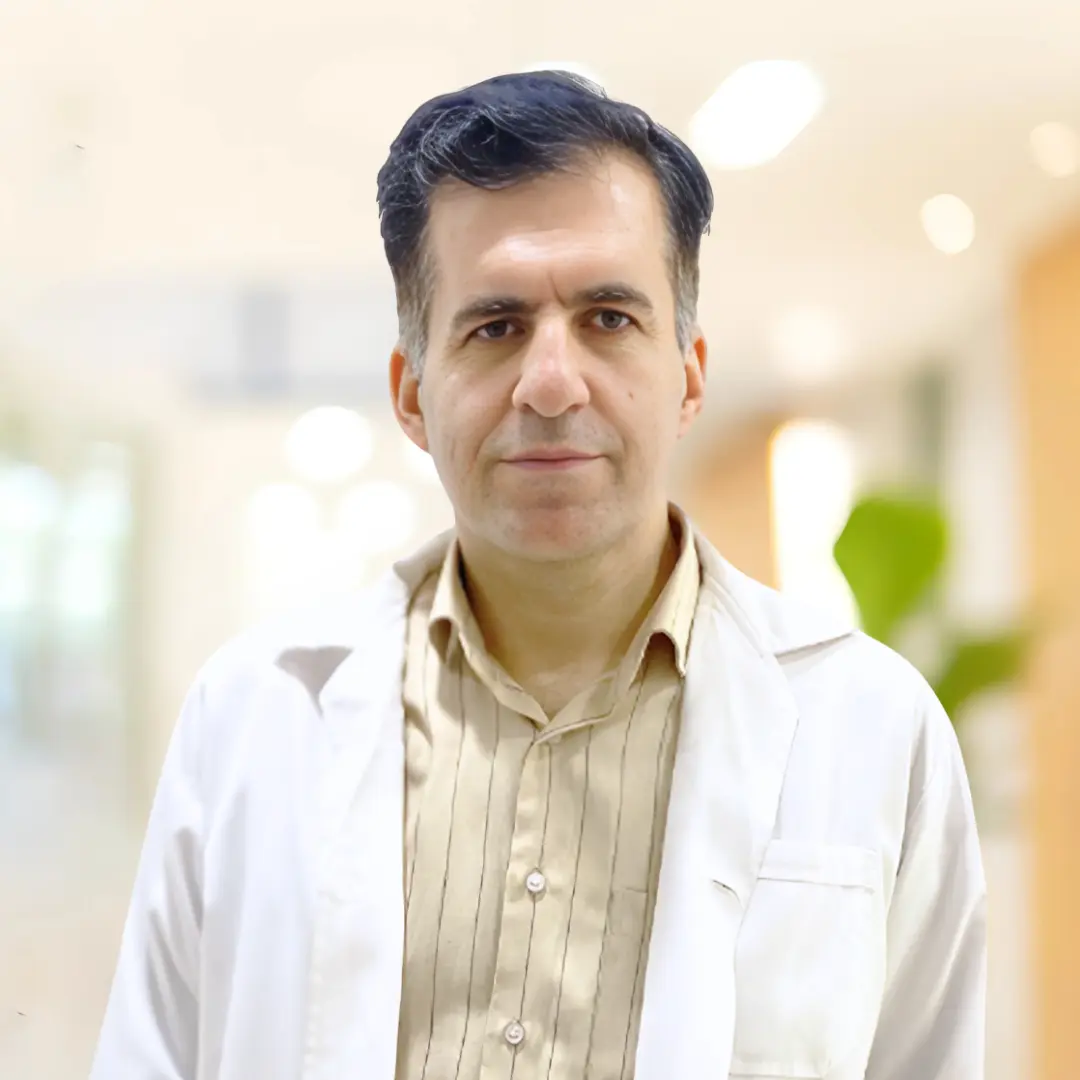
Dr. Shahoo Mazhari
Tuklasin ang Aming mga Serbisyo
Komprehensibong serbisyo sa pagsubaybay ng holter sa DCDC Dubai Healthcare City.


Arrhythmia Diagnosis
Ekspertong pagsusuri at pamamahala ng iregular na tibok ng puso.
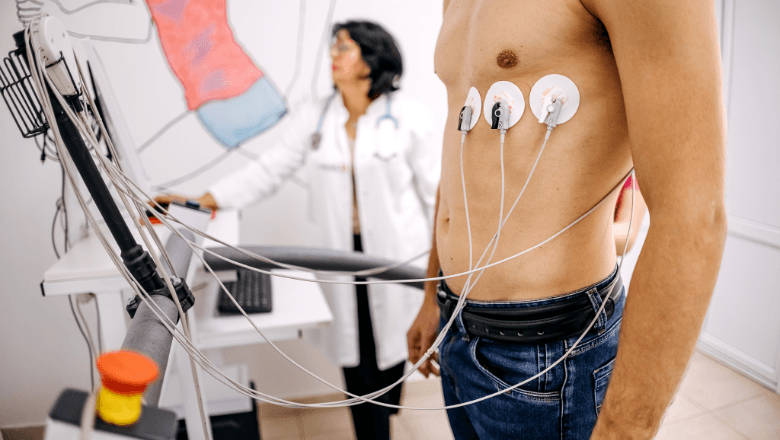
Lahat ng serbisyo ay ginagawa ng mga DHA-licensed na espesyalista
Sino ang Nangangailangan ng Holter Monitoring?
Inirerekomenda ang Holter monitoring para sa mga sintomas na maaaring hindi mangyari sa panahon ng pagbisita sa klinika. Pagkahuli ng mga arrhythmia na hindi nakakakita ang karaniwang ECG.
Madalas na palpitations o mabilis na pagtibok ng puso
Hindi maipaliwanag na pagkahilo o pagkalula
Mga episode ng pagkahimatay (syncope)
Pakiramdam na may nalalaktawang tibok ng puso
Pagsubaybay pagkatapos ng pagbabago ng gamot
Pagsusuri ng ritmo pagkatapos ng heart attack
Bakit Piliin ang DCDC para sa Holter Monitoring?
MOHAP-licensed na pasilidad na may same-day na paglalagay ng device, ekspertong cardiologist analysis, at mabilis na resulta.
MOHAP Licensed
Accredited na medical center sa Dubai Healthcare City. License NIMY7VY5-240925.
Mabilis na Resulta
Ekspertong pagsusuri sa loob ng 24-48 oras pagkatapos ibalik ang device.
Suporta sa Insurance
Direct billing sa 20+ insurers. Kami ang bahala sa pre-authorization para sa iyo.
Maginhawang Lokasyon
Building 64, Block A sa Dubai Healthcare City. Libreng parking on-site.
Ekspertong Cardiologists
Board-certified na mga espesyalista sa cardiac rhythm interpretation.
Karanasan ng Pasyente
4.8/5 Google rating. Komportableng mga device, masusing pagsusuri.
Ang Iyong Komportableng Pagbisita
Isang simple, hakbang-hakbang na proseso ng Holter scan na dinisenyo para sa kaginhawahan, bilis, at katumpakan.
Presyo ng Holter Monitoring
Ang presyo ng Holter sa Dubai ay nag-iiba ayon sa uri ng serbisyo at insurance coverage para sa iba't ibang uri ng serbisyo.
- Ang presyo ay nag-iiba ayon sa uri ng scan at kung kailangan ng contrast
- Tinatanggap ang insurance coverage na may referral at verification
- Transparent na self-pay rate na available na may instant na presyo kapag hiniling
Verification ng insurance sa ilang minuto • Walang nakatagong bayad • Mabilis na sagot sa WhatsApp
Gabay para sa Pasyente
Ano ang Aasahan sa Holter Monitoring
Dalawang mabilisang pagbisita sa klinika. Paglalagay at pagbabalik ng device. Na may normal na mga aktibidad sa pagitan.
Insurance at Lokasyon
Mga Kasosyo sa Insurance
- •20+ na insurance provider sa Dubai kabilang ang Daman, AXA, ADNIC, at iba pa
- •Suporta sa pre-authorization at direct billing (kung naaangkop)
- •Verification ng coverage bago ang iyong appointment sa aming klinika sa Dubai Healthcare City
- •Transparent na presyo na walang nakatagong bayad para sa mga serbisyo ng holter monitoring








Bisitahin Kami sa Dubai Healthcare City
Doctors Clinic Diagnostic Center
Building 64, Block A, Al Razi Medical Complex, Dubai Healthcare City, Dubai, UAE
Malapit sa Oud Metha Road · Madaling puntahan mula sa Bur Dubai, Downtown Dubai, Business Bay · May libreng dedikadong parking
Oras ng Trabaho
Lun-Huw, Sab: 8AM - 10:30PM | Lin: 8:30AM - 10:30PM | Biy: 9AM - 10PM
Paano Gumagana ang Insurance sa DCDC
Suriin ang Coverage
I-verify na sakop ng iyong plano ang Holter Monitoring
Kumuha ng Referral
Ang ilang insurer ay nangangailangan ng GP referral — maaari ka naming gabayan
Pre-Autorisation
Kami ang mag-aasikaso ng pre-auth nang direkta sa iyong insurer
Direktang Pagsingil
Walang bayad sa una — direkta kaming nagbi-bill sa iyong insurer
Co-Pay Lang
Ikaw ay magbabayad lamang ng anumang naaangkop na co-pay sa klinika
Suriin ang Coverage
I-verify na sakop ng iyong plano ang Holter Monitoring
Kumuha ng Referral
Ang ilang insurer ay nangangailangan ng GP referral — maaari ka naming gabayan
Pre-Autorisation
Kami ang mag-aasikaso ng pre-auth nang direkta sa iyong insurer
Direktang Pagsingil
Walang bayad sa una — direkta kaming nagbi-bill sa iyong insurer
Co-Pay Lang
Ikaw ay magbabayad lamang ng anumang naaangkop na co-pay sa klinika
Your Specialist
Dr. Shahoo Mazhari
Consultant Cardiologist
MD, Consultant Cardiologist
Persian · English · Kurdish
Gabay para sa Pasyente
How Holter Monitoring Works: A Detailed Guide
A Holter monitor consists of a small, battery-powered recording device connected to several adhesive electrodes placed on your chest. These electrodes detect the electrical signals produced by your heart with each beat, and the device records these signals continuously onto a digital storage medium. Modern Holter devices are lightweight, typically weighing less than 100 grams, and are small enough to clip to a belt or carry in a pocket without interfering with your daily activities.
During the monitoring period, you will be asked to keep a symptom diary, noting the exact time of any palpitations, dizziness, chest discomfort, shortness of breath, or other symptoms. This diary is a critical component of the test because it allows your cardiologist to correlate your symptoms with specific heart rhythm events captured on the recording. For example, if you note palpitations at 3:15 PM, the cardiologist can examine that precise moment on the recording to determine whether the sensation was caused by a benign extra beat, a sustained arrhythmia, or occurred during a completely normal rhythm.
After you return the device, the recording is downloaded to a computer and analysed using specialised cardiac monitoring software. The software automatically flags episodes of abnormal heart rate, irregular rhythms, pauses, and other findings, but every flagged event and the overall recording are personally reviewed by a board-certified cardiologist. The final report details your average heart rate, minimum and maximum heart rates, total number of premature beats, any episodes of sustained arrhythmia, and the correlation between your diary entries and rhythm events.
Mga Kondisyon na Natatukoy ng Holter Monitoring
Atrial Fibrillation (AFib)
Ang pinakakaraniwang tuloy-tuloy na arrhythmia, na nailalarawan ng mabilis at iregular na pagtibok ng mga itaas na silid ng puso. Maaaring mangyari sa maikling yugto na napalampas ng karaniwang ECG.
Supraventricular Tachycardia (SVT)
Mga yugto ng abnormal na mabilis na tibok ng puso na nagmumula sa itaas ng mga ventricle, na madalas nagdudulot ng biglaang mabilis na tibok ng puso, pagkahilo, o hirap sa paghinga.
Premature Ventricular Contractions (PVCs)
Mga karagdagang tibok ng puso na nagmumula sa mga mas mababang silid ng puso. Tinutukoy ng Holter ang dalas at pattern nito upang matukoy kung kailangan ng paggamot.
Premature Atrial Contractions (PACs)
Mga karagdagang tibok mula sa mga itaas na silid. Karaniwan at karaniwang walang malubhang epekto, ngunit ang mataas na dalas ay maaaring mahulaan ang hinaharap na atrial fibrillation.
Ventricular Tachycardia
Isang posibleng seryosong arrhythmia na may mabilis na tibok mula sa mga ventricle. Kahit maikling yugto na natukoy sa Holter ay maaaring mangailangan ng karagdagang pagsusuri at paggamot.
Bradycardia at Heart Block
Abnormally mabagal na tibok ng puso o pagkaantala sa electrical conduction sa pagitan ng mga itaas at mas mababang silid, na maaaring magdulot ng pagkahilo, pagod, o pagkawala ng malay.
Mga Kaugnay na Artikulo
Cardiology in Dubai: Expert Heart Care
An overview of cardiology services in Dubai including diagnostic tests, treatment options, and when to see a cardiologist for heart concerns.
Heart Health & Prevention in Dubai
Preventive cardiology strategies including heart screening tests, lifestyle modifications, and risk factor management for residents in Dubai.
Hypertension: The Silent Killer
Understanding high blood pressure, its effects on the heart, and why regular monitoring and treatment are essential for long-term cardiovascular health.
Mga Kaugnay na Serbisyo
Galugarin ang iba pang serbisyo sa diagnostics at konsultasyon na available sa aming klinika sa Dubai Healthcare City.
Mga Madalas Itanong
Mga karaniwang tanong tungkol sa Holter Monitoring sa Dubai.
Hindi. Dapat manatiling tuyo ang device at mga electrode. Maligo bago ang paglalagay o pagkatapos ibalik.
Oo. Trabaho, magaang ehersisyo, tulog. Ipagpatuloy ang iyong gawain. Iwasan ang labis na pagpapawis at panatilihing tuyo ang device.
Oo. Maaaring magpakita ang mga pattern ng tulog ng mahahalagang arrhythmia. Isuot ito nang tuloy-tuloy sa buong 24-48 oras.
Sa loob ng 24-48 oras pagkatapos ibalik ang device. Sinusuri ng cardiologist ang buong recording.
Oo, para sa insurance coverage. Ang iyong cardiologist o GP ang maaaring magbigay ng referral.
Mga Pangunahing Katotohanan
Medikal na Pagsusuri at Pamamahala
Lahat ng serbisyo ay ibinibigay sa ilalim ng pamamahala ng mga lisensyadong propesyonal sa medisina sa aming MOHAP-accredited na pasilidad.