
Mga Pangunahing Punto
- 80% ng mga residente ng UAE ang may kakulangan sa Vitamin D sa kabila ng araw buong taon
- Indoor lifestyle, kultura ng aircon, at pag-iwas sa araw ang mga pangunahing sanhi sa Dubai
- Kasama sa mga sintomas ang pagkapagod, pananakit ng kalamnan, depresyon, at madalas na pagkakasakit
- Ang simpleng blood test ay maaaring mag-diagnose ng kakulangan - resulta sa loob ng 24-48 oras
- Ang paggamot ay mula sa oral supplements hanggang Vitamin D injections depende sa kalubhaan
- Ang optimal na lebel ay 30-100 ng/mL - maraming residente ng Dubai ang may lebel na mas mababa sa 10 ng/mL
Narito ang isang bagay na nagugulat sa halos bawat pasyenteng nakikita ko: ang Dubai, isa sa mga pinakamaaarawan na lugar sa Earth, ay may ilan sa pinakamataas na rate ng kakulangan sa Vitamin D sa buong mundo. Ayon sa pinakabagong health statistics ng Dubai Health Authority, humigit-kumulang 8 sa 10 residente ng UAE ang may hindi sapat na lebel. Nakikita ko ito araw-araw sa aming klinika - mga propesyonal, atleta, kahit mga outdoor enthusiast na pumapasok na may napakababang lebel na halos hindi na sila makapagising pagkatapos ng 3pm.
Kung nahihirapan ka buong araw, dumaranas ng misteryosong pananakit ng kalamnan, o pakiramdam na "may mali" sa loob ng ilang buwan, malaking posibilidad na Vitamin D ang dahilan. Itinuring ito ng UAE Ministry of Health and Prevention bilang isang pangunahing public health concern, at sa totoo lang? Karamihan sa mga tao ay walang ideya na sila ay kulang hanggang sa magpa-test sila. Ang magandang balita ay isa ito sa mga pinakamadaling ayusin kapag nalaman mo na kung ano ang problema.
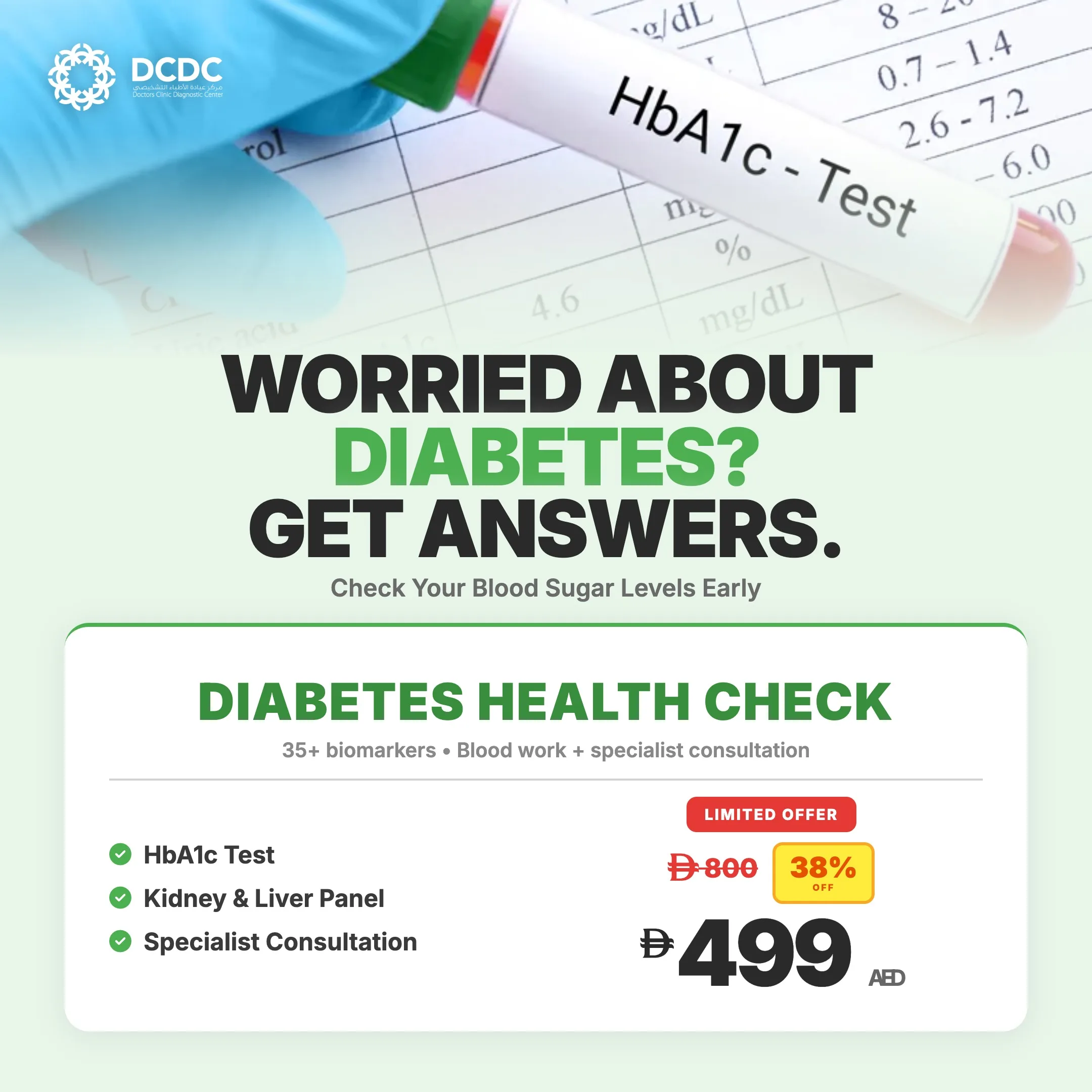
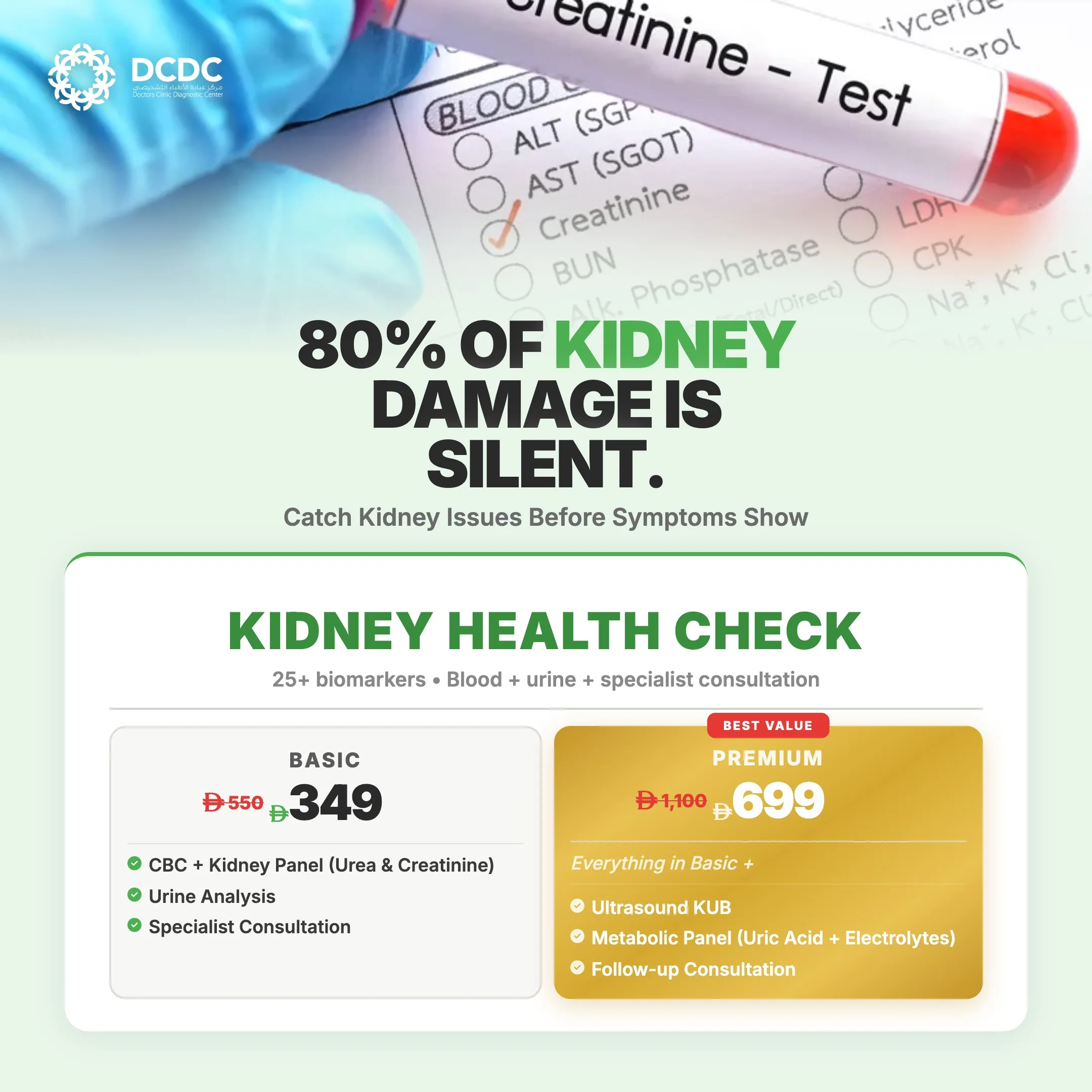
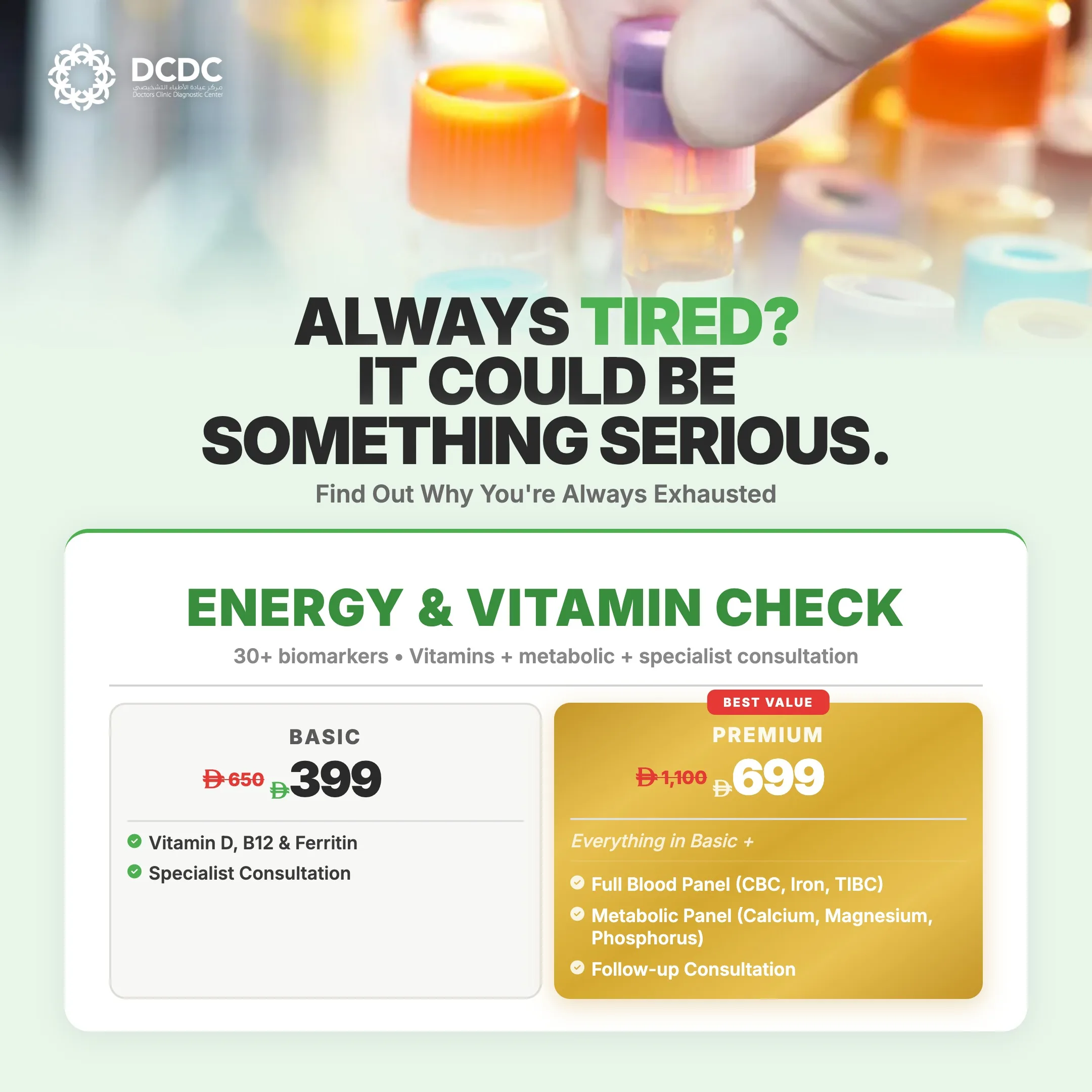
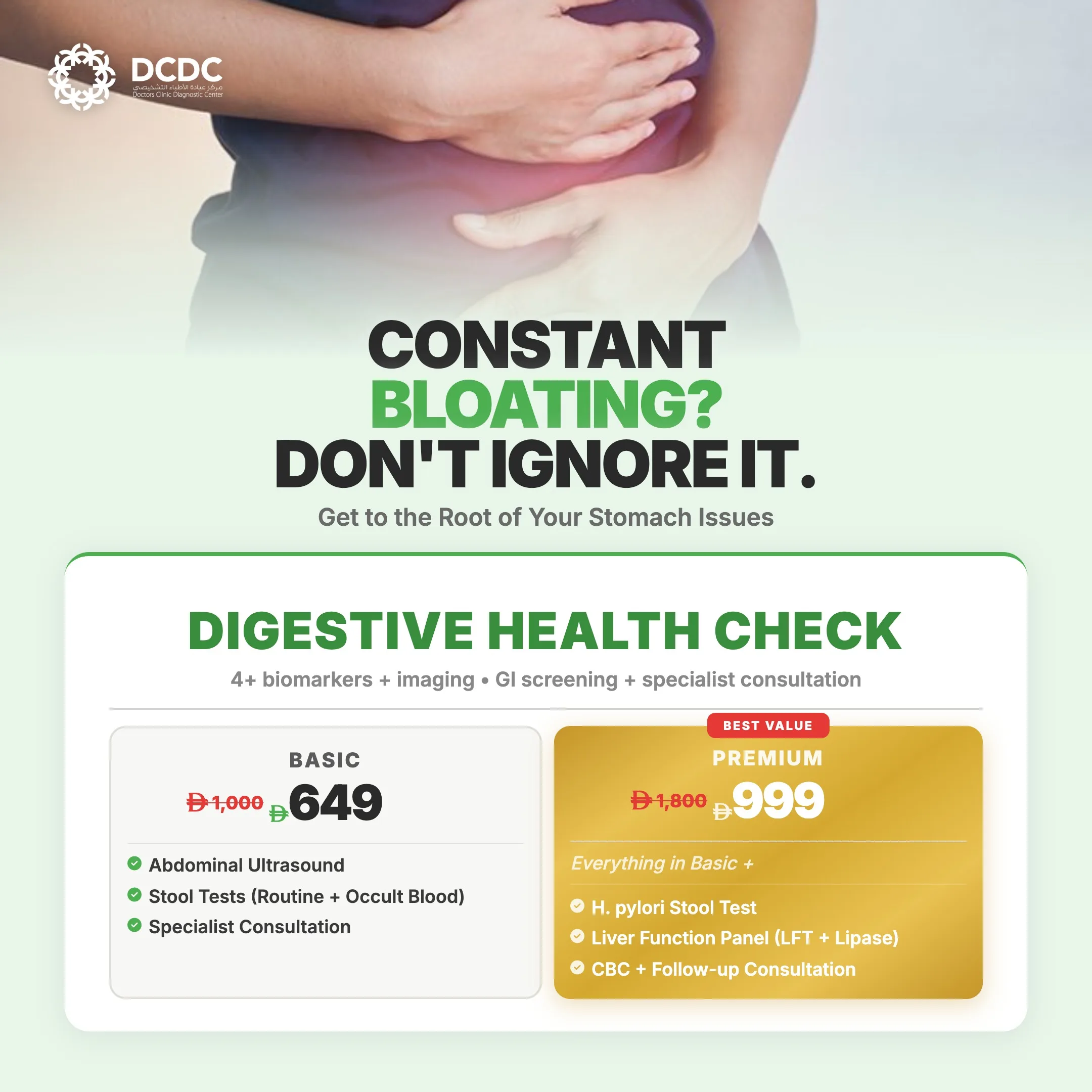
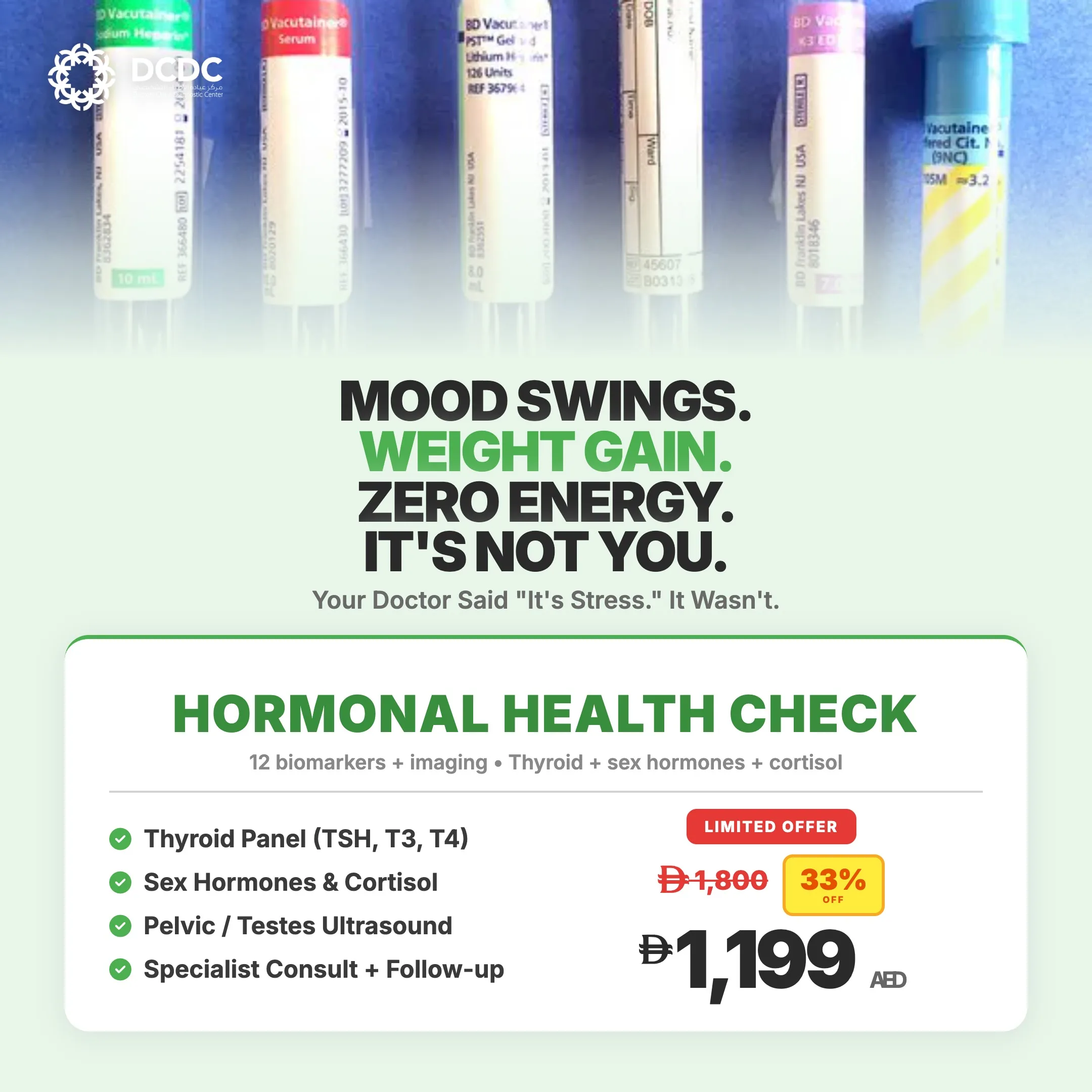
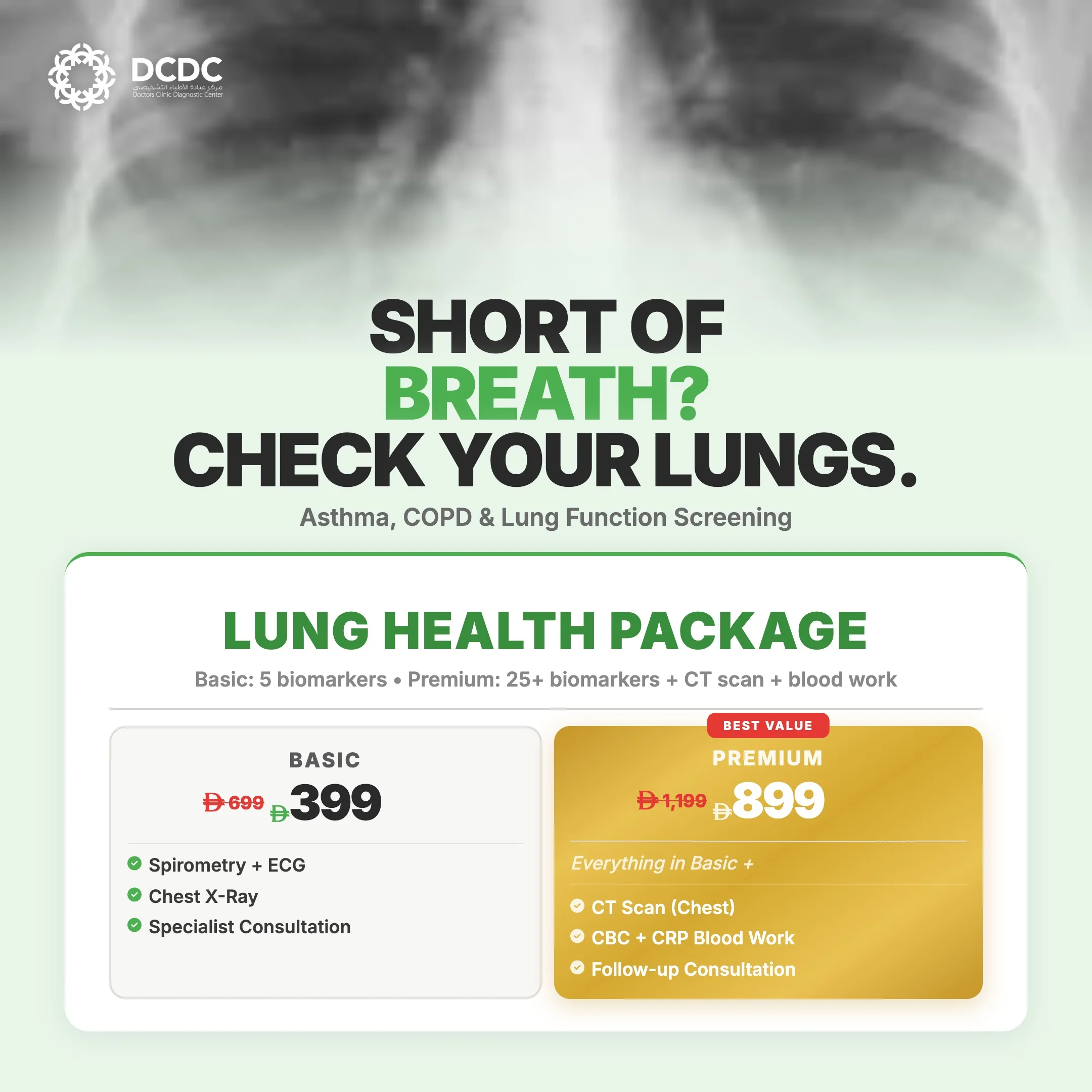
Health Screening Packages
Save with our bundled screening packages — specialist consultation included
Ang Dubai Paradox: Sobrang Araw, Kulang sa Vitamin D
Palagi akong tinatanong nito: "Paano ako magiging kulang? Nakatira ako sa Dubai!" Mukhang walang katuturan, pero ipinapakita ng pananaliksik ng DHA na ang ating modernong lifestyle sa UAE ay aksidenteng lumikha ng perpektong bagyo para sa kakulangan sa Vitamin D. Narito ang talagang nangyayari:
Ang Indoor Generation
Isipin ang isang karaniwang araw ng isang propesyonal sa Dubai: gumising sa air-conditioned na apartment, magmaneho papuntang trabaho sa kotse na may tinted windows, gumugol ng 8-10 oras sa air-conditioned na opisina na may UV-blocking glass, magmaneho pauwi, at magpahinga sa loob. Kapag weekend, mga mall, sinehan, at indoor entertainment. Sa mga buwan ng tag-init kapag lumagpas ang temperatura sa 45°C, kahit ang pag-iisip ng paglabas ay parang imposible.
Ipinapakita ng mga pag-aaral na ang mga residente ng UAE ay gumagugol ng average na 90% ng kanilang oras sa loob - isa sa pinakamataas na rate sa mundo. Kailangan ng iyong balat ng direktang UVB exposure para mag-synthesize ng Vitamin D, at ang mga glass windows ay ganap na hinaharangan ang mga rays na ito.
Kultura ng Pag-iwas sa Araw
Hindi tulad ng mga bansang nasa hilaga kung saan sabik ang mga tao sa tag-araw na araw, ang matinding init ng Dubai ay lumilikha ng kabaligtarang pag-uugali. Mula Mayo hanggang Setyembre, bumababa nang husto ang mga outdoor activity. Kahit sa taglamig, maraming tao ang naglalagay ng sunscreen tuwing lalabas sila - na hinaharangan ang mga UV rays na kailangan para sa Vitamin D production.
Mga Kultural at Relihiyosong Salik
Para sa maraming residenteng nagsusuot ng mahinhing damit na tumatakip sa karamihan ng kanilang balat, natural na limitado ang sun exposure. Ito ay isang mahalagang salik sa mga rate ng kakulangan sa mga kababaihan sa UAE. Bukod dito, ang mas maitim na kulay ng balat ay nangangailangan ng mas mahabang sun exposure para mag-produce ng parehong dami ng Vitamin D tulad ng mas maputing balat.
Mga Babala na Maaaring Kulang Ka sa Vitamin D
Ang kakulangan sa Vitamin D ay madalas tawaging "silent epidemic" dahil ang mga sintomas ay unti-unting nagde-develop at madaling balewalain bilang stress, pagtanda, o busy na lifestyle. Narito ang mga pangunahing babala:
Mga Pisikal na Sintomas
- Patuloy na pagkapagod: Pagod ka pa rin kahit pagkatapos ng 7-8 oras na tulog
- Panghihina ng kalamnan: Nahihirapan sa pag-akyat ng hagdan, pagtayo mula sa upuan
- Pananakit ng buto: Lalo na sa ibabang likod, balakang, at mga binti
- Pulikat at pananakit ng kalamnan: Hindi maipaliwanag na sakit na walang pinsala
- Mabagal na paggaling ng sugat: Mga hiwa at pasa na mas matagal bago gumaling
- Paglagas ng buhok: Lalo na sa mga kababaihan, lampas sa normal na paglagas
Mga Mental at Cognitive na Sintomas
- Depresyon: Mababang mood, lalo na sa mga buwan ng taglamig
- Pagkabalisa: Nadagdagang pakiramdam ng pag-aalala at pagkabalisa
- Brain fog: Nahihirapan sa pag-concentrate at mga problema sa memorya
- Mga problema sa pagtulog: Insomnia o mahinang kalidad ng tulog
Mga Epekto sa Immune System
- Madalas na sipon at trangkaso: Mas madalas na nagkakasakit kaysa karaniwan
- Mabagal na pagbawi: Mas matagal bago makabawi mula sa sakit
- Paulit-ulit na impeksyon: Lalo na mga respiratory infections
Pagsusuri para sa Kakulangan ng Vitamin D sa Dubai
Ang tanging maaasahang paraan para malaman ang iyong Vitamin D status ay sa pamamagitan ng blood test na tinatawag na 25-hydroxyvitamin D (25(OH)D). Ito ay isang simpleng test na maaaring gawin sa DCDC na may mga resulta na karaniwang available sa loob ng 24-48 oras.
Pag-unawa sa Iyong mga Resulta
| Lebel (ng/mL) | Status | Kinakailangang Aksyon |
|---|---|---|
| < 10 | Matinding Kakulangan | Vitamin D injection + mataas na dosis na supplements |
| 10-19 | Katamtamang Kakulangan | Mataas na dosis na supplements sa loob ng 8-12 linggo |
| 20-29 | Hindi Sapat | Inirerekomendang araw-araw na supplementation |
| 30-100 | Optimal | Maintenance - muling test taun-taon |
| > 100 | Sobra | Bawasan ang supplementation, bantayan |
Mga lebel ng Vitamin D at mga inirerekomendang aksyon batay sa mga resulta ng blood test.
Insurance Coverage para sa Vitamin D Testing
Karamihan sa mga pangunahing insurance provider sa UAE ay sinasaklaw ang Vitamin D testing kapag ini-order ng doktor para sa mga klinikal na dahilan. Sa DCDC, nakikipagtulungan kami sa lahat ng pangunahing insurer kabilang ang:
- Daman (National Health Insurance)
- ADNIC
- AXA
- MetLife
- Cigna
- Oman Insurance
- At marami pa
Para sa mga self-pay na pasyente, nag-aalok kami ng competitive na presyo para sa Vitamin D testing. Makipag-ugnayan sa amin para sa kasalukuyang presyo o para i-verify ang iyong insurance coverage.
Mga Opsyon sa Paggamot na Available sa Dubai
Ang paggamot para sa kakulangan sa Vitamin D ay depende sa kalubhaan ng iyong mga lebel. Sa DCDC, ang aming mga espesyalista sa internal medicine ay gumagawa ng personalized na plano ng paggamot batay sa iyong mga resulta ng blood test, mga sintomas, at lifestyle.
Oral Vitamin D Supplements
Para sa banayad hanggang katamtamang kakulangan, ang oral supplements ang first-line treatment:
- Vitamin D3 (cholecalciferol) ang mas pinipiling form - mas epektibo kaysa D2
- Iba-iba ang dosing: 1,000-2,000 IU araw-araw para sa maintenance; 5,000-10,000 IU araw-araw para sa correction
- Pinaka-absorb kapag may taba: Inumin kasama ang pinakmalaking pagkain na may healthy fats
- Available na over-the-counter sa mga parmasya sa buong Dubai
Vitamin D Injections
Para sa matinding kakulangan (mga lebel na mas mababa sa 10 ng/mL), ang Vitamin D injections ay nag-aalok ng mabilis na correction:
- Mataas na dosis na cholecalciferol: 200,000-600,000 IU na ibinibigay intramuscularly
- Mabilis na epekto: Maaaring mag-normalize ang mga lebel sa loob ng 2-4 na linggo
- Maginhawa: Isang injection kumpara sa araw-araw na pills
- Sinusundan ng maintenance: Oral supplements para mapanatili ang mga lebel
Ang Vitamin D injections ay available sa DCDC at maaaring ibigay sa panahon ng regular na consultation sa aming internal medicine team.
Mga Pagbabago sa Lifestyle
Bagama't ang supplements ay karaniwang kinakailangan sa Dubai, ang mga pagbabago sa lifestyle ay makakatulong:
- Ligtas na sun exposure: 15-20 minuto ng tanghaling araw sa mga braso at binti (Oktubre-Abril)
- Mga pagkaing mayaman sa Vitamin D: Matatabang isda, egg yolks, fortified dairy at cereals
- Regular na pagsusuri: Taunang blood tests para bantayan ang mga lebel
- Outdoor activities: Umaga o gabi na ehersisyo sa mga mas malamig na buwan
Bakit Mahalaga ang Vitamin D para sa Iyong Kalusugan
Ang Vitamin D ay hindi lang tungkol sa kalusugan ng buto. Ito ay isang hormone na nakakaapekto sa halos bawat cell sa iyong katawan. Narito kung bakit mahalaga ang pagpapanatili ng optimal na mga lebel, lalo na sa UAE:
Pag-iwas sa Diabetes
Narito ang isang bagay na hindi nare-realize ng karamihan ng tao: ang UAE ay may isa sa pinakamataas na rate ng Type 2 diabetes sa buong mundo - ipinapakita ng data ng MOHAP na humigit-kumulang 1 sa 5 adulto ang apektado. At may malakas na koneksyon sa pagitan ng mababang Vitamin D at panganib ng diabetes. Ipinapahiwatig ng pananaliksik na ang kakulangan ay maaaring dagdagan ang iyong panganib ng diabetes ng hanggang 50%. Kung mayroon kang prediabetes o tumatakbo ang diabetes sa iyong pamilya, ang pag-aayos ng iyong Vitamin D ay hindi opsyonal - ito ay esensyal.
Immune Function
Ang Vitamin D ay esensyal para sa malusog na immune system. Ang kakulangan ay naiugnay sa nadagdagang susceptibility sa mga respiratory infections, kabilang ang COVID-19. Sa panahon ng flu season o kapag nagbibiyahe, ang pagpapanatili ng magandang Vitamin D levels ay tumutulong sa iyong katawan na labanan ang sakit.
Mental Health
Ang mababang Vitamin D ay malakas na nauugnay sa depresyon at pagkabalisa. Ang vitamin ay may papel sa serotonin production - ang "feel-good" chemical ng iyong utak. Maraming pasyente ang nag-uulat ng pinabuting mood at mental clarity sa loob ng ilang linggo mula sa pagsisimula ng paggamot.
Kalusugan ng Buto
Ang Vitamin D ay esensyal para sa calcium absorption. Kung wala ito, nagiging mahina at marupok ang mga buto (osteoporosis). Ito ay partikular na mahalaga para sa mga kababaihang papalapit sa menopause at mga matatandang adulto. Ang DEXA bone density scan ay maaaring suriin ang kalusugan ng iyong buto kasabay ng Vitamin D testing.
Sino ang Dapat Magpa-test?
Bagama't sinumang naninirahan sa Dubai ay maaaring makinabang sa Vitamin D testing, ito ay partikular na mahalaga para sa:
- Sinumang may mga sintomas ng kakulangan (pagkapagod, pananakit ng kalamnan, depresyon)
- Mga taong gumugugol ng karamihan ng kanilang oras sa loob
- Mga nagsusuot ng damit na tumatakip sa karamihan ng kanilang balat
- Mga taong may mas maitim na kulay ng balat
- Mga buntis o nagpapasuso na kababaihan
- Mga matatandang adulto (nababawasang kakayahang mag-synthesize ng Vitamin D)
- Mga taong may obesity (Vitamin D ay naiimbak sa fat tissue)
- Mga may digestive disorders na nakakaapekto sa fat absorption
- Sinumang may diabetes o prediabetes
- Mga taong may osteoporosis o nasa panganib ng bone loss
Magpa-test sa DCDC Dubai Healthcare City
Huwag hayaang ubos ng kakulangan sa Vitamin D ang iyong lakas at maapektuhan ang iyong kalusugan. Sa Doctors Clinic Diagnostic Center, nag-aalok kami ng:
- Maginhawang lokasyon: Dubai Healthcare City, madaling ma-access mula sa Oud Metha at Umm Hurair
- Mabilis na resulta: Resulta ng Vitamin D blood test sa loob ng 24-48 oras
- Ekspertong interpretasyon: Consultation sa aming mga espesyalista sa internal medicine
- Komprehensibong paggamot: Supplements, injections, at patuloy na monitoring
- Tinatanggap ang insurance: Nakikipagtulungan kami sa lahat ng pangunahing UAE insurers
I-book ang Iyong Vitamin D Test Ngayon
Gawin ang unang hakbang tungo sa mas magandang lakas at kalusugan. Ang aming team ay handang tulungan kang maunawaan ang iyong Vitamin D status at lumikha ng personalized na plano ng paggamot.
WhatsApp Us
Kaugnay na Serbisyo sa DCDC
Dalubhasang pangangalaga at advanced diagnostics sa Dubai Healthcare City
Vitamin Testing
Comprehensive vitamin level testing including Vitamin D, B12, and more
Mag-book ng AppointmentBlood Tests
Full blood panel to assess overall nutritional health
Mag-book ng AppointmentGeneral Consultation
Medical consultation for vitamin deficiency symptoms and treatment
Mag-book ng AppointmentFrequently Asked Questions
Mga Pangwakas na Kaisipan
Ang kakulangan sa Vitamin D ay isa sa pinakakaraniwan ngunit pinakanapapabayaang mga isyu sa kalusugan sa Dubai. Sa kabila ng paninirahan sa isa sa pinakamaaarawan na lugar sa Earth, ang ating modernong indoor lifestyle ay lumikha ng isang epidemya ng kakulangan na nakakaapekto sa lahat mula sa mga lebel ng lakas hanggang sa immune function hanggang sa mental health.
Ang magandang balita? Hindi kapani-paniwalang madali itong i-diagnose at gamutin. Ang simpleng blood test ay maaaring ipakita ang iyong status, at sa tamang supplementation o injection therapy, karamihan sa mga pasyente ay nakakakita ng malaking pagpapabuti sa loob ng ilang linggo. Kung nararamdaman mong pagod, masakit, o hindi mo ang dating dati, huwag balewalain ito bilang stress - magpa-test ka at alamin kung ang Vitamin D ang nawawalang piraso.
Mga Sanggunian at Reperensya
Ang artikulong ito ay sinuri ng aming medikal na team at tumutukoy sa mga sumusunod na sanggunian:
- UAE Ministry of Health and Prevention - Vitamin D Guidelines
- Endocrine Society Clinical Practice Guidelines on Vitamin D
- Dubai Health Authority - Health Statistics
- Journal of Steroid Biochemistry - Vitamin D in Middle East
- Cleveland Clinic - Vitamin D Deficiency
Ang medikal na nilalaman sa site na ito ay sinusuri ng mga DHA-licensed na manggagamot. Tingnan ang aming patakarang editorial para sa higit pang impormasyon.

Isinulat ni
Dr. Hadi Komshi
Specialist Internal Medicine
DHA Licensed, Internal Medicine
Si Dr. Hadi Komshi ay isang DHA-licensed na Internal Medicine Specialist na may malawak na karanasan sa pamamahala ng parehong acute at chronic na mga medikal na kondisyon. Siya ay dalubhasa sa diabetes, metabolic disorders, at comprehensive health assessments.
Mga Kaugnay na Artikulo
Bakit Kailangan ng Bawat Executive ang Annual Health Checkup
Diabetes Management sa Dubai: Isang Komprehensibong Gabay
More in General Medicine

© 2026 Doctors Clinic Diagnostic Center (DCDC), Dubai Healthcare City. Originally published at https://doctorsclinicdubai.ae/blog/vitamin-d-deficiency-dubai. All rights reserved. Unauthorized reproduction is prohibited.