Mga Pangunahing Punto
- Shoulder pain is the third most common musculoskeletal complaint in primary care, affecting 7-67 per 1,000 adults annually, and roughly 50% of patients still report symptoms 6 months after onset without proper treatment
- Rotator cuff injuries (tendinitis and tears) account for 44-60% of all shoulder pain consultations, with prevalence rising sharply after age 50 -- early diagnosis prevents progression to full-thickness tears
- Red-flag symptoms requiring urgent evaluation include sudden inability to lift the arm after trauma, shoulder deformity, numbness or tingling down the arm, fever with swelling, and left shoulder pain with chest tightness
- At DCDC in Dubai Healthcare City, shoulder pain patients can receive orthopedic consultation and on-site imaging (X-ray and Siemens 1.5T MRI) in a single visit, with MSK radiologist reads and results within 18-24 hours
- Most shoulder conditions respond to conservative treatment first: physiotherapy, PRP therapy (from AED 1,500), and corticosteroid injections resolve 80-90% of cases without surgery
- According to Dr. Mersad Moosavi, who has over 14 years of orthopedic experience and 20+ international publications, accurate early diagnosis with MRI is the single most important factor in determining whether a shoulder condition will respond to conservative care or requires surgical planning
Your shoulder is the most mobile joint in your body, and that mobility comes at a cost. Whether it is a dull ache that keeps you awake, a sharp catch when reaching overhead, or stiffness that makes getting dressed a daily struggle, shoulder pain affects nearly every aspect of daily life. In Dubai, where gym culture, racquet sports, and desk-bound work are all common, shoulder injuries are among the most frequent reasons patients visit our orthopedic and joint pain clinic. This guide covers the seven most common causes of shoulder pain, the warning signs that mean you should not wait, and what to expect when you seek evaluation at DCDC in Dubai Healthcare City.
Globally, shoulder pain is the third most common musculoskeletal presentation in primary care, after low back pain and knee pain. A systematic review published in BMC Musculoskeletal Disorders found the incidence of shoulder pain ranges from 7 to 62 per 1,000 persons per year, with roughly 50% of patients still experiencing symptoms six months after their initial visit if left untreated. In the UAE, long hours at desks, intensive gym training, and year-round access to sports like padel, tennis, and swimming contribute to a high prevalence of shoulder injuries. Understanding what is causing your pain -- and when it requires medical attention -- is the first step toward recovery.
Shoulder Pain: Anatomy of the Problem
The shoulder is a ball-and-socket joint formed by three bones: the humerus (upper arm), scapula (shoulder blade), and clavicle (collarbone). Unlike the hip, which is a deep socket, the shoulder socket (glenoid) is shallow, allowing a wide range of motion but making the joint inherently less stable. This stability depends on a complex system of soft tissues: the rotator cuff (four muscles and their tendons), the labrum (a ring of cartilage that deepens the socket), the joint capsule, bursae (fluid-filled cushions), and ligaments.
When any of these structures is damaged, inflamed, or degenerating, shoulder pain results. The challenge is that many different shoulder conditions produce similar symptoms -- a dull ache, difficulty reaching overhead, night pain, or weakness. That is why accurate diagnosis, often requiring imaging alongside clinical examination, is essential before treatment can begin.
Shoulder Pain Symptoms Checklist: What to Watch For
Before exploring causes in detail, review this symptom checklist. These are the patterns our orthopedic team evaluates most frequently in patients presenting with shoulder pain at DCDC.
- Dull, aching pain in the outer shoulder or upper arm, worse at night or when lying on the affected side
- Sharp, catching pain when reaching overhead, behind the back, or across the body
- Weakness when lifting objects, pushing doors, or raising the arm
- Stiffness that limits range of motion, especially rotation and overhead reach
- Grinding, clicking, or popping sensations during shoulder movement
- Radiating pain from the shoulder into the neck, upper back, or down the arm
- Swelling, redness, or warmth around the shoulder joint
- Night pain that disrupts sleep, especially when rolling onto the affected shoulder
If you recognise three or more of these symptoms, or if any single symptom has persisted for more than two to four weeks, a clinical evaluation is warranted. Early assessment prevents minor injuries from becoming chronic problems.
7 Most Common Causes of Shoulder Pain
According to Dr. Mersad Moosavi, who has over 14 years of orthopedic experience and 20+ international publications on musculoskeletal conditions, "The shoulder is unique because it sacrifices stability for mobility. This means it relies heavily on soft tissues for support, and those soft tissues are vulnerable to overuse, degeneration, and acute injury. The seven conditions I see most frequently in my Dubai practice cover the vast majority of shoulder pain presentations."
1. Rotator Cuff Tendinitis and Tears
Rotator cuff injuries are the most common cause of shoulder pain, accounting for 44-60% of all shoulder pain consultations. The rotator cuff consists of four muscles (supraspinatus, infraspinatus, teres minor, and subscapularis) and their tendons, which stabilise the humeral head in the socket and power rotational movements. Tendinitis occurs when these tendons become inflamed from overuse, while tears range from partial-thickness fraying to full-thickness ruptures.
Research published in the Journal of Bone and Joint Surgery shows that rotator cuff tear prevalence increases dramatically with age: from near zero in the 20s-40s to 10.7% in the 50s, 15.2% in the 60s, 26.5% in the 70s, and 36.6% in the 80s. Importantly, 65% of tears are asymptomatic, meaning many people have tears without knowing it. Pain typically develops when a tear worsens or when inflammation (bursitis) accompanies the tear. For detailed information on non-surgical rehabilitation, see our guide on Rotator Cuff Exercises: Non-Surgical Treatment.
2. Frozen Shoulder (Adhesive Capsulitis)
Frozen shoulder occurs when the joint capsule thickens, tightens, and develops adhesions that progressively restrict movement. It affects 2-5% of the general population and up to 20% of people with diabetes. The condition follows three stages: freezing (gradual pain onset with increasing stiffness), frozen (pain may ease but stiffness peaks), and thawing (gradual return of motion). Total duration without treatment can reach 2-3 years.
Unlike rotator cuff tears, frozen shoulder restricts both active and passive movement -- meaning even someone else cannot move your arm through its full range. Night pain and inability to sleep on the affected side are hallmark symptoms. It disproportionately affects women aged 40-60 and those with thyroid disorders. For a complete breakdown of stage-specific treatment, read our detailed guide on Frozen Shoulder: Physiotherapy Treatment Dubai.
3. Shoulder Impingement Syndrome
Shoulder impingement occurs when the rotator cuff tendons and subacromial bursa are compressed (pinched) between the humeral head and the acromion (a bony projection of the scapula) during overhead movements. It is responsible for up to 60% of shoulder pain consultations in some studies and is particularly common among swimmers, tennis players, painters, and anyone performing repetitive overhead activities.
Patients describe a painful arc -- pain that occurs when lifting the arm between approximately 60 and 120 degrees, with relief outside this range. The pain is usually felt at the front and outer aspect of the shoulder and may radiate down the outer arm. Left untreated, chronic impingement can weaken the rotator cuff tendons and eventually lead to tears.
4. Shoulder Bursitis
Bursae are small, fluid-filled sacs that cushion the bones, tendons, and muscles near joints. The subacromial bursa sits between the rotator cuff and the acromion, and when it becomes inflamed (bursitis), it swells and causes pain with overhead movements. Bursitis frequently coexists with impingement and rotator cuff tendinitis, making it both a standalone diagnosis and a component of broader shoulder pathology.
Symptoms include localised tenderness at the outer shoulder, pain when lying on the affected side, and a feeling of swelling or pressure beneath the acromion. Bursitis often responds well to conservative treatment including rest, ice, anti-inflammatory medication, and physiotherapy. Corticosteroid injections can provide rapid relief for severe or persistent cases.
5. Shoulder Arthritis (Osteoarthritis and Inflammatory)
Osteoarthritis of the shoulder involves gradual cartilage degeneration, leading to bone-on-bone contact, pain, and stiffness. It is less common than knee or hip osteoarthritis but becomes increasingly prevalent after age 60 and following previous shoulder injuries or surgeries. Inflammatory arthritis (rheumatoid arthritis) can also affect the shoulder, causing symmetrical joint pain, swelling, and progressive destruction. For a broader look at joint-related conditions, see our guide on Joint Pain Treatment Dubai: Causes & Relief.
Shoulder arthritis produces a deep, aching pain that worsens with activity and improves with rest (though morning stiffness is common in inflammatory types). Grinding or crepitus during movement is typical. X-rays reveal joint space narrowing and bone spurs, while MRI provides additional detail about soft tissue involvement.
6. Labral Tears (SLAP Tears)
The labrum is a ring of fibrocartilage that deepens the shoulder socket and provides attachment for ligaments and the biceps tendon. A SLAP (Superior Labrum Anterior to Posterior) tear occurs at the top of the labrum where the biceps tendon attaches. These tears are common in throwing athletes, weightlifters, and individuals who experience a fall onto an outstretched hand.
Labral tears cause a deep, poorly localised ache, catching or locking sensations, pain with overhead movements or throwing, and a feeling of instability. They can be difficult to diagnose on physical exam alone and typically require MRI arthrography (MRI with contrast injected into the joint) for definitive diagnosis.
7. Referred Shoulder Pain (Neck, Heart, and Abdominal Causes)
Not all shoulder pain originates in the shoulder. Cervical spine problems (herniated discs, nerve root compression) can refer pain into the shoulder and arm, mimicking rotator cuff pathology. This is particularly common among desk workers in Dubai who spend long hours in poor posture. Our guide on Neck Pain Dubai: Physio Treatment & Exercises covers this overlap in detail.
More urgently, left shoulder pain can be a referred symptom of cardiac problems, including heart attack. Abdominal conditions such as gallbladder disease can refer pain to the right shoulder (Kehr's sign), and diaphragmatic irritation from conditions like a ruptured spleen can cause shoulder tip pain. These referred sources are why a thorough clinical history and examination are essential before attributing shoulder pain to a local structural cause.
When to See a Doctor for Shoulder Pain: Red Flags
Most shoulder pain can be initially managed with rest, ice, and over-the-counter anti-inflammatory medication. However, certain warning signs indicate that medical evaluation should not be delayed. The Mayo Clinic and American Academy of Orthopaedic Surgeons recommend seeking prompt medical attention if you experience any of the following.
- Sudden inability to move the joint or raise the arm after a fall, impact, or forceful movement -- may indicate a complete rotator cuff tear, dislocation, or fracture
- Visible deformity of the shoulder or a popping sensation followed by intense pain and swelling -- suggests dislocation or fracture
- Severe pain and swelling that develops rapidly with redness, warmth, or fever -- could indicate infection (septic arthritis) or inflammatory flare
- Numbness, tingling, or weakness radiating down the arm or into the hand -- suggests nerve involvement from cervical spine pathology or brachial plexus injury
- Left shoulder pain with chest tightness, shortness of breath, or dizziness -- a potential sign of cardiac emergency; call 999 immediately
- Night pain that consistently disrupts sleep for more than two weeks, despite basic home treatment
- Pain persisting beyond 2-4 weeks without improvement from rest, ice, and anti-inflammatory medication
"Many patients I see at DCDC waited months before seeking evaluation, often because they assumed shoulder pain would resolve on its own," says Dr. Moosavi. "While some minor strains do self-resolve, conditions like rotator cuff tears, labral injuries, and frozen shoulder benefit significantly from early diagnosis. The sooner we identify the problem, the more conservative treatment options are available."
How Shoulder Pain Is Diagnosed
Accurate diagnosis of shoulder pain requires a combination of clinical examination and imaging. At DCDC, the evaluation follows a systematic approach that begins with a thorough history and physical examination, followed by appropriate imaging when clinically indicated.
Clinical Examination
The orthopedic examination involves range-of-motion testing (active and passive), specific provocative tests for each shoulder structure (Neer test and Hawkins test for impingement, empty can test for supraspinatus, speed test for biceps/labrum), strength testing of individual rotator cuff muscles, and assessment of cervical spine to rule out referred pain. A skilled examiner can often narrow the diagnosis significantly from the physical exam alone.
X-Ray
Shoulder X-rays are typically the first imaging study, providing information about bone alignment, fractures, arthritis (joint space narrowing, bone spurs), calcifications in tendons (calcific tendinitis), and the position of the humeral head relative to the acromion. While X-rays do not show soft tissue injuries directly, they are essential for ruling out bony pathology and guiding the need for further imaging.
MRI Scan
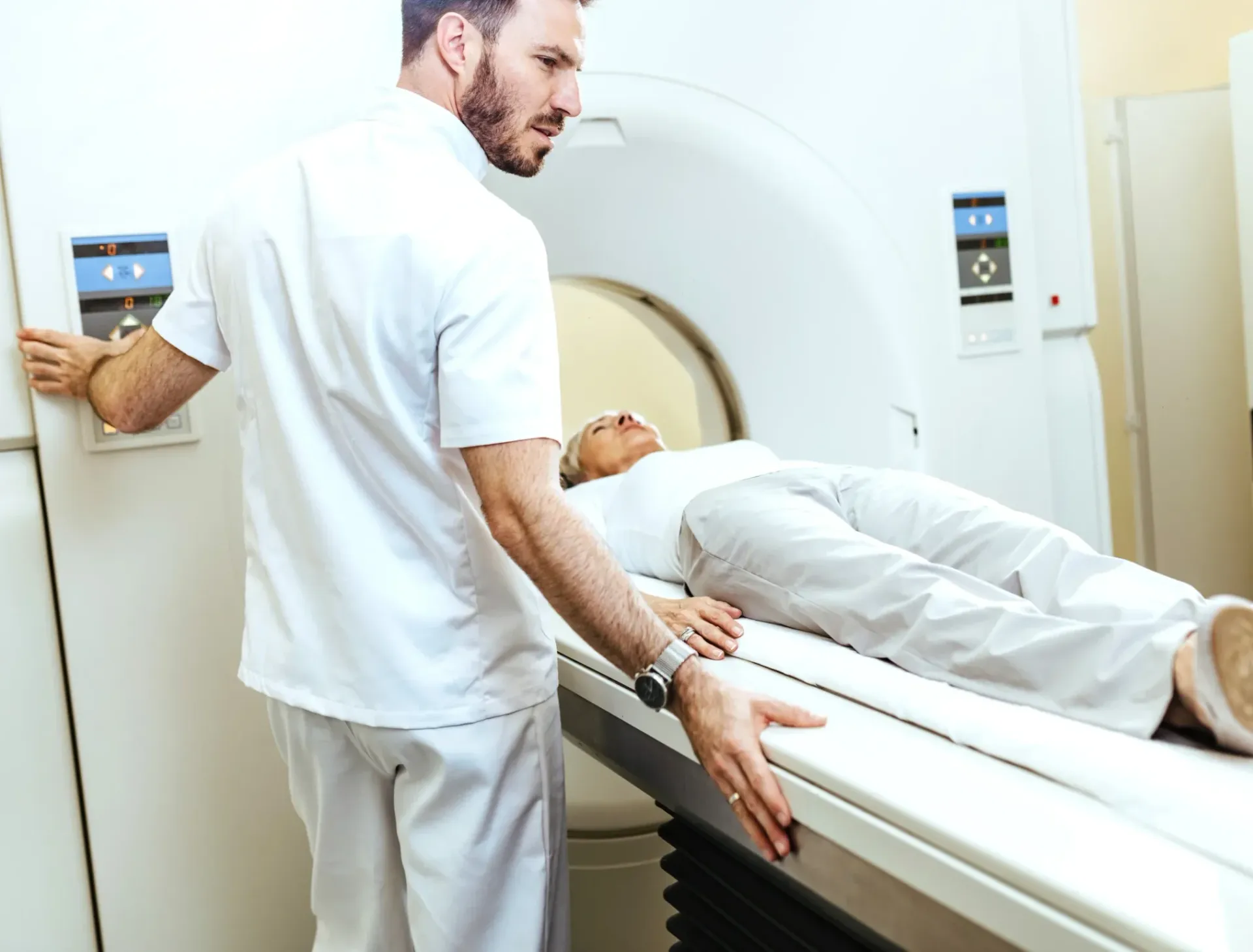
MRI is the gold standard for evaluating soft tissue shoulder injuries including rotator cuff tears, labral tears, bursitis, and capsulitis. At DCDC, shoulder MRI is performed on a Siemens 1.5T wide-bore MRI with a 70 cm opening, which accommodates patients comfortably, including those with claustrophobia or larger body frames. All shoulder MRIs are read by a subspecialty MSK (musculoskeletal) radiologist, ensuring accurate identification of partial tears, tendon quality, and associated pathology. For a detailed overview of what shoulder MRI reveals, see our guide on Shoulder MRI Dubai: Rotator Cuff & Sports Injuries.
Ultrasound
Musculoskeletal ultrasound provides real-time, dynamic imaging of the rotator cuff and bursa. It is particularly useful for confirming subacromial bursitis, identifying partial rotator cuff tears, guiding injections with precision, and assessing tendon movement during shoulder motion. Ultrasound is less expensive than MRI and does not involve radiation, though MRI remains superior for evaluating labral tears, deep structural pathology, and surgical planning.
Shoulder Pain Treatment Options in Dubai
Treatment for shoulder pain depends entirely on the diagnosis, severity, and the patient's functional goals. At DCDC, we follow an evidence-based, conservative-first approach, reserving surgery for cases that do not respond to comprehensive non-operative management. The majority of shoulder conditions -- approximately 80-90% -- respond to conservative treatment when properly diagnosed and managed.
Physiotherapy and Rehabilitation
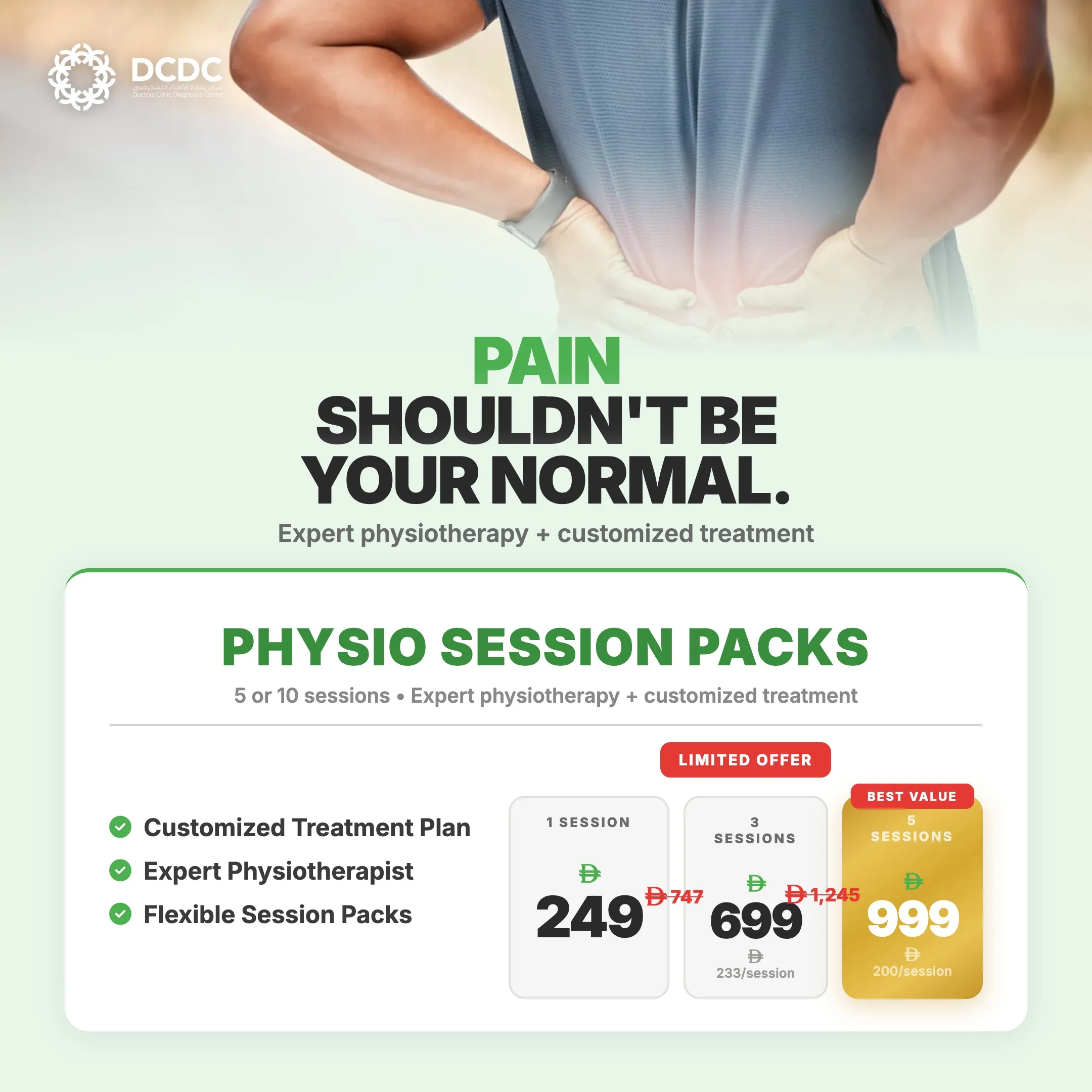
Physiotherapy is the cornerstone of shoulder pain treatment. A structured rehabilitation programme typically includes rotator cuff strengthening exercises, scapular stabilisation training, manual therapy and joint mobilisation, stretching and flexibility work, posture correction (critical for impingement and desk-related pain), and sport-specific or occupation-specific rehabilitation. Treatment frequency varies from 2-3 sessions per week in acute phases to weekly sessions during maintenance, with a strong emphasis on daily home exercises.
PRP Therapy (Platelet-Rich Plasma)
PRP therapy uses concentrated growth factors from your own blood to stimulate tissue healing. It is increasingly used for partial rotator cuff tears, chronic tendinitis, and early arthritis where traditional conservative measures have plateaued. At DCDC, PRP injections for shoulder conditions start from AED 1,500 and are performed under ultrasound guidance for precise delivery. For more on this treatment, read our guide on PRP Injection for Joints Dubai: From AED 1,500.
Corticosteroid Injections
Subacromial corticosteroid injections can provide rapid pain relief for bursitis, impingement, and rotator cuff tendinitis. They work by reducing inflammation directly at the site of pathology, often providing a window of reduced pain that allows patients to engage more effectively in physiotherapy. However, injections have diminishing returns and most guidelines recommend a maximum of 2-3 injections per year to avoid potential tendon weakening.
Hyaluronic Acid Injections
For shoulder osteoarthritis, hyaluronic acid (viscosupplementation) injections can improve joint lubrication, reduce pain, and improve function. Unlike corticosteroids, hyaluronic acid targets the mechanical aspect of joint degeneration rather than inflammation alone, making it suitable for patients who have exhausted corticosteroid options or prefer a non-steroidal approach.
Surgical Options
When conservative treatment fails after an adequate trial (typically 3-6 months for most conditions), surgical options include arthroscopic subacromial decompression for persistent impingement, arthroscopic rotator cuff repair for significant tears, labral repair for symptomatic SLAP tears causing instability, manipulation under anaesthesia for refractory frozen shoulder, and shoulder replacement for advanced arthritis. Dr. Moosavi emphasises that at DCDC, surgical referral is only made after conservative options have been thoroughly explored, and patients are fully informed about both operative and non-operative pathways.
Shoulder Pain Affecting Your Daily Life?
Do not wait for shoulder pain to become a chronic problem. Book an orthopedic consultation at Doctors Clinic Diagnostic Center in Dubai Healthcare City. Same-day X-ray and MRI available on-site. MOHAP-licensed DHCC facility with 98% patient satisfaction and direct billing with 20+ insurers.
Book an Orthopedic Consultation
What to Expect at DCDC for Shoulder Pain Evaluation
At Doctors Clinic Diagnostic Center (DCDC) in Dubai Healthcare City, shoulder pain evaluation follows a structured, patient-centred pathway designed to provide diagnosis and a treatment plan efficiently, often in a single visit. DCDC is a MOHAP-licensed facility (License No. NIMY7VY5-240925) in the Al Razi Medical Complex (Building 64, Block A) with a 4.8/5 Google rating from over 1,000 verified reviews and a 98% patient satisfaction rate.
Step 1: Arrival and Check-In
DCDC is located in Dubai Healthcare City, approximately 10 minutes from Downtown Dubai, with free parking available. The average wait time is 15 minutes. Walk-in patients and pre-booked appointments are both welcome. Our front desk team verifies your insurance coverage immediately -- DCDC provides direct billing with over 20 insurance partners including Daman, AXA, Bupa, MetLife, and Cigna.
Step 2: Orthopedic Consultation and Examination
Dr. Mersad Moosavi conducts a comprehensive evaluation including detailed symptom history (onset, aggravating factors, previous treatments), occupational and sports activity assessment, focused physical examination with specific shoulder tests, range-of-motion and strength testing, and cervical spine screening to rule out referred pain. Based on clinical findings, Dr. Moosavi determines whether imaging is needed and explains his clinical reasoning to you clearly.
Step 3: On-Site Imaging (Same Visit)
When imaging is clinically indicated, DCDC offers on-site X-ray and Siemens 1.5T wide-bore MRI with 70 cm opening for shoulder scans. There is no need to visit a separate radiology centre or wait days for an appointment. Shoulder X-rays are performed immediately, while MRI can often be arranged the same day or within 24-48 hours. All shoulder MRIs are read by a subspecialty MSK radiologist, ensuring expert interpretation of rotator cuff integrity, labral pathology, and joint structures.
Step 4: Results and Treatment Plan
X-ray results are available immediately during your consultation. MRI reports are typically ready within 18-24 hours, with same-day reads available for urgent cases. Dr. Moosavi reviews imaging results with you, provides a definitive diagnosis, and outlines a tailored treatment plan. This may include physiotherapy referral, injection therapy (corticosteroid, PRP, or hyaluronic acid), medication recommendations, or, in rare cases, surgical referral. Most patients leave with a clear diagnosis and a concrete plan of action from their first visit.
Cost of Shoulder Pain Evaluation in Dubai (2026)
Understanding costs upfront helps patients make informed decisions about their care. The table below provides transparent DCDC pricing alongside typical Dubai market ranges for shoulder pain evaluation in 2026. Most services are covered by insurance with direct billing, significantly reducing or eliminating out-of-pocket costs for insured patients.
| Service | DCDC Price (AED) | Dubai Market Range (AED) |
|---|---|---|
| Orthopedic Consultation | From 300 | 350 - 900 |
| Shoulder X-Ray | From 200 | 200 - 500 |
| Shoulder MRI (1.5T) | From 1,500 | 1,800 - 4,000 |
| Corticosteroid Injection | From 500 | 500 - 1,500 |
| PRP Injection (Shoulder) | From 1,500 | 2,000 - 5,000 |
| Physiotherapy Session | From 250 | 300 - 600 |
| Hyaluronic Acid Injection | From 1,200 | 1,500 - 3,500 |
Shoulder pain evaluation and treatment costs at DCDC Dubai Healthcare City (2026). Most insurance plans cover medically necessary orthopedic consultations and imaging. Contact DCDC to verify your specific coverage.
A typical first-visit shoulder evaluation (consultation + X-ray) at DCDC costs approximately AED 500, while a comprehensive workup including MRI ranges from AED 1,800 to AED 2,200. Insurance direct billing with 20+ providers means most patients have minimal out-of-pocket costs.
Shoulder Pain Prevention: Practical Tips for Dubai Residents
Many shoulder injuries are preventable with proper technique, conditioning, and awareness. The following evidence-based strategies are particularly relevant for people living and working in Dubai.
Workplace Ergonomics
For desk workers, monitor height should place the top of the screen at eye level, elbows should rest at 90 degrees with forearms parallel to the floor, and taking a movement break every 30-45 minutes to perform gentle shoulder rolls and stretches can significantly reduce impingement risk. Avoid prolonged phone use cradled between ear and shoulder.
Exercise and Gym Safety
Warm up the shoulders with band pull-aparts and external rotation exercises before lifting. Avoid excessive weight on overhead presses, behind-the-neck pull-downs, and upright rows -- these exercises place the shoulder in vulnerable positions. Maintain a balanced training programme that strengthens the posterior shoulder and scapular muscles, not just the anterior (chest and front deltoid) muscles. For athletes recovering from shoulder injuries, our Sports Injury Recovery Dubai: PRP & Rehab guide provides comprehensive recovery protocols.
Sleep Position
Sleeping on the affected shoulder compresses the subacromial space and aggravates bursitis and rotator cuff irritation. If you are a side sleeper, sleep on the unaffected side and hug a pillow to support the top arm in a neutral position. Back sleeping with a small pillow under the affected arm is ideal during recovery.
Maintain Rotator Cuff Strength
Consistent rotator cuff strengthening is the single most effective preventive measure. Simple exercises with a resistance band -- external rotation, internal rotation, and scapular retraction -- performed 3-4 times per week for 10 minutes can significantly reduce the risk of impingement and rotator cuff injuries. These exercises are especially important for overhead athletes and anyone over 40.
Shoulder Pain Dubai: Frequently Asked Questions
Below are the questions our orthopedic team at DCDC is asked most frequently by patients presenting with shoulder pain in Dubai.
Book Your Shoulder Pain Evaluation at DCDC
Get expert diagnosis and a clear treatment plan for your shoulder pain. Book an orthopedic consultation at Doctors Clinic Diagnostic Center in Dubai Healthcare City. On-site X-ray and Siemens 1.5T MRI, MSK radiologist reads, and same-day results for urgent cases. MOHAP-licensed with a 4.8/5 Google rating. Direct billing with 20+ insurance providers including Daman, AXA, Bupa, MetLife, and Cigna. WhatsApp us to book now.
Kaugnay na Serbisyo sa DCDC
Dalubhasang pangangalaga at advanced diagnostics sa Dubai Healthcare City
Joint Pain Management
Expert knee, shoulder, and hip pain diagnosis and treatment
Mag-book ng AppointmentShoulder MRI Scan
Siemens 1.5T wide-bore MRI for rotator cuff and shoulder imaging
Mag-book ng AppointmentSports Injury Treatment
Diagnosis and rehabilitation for sports-related injuries
Mag-book ng AppointmentFrequently Asked Questions
Final Thoughts
Shoulder pain is one of the most common reasons patients walk into our clinic, and it is also one of the most treatable conditions in orthopaedics when diagnosed early and managed correctly. The shoulder's remarkable range of motion makes it vulnerable, but that same anatomy means it responds well to targeted rehabilitation, injection therapies, and, when necessary, minimally invasive surgery.
The key message is straightforward: do not ignore shoulder pain that persists beyond two to four weeks, disrupts your sleep, or limits your ability to perform daily activities. Early evaluation gives you the widest range of treatment options, and most conditions can be managed conservatively without surgery. Whether it is a rotator cuff injury from sport, a frozen shoulder that developed gradually, or an impingement from desk work, getting a clear diagnosis is the essential first step.
At Doctors Clinic Diagnostic Center in Dubai Healthcare City, our orthopedic team led by Dr. Mersad Moosavi provides comprehensive shoulder pain evaluation with on-site X-ray and Siemens 1.5T MRI, MSK radiologist reads, and a conservative-first treatment philosophy. With a 4.8/5 Google rating, 98% patient satisfaction, and direct billing with 20+ insurance providers, DCDC makes expert shoulder care accessible and efficient. To book your shoulder pain evaluation, WhatsApp us or call our clinic today.
Mga Sanggunian at Reperensya
Ang artikulong ito ay sinuri ng aming medikal na team at tumutukoy sa mga sumusunod na sanggunian:
- BMC Musculoskeletal Disorders - Systematic Review: Global Prevalence and Incidence of Shoulder Pain (2022)
- Mayo Clinic - Shoulder Pain: When to See a Doctor
- Cleveland Clinic - Shoulder Pain: Causes and Treatment
- American Academy of Orthopaedic Surgeons - Shoulder Pain and Common Shoulder Problems
- NHS - Shoulder Pain Overview and Guidelines
- WHO - Musculoskeletal Health Fact Sheet
Ang medikal na nilalaman sa site na ito ay sinusuri ng mga DHA-licensed na manggagamot. Tingnan ang aming patakarang editorial para sa higit pang impormasyon.

Isinulat ni
Dr. Mersad Moosavi
Orthopedic Surgeon
MD, Orthopedic Surgery
Dr. Mersad Moosavi is an Orthopedic Surgeon at Doctors Clinic Diagnostic Center (DCDC) in Dubai Healthcare City.
Related Articles

Frozen Shoulder: Physiotherapy Treatment Dubai
Rotator Cuff Exercises: Non-Surgical Treatment
Shoulder MRI Dubai: Rotator Cuff & Sports Injuries
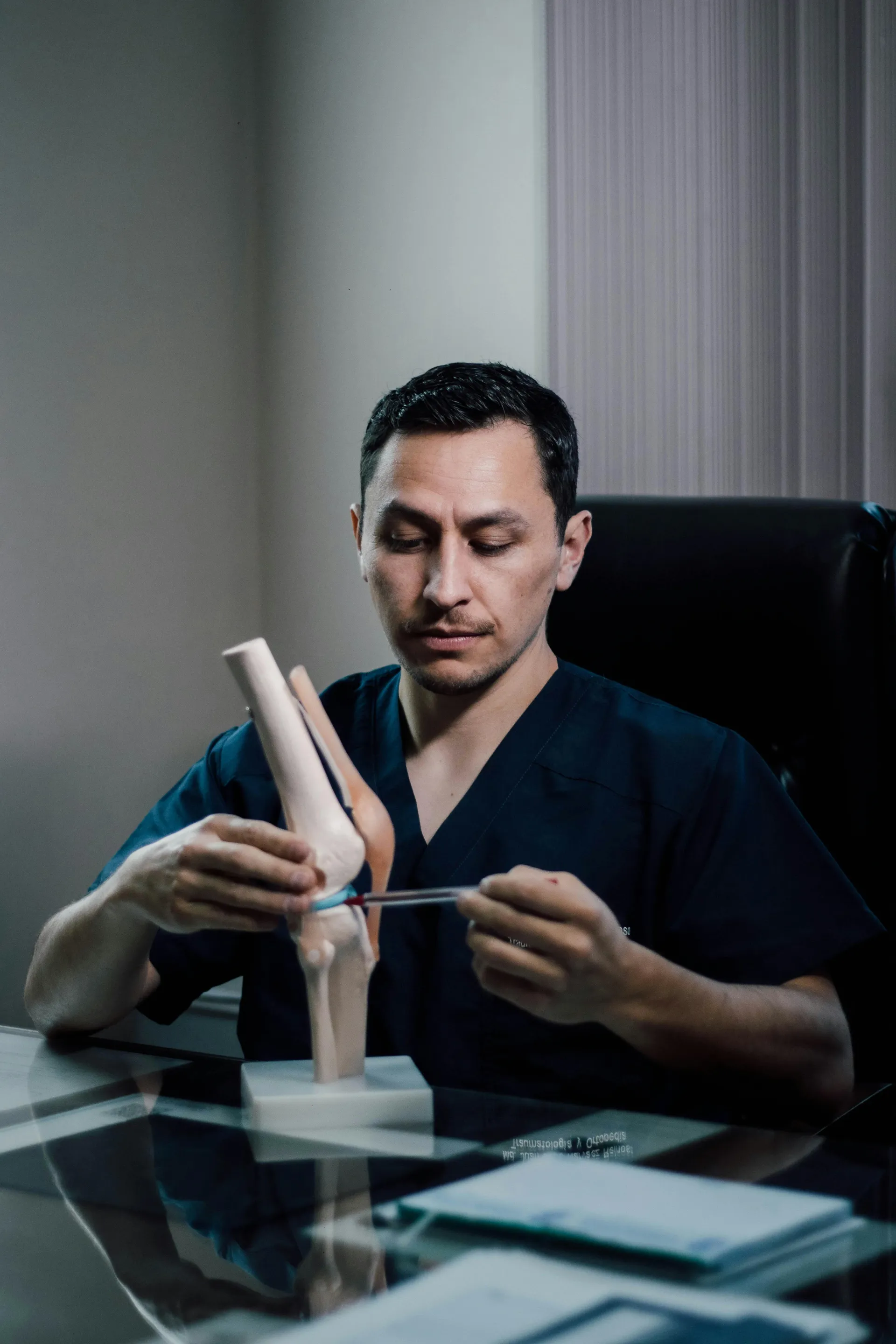
Joint Pain Treatment Dubai: Causes & Relief
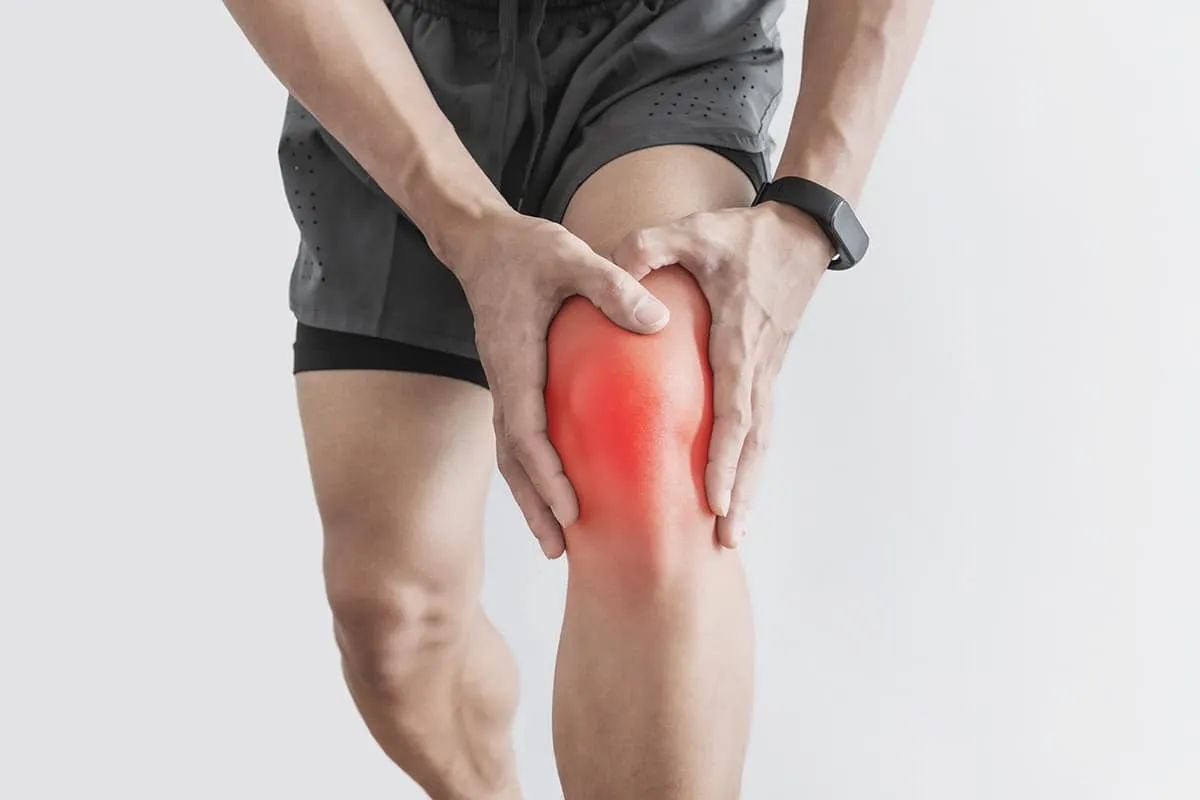
Sports Injury Recovery Dubai: PRP & Rehab
More in Physiotherapy
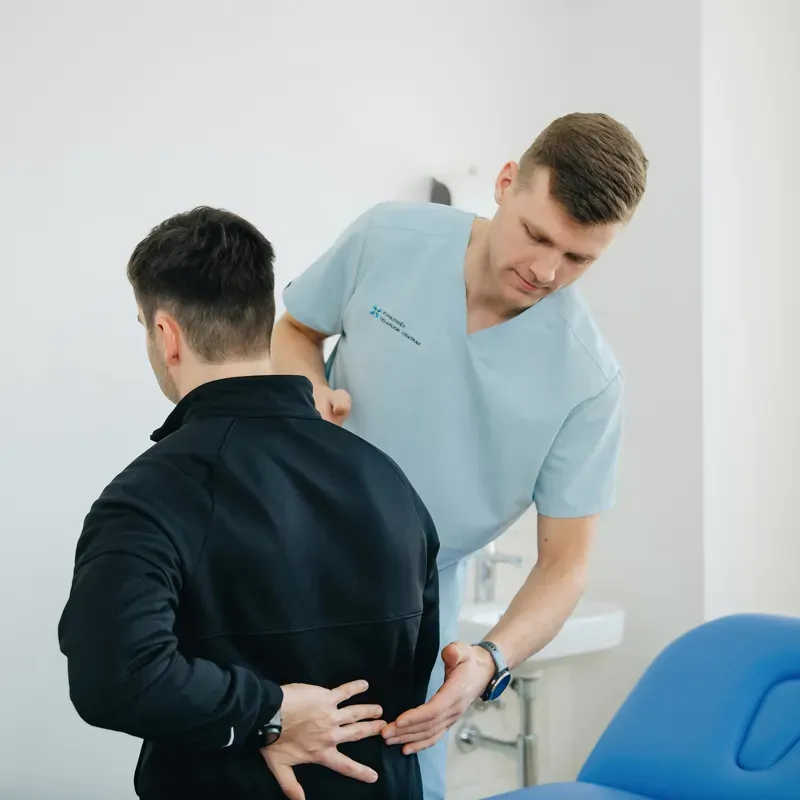
Physiotherapy Packages Dubai: Save 20%+ (2026)
Basahin Pa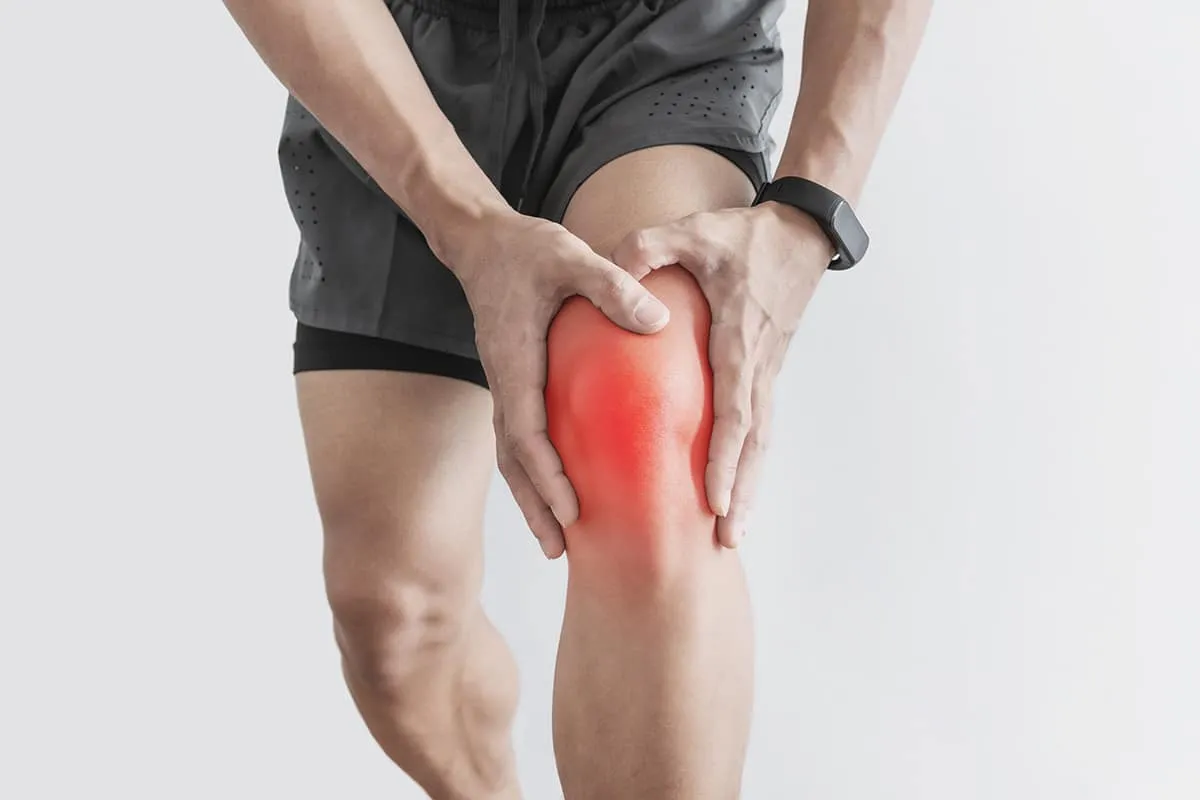
PRP vs Cortisone Dubai: Which Injection? (2026)
Basahin PaPRP Injection for Joints Dubai: From AED 1,500 (2026)
Basahin PaPhysiotherapy Cost Dubai: AED 250–500/Session (2026)
Basahin PaPhysiotherapy Dubai: Types, Cost & Guide (2026)
Basahin Pa
Arthritis: Physiotherapy Management Guide (2026)
Basahin Pa© 2026 Doctors Clinic Diagnostic Center (DCDC), Dubai Healthcare City. Originally published at https://doctorsclinicdubai.ae/blog/shoulder-pain-causes-dubai. All rights reserved. Unauthorized reproduction is prohibited.