
Mga Pangunahing Punto
- Postnatal home care should ideally start within 24-48 hours of hospital discharge, when both mother and baby are most vulnerable to complications
- Every DCDC home visit includes a dual assessment: full maternal check (vitals, wound care, breast exam, emotional screening) and comprehensive newborn evaluation (weight, jaundice, cord care, feeding)
- DHA-licensed midwives bring clinical-grade equipment to your home, including calibrated infant scales and transcutaneous bilirubinometers for jaundice screening
- 10-20% of new mothers experience postnatal depression, and early screening using validated tools like the Edinburgh Postnatal Depression Scale can lead to timely intervention
- C-section recovery requires specialised wound monitoring at home to detect signs of infection, dehiscence, or haematoma before they escalate
- DCDC postnatal home care packages start from AED 500 per visit for combined mother and baby assessment, with multi-visit packages offering reduced per-visit rates
- The WHO recommends a minimum of three postnatal contacts in the first week of life, making daily or alternate-day home visits a clinical standard rather than a luxury
- DCDC provides Dubai-wide coverage with direct coordination between home-visiting midwives and paediatricians at the Dubai Healthcare City facility
You have just brought your baby home from the hospital. The excitement is real, but so is the exhaustion, the uncertainty about whether your baby is feeding enough, and the questions about your own recovery that no one quite prepared you for. The first two weeks after delivery are when the majority of maternal and neonatal complications surface, yet this is precisely the window when new mothers are least able to travel to a clinic. That is exactly the gap that professional postnatal home care is designed to fill. Our Mother & Baby Care service at DCDC sends DHA-licensed midwives and nurses directly to your home in Dubai, providing comprehensive assessment and support for both you and your newborn during this critical transition.
This guide covers everything families in Dubai need to know about postnatal home care: what each visit includes, how maternal and newborn health are monitored, the specific support available for C-section recovery and breastfeeding, when to start and how often to schedule visits, what it costs, and how to recognise warning signs that need urgent attention. It draws on current guidelines from the World Health Organization (WHO), the National Health Service (NHS), and the American Academy of Pediatrics (AAP), and reflects the clinical protocols used by DCDC's postnatal home care team.
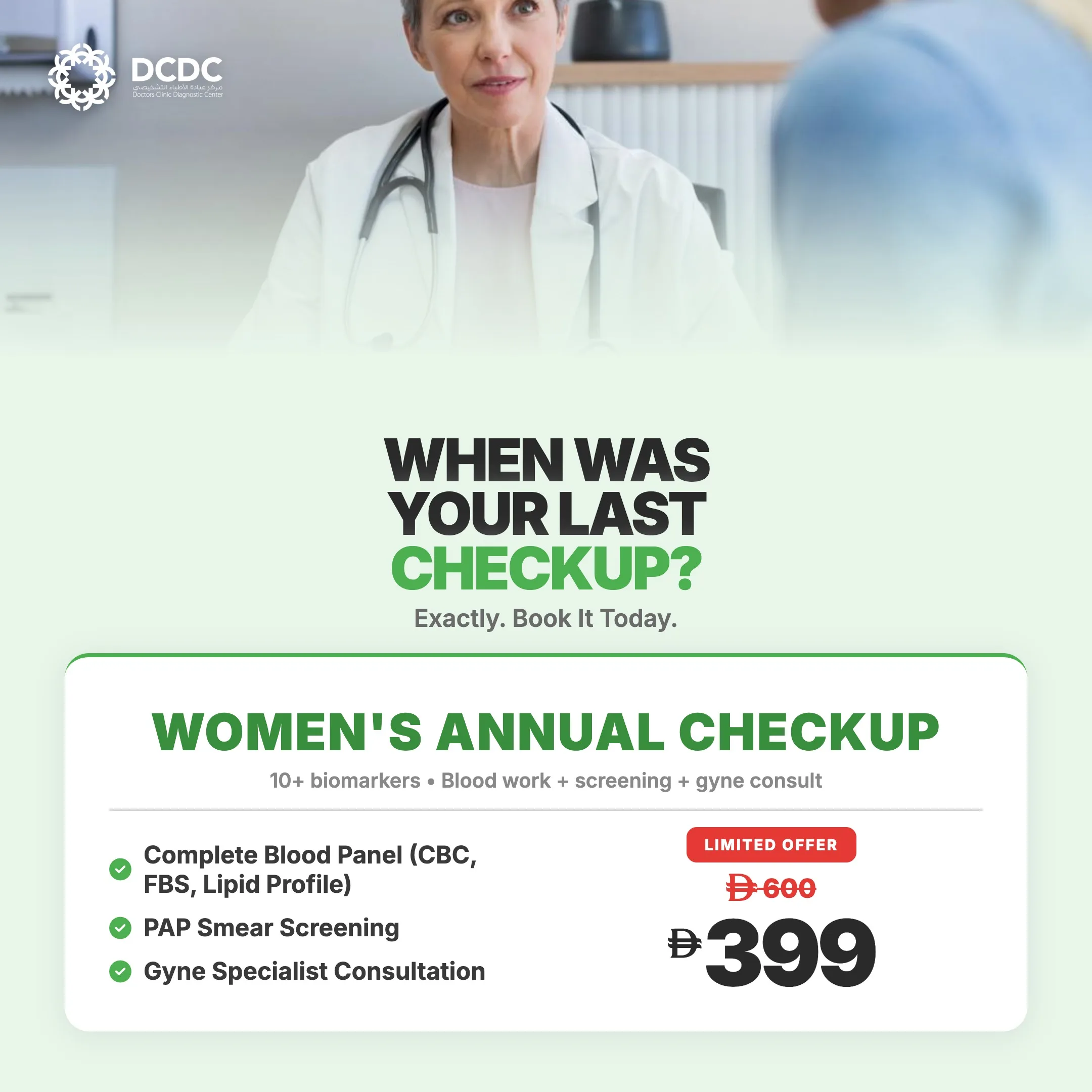
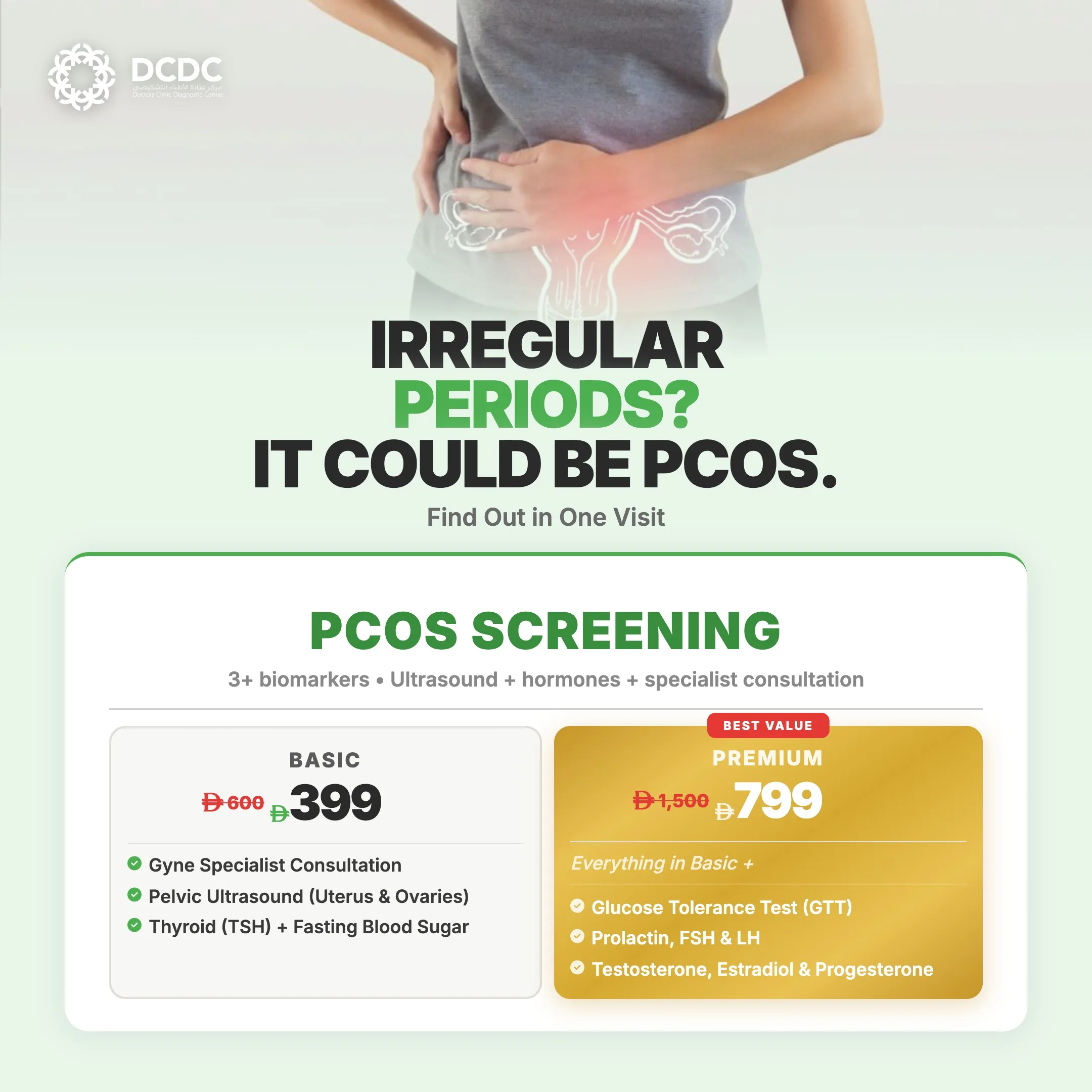
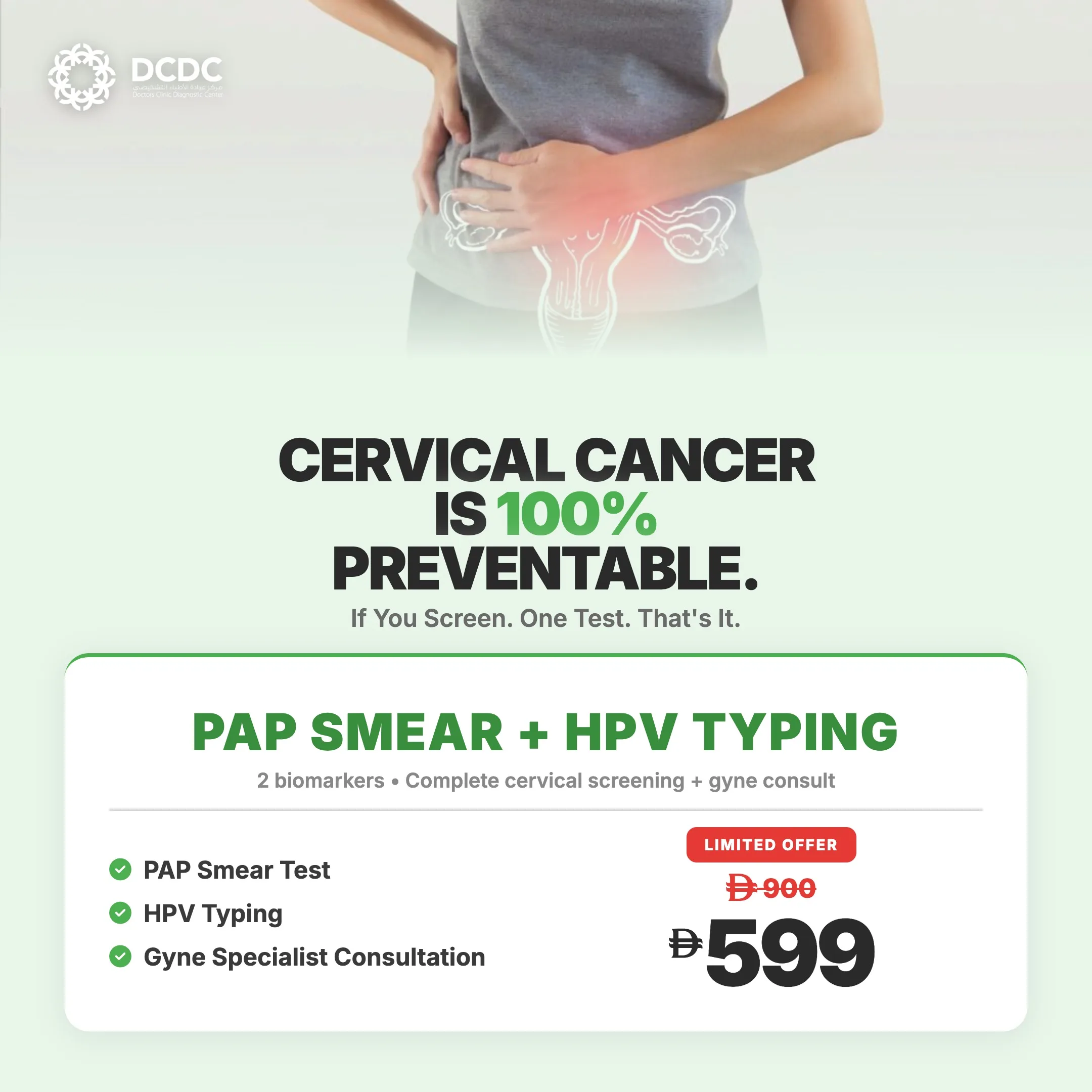
Health Screening Packages
Save with our bundled screening packages — specialist consultation included



What Is Postnatal Home Care?
Postnatal home care is a clinical service in which a qualified healthcare professional, typically a midwife or nurse with obstetric and neonatal training, visits a mother and her newborn at home during the postpartum period. The purpose is to monitor the physical recovery of the mother, assess the health and development of the baby, provide practical guidance on feeding and newborn care, and identify any complications early enough to intervene before they become serious.
The World Health Organization recommends that all mothers and newborns receive at least three postnatal contacts in the first week after birth, with the first contact occurring within 24 hours of delivery. The rationale is straightforward: the postpartum period carries significant risk. According to WHO data, approximately 60% of maternal deaths occur in the postnatal period, and the first 48 hours after birth represent the highest-risk window for both mother and baby. Most of these complications, including postpartum haemorrhage, infection, and neonatal sepsis, are detectable and treatable when identified early through skilled assessment.
In Dubai, postnatal home care has moved from a niche service to a clinical standard for families who want proactive postpartum monitoring. Hospital stays after vaginal delivery are typically 24-48 hours and 48-72 hours after caesarean section. This means mothers are discharged while still in the acute recovery phase, often before milk supply is fully established, before the baby's bilirubin levels have peaked, and before the emotional impact of new parenthood has set in.
Why New Mothers in Dubai Need Home Care Support
The postnatal period presents unique challenges in Dubai that make home care not just convenient but clinically valuable. Many families in Dubai are expatriates living without the extended family support network that traditionally sustains new mothers. In cultures across the Middle East, South Asia, and East Asia, the postpartum period (known as the "confinement period") is supported by grandmothers, aunts, and experienced family members. When that network is thousands of kilometres away, professional postnatal care fills a gap that can have real health consequences.
Dubai's climate adds a practical barrier. During summer months, when temperatures routinely exceed 45 degrees Celsius, taking a newborn outside for a clinic visit poses genuine risk: temperature regulation in newborns is immature, and exposure to extreme heat even during a short car journey can cause rapid overheating. For mothers recovering from C-section, the simple act of getting into and out of a vehicle can cause significant pain and strain on the incision site.
There are also medical reasons. Early hospital discharge means that certain conditions are simply not detectable before the mother and baby go home. Newborn jaundice typically peaks at 3-5 days of life, well after most hospital discharges. Breastfeeding difficulties often become apparent only once the milk transitions from colostrum to mature milk around day 3-5. Postpartum depression may not manifest for days or weeks after delivery. And wound complications from C-section or episiotomy may take 5-7 days to become clinically apparent. A structured programme of home visits catches these problems at the point where intervention is most effective.
What Does a Mother and Baby Home Visit Include?
A common misconception about postnatal home care is that it is simply a "check-in" or a wellness visit. In practice, a DCDC postnatal home visit is a structured clinical assessment that covers both the mother and baby systematically. Every visit follows a standardised protocol to ensure nothing is missed.
Maternal Assessment
- Vital signs: Blood pressure, temperature, pulse, and respiratory rate. Post-eclampsia can present with elevated blood pressure days after delivery, and postpartum infection often presents with fever.
- Uterine involution: Palpation of the uterus to confirm it is contracting back to pre-pregnancy size. A uterus that remains enlarged or boggy may indicate retained placental tissue or infection.
- Lochia assessment: Evaluation of postpartum bleeding (lochia) for volume, colour, and odour. Foul-smelling lochia or a sudden increase in bleeding can indicate endometritis.
- C-section wound check: For mothers who delivered by caesarean section, the wound is inspected for signs of infection (redness, swelling, discharge, warmth), dehiscence (wound opening), and haematoma. Sterile dressing changes are performed as needed.
- Perineal assessment: For mothers who had vaginal delivery, the perineum is assessed for healing of any tears or episiotomy, signs of infection, and pain management adequacy.
- Breast examination: Assessment for engorgement, blocked ducts, and early signs of mastitis (redness, warmth, tenderness, fever). Mastitis affects approximately 10-33% of breastfeeding women and is most common in the first 6 weeks.
- Emotional wellbeing screening: Using the Edinburgh Postnatal Depression Scale (EPDS), a validated 10-question screening tool that can identify mothers at risk for postnatal depression or anxiety. This is administered at scheduled intervals during the postnatal period.
- Pain assessment: Evaluation of pain levels and review of analgesic use, particularly for C-section mothers who may be managing surgical pain alongside the demands of newborn care.
Newborn Assessment
- Weight monitoring: Using calibrated infant scales brought to the home. Newborns typically lose 5-7% of birth weight in the first 3-5 days (up to 10% for breastfed babies) and should regain birth weight by day 10-14. Weight tracking is the most objective measure of feeding adequacy.
- Jaundice assessment: Visual assessment combined with transcutaneous bilirubinometry to screen for neonatal jaundice, which affects approximately 60% of full-term and 80% of preterm newborns. Early detection allows timely referral for phototherapy if needed.
- Umbilical cord care: Inspection of the cord stump for signs of infection (redness, swelling, discharge, foul odour) and guidance on proper cord care until it naturally separates, usually within 7-14 days.
- Feeding adequacy: Assessment of feeding frequency, duration, latch quality (for breastfed babies), and output (wet and dirty nappies as markers of adequate intake).
- Developmental reflexes: Checking primitive reflexes (Moro, rooting, sucking, grasp) as indicators of neurological health.
- General physical assessment: Skin colour, muscle tone, breathing pattern, temperature, and hydration status.
Practical Guidance
Beyond the clinical assessment, every visit includes hands-on education tailored to the mother's experience and confidence level. This covers breastfeeding technique (positioning, latch, recognising adequate milk transfer), safe bathing of the newborn, cord care technique, safe sleep positioning, recognising warning signs that warrant medical attention, and guidance on the mother's own nutrition and hydration for recovery and milk production. For families preparing for their baby's first newborn screening tests, the midwife can explain what to expect and help coordinate the timing.
C-Section Recovery Care at Home
Caesarean section is the most common major abdominal surgery worldwide, and in the UAE the C-section rate is approximately 30-35% of all deliveries. Recovery from C-section requires a different level of postnatal support compared to vaginal delivery: the mother is simultaneously recovering from major surgery, establishing breastfeeding, and caring for a newborn, often with limited mobility and significant pain.
DCDC's postnatal home care includes specialised C-section recovery support. The midwife or nurse performs wound assessment at every visit, checking the incision for any signs of surgical site infection, which occurs in approximately 3-5% of caesarean deliveries according to Mayo Clinic data. The wound is cleaned with antiseptic solution, old dressings are removed and replaced with sterile supplies, and the surrounding tissue is assessed for induration, erythema, or seroma formation.
Pain management guidance is an integral part of C-section home care. Many mothers are uncertain about which medications are safe during breastfeeding, leading them to under-medicate and suffer unnecessarily. The midwife reviews the prescribed analgesic regimen, confirms breastfeeding compatibility, and advises on optimal timing of medication to maintain comfort during feeds and mobility. She also provides guidance on safe movement: how to get in and out of bed without straining the incision, how to lift and hold the baby while protecting the wound, and when to gradually increase physical activity.
For mothers interested in longer-term physical recovery after delivery, our postnatal recovery physiotherapy guide covers the rehabilitation exercises and timelines for regaining core strength and pelvic floor function.
Breastfeeding Support at Home in Dubai
Breastfeeding is one of the areas where postnatal home care has the most measurable impact. Despite being a natural process, breastfeeding is a learned skill, and difficulties are extremely common: according to UNICEF, while approximately 95% of mothers are physiologically capable of breastfeeding, up to 60% of mothers in high-income countries stop breastfeeding earlier than they intended due to insufficient support.
Common breastfeeding challenges in the first two weeks include painful or damaged nipples (often caused by suboptimal latch), perceived low milk supply (which is normal before mature milk comes in around day 3-5), breast engorgement when milk supply establishes, blocked ducts, and the early stages of mastitis. Each of these can be addressed or prevented with skilled, in-person support.
During a home visit, the midwife observes a full breastfeed from start to finish, assessing the baby's positioning, latch depth, sucking pattern, audible swallowing, and the mother's comfort level. She provides hands-on guidance to correct positioning issues, demonstrates alternative holds (cradle, cross-cradle, rugby ball, side-lying) that may be more comfortable, particularly for C-section mothers, and teaches the mother to recognise signs of effective milk transfer versus non-nutritive sucking.
If supplementation is clinically indicated (for example, due to excessive weight loss or dehydration in the baby), the midwife can guide safe supplementation methods including cup feeding, syringe feeding, or paced bottle feeding that minimise the risk of nipple confusion while maintaining breastfeeding as the primary feeding method.
Newborn Health Monitoring at Home
Newborn health monitoring during home visits goes beyond a simple wellness check. The midwife brings clinical-grade equipment to the home, enabling assessments that would otherwise require a clinic visit. This includes calibrated infant scales for accurate weight tracking, transcutaneous bilirubinometers for non-invasive jaundice screening, and sterile wound care supplies for cord care and any maternal wound management.
Weight Tracking
Weight is the single most important objective measure of whether a newborn is feeding adequately. Normal weight loss in the first 3-5 days is up to 7% of birth weight for formula-fed babies and up to 10% for breastfed babies. The baby should stop losing weight by day 4-5 and begin gaining, with a target of regaining birth weight by day 10-14. After that, the expected weight gain is approximately 150-200 grams per week (about 20-30 grams per day) for the first three months. Serial weight measurements on the same calibrated scale are far more reliable than comparing weights taken on different scales at different locations.
Jaundice Monitoring
Approximately 60% of full-term newborns develop visible jaundice in the first week of life. While most jaundice is physiological and self-resolving, pathological jaundice requires prompt treatment with phototherapy. The transcutaneous bilirubinometer used during home visits provides a non-invasive estimate of bilirubin levels within seconds. If the reading exceeds age-specific thresholds, the midwife arranges urgent referral for a confirmatory blood test and potential phototherapy. For a detailed understanding of jaundice in newborns, see our comprehensive guide on newborn jaundice in Dubai.
Feeding and Output Monitoring
The midwife reviews the baby's feeding log and nappy output at every visit. By day 4, a well-fed newborn should produce at least 6 wet nappies and 3-4 yellow stools per day. Inadequate output is an early warning sign of dehydration or insufficient feeding that can be addressed before it becomes a medical emergency. The midwife also assesses for signs of dehydration: sunken fontanelle, dry mucous membranes, decreased skin turgor, and lethargy.
What to Expect from DCDC Mother & Baby Home Care
Doctors Clinic Diagnostic Center (DCDC) in Dubai Healthcare City provides a structured postnatal home care programme designed around clinical evidence and practical experience. With a 4.8/5 Google rating, 98% patient satisfaction, and MOHAP licensing (License No. NIMY7VY5-240925), the programme reflects the same quality standards applied in the clinic.
Before Delivery: Pre-Booking
DCDC recommends pre-booking postnatal home care during the third trimester, ideally around 34-36 weeks of pregnancy. Pre-booking ensures that the midwife team is aware of your medical history, delivery plan, and any risk factors before the baby arrives. This is particularly important for mothers with gestational diabetes, pre-eclampsia, or planned C-section, where the postnatal care protocol needs to be tailored from the first visit. Families working with a pregnancy doctor in Dubai can coordinate the transition from prenatal to postnatal care seamlessly.
After Delivery: First Visit
The first home visit is scheduled within 24-48 hours of hospital discharge. A DHA-licensed midwife or nurse arrives at your home with all necessary equipment. The first visit is the most comprehensive: it typically lasts 60-90 minutes and covers a complete maternal assessment, a full newborn examination, initiation of a feeding plan, and establishment of a monitoring baseline (weight, vitals, feeding log).
Ongoing Visits
Subsequent visits follow a schedule based on clinical need. In the first week, daily or alternate-day visits are recommended, particularly for first-time mothers, C-section mothers, or babies with risk factors such as prematurity, jaundice, or feeding difficulties. From week 2-4, visits transition to twice weekly or weekly, focusing on sustained weight gain, breastfeeding consolidation, wound healing progress, and emotional wellbeing monitoring. Each follow-up visit lasts approximately 45-60 minutes.
Direct Coordination with Specialists
One of the significant advantages of DCDC's home care programme is the direct coordination between the home-visiting midwife and the clinic's on-site specialists. If the midwife identifies a concern during a home visit, whether it is elevated bilirubin in the baby, signs of mastitis in the mother, or a wound complication, she can consult directly with DCDC's paediatricians and OB-GYNs and arrange a same-day or next-day clinic appointment if needed. There is no referral delay, no repeating the history to a new provider, and continuity of care is maintained throughout.
According to Dr. Parisa Dini, OB-GYN Specialist at DCDC, "The first two weeks after delivery are when most maternal and neonatal complications emerge, yet this is exactly when mothers are most exhausted and least able to travel to a clinic. Our postnatal home care programme ensures that both mother and baby receive the monitoring and support they need during this critical transition, right in the comfort of their own home."
When to Start Postnatal Home Care
The timing of postnatal home care is not arbitrary. It is driven by the clinical timeline of postpartum risks and the evidence on when intervention has the greatest impact.
| Timeframe | Key Clinical Concerns | Recommended Visit Frequency |
|---|---|---|
| Day 1-3 (after discharge) | Postpartum haemorrhage, wound complications, breastfeeding initiation, newborn weight loss, early jaundice | Daily visits |
| Day 4-7 | Peak jaundice (day 3-5), milk coming in (engorgement, mastitis risk), nadir weight before gain begins | Daily or alternate-day visits |
| Week 2 | Breastfeeding consolidation, birth weight regain, cord separation, C-section wound healing, emotional wellbeing screening | 2-3 visits per week |
| Week 3-4 | Sustained weight gain, lochia cessation, ongoing wound healing, postnatal depression screening | 1-2 visits per week |
| Month 2-3 | Growth monitoring, vaccination preparation, ongoing breastfeeding support, return to activity guidance | Weekly or fortnightly visits |
Recommended postnatal home visit schedule based on clinical needs. Frequency is adjusted based on individual risk factors and recovery progress.
The WHO's 2022 postnatal care guidelines specifically recommend that the first postnatal contact should occur within 24 hours of birth, with at least two additional contacts in the first week. For babies at higher risk, such as those who are preterm, low birth weight, or born via emergency C-section, more frequent contact is recommended. Parents planning for these early weeks should also be aware of the well baby checkup schedule to ensure continuity from home visits to clinic-based care.
Book Postnatal Home Care Before Your Due Date
Pre-book DCDC's mother and baby home care programme during your third trimester. DHA-licensed midwives, Dubai-wide coverage, and direct coordination with our DHCC specialists.
From AED 500 per visit | 20+ insurance partners with direct billing | WhatsApp booking available
How Much Does Postnatal Home Care Cost in Dubai?
Understanding the cost of postnatal home care helps families plan ahead and make informed decisions. Prices in Dubai vary based on provider qualifications, visit duration, frequency, and whether the service includes mother-only or combined mother-and-baby assessment. DCDC offers transparent pricing with combined mother and baby assessment as the standard in every visit, never as an add-on.
| Postnatal Service | Estimated Cost | What's Included |
|---|---|---|
| Single Mother & Baby Visit | From AED 500 | Dual assessment (mother and baby), breastfeeding support, wound care, weight and jaundice check |
| First-Week Package (5-7 visits) | From AED 2,500 | Daily visits during the critical first week, serial weight tracking, jaundice monitoring, breastfeeding establishment |
| C-Section Recovery Package | From AED 600/visit | Sterile wound care, dressing changes, pain management review, recovery milestone monitoring |
| Monthly Postnatal Package | From AED 1,800 | Weekly visits throughout the first month, growth tracking, emotional wellbeing screening, feeding support |
Estimated costs for postnatal home care at DCDC. Prices are indicative and may vary based on individual requirements. Multi-visit packages offer reduced per-visit rates.
DCDC postnatal care packages typically range from AED 500-800 per visit for combined mother and baby assessment, with multi-visit packages offering reduced per-visit rates. First-week daily visit packages and weekly check-up packages are available to suit different needs and budgets. For families who also require a paediatrician to visit at home for a more detailed newborn assessment, DCDC offers a separate doctor home visit service that can be coordinated with the midwife visits.
Postnatal Depression: Screening and Support
Postnatal depression (PND) is one of the most under-recognised complications of the postpartum period. According to the Cleveland Clinic, 10-20% of new mothers experience postnatal depression, and the actual rate may be higher due to under-reporting. It is distinct from the "baby blues," which affect up to 80% of new mothers in the first two weeks and resolve spontaneously. Postnatal depression persists beyond two weeks and can significantly impair a mother's ability to care for herself and her baby.
The challenge with postnatal depression is that its symptoms, such as fatigue, difficulty sleeping, appetite changes, and tearfulness, overlap significantly with the normal experience of early motherhood. This overlap means that without systematic screening, PND is frequently missed or dismissed as "just being a new mum." The consequences of untreated PND extend beyond the mother: it affects bonding with the baby, breastfeeding success, infant development, and the wellbeing of the entire family.
How DCDC Screens for Postnatal Depression
DCDC's postnatal home care programme includes routine screening for postnatal depression using the Edinburgh Postnatal Depression Scale (EPDS), a validated 10-question self-report tool that has been used in clinical practice for over 35 years. The EPDS is typically administered at two key points: during the first week postnatal visits and again at 4-6 weeks postpartum. A score of 10 or above on the EPDS warrants further evaluation, and a score of 13 or above is considered indicative of probable depression.
If the screening identifies a mother at risk, the midwife discusses the findings sensitively and facilitates referral to an appropriate professional. This may include a consultation with the OB-GYN, a referral to a psychologist or psychiatrist experienced in perinatal mental health, or guidance on support resources available in Dubai. Early identification and intervention dramatically improve outcomes: most women with PND respond well to treatment, which may include counselling, support groups, and in some cases medication that is compatible with breastfeeding.
Insurance Coverage for Postnatal Home Care
Insurance coverage for postnatal home care in Dubai varies by provider and plan. Many comprehensive health insurance policies in the UAE include coverage for postnatal visits, particularly when they are medically indicated rather than purely elective. The key is understanding what your specific policy covers and how to access it.
- Enhanced maternity plans: Many employer-provided health insurance plans in Dubai include enhanced maternity benefits that cover postnatal care, including home visits by qualified healthcare professionals. Coverage typically includes a specified number of postnatal visits within a defined timeframe after delivery.
- DHA-mandated coverage: The Dubai Health Authority requires all health insurance plans to include basic maternity coverage. While the specifics vary between essential and enhanced plans, postnatal care is generally recognised as part of the maternity care continuum.
- Pre-authorisation: Some insurers require pre-authorisation for home healthcare services. DCDC's team can assist with the pre-authorisation process, and the clinic works with over 20 insurance partners for direct billing, meaning you do not need to pay upfront and claim later in most cases.
- Out-of-pocket considerations: Even when home visits are not fully covered by insurance, many families find the cost justified given the alternative: transporting a newborn and a recovering mother to a clinic, with associated parking, waiting times, and exposure risks.
DCDC recommends checking your insurance coverage during pregnancy, ideally in the third trimester, so you can plan your postnatal care without financial surprises. The clinic's insurance team can verify your specific benefits and advise on what is covered.
How to Book Mother & Baby Care at Home
Booking postnatal home care with DCDC is straightforward and designed to minimise the administrative burden on new parents. The process can be initiated at several points: during pregnancy (recommended), immediately after delivery, or at any point in the postpartum period when support is needed.
Booking Steps
- Step 1 — Contact DCDC: Reach out via WhatsApp, phone call, or the online booking form. Share your expected due date (or delivery date if baby has arrived), delivery method (vaginal or C-section), and any specific concerns or risk factors.
- Step 2 — Consultation and plan: A member of the postnatal care team reviews your information and recommends a visit schedule tailored to your needs. This includes the number and frequency of visits, the scope of assessment required, and any additional services such as lactation support or C-section wound care.
- Step 3 — Insurance verification: DCDC verifies your insurance coverage and completes any required pre-authorisation. For self-pay patients, a clear cost estimate is provided upfront.
- Step 4 — First visit scheduling: The first visit is scheduled for within 24-48 hours of hospital discharge. The midwife arrives at your home at the agreed time with all necessary equipment.
- Step 5 — Ongoing care: After each visit, the midwife documents findings and shares a summary with the family. Follow-up visits are scheduled based on clinical need, with flexibility to add or adjust visits as circumstances change.
DCDC provides Dubai-wide coverage for postnatal home care, including areas across Dubai Marina, JBR, Downtown Dubai, Business Bay, Jumeirah, Arabian Ranches, Dubai Hills, DIFC, Al Barsha, and Dubai Healthcare City itself. For families living in neighbouring emirates, availability can be confirmed at the time of booking.
Ready to Book Mother & Baby Home Care?
Contact DCDC to arrange your postnatal home care programme. Pre-book during pregnancy or call us after delivery for priority scheduling.
4.8/5 Google rating | 98% patient satisfaction | MOHAP Licensed (NIMY7VY5-240925) | DHA-licensed midwives
Frequently Asked Questions About Postnatal Home Care in Dubai
The following questions are the ones we hear most frequently from families enquiring about or booking postnatal home care with DCDC.
Kaugnay na Serbisyo sa DCDC
Dalubhasang pangangalaga at advanced diagnostics sa Dubai Healthcare City
Frequently Asked Questions
Postnatal Home Care: Clinical Support When It Matters Most
The first weeks after bringing a baby home are a period of immense adjustment, vulnerability, and joy. They are also a period of genuine clinical risk: most postpartum complications present during this window, and most are identifiable and treatable when a skilled professional knows what to look for. Postnatal home care is not a luxury or a convenience service. It is evidence-based clinical care delivered where the patient actually is.
For families in Dubai, professional postnatal home care addresses a real gap. Early hospital discharge, distance from extended family, extreme summer heat, and the physical limitations of recovery from delivery all create barriers to accessing clinic-based care precisely when it is most needed. A structured programme of home visits removes those barriers and provides a safety net that catches problems before they escalate.
At DCDC, our postnatal home care programme is built around the principle that every mother and baby deserves the same standard of care at home that they would receive in a clinic. With DHA-licensed midwives, clinical-grade equipment, direct coordination with our specialists in Dubai Healthcare City, and Dubai-wide coverage, we ensure that the transition from hospital to home is supported, monitored, and safe.
Mga Sanggunian at Reperensya
Ang artikulong ito ay sinuri ng aming medikal na team at tumutukoy sa mga sumusunod na sanggunian:
- WHO — Postnatal Care for Mothers and Newborns: Highlights from the World Health Organization 2013 Guidelines
- NHS — Your Post-Birth Check: What to Expect After Having a Baby
- Mayo Clinic — Postpartum Care: What to Expect After a Vaginal Delivery or C-Section
- Cleveland Clinic — Postpartum Depression: Symptoms, Diagnosis and Treatment
- UNICEF — Breastfeeding: A Mother's Gift, for Every Child
- American Academy of Pediatrics — Newborn and Infant Nutrition: Breastfeeding and Formula Feeding
Ang medikal na nilalaman sa site na ito ay sinusuri ng mga DHA-licensed na manggagamot. Tingnan ang aming patakarang editorial para sa higit pang impormasyon.

Isinulat ni
Dr. Parisa Dini
OB-GYN Specialist
MD, OB-GYN
Dr. Parisa Dini is an OB-GYN Specialist at Doctors Clinic Diagnostic Center (DCDC) in Dubai Healthcare City.
Related Articles

Newborn Jaundice Dubai: Symptoms & Care
Newborn Screening Tests Dubai: Full Guide

Postnatal Recovery: Physiotherapy After Delivery

Well Baby Checkup Dubai: Ages & Cost

Pregnancy Doctor in Dubai: Prenatal Care at DCDC
More in Women's Health
Gestational Diabetes Dubai: Screening (2026)
Basahin Pa
Mammogram Preparation Dubai: What to Expect (2026)
Basahin Pa
CA-125 Test Dubai: Ovarian Cancer Marker (2026)
Basahin PaMammogram vs Breast Ultrasound Dubai (2026)
Basahin Pa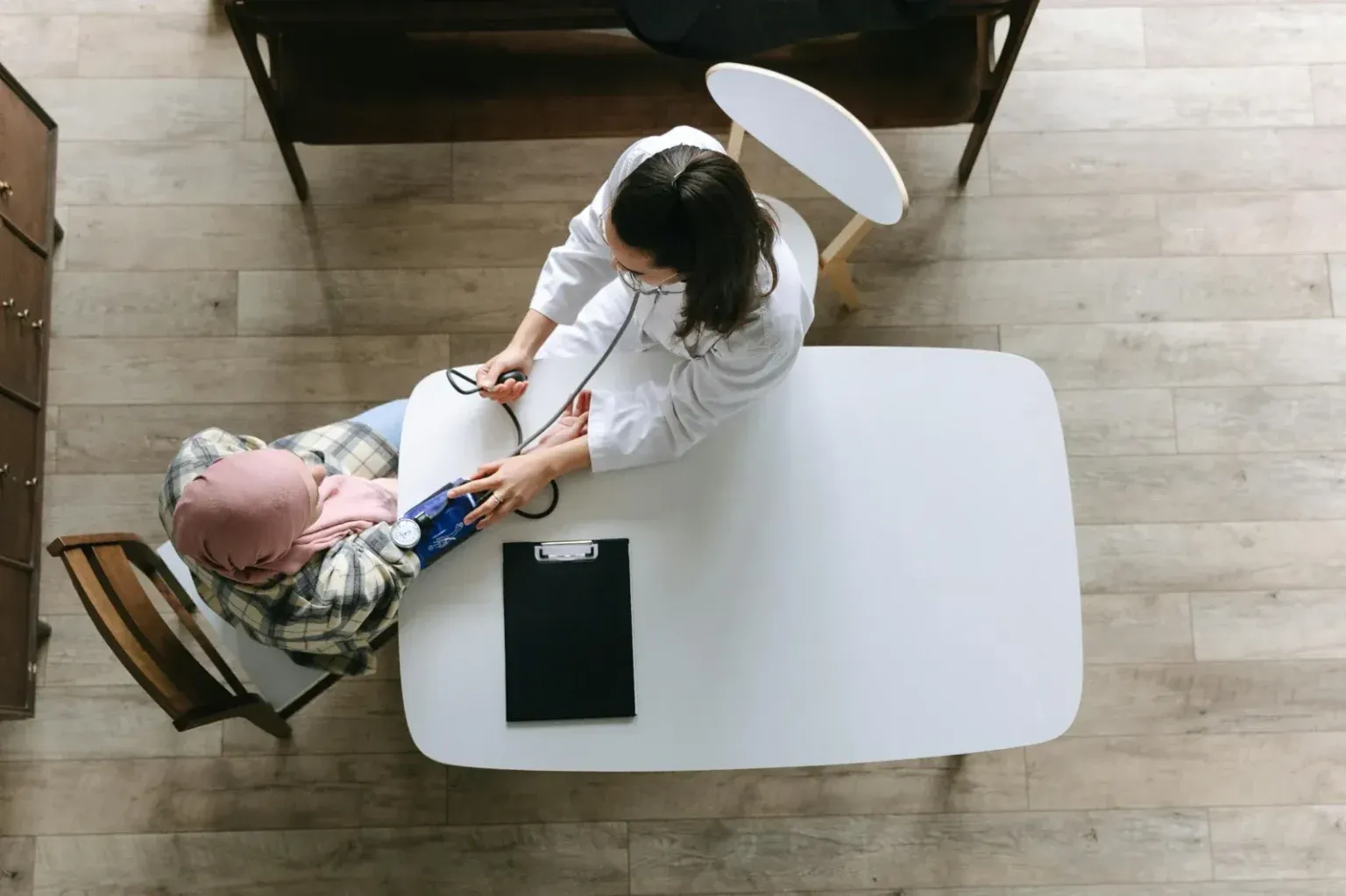
Endometriosis Dubai: Symptoms & Diagnosis (2026)
Basahin PaMaternity Package Cost Dubai: From AED 1,500 (2026)
Basahin Pa© 2026 Doctors Clinic Diagnostic Center (DCDC), Dubai Healthcare City. Originally published at https://doctorsclinicdubai.ae/blog/mother-baby-care-at-home-dubai. All rights reserved. Unauthorized reproduction is prohibited.