Mga Pangunahing Punto
- Low testosterone (hypogonadism) affects an estimated 40% of men over 45 and is increasingly diagnosed in younger men — symptoms develop gradually and are often mistaken for stress, ageing, or depression
- The 12 hallmark symptoms include persistent fatigue, reduced sex drive, erectile difficulties, loss of muscle mass, increased abdominal fat, mood changes, brain fog, sleep problems, reduced body hair, hot flashes, decreased bone density, and low sperm count
- Two morning blood tests showing total testosterone below 300 ng/dL (10.4 nmol/L) plus symptoms are required for an official diagnosis — a single low reading is not enough
- Testosterone testing at DCDC in Dubai Healthcare City starts from AED 200 for an individual test and from AED 750 for a full male hormone panel, with results in 24 to 48 hours
- Treatment options range from lifestyle modifications (exercise, sleep optimisation, weight loss) to testosterone replacement therapy (TRT) via injections, gels, or patches — the right approach depends on the cause, severity, and whether fertility preservation is needed
- Dubai-specific risk factors including vitamin D deficiency, sedentary indoor lifestyles, heat-related sleep disruption, and high rates of obesity and metabolic syndrome make testosterone screening especially relevant for men living in the UAE
Low testosterone is one of the most underdiagnosed conditions in men's health. The symptoms — fatigue, weight gain, low mood, reduced sex drive — develop so gradually that most men attribute them to stress, ageing, or a busy lifestyle. But when testosterone levels fall below the normal threshold, these symptoms have a biological cause and, importantly, a treatable one. Testosterone testing at DCDC in Dubai Healthcare City starts from AED 200 for an individual test, with comprehensive male hormone panels from AED 750, morning appointments seven days a week, and results within 24 to 48 hours. This guide covers the symptoms you should not ignore, who is at risk, how low testosterone is diagnosed and treated in Dubai, and what to expect if you decide to get tested.
Testosterone is the primary male sex hormone, but its influence extends far beyond sexual function. It regulates muscle mass, bone density, fat distribution, red blood cell production, mood, energy levels, and cognitive performance. After age 30, testosterone declines by roughly 1 to 2 percent per year — a normal process that, for most men, causes no noticeable problems. However, when levels drop below 300 ng/dL (the diagnostic threshold established by the American Urological Association), or when the decline is accelerated by obesity, metabolic disease, sleep disorders, or chronic stress, the result is a clinical condition called hypogonadism that affects quality of life across nearly every domain.
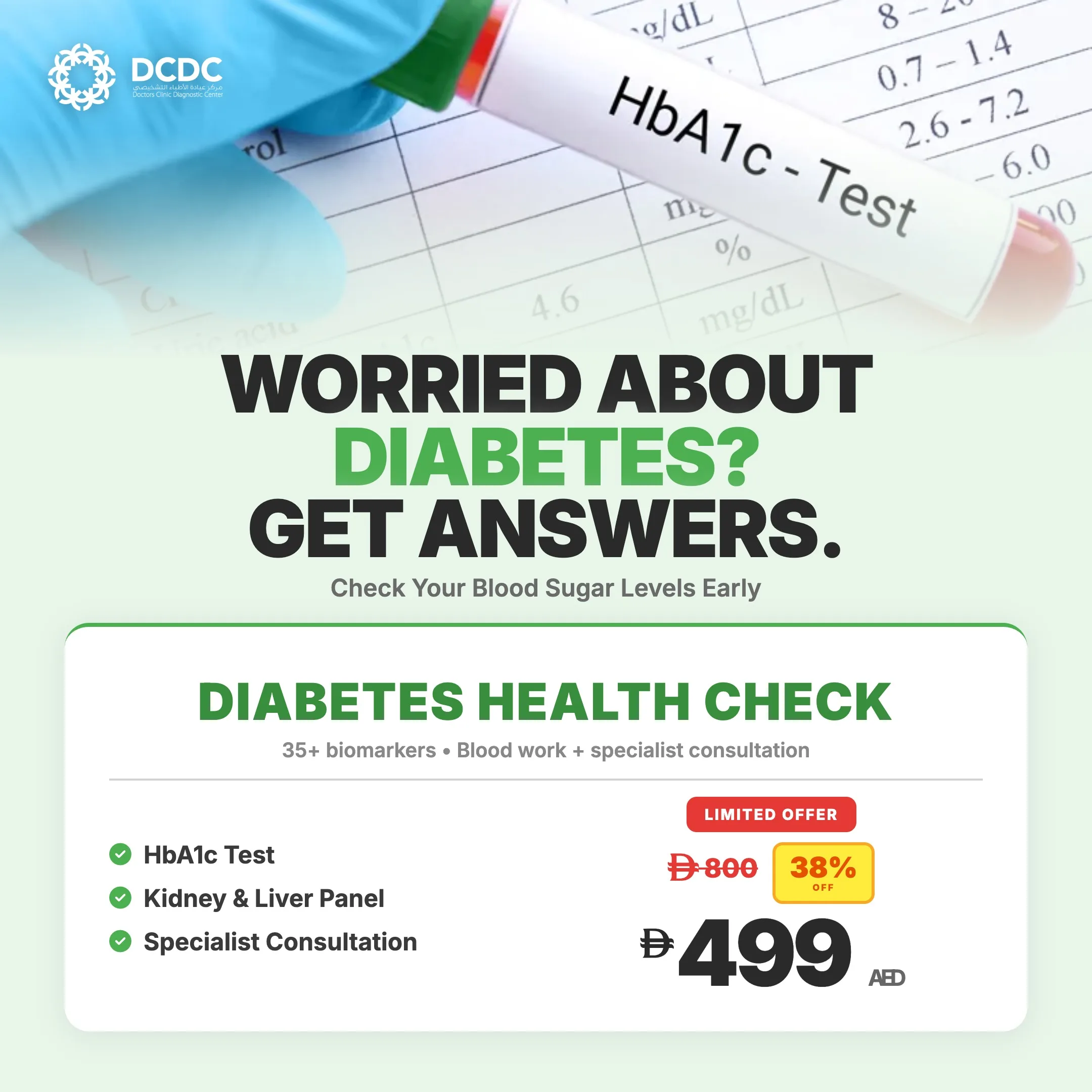
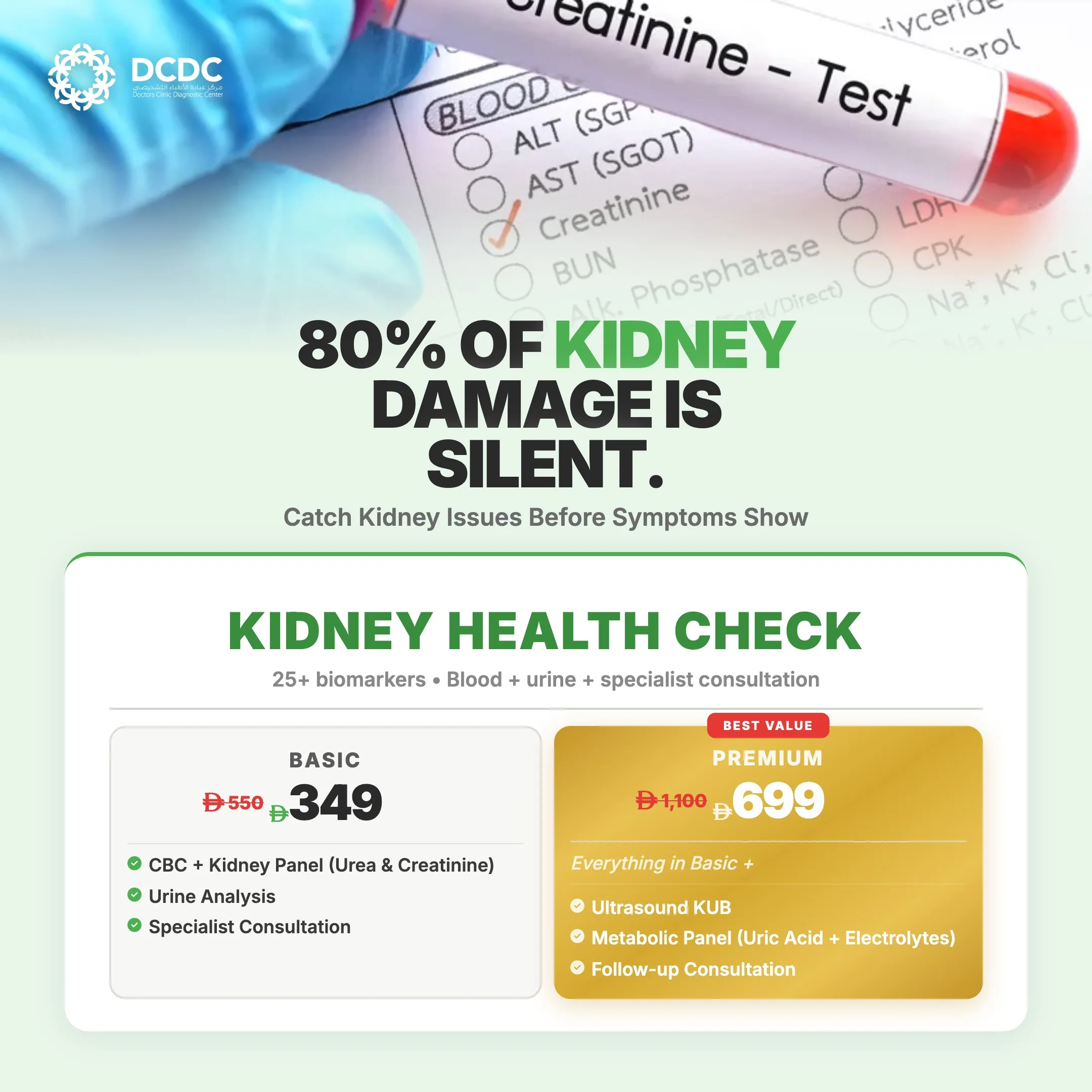
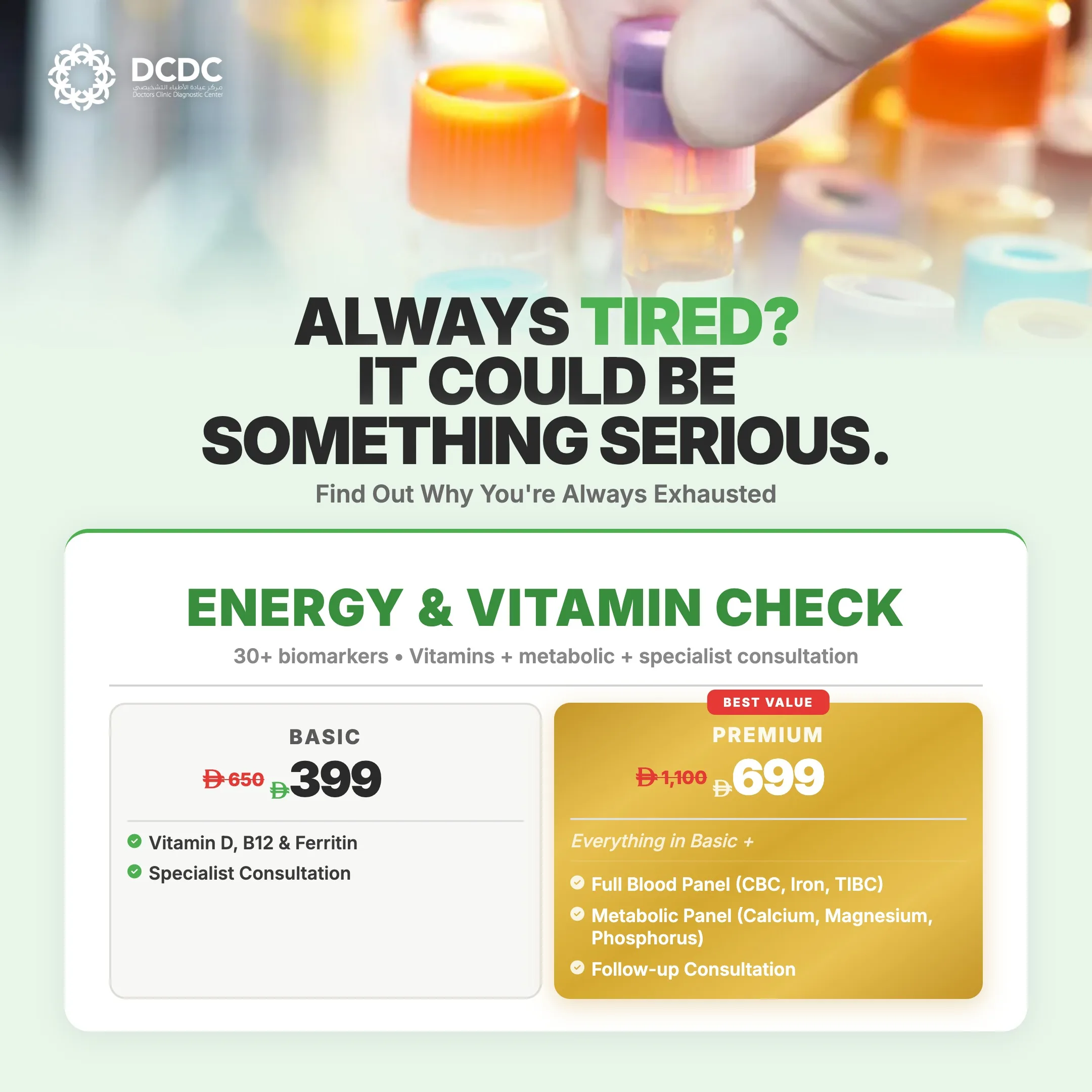
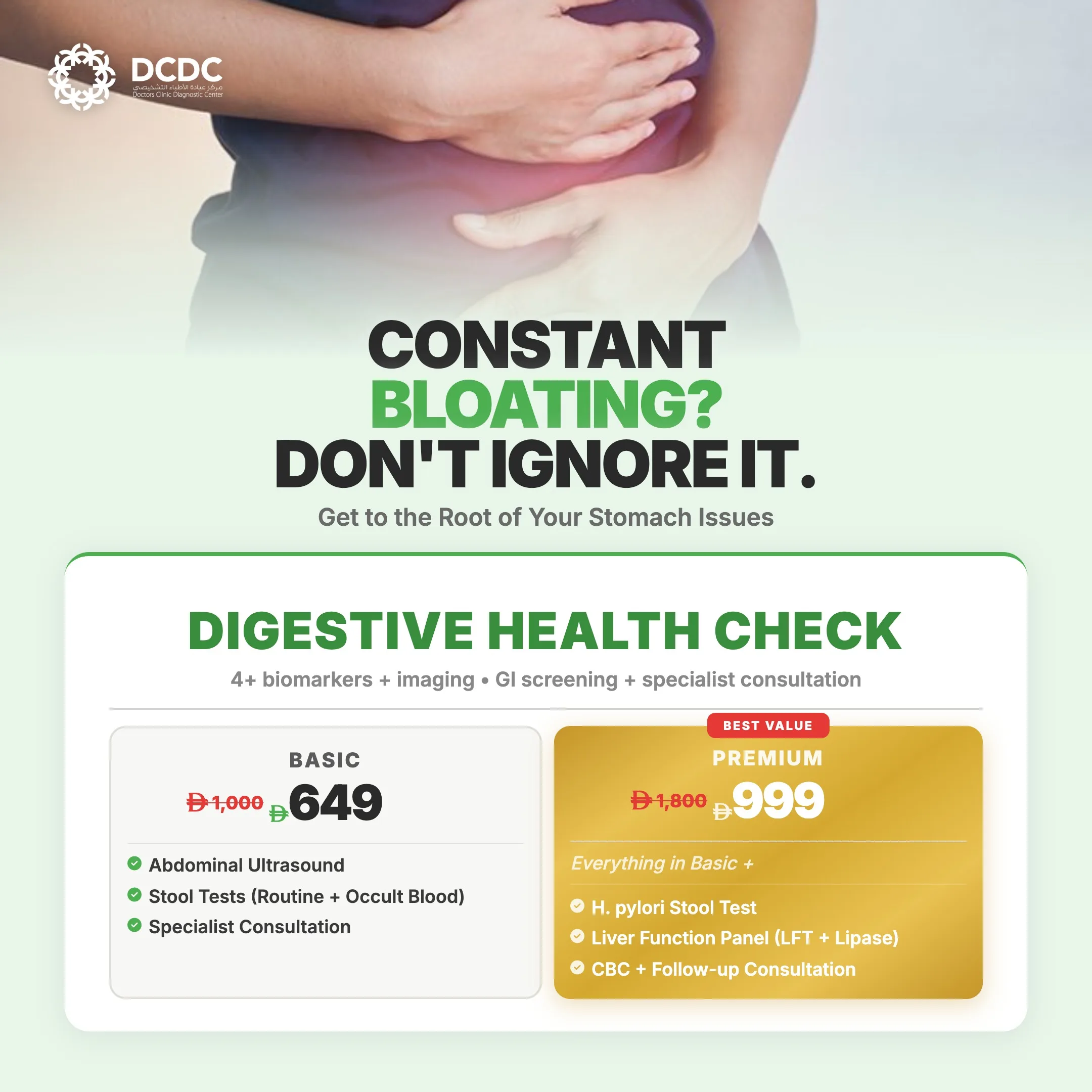
Health Screening Packages
Save with our bundled screening packages — specialist consultation included


Low Testosterone Symptoms: 12 Warning Signs Men Should Not Ignore
Low testosterone symptoms typically develop over months or years, not overnight. This gradual onset is precisely why so many men live with undiagnosed hypogonadism — they adapt to feeling slightly worse each year and assume it is normal. The following 12 symptoms are the most clinically significant indicators that your testosterone levels may be below optimal. If you recognise three or more, a blood test is the logical next step.
- 1. Persistent fatigue and low energy: Not ordinary tiredness after a poor night's sleep, but a deep, relentless exhaustion that does not improve with rest. Men with low testosterone often describe feeling drained by mid-morning despite sleeping seven to eight hours.
- 2. Reduced sex drive (low libido): One of the earliest and most reliable symptoms. A noticeable decline in sexual interest that is disproportionate to age, relationship satisfaction, or stress levels. Some men notice it gradually; others report a distinct shift.
- 3. Erectile dysfunction: Testosterone alone does not cause erections — that process is primarily vascular and neurological — but adequate levels are needed to stimulate the signalling pathways that initiate arousal. Low testosterone is a contributing factor in 20 to 30 percent of erectile dysfunction cases.
- 4. Loss of muscle mass and strength: Testosterone is anabolic, meaning it drives muscle protein synthesis. Men with declining levels notice progressive weakness, smaller muscles, and difficulty maintaining strength gains despite consistent training.
- 5. Increased body fat, especially around the abdomen: Low testosterone promotes visceral fat accumulation, and visceral fat tissue produces aromatase, an enzyme that converts testosterone to oestrogen. This creates a self-reinforcing cycle: less testosterone leads to more fat, which leads to even less testosterone.
- 6. Mood changes and irritability: Depression, emotional flatness, increased irritability, and a general sense that life has lost its colour. Studies show that men with testosterone levels below 300 ng/dL have significantly higher rates of depressive symptoms compared to men with levels in the normal range.
- 7. Brain fog and poor concentration: Difficulty focusing at work, struggling to find words, forgetting appointments, and a general sense of mental dullness. Testosterone receptors are present throughout the brain, and low levels affect neurotransmitter function.
- 8. Sleep disturbances: Insomnia, frequent waking, or unrefreshing sleep. The relationship between testosterone and sleep is bidirectional — low testosterone disrupts sleep, and poor sleep further suppresses testosterone production.
- 9. Reduced body and facial hair: Since testosterone stimulates hair follicle activity, declining levels can lead to thinner body hair, slower beard growth, and less chest or arm hair. This symptom typically appears later, when levels have been low for an extended period.
- 10. Hot flashes and night sweats: Commonly associated with female menopause, hot flashes also occur in men with significantly low testosterone. They involve sudden waves of heat, flushing, and sweating that can last several minutes.
- 11. Decreased bone density: Testosterone plays a critical role in maintaining bone mineral density. Prolonged deficiency increases the risk of osteoporosis and fractures, particularly in the spine and hips. This symptom is often clinically silent until a fracture occurs.
- 12. Low sperm count and fertility problems: Testosterone is essential for spermatogenesis. Men with hypogonadism may have reduced sperm production, which can affect fertility. Importantly, exogenous testosterone therapy can further suppress sperm production, making the treatment choice critical for men who want to preserve fertility.
It is important to understand that many of these symptoms overlap with other common conditions. Thyroid disorders, iron deficiency anaemia, depression, sleep apnoea, and vitamin D deficiency can all produce similar presentations. This is why a targeted blood test — not guesswork — is essential for determining whether testosterone is truly the cause.
Low Testosterone Self-Assessment: Questions to Ask Yourself
Before booking a blood test, a simple self-assessment can help you gauge whether your symptoms warrant investigation. The following questions are adapted from the ADAM (Androgen Deficiency in the Aging Male) questionnaire, a validated screening tool used in clinical practice. Answer honestly based on how you have felt over the past four to six weeks.
- Has your sex drive decreased noticeably?
- Do you feel a lack of energy or motivation most days?
- Have you noticed a decrease in your physical strength or endurance?
- Have you lost height or been told you have lower bone density?
- Have you noticed a decrease in your enjoyment of life?
- Do you feel sad, irritable, or emotionally flat without a clear reason?
- Are your erections less firm or less frequent than they used to be?
- Have you noticed a decline in your ability to play sports or exercise?
- Do you fall asleep after meals or feel drowsy in the early evening?
- Has your work performance deteriorated recently?
If you answered yes to question 1 or question 7, or yes to any three or more of the remaining questions, the ADAM questionnaire suggests that low testosterone may be contributing to your symptoms. The sensitivity of this screening tool is approximately 88 percent, meaning it correctly identifies most men with clinically low testosterone. However, it is a screening tool, not a diagnosis — only a blood test can confirm low testosterone levels.
What Causes Low Testosterone? Risk Factors and Root Causes
Low testosterone is not a single disease — it is a clinical finding that can result from many different underlying causes. Understanding the root cause is critical because it determines the appropriate treatment. Causes are broadly divided into two categories: primary hypogonadism (a problem with the testes themselves) and secondary hypogonadism (a problem with the brain's hormonal signalling to the testes).
Primary Hypogonadism (Testicular Causes)
- Klinefelter syndrome: A genetic condition (47,XXY) affecting approximately 1 in 660 men, often undiagnosed until adulthood when fertility problems or low testosterone symptoms emerge
- Undescended testicles (cryptorchidism): If not corrected in early childhood, can permanently impair testosterone production
- Testicular injury or torsion: Physical damage to one or both testes can reduce their ability to produce testosterone
- Orchitis: Inflammation of the testes, sometimes caused by mumps, can damage Leydig cells responsible for testosterone production
- Cancer treatment: Chemotherapy and radiation therapy can damage testicular tissue, often resulting in permanent testosterone deficiency
Secondary Hypogonadism (Pituitary or Hypothalamic Causes)
- Obesity: The single most common reversible cause of low testosterone. Excess adipose tissue converts testosterone to oestrogen via aromatase, while also increasing insulin resistance, which further suppresses testosterone. Studies show that losing 10 to 15 percent of body weight can increase testosterone levels by 100 to 200 ng/dL
- Type 2 diabetes and metabolic syndrome: Men with type 2 diabetes are twice as likely to have low testosterone compared to non-diabetic men. Insulin resistance directly impairs gonadal function
- Chronic stress and elevated cortisol: Cortisol, the stress hormone, directly suppresses gonadotropin-releasing hormone (GnRH), reducing the brain's signal to produce testosterone. Dubai's high-pressure work culture makes this a particularly relevant factor
- Obstructive sleep apnoea: Disrupts the nocturnal testosterone surge that accounts for the highest levels in the morning. Treating sleep apnoea with CPAP can partially restore testosterone levels
- Chronic opioid or steroid use: Long-term opioid medications suppress the hypothalamic-pituitary-gonadal (HPG) axis. Anabolic steroid misuse is a common but underreported cause among younger men in the UAE
- Pituitary tumours or disorders: Benign pituitary adenomas can compress or damage the cells that produce luteinising hormone (LH), which is needed to stimulate testosterone production
Dubai and UAE-Specific Risk Factors
Several factors make testosterone deficiency particularly common among men living in Dubai and the broader UAE. Vitamin D deficiency — which affects 80 to 90 percent of UAE residents — is linked to lower testosterone levels, with research showing a positive correlation between vitamin D status and serum testosterone. The sedentary indoor lifestyle driven by extreme summer heat reduces physical activity, a known testosterone booster. High rates of obesity and metabolic syndrome in the region further compound the problem. Additionally, the demanding expatriate work culture in Dubai often involves chronic stress, irregular sleep patterns, and high-calorie convenience diets — all of which suppress testosterone production.
If you are experiencing persistent low energy or mood changes and are unsure whether hormones are involved, it may be helpful to start with a broader assessment. Our guide to chronic fatigue causes in Dubai outlines the 12 most common reasons for persistent tiredness in the UAE, many of which overlap with low testosterone.
When to See a Doctor: Urgency Guide for Low Testosterone Symptoms
Not every symptom requires urgent attention, but knowing when to act can prevent months or years of unnecessary suffering. Use the following guide to assess the urgency of your situation.
Schedule a Routine Appointment (Within 2 to 4 Weeks)
- Mild fatigue lasting more than four weeks that does not improve with better sleep
- Gradual decline in sex drive without other concerning symptoms
- Subtle changes in mood, motivation, or concentration
- Slow recovery from exercise or noticeably reduced strength
- Weight gain concentrated around the abdomen despite unchanged diet and activity
See a Doctor Soon (Within 1 to 2 Weeks)
- Combination of low libido, erectile dysfunction, and fatigue persisting for more than two months
- Noticeable muscle wasting or significant unexplained weight gain
- Depressive symptoms including persistent sadness, loss of interest, or emotional numbness
- Hot flashes or night sweats in a male
- Known history of testicular injury, orchitis, or undescended testicles
Seek Prompt Evaluation (Within Days)
- Sudden onset of erectile dysfunction with visual disturbances or severe headaches (may indicate a pituitary problem)
- Breast tissue growth (gynaecomastia) that is new and progressive
- Testicular pain, swelling, or a palpable mass — may need evaluation for other conditions beyond testosterone
- Suicidal thoughts or severe depression — seek immediate mental health support alongside hormonal evaluation
- Symptoms in a young man (under 30) without an obvious lifestyle cause — may indicate a genetic or structural problem
How Low Testosterone Is Diagnosed: Testing and Evaluation in Dubai
Diagnosing low testosterone is not as simple as a single blood test. Both the Endocrine Society and the American Urological Association (AUA) require a systematic approach to avoid misdiagnosis and ensure appropriate treatment. Here is how the diagnostic process works.
Step 1: Clinical Assessment
Your doctor will begin with a thorough history and physical examination. They will ask about the specific symptoms you are experiencing, their duration and severity, your medical history (including medications, prior surgeries, and chronic conditions), lifestyle factors (sleep, exercise, diet, stress, alcohol, and substance use), and sexual function. A physical examination may include assessment of body composition, hair distribution, testicular size, and breast tissue.
Step 2: Morning Blood Tests (Two Separate Occasions)
The gold standard for diagnosis requires two separate blood draws, both performed between 7 AM and 10 AM, on different days. Morning testing is critical because testosterone follows a circadian rhythm: levels peak in the early morning and can drop by 20 to 30 percent by the afternoon. A single afternoon blood draw could falsely suggest low testosterone. Both tests must show total testosterone below 300 ng/dL (10.4 nmol/L) before hypogonadism is diagnosed.
Step 3: Additional Hormone Panel
If total testosterone is confirmed low, additional tests help identify the cause and guide treatment. A comprehensive male hormone panel typically includes free testosterone, SHBG (sex hormone-binding globulin), LH (luteinising hormone), FSH (follicle-stimulating hormone), prolactin, oestradiol, thyroid function (TSH), and a complete blood count. LH and FSH are particularly important because they distinguish between primary hypogonadism (high LH and FSH, indicating the testes are not responding) and secondary hypogonadism (low or normal LH and FSH, indicating the brain is not sending the right signals).
| Test | What It Measures | Why It Matters |
|---|---|---|
| Total Testosterone | All testosterone in the blood (bound and unbound) | First-line screening; below 300 ng/dL suggests deficiency |
| Free Testosterone | Unbound, biologically active testosterone (1-2% of total) | Critical when SHBG is abnormal; can be low even with normal total T |
| SHBG | Protein that binds testosterone, making it inactive | High SHBG (ageing, liver disease) can mask deficiency; low SHBG (obesity) can inflate free T |
| LH (Luteinising Hormone) | Pituitary hormone that signals the testes to produce testosterone | High LH + low T = primary (testicular) problem; low LH + low T = secondary (pituitary) problem |
| FSH | Pituitary hormone that regulates sperm production | Elevated FSH suggests testicular damage; important for fertility assessment |
| Prolactin | Pituitary hormone; elevated levels suppress testosterone | Screens for pituitary adenoma or medication side effects |
| Oestradiol (E2) | Oestrogen level in men | Elevated in obesity (aromatase conversion); guides aromatase inhibitor use |
| CBC (Complete Blood Count) | Red and white blood cell counts | Low testosterone causes anaemia; TRT can cause polycythaemia (excess red cells) |
Components of a comprehensive male hormone evaluation panel
For a detailed look at the individual tests, preparation requirements, and how to interpret your results, see our complete testosterone test Dubai guide, which covers normal ranges by age, what to do before your blood draw, and how DCDC's integrated testing process works.
Testosterone Testing and Treatment Costs in Dubai
Understanding the cost of testosterone testing and treatment in Dubai helps you plan your healthcare budget. Prices vary across clinics depending on location, laboratory capabilities, and whether on-site specialist consultation is included. The table below compares typical costs at DCDC with the broader Dubai market.
| Service | DCDC Price (AED) | Typical Dubai Range (AED) | What Is Included |
|---|---|---|---|
| Individual Testosterone Test | From 200 | 150-500 | Total testosterone with morning blood draw; results in 24-48 hours |
| Full Male Hormone Panel | From 750 | 600-1,500 | Total T, free T, SHBG, LH, FSH, prolactin, oestradiol, CBC |
| GP Consultation (Initial) | From 250 | 200-500 | Clinical assessment, symptom evaluation, test ordering, results review |
| Health Checkup with Hormones | From 249 | 400-1,200 | Basic health screening with option to add hormone panel |
| Follow-Up Consultation | From 200 | 150-400 | Results interpretation, treatment planning, specialist referral if needed |
| TRT Monthly Cost (if prescribed) | From 400 | 400-1,500 | Medication, monitoring blood tests, and physician oversight |
Testosterone testing and treatment costs in Dubai — DCDC vs market average (2026)
DCDC offers direct billing with over 20 insurance partners including Daman, AXA, Bupa, MetLife, and Cigna, which means many of these costs may be partially or fully covered by your insurance plan. For self-pay patients, package pricing can reduce total costs significantly.
Concerned About Low Testosterone? Get Tested at DCDC
Book a morning testosterone blood test at DCDC Dubai Healthcare City — individual tests from AED 200, full male hormone panels from AED 750, with results in 24 to 48 hours. Morning appointments available seven days a week. View testosterone testing options.
Direct billing with 20+ insurance partners. Free parking at DHCC. Average wait time 15 minutes.
Low Testosterone Treatment Options in Dubai
Treatment for low testosterone depends on the underlying cause, severity of symptoms, age, and whether the patient wants to preserve fertility. The goal of treatment is to restore testosterone to the normal range while minimising side effects. Treatment falls into three broad categories: lifestyle modification, testosterone replacement therapy (TRT), and alternative medical therapies.
Lifestyle Modifications (First-Line for Mild Cases)
For men whose testosterone is mildly low (250 to 350 ng/dL) and whose primary causes are modifiable — obesity, poor sleep, sedentary lifestyle, chronic stress — lifestyle changes can produce meaningful improvements without medication.
- Weight loss: Losing 10 to 15 percent of body weight through caloric deficit and exercise can increase testosterone by 100 to 200 ng/dL. This is one of the most effective non-pharmacological interventions
- Resistance training: Compound exercises (squats, deadlifts, bench press) performed 3 to 4 times per week stimulate acute testosterone release and improve long-term hormonal balance
- Sleep optimisation: Aim for 7 to 8 hours of quality sleep. Sleep deprivation for just one week can reduce testosterone by 10 to 15 percent. Treat underlying sleep apnoea if present
- Stress management: Chronic cortisol elevation directly suppresses testosterone production. Meditation, structured relaxation, and workload management are clinically relevant interventions
- Vitamin D supplementation: Given that 80 to 90 percent of UAE residents are vitamin D deficient, and studies show a positive correlation between vitamin D levels and testosterone, supplementation to achieve levels above 40 ng/mL may support hormonal health
- Reduce alcohol: Chronic heavy alcohol consumption damages Leydig cells and suppresses the HPG axis. Reducing intake can help restore natural testosterone production
Testosterone Replacement Therapy (TRT)
When testosterone levels are significantly low (below 250 ng/dL), symptoms are moderate to severe, and lifestyle modifications alone are insufficient, testosterone replacement therapy may be recommended. TRT is available in several forms, each with different advantages.
| TRT Method | How It Works | Frequency | Advantages | Considerations |
|---|---|---|---|---|
| Intramuscular Injection | Testosterone cypionate or enanthate injected into muscle | Every 1-2 weeks | Most cost-effective; reliable absorption; well-studied | Peaks and troughs in levels; injection-site discomfort; requires clinic visit or self-injection training |
| Topical Gel | Applied daily to shoulders, upper arms, or abdomen | Daily | Steady hormone levels; no injections; easy to adjust dose | Risk of transference to partners or children; must be applied at the same time daily; more expensive than injections |
| Transdermal Patch | Adhesive patch applied to skin, rotated daily | Daily (nightly application) | Consistent delivery; no injection; less transference risk than gel | Skin irritation at application site; visible patch; may detach during exercise or sweating |
| Subcutaneous Pellet | Small testosterone pellets implanted under the skin | Every 3-6 months | Longest duration; no daily maintenance; very stable levels | Minor surgical procedure for insertion; cannot easily adjust dose; higher upfront cost |
Comparison of testosterone replacement therapy delivery methods available in Dubai
TRT is not appropriate for all men. It is generally contraindicated in men with untreated prostate cancer, severe untreated sleep apnoea, uncontrolled heart failure, haematocrit above 54 percent, or a desire for fertility in the near term. Men on TRT require regular monitoring — typically every 3 to 6 months — including testosterone levels, haematocrit, PSA (prostate-specific antigen), and liver function.
Alternative Medical Therapies (Fertility-Preserving Options)
For younger men or those who wish to preserve fertility, alternatives to direct testosterone replacement may be considered. Clomiphene citrate (Clomid) stimulates the pituitary to produce more LH and FSH, which in turn increases natural testosterone production and maintains sperm production. Human chorionic gonadotropin (hCG) mimics LH and can be used alongside TRT to prevent testicular atrophy and maintain spermatogenesis. These options are prescribed by endocrinologists or urologists and require specialised monitoring.
For a broader perspective on men's health screening beyond testosterone, including cardiovascular risk markers, metabolic panels, and cancer screening, see our comprehensive guide to men's health screening in Dubai.
What to Expect at DCDC: Your Testosterone Testing Journey
Getting tested at Doctors Clinic Diagnostic Center (DCDC) in Dubai Healthcare City is a straightforward process designed to minimise inconvenience and maximise diagnostic accuracy. Here is what your visit looks like from arrival to results.
Arrival and Check-In
DCDC is located in Building 64, Block A, Al Razi Medical Complex, in Dubai Healthcare City (DHCC). The facility offers free on-site parking, making early morning appointments (ideal for testosterone testing) hassle-free. Average wait time at DCDC is just 15 minutes, and the reception team can verify your insurance coverage on the spot — DCDC works with over 20 insurance partners for direct billing.
Blood Sample Collection
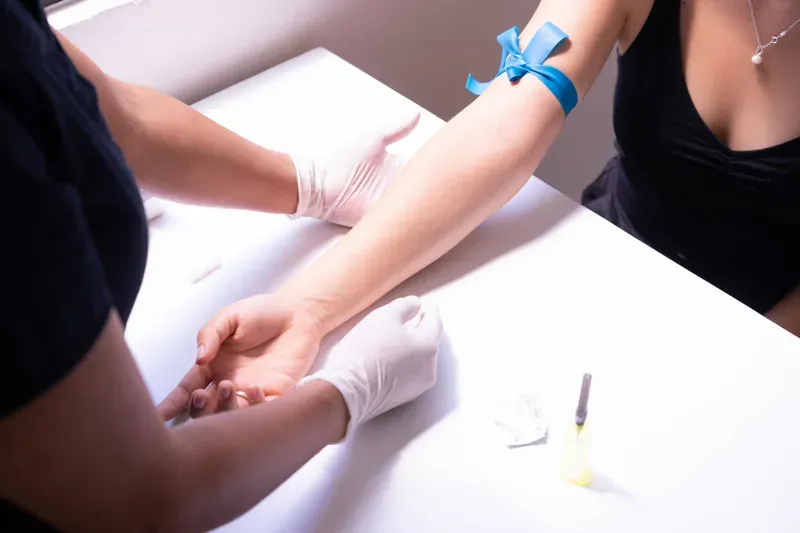
The blood draw itself takes approximately 5 to 10 minutes. A phlebotomist collects a venous blood sample, typically from the arm. For testosterone testing, the sample is ideally collected between 7 AM and 10 AM when testosterone levels are at their peak. DCDC uses state-of-the-art immunoassay analysers for hormone testing, ensuring high accuracy and reproducibility. Samples are processed on-site — there is no need to send them to an external laboratory, which eliminates delays and potential handling errors.
Results and Follow-Up
Results for individual testosterone tests are typically available within 24 to 48 hours. You will receive notification via the DCDC patient portal, where you can view and download your results securely. A follow-up consultation with your GP is recommended to review the results in clinical context. If testosterone is confirmed low, your doctor will discuss the potential causes, whether additional testing is needed, and outline your treatment options — from lifestyle changes to referral for specialist management if TRT or fertility-preserving therapy is indicated.
DCDC's integrated care model means you can see a GP, have your blood drawn, and receive your results all within the same facility. If specialist referral is needed, endocrinologists and urologists are available within the DHCC medical complex, often in the same building.
Doctor's Perspective: Why You Should Not Ignore the Symptoms
"Many of the men I see at DCDC have been living with fatigue, low mood, and declining energy for months or even years before they come in for testing. They assume it is just the pace of life in Dubai, or that feeling tired is an inevitable part of getting older. But when we run the blood work and find that testosterone is well below the normal range, there is often a sense of relief — because it means there is a clear explanation and, more importantly, a path forward. I always encourage men not to wait until symptoms are severe. A simple morning blood test can identify hormonal issues early, before they significantly impact your quality of life, your relationships, and your mental health." — Dr. Hadeel Elnur, MD, General Practice, DCDC Dubai Healthcare City
Low Testosterone and Its Impact on Overall Health
Low testosterone is not merely a quality-of-life issue — untreated hypogonadism is associated with measurable increases in long-term health risks. Understanding these connections underscores why testing and treatment matter beyond symptom relief.
Cardiovascular Risk
Research published in the Journal of Clinical Endocrinology and Metabolism shows that men with low testosterone have higher rates of cardiovascular disease, including increased risk of atherosclerosis, heart attack, and stroke. Testosterone influences cholesterol metabolism, vascular function, and inflammatory markers. The relationship is complex — both very low and supraphysiological levels may increase risk — which is why treatment aims to restore levels to the middle of the normal range rather than maximising them.
Metabolic Syndrome and Type 2 Diabetes
Low testosterone and metabolic syndrome exist in a bidirectional relationship. Insulin resistance reduces testosterone, and low testosterone worsens insulin resistance. Men with hypogonadism have higher rates of central obesity, elevated triglycerides, low HDL cholesterol, and impaired fasting glucose — the cluster of findings that defines metabolic syndrome. Testosterone replacement has been shown to improve insulin sensitivity, reduce waist circumference, and improve lipid profiles in some studies. To understand your metabolic risk, a lipid profile and cholesterol test is a valuable complement to testosterone testing.
Bone Health and Osteoporosis
Testosterone is essential for bone remodelling. Men with untreated hypogonadism lose bone mineral density at an accelerated rate, increasing fracture risk — particularly vertebral and hip fractures. A DEXA scan may be recommended for men with confirmed low testosterone, especially those over 50 or those who have had levels below the normal range for more than two years.
Mental Health
The relationship between testosterone and mental health is well-documented. Men with hypogonadism have two to four times the rate of depressive symptoms compared to men with normal testosterone levels. Testosterone influences serotonin, dopamine, and GABA signalling in the brain. While testosterone therapy is not a treatment for clinical depression, restoring normal levels in men with confirmed deficiency often leads to meaningful improvements in mood, motivation, and cognitive function.
How to Naturally Support Testosterone Levels in Dubai
Whether you are trying to optimise borderline testosterone levels or support the effects of medical treatment, evidence-based lifestyle strategies can make a meaningful difference. These recommendations are particularly relevant for men living in Dubai, where environmental and lifestyle factors actively work against hormonal health.
- Prioritise resistance training: Compound weightlifting exercises are the most effective form of exercise for stimulating testosterone. Aim for 3 to 4 sessions per week, focusing on multi-joint movements with progressively increasing resistance
- Fix your sleep: Sleep 7 to 8 hours per night in a cool, dark room. In Dubai, ensure your bedroom temperature is set to 18 to 20 degrees Celsius, as overheated rooms (common with inconsistent AC use) disrupt the deep sleep phases during which testosterone is produced
- Correct vitamin D deficiency: Given the prevalence of deficiency in the UAE, have your vitamin D level tested and supplement to achieve a serum level of 40 to 60 ng/mL. Vitamin D3 at 2,000 to 4,000 IU daily is commonly recommended
- Manage your weight: If your BMI exceeds 30, weight loss is likely to have a greater impact on testosterone than any supplement. Every 5-point reduction in BMI is associated with a meaningful increase in total testosterone
- Reduce processed sugar and refined carbohydrates: High-glycaemic diets cause insulin spikes that suppress testosterone production. Focus on lean proteins, healthy fats (olive oil, nuts, avocado), and complex carbohydrates
- Limit alcohol consumption: More than 2 to 3 standard drinks per day chronically suppresses testosterone. Reduce intake or eliminate it during the period you are trying to optimise hormonal health
- Manage stress actively: Chronic stress elevates cortisol, which directly inhibits testosterone. Structured stress management — whether through exercise, meditation, or professional support — is clinically relevant, not optional
- Zinc and magnesium: These minerals are involved in testosterone synthesis and are commonly deficient in men who sweat heavily (relevant for Dubai's heat). Consider a zinc supplement (25 to 30 mg daily) if dietary intake is inadequate
Monitoring and Long-Term Management of Low Testosterone
Whether you pursue lifestyle changes alone or begin TRT, ongoing monitoring is essential. Testosterone management is not a one-time intervention — it requires regular assessment to ensure levels remain in the optimal range and to catch potential side effects early.
Recommended Monitoring Schedule
- 3 months after starting treatment: Recheck total and free testosterone, haematocrit (TRT can increase red blood cell production), liver function, and symptom improvement
- 6 months: Full reassessment including testosterone levels, PSA (prostate-specific antigen), lipid panel, haematocrit, and mood or quality-of-life questionnaire
- Annually thereafter: Ongoing monitoring of testosterone levels, PSA, haematocrit, metabolic markers, and bone density (if indicated). Dose adjustments may be needed based on symptoms and lab results
For men on TRT, the Endocrine Society recommends maintaining total testosterone in the mid-normal range (400 to 700 ng/dL) rather than pushing levels to the upper extreme. Higher doses do not necessarily produce better symptom relief and increase the risk of side effects including polycythaemia, acne, sleep apnoea exacerbation, and mood instability.
If you are also monitoring broader metabolic health alongside your hormones, our hormone test Dubai guide provides a comprehensive overview of all available hormone panels at DCDC, including thyroid, adrenal, and reproductive hormones.
Why Choose DCDC for Testosterone Testing and Treatment in Dubai
Choosing the right clinic for testosterone evaluation matters because accurate diagnosis depends on proper sample timing, high-quality laboratory equipment, and experienced clinical interpretation. DCDC in Dubai Healthcare City provides all three under one roof.
- MOHAP-licensed facility: DCDC operates under full licensing from the UAE Ministry of Health and Prevention, ensuring compliance with national healthcare standards
- On-site laboratory: Samples are collected and processed in-house using state-of-the-art immunoassay analysers — no external lab delays or sample handling risks
- Morning appointments 7 days a week: Testosterone testing requires early morning blood draws. DCDC accommodates this with morning appointment slots available Saturday through Thursday (8 AM to 10 PM) and Friday (9 AM to 9 PM)
- Results in 24-48 hours: Routine hormone results are returned within one to two business days via the patient portal
- Integrated specialist referral: If TRT or further evaluation is needed, endocrinologists and urologists within the DHCC complex can be consulted without leaving the building
- 4.8/5 Google rating: Over 1,000 verified patient reviews with a 98 percent satisfaction rate
- 20+ insurance partners: Direct billing with Daman, AXA, Bupa, MetLife, Cigna, and more — no out-of-pocket cost for covered services
- Free on-site parking: Convenient for early morning appointments at DHCC
Take the First Step: Book Your Testosterone Test at DCDC
Stop wondering and start knowing. Book a morning testosterone blood test at DCDC — individual tests from AED 200, full male hormone panels from AED 750, health checkup packages from AED 249. Results in 24-48 hours. View testosterone testing options or WhatsApp us to book.
Located in Building 64, Block A, Al Razi Medical Complex, Dubai Healthcare City. 4.8/5 Google rating from 1,000+ reviews. Direct billing with 20+ insurance partners.
Kaugnay na Serbisyo sa DCDC
Dalubhasang pangangalaga at advanced diagnostics sa Dubai Healthcare City
Testosterone Test
Total and free testosterone blood testing with fast results at DCDC
Mag-book ng AppointmentHormone Testing
Comprehensive male and female hormone panels at Dubai Healthcare City
Mag-book ng AppointmentHealth Checkup
Annual health screening packages including hormone assessment
Mag-book ng AppointmentFrequently Asked Questions
Final Thoughts
Low testosterone is not an inevitable consequence of getting older, and it is not something you should simply accept as the cost of a busy life in Dubai. It is a diagnosable, treatable medical condition — and the sooner it is identified, the sooner you can start feeling like yourself again. Whether your symptoms are mild and recent or have been building for years, the path forward begins with a straightforward morning blood test.
At DCDC in Dubai Healthcare City, we have made testosterone testing as accessible and convenient as possible: walk in for an early morning blood draw, receive your results within 24 to 48 hours, and discuss them with an experienced GP who can guide you through the next steps — whether that means lifestyle optimisation, referral to a specialist, or a combination of both. With testosterone tests from AED 200, health checkup packages from AED 249, direct billing with over 20 insurance partners, and a 4.8 out of 5 Google rating from over 1,000 reviews, there is no reason to keep guessing about what is causing your fatigue, mood changes, or declining vitality.
Dr. Hadeel Elnur and the DCDC team are here to provide clear answers, evidence-based treatment, and the kind of coordinated care that makes a real difference. Your health — and how you feel every day — is worth investigating.
Mga Sanggunian at Reperensya
Ang artikulong ito ay sinuri ng aming medikal na team at tumutukoy sa mga sumusunod na sanggunian:
- American Urological Association (AUA) — Testosterone Deficiency Guideline
- Endocrine Society — Testosterone Therapy in Men with Hypogonadism: Clinical Practice Guideline
- Cleveland Clinic — Low Testosterone (Male Hypogonadism): Symptoms & Treatment
- Mayo Clinic — Male Hypogonadism: Diagnosis & Treatment
- Urology Care Foundation — Low Testosterone: Symptoms, Diagnosis & Treatment
- Journal of Clinical Endocrinology and Metabolism — Testosterone and Cardiovascular Risk in Men
- Vitamin D Deficiency Risk Factors in Abu Dhabi and the UAE — PMC (National Library of Medicine)
Ang medikal na nilalaman sa site na ito ay sinusuri ng mga DHA-licensed na manggagamot. Tingnan ang aming patakarang editorial para sa higit pang impormasyon.

Isinulat ni
Dr. Hadeel Elnur
General Practitioner
MD, General Practice
Dr. Hadeel Elnur is a General Practitioner at Doctors Clinic Diagnostic Center (DCDC) in Dubai Healthcare City.
Related Articles on Testosterone, Hormones, and Men's Health
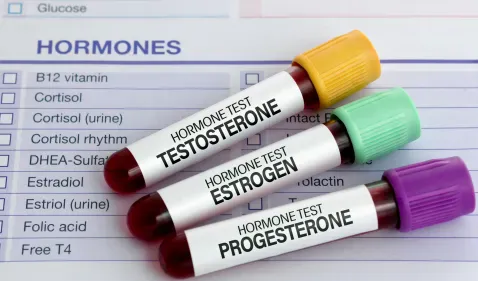
Testosterone Test Dubai Guide
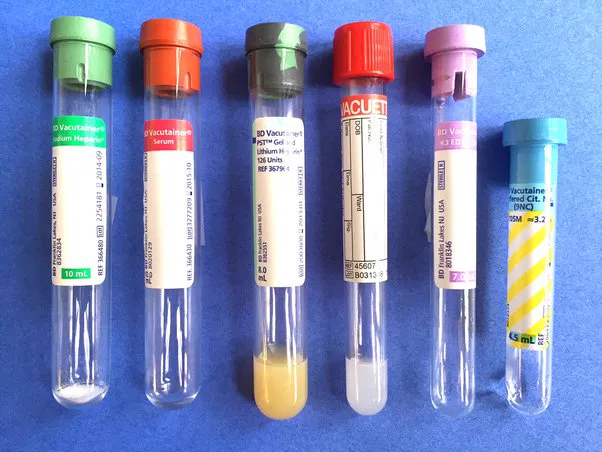
Hormone Test Dubai Guide
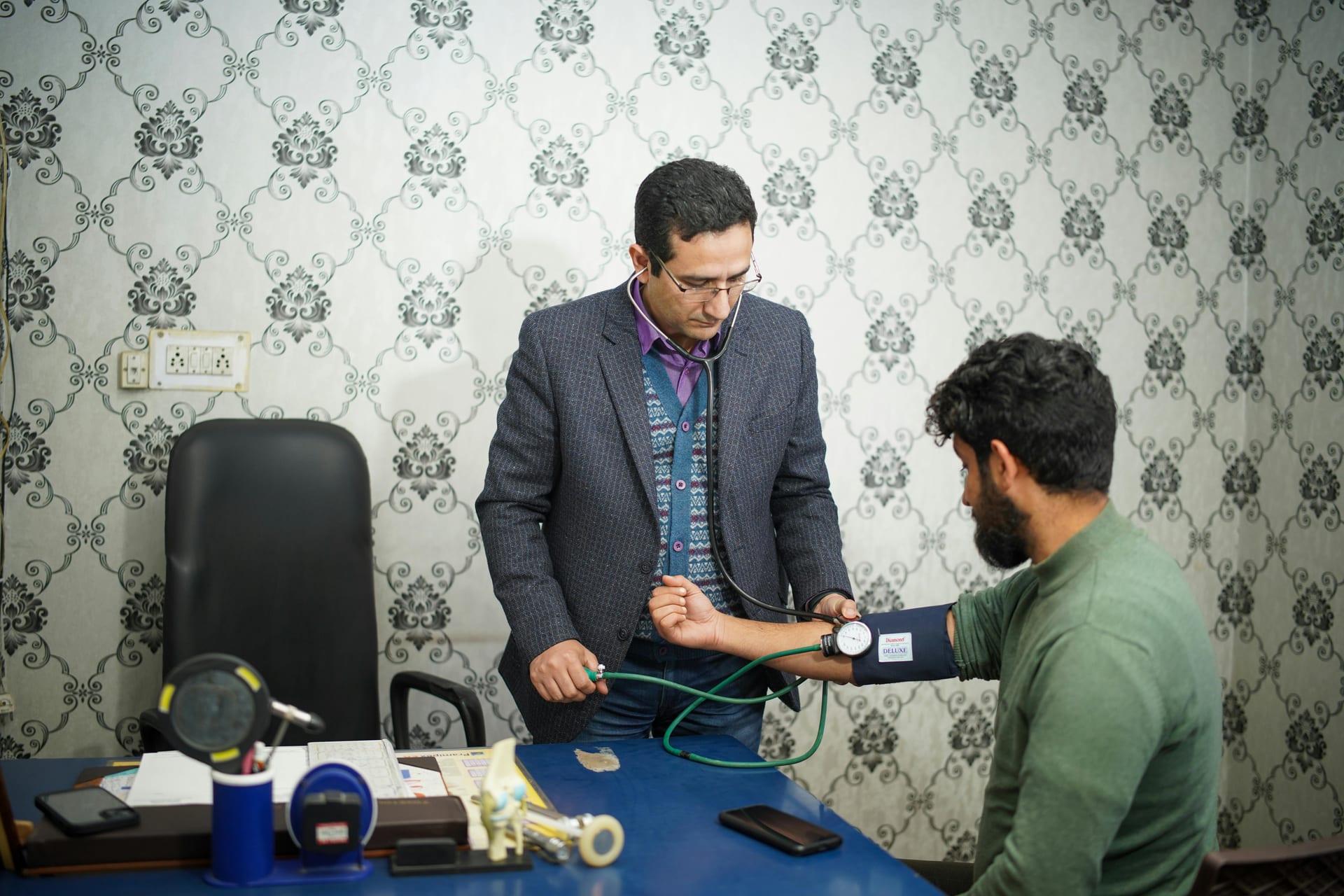
Men's Health Screening Dubai
Chronic Fatigue Causes Dubai
Lipid Profile Cholesterol Test Dubai
More in Internal Medicine

Stomach Ulcer Dubai: Symptoms & Treatment (2026)
Basahin PaBloating Causes & Treatment in Dubai (2026)
Basahin Pa
Anemia Treatment Dubai: Types & Causes (2026)
Basahin PaChronic Fatigue Causes Dubai: Why Always Tired (2026)
Basahin PaIBS vs Food Intolerance Dubai: Which Is It? (2026)
Basahin Pa
Best Internal Medicine Doctor in Dubai: Dr. Hadi Komshi at DCDC (2026)
Basahin Pa© 2026 Doctors Clinic Diagnostic Center (DCDC), Dubai Healthcare City. Originally published at https://doctorsclinicdubai.ae/blog/low-testosterone-symptoms-treatment-dubai. All rights reserved. Unauthorized reproduction is prohibited.