Mga Pangunahing Punto
- Insulin resistance often develops silently for years before blood sugar levels become abnormal — early detection through HOMA-IR testing can identify the condition 5–10 years before prediabetes appears
- The 8 key warning signs include persistent fatigue after meals, dark skin patches (acanthosis nigricans), central weight gain, intense sugar cravings, brain fog, skin tags, high triglycerides, and irregular periods in women
- The UAE has one of the highest diabetes prevalence rates globally at approximately 16% of the adult population — insulin resistance is the underlying driver in up to 90% of type 2 diabetes cases
- HOMA-IR testing (from AED 150–300) combines fasting insulin and fasting glucose to quantify insulin resistance — a HOMA-IR score above 2.9 indicates significant resistance
- Insulin resistance is reversible in many cases through lifestyle changes including 150 minutes of weekly exercise, dietary modification, and 5–7% body weight reduction
- DCDC Dubai Healthcare City offers same-day metabolic testing with on-site laboratory, diabetes screening packages from AED 399, and direct specialist referral under one roof
If you are experiencing unexplained weight gain, constant fatigue after meals, or dark patches on your skin, you may be showing early signs of insulin resistance — a metabolic condition that affects an estimated 40% of adults aged 18–44 worldwide and is particularly prevalent in the UAE. Insulin resistance is the hidden engine behind type 2 diabetes, and the UAE's diabetes prevalence of approximately 16% makes it a critical health concern for residents of Dubai. At DCDC's Diabetes Clinic in Dubai Healthcare City, we diagnose and manage insulin resistance before it progresses to diabetes — with same-day testing, specialist consultations, and a clear treatment pathway.
What makes insulin resistance dangerous is its silence. Unlike type 2 diabetes, which produces measurable hyperglycaemia, insulin resistance can develop over years without triggering abnormal blood sugar readings on standard tests. Your fasting glucose and HbA1c may look normal while your pancreas is already working overtime to compensate. This guide covers the warning signs you should not ignore, the tests that can detect insulin resistance early, how to interpret your HOMA-IR results, and what treatment options are available in Dubai. Whether you are concerned about your own symptoms or have a family history of diabetes, this is your complete resource for understanding and addressing insulin resistance.
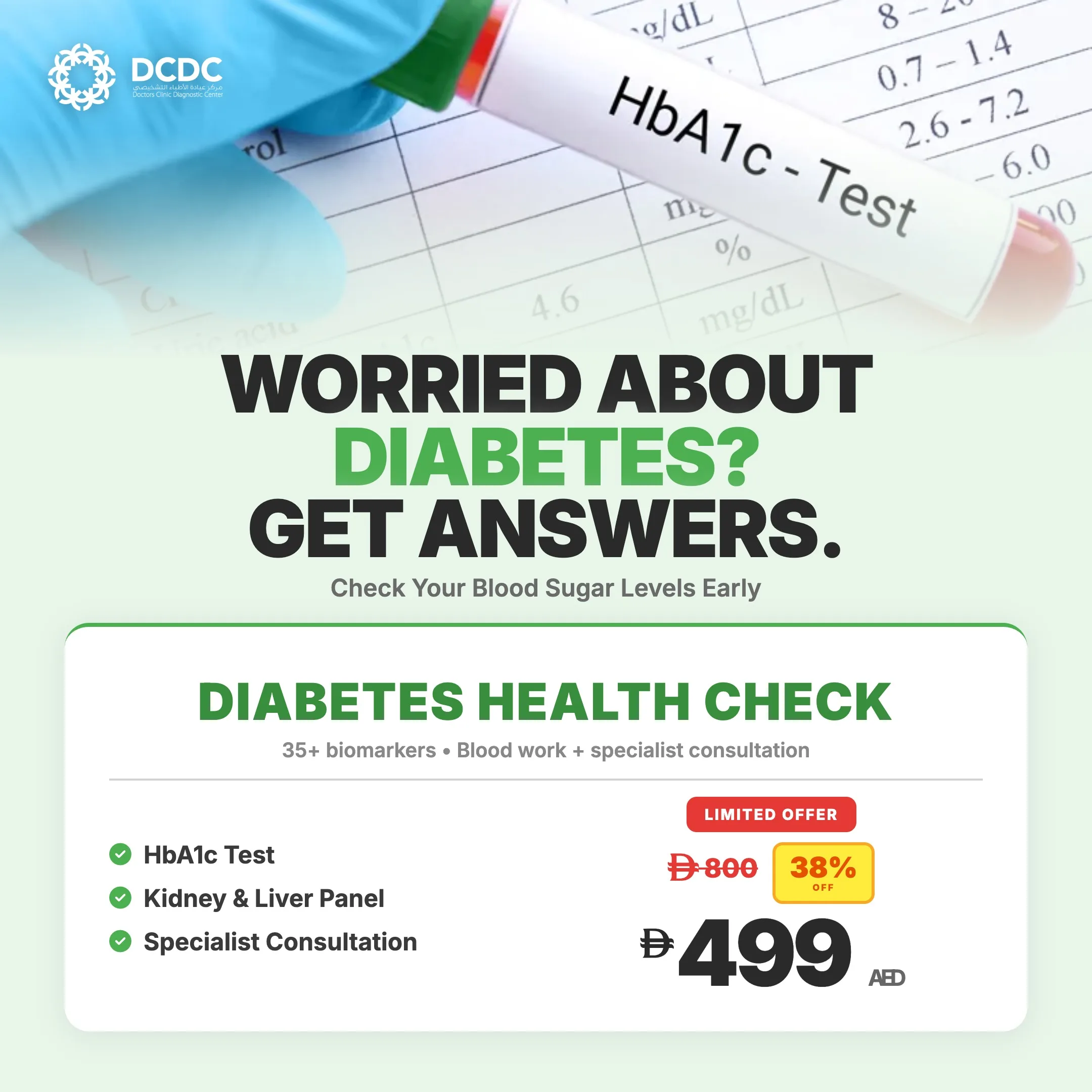
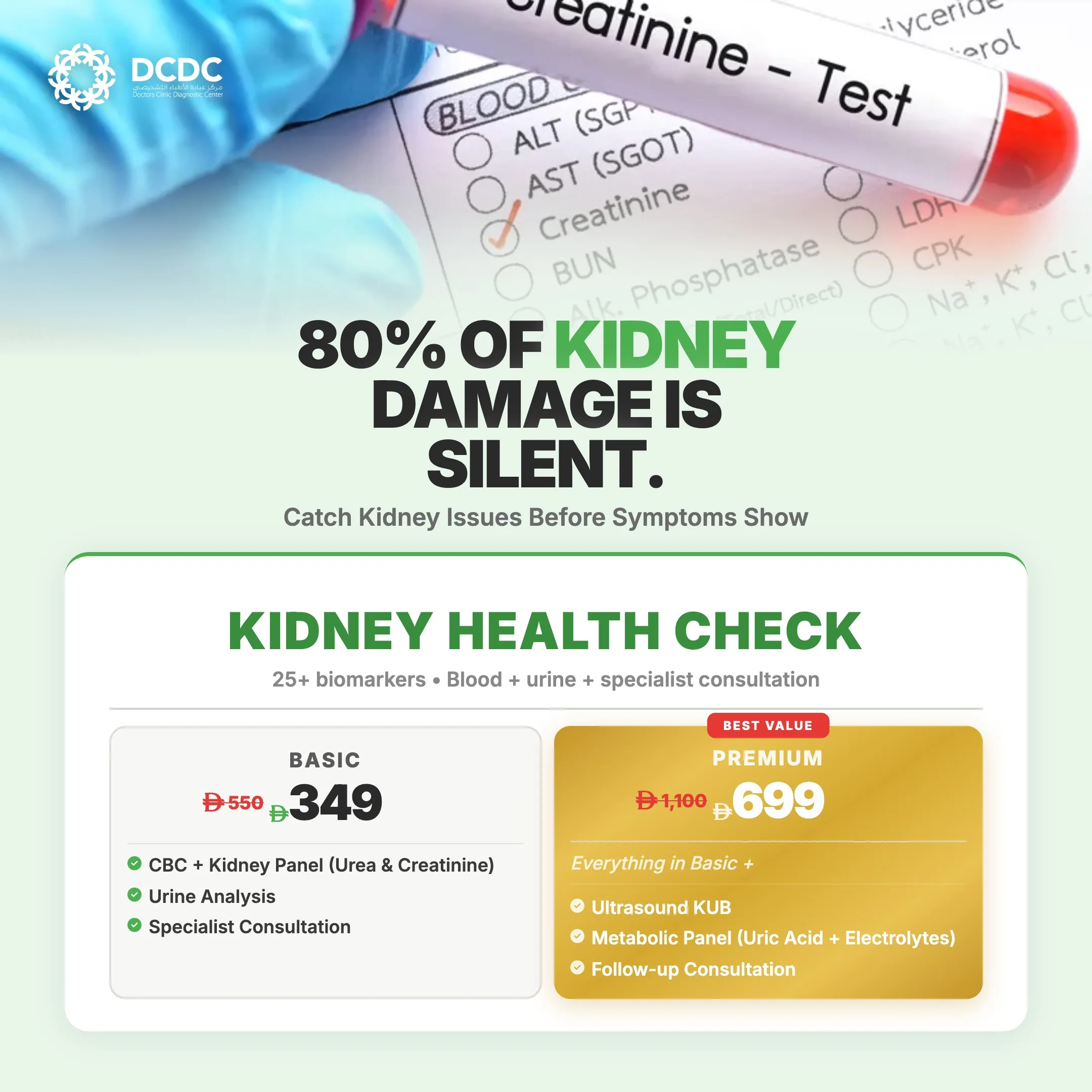
Health Screening Packages
Save with our bundled screening packages — specialist consultation included




What Is Insulin Resistance?
Insulin is a hormone produced by the pancreas that allows cells throughout your body — primarily muscle, fat, and liver cells — to absorb glucose from the bloodstream and use it for energy. Insulin resistance occurs when these cells stop responding effectively to insulin's signal. The pancreas compensates by producing more insulin (a state called hyperinsulinaemia), which keeps blood sugar levels within normal range initially. Over time, the pancreas cannot keep up with the escalating demand, glucose levels rise, and prediabetes or type 2 diabetes develops.
Think of it as a volume dial on a radio. When cells become resistant, the body turns the insulin volume louder and louder. For years, the louder signal works — blood sugar appears normal. But eventually, the speaker blows out. This is why insulin resistance is often called a "silent" metabolic disorder: standard blood sugar tests may show normal results even while the underlying problem is progressing. The key to early detection lies in measuring insulin levels directly, not just glucose.
According to the American Diabetes Association (ADA) 2025 Standards of Care, insulin resistance is a core pathophysiological feature of type 2 diabetes and metabolic syndrome. It is closely linked to visceral (abdominal) fat accumulation, chronic inflammation, elevated triglycerides, low HDL cholesterol, and hypertension — a cluster of conditions that significantly increases cardiovascular disease risk.
Why Insulin Resistance Is a Growing Concern in Dubai
The UAE faces one of the highest burdens of metabolic disease in the world. According to the International Diabetes Federation (IDF) Diabetes Atlas, approximately 16% of adults in the UAE have diabetes — more than double the global average. A national survey found that 20% of UAE adults had diabetes, with nearly 40% of those individuals also being obese. More recent data suggests the prevalence may have risen further, with some studies reporting figures as high as 28.5% when including undiagnosed cases.
Insulin resistance is the metabolic precursor to the vast majority of these cases. Research published in the Saudi Medical Journal found that the frequency of diabetes in Gulf Cooperation Council (GCC) countries ranged from 8 to 22%, driven by a combination of genetic susceptibility, rapid urbanisation, dietary shifts toward processed and high-glycaemic foods, and declining physical activity levels. Studies have also identified a specific susceptibility to insulin resistance in Arabian Peninsula populations, meaning that metabolic dysfunction can develop at lower body mass indices compared to European populations.
Several factors make Dubai's population particularly vulnerable to insulin resistance. The hot climate — with temperatures regularly exceeding 40 degrees Celsius for five months of the year — limits outdoor physical activity for much of the population. Car-dependent urban planning reduces incidental walking. Traditional and modern dietary patterns in the region tend to be high in refined carbohydrates, sweetened beverages, and white rice. Cultural factors around hospitality and food-sharing can make portion control challenging. During Ramadan, altered eating patterns with large iftar meals followed by sedentary behaviour can temporarily worsen insulin sensitivity in susceptible individuals.
8 Warning Signs of Insulin Resistance
Insulin resistance does not always announce itself with dramatic symptoms. Instead, it tends to manifest as a collection of subtle, persistent changes that many people attribute to ageing, stress, or lifestyle. Recognising these signs early — and asking your doctor to test for insulin resistance specifically — can prevent progression to prediabetes and type 2 diabetes. Here are the 8 most common warning signs.
- 1. Persistent fatigue after meals (postprandial fatigue): Feeling excessively tired or drowsy within 1–2 hours of eating, especially after carbohydrate-heavy meals, is one of the earliest signs. When cells cannot efficiently absorb glucose, energy production is impaired even though blood sugar is technically available. This is different from normal post-meal relaxation — it is a heavy, unavoidable drowsiness that affects concentration and productivity
- 2. Dark, velvety skin patches (acanthosis nigricans): Thickened, darkened skin in body folds — particularly the back of the neck, armpits, groin, and under the breasts — is a visible clinical marker of insulin resistance. Excess circulating insulin stimulates skin cell growth and melanin production, creating these characteristic patches. If you notice dark skin in these areas, it warrants blood testing for insulin resistance regardless of your weight
- 3. Central (abdominal) weight gain: Gaining weight predominantly around the midsection — even if your overall weight is not dramatically high — is strongly associated with visceral fat accumulation and insulin resistance. A waist circumference above 94 cm in men or 80 cm in women (IDF criteria) signals elevated metabolic risk. Visceral fat is metabolically active and releases inflammatory cytokines that directly worsen insulin resistance
- 4. Intense sugar and carbohydrate cravings: When cells are not getting adequate glucose despite normal or high blood sugar, the brain perceives an energy deficit and drives cravings for quick-energy foods — sugar, bread, pasta, and processed snacks. This creates a vicious cycle: eating more carbohydrates triggers more insulin, which worsens resistance over time
- 5. Brain fog and difficulty concentrating: Insulin resistance affects glucose delivery to the brain, leading to difficulty concentrating, mental sluggishness, poor memory recall, and a general feeling of cognitive cloudiness. This is particularly noticeable during the afternoon slump and can impair work performance and decision-making
- 6. Skin tags (acrochordons): Small, soft, flesh-coloured growths that appear on the neck, eyelids, armpits, and groin area are strongly correlated with insulin resistance and hyperinsulinaemia. While skin tags are benign, multiple skin tags should prompt metabolic screening. Studies show that individuals with five or more skin tags have a significantly higher prevalence of insulin resistance
- 7. Abnormal lipid levels (high triglycerides, low HDL): Insulin resistance disrupts fat metabolism, characteristically raising triglyceride levels while lowering HDL (good) cholesterol. A triglyceride-to-HDL ratio above 3.0 is considered a strong surrogate marker for insulin resistance. If your cholesterol panel shows this pattern, fasting insulin testing is recommended
- 8. Irregular periods and hormonal symptoms in women: Insulin resistance is a core feature of polycystic ovary syndrome (PCOS), the most common endocrine disorder in women of reproductive age. Symptoms include irregular or absent periods, excess facial or body hair (hirsutism), acne, hair thinning, and difficulty conceiving. Up to 70% of women with PCOS have insulin resistance, and addressing it often improves hormonal balance
If you recognise three or more of these signs, we recommend scheduling a metabolic screening. According to Dr. Hadeel Elnur, "Many patients come to DCDC concerned about one symptom — maybe fatigue or weight gain — and it is only when we run a full metabolic panel including fasting insulin that the picture becomes clear. Insulin resistance is often the common thread connecting symptoms that seemed unrelated. As the first point of contact, I coordinate the necessary blood work and specialist referrals so patients do not have to navigate multiple appointments."
For a comprehensive understanding of how diabetes develops and how these warning signs connect to the broader disease process, read our detailed guide on diabetes management in Dubai.
Who Is at Risk for Insulin Resistance in the UAE?
While anyone can develop insulin resistance, certain groups face substantially higher risk. Understanding your personal risk profile is essential for determining how aggressively you should be screened and how frequently. The following risk factors are based on ADA 2025 guidelines, adapted with UAE-specific considerations.
- Overweight or obesity: A BMI of 25 or above (23 or above for South Asian and Middle Eastern populations) significantly increases risk. Visceral fat — the fat surrounding abdominal organs — is more metabolically dangerous than subcutaneous fat
- Family history: Having a first-degree relative (parent or sibling) with type 2 diabetes increases your lifetime risk by 2–6 times. Genetic predisposition affects how efficiently your cells respond to insulin
- Middle Eastern or South Asian ethnicity: People of Arabian Peninsula heritage show higher susceptibility to insulin resistance, often at lower BMI thresholds. South Asians have similar heightened metabolic risk. Dubai's multicultural population includes large communities from both groups
- Sedentary lifestyle: Physical inactivity — particularly sitting for prolonged periods — directly reduces insulin sensitivity. The car-dependent lifestyle and extreme summer heat in Dubai compound this risk
- Age over 35: Insulin sensitivity naturally declines with age. The ADA recommends screening for prediabetes and diabetes from age 35 for all adults, or earlier if additional risk factors are present
- History of gestational diabetes: Women who developed diabetes during pregnancy have a 50–60% lifetime risk of developing type 2 diabetes and should be screened for insulin resistance annually
- PCOS (Polycystic Ovary Syndrome): Women with PCOS should be routinely screened for insulin resistance, as it drives many of the syndrome's metabolic and hormonal manifestations
- Hypertension or dyslipidaemia: Blood pressure of 130/80 mmHg or higher, triglycerides above 250 mg/dL, or HDL cholesterol below 35 mg/dL are all clinical markers associated with insulin resistance syndrome
- Sleep disorders: Obstructive sleep apnoea and chronic sleep deprivation (fewer than 6 hours per night) are independently associated with worsening insulin resistance
In the UAE context, the combination of genetic susceptibility, high rates of obesity (26.9% in men and 43.5% in women across the MENA region), limited outdoor activity during summer months, and dietary patterns rich in refined carbohydrates creates a particularly high-risk environment. Studies from the region show that people of Middle Eastern ancestry had the highest prevalence of type 2 diabetes (42%) compared to Asian, European, African, and American groups in multi-ethnic studies conducted in the UAE.
How Insulin Resistance Is Diagnosed: Tests You Need
There is no single laboratory test that definitively diagnoses insulin resistance in clinical practice. Instead, diagnosis relies on a combination of clinical signs, risk factor assessment, and targeted blood tests. The most common approach involves measuring fasting insulin alongside fasting glucose and calculating the HOMA-IR (Homeostatic Model Assessment of Insulin Resistance) score. Here are the key tests used to evaluate insulin resistance.
- Fasting Insulin Test: Measures the level of insulin in your blood after 8–12 hours of fasting. Elevated fasting insulin (typically above 10–15 mIU/L) suggests that your pancreas is producing excess insulin to compensate for cellular resistance. This is the earliest detectable marker of insulin resistance — it can be abnormal years before glucose levels rise
- Fasting Glucose Test: Measures blood sugar after an overnight fast. A result of 100–125 mg/dL indicates prediabetes, while 126 mg/dL or above on two tests confirms diabetes. However, fasting glucose can remain normal for years despite significant insulin resistance
- HOMA-IR Calculation: Calculated using the formula: (Fasting Glucose in mg/dL x Fasting Insulin in mIU/mL) / 405. This provides a numerical score that quantifies the degree of insulin resistance. It requires both fasting glucose and fasting insulin results from the same blood draw
- HbA1c (Glycated Haemoglobin): Measures average blood sugar over 2–3 months. An HbA1c of 5.7–6.4% indicates prediabetes, and 6.5% or above indicates diabetes. Does not require fasting. Useful as a complementary test but may not detect early insulin resistance when glucose compensation is still adequate
- Lipid Panel: A fasting lipid profile showing elevated triglycerides (above 150 mg/dL) and low HDL cholesterol (below 40 mg/dL in men, below 50 mg/dL in women) supports the diagnosis of insulin resistance and metabolic syndrome
- Oral Glucose Tolerance Test (OGTT): Measures glucose response over 2 hours after a 75g glucose load. The gold standard for diagnosing impaired glucose tolerance, which often accompanies insulin resistance. Some clinicians also measure insulin at each time point for a more complete picture
At DCDC Dubai Healthcare City, all these tests are performed in our on-site, MOHAP-licensed laboratory with same-day results for routine panels. You can have a complete metabolic workup — fasting insulin, fasting glucose, HOMA-IR calculation, HbA1c, and lipid profile — in a single blood draw, with results available the same day.
Understanding Your HOMA-IR and Blood Test Results
The HOMA-IR score is the most widely used clinical tool for quantifying insulin resistance. It is calculated from two simple fasting blood tests — glucose and insulin — using the formula: (Fasting Glucose in mg/dL x Fasting Insulin in mIU/mL) / 405. Understanding what your score means is essential for determining the appropriate next steps. For a deeper look at the HbA1c component of metabolic testing, see our HbA1c test guide for Dubai.
| HOMA-IR Score | Interpretation | Recommended Action |
|---|---|---|
| Below 1.0 | Optimal insulin sensitivity | No action needed; retest based on risk factors (1–3 years) |
| 1.0 – 1.9 | Normal range | Maintain healthy lifestyle; annual screening if risk factors present |
| 2.0 – 2.9 | Early insulin resistance | Lifestyle intervention recommended; retest in 6 months |
| Above 2.9 | Significant insulin resistance | Active intervention required; specialist referral recommended |
| Above 5.0 | Severe insulin resistance | Urgent medical review; high risk for type 2 diabetes and metabolic syndrome |
HOMA-IR interpretation ranges based on published clinical literature. Cut-offs may vary by population, age, and laboratory methodology. Always interpret results with your physician.
It is important to note that HOMA-IR cutoff values are not universally standardised. Different populations, age groups, and insulin assay methods can shift the reference range. Ethnicity matters: studies have shown that optimal cut-offs for Middle Eastern and South Asian populations may differ from those established in European cohorts. Your doctor at DCDC will interpret your HOMA-IR in the context of your full metabolic profile — including HbA1c, fasting glucose, lipid panel, body composition, blood pressure, and clinical symptoms — to provide an accurate assessment.
Beyond HOMA-IR, there are additional markers that support the diagnosis. The triglyceride-to-HDL cholesterol ratio is increasingly recognised as a practical surrogate for insulin resistance. A ratio above 3.0 (when both are measured in mg/dL) is strongly associated with insulin resistance and metabolic syndrome. A 2025 study published in MedRxiv confirmed the diagnostic value of this ratio for assessing insulin resistance in healthy adults, making it a useful screening tool during routine blood tests.
Concerned About Insulin Resistance? Get Tested Today
Book a metabolic screening at DCDC Dubai Healthcare City. Fasting insulin, HOMA-IR, HbA1c, and lipid panel — all in one blood draw with same-day results. Diabetes screening from AED 399.
Building 64, Block A, Al Razi Medical Complex, DHCC — Sat–Thu 8AM–10PM, Fri 9AM–9PM
Insulin Resistance vs Pre-Diabetes vs Type 2 Diabetes
These three conditions exist on a spectrum of metabolic dysfunction, and understanding where you fall on that spectrum determines your treatment urgency and approach. Many patients confuse these terms or assume insulin resistance automatically means diabetes. Here is a clear breakdown of how they differ.
| Stage | Blood Sugar | Insulin Levels | HOMA-IR | Reversibility |
|---|---|---|---|---|
| Insulin Resistance (early) | Normal (fasting glucose below 100 mg/dL) | Elevated (compensatory hyperinsulinaemia) | Above 2.0 | Highly reversible with lifestyle changes |
| Pre-Diabetes | Impaired (fasting glucose 100–125 mg/dL or HbA1c 5.7–6.4%) | Elevated but pancreas is struggling | Typically above 2.9 | Reversible with aggressive lifestyle intervention |
| Type 2 Diabetes | Elevated (fasting glucose 126+ mg/dL or HbA1c 6.5%+) | May be high, normal, or declining | Usually above 3.5 | Manageable; remission possible in early stages |
Simplified comparison based on ADA 2025 diagnostic criteria. Individual cases may vary.
The critical distinction is that insulin resistance can be detected and reversed before any blood sugar abnormality appears. Standard screening with fasting glucose or HbA1c alone will miss early insulin resistance because these tests only become abnormal after the pancreas can no longer compensate. This is why fasting insulin and HOMA-IR testing are essential for at-risk individuals — they reveal the problem 5–10 years before standard diabetes tests would flag it.
For a detailed comparison of diabetes types and how they relate to insulin resistance, see our guide on type 1 vs type 2 diabetes in Dubai.
Treatment and Lifestyle Changes for Insulin Resistance
The evidence is clear: intensive lifestyle intervention is the first-line treatment for insulin resistance. The landmark Diabetes Prevention Program (DPP) study demonstrated that lifestyle changes — specifically modest weight loss and regular exercise — reduced the risk of progressing from prediabetes to type 2 diabetes by 58%, outperforming the medication metformin (which reduced risk by 31%). The 2025 ADA Standards of Care continue to emphasise lifestyle as the foundation of treatment.
- Exercise — 150 minutes per week minimum: Both aerobic exercise (walking, swimming, cycling) and resistance training improve insulin sensitivity directly. Muscle tissue is the largest consumer of blood glucose, and regular exercise increases the number and efficiency of glucose transporters (GLUT4) on muscle cells. In Dubai's climate, indoor options such as gym workouts, swimming, and mall walking are practical year-round alternatives
- Dietary modification — reduce refined carbohydrates: Focus on reducing sugar, white rice, white bread, sweetened beverages, and high-glycaemic-index foods. Increase fibre intake through vegetables, legumes, and whole grains. The Mediterranean diet pattern has the strongest evidence base for improving insulin sensitivity. During Ramadan, plan balanced suhoor and iftar meals to avoid glucose spikes
- Weight loss — target 5–7% of body weight: Even modest weight loss dramatically improves insulin sensitivity. For an 85 kg person, losing 4–6 kg can be transformative. Visceral fat loss — measured by waist circumference reduction — is more important than total weight loss for metabolic improvement
- Sleep optimisation — 7–9 hours per night: Chronic sleep deprivation (fewer than 6 hours) worsens insulin resistance within days. Obstructive sleep apnoea should be treated as it independently contributes to metabolic dysfunction. Maintain consistent sleep and wake times
- Stress management: Chronic stress elevates cortisol, which directly antagonises insulin action. Incorporating stress-reduction practices — whether exercise, meditation, social connection, or hobbies — supports metabolic health
- Medication when indicated: Metformin may be prescribed for patients with prediabetes and high-risk features, particularly if lifestyle changes alone have not achieved target improvements after 3–6 months. GLP-1 receptor agonists (such as semaglutide and liraglutide) are increasingly used for patients with insulin resistance and obesity, offering both weight loss and improved insulin sensitivity
At DCDC, patients with insulin resistance receive coordinated care that may include consultation with an internal medicine specialist, nutritional counselling, and regular metabolic monitoring. Dr. Hadeel Elnur coordinates the initial assessment and creates a personalised action plan, with follow-up testing typically at 3- and 6-month intervals to track improvements in HOMA-IR, HbA1c, and lipid markers.
Insulin Resistance Testing Cost in Dubai
Understanding the cost of insulin resistance testing helps you plan your screening. Below is a breakdown of individual test prices and package options available at DCDC Dubai Healthcare City. All prices are approximate self-pay rates — insured patients with a physician's referral typically pay only their co-pay amount (10–20%). DCDC partners with 20+ insurance providers including Daman, AXA, Bupa, MetLife, and Cigna with direct billing.
| Test | Price Range (AED) | Fasting Required | What It Measures |
|---|---|---|---|
| Fasting Insulin | From AED 100–250 | Yes (8–12 hours) | Insulin levels in blood — earliest marker of resistance |
| Fasting Glucose | From AED 50–150 | Yes (8–12 hours) | Blood sugar after overnight fast |
| HOMA-IR Calculation | From AED 150–300 | Yes (8–12 hours) | Insulin resistance score from glucose + insulin |
| HbA1c | From AED 100–200 | No | Average blood sugar over 2–3 months |
| Full Metabolic Panel (insulin + glucose + HbA1c + lipids + liver + kidney) | From AED 300–800 | Yes (8–12 hours) | Comprehensive metabolic assessment |
| DCDC Diabetes Screening Package | From AED 399 | Yes (8–12 hours) | HbA1c + fasting glucose + lipids + kidney function |
Approximate self-pay prices at DCDC Dubai Healthcare City. Insurance patients pay co-pay only. Contact DCDC for current pricing and package details.
For patients wanting the most comprehensive evaluation, the DCDC diabetes screening package from AED 399 provides the best value as it bundles multiple markers into a single blood draw. If your initial screening suggests insulin resistance, your doctor may add fasting insulin and HOMA-IR calculation to provide a definitive assessment. For complete pricing on all laboratory tests, see our guide on lipid profile and cholesterol testing in Dubai.
What to Expect at DCDC for Metabolic Screening
At DCDC Dubai Healthcare City, metabolic screening for insulin resistance is designed to be completed in a single visit — from consultation to blood draw to results. Here is the typical patient journey, step by step.
- Step 1 — Arrive fasting: Come to DCDC having fasted for 8–12 hours (water is allowed). Morning appointments are ideal. Walk-ins are welcome during all operating hours: Saturday–Thursday 8AM–10PM, Friday 9AM–9PM. Our average wait time is 15 minutes
- Step 2 — Consultation with Dr. Hadeel Elnur: Your appointment begins with a focused consultation where Dr. Elnur reviews your symptoms, family history, current medications, and risk factors. Based on this assessment, she selects the appropriate tests — which may include fasting insulin, glucose, HOMA-IR, HbA1c, lipid panel, and liver or kidney markers
- Step 3 — Blood draw at our on-site laboratory: All samples are collected and processed in DCDC's MOHAP-licensed on-site laboratory. A single blood draw is sufficient for all metabolic tests. There are no courier delays — your samples go directly to our analysers
- Step 4 — Same-day results: Routine metabolic panel results are available the same day. Results are shared digitally for your convenience and reviewed with you by your doctor, either in person or via a follow-up call
- Step 5 — Results interpretation and action plan: Dr. Elnur interprets your HOMA-IR score, HbA1c, lipid profile, and other markers in context. If insulin resistance is confirmed, she creates a personalised management plan and, if needed, refers you to internal medicine specialists or nutritionists — all available within the same facility
- Step 6 — Insurance and billing: DCDC partners with 20+ insurance providers with direct billing. Our front desk verifies coverage and handles pre-authorisation so you only pay your co-pay. Self-pay patients receive transparent pricing upfront
The one-stop model at DCDC — laboratory, general practice, and specialist consultations under one roof in the Al Razi Medical Complex — means patients can complete their entire metabolic evaluation without visiting multiple facilities. This is particularly important for insulin resistance assessment, which requires coordinated interpretation of multiple test results. DCDC's 4.8/5 Google rating from 1,000+ verified reviews and 98% patient satisfaction rate reflect this integrated approach to care.
Can Insulin Resistance Be Reversed?
Yes — and this is the single most important message in this guide. Insulin resistance is reversible in the majority of cases, particularly when detected early before it has progressed to prediabetes or type 2 diabetes. The evidence is robust and consistent across multiple large-scale studies.
The Diabetes Prevention Program (DPP) — a landmark study involving over 3,200 participants — demonstrated that intensive lifestyle intervention reduced the progression from prediabetes to diabetes by 58% over three years. Participants in the lifestyle group were more successful than those taking metformin (31% risk reduction). Critically, the benefits of lifestyle intervention were sustained for at least 15 years in follow-up studies, with participants who maintained their weight loss showing ongoing metabolic improvement.
The WHO and ADA both emphasise that population-wide lifestyle modifications are the most effective strategy for reducing insulin resistance at scale. This includes reducing consumption of sugary beverages and processed foods, increasing physical activity through both structured exercise and incidental movement, and maintaining a healthy body weight. For individuals already showing insulin resistance, the target is clear: 150 minutes of moderate-intensity exercise per week, dietary modification focusing on lower glycaemic index foods, and a 5–7% reduction in body weight.
At DCDC, we monitor reversal progress through repeated HOMA-IR testing at 3- and 6-month intervals, alongside HbA1c and lipid panel tracking. Many patients see measurable improvement in their HOMA-IR score within 3 months of consistent lifestyle changes. The key is early detection — the earlier insulin resistance is identified, the more responsive it is to non-pharmacological intervention.
Take the First Step — Book Your Metabolic Screening
DCDC Dubai Healthcare City offers comprehensive insulin resistance testing with same-day results. Diabetes screening from AED 399. Walk-ins welcome or book via phone/WhatsApp.
Building 64, Block A, Al Razi Medical Complex, DHCC — Free Parking, 20+ Insurance Partners
Insulin Resistance and PCOS: A Common Connection
Polycystic ovary syndrome (PCOS) and insulin resistance share a bidirectional relationship that is critical for women's health. Up to 70% of women with PCOS have underlying insulin resistance, regardless of their body weight. Excess insulin stimulates the ovaries to produce more androgens (male hormones), which drives the hallmark symptoms of PCOS: irregular periods, acne, hirsutism, and difficulty conceiving. Conversely, addressing insulin resistance — through lifestyle changes and sometimes metformin — often improves PCOS symptoms and restores more regular ovulation.
Women in Dubai who experience irregular periods, unexplained weight gain, or difficulty conceiving should request insulin resistance testing (HOMA-IR) as part of their workup. At DCDC, we offer integrated assessments that include hormonal panels alongside metabolic testing. For more information on PCOS evaluation and treatment, see our guide on PCOS treatment and diagnosis in Dubai.
Final Thoughts
Kaugnay na Serbisyo sa DCDC
Dalubhasang pangangalaga at advanced diagnostics sa Dubai Healthcare City
Frequently Asked Questions
Do Not Wait for Diabetes — Test for Insulin Resistance Now
Insulin resistance is the metabolic warning light that flashes years before type 2 diabetes develops. In a country where 1 in 6 adults already has diabetes, and where genetic predisposition, dietary patterns, and climate-related sedentary behaviour compound the risk, testing for insulin resistance is not just prudent — it is essential. The good news is that when caught early, insulin resistance is highly responsive to lifestyle changes. A 5–7% reduction in body weight, 150 minutes of weekly exercise, and dietary adjustments can normalise your HOMA-IR score within months.
At DCDC Dubai Healthcare City, we make metabolic screening accessible and efficient. Walk in for a comprehensive blood panel with same-day results from our on-site laboratory, consult with Dr. Hadeel Elnur for personalised interpretation and an action plan, and access internal medicine specialists and nutritionists within the same facility if needed. With diabetes screening from AED 399, 20+ insurance partners with direct billing, and an average wait time of 15 minutes, there is no practical barrier to finding out where you stand.
Whether you are experiencing the warning signs described in this guide, have a family history of diabetes, or simply want to take a proactive approach to your metabolic health, the first step is a simple fasting blood test. Contact DCDC by phone or WhatsApp to book your metabolic screening, or walk in to our Al Razi Medical Complex location in Dubai Healthcare City. Early detection changes outcomes — and for insulin resistance, earlier is always better.
Mga Sanggunian at Reperensya
Ang artikulong ito ay sinuri ng aming medikal na team at tumutukoy sa mga sumusunod na sanggunian:
- American Diabetes Association — Standards of Care in Diabetes (2025): Diagnosis and Classification
- International Diabetes Federation — IDF Diabetes Atlas: UAE Country Report
- World Health Organization — Obesity-Linked Diabetes in the Arab World (EMRO Review)
- Diabetes Prevention Program Research Group — Reduction in Incidence of Type 2 Diabetes with Lifestyle Intervention or Metformin (NEJM)
- StatPearls — Insulin Resistance: Pathophysiology, Diagnosis, and Management (NCBI)
- Saudi Medical Journal — Prevalence and Reasons of Increased Type 2 Diabetes in Gulf Cooperation Council Countries
Ang medikal na nilalaman sa site na ito ay sinusuri ng mga DHA-licensed na manggagamot. Tingnan ang aming patakarang editorial para sa higit pang impormasyon.

Isinulat ni
Dr. Hadeel Elnur
General Practitioner
MD, General Practice
Dr. Hadeel Elnur is a General Practitioner at Doctors Clinic Diagnostic Center (DCDC) in Dubai Healthcare City.
Related Articles

Diabetes Management Dubai: Complete Guide
HbA1c Test Dubai: Levels, Cost & Guide

Type 1 vs Type 2 Diabetes Dubai: Guide
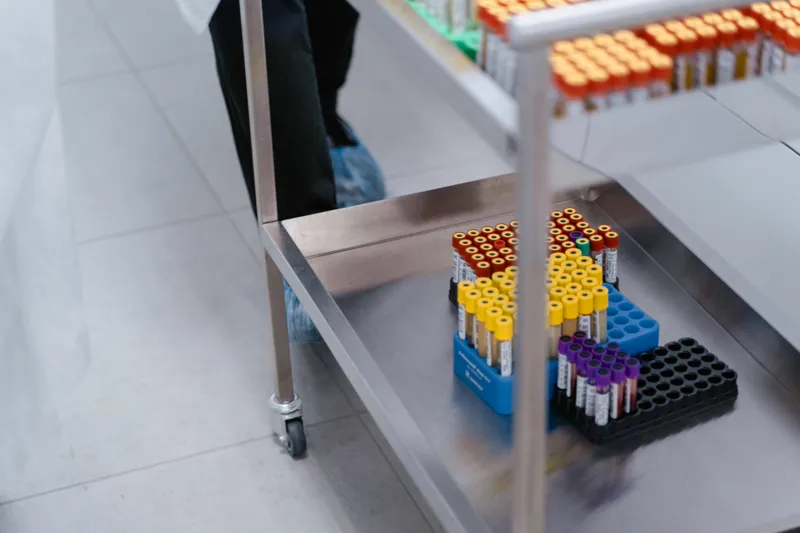
Lipid Profile Test Dubai: Cost & Guide
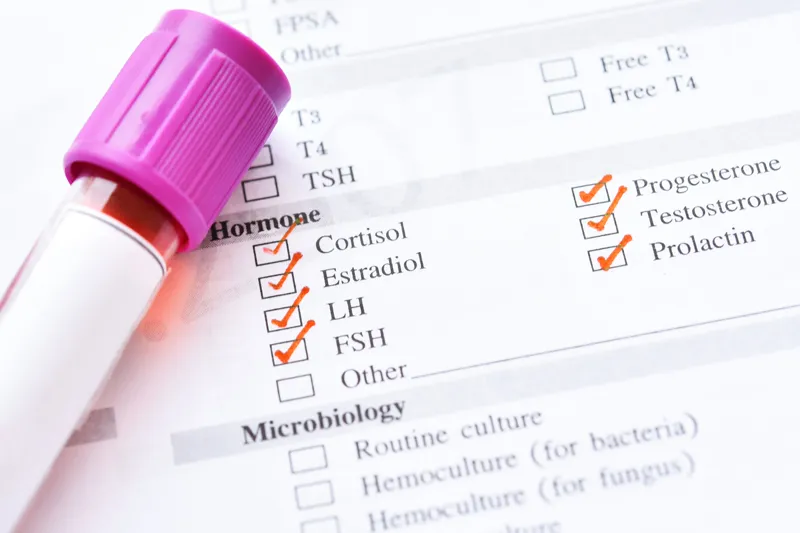
PCOS Treatment & Diagnosis Dubai
More in Internal Medicine

Bloating Causes & Treatment in Dubai (2026)
Basahin Pa
Anemia Treatment Dubai: Types & Causes (2026)
Basahin Pa
Chronic Fatigue Causes Dubai: Why Always Tired (2026)
Basahin PaIBS vs Food Intolerance Dubai: Which Is It? (2026)
Basahin Pa
Best Internal Medicine Doctor in Dubai: Dr. Hadi Komshi at DCDC (2026)
Basahin PaDiabetes Specialist in Dubai: Expert Management at DCDC (2026)
Basahin Pa© 2026 Doctors Clinic Diagnostic Center (DCDC), Dubai Healthcare City. Originally published at https://doctorsclinicdubai.ae/blog/insulin-resistance-signs-dubai. All rights reserved. Unauthorized reproduction is prohibited.