Mga Pangunahing Punto
- Heat stroke is a life-threatening emergency where core body temperature exceeds 40°C (104°F) and the body's cooling system fails — in Dubai's 45-50°C summers, it can develop within 10-15 minutes of untreated heat exhaustion
- The hallmark symptoms of heat stroke are confusion or altered mental state, hot dry skin (sweating may stop), body temperature above 40°C, rapid pulse, and loss of consciousness — if you see these signs, call 998 immediately
- Heat stroke and heat exhaustion are not the same condition: heat exhaustion involves heavy sweating and a temperature below 40°C, while heat stroke is characterised by the cessation of sweating, temperatures above 40°C, and neurological symptoms like confusion or seizures
- Outdoor workers, the elderly, children under 5, athletes, tourists unaccustomed to desert heat, and people on certain medications are at highest risk — UAE labour law bans outdoor work between 12:30 PM and 3:00 PM from June to September for this reason
- First aid for heat stroke requires immediate aggressive cooling: move the person to shade, remove excess clothing, apply ice packs to the neck, armpits, and groin, and fan the skin — do not give fluids if the person is unconscious or confused
- At DCDC Dubai Healthcare City, heat-related illness evaluation includes a GP consultation from AED 150, on-site blood tests for electrolytes and organ function with same-day results, and coordination with specialists if complications arise
Every summer, Dubai's temperatures soar above 45°C, and UAE hospitals see a sharp increase in heat-related emergencies — including heat stroke, the most dangerous of all heat illnesses. Heat stroke kills an estimated 12,000 people globally each year according to the World Health Organization, and Dubai's extreme climate places residents and visitors at particular risk from May through October. Unlike heat exhaustion, which is uncomfortable but reversible, heat stroke is a medical emergency that can cause permanent organ damage or death within minutes if not treated immediately. Whether you work outdoors, exercise in the heat, care for children or elderly family members, or simply want to stay safe during Dubai's summer, this guide covers everything you need to know: the warning signs, the critical differences between heat exhaustion and heat stroke, step-by-step first aid, when to call 998, and how to prevent heat stroke entirely. If you are experiencing symptoms now, our General Medicine Consultation service at DCDC offers same-day walk-in appointments in Dubai Healthcare City.
From recognising the earliest warning signs to understanding who is most vulnerable, how heat stroke is diagnosed, and practical prevention strategies tailored for Dubai's climate — this is a comprehensive heat stroke guide for UAE residents and visitors. Reviewed by Dr. Hadeel Elnur, General Practitioner at DCDC Dubai Healthcare City.
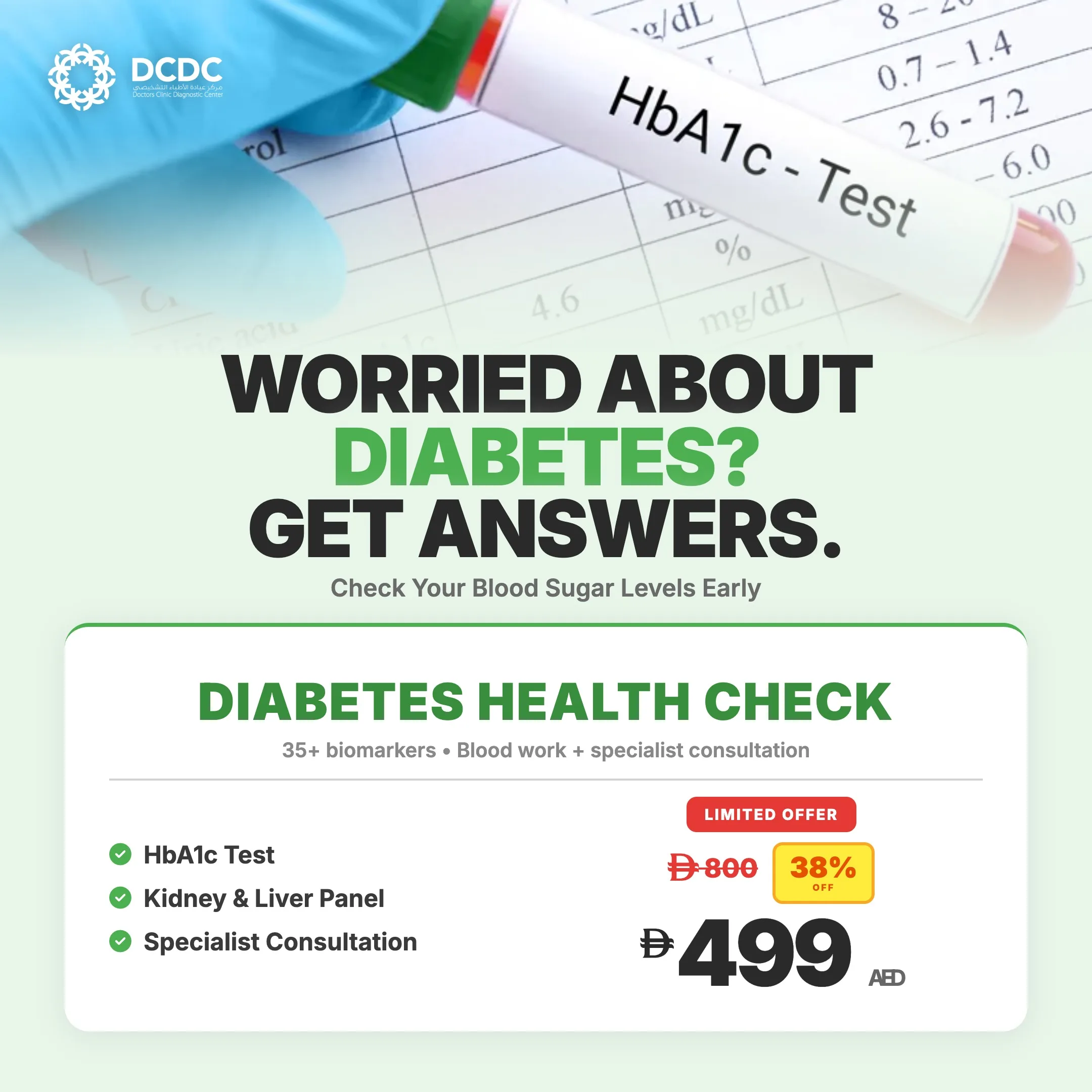
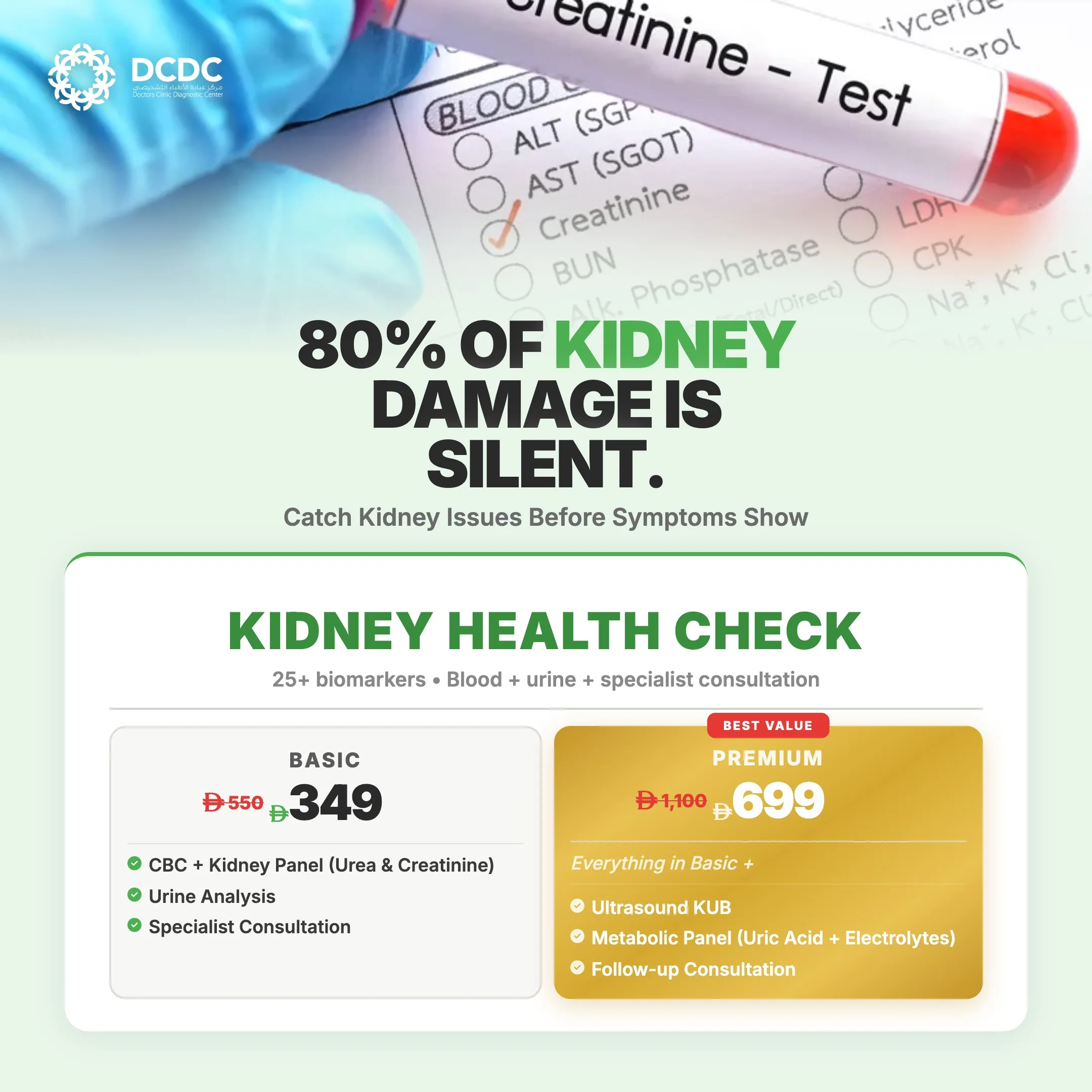
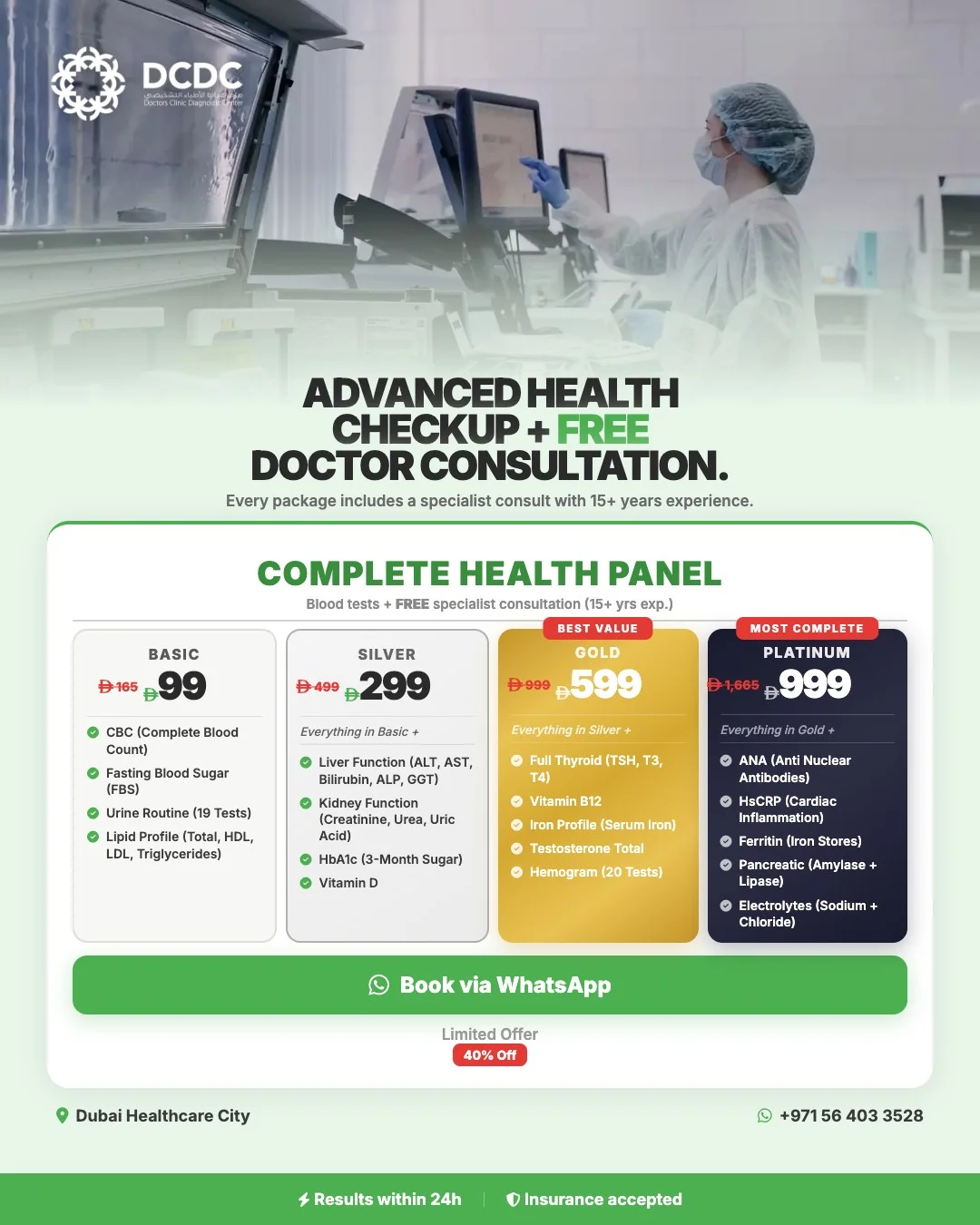
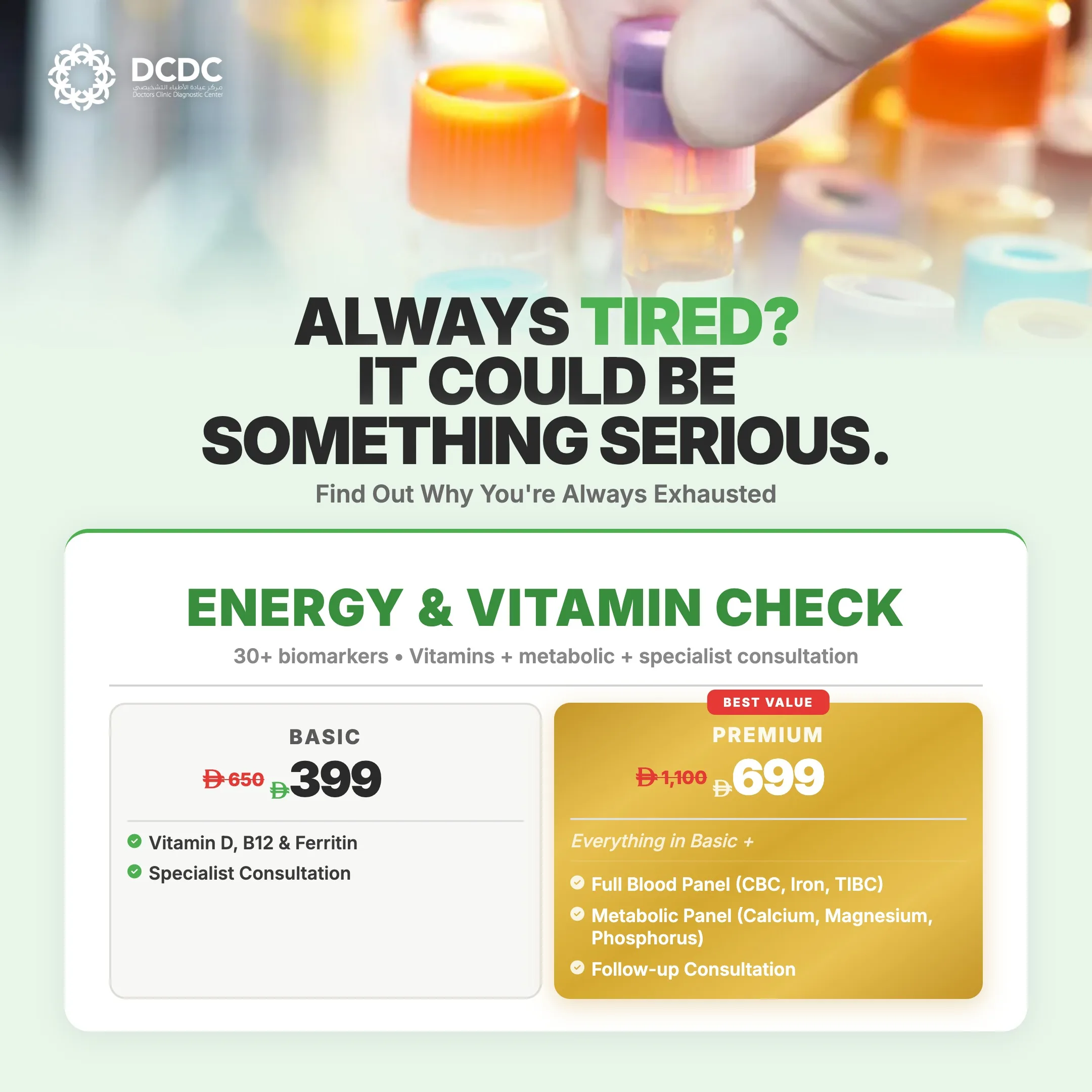
Health Screening Packages
Save with our bundled screening packages — specialist consultation included

What Is Heat Stroke?
Heat stroke (also called sunstroke) is the most severe form of heat-related illness. It occurs when the body's temperature regulation system fails and core body temperature rises to 40°C (104°F) or above. At this point, the hypothalamus — the brain's thermostat — can no longer control body temperature, and without rapid intervention, the result is progressive organ damage, brain injury, and potentially death.
The human body normally maintains a core temperature of approximately 37°C through sweating and dilating blood vessels near the skin surface. In Dubai's extreme summer heat — where air temperatures reach 45-50°C and humidity can exceed 80% — these cooling mechanisms are overwhelmed. Sweat cannot evaporate efficiently in humid air, radiant heat from the environment exceeds the body's ability to dissipate heat, and core temperature begins to climb.
There are two types of heat stroke:
- Classic (non-exertional) heat stroke: Occurs during prolonged exposure to high environmental temperatures without physical exertion. Most common in the elderly, people with chronic illness, and those without access to air conditioning. In Dubai, this often affects elderly residents during power outages or prolonged time in non-air-conditioned spaces
- Exertional heat stroke: Occurs during intense physical activity in hot environments. Most common in outdoor workers, athletes, and military personnel. In Dubai, this predominantly affects construction workers, delivery riders, outdoor labourers, and people exercising during summer months
According to the CDC, heat stroke has a mortality rate of 10-50% depending on how quickly treatment begins. With immediate cooling, survival rates improve dramatically — making recognition and first aid knowledge literally lifesaving.
Heat Stroke vs Heat Exhaustion: Key Differences
Heat exhaustion and heat stroke exist on a continuum of severity, but they are clinically distinct conditions that require different responses. Many people confuse the two, which can delay critical treatment. Here is a clear comparison:
| Feature | Heat Exhaustion | Heat Stroke |
|---|---|---|
| Core body temperature | Below 40°C (104°F) | 40°C (104°F) or above |
| Sweating | Heavy, profuse sweating | Sweating may stop — hot, dry skin |
| Mental state | Alert but fatigued, may feel anxious | Confusion, agitation, slurred speech, delirium, seizures, loss of consciousness |
| Skin | Cool, pale, clammy | Hot, red, dry (or damp in exertional type) |
| Pulse | Rapid but weak | Rapid and strong |
| Nausea/vomiting | Possible | Common |
| Headache | Mild to moderate | Severe, throbbing |
| Urgency | Medical attention recommended | MEDICAL EMERGENCY — call 998 |
| Treatment | Move to cool area, oral fluids, rest | Immediate aggressive cooling, call ambulance, do NOT give fluids if unconscious |
Critical differences between heat exhaustion and heat stroke. Heat exhaustion can progress to heat stroke within 10-15 minutes without intervention.
The single most important distinction is mental status. If a person exposed to heat becomes confused, disoriented, combative, or loses consciousness, assume heat stroke and act immediately. Do not wait to measure temperature — begin cooling and call 998.
Warning Signs and Symptoms of Heat Stroke in Dubai
Heat stroke symptoms typically develop rapidly, often progressing from heat exhaustion warning signs. In Dubai's extreme conditions, this progression can happen in as little as 10-15 minutes. Recognising both the early warning signs and the full heat stroke presentation is critical:
Early Warning Signs (Heat Exhaustion Stage)
- Heavy sweating: Profuse sweating is the body's last-ditch effort to cool itself — pay attention, because if sweating suddenly stops in extreme heat, this signals progression to heat stroke
- Muscle cramps: Painful spasms in the legs, abdomen, or arms due to electrolyte loss through sweat
- Weakness and fatigue: Sudden onset of extreme tiredness despite not performing unusual physical activity
- Nausea or vomiting: The gastrointestinal system is affected by heat stress and fluid loss
- Dizziness and lightheadedness: Blood pressure drops as blood vessels dilate and fluid volume decreases
- Headache: Typically throbbing, worsening with continued heat exposure
- Dark urine or reduced urination: Kidneys conserve fluid, a sign of significant dehydration
Heat Stroke Symptoms — Medical Emergency
- Core body temperature above 40°C (104°F): The defining clinical feature. Without a thermometer, hot skin to touch is a strong indicator
- Altered mental state or confusion: The hallmark symptom. The person may appear disoriented, agitated, make no sense when speaking, or become combative
- Slurred speech: Similar to stroke symptoms — the brain is overheating
- Loss of consciousness or coma: Advanced heat stroke can render a person unconscious
- Seizures: Brain overheating and electrolyte imbalances can trigger convulsions
- Hot, dry skin (classic heat stroke): The sweating mechanism has failed — the skin feels burning hot and dry to touch
- Hot, damp skin (exertional heat stroke): In exertional heat stroke, the person may still be sweating despite dangerously elevated temperature
- Rapid, strong pulse: The heart beats forcefully as it tries to circulate blood to the skin for cooling
- Rapid breathing: Respiratory rate increases as the body attempts to expel heat
- Flushed, red skin: Blood rushes to the skin surface in a failing attempt to dissipate heat
If you or someone around you shows any combination of confusion, hot skin, and high temperature after heat exposure, call 998 (UAE ambulance) immediately and begin cooling. Every minute of delay increases the risk of permanent brain and organ damage. Dehydration is often the trigger that tips heat exhaustion into heat stroke — for a detailed guide on recognising and treating fluid loss, see our dehydration symptoms and treatment guide.
Who Is Most at Risk for Heat Stroke in Dubai?
While anyone exposed to extreme heat can develop heat stroke, certain populations face significantly higher risk. Dubai's unique demographics — a large outdoor labour force, an international tourist population unaccustomed to desert heat, and a growing elderly population — create specific risk categories:
High-Risk Groups
- Outdoor workers: Construction workers, delivery riders, landscapers, parking attendants, and anyone working in direct sun. UAE labour law bans outdoor work between 12:30 PM and 3:00 PM from 15 June to 15 September, but heat stroke can occur outside these hours, especially with humidity
- Elderly adults (over 65): Reduced sweat gland function, diminished thirst sensation, chronic medications, and less efficient cardiovascular response make older adults 3-5 times more vulnerable. Classic heat stroke is most common in this group
- Children under 5: Higher surface-area-to-body-mass ratio means children absorb heat faster. They cannot regulate temperature as efficiently as adults and depend on caregivers for hydration and shade. Children left in parked cars are at extreme risk — vehicle interiors can reach 70°C within minutes
- Athletes and fitness enthusiasts: Exertional heat stroke is common in people who exercise during summer, even in early morning when humidity is highest. Runners, cyclists, CrossFit athletes, and football players are particularly affected
- Tourists and new residents: People who have not acclimatised to Dubai's heat are significantly more susceptible. Acclimatisation takes 7-14 days of gradual exposure. First-time visitors who spend prolonged periods outdoors (desert safaris, sightseeing, beach days) without adequate precautions are at high risk
- People with chronic conditions: Diabetes, heart disease, obesity, respiratory illness, and kidney disease all impair the body's heat regulation. Uncontrolled diabetes is particularly dangerous because it affects sweat gland function and hydration status
- People on certain medications: Diuretics, beta-blockers, antihistamines, antipsychotics, stimulants (ADHD medications), and anticholinergics can impair sweating, reduce thirst, or affect cardiovascular response to heat
- People who are dehydrated or have recently been ill: Gastroenteritis, fever, and any recent illness that causes fluid loss significantly increases heat stroke risk
First Aid for Heat Stroke: What to Do Immediately
Heat stroke is a race against time. The goal is to lower core body temperature as rapidly as possible. For every minute that body temperature remains above 40°C, the risk of organ damage increases. Here is the step-by-step first aid protocol:
Step-by-Step Emergency Response
- 1. Call 998 (UAE ambulance) immediately: Do not wait to see if the person improves. Heat stroke is a medical emergency. State clearly: 'This person has heat stroke — they are confused and have hot skin'
- 2. Move the person to the coolest available area: Air-conditioned building, shade, or vehicle with AC running. Get them out of direct sun immediately
- 3. Remove excess clothing: Take off unnecessary layers to allow skin exposure for cooling
- 4. Cool aggressively: Use every cooling method available — apply ice packs or cold wet cloths to the neck, armpits, and groin (these are areas where large blood vessels are close to the skin). Pour cool water over the body. Fan the skin vigorously. If possible, immerse in a cold water bath (the gold standard for cooling)
- 5. Do NOT give fluids if the person is unconscious or confused: They could choke or aspirate. Only give small sips of cool water if the person is fully alert and able to swallow
- 6. Position the person on their side (recovery position): If unconscious or vomiting, this prevents aspiration
- 7. Monitor breathing and consciousness: Be prepared to perform CPR if the person stops breathing. Continue cooling efforts until emergency services arrive
- 8. Do NOT give aspirin or paracetamol: These fever-reducing medications do not work for heat stroke and may worsen organ damage
Studies show that cooling within 30 minutes of symptom onset reduces heat stroke mortality from over 50% to less than 10%. The most effective cooling method is cold water immersion (reducing temperature at a rate of approximately 0.2°C per minute), but any cooling is better than no cooling while waiting for the ambulance.
When to See a Doctor for Heat-Related Illness
Not every episode of feeling hot requires emergency care, but knowing when to escalate is essential. Here is a clear guide to help you decide the right level of response:
Self-Care at Home
- Mild heat cramps with no other symptoms — rest, cool environment, electrolyte fluids
- Mild headache after sun exposure that resolves with fluids and rest within 1-2 hours
- Feeling slightly overheated with continued normal sweating and clear mental state
See a Doctor Same Day (GP Visit)
- Heat exhaustion symptoms (heavy sweating, weakness, nausea) that do not improve after 30-60 minutes of cooling and fluids
- Persistent vomiting that prevents oral rehydration
- Recurrent episodes of heat-related symptoms during summer
- You have a chronic condition (diabetes, heart disease, kidney disease) and experience heat illness
- You are on medications that affect heat tolerance and want a medication review
- A child has prolonged heat exhaustion symptoms or cannot keep fluids down
Call 998 Immediately (Emergency)
- Confusion, disorientation, or altered behaviour after heat exposure
- Loss of consciousness
- Seizures
- Hot, dry skin with no sweating in extreme heat
- Core body temperature above 40°C
- A child found in a hot car
For children who develop fever after heat exposure, it can be difficult to distinguish heat-related illness from infection. Our child fever management guide explains the key differences and when to seek urgent paediatric care.
How Heat Stroke Is Diagnosed
While heat stroke is initially diagnosed clinically (high temperature plus altered mental state plus heat exposure), laboratory tests are essential to assess the extent of organ damage and guide treatment. Here are the key diagnostic investigations:
Blood Tests for Heat Stroke Assessment
- Electrolyte panel (sodium, potassium, chloride, bicarbonate): Heat stroke causes severe electrolyte disturbances. Hyponatraemia (low sodium) or hypernatraemia (high sodium) are common and dangerous. Potassium imbalances can trigger cardiac arrhythmias
- Kidney function tests (BUN, creatinine, eGFR): Heat stroke frequently causes acute kidney injury. Elevated creatinine and BUN indicate the kidneys are struggling to filter waste. Severe cases can lead to rhabdomyolysis — breakdown of muscle tissue that clogs the kidneys
- Liver function tests (ALT, AST, bilirubin): The liver is particularly vulnerable to heat damage. Liver enzymes can rise dramatically 24-72 hours after heat stroke, and hepatic failure is a leading cause of death in severe cases
- Complete blood count (CBC): Assesses haemoconcentration (dehydration marker), platelet count (low platelets may indicate disseminated intravascular coagulation, a serious complication), and white blood cell count
- Coagulation studies (PT, INR, fibrinogen): Heat stroke can trigger disseminated intravascular coagulation (DIC), a life-threatening clotting disorder
- Creatine kinase (CK): Elevated CK indicates muscle breakdown (rhabdomyolysis), which is common in exertional heat stroke and can cause acute kidney failure
- Arterial blood gas: Assesses acid-base balance. Metabolic acidosis is common in severe heat stroke
- Blood glucose: Both hypoglycaemia and hyperglycaemia can occur during heat stroke, and either can worsen neurological symptoms
At DCDC, our on-site laboratory can perform electrolyte panels, kidney function tests, liver function tests, CBC, and CK levels with same-day results. For a complete guide to blood tests available at our facility, including preparation and fasting requirements, see our blood test guide for Dubai.
Heat Stroke Treatment in Dubai
Heat stroke treatment follows a clear protocol focused on rapid cooling, stabilisation, and organ support. The treatment approach depends on severity:
Emergency Treatment (Hospital/Ambulance)
- Aggressive cooling: Cold water immersion remains the gold standard. If unavailable, evaporative cooling (wetting the skin and fanning) combined with ice packs to the neck, armpits, and groin. Target: reduce core temperature to below 39°C within 30 minutes
- IV fluid resuscitation: Cooled intravenous normal saline to restore blood volume, support blood pressure, and aid internal cooling
- Airway management: Ensure the airway is clear. Intubation may be needed if the patient is unconscious or seizing
- Seizure control: Benzodiazepines are used if seizures occur. Shivering during cooling is treated because shivering generates additional heat
- Monitoring: Continuous monitoring of core temperature (rectal thermometer is the gold standard), heart rhythm, blood pressure, urine output, and neurological status
Post-Emergency Recovery
After the acute emergency is stabilised, patients typically require:
- 24-72 hours of hospital monitoring: Liver enzymes typically peak at 48-72 hours post-heat stroke, so delayed organ damage must be watched for
- Serial blood tests: Repeat electrolytes, kidney function, liver function, and CK every 6-12 hours to monitor for delayed deterioration
- Renal support: If rhabdomyolysis develops, aggressive IV hydration and possibly dialysis may be needed
- Gradual return to activity: After discharge, patients should avoid heat exposure and strenuous activity for at least 7-14 days. A follow-up with a GP is recommended to reassess organ function
Heat Exhaustion Treatment (Pre-Heat Stroke)
If caught at the heat exhaustion stage — before confusion or cessation of sweating — treatment is simpler and outcomes are excellent:
- Move to an air-conditioned environment immediately
- Remove excess clothing and apply cool, wet cloths to the skin
- Sip cool water or oral rehydration solution slowly (250 ml every 15 minutes)
- Rest for at least 2-3 hours before any physical activity
- If symptoms do not improve within 30-60 minutes, seek medical attention
Concerned About Heat-Related Symptoms?
Walk in or book a same-day GP appointment at DCDC Dubai Healthcare City. On-site blood tests including electrolytes, kidney function, and liver function with same-day results. Book a consultation or WhatsApp us now.
Preventing Heat Stroke in Dubai: Practical Tips
Heat stroke is almost entirely preventable. The strategies below are tailored specifically for Dubai's climate, where summer heat combines with high humidity to create conditions that overwhelm the body's cooling system:
Hydration
- Drink before you feel thirsty: By the time thirst registers, you are already 1-2% dehydrated. Set phone reminders to drink 250 ml every 30 minutes during outdoor activity
- Target 3-5 litres daily during summer: Sedentary indoor workers need at least 3 litres. Outdoor workers and athletes may need 5 litres or more
- Add electrolytes during heavy sweating: Sweat contains sodium, potassium, and magnesium. Plain water alone does not replace these — use electrolyte tablets or oral rehydration solutions available at any Dubai pharmacy
- Avoid alcohol and excessive caffeine: Both are diuretics that accelerate fluid loss. If you drink coffee, match each cup with an equal volume of water
- Eat water-rich foods: Watermelon, cucumber, oranges, yoghurt, and soups all contribute to hydration
Timing and Environment
- Avoid outdoor activity between 10 AM and 4 PM: This is when UV radiation and temperatures peak. If you must be outdoors, take 10-15 minute breaks in shade or air conditioning every 30 minutes
- Acclimatise gradually: New residents and tourists should limit outdoor exposure to 30-60 minutes per day for the first 7-14 days, gradually increasing as the body adapts
- Never leave anyone in a parked car: Vehicle interiors can reach 60-70°C within 10-15 minutes, even with windows cracked. This is especially critical for children and pets
- Use air conditioning strategically: Keep indoor temperatures at 22-24°C. Use AC in cars for at least 5 minutes before entering during summer
Clothing and Sun Protection
- Wear light-coloured, loose-fitting, breathable fabrics: Cotton and moisture-wicking materials allow sweat to evaporate. Dark colours absorb heat
- Wear a wide-brimmed hat and UV-rated sunglasses: The head is particularly vulnerable to heat absorption
- Apply sunscreen (SPF 30+): Sunburn impairs the skin's ability to dissipate heat and increases dehydration. Reapply every 2 hours
Know Your Risk Factors
- Review medications with your doctor: If you take diuretics, beta-blockers, antihistamines, or psychiatric medications, ask your GP whether dose adjustments are needed during summer
- Manage chronic conditions: Keep diabetes, blood pressure, and heart conditions well-controlled. Poorly managed chronic disease significantly increases heat vulnerability
- Get a pre-summer health checkup: A baseline check of kidney function, electrolytes, and overall fitness helps identify hidden vulnerabilities before the peak heat season
Vitamin D deficiency — extremely common in Dubai due to sun avoidance — can also affect your body's resilience to heat stress. Adequate vitamin D supports muscle function, cardiovascular health, and immune response. Read our vitamin D deficiency guide to understand why this paradoxically sunny city has some of the highest deficiency rates globally.
What to Expect at DCDC for Heat-Related Illness
If you visit DCDC Dubai Healthcare City with heat-related symptoms — whether heat exhaustion, post-heat stroke follow-up, or concerns about summer health — here is the step-by-step patient journey:
Step 1: Walk-In or Same-Day Appointment
DCDC offers walk-in availability and same-day appointments for acute symptoms. No need to wait days for an opening — you can be seen the same day you call or walk in. The clinic is located in Building 64, Block A, Al Razi Medical Complex, Dubai Healthcare City, with free parking available on-site. We are open Saturday to Thursday 8 AM-10:30 PM and Friday 9 AM-10 PM.
Step 2: Vitals and Triage
A nurse will immediately check your core temperature, blood pressure (lying and standing), heart rate, respiratory rate, and oxygen saturation. Average wait time at DCDC is approximately 15 minutes. If heat-related symptoms are acute, you will be triaged as a priority.
Step 3: GP Consultation
Dr. Hadeel Elnur or another GP will conduct a thorough assessment: duration and nature of heat exposure, fluid intake, current symptoms, medication history, and any underlying conditions. A focused physical examination includes skin assessment, hydration markers, neurological check, and cardiovascular evaluation. As your first point of contact, the GP coordinates any multi-specialty referrals if needed.
Step 4: On-Site Diagnostic Tests
Based on clinical findings, your doctor may order blood tests including: electrolyte panel, kidney function tests, liver function tests, CBC, and creatine kinase. All samples are collected on-site at DCDC's in-house laboratory. Routine blood test results are available same day, allowing your doctor to review results and create a treatment plan during the same visit.
Step 5: Treatment and Follow-Up Plan
Depending on your results, the treatment plan may include: oral or IV rehydration, electrolyte supplementation, medication review (if applicable), a personalised prevention strategy for the remainder of summer, and a follow-up appointment to recheck any abnormal blood markers. For patients recovering from heat stroke, follow-up blood tests at 48-72 hours and again at 1 week are typically recommended.
Dr. Hadeel's Clinical Perspective
"Heat stroke is a condition I take extremely seriously — I have seen how quickly it can escalate, and how devastating the consequences can be when treatment is delayed. What I most want residents to understand is that heat stroke is almost always preceded by warning signs. If you feel dizzy, nauseated, or develop a severe headache during heat exposure, your body is telling you to stop, get cool, and hydrate immediately. Do not push through it. I also urge patients on medications — especially diuretics, blood pressure medications, and antihistamines — to discuss summer precautions with their doctor. A five-minute conversation about adjusting medication timing or increasing fluid intake can prevent a life-threatening emergency. At DCDC, we see patients with heat-related concerns every summer, and I always prefer to see someone early with mild symptoms than late with organ damage. Walk in any time — early intervention saves lives."
DCDC is a MOHAP-licensed facility in Dubai Healthcare City (DHCC), rated 4.8/5 on Google from 1,000+ reviews with 98% patient satisfaction. We accept direct billing with 20+ insurance providers, making evaluation accessible whether you are insured or self-pay.
Cost of Heat-Related Illness Evaluation in Dubai (2026)
Seeking early medical evaluation for heat-related illness at a clinic is significantly more affordable — and more effective — than waiting until symptoms escalate to an emergency. Here is a breakdown of costs at DCDC:
| Service | DCDC Price | Dubai Market Range |
|---|---|---|
| GP Consultation | From AED 150 | AED 200–600 |
| Electrolyte Panel (Na, K, Cl, HCO3) | From AED 150 | AED 150–400 |
| Kidney Function Tests (BUN, Creatinine, eGFR) | From AED 200 | AED 200–500 |
| Liver Function Tests (ALT, AST, Bilirubin) | From AED 200 | AED 200–500 |
| Complete Blood Count (CBC) | From AED 100 | AED 100–300 |
| Creatine Kinase (CK) | From AED 120 | AED 120–300 |
| Comprehensive Summer Health Panel | From AED 399 | AED 500–1,200 |
Prices are indicative and may vary based on insurance coverage. DCDC operates under DHA-regulated pricing at Dubai Healthcare City. Prices valid as of May 2026.
DCDC accepts direct billing with 20+ insurance providers, and self-pay patients benefit from DHA-regulated pricing with no hidden fees. A typical heat-related evaluation with GP consultation and basic blood work costs approximately AED 350-550 — compared to an emergency room visit that can cost AED 2,000-5,000 or more. For a full guide to health screening costs, see our health checkup cost guide.
Heat Stroke in Children: Special Precautions
Children are among the most vulnerable populations for heat stroke in Dubai, and paediatric heat stroke carries unique risks and considerations:
Why Children Are at Higher Risk
- Higher surface-area-to-mass ratio: Children absorb heat from the environment faster than adults
- Less efficient sweating: Children's sweat glands are less developed, producing less sweat per gland than adults
- Lower cardiac output: The cardiovascular system is still developing, limiting the body's ability to circulate blood to the skin for cooling
- Dependence on caregivers: Young children cannot seek shade, remove clothing, or obtain water independently. They may not recognise or communicate symptoms
- Impulsive activity levels: Children often do not voluntarily reduce activity in hot conditions the way adults do
Warning Signs of Heat Stroke in Children
- Hot, flushed, dry skin (no sweating)
- Temperature above 40°C (104°F)
- Confusion, irritability, or unresponsiveness
- Rapid breathing and rapid heartbeat
- Vomiting
- Seizures
- In infants: high-pitched crying, sunken fontanelle, no tears
Prevention for Children in Dubai
- Never leave children in parked cars — ever: Even with windows cracked, car interiors reach lethal temperatures within minutes. Over 900 children have died from vehicular heat stroke globally since 1998
- Limit outdoor play during peak hours: No outdoor activity between 10 AM and 4 PM during summer months. Even early morning play should include frequent shade breaks and mandatory water breaks every 15-20 minutes
- Dress children in light, loose clothing: UV-protective, light-coloured fabrics with hats and sunglasses
- Enforce regular hydration: Do not wait for children to ask for water. Offer water or diluted juice every 20-30 minutes during any outdoor activity
- Watch for behavioural changes: Unusual crankiness, lethargy, or refusing to play may be early signs of overheating
- Apply water-resistant sunscreen: SPF 50+ for children, reapplied every 90 minutes during outdoor exposure
If a child develops any signs of heat stroke, follow the same emergency first aid steps as for adults: call 998, move to a cool area, cool aggressively with wet cloths and fanning, and do not give fluids if the child is confused or unconscious.
Dubai Summer Safety: Outdoor Activity Guidelines
Staying active during Dubai's summer is possible — but it requires deliberate planning. Here are evidence-based guidelines for different outdoor activities:
Exercise and Sports
- Time your workouts: Exercise before 7 AM or after 8 PM. Even at these times, temperatures can exceed 35°C, so remain vigilant
- Pre-hydrate: Drink 500 ml of water 30 minutes before exercising. During exercise, drink 200-250 ml every 15-20 minutes. After exercise, replace 150% of fluid lost (weigh yourself before and after)
- Use the buddy system: Never exercise alone in the heat. A training partner can recognise early heat illness symptoms that you might dismiss
- Reduce intensity: Decrease workout intensity by 30-50% during summer. The same effort level produces significantly more heat stress in hot conditions
- Know the WBGT: Wet Bulb Globe Temperature is the standard measure of heat stress that accounts for temperature, humidity, wind, and sun radiation. When WBGT exceeds 32°C, outdoor exercise should be cancelled. Dubai regularly exceeds this threshold during summer
Outdoor Workers
- UAE midday work ban: From 15 June to 15 September, outdoor work is prohibited between 12:30 PM and 3:00 PM. Employers are legally required to provide shade, water, and rest breaks
- Acclimatisation protocol: New workers should spend no more than 50% of the first day in heat, increasing by 10% each subsequent day over 7-14 days
- Mandatory hydration: Drink 250 ml of water every 20 minutes during outdoor work. Do not rely on thirst
- Buddy observation: Workers should monitor each other for confusion, unsteadiness, or cessation of sweating — these are signs of heat stroke that the affected person may not recognise in themselves
Tourists and Beach-Goers
- Limit beach time to early morning or late afternoon during summer months
- Use a beach umbrella or shaded cabana — direct sun exposure on sand increases effective temperature significantly
- Desert safari tours should provide air-conditioned vehicles and scheduled cool-down breaks
- Carry at least 1 litre of water per person for any outdoor excursion
- If you are visiting Dubai for the first time during summer, assume you are at higher risk until acclimatised (7-14 days minimum)
Prepare for Summer — Book a Health Checkup
Get a pre-summer health screening at DCDC Dubai Healthcare City. Comprehensive blood panel including electrolytes, kidney function, liver function, and vitamin levels from AED 399. Identify hidden risk factors before peak heat season.
Rated 4.8/5 on Google — walk in or call to book. Open until 10 PM with free parking.
Kaugnay na Serbisyo sa DCDC
Dalubhasang pangangalaga at advanced diagnostics sa Dubai Healthcare City
Mga Madalas Itanong
Mga Huling Kaisipan
Heat stroke is one of the most dangerous yet most preventable medical emergencies in Dubai. With summer temperatures regularly exceeding 45°C and humidity levels that can render sweating ineffective, every resident, worker, and visitor needs to take heat safety seriously from May through October. The warning signs — confusion, hot dry skin, cessation of sweating, high fever — demand immediate action. Every minute of delay in cooling increases the risk of permanent organ damage or death.
Prevention is straightforward: stay hydrated (3-5 litres daily in summer), avoid outdoor exposure during peak hours, acclimatise gradually, wear appropriate clothing, and know your personal risk factors. If you take medications that affect heat tolerance, review your summer plan with your GP. If you have been treated for heat exhaustion or heat stroke, follow-up blood tests are essential to confirm that your kidneys and liver have fully recovered. At DCDC Dubai Healthcare City, our team provides same-day evaluation for heat-related concerns — with on-site blood testing, same-day results, and GP consultations from AED 150. Walk in, WhatsApp us, or call to book. We are open until 10 PM with free parking. In Dubai's summer, preparation is not optional — it is survival.
Mga Sanggunian at Reperensya
Ang artikulong ito ay sinuri ng aming medikal na team at tumutukoy sa mga sumusunod na sanggunian:
- World Health Organization — Heat and Health
- Mayo Clinic — Heatstroke: Symptoms and Causes
- NHS — Heat Exhaustion and Heatstroke
- Cleveland Clinic — Heat Stroke
- CDC — Warning Signs and Symptoms of Heat-Related Illness
- UAE Ministry of Human Resources — Midday Break Regulations
Ang medikal na nilalaman sa site na ito ay sinusuri ng mga DHA-licensed na manggagamot. Tingnan ang aming patakarang editorial para sa higit pang impormasyon.

Isinulat ni
Dr. Hadeel Elnur
General Practice
MD, General Practice
Dr. Hadeel Elnur is a General Practitioner at Doctors Clinic Diagnostic Center (DCDC) in Dubai Healthcare City.
Mga Kaugnay na Artikulo

Dehydration Dubai: Symptoms & Treatment

Child Fever: When to Worry & What to Do
Blood Test Dubai: Types, Cost & Fasting Guide
Higit pa sa General Health
AC Sickness Dubai: Summer Cold Symptoms (2026)
Basahin Pa
Allergy Specialist Dubai: Tests & Guide (2026)
Basahin PaAllergy Testing Dubai: IgE Blood Panels & Cost (2026)
Basahin PaBlood Test Dubai: Types, Cost & Fasting Guide (2026)
Basahin Pa
Cancer Screening Dubai: Tests & Cost by Age (2026)
Basahin Pa
Cortisol Test Dubai: Levels & Cost Guide (2026)
Basahin Pa© 2026 Doctors Clinic Diagnostic Center (DCDC), Dubai Healthcare City. Originally published at https://doctorsclinicdubai.ae/blog/heat-stroke-prevention-dubai. All rights reserved. Unauthorized reproduction is prohibited.