Mga Pangunahing Punto
- Annual health checkups can detect heart disease, diabetes, and cancer years before symptoms appear — when treatment is most effective and least costly
- The UAE has one of the highest rates of diabetes (16.3%) and cardiovascular disease in the world, making regular screening critical for residents regardless of nationality
- Adults in their 20s–30s need baseline blood work, blood pressure, BMI, and STI screening. By age 40+, add lipid panels, diabetes screening, cardiac tests, and cancer screening
- Most Dubai insurance plans cover annual preventive checkups — including Daman, Cigna, BUPA, and Oman Insurance. Corporate wellness benefits often cover executive-tier packages
- DCDC Dubai Healthcare City offers same-day blood results and a physician consultation to review findings, making the entire checkup process efficient and actionable
If you cannot remember when you last had a full health checkup, you are overdue. An annual health screening is the single most effective way to catch serious conditions early — before they progress to the point where treatment becomes complex, expensive, or less likely to succeed. This guide explains exactly which tests you need based on your age and risk factors, why annual screenings are especially important for UAE residents, and how to use your insurance to cover the cost.
Living in the UAE presents unique health challenges: extreme heat that discourages outdoor activity, a sedentary office culture, high-calorie social dining, vitamin D deficiency despite year-round sunshine, and a genetically diverse population with varying risk profiles. Whether you are a 25-year-old professional who feels perfectly healthy or a 55-year-old executive managing stress and a family history of heart disease, this guide helps you understand exactly what your annual checkup should include.
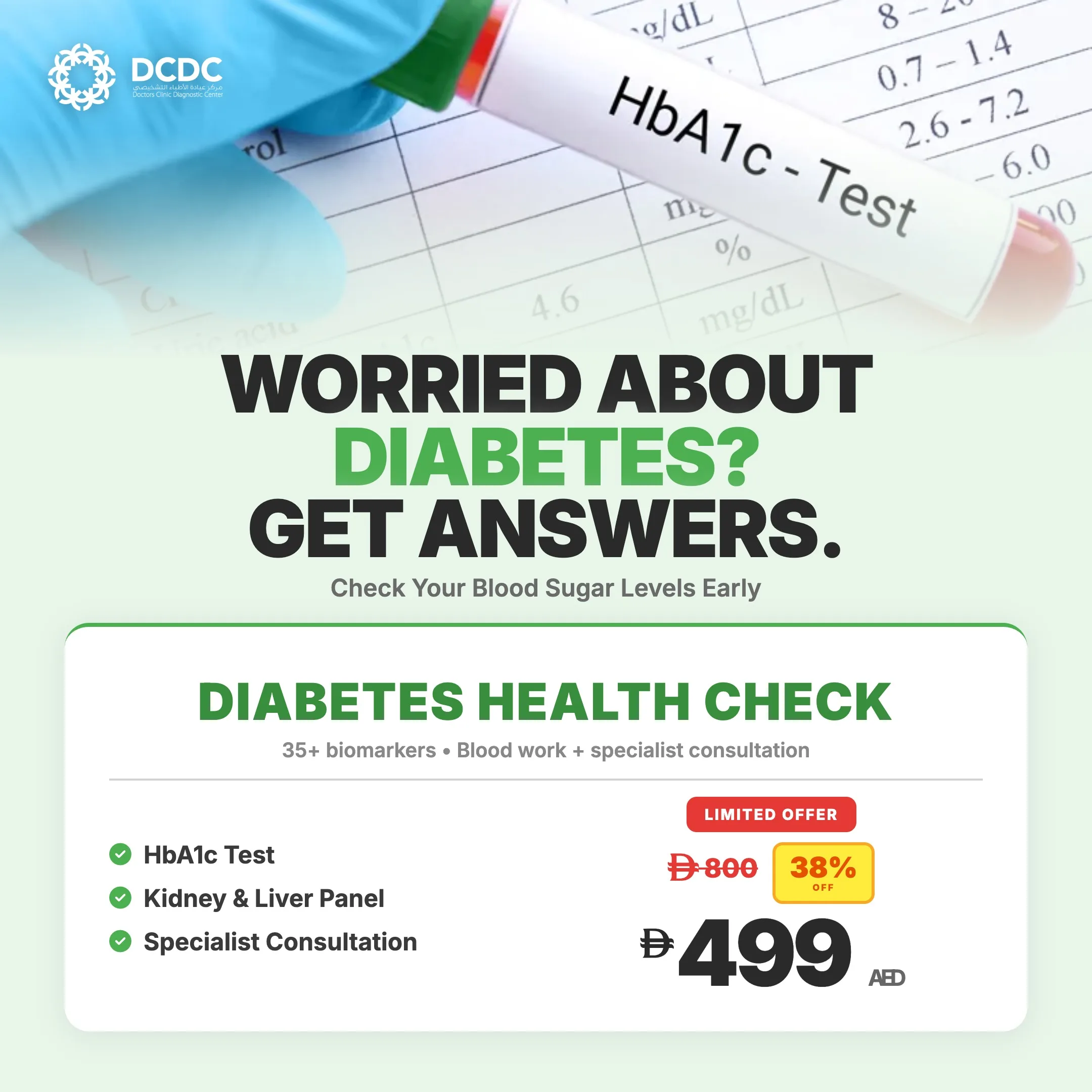
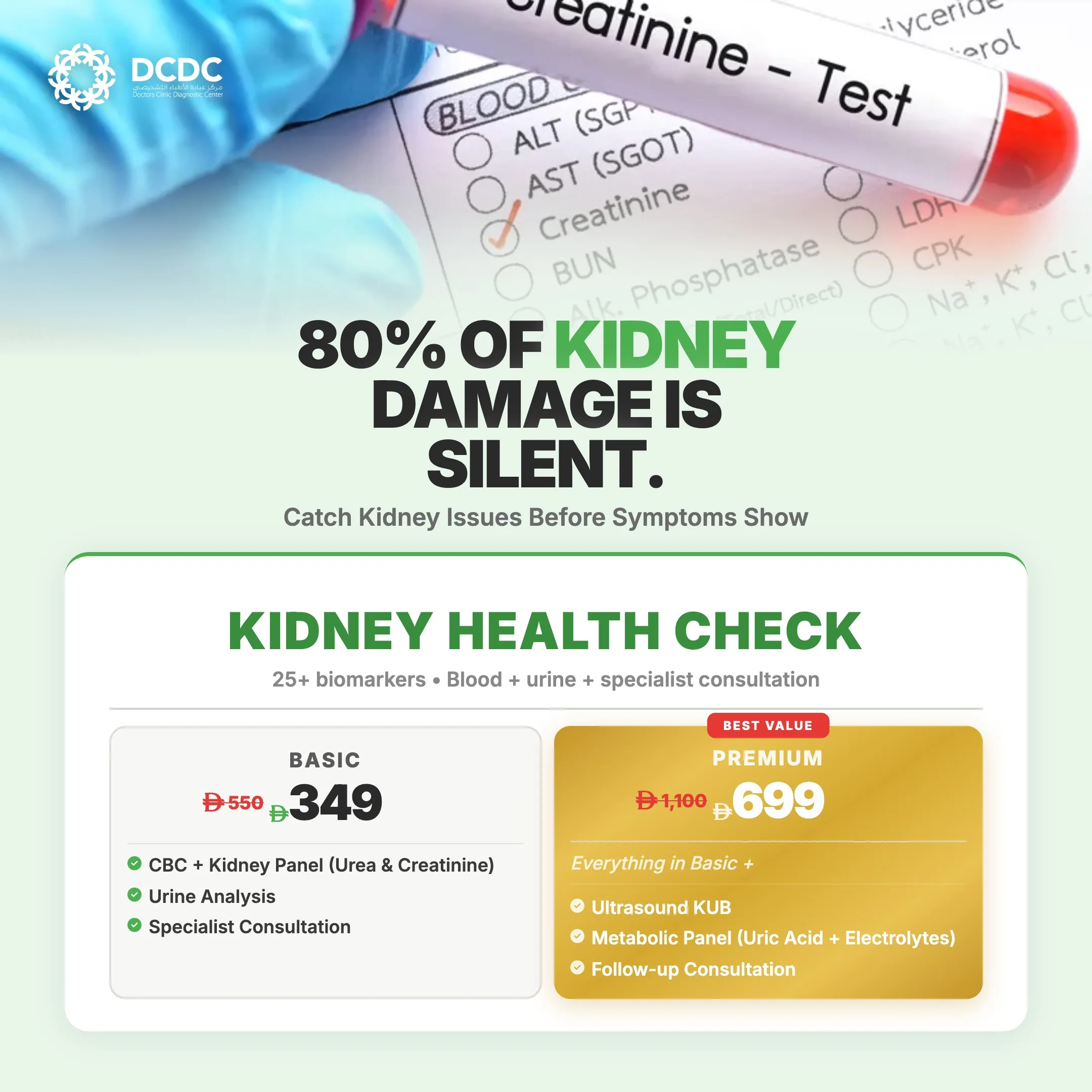
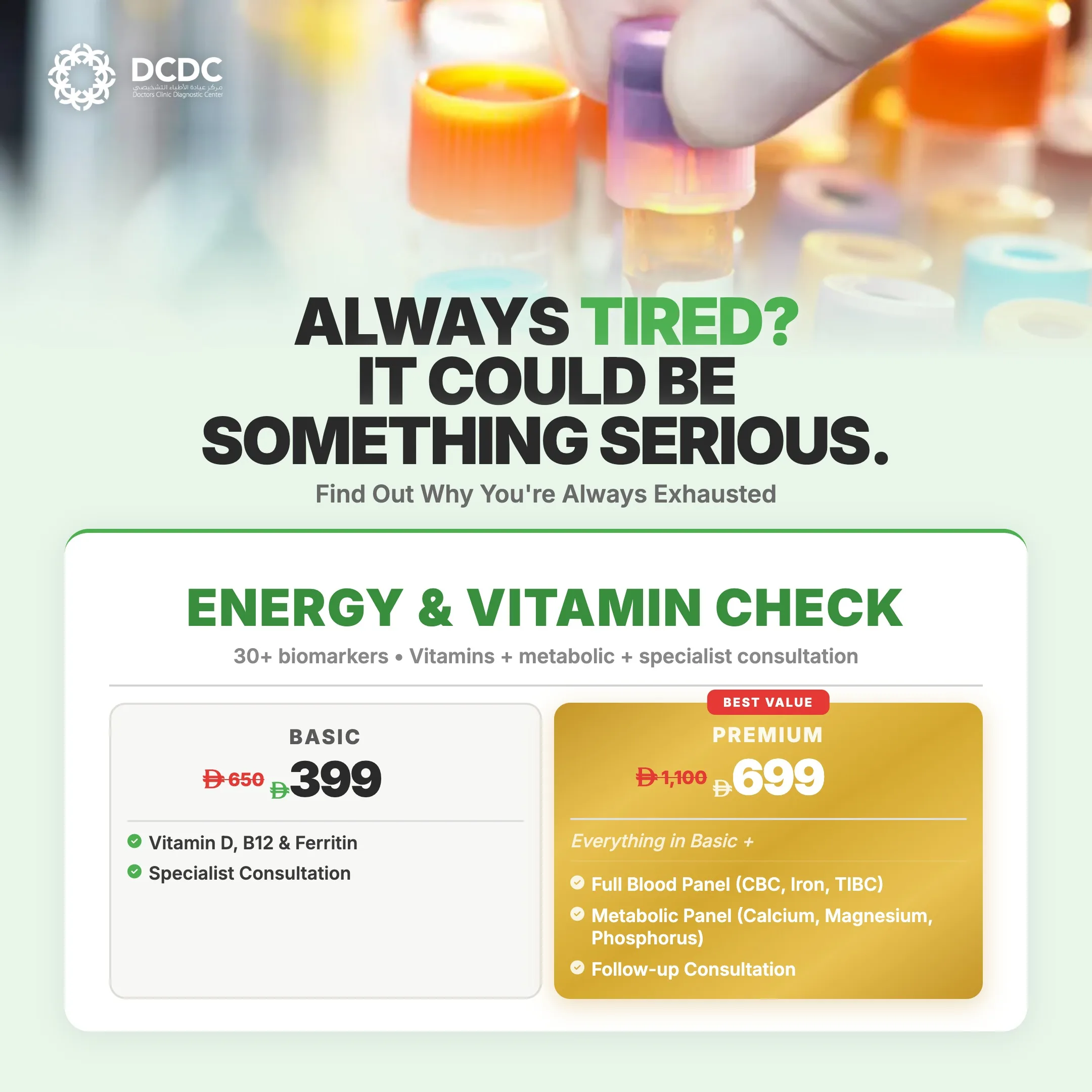
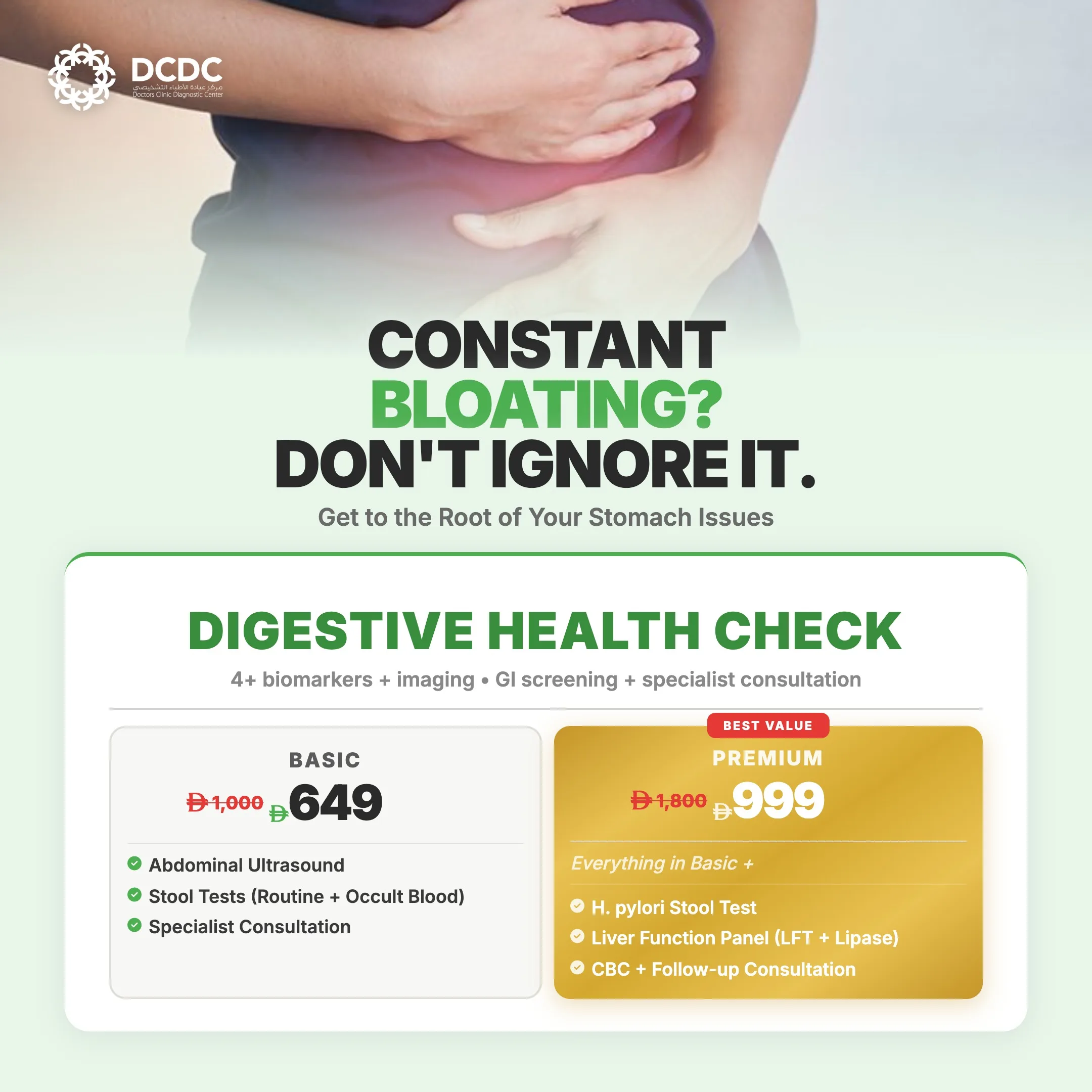
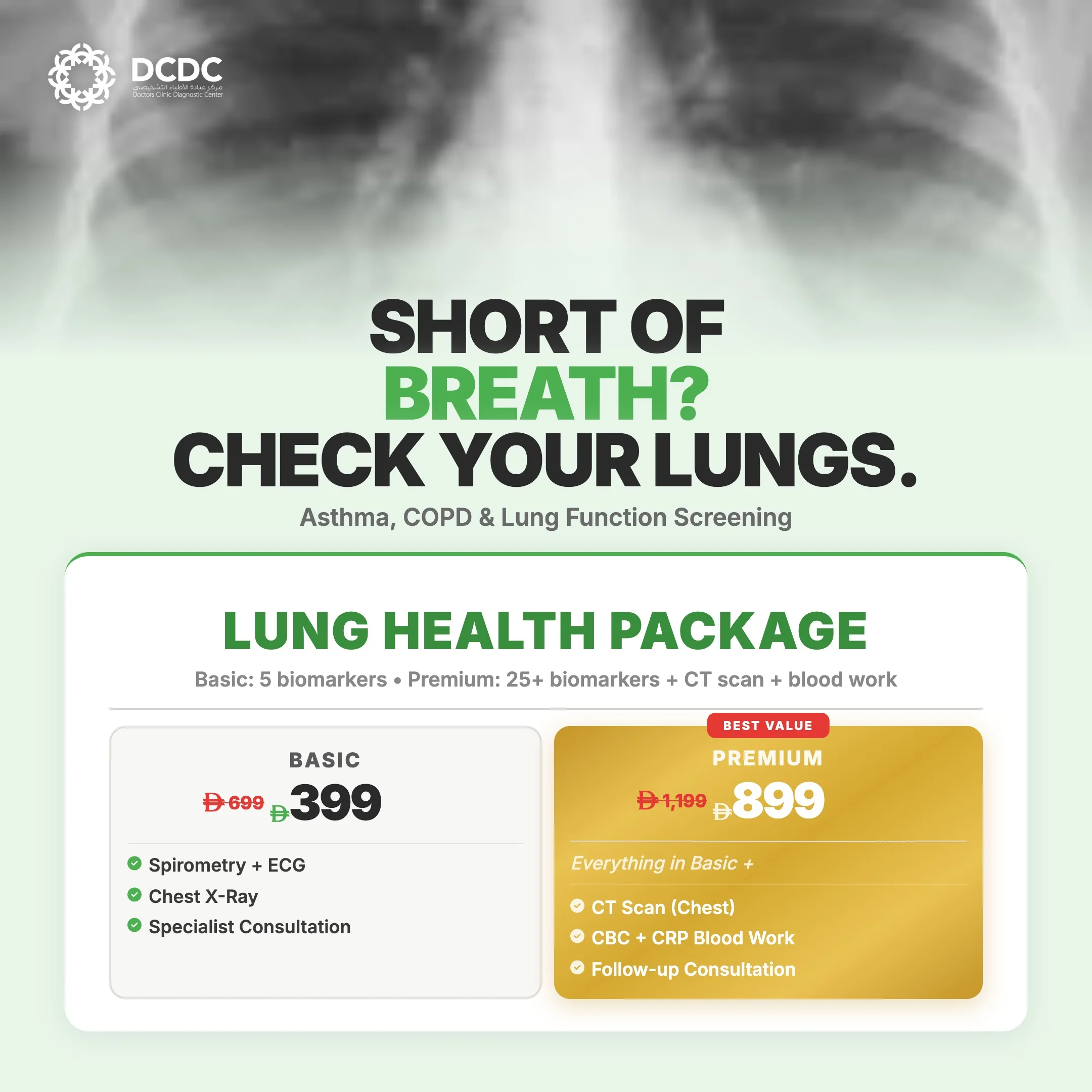
Health Screening Packages
Save with our bundled screening packages — specialist consultation included

Why Annual Health Checkups Matter
Many serious health conditions develop silently over years with no symptoms until they reach an advanced stage. Type 2 diabetes can damage your kidneys, eyes, and nerves for a decade before you feel thirsty or tired. Hypertension — the single biggest risk factor for stroke and heart attack — is called the “silent killer” because it almost never causes symptoms until something catastrophic happens. Early-stage cancers are often painless and invisible to the patient. Routine blood tests are the cornerstone of catching these conditions early.
An annual health checkup is designed to catch these conditions at their earliest, most treatable stage. The numbers are compelling: early detection of colorectal cancer through screening reduces mortality by up to 68%. Detecting and treating hypertension before a first cardiac event reduces stroke risk by 40% and heart attack risk by 25%. Pre-diabetes identified through fasting glucose or HbA1c testing can often be reversed entirely through lifestyle changes, preventing full-blown diabetes and its devastating complications.
Beyond detecting disease, annual checkups establish health baselines. When your doctor has your blood work from age 30, 31, 32, and 33, they can spot trends — a gradually rising fasting glucose, a slowly climbing LDL cholesterol, a declining kidney function marker — that would be invisible in a single snapshot. Trends trigger early intervention; snapshots often miss the window.
UAE-Specific Health Risks: Why Dubai Residents Need Regular Screening
The UAE faces a unique combination of lifestyle, environmental, and genetic factors that make preventive screening particularly important for anyone living here — regardless of nationality.
- Diabetes epidemic: The UAE has one of the highest diabetes prevalence rates globally at approximately 16.3% of the adult population (IDF 2024). South Asian, Arab, and Filipino populations living in the UAE face elevated genetic risk that compounds lifestyle factors
- Cardiovascular disease: Heart disease is the leading cause of death in the UAE. High rates of obesity (31% of adults), hypertension, dyslipidemia, and smoking create a perfect storm for early-onset coronary artery disease, particularly among men aged 40–60
- Vitamin D deficiency: Despite intense sunshine, an estimated 80–90% of UAE residents have insufficient vitamin D levels due to limited sun exposure (indoor lifestyles, extreme summer heat, cultural clothing). Chronic vitamin D deficiency is linked to bone weakness, fatigue, depression, and increased infection risk. A simple vitamin test can identify deficiency early
- Sedentary lifestyles: Hot summers lasting 6+ months, car-dependent cities, and desk-bound work create environments where physical inactivity is the norm. WHO estimates that over 40% of UAE adults do not meet minimum physical activity guidelines
- Thyroid disorders: Thyroid dysfunction is increasingly common in the UAE, particularly among women. Screening with a simple TSH blood test can detect hypothyroidism or hyperthyroidism early, preventing weight gain, fatigue, heart rhythm disturbances, and fertility problems
- Cancer incidence: Breast cancer is the most common cancer among women in the UAE, while colorectal cancer is rising sharply in both sexes. Early screening — including mammograms — catches both at stages where cure rates exceed 90%
What Tests You Need at Each Age
The right checkup panel depends on your age, sex, family history, and existing risk factors. Below is a comprehensive guide based on WHO recommendations, DHA guidelines, and USPSTF (US Preventive Services Task Force) evidence-based screening schedules.
Ages 20–29: Establishing Baselines
Even healthy young adults benefit from an annual checkup that establishes baseline values and catches early indicators of future problems.
- Blood pressure: Checked annually. Hypertension is increasingly diagnosed in people in their 20s, especially those with high BMI or family history
- BMI and waist circumference: Simple measurements that flag obesity risk and metabolic syndrome early
- Complete blood count (CBC): Screens for anemia, infection, and blood disorders
- Fasting blood glucose: Baseline diabetes screening, especially important for South Asian, Arab, and Filipino populations with genetic predisposition
- Lipid profile: Baseline cholesterol check. If family history of heart disease exists, start annual monitoring now
- Vitamin D level: Highly recommended for all UAE residents given the near-universal deficiency
- Thyroid function (TSH): Especially for women, baseline screening helps identify subclinical thyroid dysfunction
- STI screening: Based on risk factors; includes HIV, Hepatitis B/C for at-risk individuals
Ages 30–39: Metabolic and Cardiovascular Watch
This is the decade when metabolic conditions begin emerging. Everything from the 20s panel continues, with additions. An internal medicine specialist can guide which additional tests are right for you.
- HbA1c: More accurate than fasting glucose for detecting pre-diabetes and early diabetes. Recommended annually if BMI >25 or family history exists
- Liver function tests (LFTs): Screen for fatty liver disease, which affects an estimated 25% of the UAE population and is linked to metabolic syndrome
- Kidney function (creatinine, eGFR): Baseline renal assessment, especially for patients with diabetes, hypertension, or family history of kidney disease
- Urine analysis: Screens for protein and glucose in urine — early markers of kidney disease and diabetes
- ECG (electrocardiogram): Baseline heart rhythm assessment. Recommended for all adults by age 35, earlier if family history of heart disease or sudden cardiac death
- Cervical screening (women): Pap smear every 3 years starting at age 25, or HPV co-testing every 5 years starting at age 30
Ages 40–49: Comprehensive Cardiac and Cancer Screening
This decade demands more comprehensive screening as the risk of heart disease, diabetes, and cancer increases significantly.
- Full lipid panel annually: LDL, HDL, triglycerides, total cholesterol. Treatment targets become more aggressive after age 40
- Fasting glucose and HbA1c: Annual diabetes screening becomes essential for all adults over 40
- Mammogram (women): Start annual mammogram screening at age 40. Earlier if BRCA positive or strong family history
- PSA (men): Discuss prostate cancer screening with your doctor starting at age 45 (or 40 if African descent or family history)
- CT calcium score: Consider for adults aged 40–70 with intermediate cardiovascular risk to assess coronary artery calcification
- Stool occult blood test: Annual screening for colorectal cancer beginning at age 45 (some guidelines say 50; earlier if family history)
- Eye exam: Screen for glaucoma, diabetic retinopathy, and age-related vision changes every 1–2 years
Ages 50+: Expanded Screening and Chronic Disease Monitoring
- Colonoscopy: First screening colonoscopy at age 50 (or 45 per latest USPSTF guidelines), then every 10 years if normal, more frequently if polyps found
- DXA bone density scan (women): A DEXA scan screens for osteoporosis starting at age 50 for women with risk factors, or at 65 for all women. Post-menopausal women are at highest risk. Learn more in our DEXA scan guide
- Lung cancer screening: Low-dose chest CT annually for adults aged 50–80 with a 20+ pack-year smoking history
- Echocardiogram: Detailed heart ultrasound to assess heart function, valve health, and chamber size — especially for patients with hypertension, diabetes, or shortness of breath
- Thyroid function: Annual TSH screening. Thyroid disorders become more common with age, particularly in women over 50
- Hepatitis B and C: One-time screening if not previously tested, as chronic hepatitis can silently damage the liver over decades
Book Your Annual Health Checkup
Get a comprehensive health screening tailored to your age and risk factors at DCDC Dubai Healthcare City.
What Happens During an Annual Health Checkup at DCDC
An annual health checkup at DCDC Dubai Healthcare City is designed to be thorough yet efficient. Here is what to expect from start to finish.
- Step 1 — Registration and vitals: Check in at reception, confirm your insurance, and have your basic vitals recorded: blood pressure, heart rate, height, weight, BMI, and waist circumference
- Step 2 — Blood draw (fasting): A phlebotomist collects blood samples for your panel. Arrive fasting (8–12 hours, water only) for accurate glucose, lipid, and liver function results. Blood tests take less than 5 minutes
- Step 3 — Urine sample: A urine sample is collected for urinalysis to screen for kidney disease, urinary tract infections, and diabetes markers
- Step 4 — ECG (if included): A quick, painless 12-lead ECG records your heart rhythm and is completed in under 5 minutes
- Step 5 — Imaging (if included): Depending on your package, this may include chest X-ray, ultrasound, mammogram, or DXA scan
- Step 6 — Physician consultation: A doctor reviews your results with you, explains any abnormal findings, and provides personalized recommendations for follow-up, lifestyle changes, or specialist referrals
Most checkups at DCDC are completed within 2–3 hours for the tests themselves. Blood test results are available same day, and imaging reports within 24 hours. Your physician consultation can be scheduled on the same day or within 48 hours. For a detailed breakdown of what to expect, see our blood test guide.
Lifestyle Conditions Caught Early by Annual Screening
Annual checkups are particularly effective at catching lifestyle-related conditions that develop gradually and are often reversible when detected early.
| Condition | Detected By | Why Early Detection Matters |
|---|---|---|
| Pre-diabetes | Fasting glucose, HbA1c | Reversible with lifestyle changes; prevents progression to type 2 diabetes and its complications |
| Hypertension | Blood pressure measurement | Treatment reduces stroke risk by 40% and heart attack risk by 25% |
| Dyslipidemia | Lipid profile | Statin therapy and lifestyle changes prevent plaque buildup and coronary events |
| Non-alcoholic fatty liver | Liver function tests, ultrasound | Reversible with weight loss and diet changes; prevents cirrhosis |
| Vitamin D deficiency | Vitamin D blood test | Supplementation prevents bone weakness, fatigue, and immune dysfunction |
| Iron-deficiency anemia | CBC, iron studies | Simple supplementation restores energy, cognitive function, and exercise capacity |
| Thyroid dysfunction | TSH blood test | Medication normalizes metabolism, weight, mood, and heart rhythm |
| Chronic kidney disease | Creatinine, eGFR, urine protein | Blood pressure and glucose control slows progression and prevents dialysis |
Annual screening catches conditions at their most treatable stage.
Insurance Coverage for Annual Health Checkups in Dubai
Many health insurance plans in Dubai include annual preventive health checkups as part of their benefits. Dubai’s mandatory health insurance regulation encourages preventive care, and many employers provide enhanced coverage that includes executive-level screening.
- Daman (National Health Insurance Company): Most Daman plans include an annual wellness check with basic blood work, blood pressure, and BMI screening. Enhanced and Thiqa plans cover more comprehensive panels
- Cigna, BUPA, Aetna: International plans typically cover annual preventive visits including age-appropriate blood work, ECG, and cancer screening tests
- Corporate wellness programs: Many Dubai employers offer annual executive health checkups as a benefit, often covering packages worth AED 2,000–5,000. Ask your HR department about available wellness benefits
- Self-pay packages: For residents without preventive coverage, DCDC offers transparent health checkup packages starting from AED 800 for basic screening. See our health checkup cost guide for detailed pricing by tier
At DCDC, our front desk team verifies your insurance coverage and handles pre-authorization before your appointment, so you know your out-of-pocket cost upfront. Contact us to check whether your plan covers an annual health checkup and which tests are included.
Check Your Insurance Coverage
Contact DCDC to verify what your insurance covers for annual health screening and book your appointment.
Kaugnay na Serbisyo sa DCDC
Dalubhasang pangangalaga at advanced diagnostics sa Dubai Healthcare City
Frequently Asked Questions
Your Health Is Worth One Day a Year
An annual health checkup takes a few hours out of one day each year, but the information it provides can protect you for the remaining 364 days. The conditions that kill and disable the most people in the UAE — heart disease, diabetes, stroke, and cancer — are all detectable through routine screening years before they cause symptoms. Early detection does not just improve outcomes; it often makes the difference between a simple lifestyle change and a complex medical intervention.
The unique health challenges of living in the UAE — extreme heat, sedentary indoor lifestyles, a diabetes prevalence rate more than double the global average, and near-universal vitamin D deficiency — make annual screening even more important for Dubai residents than for people in temperate, active-lifestyle countries. This applies regardless of your age, nationality, or how healthy you feel.
At DCDC Dubai Healthcare City, we offer health checkup packages tailored to your age and risk profile, with same-day blood results, 24-hour imaging reports, and a physician consultation to make the results actionable. Whether you are establishing your first health baseline in your 20s or managing cardiovascular risk in your 50s, contact our team to book your annual screening.
Mga Sanggunian at Reperensya
Ang artikulong ito ay sinuri ng aming medikal na team at tumutukoy sa mga sumusunod na sanggunian:
- International Diabetes Federation — IDF Diabetes Atlas 2024
- World Health Organization — Screening and Early Detection Guidelines
- US Preventive Services Task Force — Recommendation Statements
- Dubai Health Authority — Preventive Health Guidelines
- American Heart Association — Cardiovascular Disease Prevention
Ang medikal na nilalaman sa site na ito ay sinusuri ng mga DHA-licensed na manggagamot. Tingnan ang aming patakarang editorial para sa higit pang impormasyon.

Isinulat ni
Dr. Hadi Komshi
Specialist Internal Medicine
MD, DHA-Licensed
Dr. Hadi Komshi is a DHA-licensed Internal Medicine Specialist at Doctors Clinic Diagnostic Center in Dubai Healthcare City, with extensive experience in preventive health screening and chronic disease management.
Related Articles

Health Checkup Cost in Dubai: AED 800-6,000 by Package
Executive Health Checkup: Why It Matters
Blood Test in Dubai: Types, Costs & Where to Go

Vitamin D Deficiency in Dubai: Symptoms & Treatment
More in Preventive Health

Flu Vaccine Cost Dubai: Guide & Prices (2026)
Basahin PaFull Body Checkup Cost Dubai: From AED 249 (2026)
Basahin Pa
PSA Test Dubai: Prostate Screening Guide (2026)
Basahin Pa
Premarital Screening Dubai: Tests & Cost (2026)
Basahin PaHPV Vaccine Dubai: Gardasil 9 Cost & Guide (2026)
Basahin Pa
Men's Health Screening Dubai: Tests by Age (2026)
Basahin Pa© 2026 Doctors Clinic Diagnostic Center (DCDC), Dubai Healthcare City. Originally published at https://doctorsclinicdubai.ae/blog/annual-health-checkup-dubai-guide. All rights reserved. Unauthorized reproduction is prohibited.