رزرو نوبت
نظرات تأیید شده بیماران مرکز تشخیصی DCDC در دبی
نظرات تأیید شده و داستانهای واقعی بیماران از شهر سلامت دبی
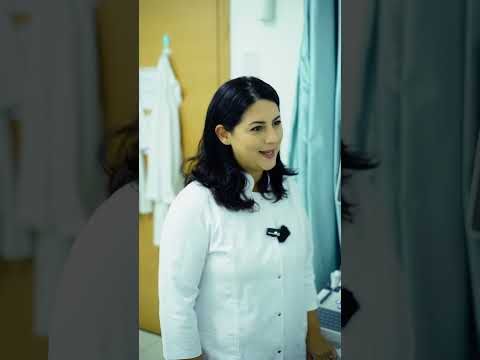
از این کلینیک پزشکی بسیار راضی هستم. اولین غربالگری بارداری خود را اینجا انجام دادم. قیمت مناسب و بسیار حرفهای بود. رادیولوژیست خوشامدگو، مهربان بود و تجربه عالیای داشتم.
آیژان توکمانبتووا
جمعه شب زانویم آسیب دید و یکشنبه عصر وقت MRI گرفتم (یکشنبه بعدازظهر رزرو کردم). حدود ۲ دقیقه صبر کردم و در کمتر از ۳۰ دقیقه کارم تمام شد. تیم فوقالعاده، دوستانه و کارآمد بود.
کریستن اوانز
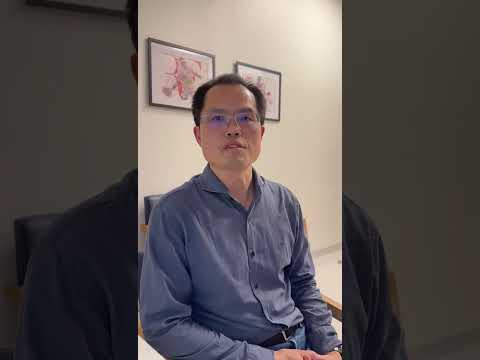
تیم دکتر اسامه مهربان و فوقالعاده بود. بعد از یک تجربه بد در جای دیگر، معاینه لگن من اینجا بسیار حرفهایتر بود. گزارش عالی و بسیار دقیق.
ماری

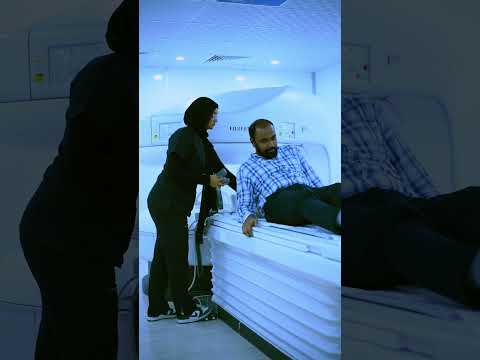

توانبخشی عصبی در دبی: بازیابی از سکته مغزی و توانبخشی عصبی
بازیابی عصبی مبتنی بر شواهد در شهر پزشکی دبی

پلاستیسیته عصبی
بازیابی عصبی مبتنی بر شواهد
به رهبری متخصص
پزشکی توانبخشی تخصصی
یکپارچه
تصویربرداری و تیم تخصصی در محل
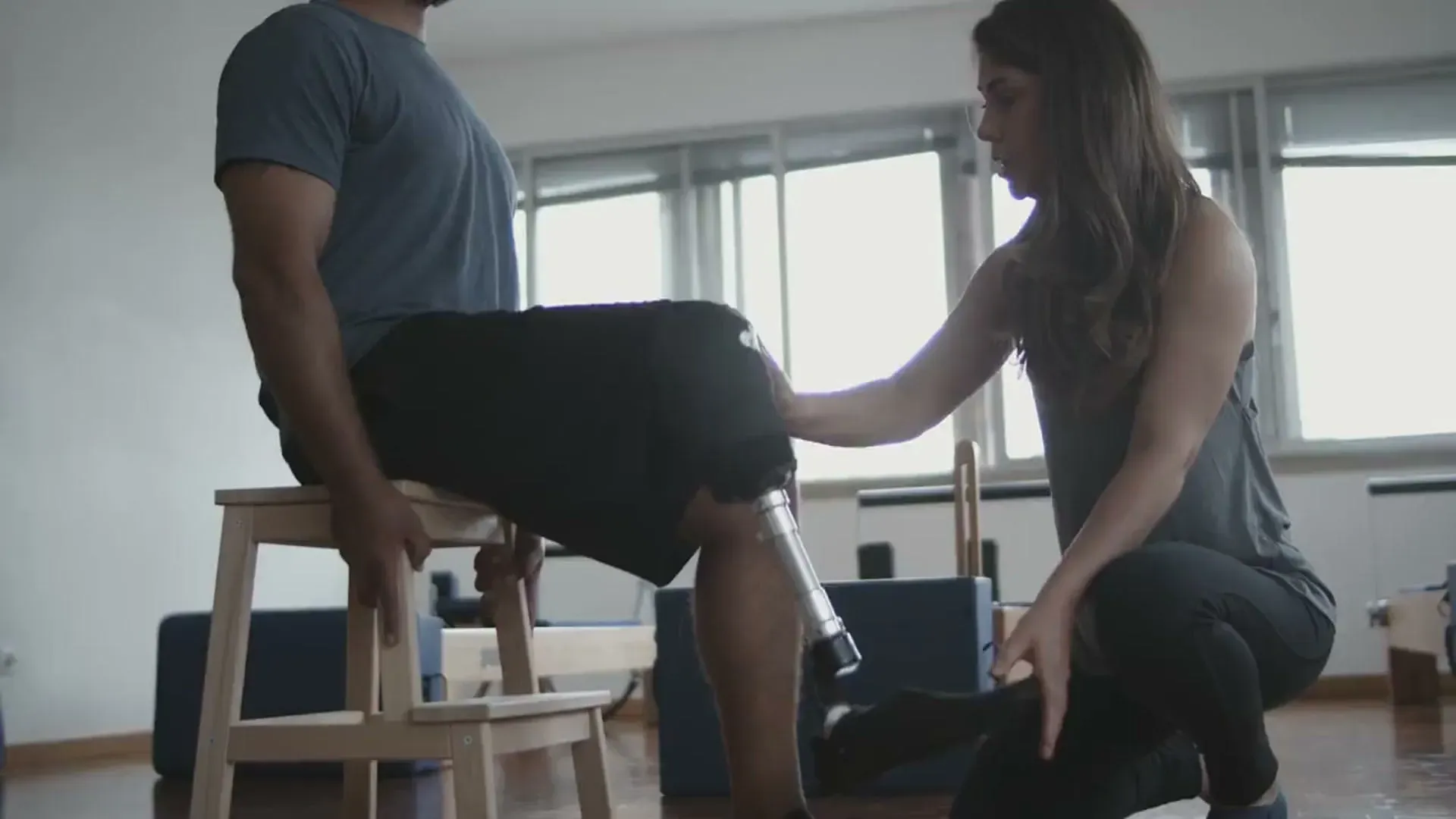
برنامه توانبخشی عصبی در مرکز DCDC در شهر پزشکی دبی توانبخشی برای سکته مغزی، آسیبهای مغزی و بیماریهای عصبی پیشرونده ارائه میدهد. رویکرد ما مبتنی بر شواهد از تکنیکهای پلاستیسیته عصبی برای به حداکثر رساندن بازیابی عملکردی و بازگرداندن استقلال استفاده میکند.
آسیبها و بیماریهای عصبی توانایی مغز برای کنترل حرکت، حس، شناخت و ارتباط را تحت تأثیر قرار میدهند. سکته مغزی شایعترین علت معلولیت در بزرگسالان در سراسر جهان است و توانبخشی سریع مهمترین عامل در تعیین نتایج عملکردی بلندمدت است.
برنامه توانبخشی عصبی ما بر این اصل بنا شده که مغز میتواند از طریق پلاستیسیته عصبی خود را سازماندهی مجدد کند. حتی پس از آسیب قابل توجه ناشی از سکته مغزی یا آسیب مغزی، مغز میتواند مسیرهای عصبی جدید ایجاد کند و اتصالات موجود را تقویت کند وقتی با تمرین منظم تکراری و هدفمحور تحریک شود.
پلاستیسیته عصبی
بازیابی عصبی مبتنی بر شواهد
به رهبری متخصص
پزشکی توانبخشی تخصصی
یکپارچه
تصویربرداری و تیم تخصصی در محل
توانبخشی عصبی در دبی: بازیابی از سکته مغزی و توانبخشی عصبی
بازیابی عصبی مبتنی بر شواهد در شهر پزشکی دبی
برنامه توانبخشی عصبی در مرکز DCDC در شهر پزشکی دبی توانبخشی برای سکته مغزی، آسیبهای مغزی و بیماریهای عصبی پیشرونده ارائه میدهد. رویکرد ما مبتنی بر شواهد از تکنیکهای پلاستیسیته عصبی برای به حداکثر رساندن بازیابی عملکردی و بازگرداندن استقلال استفاده میکند.
آسیبها و بیماریهای عصبی توانایی مغز برای کنترل حرکت، حس، شناخت و ارتباط را تحت تأثیر قرار میدهند. سکته مغزی شایعترین علت معلولیت در بزرگسالان در سراسر جهان است و توانبخشی سریع مهمترین عامل در تعیین نتایج عملکردی بلندمدت است.
برنامه توانبخشی عصبی ما بر این اصل بنا شده که مغز میتواند از طریق پلاستیسیته عصبی خود را سازماندهی مجدد کند. حتی پس از آسیب قابل توجه ناشی از سکته مغزی یا آسیب مغزی، مغز میتواند مسیرهای عصبی جدید ایجاد کند و اتصالات موجود را تقویت کند وقتی با تمرین منظم تکراری و هدفمحور تحریک شود.

Shanika Rajasekara
خدمات ما را کاوش کنید
خدمات جامع توانبخشی عصبی در DCDC شهر سلامت دبی.

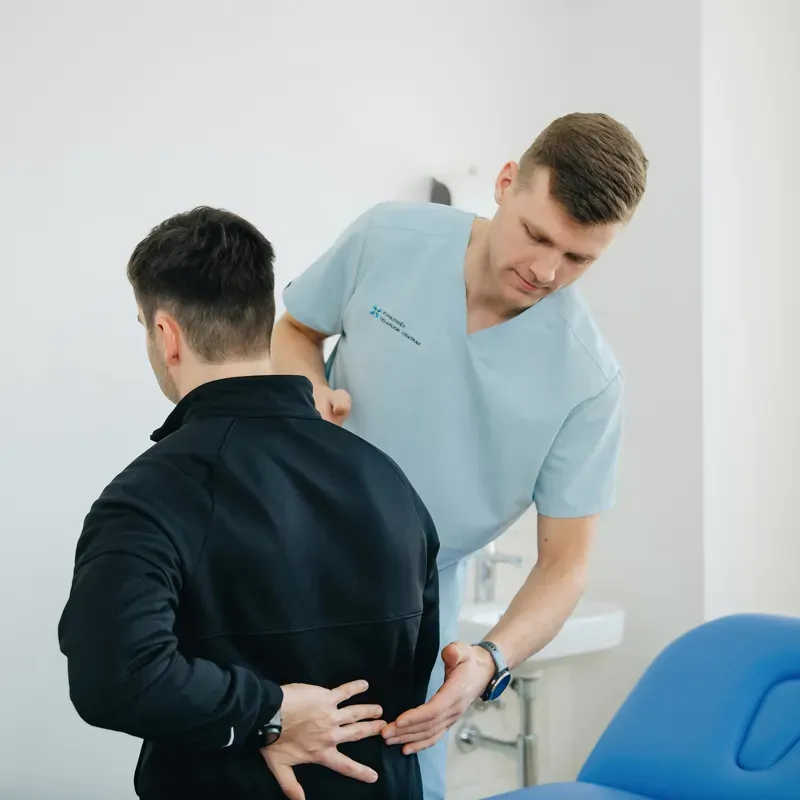
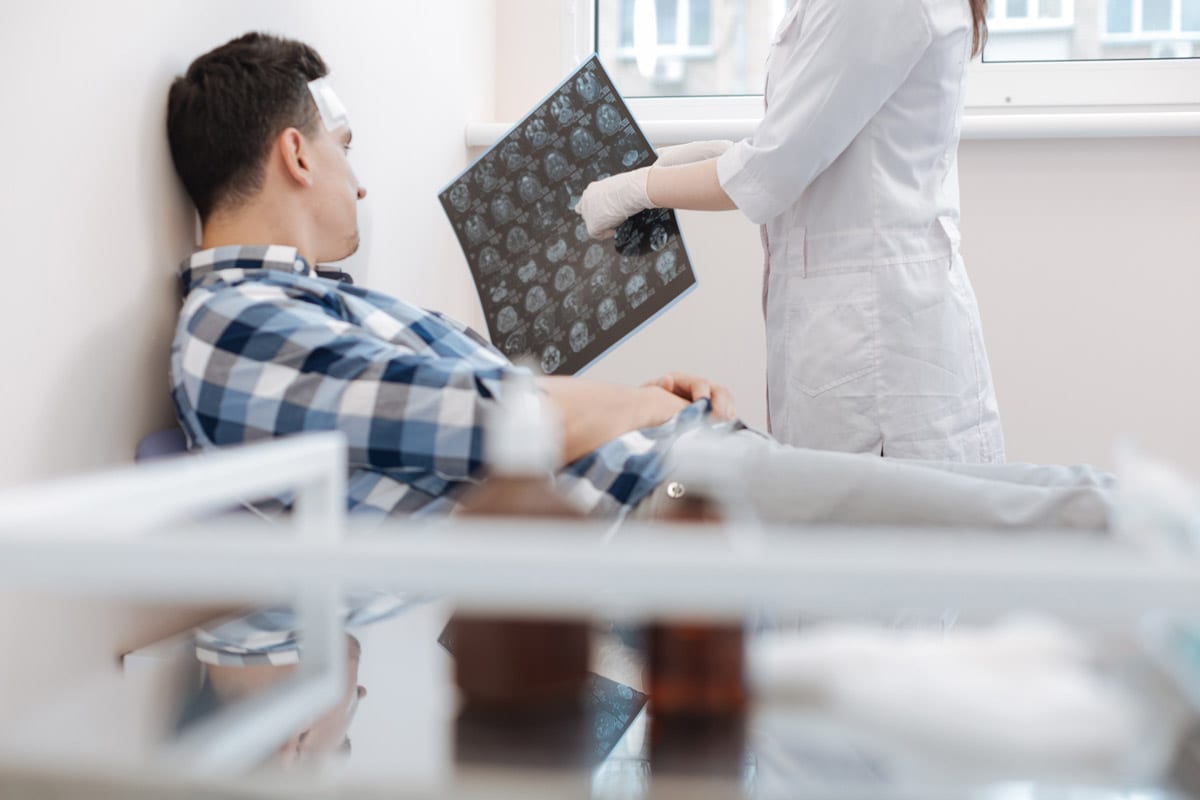
تمام خدمات توسط متخصصان دارای مجوز DHA انجام میشود
چه کسانی باید توانبخشی عصبی انجام دهند؟
توانبخشی عصبی برای بیمارانی که بیماریهای عصبی دارند که بر حرکت، تعادل، شناخت یا عملکرد روزانه تأثیر میگذارد ضروری است.
بازیابی از سکته مغزی (ایسکمیک یا هموراژیک)
آسیب تروماتیک مغزی در هر مرحلهای از بازیابی
بیماری پارکینسون با مشکلات حرکتی یا تعادلی
اماس با خستگی، ضعف یا مشکلات هماهنگی
اختلالات تعادل و راه رفتن از علل عصبی
بازیابی پس از جراحی عصبی
چرا برای توانبخشی عصبی DCDC را انتخاب کنیم؟
توانبخشی عصبی دارای مجوز MOHAP در کلینیک ما به رهبری متخصصان با برنامههای مبتنی بر پلاستیسیته عصبی و تصویربرداری پیشرفته در محل.
دارای مجوز MOHAP
مرکز دارای مجوز در شهر پزشکی دبی با استانداردهای بالینی دقیق.
تمرکز بر پلاستیسیته عصبی
تکنیکهای یادگیری مجدد حرکتی و سازگاری عصبی مبتنی بر شواهد.
به رهبری متخصص
متخصص طب توانبخشی با تجربه عصبی.
تصویربرداری در محل
MRI و سیتیاسکن مغز برای ارزیابی عصبی و پایش در دسترس است.
Multidisciplinary
Physical therapy, neurorehabilitation, and medical management coordinated.
DHCC Location
Building 64, Block A, DCDC. Accessible facilities and free parking.
مراجعه راحت شما
فرآیند اسکن توانبخشی ساده و گام به گام که برای راحتی، سرعت و دقت طراحی شده است.
هزینههای توانبخشی عصبی
قیمت توانبخشی در دبی بسته به نوع خدمت و پوشش بیمه برای انواع مختلف خدمات متفاوت است.
- قیمتها بسته به نوع اسکن و نیاز به ماده حاجب متفاوت است
- پوشش بیمه با ارجاع و تأیید پذیرفته میشود
- نرخهای شفاف پرداخت نقدی با قیمتگذاری فوری در صورت درخواست
تأیید بیمه در چند دقیقه • بدون هزینه پنهان • پاسخ سریع در واتساپ
راهنمای بیمار
در توانبخشی عصبی چه انتظاری داشته باشید
ارزیابی جامع و برنامه توانبخشی شخصیسازیشده که با جلسات منظم دنبال میشود.
بیمه و موقعیت
شرکای بیمه
- •بیش از ۲۰ شرکت بیمه در دبی از جمله ضمان، آکسا، ادنیک و دیگران
- •پشتیبانی پیشتأیید و صورتحساب مستقیم (در صورت امکان)
- •بررسی پوشش بیمه قبل از نوبت شما در کلینیک ما در شهر بهداشت دبی
- •قیمتگذاری شفاف بدون هزینه پنهان برای خدمات توانبخشی عصبی





به ما در شهر سلامت دبی سر بزنید
مرکز تشخیصی کلینیک پزشکان
ساختمان ۶۴، بلوک A، مجتمع پزشکی الرازی، شهر سلامت دبی، دبی، امارات متحده عربی
نزدیک جاده عود متحا · دسترسی آسان از بر دبی، داونتاون دبی، بیزینس بی · پارکینگ اختصاصی رایگان موجود
ساعات کاری
دوشنبه-پنجشنبه، شنبه: ۸ صبح - ۱۰:۳۰ شب | یکشنبه: ۸:۳۰ صبح - ۱۰:۳۰ شب | جمعه: ۹ صبح - ۱۰ شب
نحوه عملکرد بیمه در DCDC
بررسی پوشش
بررسی کنید که بیمه شما توانبخشی عصبی را پوشش میدهد
دریافت ارجاع
برخی بیمهها نیاز به ارجاع پزشک عمومی دارند — ما راهنمایی میکنیم
پیشتأیید
ما پیشتأیید را مستقیماً با بیمهگر انجام میدهیم
فاکتور مستقیم
بدون پرداخت اولیه — ما مستقیماً با بیمهگر تسویه میکنیم
فقط سهم بیمار
فقط سهم بیمار قابل اعمال را در کلینیک پرداخت میکنید
بررسی پوشش
بررسی کنید که بیمه شما توانبخشی عصبی را پوشش میدهد
دریافت ارجاع
برخی بیمهها نیاز به ارجاع پزشک عمومی دارند — ما راهنمایی میکنیم
پیشتأیید
ما پیشتأیید را مستقیماً با بیمهگر انجام میدهیم
فاکتور مستقیم
بدون پرداخت اولیه — ما مستقیماً با بیمهگر تسویه میکنیم
فقط سهم بیمار
فقط سهم بیمار قابل اعمال را در کلینیک پرداخت میکنید
Your Specialist
Shanika Rajasekara
Physiotherapist
DHA-licensed Physiotherapist
English · Sinhala · Hindi
راهنمای بیمار
درک توانبخشی عصبی
توانبخشی عصبی تخصص پزشکی است که به بازیابی عملکرد پس از آسیب یا بیماری مؤثر بر مغز، نخاع و سیستم عصبی محیطی اختصاص دارد. برخلاف توانبخشی عمومی که بر بازیابی عضلانی-اسکلتی تمرکز دارد، توانبخشی عصبی چالشهای منحصربهفرد آسیب عصبی را هدف قرار میدهد: کنترل حرکتی مختل، حس تغییریافته، شناخت ضعیف و عملکرد اتونوم آسیبدیده. این رشته علوم اعصاب، پزشکی توانبخشی و علوم رفتاری را یکپارچه میکند تا برنامههایی طراحی کند که بهبودی عصبی را ترویج دهند.
سکته مغزی شایعترین بیماری نیازمند توانبخشی عصبی و اصلیترین علت ناتوانی بلندمدت در بزرگسالان است. سکته مغزی زمانی رخ میدهد که خونرسانی به بخشی از مغز قطع میشود (سکته ایسکمیک) یا زمانی که یک رگ خونی پاره میشود (سکته هموراژیک). الگوی اختلال به محل و گستردگی آسیب بستگی دارد: سکتههای نیمکره راست معمولاً ضعف طرف چپ و مشکلات آگاهی فضایی ایجاد میکنند، در حالی که سکتههای نیمکره چپ اغلب بر حرکت طرف راست و زبان تأثیر میگذارند.
سنگ بنای توانبخشی عصبی مدرن اصل پلاستیسیته عصبی است؛ توانایی مغز برای سازماندهی مجدد و ایجاد اتصالات جدید در پاسخ به تمرین و تجربه. حتی پس از آسیب قابل توجه ناشی از سکته مغزی یا آسیب مغزی، مغز میتواند مسیرهای عصبی جدید ایجاد کرده و اتصالات موجود را تقویت کند.
شدت توانبخشی عامل تعیینکننده مهمی در نتیجه است. شواهد فعلی نشان میدهد که بیماران سکته مغزی از حداقل سه ساعت توانبخشی فعال در روز در مرحله اولیه بهبودی بهرهمند میشوند. در DCDC، برنامههای توانبخشی عصبی ما برای بهینهسازی شدت درمان در محدودیتهای هر بیمار طراحی شدهاند.
بیماریهای عصبی که در توانبخشی درمان میکنیم
بازیابی از سکته مغزی
توانبخشی جامع برای سکته مغزی ایسکمیک و هموراژیک شامل بازیابی حرکتی، آموزش مجدد راه رفتن، عملکرد اندام فوقانی، گفتار و بلع و بازگشت به فعالیتهای روزانه.
آسیب تروماتیک مغزی
توانبخشی جسمانی و شناختی پس از آسیبهای سر با رسیدگی به تحرک، هماهنگی، حافظه، توجه، تغییرات رفتاری و استقلال عملکردی.
بیماری پارکینسون
درمان مبتنی بر ورزش با تمرکز بر آموزش راه رفتن، تعادل، دامنه حرکتی، عملکرد دو وظیفهای و پیشگیری از سقوط متناسب با مرحله بیماری.
مولتیپل اسکلروزیس
مدیریت علائم و حفظ عملکرد با رسیدگی به خستگی، تعادل، تحرک، قدرت و عملکرد شناختی در دورههای ثبات.
اختلالات وستیبولار
توانبخشی تعادل برای نوریت وستیبولار، BPPV و بیماریهای وستیبولار مرکزی با استفاده از تمرینات عادتدهی، تثبیت نگاه و آموزش مجدد تعادل.
نوروپاتی محیطی
توانبخشی برای آسیب عصبی که عملکرد اندام را تحت تأثیر قرار میدهد شامل آموزش مجدد حسی، تقویت، آموزش تعادل و پیشگیری از سقوط.
مقالات مرتبط
Back Pain: Causes and Treatment
Understanding pain management and rehabilitation approaches for spinal conditions.
Lateral Recess Stenosis and CT Scan
How imaging and rehabilitation work together for spinal conditions.
Sports Injury Recovery in Dubai
A guide to structured rehabilitation for injury recovery at DCDC.
خدمات مرتبط
سایر خدمات تشخیصی و مشاورهای موجود در کلینیک ما در شهر سلامت دبی را کاوش کنید.
سؤالات متداول
سؤالات متداول درباره توانبخشی عصبی در دبی.
تحقیقات نشان میدهد که شروع زودهنگام توانبخشی منظم در طول چند روز پس از سکته مغزی بهترین نتایج عملکردی را به دست میدهد. حتی در مراحل بعدی، مغز همچنان قادر به تغییر و بهبود است.
بله. درمان حرکتی LSVT BIG و تکنیکهای آموزش حرکت ثبات، آگاهی حرکتی را بهبود میبخشند، سفتی را کاهش میدهند و پیشرفت کاهش عملکردی در بیماری پارکینسون را کند میکنند.
معمولاً ۴۵-۶۰ دقیقه در هر جلسه. مدت برنامهها از هفتهها تا ماهها بسته به ماهیت بیماری و اهداف بازیابی متفاوت است.
نه. برنامه برای تدریجی و متناسب با تواناییهای شما طراحی شده است. ممکن است در ابتدا خستگی جسمانی و شناختی احساس کنید، که بخش طبیعی فرآیند بازیابی است.
اطلاعات کلیدی
نظارت پزشکی
تمام خدمات تحت نظارت متخصصین پزشکی دارای مجوز در مرکز معتبر وزارت بهداشت ارائه میشود.