
رزرو نوبت
نظرات تأیید شده بیماران مرکز تشخیصی DCDC در دبی
نظرات تأیید شده و داستانهای واقعی بیماران از شهر سلامت دبی
از این کلینیک پزشکی بسیار راضی هستم. اولین غربالگری بارداری خود را اینجا انجام دادم. قیمت مناسب و بسیار حرفهای بود. رادیولوژیست خوشامدگو، مهربان بود و تجربه عالیای داشتم.
آیژان توکمانبتووا
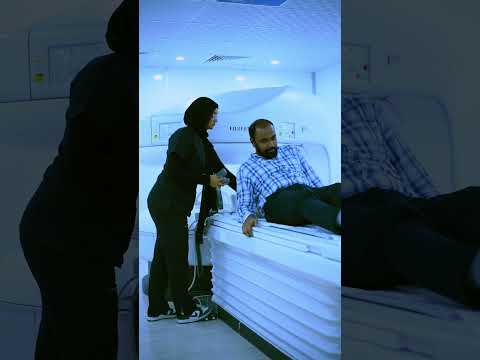
جمعه شب زانویم آسیب دید و یکشنبه عصر وقت MRI گرفتم (یکشنبه بعدازظهر رزرو کردم). حدود ۲ دقیقه صبر کردم و در کمتر از ۳۰ دقیقه کارم تمام شد. تیم فوقالعاده، دوستانه و کارآمد بود.
کریستن اوانز
تیم دکتر اسامه مهربان و فوقالعاده بود. بعد از یک تجربه بد در جای دیگر، معاینه لگن من اینجا بسیار حرفهایتر بود. گزارش عالی و بسیار دقیق.
ماری


مانیتورینگ هولتر در دبی: ثبت ریتم قلب به مدت 24-48 ساعت
تشخیص آریتمیهایی که نوار قلب معمولی آنها را نشان نمیدهد
ثبت مداوم
هر ضربان قلب به مدت 24-48 ساعت. شب و روز
نتایج سریع
تحلیل تخصصی ظرف 24-48 ساعت پس از بازگشت
فعالیتهای عادی
دستگاه سبک وزن. به روال روزمره خود ادامه دهید
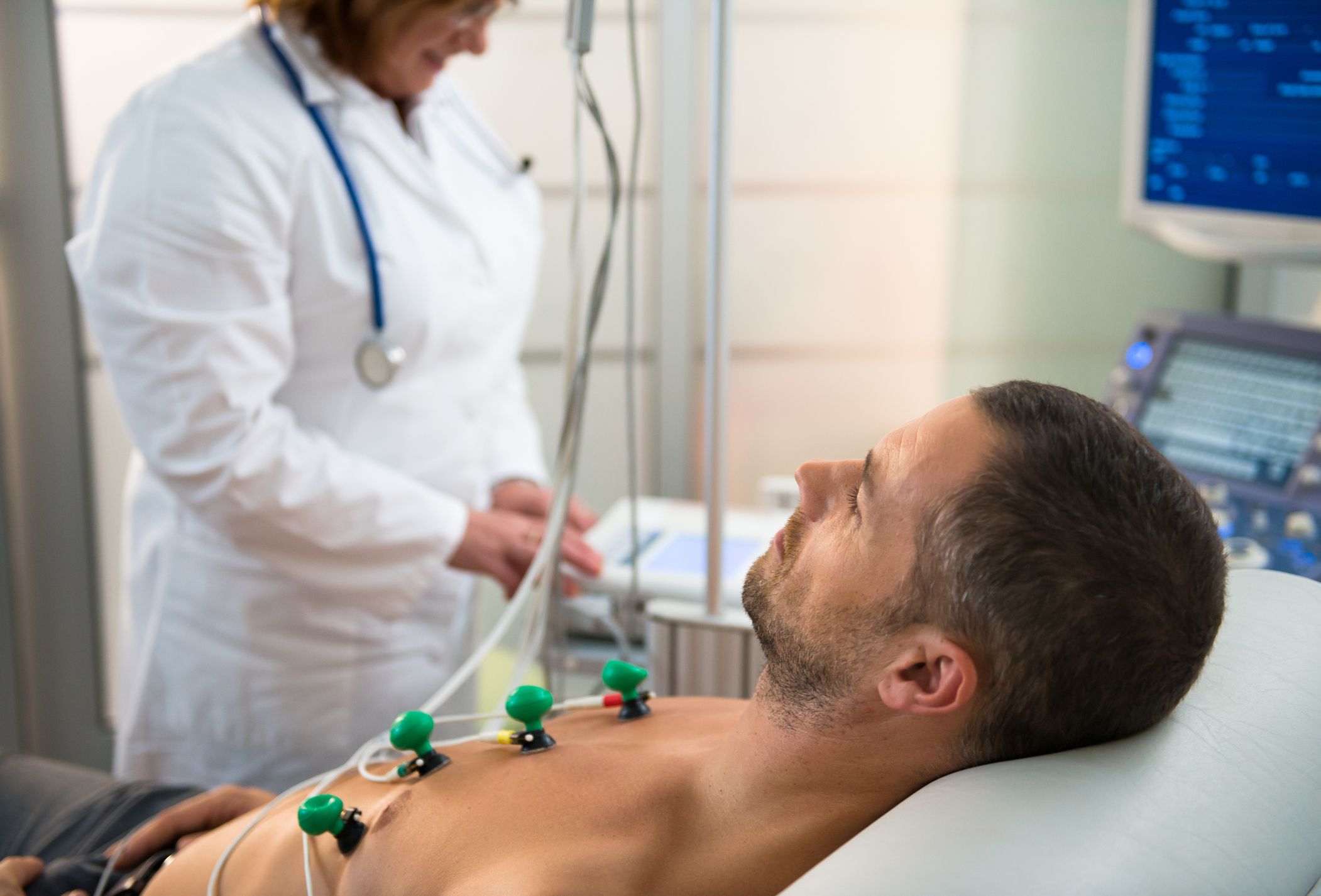
مانیتور هولتر یک دستگاه کوچک قابل پوشیدن است که ریتم قلب شما را به طور مداوم به مدت 24-48 ساعت ثبت میکند. بر خلاف نوار قلب معمولی که فقط چند ثانیه را ثبت میکند، مانیتورینگ هولتر هر ضربان قلب را در طول فعالیتهای روزمره و خواب شما ثبت میکند. آریتمیهایی را که ممکن است در ویزیت مطب رخ ندهند، شناسایی میکند.
متخصص قلب ممکن است مانیتورینگ هولتر را برای تپش قلب، سرگیجه بدون دلیل مشخص، نوبات غش، یا پایش ریتم قلب پس از درمان توصیه کند. شما دفترچه علائم نگه میدارید تا بتوانیم آنها را با تغییرات ریتم مرتبط کنیم.
هر مطالعه هولتر توسط متخصصان قلب دارای بورد تخصصی تحلیل میشود. نتایج معمولاً ظرف 24-48 ساعت پس از بازگرداندن دستگاه آماده است.
ثبت مداوم
هر ضربان قلب به مدت 24-48 ساعت. شب و روز
نتایج سریع
تحلیل تخصصی ظرف 24-48 ساعت پس از بازگشت
فعالیتهای عادی
دستگاه سبک وزن. به روال روزمره خود ادامه دهید
مانیتورینگ هولتر در دبی: ثبت ریتم قلب به مدت 24-48 ساعت
تشخیص آریتمیهایی که نوار قلب معمولی آنها را نشان نمیدهد
مانیتور هولتر یک دستگاه کوچک قابل پوشیدن است که ریتم قلب شما را به طور مداوم به مدت 24-48 ساعت ثبت میکند. بر خلاف نوار قلب معمولی که فقط چند ثانیه را ثبت میکند، مانیتورینگ هولتر هر ضربان قلب را در طول فعالیتهای روزمره و خواب شما ثبت میکند. آریتمیهایی را که ممکن است در ویزیت مطب رخ ندهند، شناسایی میکند.
متخصص قلب ممکن است مانیتورینگ هولتر را برای تپش قلب، سرگیجه بدون دلیل مشخص، نوبات غش، یا پایش ریتم قلب پس از درمان توصیه کند. شما دفترچه علائم نگه میدارید تا بتوانیم آنها را با تغییرات ریتم مرتبط کنیم.
هر مطالعه هولتر توسط متخصصان قلب دارای بورد تخصصی تحلیل میشود. نتایج معمولاً ظرف 24-48 ساعت پس از بازگرداندن دستگاه آماده است.
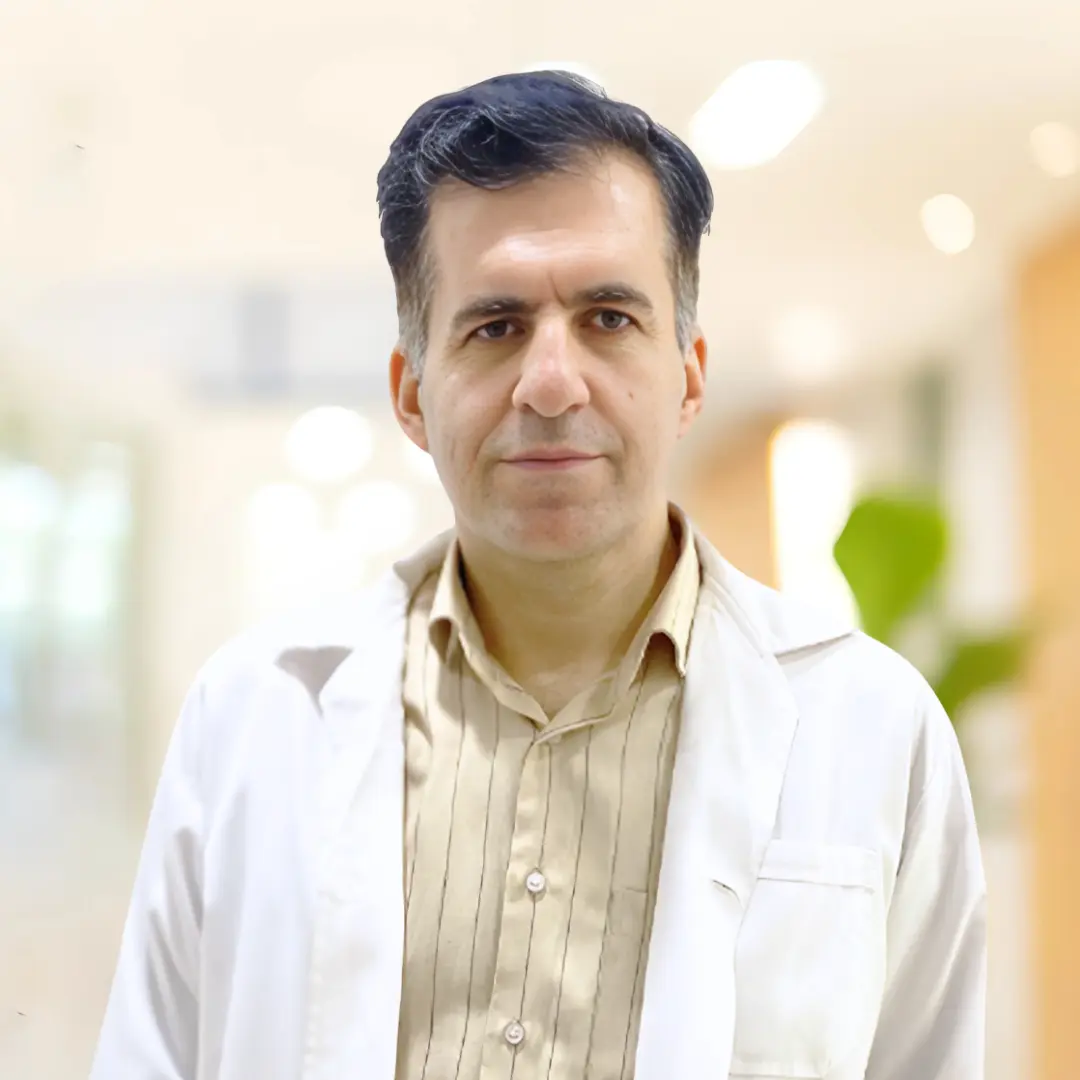
Dr. Shahoo Mazhari
خدمات ما را کاوش کنید
خدمات جامع مانیتورینگ هولتر در DCDC شهر سلامت دبی.

تمام خدمات توسط متخصصان دارای مجوز DHA انجام میشود
چه کسی به مانیتورینگ هولتر نیاز دارد؟
مانیتورینگ هولتر برای علائمی توصیه میشود که ممکن است در ویزیت مطب رخ ندهند. شناسایی آریتمیهایی که نوار قلب معمولی از دست میدهد.
تپش قلب مکرر یا ضربان سریع قلب
سرگیجه یا گیجی بدون دلیل مشخص
نوبات غش (سنکوپ)
احساس جا افتادن ضربان قلب
پایش پس از تغییر داروها
ارزیابی ریتم پس از حمله قلبی
چرا DCDC را برای مانیتورینگ هولتر انتخاب کنید؟
مرکز دارای مجوز MOHAP با نصب دستگاه در همان روز، تحلیل تخصصی متخصص قلب و نتایج سریع.
دارای مجوز MOHAP
مرکز پزشکی معتبر در شهر بهداشت دبی. مجوز NIMY7VY5-240925.
نتایج سریع
تحلیل تخصصی ظرف 24-48 ساعت پس از بازگرداندن دستگاه.
پشتیبانی بیمه
صورتحساب مستقیم با بیش از 20 شرکت بیمه. ما پیشتأیید را برای شما انجام میدهیم.
موقعیت مناسب
ساختمان 64، بلوک A در شهر بهداشت دبی. پارکینگ رایگان در محل.
متخصصان قلب مجرب
متخصصان دارای بورد تخصصی در تفسیر ریتم قلب.
تجربه بیمار
امتیاز 4.8/5 در Google. دستگاههای راحت، تحلیل جامع.
مراجعه راحت شما
فرآیند اسکن مانیتورینگ ساده و گام به گام که برای راحتی، سرعت و دقت طراحی شده است.
هزینه مانیتورینگ هولتر
قیمت مانیتورینگ در دبی بسته به نوع خدمت و پوشش بیمه برای انواع مختلف خدمات متفاوت است.
- قیمتها بسته به نوع اسکن و نیاز به ماده حاجب متفاوت است
- پوشش بیمه با ارجاع و تأیید پذیرفته میشود
- نرخهای شفاف پرداخت نقدی با قیمتگذاری فوری در صورت درخواست
تأیید بیمه در چند دقیقه • بدون هزینه پنهان • پاسخ سریع در واتساپ
راهنمای بیمار
در مانیتورینگ هولتر چه انتظاری داشته باشید
دو مراجعه کوتاه به مطب. نصب و بازگرداندن دستگاه. با فعالیتهای عادی در بین آنها.
بیمه و موقعیت
شرکای بیمه
- •بیش از ۲۰ شرکت بیمه در دبی از جمله ضمان، آکسا، ادنیک و دیگران
- •پشتیبانی پیشتأیید و صورتحساب مستقیم (در صورت امکان)
- •بررسی پوشش بیمه قبل از نوبت شما در کلینیک ما در شهر بهداشت دبی
- •قیمتگذاری شفاف بدون هزینه پنهان برای خدمات مانیتورینگ هولتر








به ما در شهر سلامت دبی سر بزنید
مرکز تشخیصی کلینیک پزشکان
ساختمان ۶۴، بلوک A، مجتمع پزشکی الرازی، شهر سلامت دبی، دبی، امارات متحده عربی
نزدیک جاده عود متحا · دسترسی آسان از بر دبی، داونتاون دبی، بیزینس بی · پارکینگ اختصاصی رایگان موجود
ساعات کاری
دوشنبه-پنجشنبه، شنبه: ۸ صبح - ۱۰:۳۰ شب | یکشنبه: ۸:۳۰ صبح - ۱۰:۳۰ شب | جمعه: ۹ صبح - ۱۰ شب
نحوه عملکرد بیمه در DCDC
بررسی پوشش
بررسی کنید که بیمه شما مانیتورینگ هولتر را پوشش میدهد
دریافت ارجاع
برخی بیمهها نیاز به ارجاع پزشک عمومی دارند — ما راهنمایی میکنیم
پیشتأیید
ما پیشتأیید را مستقیماً با بیمهگر انجام میدهیم
فاکتور مستقیم
بدون پرداخت اولیه — ما مستقیماً با بیمهگر تسویه میکنیم
فقط سهم بیمار
فقط سهم بیمار قابل اعمال را در کلینیک پرداخت میکنید
بررسی پوشش
بررسی کنید که بیمه شما مانیتورینگ هولتر را پوشش میدهد
دریافت ارجاع
برخی بیمهها نیاز به ارجاع پزشک عمومی دارند — ما راهنمایی میکنیم
پیشتأیید
ما پیشتأیید را مستقیماً با بیمهگر انجام میدهیم
فاکتور مستقیم
بدون پرداخت اولیه — ما مستقیماً با بیمهگر تسویه میکنیم
فقط سهم بیمار
فقط سهم بیمار قابل اعمال را در کلینیک پرداخت میکنید
Your Specialist
Dr. Shahoo Mazhari
Consultant Cardiologist
MD, Consultant Cardiologist
Persian · English · Kurdish
راهنمای بیمار
نحوه عملکرد مانیتورینگ هولتر: راهنمای جامع
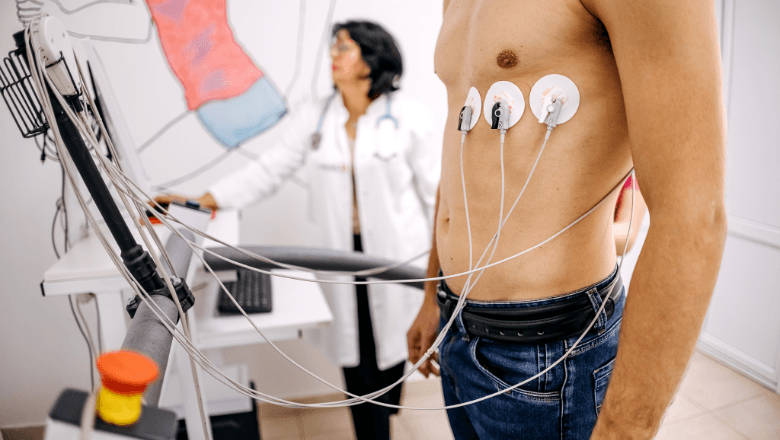
مانیتور هولتر یک دستگاه ضبط کوچک با باتری است که به چند الکترود چسبنده روی سینه شما متصل میشود. این الکترودها سیگنالهای الکتریکی تولیدشده توسط قلب شما را با هر ضربان شناسایی میکنند و دستگاه این سیگنالها را بهطور مداوم روی یک حافظه دیجیتال ضبط میکند. دستگاههای هولتر مدرن سبک وزن هستند و معمولاً کمتر از ۱۰۰ گرم وزن دارند و بهاندازهای کوچک هستند که میتوان آنها را به کمربند وصل کرد یا در جیب حمل کرد بدون اینکه در فعالیتهای روزانه شما اختلال ایجاد کنند.
در طول دوره پایش، از شما خواسته میشود دفترچهای از علائم نگه دارید و زمان دقیق هرگونه تپش قلب، سرگیجه، ناراحتی قفسه سینه، تنگی نفس یا سایر علائم را یادداشت کنید. این دفترچه یکی از اجزای حیاتی آزمایش است زیرا به متخصص قلب شما امکان میدهد علائم شما را با رویدادهای خاص ریتم قلب ضبطشده مرتبط کند. برای مثال اگر تپش قلب را در ساعت ۳:۱۵ بعد از ظهر یادداشت کنید، متخصص قلب میتواند آن لحظه دقیق را در ضبط بررسی کند تا مشخص شود آیا این حس ناشی از یک ضربان اضافی خوشخیم، یک آریتمی پایدار بوده یا در طول یک ریتم کاملاً طبیعی اتفاق افتاده است.
پس از بازگرداندن دستگاه، ضبط روی رایانه دانلود میشود و با نرمافزار تخصصی پایش قلب تحلیل میشود. نرمافزار بهطور خودکار دورههای ضربان غیرطبیعی قلب، ریتمهای نامنظم، مکثها و سایر یافتهها را علامتگذاری میکند، اما هر رویداد علامتگذاریشده و ضبط کلی توسط متخصص قلب دارای گواهینامه هیئت بهصورت شخصی بررسی میشود. گزارش نهایی جزئیات ضربان قلب متوسط، حداقل و حداکثر ضربان قلب، تعداد کل ضربانهای زودرس، هرگونه دوره آریتمی پایدار و همبستگی بین ورودیهای دفترچه و رویدادهای ریتم را ارائه میدهد.
وضعیتهای قابل کشف با مانیتورینگ هولتر
فیبریلاسیون دهلیزی (AFib)
شایعترین آریتمی پایدار که با تپش سریع و نامنظم حفرههای فوقانی قلب مشخص میشود. ممکن است در دورههای کوتاهی رخ دهد که ECG استاندارد از دست میدهد.
تاکیکاردی فوق بطنی (SVT)
دورههای تپش قلب غیرطبیعی سریع که از بالای بطنها منشأ میگیرد، اغلب باعث شروع ناگهانی ضربان سریع قلب، سرگیجه یا تنگی نفس میشود.
انقباضات زودرس بطنی (PVCs)
ضربانهای اضافی قلب که از حفرههای پایینی منشأ میگیرد. هولتر فرکانس و الگوی آنها را برای تعیین نیاز به درمان اندازهگیری میکند.
انقباضات زودرس دهلیزی (PACs)
ضربانهای اضافی از حفرههای فوقانی. شایع و معمولاً خوشخیم، اما فرکانس بالا ممکن است فیبریلاسیون دهلیزی آینده را پیشبینی کند.
تاکیکاردی بطنی
آریتمی بالقوه جدی با ضربانهای سریع قلب که از بطنها منشأ میگیرد. حتی دورههای کوتاه شناساییشده توسط هولتر ممکن است نیاز به ارزیابی بیشتر داشته باشد.
برادیکاردی و بلوک قلبی
ضربانهای قلب غیرطبیعی کند یا تأخیر در هدایت الکتریکی بین حفرههای فوقانی و تحتانی که میتواند باعث سرگیجه، خستگی یا غش شود.
مقالات مرتبط
Cardiology in Dubai: Expert Heart Care
An overview of cardiology services in Dubai including diagnostic tests, treatment options, and when to see a cardiologist for heart concerns.
Heart Health & Prevention in Dubai
Preventive cardiology strategies including heart screening tests, lifestyle modifications, and risk factor management for residents in Dubai.
Hypertension: The Silent Killer
Understanding high blood pressure, its effects on the heart, and why regular monitoring and treatment are essential for long-term cardiovascular health.
خدمات مرتبط
سایر خدمات تشخیصی و مشاورهای موجود در کلینیک ما در شهر سلامت دبی را کاوش کنید.
سؤالات متداول
سؤالات متداول درباره مانیتورینگ هولتر در دبی.
خیر. دستگاه و الکترودها باید خشک بمانند. قبل از نصب یا بعد از بازگشت حمام کنید.
بله. کار، ورزش سبک، خواب. به روال خود ادامه دهید. از تعریق بیش از حد خودداری کنید و دستگاه را خشک نگه دارید.
بله. الگوهای خواب میتوانند آریتمیهای مهمی را نشان دهند. آن را به طور مداوم برای 24-48 ساعت کامل بپوشید.
ظرف 24-48 ساعت پس از بازگرداندن دستگاه. متخصص قلب کل ثبت را تحلیل میکند.
بله، برای پوشش بیمهای. متخصص قلب یا پزشک عمومی شما میتواند ارجاع دهد.
اطلاعات کلیدی
نظارت پزشکی
تمام خدمات تحت نظارت متخصصین پزشکی دارای مجوز در مرکز معتبر وزارت بهداشت ارائه میشود.