نکات کلیدی
- Leg Doppler ultrasound evaluates both arterial and venous blood flow in the lower extremities
- The two main types are venous Doppler (for DVT and varicose veins) and arterial Doppler (for PAD)
- Symptoms like leg swelling, pain during walking, cold feet, or skin color changes warrant a leg Doppler
- Dubai's hot climate, sedentary office culture, and high diabetes rates increase the need for leg vascular screening
- The scan is painless, takes 20-40 minutes, and requires no special preparation in most cases
A leg Doppler ultrasound is a non-invasive imaging test that uses sound waves to evaluate blood flow through the arteries and veins of the lower extremities. It is one of the most commonly performed vascular diagnostic tests, helping physicians detect blood clots, arterial blockages, varicose veins, and circulatory disorders that affect the legs. Understanding when you need this test and what it can reveal is essential for timely diagnosis and treatment.
What Is a Leg Doppler Ultrasound?
A leg Doppler ultrasound uses high-frequency sound waves to create real-time images of blood flowing through the arteries and veins in your legs. The Doppler technology measures the speed and direction of blood flow, allowing the sonographer to identify areas of blockage, narrowing, or abnormal flow patterns. The test combines standard ultrasound imaging with Doppler flow analysis to provide a comprehensive picture of leg vascular health.
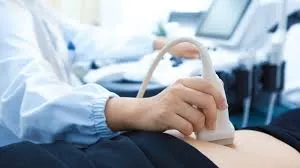
Unlike invasive procedures such as angiography, a leg Doppler is completely painless and uses no radiation or contrast dye. A water-based gel is applied to the skin, and a handheld transducer is moved along the leg to capture images and sound signals from blood vessels.
Arterial vs Venous Leg Doppler: Key Differences
There are two distinct types of leg Doppler ultrasound, each targeting different vascular systems and conditions. Understanding the difference helps patients and physicians select the right test.
Venous Doppler (Leg Veins)
Venous Doppler evaluates blood flow through the deep and superficial veins of the legs. It is the primary diagnostic tool for detecting deep vein thrombosis (DVT), a potentially dangerous condition where blood clots form in deep leg veins. Venous Doppler also assesses chronic venous insufficiency, varicose veins, and post-thrombotic syndrome. The test checks valve function and identifies areas where blood flows backward (reflux), which is the underlying cause of varicose veins.
Arterial Doppler (Leg Arteries)
Arterial Doppler assesses blood flow through the arteries that supply the legs. It is the gold-standard non-invasive test for detecting peripheral arterial disease (PAD), a condition where atherosclerotic plaques narrow the arteries, reducing blood supply to the legs. Arterial Doppler measures blood pressure at multiple points along the leg and calculates the ankle-brachial index (ABI), a key indicator of arterial health.
| Feature | Venous Doppler | Arterial Doppler |
|---|---|---|
| Primary target | Veins (deep and superficial) | Arteries (iliac to pedal) |
| Main conditions detected | DVT, varicose veins, venous reflux | PAD, arterial stenosis, aneurysm |
| Key measurement | Vein compressibility, flow direction | ABI, peak systolic velocity |
| Common symptoms prompting test | Leg swelling, redness, warmth | Leg pain when walking, cold feet |
| Duration | 20–30 minutes | 30–40 minutes |
Symptoms That Warrant a Leg Doppler Ultrasound
Not every leg complaint requires a Doppler ultrasound, but certain symptoms are strong indicators that vascular assessment is needed. Recognizing these symptoms early can prevent serious complications like pulmonary embolism from DVT or tissue loss from severe PAD.
Symptoms Suggesting Venous Problems
- Sudden or unexplained leg swelling, particularly if one-sided
- Leg pain, tenderness, or cramping that does not resolve with rest
- Visible varicose veins causing discomfort, heaviness, or aching
- Redness, warmth, or skin discoloration along the calf or thigh
- History of DVT or recent surgery, especially hip or knee replacement
- Leg swelling after prolonged immobility or long-haul travel
- Chronic leg ulcers or skin changes near the ankles
Symptoms Suggesting Arterial Problems
- Intermittent claudication: leg pain or cramping during walking that improves with rest
- Cold feet or toes, especially compared to the other leg
- Numbness or tingling in the legs or feet
- Slow-healing wounds or sores on the legs or feet
- Weak or absent pulses in the feet
- Skin that appears shiny, pale, or bluish on the legs
- Hair loss on the legs or toes
PAD Screening: Why It Matters
Peripheral arterial disease affects an estimated 200 million people worldwide and is strongly linked to diabetes, smoking, hypertension, and high cholesterol. In the UAE, where diabetes prevalence exceeds 16% of the adult population, PAD screening through arterial Doppler is particularly important. Many patients with PAD are asymptomatic in early stages, which makes proactive screening the only way to detect the disease before it progresses.
The ankle-brachial index (ABI) measured during an arterial Doppler is the cornerstone of PAD diagnosis. An ABI below 0.9 indicates PAD, while values below 0.5 suggest severe disease that may require intervention. Early detection through leg Doppler allows for lifestyle modifications, medication management, and preventive measures that can significantly reduce the risk of limb complications.
Varicose Vein Assessment with Doppler
Varicose veins are enlarged, twisted veins that commonly appear in the legs due to weakened or damaged vein valves. While many people consider varicose veins a cosmetic concern, they can cause significant symptoms including pain, heaviness, swelling, and skin changes. Doppler ultrasound is the definitive diagnostic tool for varicose veins because it maps the entire venous system and identifies the specific points of valve failure causing reflux.
During a venous Doppler for varicose veins, the sonographer evaluates the saphenous veins (great and small), perforator veins, and deep venous system. The test measures the duration and volume of venous reflux at each valve point. This detailed mapping is essential for treatment planning, whether the approach involves conservative management, sclerotherapy, or surgical intervention.
Dubai Lifestyle Factors and Leg Vascular Health
Several aspects of life in Dubai increase the importance of leg vascular screening. Understanding these risk factors helps residents take proactive steps to protect their circulatory health.
Hot Climate and Dehydration
Dubai's extreme summer temperatures lead to increased sweating and dehydration risk, which thickens the blood and raises the likelihood of clot formation. Residents who work outdoors or do not maintain adequate fluid intake are at higher risk for DVT. Staying hydrated, especially during summer months, is an important preventive measure.
Sedentary Office Culture
Dubai's office-based economy means many professionals spend 8 to 10 hours seated at desks. Prolonged sitting slows venous blood flow in the legs, increasing the risk of DVT and worsening varicose veins. Regular movement breaks, leg exercises at the desk, and compression stockings can help mitigate these effects.
High Diabetes Prevalence
The UAE has one of the highest diabetes rates in the world. Diabetes damages blood vessels over time, accelerating atherosclerosis and increasing PAD risk. Diabetic patients often have reduced sensation in their feet, which means PAD symptoms may go unnoticed until the disease is advanced. Regular arterial Doppler screening is strongly recommended for all diabetic patients over age 50.
Frequent Long-Haul Travel
Dubai's position as a global travel hub means residents frequently take long-haul flights. Extended periods of immobility during flights significantly increase DVT risk. Passengers who experience leg swelling, pain, or warmth after flying should consider a venous Doppler scan to rule out blood clots.
What to Expect During a Leg Doppler
The leg Doppler ultrasound procedure is straightforward and comfortable. You will be asked to lie on an examination table and may need to remove clothing covering the legs. The sonographer applies warm ultrasound gel and moves a transducer along the leg, from the groin to the ankle. For venous studies, the sonographer may compress the veins with the probe and ask you to perform breathing maneuvers to test valve function.
For arterial studies, blood pressure cuffs may be placed at the thigh, calf, and ankle to measure pressures at different levels. The entire examination typically takes 20 to 40 minutes. You can resume normal activities immediately afterward. A radiologist reviews the images and provides a detailed report, usually within 24 hours.
Getting a Leg Doppler Ultrasound at DCDC
At Doctors Clinic Diagnostic Center in Dubai Healthcare City, we provide comprehensive leg Doppler ultrasound services including both arterial and venous assessments. Our experienced Doppler ultrasound team uses advanced equipment to deliver accurate results with same-day reporting in most cases.
Whether you are experiencing leg symptoms, need DVT screening after travel, or require PAD assessment as part of diabetes management, our specialists provide thorough evaluation and clear explanations of findings. We accept most major insurance plans and offer competitive self-pay rates for patients without coverage.
Concerned About Leg Circulation?
At Doctors Clinic Diagnostic Center in Dubai Healthcare City, we provide comprehensive leg Doppler ultrasound services for DVT detection, PAD screening, and varicose vein assessment. Same-day appointments available.
Book Leg Dopplerسؤالات متداول
Final Thoughts
A leg Doppler ultrasound is a safe, painless, and highly informative test that plays a critical role in diagnosing vascular conditions of the lower extremities. Whether you are concerned about blood clots, varicose veins, or arterial disease, this test provides the detailed information your doctor needs to make accurate diagnoses and plan effective treatment.
In Dubai, where lifestyle factors such as heat, sedentary work, high diabetes rates, and frequent travel increase vascular risk, proactive screening through leg Doppler ultrasound is especially valuable. For pricing details, see our guide on Doppler ultrasound cost in Dubai. At Doctors Clinic Diagnostic Center in Dubai Healthcare City, our vascular imaging team provides expert assessment with rapid results, helping you take control of your leg health before complications develop.
منابع و مراجع
این مقاله توسط تیم پزشکی ما بررسی شده و به منابع زیر ارجاع میدهد:
- Society for Vascular Surgery - PAD Clinical Practice Guidelines
- American College of Radiology - Vascular Ultrasound Appropriateness Criteria
- International Diabetes Federation - UAE Diabetes Report
- European Society for Vascular Surgery - Venous Disease Guidelines
محتوای پزشکی این سایت توسط پزشکان دارای مجوز DHA بررسی میشود. مشاهده سیاست تحریریه برای اطلاعات بیشتر.

نوشته شده توسط
Dr. Osama Elzamzami
Consultant Radiologist
MD, Radiology
Dr. Osama Elzamzami is a Consultant Radiologist specializing in diagnostic imaging including MRI, CT, ultrasound, and Doppler studies at DCDC Dubai Healthcare City.