رفتن به محتوای اصلی
DCDC، شهر سلامت دبی، دبی، امارات متحده عربی
بازگشت به وبلاگ
Nephrology

Blood in Urine (Hematuria) in Dubai: Causes, Diagnosis & When to See a Doctor (2026 Guide)

Dr. Hadeel Elnur26 min read
Nephrology consultation for blood in urine at DCDC Dubai Healthcare City
بررسی پزشکی توسط Dr. Hadeel ElnurMD, General Practice

نکات کلیدی

  • Blood in urine (hematuria) can be visible (gross) or invisible (microscopic) -- both require medical evaluation because even painless hematuria can indicate serious conditions such as bladder cancer or kidney disease
  • The most common causes of blood in urine are urinary tract infections, kidney stones, and an enlarged prostate, but Dubai's extreme heat and widespread dehydration amplify risk across all age groups
  • Microscopic hematuria is detected in up to 18% of routine urine tests, meaning many cases go unnoticed until a doctor orders a urinalysis as part of a checkup
  • A complete hematuria workup typically includes urinalysis, urine culture, blood tests (kidney function, CBC), and imaging such as kidney and bladder ultrasound -- all available same-day at DCDC
  • Red and brown urine is not always blood: beets, certain medications, and intense exercise can mimic hematuria, which is why laboratory confirmation is essential before diagnosis
  • Dubai residents should never ignore even a single episode of visible blood in urine -- early evaluation at a MOHAP-licensed clinic like DCDC can rule out or catch serious conditions at a treatable stage

Noticing blood in your urine can be alarming, and it should never be dismissed. Whether the blood is clearly visible or only detected under a microscope, hematuria is a symptom that demands medical evaluation because the underlying cause can range from a straightforward urinary tract infection to a more serious condition such as kidney disease or bladder cancer. If you have noticed pink, red, or brown-tinged urine, our UTI and nephrology service at DCDC in Dubai Healthcare City offers same-day urinalysis, urine culture, kidney function testing, and on-site ultrasound imaging to identify the cause quickly and begin targeted treatment.

آماده قدم بعدی هستید؟

نوبت خود را امروز رزرو کنید و از مراقبت تخصصی در مرکز تشخیصی کلینیک دکترز در شهر بهداشت دبی بهره‌مند شوید.

Health Screening Packages

Save with our bundled screening packages — specialist consultation included

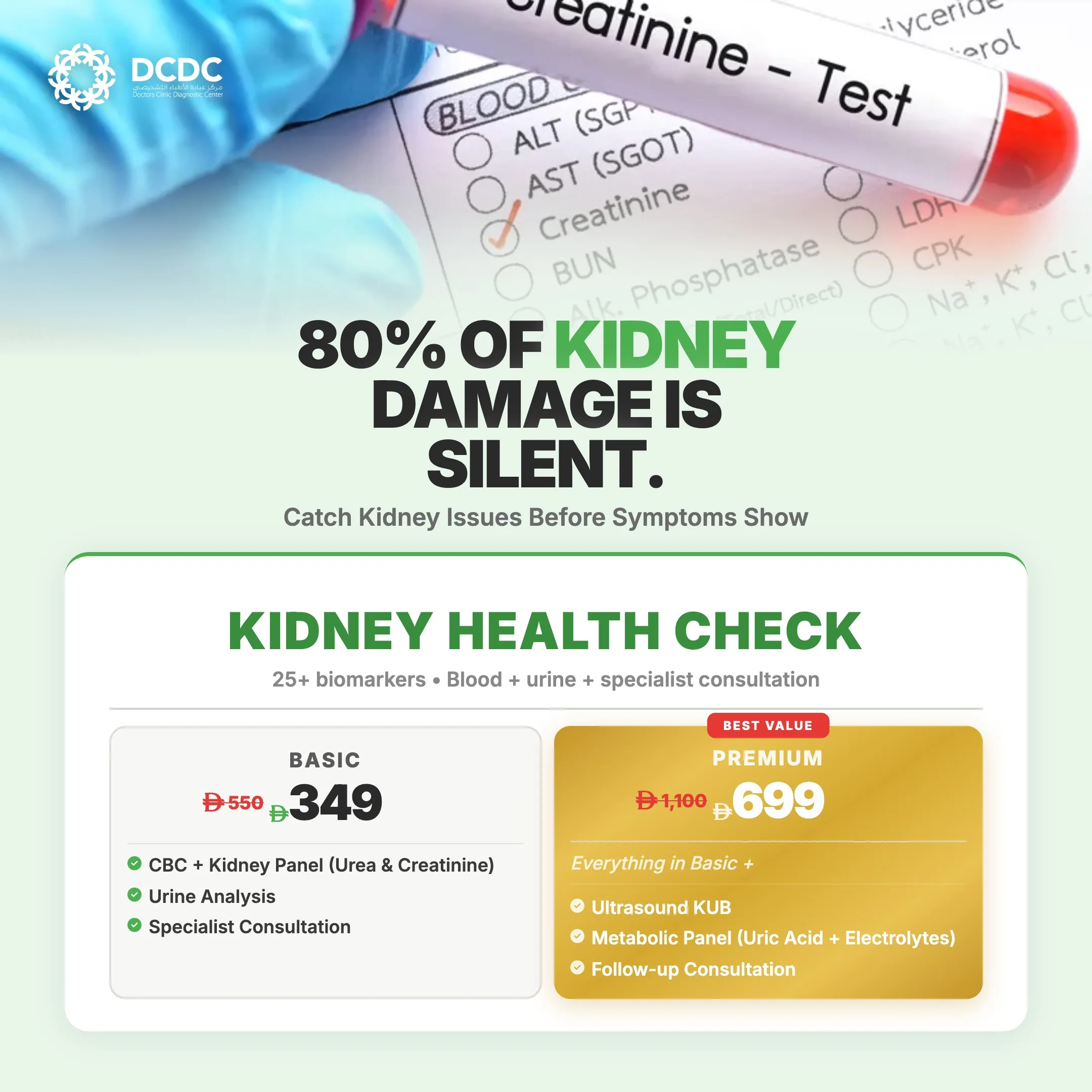
Kidney Health Check package at DCDC

Kidney Health Check

Digestive Health Check package at DCDC

Digestive Health Check

Smoker's Tune-Up package at DCDC

Smoker's Tune-Up

What Is Hematuria? Understanding Blood in Urine

Hematuria is the medical term for blood in the urine. It occurs when red blood cells leak into the urinary tract at any point -- from the kidneys, where urine is produced, through the ureters, bladder, and urethra, where urine exits the body. Hematuria is not a disease in itself but a symptom that something in the urinary system requires attention.

Gross Hematuria vs. Microscopic Hematuria

There are two types of hematuria, and the distinction matters for diagnosis and urgency. Gross hematuria (also called macroscopic hematuria) is visible to the naked eye. Your urine may appear pink, red, cola-colored, or brown. Even a tiny amount of blood -- as little as 1 milliliter in 1 liter of urine -- is enough to cause a noticeable color change. Microscopic hematuria is invisible; the urine looks normal, but a laboratory urinalysis reveals red blood cells under the microscope. Microscopic hematuria is often discovered incidentally during a routine health checkup or pre-employment screening.

Both types warrant investigation. A common misconception is that microscopic hematuria is less serious than visible blood. In fact, studies show that the risk of finding a significant underlying cause -- including malignancy -- is similar whether the hematuria is gross or microscopic. The American Urological Association recommends that any confirmed microscopic hematuria (three or more red blood cells per high-power field on two of three urine samples) should trigger a diagnostic workup.

How Common Is Blood in Urine?

Hematuria is more common than most people realize. Population studies estimate that microscopic hematuria is found in up to 18% of the general population during routine urinalysis. The prevalence increases with age, particularly in men over 50 and postmenopausal women. Gross hematuria, while less common, accounts for approximately 4-5% of all urology referrals worldwide.

In Dubai and across the UAE, hematuria-related consultations are especially frequent. The region's extreme summer temperatures -- regularly exceeding 45 degrees Celsius -- contribute to chronic dehydration, which increases the concentration of minerals and irritants in urine, raising the risk for urinary tract infections, kidney stones, and bladder irritation. All three are leading causes of blood in urine. The population's diverse demographics, including a large expatriate workforce engaged in outdoor labor, further amplify the regional burden.

Blood in Urine Causes: Common vs. Serious

The causes of hematuria span a wide spectrum, from benign and easily treatable conditions to potentially life-threatening diseases. Identifying the correct cause is the primary goal of the diagnostic workup. The following table organizes the most important causes by how frequently they are encountered in clinical practice.

CauseFrequencyKey FeaturesTypical Age Group
Urinary Tract Infection (UTI)Very commonBurning urination, urgency, cloudy urine, pelvic pain; bacteria confirmed on urine cultureAll ages, especially women 18-50
Kidney StonesCommonSevere flank or back pain, nausea, blood from stone scratching urinary tract liningAll ages; peak 30-60, higher in UAE climate
Benign Prostatic Hyperplasia (BPH)Common (men)Enlarged prostate compresses urethra; weak stream, frequency, nocturiaMen over 50
Vigorous ExerciseCommonTransient hematuria after intense physical activity; resolves within 48-72 hoursAthletes, runners, gym-goers
Bladder or Kidney InfectionCommonFever, flank pain, foul-smelling urine; may progress from untreated lower UTIAll ages
GlomerulonephritisLess commonKidney inflammation causing microscopic hematuria, proteinuria, swelling, hypertensionChildren and young adults; any age
Bladder CancerLess common but seriousPainless gross hematuria is the hallmark; risk increases with age, smoking, chemical exposureOver 55; men 3-4x more than women
Kidney Cancer (Renal Cell Carcinoma)Less common but seriousPainless hematuria, flank mass, weight loss; often found incidentally on imagingOver 50
Polycystic Kidney Disease (PKD)UncommonInherited condition with multiple kidney cysts; may cause gross hematuria, flank pain, hypertension30-50 (symptom onset)
Blood-Thinning MedicationsMedication-relatedAspirin, warfarin, rivaroxaban, or heparin can cause or worsen hematuria; still requires evaluationOlder adults on anticoagulants

Common and serious causes of blood in urine (hematuria), organized by frequency. All causes require clinical evaluation regardless of perceived severity.

Urinary tract infections are the most frequent cause of hematuria, particularly in women. In Dubai, dehydration-related UTIs are especially prevalent during the summer months. For a detailed guide on UTI symptoms, treatment options, and prevention in Dubai's climate, read our comprehensive article on UTI treatment and symptoms in Dubai.

Symptom Checklist: Signs That Accompany Blood in Urine

Blood in urine rarely occurs in isolation. The accompanying symptoms provide critical clues about the underlying cause and help your doctor narrow the differential diagnosis. Review the following checklist and note which symptoms apply to you before your consultation.

Symptoms Suggesting Infection (UTI or Kidney Infection)

  • Burning or stinging during urination (dysuria): The hallmark of a lower urinary tract infection
  • Frequent, urgent need to urinate: Feeling you must go every few minutes, even when the bladder is nearly empty
  • Cloudy or foul-smelling urine: Indicates bacteria and white blood cells in the urine
  • Fever and chills: Suggests the infection has spread to the kidneys (pyelonephritis)
  • Lower abdominal or pelvic pressure: Common with bladder infections, especially in women
  • Flank pain (one or both sides): Pain at the level of the kidneys, indicating upper urinary tract involvement

Symptoms Suggesting Kidney Stones

  • Sudden, severe pain in the back or side: Renal colic -- often described as the worst pain a patient has ever experienced
  • Pain radiating to the groin or inner thigh: Occurs as the stone moves down the ureter
  • Nausea and vomiting: A reflex response to the severity of the pain
  • Restlessness and inability to find a comfortable position: Unlike other abdominal pain, stone pain causes constant shifting

Symptoms Suggesting a More Serious Cause

  • Painless gross hematuria (visible blood without pain): A red flag for bladder or kidney cancer -- this combination always requires urgent investigation
  • Unexplained weight loss: May accompany kidney cancer or advanced bladder cancer
  • Persistent or recurrent episodes of blood in urine: Intermittent hematuria that comes and goes over weeks or months needs thorough evaluation
  • Blood clots in urine: Larger clots suggest a more significant bleeding source
  • Swelling in the legs, ankles, or around the eyes: May indicate glomerulonephritis or kidney disease

Kidney stones are the second most common cause of hematuria in Dubai, with prevalence rates well above the global average due to the region's extreme heat. For a full overview of kidney stone causes, treatment pathways, and prevention in Dubai's climate, see our guide on kidney stones causes and treatment in Dubai.

When to See a Doctor: Hematuria Urgency Guide

Not every instance of blood in urine requires an emergency room visit, but every instance does require medical evaluation. The urgency depends on the accompanying symptoms and your medical history. Use this guide to determine how quickly you should seek care.

Seek Emergency Medical Care Immediately If You Have

  • Visible blood in urine accompanied by severe flank or abdominal pain that is not controlled by over-the-counter pain medication
  • Blood in urine with high fever (above 38.5 degrees Celsius) and chills -- suggesting an infected kidney
  • Inability to urinate (urinary retention) despite a full bladder
  • Large blood clots causing difficulty urinating or complete blockage
  • Blood in urine with signs of shock: dizziness, rapid heartbeat, fainting, or cold clammy skin
  • Blood in urine during pregnancy -- always treated as urgent

Schedule a Same-Day or Next-Day Appointment If You Have

  • Visible pink, red, or brown urine without severe pain or fever
  • Burning urination with blood -- likely a UTI that needs antibiotic treatment
  • Blood in urine with mild to moderate flank discomfort -- possible small kidney stone
  • Recurrence of hematuria after a previous episode that was investigated
  • Blood in urine while taking blood-thinning medications -- still requires evaluation even if on anticoagulants

Schedule a Routine Appointment Within a Week If You Have

  • Microscopic hematuria found on a routine blood or urine test with no symptoms
  • A single brief episode of pink-tinged urine that resolved on its own
  • A family history of kidney disease and you want proactive screening

Important: Painless visible blood in urine -- especially in adults over 40 -- should never be assumed to be benign. Painless gross hematuria is the presenting symptom in approximately 85% of bladder cancer cases. Even if the bleeding stops on its own, a complete workup is essential.

Dubai-Specific Risk Factors for Hematuria

Living in the UAE exposes residents to environmental and lifestyle factors that increase the risk of conditions causing blood in urine. Understanding these regional risks can help you take preventive action.

  • Chronic dehydration from extreme heat: Dubai's summer temperatures frequently exceed 45 degrees Celsius, and even with indoor air conditioning, insensible fluid loss through skin and breathing is significant. Concentrated urine irritates the bladder lining, promotes crystal formation (kidney stones), and creates an environment where bacteria thrive (UTIs). All three are leading causes of hematuria
  • High-sodium and high-protein diets: Diets common in the UAE -- heavy in processed foods, red meat, and fast food -- increase urine calcium and uric acid excretion, raising the risk of kidney stones and associated bleeding
  • Outdoor labor and physical activity in heat: Construction workers, delivery drivers, athletes, and outdoor exercise enthusiasts are at elevated risk for exercise-induced hematuria, dehydration-related UTIs, and heat-accelerated stone formation
  • International population diversity: Dubai's multinational population means higher exposure to infections and conditions prevalent in various home countries, including schistosomiasis (a parasitic infection of the urinary tract common in parts of Africa and the Middle East) and genetic conditions such as sickle cell trait that can cause hematuria
  • Delayed medical attention: Some expatriate residents delay seeking care due to unfamiliarity with the healthcare system, insurance concerns, or the assumption that the symptom will resolve on its own. Delayed evaluation increases the risk of complications from treatable conditions

How Blood in Urine Is Diagnosed: The Complete Workup

Diagnosing the cause of hematuria involves a systematic, step-by-step approach. The goal is to identify the source and cause of bleeding, rule out serious conditions, and guide treatment. At DCDC, the entire diagnostic process -- from urine collection to imaging -- can be completed in a single visit because the clinic houses an on-site laboratory and ultrasound suite.

Step 1: Medical History and Physical Examination

Your doctor will ask detailed questions about when you first noticed the blood, whether it occurs at the beginning, end, or throughout urination (which helps localize the bleeding source), associated symptoms (pain, fever, weight loss), medications you take (especially blood thinners and NSAIDs), family history of kidney disease or cancer, and recent activities (strenuous exercise, trauma). A focused physical examination includes checking blood pressure, palpating the abdomen and flanks for tenderness or masses, and in men, a digital rectal examination to assess the prostate.

Step 2: Urinalysis and Urine Microscopy

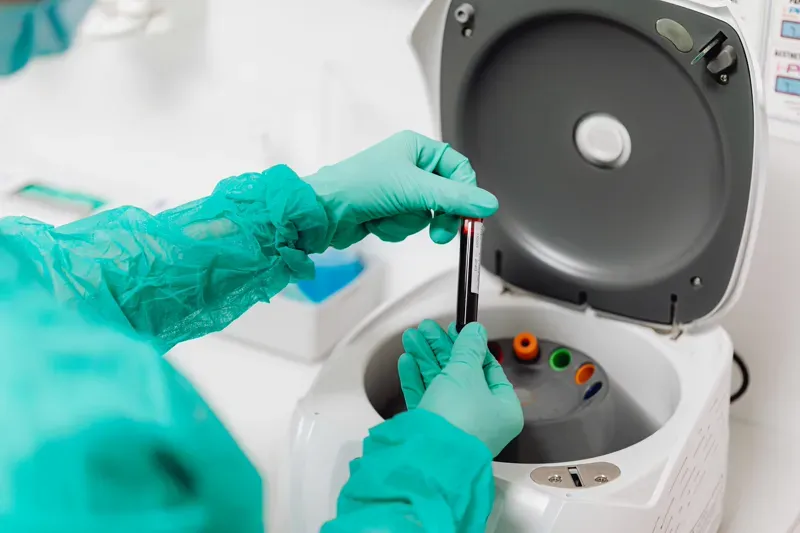
A urinalysis is the foundation of hematuria evaluation. The test examines the physical, chemical, and microscopic properties of a urine sample. It confirms the presence of red blood cells, detects white blood cells (indicating infection), identifies protein (suggesting kidney disease), and reveals crystals (suggesting stones). A urine dipstick provides rapid preliminary results within minutes, while full microscopy and analysis take a few hours. At DCDC, on-site urine sample collection and same-day laboratory processing ensure you do not wait days for results.

Step 3: Urine Culture and Sensitivity

If infection is suspected, a urine culture identifies the specific bacterium responsible and determines which antibiotics will be effective. Culture results typically take 24-48 hours. This step is critical for prescribing targeted rather than broad-spectrum antibiotics, reducing the risk of antibiotic resistance.

Step 4: Blood Tests

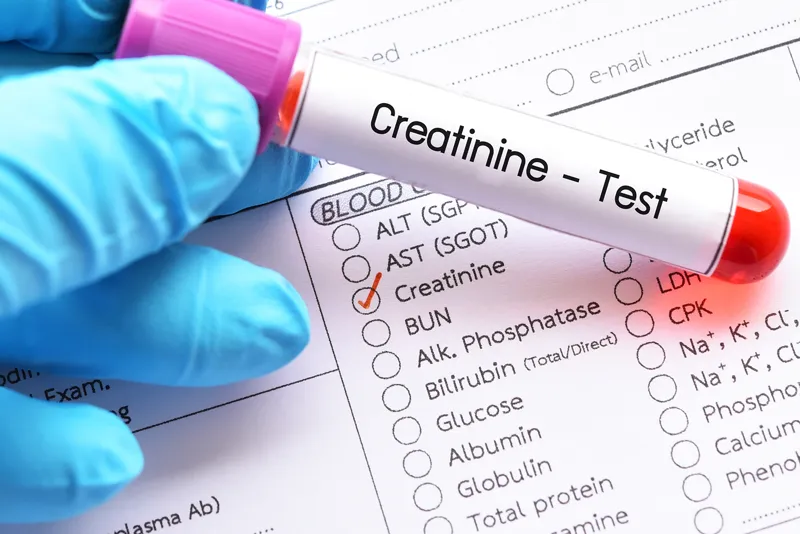
Blood work helps assess overall kidney function and identify systemic causes of hematuria. Key tests include a complete blood count (CBC), serum creatinine and blood urea nitrogen (BUN) to evaluate kidney function, estimated glomerular filtration rate (eGFR), electrolytes, and in men over 50, a prostate-specific antigen (PSA) test. For a comprehensive explanation of how kidney function tests work and what the results mean, see our detailed kidney function test guide for Dubai.

Step 5: Imaging Studies

Imaging visualizes the kidneys, ureters, and bladder to detect structural abnormalities, stones, masses, or cysts. The most commonly ordered studies for hematuria include:

  • Kidney and bladder ultrasound: The first-line imaging study for most hematuria evaluations. It is non-invasive, radiation-free, widely available, and effective at detecting kidney stones, cysts, masses, hydronephrosis (swelling from urine backup), and bladder abnormalities. DCDC offers on-site ultrasound with same-day reporting
  • CT scan (CT urogram): The most comprehensive imaging study for hematuria. A CT urogram uses contrast dye to visualize the entire urinary tract and is the gold standard for detecting kidney and ureteral stones, tumors, and structural anomalies. Recommended when ultrasound findings are inconclusive or when cancer is suspected
  • MRI urogram: Used when CT contrast is contraindicated (e.g., severe kidney impairment or contrast allergy). Provides excellent soft tissue detail without radiation

Step 6: Cystoscopy (When Indicated)

A cystoscopy involves inserting a thin, flexible camera through the urethra into the bladder to directly visualize the bladder lining. It is the definitive test for detecting bladder cancer and is recommended for all patients over 35 with unexplained gross hematuria or persistent microscopic hematuria. DCDC coordinates cystoscopy referrals with specialist urology centers when indicated.

Diagnostic Tests and Estimated Costs in Dubai (2026)

Understanding the costs associated with hematuria evaluation helps you plan your care. The table below outlines the tests commonly performed during a hematuria workup and their estimated costs at DCDC. Most services are covered by health insurance when medically indicated.

Test / ServiceWhat It IncludesEstimated Cost (AED)
GP ConsultationMedical history, symptom assessment, physical examination, test orderingFrom AED 250
Urinalysis (Dipstick + Microscopy)Chemical and microscopic analysis of urine for blood, infection, protein, crystalsFrom AED 50-150
Urine Culture and SensitivityBacterial identification and antibiotic susceptibility testingFrom AED 150-300
Kidney Function Test (Blood)Creatinine, BUN, eGFR, electrolytes to assess kidney healthFrom AED 149
Complete Blood Count (CBC)Red/white blood cell counts, hemoglobin, platelets to assess overall health and detect anemiaFrom AED 80-150
PSA Test (Men Over 50)Prostate-specific antigen screening for prostate-related hematuriaFrom AED 100-200
Kidney & Bladder UltrasoundNon-invasive imaging for stones, cysts, masses, hydronephrosisFrom AED 300-600
CT Urogram (With Contrast)Comprehensive imaging of the entire urinary tract for stones, tumors, anomaliesFrom AED 1,500-3,000

Estimated costs for hematuria diagnostic tests at DCDC Dubai Healthcare City (2026). Prices are approximate and may vary. Insurance coverage applies for medically indicated investigations.

DCDC partners with over 20 insurance providers -- including Daman, AXA, Bupa, MetLife, and Cigna -- for direct billing, so you typically only pay your co-pay at the time of your visit. Our patient services team can verify your coverage before your appointment.

Noticed Blood in Your Urine? Get Tested Today

At Doctors Clinic Diagnostic Center in Dubai Healthcare City, we offer same-day urinalysis, kidney function testing, and on-site ultrasound imaging -- all under one MOHAP-licensed roof. Do not wait for symptoms to worsen. Our average wait time is just 15 minutes, and we accept walk-ins.

Open Sat-Thu 8 AM-10 PM, Fri 9 AM-9 PM. 20+ insurance partners with direct billing. Free on-site parking.

What to Expect at DCDC: Your Hematuria Visit Step by Step

Knowing what happens during your visit reduces anxiety and helps you prepare. Here is a step-by-step walkthrough of a typical hematuria evaluation at Doctors Clinic Diagnostic Center in Dubai Healthcare City.

  • 1. Arrival and registration (5-10 minutes): Walk-ins are welcome, or you can book in advance online or via WhatsApp. DCDC is located in Building 64, Block A, Al Razi Medical Complex, DHCC, with free dedicated on-site parking. The average wait time is 15 minutes
  • 2. Insurance verification: Our front desk team handles direct billing with 20+ insurance partners including Daman, AXA, Bupa, MetLife, and Cigna. You will know your coverage and any co-pay amount before seeing the doctor
  • 3. Doctor consultation (15-20 minutes): Dr. Hadeel Elnur or a member of our medical team will take a thorough medical history, ask about the timing and character of the hematuria, review your medications, and perform a focused physical examination
  • 4. Urine sample collection: You will provide a midstream clean-catch urine sample. Clear instructions are given to ensure an uncontaminated specimen for accurate results
  • 5. Instant dipstick results: A urine dipstick test provides preliminary results within minutes during your consultation, confirming the presence of blood, infection markers, and protein
  • 6. Laboratory analysis: Your sample is processed in DCDC's on-site laboratory for full microscopy, and a urine culture is set up if infection is suspected. Blood tests for kidney function and CBC are drawn at the same visit
  • 7. On-site ultrasound (if indicated): If your doctor suspects kidney stones, masses, or structural abnormalities, a kidney and bladder ultrasound is performed the same day in DCDC's radiology suite, with results available before you leave
  • 8. Diagnosis and treatment plan: Based on combined clinical, laboratory, and imaging findings, your doctor provides a diagnosis and initiates treatment. For infections, targeted antibiotics are prescribed. For kidney stones, a management plan is outlined. If further investigation (CT scan, cystoscopy) is needed, a referral is coordinated
  • 9. Follow-up: A follow-up appointment is scheduled to review culture results (24-48 hours), confirm treatment response, and arrange any additional investigations if the initial workup is inconclusive

DCDC maintains a 4.8/5 Google rating from over 1,000 verified reviews and a 98% patient satisfaction rate. The one-stop diagnostic model -- lab, imaging, and specialist consultation under one roof -- means you leave with answers rather than waiting days for results from external facilities.

Not All Red Urine Is Blood: Conditions That Mimic Hematuria

Before assuming the worst, it is important to know that several harmless substances can turn urine pink, red, or brown without any actual blood present. These conditions are collectively called pseudohematuria, and distinguishing them from true hematuria requires a simple urinalysis.

  • Foods: Beets, blackberries, rhubarb, and large quantities of carrots can cause red or pink urine. This is harmless and resolves within 24-48 hours after stopping the food
  • Medications: Rifampin (tuberculosis antibiotic), phenazopyridine (urinary pain reliever), certain laxatives (senna), metronidazole, and nitrofurantoin can cause orange, red, or brown urine
  • Intense exercise: March hemoglobinuria (from repetitive impact such as long-distance running) can cause hemoglobin release into urine. This typically resolves within 48-72 hours of rest
  • Menstrual contamination: In women, menstrual blood can contaminate a urine sample, producing a false-positive result. Timing the sample collection appropriately or using a clean-catch technique resolves this
  • Dehydration: Severely concentrated urine can appear dark amber or brownish, which may be mistaken for blood. Adequate hydration quickly corrects this
  • Myoglobinuria: After severe muscle injury (rhabdomyolysis) or extreme exertion, muscle protein (myoglobin) enters the urine and turns it dark brown. This requires urgent medical attention as it can damage the kidneys

For accurate results, a proper urine test distinguishes true hematuria from pseudohematuria. Our comprehensive guide on urine testing in Dubai explains what each component of a urinalysis measures and how to prepare for the test.

Blood in Urine in Special Populations

Blood in Urine in Women

Women are more likely to develop hematuria from urinary tract infections due to their shorter urethra, which allows bacteria easier access to the bladder. Postmenopausal women are at increased risk because declining estrogen levels thin the urethra and bladder lining, making them more susceptible to irritation and infection. Endometriosis can occasionally involve the bladder, causing cyclical hematuria that coincides with menstruation. Menstrual blood contamination is also a common reason for false-positive hematuria results, which is why a repeat specimen during a non-menstrual period may be requested.

Blood in Urine in Men

In men, the most common causes of hematuria shift with age. In younger men, UTIs, kidney stones, and exercise-induced hematuria predominate. After age 50, benign prostatic hyperplasia (BPH) becomes a leading cause, as the enlarged gland compresses blood vessels in the prostate and urethra. Prostate cancer can also present with hematuria, which is why a PSA test is typically included in the workup for men over 50 with unexplained blood in urine. For more on prostate screening, read our guide on PSA and prostate screening in Dubai.

Blood in Urine in Children

Hematuria in children is usually caused by UTIs, glomerulonephritis (often post-streptococcal), or trauma. Although rare, Wilms tumor (a childhood kidney cancer) can present with hematuria and should be considered in young children with an abdominal mass. Any child with visible blood in urine should be evaluated promptly. Microscopic hematuria found on routine testing often warrants a pediatric nephrology referral if it persists on repeat testing.

Blood in Urine During Pregnancy

Pregnant women are more susceptible to UTIs and kidney infections due to hormonal changes that relax the ureters and slow urine flow, combined with mechanical compression of the bladder by the growing uterus. Any hematuria during pregnancy requires urgent evaluation because untreated kidney infections can trigger preterm labor. Ultrasound is the preferred imaging modality during pregnancy to avoid radiation exposure.

Treatment Options Based on the Underlying Cause

Treatment for hematuria is directed at the underlying cause rather than the symptom itself. Once the source of bleeding is identified through the diagnostic workup, treatment can be targeted and effective.

  • UTI-related hematuria: Treated with targeted antibiotics based on urine culture results. Most uncomplicated UTIs resolve within 3-5 days of treatment, and the blood in urine clears as the infection is eradicated
  • Kidney stone hematuria: Small stones (under 5-6 mm) are managed conservatively with hydration, pain control, and sometimes alpha-blockers to facilitate passage. Larger stones may require shock wave lithotripsy (ESWL) or ureteroscopy. For detailed treatment options, see our guide on kidney stone treatment in Dubai
  • BPH-related hematuria: Alpha-blockers (tamsulosin) or 5-alpha-reductase inhibitors (finasteride) reduce prostate size and bleeding. Surgical options are available for refractory cases
  • Glomerulonephritis: Treatment depends on the type and severity. Options include immunosuppressive medications, blood pressure control (ACE inhibitors or ARBs), dietary modifications, and close monitoring of kidney function
  • Bladder or kidney cancer: Treatment depends on stage and grade, ranging from surgical resection to chemotherapy, immunotherapy, or radiation. Early detection through prompt hematuria evaluation significantly improves outcomes
  • Medication-related hematuria: Your doctor may adjust the dose or switch anticoagulant medications. However, anticoagulant-related hematuria still requires a full workup because the medication may be unmasking an underlying lesion
  • Exercise-induced hematuria: No treatment is needed if it resolves within 48-72 hours. However, if it recurs frequently, a workup is warranted to exclude other causes

Doctor Perspective: Why You Should Never Ignore Blood in Urine

Dr. Hadeel Elnur
Dr. Hadeel Elnur

General Practitioner

Dr. Hadeel Elnur is a General Practitioner at Doctors Clinic Diagnostic Center (DCDC) in Dubai Healthcare City.

"In my practice at DCDC, I see patients with hematuria regularly, and one of the most concerning patterns is the patient who noticed blood in their urine weeks or even months ago but delayed seeking care because the bleeding stopped or because there was no pain. Painless hematuria is actually the presentation that worries us most, because it is the hallmark of bladder cancer and kidney cancer. The single most important message I can share is this: if you see blood in your urine, even once, even if it goes away, come in for a proper evaluation. A simple urinalysis and ultrasound can provide enormous reassurance or catch something at a stage when it is still highly treatable. In Dubai's climate, where dehydration-related UTIs and kidney stones are so common, we have the advantage of being able to identify and treat the most likely causes quickly -- but we can only help if patients come through the door."

Preventing Hematuria: Practical Steps for Dubai Residents

While not all causes of blood in urine are preventable, many of the most common causes -- UTIs, kidney stones, and dehydration-related bladder irritation -- can be significantly reduced with the right habits. These recommendations are especially important for residents of Dubai, where the climate makes urinary system health a year-round priority.

  • Stay well hydrated: Drink 2.5-3.5 liters of water daily. During summer months (May-October) or after physical activity, increase to 3.5-4.5 liters. Urine should be pale yellow; dark urine signals dehydration
  • Do not hold your urine: Empty your bladder every 3-4 hours. Retained urine allows bacteria to multiply and mineral crystals to form
  • Practice good urinary hygiene: Women should wipe front to back and urinate after intercourse. Avoid scented soaps and douches in the genital area
  • Moderate sodium and animal protein intake: Excess sodium and protein increase urine calcium and uric acid, raising kidney stone risk
  • Quit smoking: Smoking is the single largest risk factor for bladder cancer, responsible for approximately 50% of cases. Quitting significantly reduces risk over time
  • Get routine urine screenings: Include urinalysis as part of your annual health checkup to catch microscopic hematuria and other abnormalities early
  • Manage chronic conditions: Diabetes, hypertension, and kidney disease all increase hematuria risk. Regular monitoring and medication adherence reduce complications. Our guide on chronic kidney disease stages explains how to monitor kidney health over time

Complete Hematuria Workup Under One Roof

Doctors Clinic Diagnostic Center in Dubai Healthcare City offers on-site urinalysis, urine culture, kidney function blood tests, and kidney/bladder ultrasound -- all available same-day. With a 4.8/5 Google rating, 98% patient satisfaction, and 20+ direct-billing insurance partners, DCDC provides a seamless diagnostic experience.

GP consultation from AED 250. Building 64, Block A, Al Razi Medical Complex, DHCC. Free parking. Walk-ins welcome.

خدمات مرتبط در DCDC

مراقبت تخصصی و تشخیص پیشرفته در شهر بهداشت دبی

سؤالات متداول

Blood in urine is not always caused by a serious condition -- UTIs, kidney stones, and vigorous exercise are common benign causes. However, it is impossible to determine the cause without testing. Painless gross hematuria, in particular, can be the first sign of bladder or kidney cancer. The American Urological Association recommends a full evaluation for all confirmed hematuria. A simple urinalysis at DCDC, available same-day, can provide critical initial answers.
Gross hematuria can range from slightly pink (like diluted fruit punch) to bright red, dark red, or cola-brown. The color depends on the amount of blood, where the bleeding originates, and how long the blood has been in the urine. Microscopic hematuria, by definition, is invisible -- the urine appears completely normal and the blood is only detected by laboratory urinalysis under a microscope.
Dehydration itself does not directly cause blood in the urine, but it is a significant contributing factor. Highly concentrated urine irritates the bladder lining, promotes bacterial growth leading to UTIs, and increases mineral crystallization leading to kidney stones -- all of which can cause hematuria. In Dubai, where summer temperatures regularly exceed 45 degrees Celsius, dehydration is the single most common modifiable risk factor for urinary conditions that cause blood in urine.
At DCDC in Dubai Healthcare City, a GP consultation starts from AED 250, urinalysis from AED 50-150, urine culture from AED 150-300, kidney function blood tests from AED 149, and kidney/bladder ultrasound from AED 300-600. A complete initial workup (consultation, urinalysis, blood tests) typically costs from AED 450-700 before insurance. DCDC offers direct billing with over 20 insurance partners, so most patients pay only their co-pay.
Yes, exercise-induced hematuria is well-documented and occurs in up to 20% of athletes after intense activity, particularly long-distance running, cycling, and contact sports. It is usually transient, resolving within 48-72 hours of rest. The exact mechanism varies: repeated bladder wall impact (in runners with an empty bladder), increased kidney blood flow and filtration, and muscle breakdown (rhabdomyolysis) can all contribute. If exercise-related hematuria persists beyond 72 hours or recurs frequently, a full workup is recommended.
Blood in urine (hematuria) is a symptom, not a diagnosis. A UTI is one of many possible causes of hematuria. When a UTI causes blood in the urine, it is typically accompanied by burning urination, urgency, frequency, and cloudy or smelly urine. However, blood in urine can also occur without any UTI symptoms -- this is called isolated hematuria and requires a broader investigation to identify the cause, which could include kidney stones, kidney disease, or bladder cancer.
Microscopic hematuria should not cause panic, but it does warrant evaluation. Up to 18% of the general population has microscopic hematuria on routine testing, and most cases are caused by benign conditions. However, studies show that 3-5% of patients with microscopic hematuria have an underlying malignancy. The American Urological Association recommends that persistent microscopic hematuria (confirmed on repeat testing) should be investigated with imaging and possibly cystoscopy, especially in patients over 35 or with risk factors such as smoking.
Yes, kidney disease is an important cause of hematuria. Glomerulonephritis (inflammation of the kidney's filtering units) causes microscopic hematuria with dysmorphic red blood cells and protein in the urine. Chronic kidney disease, polycystic kidney disease, and IgA nephropathy can all present with hematuria. A kidney function blood test (creatinine, eGFR) and urinalysis can screen for these conditions. At DCDC, kidney function testing starts from AED 149 and results are available same-day.
Painless gross hematuria -- visible blood in urine without burning, pain, or other symptoms -- is the presenting symptom in approximately 85% of bladder cancer cases and a significant proportion of kidney cancers. Risk is higher in adults over 40, current or former smokers, those with occupational chemical exposure (dyes, rubber, leather industries), and those with a history of chronic UTIs. Any episode of painless visible blood in urine should prompt urgent medical evaluation including imaging and often cystoscopy.
The most effective preventive measure is staying well hydrated -- aim for 2.5-3.5 liters of water daily, increasing to 3.5-4.5 liters during summer months. This reduces the risk of UTIs, kidney stones, and bladder irritation, which together account for the majority of hematuria cases. Additional steps include not holding your urine, maintaining proper urinary hygiene, limiting sodium and processed food intake, quitting smoking (the leading modifiable risk factor for bladder cancer), and including urinalysis in your annual health checkup for early detection of microscopic hematuria.

آماده قدم بعدی هستید؟

نوبت خود را امروز رزرو کنید و از مراقبت تخصصی در مرکز تشخیصی کلینیک دکترز در شهر بهداشت دبی بهره‌مند شوید.

Final Thoughts

Blood in the urine is a symptom that demands attention regardless of whether it is visible or only detected on a laboratory test. The causes range from common and easily treatable conditions like UTIs and kidney stones to serious diseases such as bladder cancer and glomerulonephritis. In Dubai, where chronic dehydration is widespread and the risk of urinary conditions is elevated by the climate, residents should be especially vigilant about urinary health and should never dismiss hematuria as a one-off event.

At DCDC in Dubai Healthcare City, our one-stop diagnostic model means you can walk in with a concern about blood in your urine and leave the same day with answers. With on-site urinalysis, urine culture, kidney function blood tests, and kidney/bladder ultrasound all under one MOHAP-licensed roof, we eliminate the delays and fragmentation that make hematuria evaluation frustrating at other facilities. If you have noticed blood in your urine -- even once, even if it has stopped -- schedule your evaluation today.

Dr. Hadeel Elnur

نوشته شده توسط

Dr. Hadeel Elnur

مشاهده پروفایل

General Practitioner

MD, General Practice

Dr. Hadeel Elnur is a General Practitioner at Doctors Clinic Diagnostic Center (DCDC) in Dubai Healthcare City.

Related Articles

© 2026 Doctors Clinic Diagnostic Center (DCDC), Dubai Healthcare City. Originally published at https://doctorsclinicdubai.ae/blog/blood-in-urine-causes-dubai. All rights reserved. Unauthorized reproduction is prohibited.

تماس با مرکز تشخیصی پزشکان دبی از طریق واتساپتماس با مرکز تشخیصی پزشکان دبی