Termin vereinbaren
Verifizierte Patientenbewertungen des DCDC Diagnosezentrum in Dubai
Verifizierte Bewertungen und echte Patientenberichte aus Dubai Healthcare City
Ich bin sehr zufrieden mit dieser medizinischen Klinik. Ich hatte hier mein erstes Schwangerschaftsscreening. Es war erschwinglich und sehr professionell. Der Radiologe war einladend, freundlich und machte die Erfahrung großartig.
Aizhan Tokmanbetova
Am Freitagabend habe ich mir das Knie verletzt und am Sonntagabend einen MRT-Termin bekommen (am Sonntagnachmittag gebucht). Ich habe etwa 2 Minuten gewartet und war in etwas mehr als 30 Minuten fertig. Das Team war erstaunlich, freundlich und effizient.
Kirsten Evans
Das Team von Dr. Osama war sanft und erstaunlich. Nach einer schlechten Erfahrung anderswo war meine Beckenuntersuchung hier viel professioneller. Toller Bericht und sehr präzise.
Mary



Neurorehabilitation in Dubai: Schlaganfallrehabilitation und neurologische Rehabilitation
Evidenzbasierte neurologische Erholung in Dubai Healthcare City

Neuroplastizität
Evidenzbasierte neurologische Erholung
Facharztgeführt
Spezialisierte Rehabilitationsmedizin
Integriert
Bildgebung und Spezialistenteam vor Ort
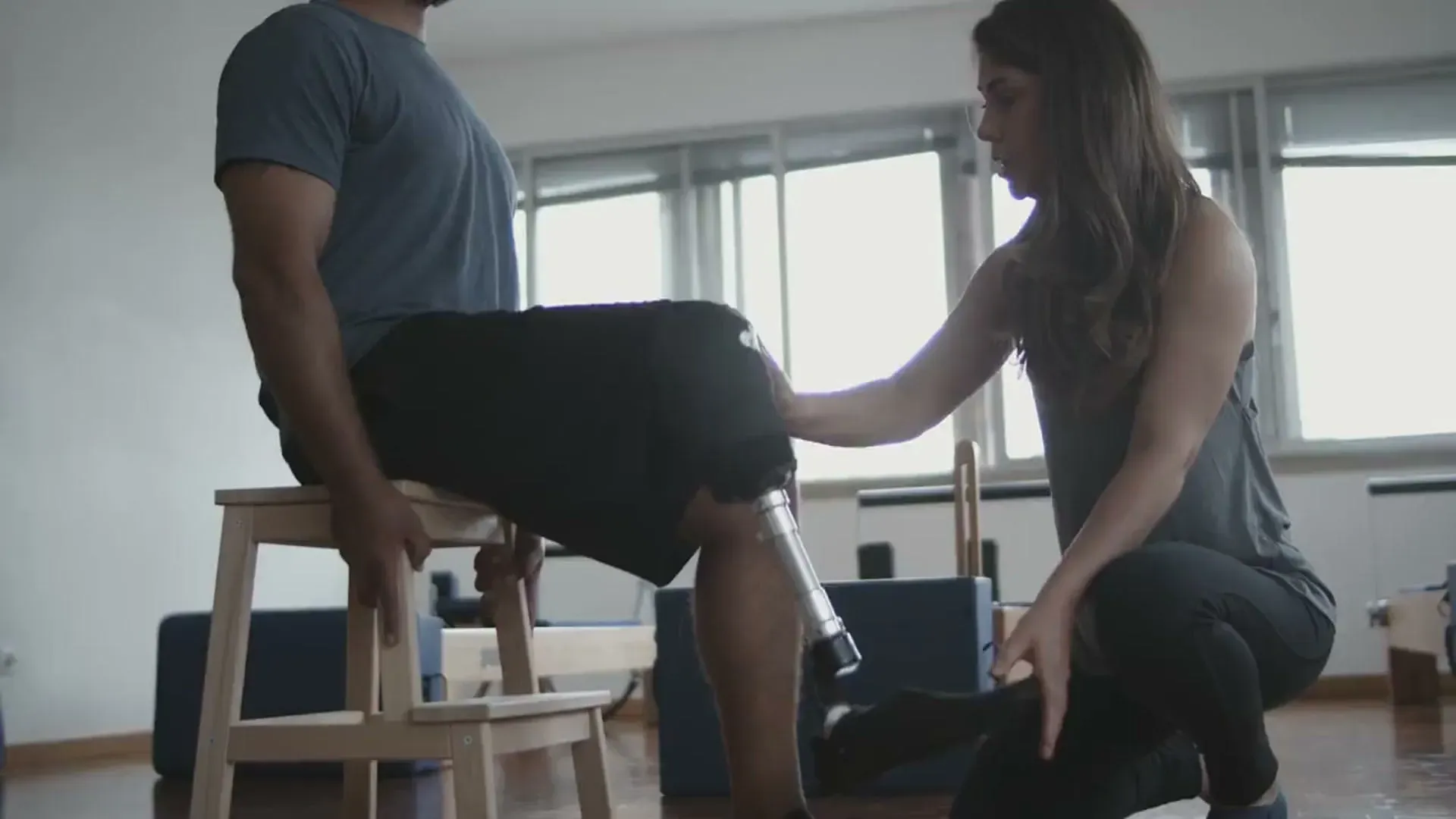
Das Neurorehabilitationsprogramm des DCDC-Zentrums in Dubai Healthcare City bietet Rehabilitation für Schlaganfall, Hirnverletzungen und progressive neurologische Erkrankungen. Unser evidenzbasierter Ansatz nutzt neuroplastische Techniken, um die funktionelle Erholung zu maximieren und die Selbstständigkeit wiederherzustellen.
Neurologische Verletzungen und Erkrankungen beeinflussen die Fähigkeit des Gehirns, Bewegung, Empfindung, Kognition und Kommunikation zu steuern. Schlaganfall ist die häufigste Ursache für Behinderungen bei Erwachsenen weltweit, und sofortige Rehabilitation ist der wichtigste Faktor für die Bestimmung langfristiger funktioneller Ergebnisse.
Unser Neurorehabilitationsprogramm basiert auf dem Prinzip, dass das Gehirn sich durch Neuroplastizität selbst reorganisieren kann. Selbst nach schweren Schäden durch Schlaganfall oder Hirnverletzung kann das Gehirn neue neuronale Bahnen bilden und bestehende Verbindungen stärken, wenn es durch strukturierte, aufgabenorientierte, wiederholte Übungen stimuliert wird.
Neuroplastizität
Evidenzbasierte neurologische Erholung
Facharztgeführt
Spezialisierte Rehabilitationsmedizin
Integriert
Bildgebung und Spezialistenteam vor Ort
Neurorehabilitation in Dubai: Schlaganfallrehabilitation und neurologische Rehabilitation
Evidenzbasierte neurologische Erholung in Dubai Healthcare City
Das Neurorehabilitationsprogramm des DCDC-Zentrums in Dubai Healthcare City bietet Rehabilitation für Schlaganfall, Hirnverletzungen und progressive neurologische Erkrankungen. Unser evidenzbasierter Ansatz nutzt neuroplastische Techniken, um die funktionelle Erholung zu maximieren und die Selbstständigkeit wiederherzustellen.
Neurologische Verletzungen und Erkrankungen beeinflussen die Fähigkeit des Gehirns, Bewegung, Empfindung, Kognition und Kommunikation zu steuern. Schlaganfall ist die häufigste Ursache für Behinderungen bei Erwachsenen weltweit, und sofortige Rehabilitation ist der wichtigste Faktor für die Bestimmung langfristiger funktioneller Ergebnisse.
Unser Neurorehabilitationsprogramm basiert auf dem Prinzip, dass das Gehirn sich durch Neuroplastizität selbst reorganisieren kann. Selbst nach schweren Schäden durch Schlaganfall oder Hirnverletzung kann das Gehirn neue neuronale Bahnen bilden und bestehende Verbindungen stärken, wenn es durch strukturierte, aufgabenorientierte, wiederholte Übungen stimuliert wird.

Shanika Rajasekara
Unsere Leistungen entdecken
Umfassende neurorehabilitation Leistungen im DCDC Dubai Healthcare City.

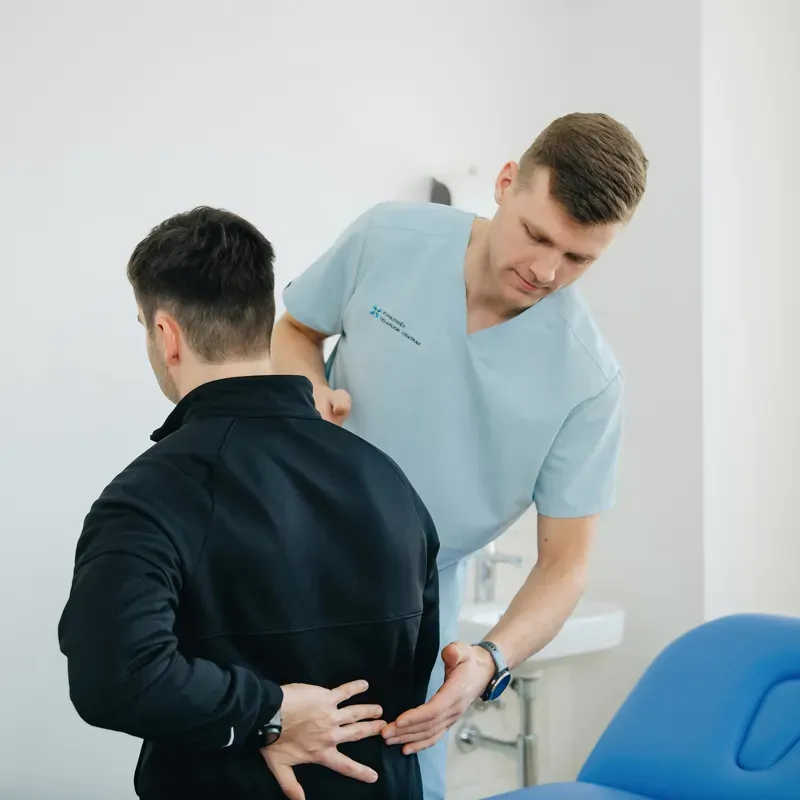
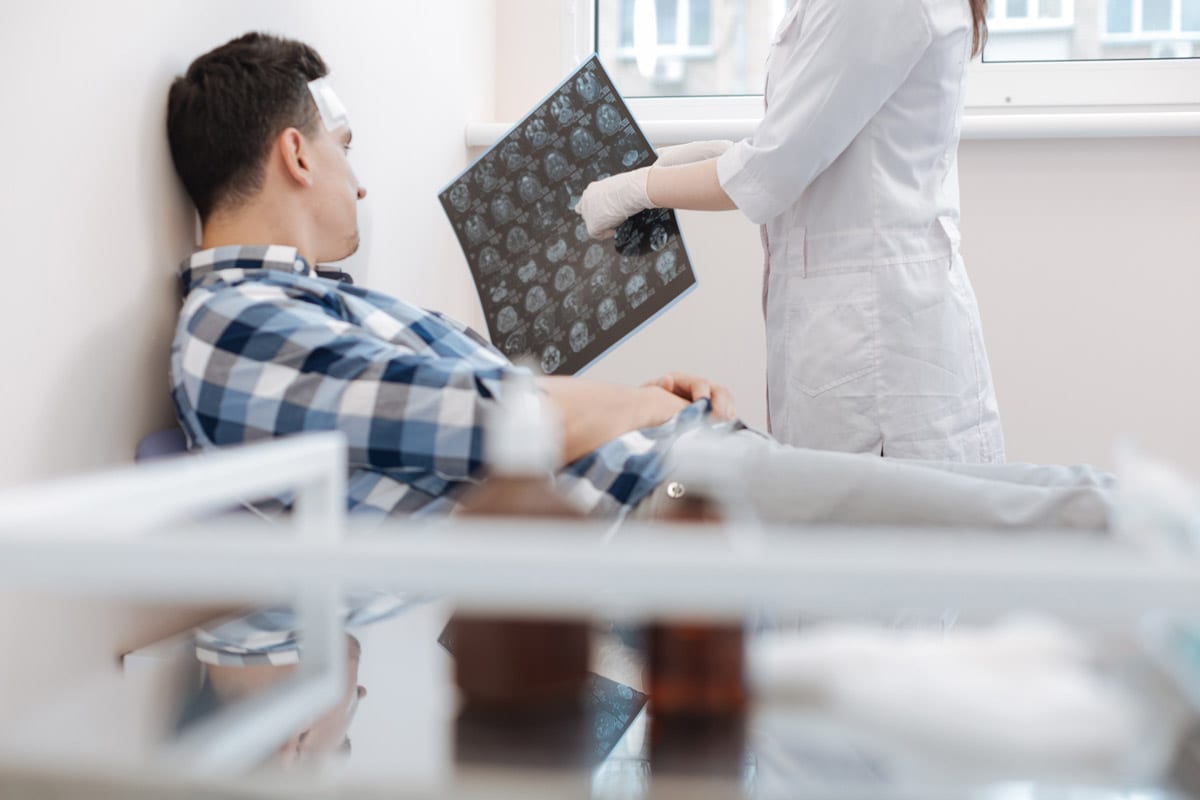
Alle Leistungen werden von DHA-lizenzierten Spezialisten durchgeführt
Für wen ist Neurorehabilitation geeignet?
Neurorehabilitation ist für Patienten mit neurologischen Erkrankungen unerlässlich, die Bewegung, Gleichgewicht, Kognition oder Alltagsfunktion beeinflussen.
Erholung vom Schlaganfall (ischämisch oder hämorrhagisch)
Traumatische Hirnverletzung in jeder Phase der Erholung
Parkinson mit Schwierigkeiten bei Bewegung oder Gleichgewicht
Multiple Sklerose mit Erschöpfung, Schwäche oder Koordinationsproblemen
Gleichgewichts- und Gangstörungen aus neurologischen Ursachen
Erholung nach neurochirurgischem Eingriff
Warum DCDC für Neurorehabilitation wählen?
MOHAP-lizenzierte neurologische Rehabilitation in unserer Klinik, facharztgeführt, mit neuroplastizitätsbasierten Programmen und fortschrittlicher Bildgebung vor Ort.
MOHAP-lizenziert
Lizenziertes Zentrum in Dubai Healthcare City mit strengen klinischen Standards.
Neuroplastizitätsfokus
Evidenzbasierte motorische Umlernungs- und neuronale Anpassungstechniken.
Facharztgeführt
Facharztrzt für Rehabilitationsmedizin mit neurologischer Expertise.
Bildgebung vor Ort
Gehirn-MRT und CT für neurologische Beurteilung und Überwachung verfügbar.
Multidisciplinary
Physical therapy, neurorehabilitation, and medical management coordinated.
DHCC Location
Building 64, Block A, DCDC. Accessible facilities and free parking.
Ihr angenehmer Besuch
Ein einfacher, schrittweiser Neurorehabilitation-Untersuchungsprozess für Komfort, Schnelligkeit und Genauigkeit.
Gebühren für Neurorehabilitation
Die Neurorehabilitation-Preise in Dubai variieren je nach Leistungsart und Versicherungsdeckung für verschiedene Leistungstypen.
- Preise variieren je nach Untersuchungsart und Kontrastmittelbedarf
- Versicherungsdeckung akzeptiert mit Überweisung und Verifizierung
- Transparente Selbstzahlerpreise mit sofortigem Angebot auf Anfrage
Versicherungsverifizierung in Minuten • Keine versteckten Gebühren • Schnelle Antwort auf WhatsApp
Patientenratgeber
Was Sie bei der Neurorehabilitation erwarten können
Umfassende Beurteilung und individueller Rehabilitationsplan gefolgt von regelmäßigen Sitzungen.
Versicherung & Standort
Versicherungspartner
- •Über 20 Versicherungsanbieter in Dubai einschließlich Daman, AXA, ADNIC und andere
- •Vorabgenehmigung-Unterstützung und Direktabrechnung (falls zutreffend)
- •Deckungsüberprüfung vor Ihrem Termin in unserer Klinik in Dubai Healthcare City
- •Transparente Preisgestaltung ohne versteckte Gebühren für neurorehabilitation-Leistungen








Besuchen Sie uns in Dubai Healthcare City
Doctors Clinic Diagnostic Center
Gebäude 64, Block A, Al Razi Medical Complex, Dubai Healthcare City, Dubai, VAE
Nahe der Oud Metha Road · Einfacher Zugang von Bur Dubai, Downtown Dubai, Business Bay · Kostenlose Patientenparkplätze verfügbar
Öffnungszeiten
Mo-Do, Sa: 8:00 - 22:30 Uhr | So: 8:30 - 22:30 Uhr | Fr: 9:00 - 22:00 Uhr
So funktioniert die Versicherung bei DCDC
Deckung prüfen
Überprüfen Sie, ob Ihr Plan Neurorehabilitation abdeckt
Überweisung erhalten
Einige Versicherer verlangen eine Überweisung — wir helfen Ihnen gerne
Vorab-Genehmigung
Wir übernehmen die Vorab-Genehmigung direkt mit Ihrem Versicherer
Direktabrechnung
Keine Vorauszahlung — wir rechnen direkt mit Ihrem Versicherer ab
Nur Eigenanteil
Sie zahlen nur den anfallenden Eigenanteil in der Klinik
Deckung prüfen
Überprüfen Sie, ob Ihr Plan Neurorehabilitation abdeckt
Überweisung erhalten
Einige Versicherer verlangen eine Überweisung — wir helfen Ihnen gerne
Vorab-Genehmigung
Wir übernehmen die Vorab-Genehmigung direkt mit Ihrem Versicherer
Direktabrechnung
Keine Vorauszahlung — wir rechnen direkt mit Ihrem Versicherer ab
Nur Eigenanteil
Sie zahlen nur den anfallenden Eigenanteil in der Klinik
Your Specialist
Shanika Rajasekara
Physiotherapist
DHA-licensed Physiotherapist
English · Sinhala · Hindi
Patientenratgeber
Verstehen: Neurorehabilitation
Neurorehabilitation is the medical specialty devoted to restoring function after injury or disease affecting the brain, spinal cord, and peripheral nervous system. Unlike general rehabilitation, which focuses on musculoskeletal recovery, neurorehabilitation targets the unique challenges of neurological damage: disrupted motor control, altered sensation, impaired cognition, and compromised autonomic function. The discipline integrates neuroscience, rehabilitation medicine, and behavioural science to design programmes that promote neural recovery.
Stroke is the most common condition requiring neurorehabilitation and the leading cause of long-term disability in adults. A stroke occurs when blood supply to part of the brain is interrupted (ischaemic stroke) or when a blood vessel bursts (haemorrhagic stroke), causing brain cell death and loss of function in the areas controlled by the damaged tissue. The pattern of impairment depends on the location and extent of damage: right-hemisphere strokes typically cause left-sided weakness and spatial awareness problems, while left-hemisphere strokes often affect right-sided movement and language.
The cornerstone of modern neurorehabilitation is the principle of neuroplasticity, the brain\
The intensity of rehabilitation is a critical determinant of outcome. Studies consistently show a dose-response relationship: more therapy produces better results, up to a point. Current evidence suggests that stroke patients benefit from at least three Stunden of active rehabilitation per Tag during the initial recovery phase. While this level of intensity is challenging to sustain, the principle underscores the importance of maximising active practice time during sessions and supplementing clinic-based therapy with structured home exercise. At DCDC, our neurorehabilitation programmes are designed to optimise therapy intensity within each patient\
Neurological Conditions We Treat in Rehabilitation
Stroke Recovery
Comprehensive rehabilitation for ischaemic and haemorrhagic stroke including motor recovery, walking retraining, upper limb function, speech and swallowing, and return to daily activities.
Traumatic Brain Injury
Physical and cognitive rehabilitation following head injuries addressing mobility, coordination, memory, attention, behavioural changes, and functional independence.
Parkinson Disease
Exercise-based therapy focusing on gait training, balance, movement amplitude, dual-task performance, and fall prevention tailored to disease stage.
Multiple Sclerosis
Symptom management and functional maintenance addressing fatigue, balance, mobility, strength, and cognitive function during stable periods.
Vestibular Disorders
Balance rehabilitation for vestibular neuritis, BPPV, and central vestibular conditions using habituation, gaze stabilisation, and balance retraining exercises.
Peripheral Neuropathy
Rehabilitation for nerve damage affecting limb function including sensory re-education, strengthening, balance training, and fall prevention.
Verwandte Artikel
Back Pain: Causes and Treatment
Understanding pain management and rehabilitation approaches for spinal conditions.
Lateral Recess Stenosis and CT Scan
How imaging and rehabilitation work together for spinal conditions.
Sports Injury Recovery in Dubai
A guide to structured rehabilitation for injury recovery at DCDC.
Verwandte Leistungen
Entdecken Sie weitere Diagnose- und Beratungsleistungen in unserer Klinik in Dubai Healthcare City.
Häufig gestellte Fragen
Häufige Fragen zu Neurorehabilitation in Dubai.
Forschungen zeigen, dass der frühe Beginn strukturierter Rehabilitation innerhalb von Tagen nach dem Schlaganfall die besten funktionellen Ergebnisse erzielt. Selbst in späteren Stadien ist das Gehirn noch in der Lage, sich zu verändern und zu verbessern.
Ja. LSVT BIG-Bewegungstherapie und Bewegungstrainingssechniken verbessern Stabilität, Bewegungsbewusstsein und lindern Steifigkeit und verlangsamen den funktionellen Rückgang bei Parkinson.
In der Regel 45–60 Minuten pro Sitzung. Programmdauer variiert von Wochen bis Monaten basierend auf der Art des Zustands und den Erholungszielen.
Nein. Das Programm ist darauf ausgelegt, schrittweise und Ihren Fähigkeiten angemessen zu sein. Sie können anfangs körperliche und kognitive Erschöpfung spüren, was ein natürlicher Teil des Erholungsprozesses ist.
Wichtige Fakten
Medizinische Aufsicht
Alle Leistungen werden unter Aufsicht lizenzierter medizinischer Fachkräfte in unserer MOHAP-akkreditierten Einrichtung erbracht.