
Termin vereinbaren
Verifizierte Patientenbewertungen des DCDC Diagnosezentrum in Dubai
Verifizierte Bewertungen und echte Patientenberichte aus Dubai Healthcare City
Ich bin sehr zufrieden mit dieser medizinischen Klinik. Ich hatte hier mein erstes Schwangerschaftsscreening. Es war erschwinglich und sehr professionell. Der Radiologe war einladend, freundlich und machte die Erfahrung großartig.
Aizhan Tokmanbetova
Am Freitagabend habe ich mir das Knie verletzt und am Sonntagabend einen MRT-Termin bekommen (am Sonntagnachmittag gebucht). Ich habe etwa 2 Minuten gewartet und war in etwas mehr als 30 Minuten fertig. Das Team war erstaunlich, freundlich und effizient.
Kirsten Evans
Das Team von Dr. Osama war sanft und erstaunlich. Nach einer schlechten Erfahrung anderswo war meine Beckenuntersuchung hier viel professioneller. Toller Bericht und sehr präzise.
Mary


Fruchtbarkeitsuntersuchung in Dubai: Umfassende Eileiterbewertung und Fruchtbarkeitsabklaerung
Erfahrene Gynaekologinnen begleiten Ihren Fruchtbarkeitsweg mit fortschrittlicher Diagnostik in Dubai Healthcare City
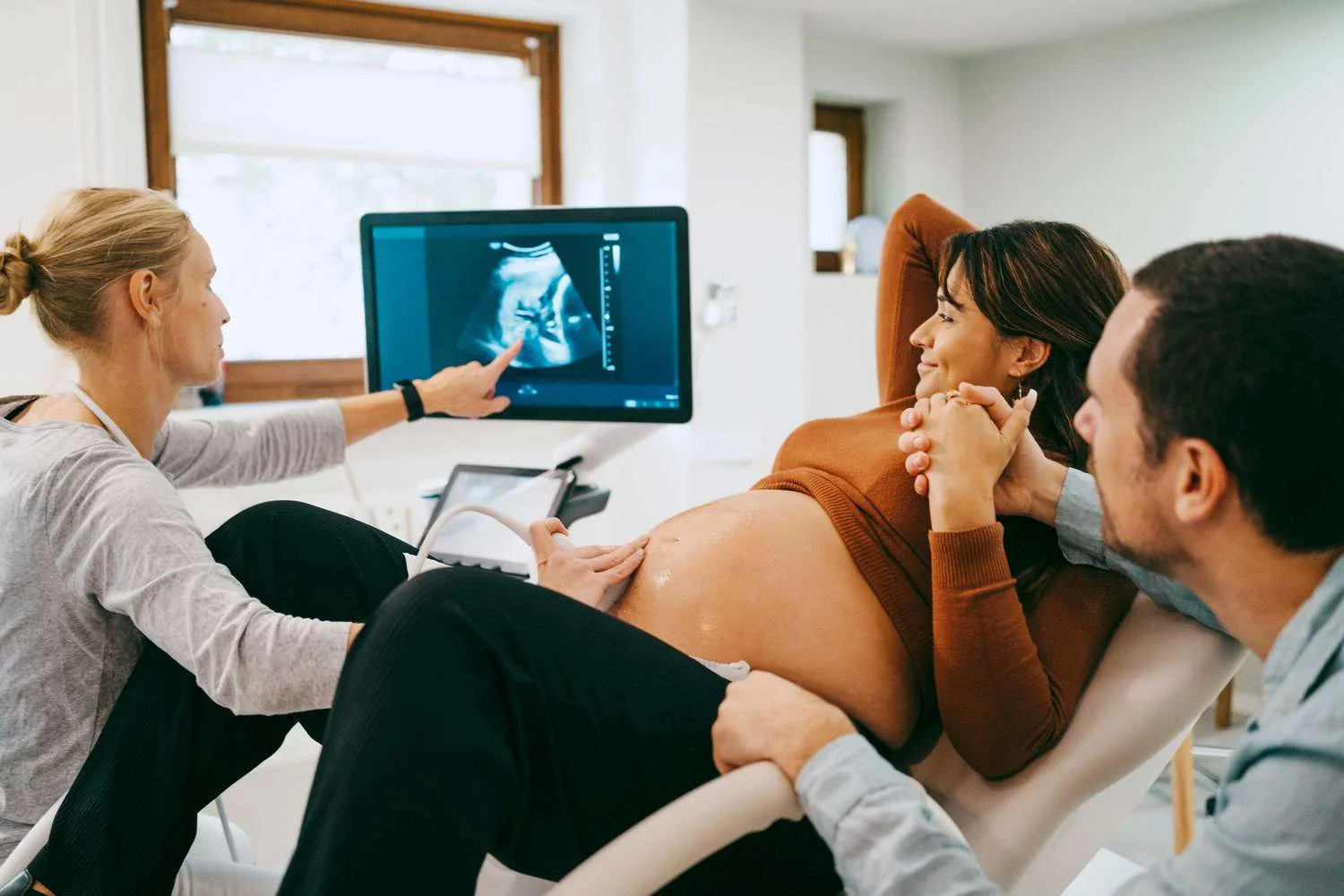
Umfassende Abklaerung
Fruchtbarkeitsuntersuchung, die hormonelle, bildgebende und tubare Bewertung unter einem Dach vereint
Erfahrene Gynaekologinnen
Erfahrene Spezialistinnen, die Ihren Fruchtbarkeitsweg von der Diagnose bis zur Behandlung begleiten
Eileiterbewertung
HSG und Ultraschall zur Beurteilung der Eileiterdurchgaengigkeit und Gebaermuttergesundheit
Individueller Plan
Individuelle Behandlungsstrategie basierend auf Ihrem vollstaendigen Fruchtbarkeitsprofil
Den Weg zur Fruchtbarkeit zu beginnen kann ueberwaeeltigend sein, aber Sie muessen ihn nicht alleine gehen. Im Doctors Clinic Diagnostic Center in Dubai Healthcare City bieten unsere erfahrenen Gynaekologinnen einfuehlsame, evidenzbasierte Fruchtbarkeitsuntersuchungen an, die darauf ausgelegt sind, die Ursache fuer Schwierigkeiten bei der Empfaengnis zu identifizieren und einen klaren Weg nach vorne aufzuzeigen. Ob Sie seit einigen Monaten oder mehreren Jahren versuchen, unser Team ist hier, um Sie mit gruendlichen Tests, ehrlicher Beratung und einer personalisierten Behandlungsstrategie zu unterstuetzen.
Tubare Infertilitaet, bei der einer oder beide Eileiter blockiert oder beschaedigt sind, macht etwa 25-30% der weiblichen Unfruchtbarkeitsfaelle aus. Die Hysterosalpingographie (HSG) ist ein wichtiger Bestandteil der Fruchtbarkeitsabklaerung, der beurteilt, ob die Eileiter offen sind und die Gebaermutterhoehle strukturell normal ist. Bei DCDC wird die HSG als Teil einer umfassenderen Fruchtbarkeitsuntersuchung durchgefuehrt und nicht als isoliertes Bildgebungsverfahren, um sicherzustellen, dass Ihre Ergebnisse im vollstaendigen Kontext Ihrer reproduktiven Gesundheit interpretiert werden. Erfahren Sie mehr ueber das HSG-Verfahren und die Kosten in Dubai.
Eine umfassende Fruchtbarkeitsabklaerung bei DCDC umfasst in der Regel eine detaillierte Uebeerpruefung der Krankengeschichte, eine Beckenultraschalluntersuchung zur Beurteilung von Gebaermutter und Eierstoecken, Hormontests (einschliesslich FSH, LH, AMH, Estradiol, Prolaktin und Schilddruesenfunktion) sowie eine Eileiterbewertung mittels HSG. Ihre Gynaekologin koordiniert alle diese Untersuchungen und bespricht die Gesamtergebnisse mit Ihnen, um einen individuellen Plan zu entwickeln, sei es mit Lebensstilaenderungen, Ovulationsinduktion, chirurgischem Eingriff oder Ueberweisung zur assistierten Reproduktion.
Es ist wichtig zu wissen, wann eine Fruchtbarkeitsuntersuchung angebracht ist. Internationale Leitlinien empfehlen, dass Frauen unter 35, die seit 12 Monaten erfolglos versuchen schwanger zu werden, eine Untersuchung durchfuehren lassen sollten, waehrend Frauen ueber 35 bereits nach 6 Monaten Hilfe suchen sollten. Frauen mit bekannten Risikofaktoren wie unregelmaessigen Perioden, einer Vorgeschichte von Beckeninfektionen, Endometriose oder frueheren Bauchoperationen koennen von einer frueheren Untersuchung profitieren. Unsere Gynaekologinnen helfen Ihnen zu verstehen, ob Tests angemessen sind, und fuehren Sie mit Sensibilitaet und Klarheit durch jeden Schritt.
Bei DCDC glauben wir, dass eine Fruchtbarkeitsuntersuchung gruendlich und gleichzeitig effizient sein sollte, um sowohl emotionalen Stress als auch unnoetige Verzoegerungen zu minimieren. Unsere Klinik bietet die Bequemlichkeit von Bildgebung vor Ort, Labortests und Facharztkonsultationen innerhalb eines einzigen Campus in DHCC, damit Sie Ihre Abklaerung abschliessen koennen, ohne zwischen verschiedenen Einrichtungen koordinieren zu muessen. Fuer Hinweise, was Sie waehrend und nach der HSG erwartet, lesen Sie unseren Leitfaden zu HSG-Nebenwirkungen und Erholung.
Umfassende Abklaerung
Fruchtbarkeitsuntersuchung, die hormonelle, bildgebende und tubare Bewertung unter einem Dach vereint
Erfahrene Gynaekologinnen
Erfahrene Spezialistinnen, die Ihren Fruchtbarkeitsweg von der Diagnose bis zur Behandlung begleiten
Eileiterbewertung
HSG und Ultraschall zur Beurteilung der Eileiterdurchgaengigkeit und Gebaermuttergesundheit
Individueller Plan
Individuelle Behandlungsstrategie basierend auf Ihrem vollstaendigen Fruchtbarkeitsprofil
Fruchtbarkeitsuntersuchung in Dubai: Umfassende Eileiterbewertung und Fruchtbarkeitsabklaerung
Erfahrene Gynaekologinnen begleiten Ihren Fruchtbarkeitsweg mit fortschrittlicher Diagnostik in Dubai Healthcare City
Den Weg zur Fruchtbarkeit zu beginnen kann ueberwaeeltigend sein, aber Sie muessen ihn nicht alleine gehen. Im Doctors Clinic Diagnostic Center in Dubai Healthcare City bieten unsere erfahrenen Gynaekologinnen einfuehlsame, evidenzbasierte Fruchtbarkeitsuntersuchungen an, die darauf ausgelegt sind, die Ursache fuer Schwierigkeiten bei der Empfaengnis zu identifizieren und einen klaren Weg nach vorne aufzuzeigen. Ob Sie seit einigen Monaten oder mehreren Jahren versuchen, unser Team ist hier, um Sie mit gruendlichen Tests, ehrlicher Beratung und einer personalisierten Behandlungsstrategie zu unterstuetzen.
Tubare Infertilitaet, bei der einer oder beide Eileiter blockiert oder beschaedigt sind, macht etwa 25-30% der weiblichen Unfruchtbarkeitsfaelle aus. Die Hysterosalpingographie (HSG) ist ein wichtiger Bestandteil der Fruchtbarkeitsabklaerung, der beurteilt, ob die Eileiter offen sind und die Gebaermutterhoehle strukturell normal ist. Bei DCDC wird die HSG als Teil einer umfassenderen Fruchtbarkeitsuntersuchung durchgefuehrt und nicht als isoliertes Bildgebungsverfahren, um sicherzustellen, dass Ihre Ergebnisse im vollstaendigen Kontext Ihrer reproduktiven Gesundheit interpretiert werden. Erfahren Sie mehr ueber das HSG-Verfahren und die Kosten in Dubai.
Eine umfassende Fruchtbarkeitsabklaerung bei DCDC umfasst in der Regel eine detaillierte Uebeerpruefung der Krankengeschichte, eine Beckenultraschalluntersuchung zur Beurteilung von Gebaermutter und Eierstoecken, Hormontests (einschliesslich FSH, LH, AMH, Estradiol, Prolaktin und Schilddruesenfunktion) sowie eine Eileiterbewertung mittels HSG. Ihre Gynaekologin koordiniert alle diese Untersuchungen und bespricht die Gesamtergebnisse mit Ihnen, um einen individuellen Plan zu entwickeln, sei es mit Lebensstilaenderungen, Ovulationsinduktion, chirurgischem Eingriff oder Ueberweisung zur assistierten Reproduktion.
Es ist wichtig zu wissen, wann eine Fruchtbarkeitsuntersuchung angebracht ist. Internationale Leitlinien empfehlen, dass Frauen unter 35, die seit 12 Monaten erfolglos versuchen schwanger zu werden, eine Untersuchung durchfuehren lassen sollten, waehrend Frauen ueber 35 bereits nach 6 Monaten Hilfe suchen sollten. Frauen mit bekannten Risikofaktoren wie unregelmaessigen Perioden, einer Vorgeschichte von Beckeninfektionen, Endometriose oder frueheren Bauchoperationen koennen von einer frueheren Untersuchung profitieren. Unsere Gynaekologinnen helfen Ihnen zu verstehen, ob Tests angemessen sind, und fuehren Sie mit Sensibilitaet und Klarheit durch jeden Schritt.
Bei DCDC glauben wir, dass eine Fruchtbarkeitsuntersuchung gruendlich und gleichzeitig effizient sein sollte, um sowohl emotionalen Stress als auch unnoetige Verzoegerungen zu minimieren. Unsere Klinik bietet die Bequemlichkeit von Bildgebung vor Ort, Labortests und Facharztkonsultationen innerhalb eines einzigen Campus in DHCC, damit Sie Ihre Abklaerung abschliessen koennen, ohne zwischen verschiedenen Einrichtungen koordinieren zu muessen. Fuer Hinweise, was Sie waehrend und nach der HSG erwartet, lesen Sie unseren Leitfaden zu HSG-Nebenwirkungen und Erholung.
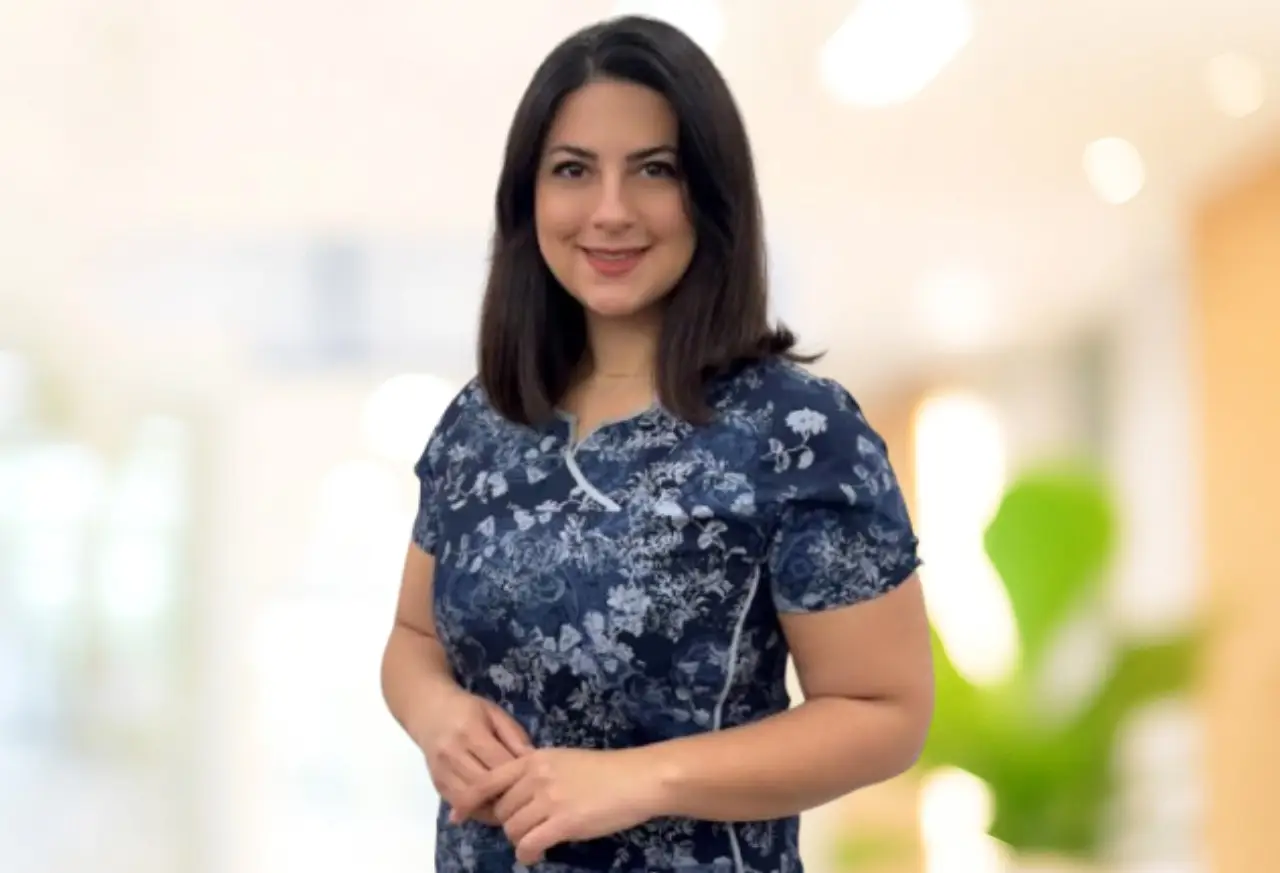
Dr. Parisa Dini
Unsere Leistungen entdecken
Umfassende fruchtbarkeitsuntersuchung — hsg und eileiterbewertung Leistungen im DCDC Dubai Healthcare City.

Schwangerschaftsvorsorge
Umfassende Schwangerschaftsbetreuung und Schwangerschaftsmanagement nach der Empfaengnis.
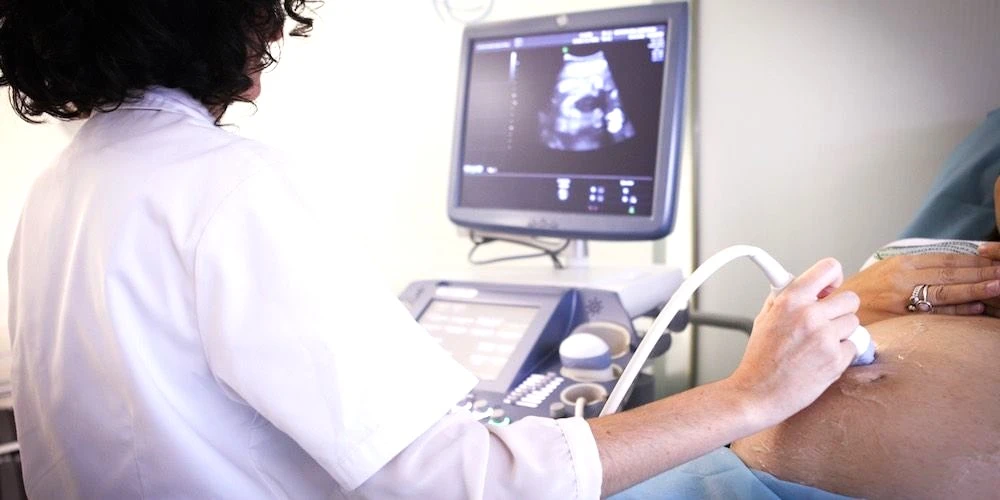
Praenataler Ultraschall
Fortschrittliche 3D Fetalbildgebung und Wohlbefindensscans waehrend der Schwangerschaft.
Gynaekologische Beratung
Allgemeine Frauengesundheitsuntersuchung, Screening und reproduktive Versorgung.
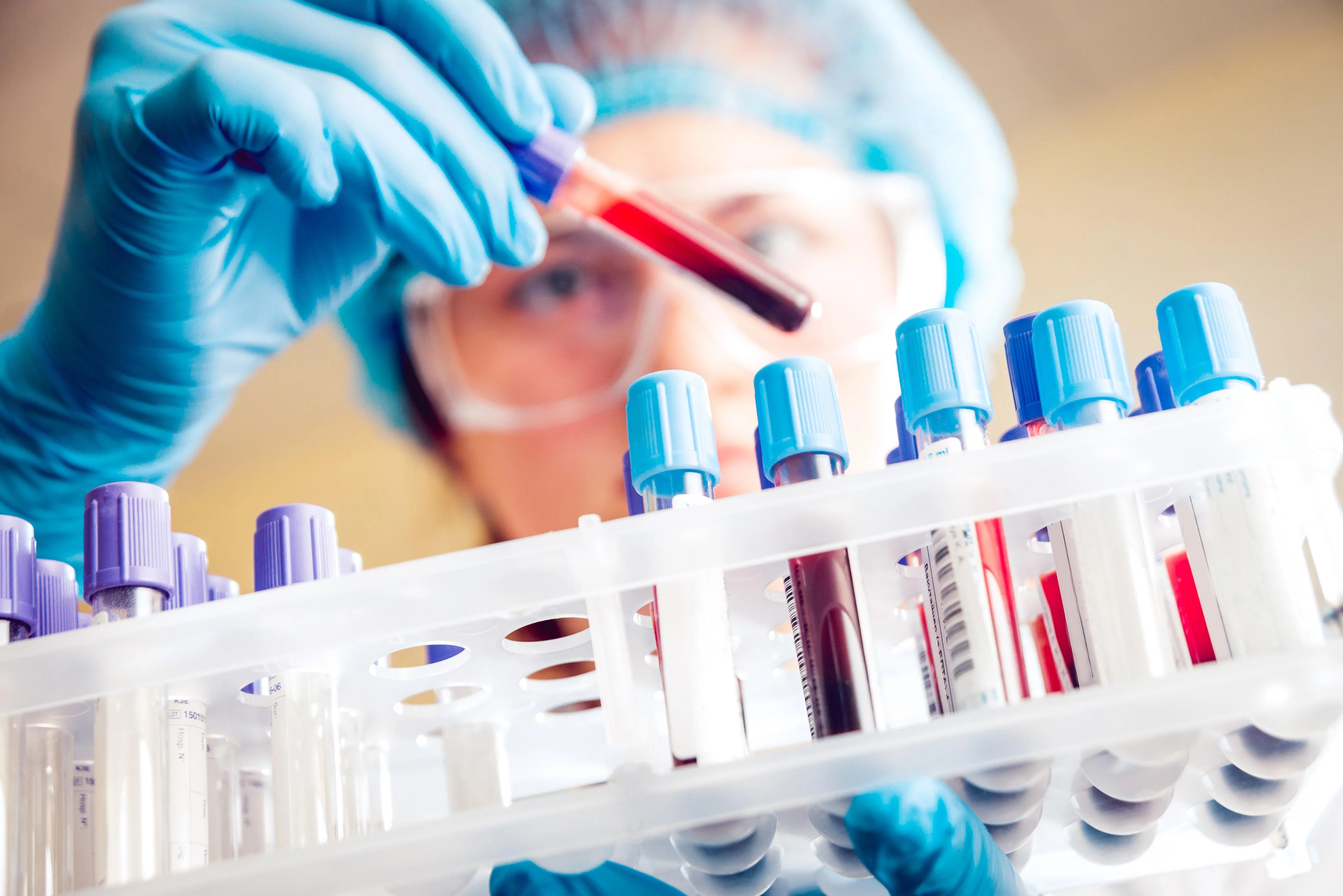
Hormontest
Fruchtbarkeitshormonpanels einschliesslich FSH, LH, AMH, Estradiol und Schilddruese.
Alle Leistungen werden von DHA-lizenzierten Spezialisten durchgeführt
Wer sollte eine Fruchtbarkeitsuntersuchung in Betracht ziehen?
Eine Fruchtbarkeitsuntersuchung wird empfohlen, wenn trotz regelmaessigem ungeschuetztem Geschlechtsverkehr keine Empfaengnis eingetreten ist oder wenn Risikofaktoren fuer reproduktive Probleme vorliegen. Eine fruehe Untersuchung kann wertvolle Zeit sparen und eine wirksame Behandlung leiten.
Frauen unter 35, die seit 12 Monaten erfolglos versuchen schwanger zu werden
Frauen ueber 35, die nach 6 Monaten Versuch nicht schwanger geworden sind
Frauen mit unregelmaessigen, ausbleibenden oder sehr schmerzhaften Menstruationszyklen
Vorgeschichte einer Beckenentsuendung (PID) oder sexuell uebertragbarer Infektionen
Vorgeschichte einer Eileiterschwangerschaft oder frueherer Eileiterchirurgie
Bekannte oder vermutete Endometriose mit Auswirkung auf die Fruchtbarkeit
Warum DCDC fuer Ihre Fruchtbarkeitsuntersuchung waehlen?
MOHAP-lizenzierte Klinik in Dubai Healthcare City mit erfahrenen Gynaekologinnen, Diagnostik vor Ort und einem einfuehlsamen Ansatz zur Fruchtbarkeitsuntersuchung.
Auf Fruchtbarkeit spezialisierte Gynaekologinnen
Erfahrene Gynaekologinnen mit Expertise in reproduktiver Gesundheit, Fruchtbarkeitsabklaerung und evidenzbasierter Behandlungsplanung.
MOHAP-lizenzierte Einrichtung
Akkreditiertes Diagnosezentrum in Dubai Healthcare City (Lizenz NIMY7VY5-240925) mit strengen klinischen Standards.
Umfassende Diagnostik vor Ort
HSG, Beckenultraschall, Bluthormonpanels und Bildgebung auf dem DHCC-Campus fuer effiziente Bewertung verfuegbar.
Einfuehlsame Patientenversorgung
Unterstuetzende Umgebung mit sensibler Kommunikation und Anerkennung der emotionalen Belastung des Fruchtbarkeitsweges.
Versicherung und Abrechnungsunterstuetzung
Direktabrechnung mit ueber 20 Versicherern einschliesslich Daman, AXA, Bupa und Cigna. Vorabgenehmigung durch unser Team.
Guenstiger Standort in DHCC
Gebaeude 64, Block A, Dubai Healthcare City. Kostenlose Parkplaetze und einfacher Zugang fuer haeufige Besuche waehrend Ihrer Untersuchung.
Ihr angenehmer Besuch
Ein einfacher, schrittweiser Fruchtbarkeitsuntersuchung-Untersuchungsprozess für Komfort, Schnelligkeit und Genauigkeit.
Preise fuer Fruchtbarkeitsuntersuchung
Die Fruchtbarkeitsuntersuchung-Preise in Dubai variieren je nach Leistungsart und Versicherungsdeckung für verschiedene Leistungstypen.
- Preise variieren je nach Untersuchungsart und Kontrastmittelbedarf
- Versicherungsdeckung akzeptiert mit Überweisung und Verifizierung
- Transparente Selbstzahlerpreise mit sofortigem Angebot auf Anfrage
Versicherungsverifizierung in Minuten • Keine versteckten Gebühren • Schnelle Antwort auf WhatsApp
Patientenratgeber
Was Sie waehrend Ihrer Fruchtbarkeitsuntersuchung erwartet
Ein strukturierter, einfuehlsamer Ansatz zum Verstaendnis Ihrer reproduktiven Gesundheit und zur Identifizierung des richtigen Weges nach vorne.
Versicherung & Standort
Versicherungspartner
- •Über 20 Versicherungsanbieter in Dubai einschließlich Daman, AXA, ADNIC und andere
- •Vorabgenehmigung-Unterstützung und Direktabrechnung (falls zutreffend)
- •Deckungsüberprüfung vor Ihrem Termin in unserer Klinik in Dubai Healthcare City
- •Transparente Preisgestaltung ohne versteckte Gebühren für fruchtbarkeitsuntersuchung — hsg und eileiterbewertung-Leistungen








Besuchen Sie uns in Dubai Healthcare City
Doctors Clinic Diagnostic Center
Gebäude 64, Block A, Al Razi Medical Complex, Dubai Healthcare City, Dubai, VAE
Nahe der Oud Metha Road · Einfacher Zugang von Bur Dubai, Downtown Dubai, Business Bay · Kostenlose Patientenparkplätze verfügbar
Öffnungszeiten
Mo-Do, Sa: 8:00 - 22:30 Uhr | So: 8:30 - 22:30 Uhr | Fr: 9:00 - 22:00 Uhr
So funktioniert die Versicherung bei DCDC
Deckung prüfen
Überprüfen Sie, ob Ihr Plan Fruchtbarkeitsuntersuchung — HSG und Eileiterbewertung abdeckt
Überweisung erhalten
Einige Versicherer verlangen eine Überweisung — wir helfen Ihnen gerne
Vorab-Genehmigung
Wir übernehmen die Vorab-Genehmigung direkt mit Ihrem Versicherer
Direktabrechnung
Keine Vorauszahlung — wir rechnen direkt mit Ihrem Versicherer ab
Nur Eigenanteil
Sie zahlen nur den anfallenden Eigenanteil in der Klinik
Deckung prüfen
Überprüfen Sie, ob Ihr Plan Fruchtbarkeitsuntersuchung — HSG und Eileiterbewertung abdeckt
Überweisung erhalten
Einige Versicherer verlangen eine Überweisung — wir helfen Ihnen gerne
Vorab-Genehmigung
Wir übernehmen die Vorab-Genehmigung direkt mit Ihrem Versicherer
Direktabrechnung
Keine Vorauszahlung — wir rechnen direkt mit Ihrem Versicherer ab
Nur Eigenanteil
Sie zahlen nur den anfallenden Eigenanteil in der Klinik
Your Specialist
Dr. Parisa Dini
Specialist OB/GYN
MD, Specialist OB/GYN
English · Persian
Patientenratgeber
Fruchtbarkeitsuntersuchung verstehen: Von der Bewertung zur Behandlung
Die HSG ist ein Röntgen-Bildgebungsverfahren, bei dem ein Kontrastmittel verwendet wird, um die Durchgängigkeit der Eileiter und die Form der Gebärmutterhöhle zu beurteilen.
Es ist ein wichtiges Verfahren bei der Abklärung weiblicher Unfruchtbarkeit, da es bestimmt, ob die Ursachen mechanischer oder struktureller Natur sind.
Etwaige Beschwerden dauern nur wenige Minuten, und die Frau kann in der Regel noch am selben Tag ihren normalen Aktivitäten nachgehen.
Fruchtbarkeitserkrankungen, die wir untersuchen und behandeln
Verwandte Artikel
HSG Test Cost in Dubai: What to Expect
A comprehensive guide to HSG test pricing in Dubai, insurance coverage, and what factors affect the overall cost of your fertility evaluation.
HSG Test Side Effects & Recovery Guide
What to expect after your HSG procedure, common side effects, recovery timeline, and when to contact your doctor.
Pelvic Ultrasound for Women: Complete Guide
Everything you need to know about pelvic ultrasound, how it complements HSG in fertility assessment, and what to expect during the scan.
Women's Health Screening in Dubai
Essential health screenings every woman should consider, including fertility tests, cervical screening, and preventive care in Dubai.
Verwandte Leistungen
Entdecken Sie weitere Diagnose- und Beratungsleistungen in unserer Klinik in Dubai Healthcare City.
Häufig gestellte Fragen
Häufige Fragen zu Fruchtbarkeitsuntersuchung — HSG und Eileiterbewertung in Dubai.
Internationale Leitlinien empfehlen eine Fruchtbarkeitsuntersuchung, wenn Sie unter 35 sind und nach 12 Monaten regelmaessigem ungeschuetztem Geschlechtsverkehr nicht schwanger geworden sind, oder nach 6 Monaten, wenn Sie ueber 35 sind. Wenn Sie jedoch bekannte Risikofaktoren wie unregelmaessige Perioden, eine Vorgeschichte von Beckeninfektionen oder Endometriose, eine fruehere Eileiterschwangerschaft oder PCOS haben, sollten Sie frueher eine Untersuchung durchfuehren lassen. Bei DCDC koennen unsere Gynaekologinnen bestimmen, ob eine Untersuchung fuer Ihre Situation angemessen ist, und Sie effizient durch den Prozess fuehren.
Eine umfassende Fruchtbarkeitsabklaerung umfasst in der Regel eine detaillierte Krankengeschichte und koerperliche Untersuchung, einen Beckenultraschall zur Beurteilung von Gebaermutter, Eierstoecken und Follikelzaehlung, Bluthormonuntersuchungen (FSH, LH, AMH, Estradiol, Prolaktin, Progesteron und Schilddruesenfunktion) und eine Hysterosalpingographie (HSG) zur Beurteilung der Eileiterdurchgaengigkeit und Form der Gebaermutterhoehle. Ihre Gynaekologin kann auch ein Spermiogramm fuer Ihren Partner empfehlen, da maennliche Faktoren in etwa 40% der Unfruchtbarkeitsfaelle beitragen. Zusaetzliche Tests koennen basierend auf Ihrem individuellen klinischen Bild angeordnet werden.
Blockierte Eileiter koennen verschiedene Ursachen haben. Beckenentzuendung (PID), oft verursacht durch unbehandelte Chlamydien- oder Gonorrhoe-Infektionen, ist eine der haeufigsten Ursachen. Endometriose kann Verwachsungen und Narbengewebe um oder in den Eileitern verursachen. Fruehere Bauch- oder Beckenoperationen, einschliesslich Blinddarmentfernung oder Eierstockzystenentfernung, koennen zu postoperativen Verwachsungen fuehren. Eileiterschwangerschaften und ihre Behandlung koennen die Eileiterstruktur beschaedigen. In manchen Faellen ist die Ursache unbekannt. Die HSG ist das primaere diagnostische Werkzeug zur Identifizierung von Eileiterverschluessen, und Ihre Gynaekologin wird die Ergebnisse und Behandlungsoptionen klar erklaeren.
In manchen Faellen ja. Der Behandlungsansatz haengt von Ort, Ausmass und Ursache der Blockade ab. Proximale Blockaden nahe der Gebaermutter koennen manchmal durch selektive tubare Katheterisierung geoeffnet werden, ein minimal-invasives Verfahren. Laparoskopische Chirurgie kann distale Blockaden behandeln, Verwachsungen entfernen oder endometriosebedingte Eileiterschaeden behandeln. Das HSG-Verfahren selbst kann manchmal geringfuegige Blockaden oder Schleimpfropfen beseitigen. Wenn die Eileiter jedoch schwer beschaedigt sind oder eine Operation die Funktion wahrscheinlich nicht wiederherstellen wird, kann IVF empfohlen werden, da sie die Eileiter vollstaendig umgeht. Ihre Gynaekologin bei DCDC wird alle Optionen basierend auf Ihren spezifischen Befunden besprechen.
Eine vollstaendige Fruchtbarkeitsuntersuchung dauert in der Regel ein bis zwei Menstruationszyklen. Die Erstberatung kann jederzeit geplant werden. Einige Bluttests muessen an bestimmten Zyklustagen entnommen werden (z.B. FSH und Estradiol an Tag 2-3, Progesteron an Tag 21), und die HSG muss zwischen Tag 7 und 12 des Zyklus durchgefuehrt werden. Bei DCDC koordinieren wir alle Tests effizient, um Verzoegerungen zu minimieren. Sobald alle Ergebnisse vorliegen, plant Ihre Gynaekologin einen Folgetermin zur Besprechung der Ergebnisse und Ihres Behandlungsplans, in der Regel innerhalb von 4-6 Wochen nach Beginn der Abklaerung.
Die Erfolgsraten variieren je nach zugrunde liegender Ursache, Behandlungsansatz, Alter der Frau und anderen individuellen Faktoren. Bei Paaren, bei denen eine behandelbare Ursache identifiziert wird, wie Ovulationsstoerungen oder leichte Eileiterprobleme, koennen die kumulativen Schwangerschaftsraten mit angemessener Behandlung recht guenstig sein. Ovulationsinduktion in Kombination mit geplantem Geschlechtsverkehr kann Schwangerschaftsraten von 10-20% pro Zyklus erreichen. IUI-Erfolgsraten liegen typischerweise bei 10-15% pro Zyklus. IVF-Erfolgsraten variieren je nach Alter, koennen aber bei Frauen unter 38 Jahren 30-50% pro Zyklus betragen. Ihre Gynaekologin bei DCDC wird realistische Erwartungen basierend auf Ihrer spezifischen Diagnose und Ihrem Behandlungsplan darlegen.
Ja, HSG und Beckenultraschall liefern ergaenzende Informationen. Ultraschall ist hervorragend zur Beurteilung der Gebaermutterstruktur, Messung der Gebaeermutterschleimhaut, Bewertung der ovariellen Reserve (Antralfollikelzaehlung) und Erkennung von Eierstockzysten, Myomen oder Polypen. Allerdings kann Ultraschall nicht zuverlaessig beurteilen, ob die Eileiter offen sind. HSG beurteilt spezifisch die Eileiterdurchgaengigkeit, indem der Fluss des Kontrastmittels durch die Eileiter verfolgt wird. Zusammen bieten diese beiden Untersuchungen ein umfassendes Bild der anatomischen Faktoren, die Ihre Fruchtbarkeit beeinflussen. Ihre Gynaekologin kann je nach Ihrer klinischen Situation eine oder beide empfehlen.
Bluttests sind ein wesentlicher Bestandteil der Fruchtbarkeitsabklaerung, koennen aber allein nicht die ganze Geschichte erzaehlen. Hormontests koennen Ovulationsstoerungen, verminderte ovarielle Reserve, Schilddruesendysfunktion, erhoehtes Prolaktin oder hormonelle Ungleichgewichte, die die Empfaengnis beeintraechtigen, aufdecken. Strukturelle Probleme wie blockierte Eileiter, Gebaermuttermyome, Polypen oder Verwachsungen erfordern jedoch bildgebende Untersuchungen wie HSG und Ultraschall zur Erkennung. Eine umfassende Fruchtbarkeitsuntersuchung bei DCDC kombiniert Bluttests mit Bildgebung, um sicherzustellen, dass kein wesentlicher Faktor uebersehen wird.
Wichtige Fakten
Medizinische Aufsicht
Alle Leistungen werden unter Aufsicht lizenzierter medizinischer Fachkräfte in unserer MOHAP-akkreditierten Einrichtung erbracht.