Zum Hauptinhalt springen
DCDC, Dubai Healthcare City, Dubai, VAE

Fibroid Treatment in Dubai

Same-Day Consults, Advanced Imaging, Fertility-Preserving Care

4.8/51000+ Bewertungen
100k+ Behandelt
DCDC
4.8

Termin vereinbaren

VERIFIZIERTE PATIENTENBERICHTE

Verifizierte Patientenbewertungen des DCDC Diagnosezentrum in Dubai

Verifizierte Bewertungen und echte Patientenberichte aus Dubai Healthcare City

4.8 / 5aus über 1.000 Bewertungen

Ich bin sehr zufrieden mit dieser medizinischen Klinik. Ich hatte hier mein erstes Schwangerschaftsscreening. Es war erschwinglich und sehr professionell. Der Radiologe war einladend, freundlich und machte die Erfahrung großartig.

A

Aizhan Tokmanbetova

Verifizierter Patient

Am Freitagabend habe ich mir das Knie verletzt und am Sonntagabend einen MRT-Termin bekommen (am Sonntagnachmittag gebucht). Ich habe etwa 2 Minuten gewartet und war in etwas mehr als 30 Minuten fertig. Das Team war erstaunlich, freundlich und effizient.

K

Kirsten Evans

Verifizierter Patient

Das Team von Dr. Osama war sanft und erstaunlich. Nach einer schlechten Erfahrung anderswo war meine Beckenuntersuchung hier viel professioneller. Toller Bericht und sehr präzise.

M

Mary

Verifizierter Patient

Ausgezeichneter Service und hilfsbereite Rezeption. Frau Cleous hat alles reibungslos organisiert, und Dr. Ziryab war sachkundig und professionell.

D

Dominic Patino

Verifizierter Patient

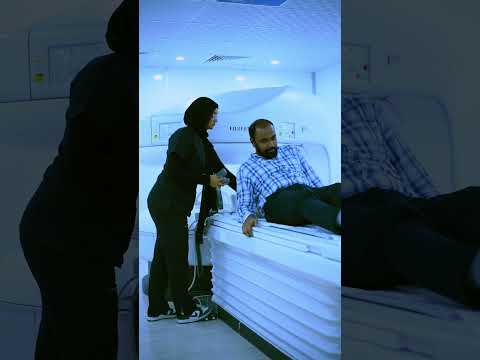
Hervorragende MRT-Erfahrung, saubere Einrichtung, freundliches Personal, klare Erklärungen und ein reibungsloser Ablauf. Die Ergebnisse waren schnell und detailliert, und der Radiologe nahm sich Zeit, die Befunde zu erklären.

M

Mahmoud Mounir

Verifizierter Patient

Tolle Ultraschallerfahrung, freundliches Personal und angemessene Preise. Qualitätsversorgung zu erschwinglichen Kosten.

K

Komal Ahmed

Verifizierter Patient
Verifizierter Patientenbericht

Fibroid Treatment in Dubai: Ovarian Cyst & Gynecological Disorder Treatment

Managing Fibroids, Cysts, PCOS, Endometriosis & Pelvic Pain
Gynecological Treatments bei DCDC Dubai Healthcare City
Ergebnisse am selben Tag

Fachärztliche Versorgung

Gynecological Treatments bei DCDC Dubai Healthcare City

Termin für Gynecological Treatments buchen

Fibroid and ovarian cyst treatment in Dubai Healthcare City. Expert gynecology for abnormal bleeding. Same-day appointments. Book now.
DHA-lizenziert

Unsere Gynecological Treatments Leistungen

Umfassende gynecological treatments Leistungen im DCDC Dubai Healthcare City.
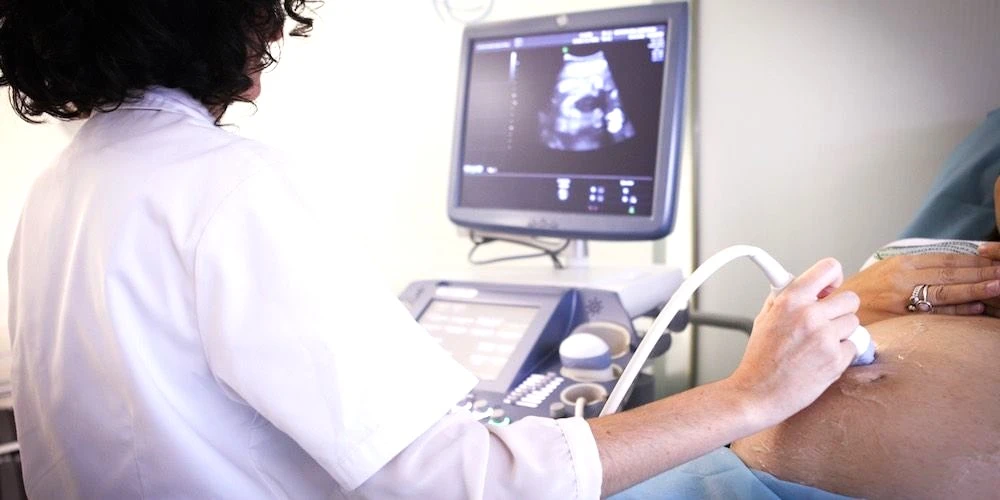
Fibroid Management - DCDC

Fibroid Management

Assessment and treatment plans aiming to preserve fertility.

Ovarian Cysts - DCDC

Ovarian Cysts

Ultrasound diagnosis and monitoring with clear follow-up.

PCOS Care - DCDC

PCOS Care

Hormonal balance, metabolic health, and fertility planning.

Pelvic Pain - DCDC

Pelvic Pain

Diagnostic workup for endometriosis/other causes with tailored care.

Alle Leistungen werden von DHA-lizenzierten Spezialisten durchgeführt

Gynecological Treatments

Fibroid and ovarian cyst treatment in Dubai Healthcare City. Expert gynecology for abnormal bleeding. Same-day appointments. Book now.

Am häufigsten

Heavy, prolonged, or painful periods

Am häufigsten

Pelvic pain or pressure

Bloating or abdominal swelling

Difficulty getting pregnant

Pain during intercourse

Irregular cycles or missed periods

Acne, excess facial or body hair, or hair thinning (signs of PCOS)

Painful bowel movements or urination during periods (endometriosis signs)

Unexplained weight gain with menstrual irregularity

Family history of fibroids, PCOS, or endometriosis

Gynecological Treatments bei DCDC Dubai Healthcare City

Fachärztliche Versorgung

MOHAP Licensed

Licensed facility in DHCC (MOHAP license NIMY7VY5-240925) following strict clinical and infection control standards.

Female Specialists

Experienced female gynecologists skilled in fibroids, cysts, PCOS, endometriosis, and pelvic pain management.

Same-Day Consults

Same-day appointments available for pain, heavy bleeding, or urgent concerns. Limited specialist capacity. Book early.

Advanced Diagnostics

On-site ultrasound, hormonal profiling, and coordinated referrals for minimally invasive or surgical options when needed.

Prime DHCC Location

Building 64, Block A, Dubai Healthcare City with free dedicated parking and easy access from major Dubai districts.

Fertility Focus

Care plans that prioritize fertility preservation and symptom relief with evidence-based options.

Ihr angenehmer Besuch

Ein einfacher, schrittweiser Gynecological-Untersuchungsprozess für Komfort, Schnelligkeit und Genauigkeit.

1

Consult

Discuss symptoms and history.

2

Scan

Pelvic ultrasound and labs as needed.

3

Diagnose

Review findings and options.

4

Treat

Start medical or procedural care.

5

Monitor

Follow-up to track response.

Gynecological Treatments

Die Gynecological-Preise in Dubai variieren je nach Leistungsart und Versicherungsdeckung für verschiedene Leistungstypen.

  • Preise variieren je nach Untersuchungsart und Kontrastmittelbedarf
  • Versicherungsdeckung akzeptiert mit Überweisung und Verifizierung
  • Transparente Selbstzahlerpreise mit sofortigem Angebot auf Anfrage

Versicherungsverifizierung in Minuten • Keine versteckten Gebühren • Schnelle Antwort auf WhatsApp

Patientenratgeber

Gynecological Treatments

Fibroid and ovarian cyst treatment in Dubai Healthcare City. Expert gynecology for abnormal bleeding. Same-day appointments. Book now.

Assessment

  • Detailed history and symptom mapping.
  • Symptoms:Tracking patterns.
  • Exam:Pelvic check.
  • History:Family background.

Investigation

  • Confirming diagnosis with targeted tests.
  • Ultrasound:Visualize organs.
  • Blood:Hormonal levels.
  • MRI:Detail if needed.

Management

  • Personalized, fertility-preserving plan.
  • Medical:Drugs to manage.
  • Surgical:Referral if needed.
  • Lifestyle:Holistic support.

Versicherung & Standort

MOHAP-Lizenz: Vollständig lizenziertes Diagnosezentrum in Dubai Healthcare City

Versicherungspartner

  • Über 20 Versicherungsanbieter in Dubai einschließlich Daman, AXA, ADNIC und andere
  • Vorabgenehmigung-Unterstützung und Direktabrechnung (falls zutreffend)
  • Deckungsüberprüfung vor Ihrem Termin in unserer Klinik in Dubai Healthcare City
  • Transparente Preisgestaltung ohne versteckte Gebühren für gynecological treatments-Leistungen

ADNIC insurance logo
Aetna insurance logo
Al-Buhaira insurance logo
AlMadhalla insurance logo
amity insurance logo
AXA insurance logo
Daman insurance logo
ECARE insurance logo
Alle Versicherungspartner anzeigen

Besuchen Sie uns in Dubai Healthcare City

Doctors Clinic Diagnostic Center

Gebäude 64, Block A, Al Razi Medical Complex, Dubai Healthcare City, Dubai, VAE

Nahe der Oud Metha Road · Einfacher Zugang von Bur Dubai, Downtown Dubai, Business Bay · Kostenlose Patientenparkplätze verfügbar

Öffnungszeiten

Sa-Do: 8:00 - 22:00 Uhr | Fr: 9:00 - 21:00 Uhr

So funktioniert die Versicherung bei DCDC

Deckung prüfen

Überprüfen Sie, ob Ihr Plan Gynecological Treatments abdeckt

Überweisung erhalten

Einige Versicherer verlangen eine Überweisung — wir helfen Ihnen gerne

Vorab-Genehmigung

Wir übernehmen die Vorab-Genehmigung direkt mit Ihrem Versicherer

Direktabrechnung

Keine Vorauszahlung — wir rechnen direkt mit Ihrem Versicherer ab

Nur Eigenanteil

Sie zahlen nur den anfallenden Eigenanteil in der Klinik

Ihr Spezialist

Dr. Parisa Dini

Dr. Parisa Dini

Specialist OB/GYN

MD, Specialist OB/GYN

Fachgebiete
KinderwunschberatungPränatal- und HochrisikoschwangerschaftsmanagementNatürliche und Kaiserschnittgeburten
Sprachen

Englisch · Persisch

Vollständiges Profil ansehen

Patientenratgeber

Understanding Fibroids, PCOS, Endometriosis, and Other Gynecological Conditions

Gynecological conditions affecting the uterus, ovaries, and pelvis are remarkably common, with fibroids affecting up to 70% of women by age 50, PCOS affecting 8-13% of reproductive-age women, and endometriosis affecting approximately 10% of women globally. Despite their prevalence, these conditions are frequently underdiagnosed or inadequately treated, often because women normalize their symptoms or feel reluctant to seek help. Understanding these conditions empowers women to recognize when their symptoms warrant specialist evaluation and to advocate for their health.

Uterine fibroids (leiomyomas) are benign muscle tumors that develop in or around the uterus. They vary enormously in size, from tiny seedlings to large masses that distort the uterine shape. Symptoms depend on fibroid size, number, and location rather than simply their presence. Submucosal fibroids (growing into the uterine cavity) tend to cause the heaviest bleeding, while large intramural or subserosal fibroids may cause pelvic pressure, urinary frequency, or back pain. Risk factors include age, family history, African ancestry, obesity, and early menarche. Treatment ranges from watchful waiting to medical management and various surgical approaches, with the choice guided by symptom severity, fibroid characteristics, and fertility goals.

Polycystic Ovary Syndrome is a complex metabolic and hormonal disorder that extends well beyond the ovaries. The condition involves a combination of elevated androgens, insulin resistance, and ovulatory dysfunction that affects not only reproductive health but also metabolic health, cardiovascular risk, skin and hair, and psychological well-being. PCOS management requires a multifaceted approach addressing each component: lifestyle modification (diet, exercise, weight management) forms the foundation, with medications added as needed for cycle regulation, androgen control, insulin sensitization, and fertility support. Long-term monitoring for diabetes, cardiovascular disease, and endometrial health is essential.

Endometriosis is a chronic inflammatory disease where tissue resembling the endometrium implants and grows outside the uterus, most commonly on the ovaries, fallopian tubes, and pelvic peritoneum, but occasionally at distant sites. The condition causes chronic pelvic pain, painful periods, pain during intercourse, and can lead to adhesions and scarring that impair fertility. Diagnosis often takes years, with an average delay of 7-10 years from symptom onset, partly because symptoms overlap with other conditions and definitive diagnosis traditionally required laparoscopy. Modern imaging techniques including expert transvaginal ultrasound and MRI have improved non-invasive detection. Treatment is individualized based on symptom severity, desire for fertility, and patient preferences, combining pain management, hormonal suppression, and surgical excision when necessary.

Gynecological Conditions We Diagnose and Treat

Uterine Fibroids

Assessment of size, location, and symptoms with medical management, hormonal therapy, and coordinated surgical referral when needed.

Ovarian Cysts

Ultrasound characterization, monitoring of functional cysts, and management of complex or persistent cysts with fertility preservation focus.

Polycystic Ovary Syndrome (PCOS)

Comprehensive management addressing hormonal balance, metabolic health, skin symptoms, fertility, and long-term risk reduction.

Endometriosis

Pain management, hormonal suppression therapy, and surgical referral coordination with fertility-preserving approaches.

Adenomyosis

Diagnosis through ultrasound/MRI with medical management including hormonal therapy and IUD options for symptom control.

Endometrial Polyps

Detection through ultrasound and management with hysteroscopic removal referral when causing bleeding or infertility.

Verwandte Leistungen

Entdecken Sie weitere Diagnose- und Beratungsleistungen in unserer Klinik in Dubai Healthcare City.

Häufig gestellte Fragen

Häufige Fragen zu Gynecological Treatments in Dubai.

No, the majority of fibroids do not require surgery. Many are small and asymptomatic, requiring only periodic ultrasound monitoring to track growth. For fibroids causing symptoms like heavy bleeding, pain, or pressure, medical management options include hormonal medications (GnRH agonists, progestins) to shrink fibroids and reduce bleeding, tranexamic acid for heavy periods, and NSAIDs for pain. Surgery is considered when fibroids are very large, cause severe symptoms unresponsive to medication, or significantly impact fertility. Minimally invasive options like myomectomy preserve the uterus for women planning future pregnancies.

PCOS is diagnosed using the Rotterdam criteria, which require at least two of three features: irregular or absent periods, clinical or biochemical signs of excess androgens (acne, excess hair growth, elevated testosterone levels), and polycystic-appearing ovaries on ultrasound. Our evaluation includes a detailed menstrual history, physical examination, pelvic ultrasound, and blood tests for hormones (testosterone, DHEAS, LH, FSH), metabolic markers (fasting glucose, insulin, HbA1c), thyroid function, and lipid profile. Ruling out other conditions like thyroid disorders or adrenal hyperplasia is an important part of the diagnostic process.

Most ovarian cysts are functional (related to ovulation) and resolve on their own within 1-3 menstrual cycles without affecting fertility. However, certain types of cysts require closer attention. Endometriomas (chocolate cysts) associated with endometriosis can damage ovarian tissue and reduce egg reserve. Large cysts may need surgical removal, and the surgical approach matters for fertility preservation. PCOS-related anovulation is a common cause of difficulty conceiving but responds well to treatment. Our approach includes careful ultrasound characterization of cysts, monitoring protocols for functional cysts, and fertility-preserving management strategies when intervention is needed.

Heavy menstrual bleeding (menorrhagia) has many potential causes including uterine fibroids, endometrial polyps, adenomyosis, hormonal imbalances (anovulatory cycles), thyroid disorders, coagulation disorders, and endometrial hyperplasia. A thorough evaluation including medical history, pelvic examination, transvaginal ultrasound, and blood tests (CBC, thyroid, coagulation) is essential to identify the specific cause. Treatment depends on the diagnosis and may include hormonal medications, tranexamic acid, NSAIDs, IUD with levonorgestrel (Mirena), or surgical options like polypectomy or endometrial ablation. We always investigate before treating to ensure appropriate management.

Endometriosis is a chronic inflammatory condition where tissue similar to the uterine lining grows outside the uterus, causing pain, heavy periods, and potential fertility issues. While there is no permanent cure, symptoms can be effectively managed with a combination of approaches. Pain relief with NSAIDs, hormonal therapies (combined pills, progestins, GnRH agonists) to suppress endometrial growth, and laparoscopic surgery to remove endometriotic tissue can significantly improve quality of life. For women trying to conceive, surgical excision of endometriosis or fertility treatment may be recommended. We develop long-term management plans tailored to your symptom severity and reproductive goals.

Yes, same-day consultations are available for urgent gynecological concerns such as acute pain, sudden heavy bleeding, or symptoms requiring prompt evaluation. Specialist slots are limited and fill quickly, so contacting us early in the day gives you the best chance of same-day availability. For non-urgent evaluations of conditions like PCOS management or fibroid monitoring, advance booking is recommended to allow adequate consultation time and coordinate any imaging or lab tests that may be needed during your visit.

Adenomyosis occurs when endometrial tissue grows into the muscular wall of the uterus itself, causing the uterus to enlarge and resulting in heavy, painful periods. Endometriosis, by contrast, involves endometrial-like tissue growing outside the uterus on surfaces such as the ovaries, fallopian tubes, and pelvic lining. Both conditions cause pain and heavy bleeding but require different diagnostic approaches and treatments. Adenomyosis is often diagnosed through ultrasound or MRI showing characteristic uterine thickening. Treatment includes hormonal medications, IUD (Mirena), and in severe cases, surgical options. The two conditions can coexist in the same patient.

Yes, fibroids can recur after medical treatment and even after surgical removal (myomectomy), as the underlying tendency to develop fibroids remains. Medical treatments like GnRH agonists shrink fibroids temporarily, but they may regrow after stopping medication. After myomectomy, new fibroids develop in approximately 15-30% of women over 5-10 years. The only definitive treatment that prevents recurrence is hysterectomy, which is reserved for women who have completed childbearing and have severe symptoms. For women wanting to preserve fertility, we discuss realistic expectations about recurrence and develop monitoring plans to detect new fibroids early.

Medizinische Aufsicht

Alle Leistungen werden unter Aufsicht lizenzierter medizinischer Fachkräfte in unserer MOHAP-akkreditierten Einrichtung erbracht.