

Termin vereinbaren
Verifizierte Patientenbewertungen des DCDC Diagnosezentrum in Dubai
Verifizierte Bewertungen und echte Patientenberichte aus Dubai Healthcare City
Ich bin sehr zufrieden mit dieser medizinischen Klinik. Ich hatte hier mein erstes Schwangerschaftsscreening. Es war erschwinglich und sehr professionell. Der Radiologe war einladend, freundlich und machte die Erfahrung großartig.
Aizhan Tokmanbetova
Am Freitagabend habe ich mir das Knie verletzt und am Sonntagabend einen MRT-Termin bekommen (am Sonntagnachmittag gebucht). Ich habe etwa 2 Minuten gewartet und war in etwas mehr als 30 Minuten fertig. Das Team war erstaunlich, freundlich und effizient.
Kirsten Evans
Das Team von Dr. Osama war sanft und erstaunlich. Nach einer schlechten Erfahrung anderswo war meine Beckenuntersuchung hier viel professioneller. Toller Bericht und sehr präzise.
Mary



Allergy Testing Dubai: Comprehensive Allergy Diagnosis
Identify your allergy triggers for effective treatment

Fachärztliche Versorgung
Allergy Testing bei DCDC Dubai Healthcare City
Expert allergy testing in Dubai Healthcare City. Comprehensive blood IgE allergy panels and treatment plans. Board-certified specialists. Book today.
Fachärztliche Versorgung
Allergy Testing bei DCDC Dubai Healthcare City
Allergy Testing Dubai: Comprehensive Allergy Diagnosis
Identify your allergy triggers for effective treatment
Expert allergy testing in Dubai Healthcare City. Comprehensive blood IgE allergy panels and treatment plans. Board-certified specialists. Book today.

Dr. Yousra Mohamed
Unsere Leistungen entdecken
Umfassende allergietest Leistungen im DCDC Dubai Healthcare City.
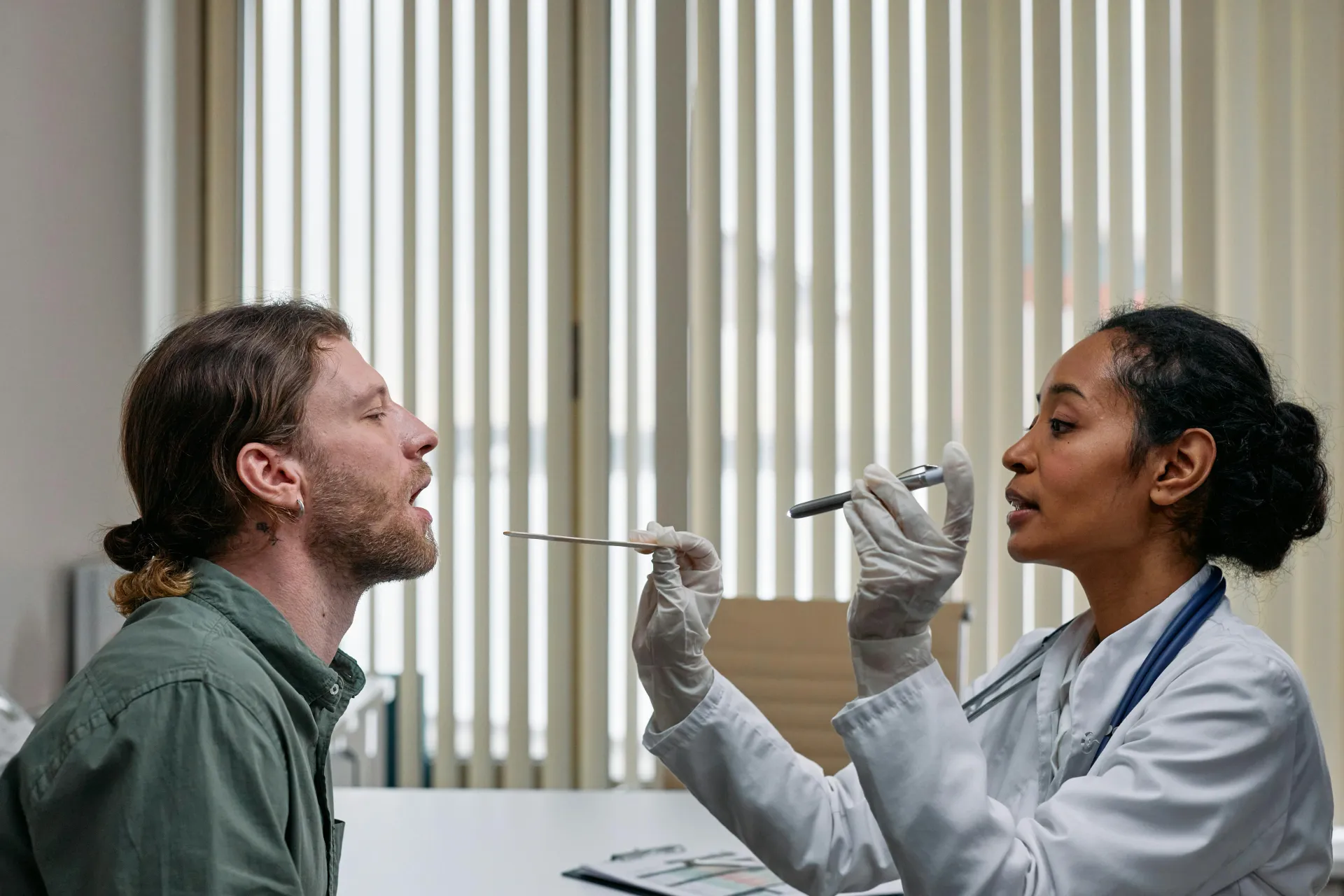


Alle Leistungen werden von DHA-lizenzierten Spezialisten durchgeführt
Allergy Testing
Expert allergy testing in Dubai Healthcare City. Comprehensive blood IgE allergy panels and treatment plans. Board-certified specialists. Book today.
Chronic nasal congestion, sneezing, or runny nose
Itchy, watery eyes (allergic conjunctivitis)
Skin rashes, hives, or eczema
Suspected food allergies
Asthma with unknown triggers
Frequent sinus infections possibly related to allergies
Allergy Testing bei DCDC Dubai Healthcare City
Fachärztliche Versorgung
MOHAP Licensed
Accredited medical center in our center.
Expert Specialists
Board-certified doctors with allergy expertise.
On-Site Testing
Blood allergy tests available on-site.
Quick Results
Blood IgE results in 2-3 days.
Insurance Support
Direct billing with Daman, AXA, Bupa, and 20+ insurers.
Convenient Location
Building 64, Block A, DCDC.
Ihr angenehmer Besuch
Ein einfacher, schrittweiser Allergy-Untersuchungsprozess für Komfort, Schnelligkeit und Genauigkeit.
Allergy Testing
Die Allergy-Preise in Dubai variieren je nach Leistungsart und Versicherungsdeckung für verschiedene Testtypen.
- Preise variieren je nach Untersuchungsart und Kontrastmittelbedarf
- Versicherungsdeckung akzeptiert mit Überweisung und Verifizierung
- Transparente Selbstzahlerpreise mit sofortigem Angebot auf Anfrage
Versicherungsverifizierung in Minuten • Keine versteckten Gebühren • Schnelle Antwort auf WhatsApp
Patientenratgeber
Allergy Testing
Expert allergy testing in Dubai Healthcare City. Comprehensive blood IgE allergy panels and treatment plans. Board-certified specialists. Book today.
Versicherung & Standort
Versicherungspartner
- •Über 20 Versicherungsanbieter in Dubai einschließlich Daman, AXA, ADNIC und andere
- •Vorabgenehmigung-Unterstützung und Direktabrechnung (falls zutreffend)
- •Deckungsüberprüfung vor Ihrem Termin in unserer Klinik in Dubai Healthcare City
- •Transparente Preisgestaltung ohne versteckte Gebühren für allergy testing-Leistungen








Besuchen Sie uns in Dubai Healthcare City
Doctors Clinic Diagnostic Center
Gebäude 64, Block A, Al Razi Medical Complex, Dubai Healthcare City, Dubai, VAE
Nahe der Oud Metha Road · Einfacher Zugang von Bur Dubai, Downtown Dubai, Business Bay · Kostenlose Patientenparkplätze verfügbar
Öffnungszeiten
Mo-Do, Sa: 8:00 - 22:30 Uhr | So: 8:30 - 22:30 Uhr | Fr: 9:00 - 22:00 Uhr
So funktioniert die Versicherung bei DCDC
Deckung prüfen
Überprüfen Sie, ob Ihr Plan Allergy Testing abdeckt
Überweisung erhalten
Einige Versicherer verlangen eine Überweisung — wir helfen Ihnen gerne
Vorab-Genehmigung
Wir übernehmen die Vorab-Genehmigung direkt mit Ihrem Versicherer
Direktabrechnung
Keine Vorauszahlung — wir rechnen direkt mit Ihrem Versicherer ab
Nur Eigenanteil
Sie zahlen nur den anfallenden Eigenanteil in der Klinik
Deckung prüfen
Überprüfen Sie, ob Ihr Plan Allergy Testing abdeckt
Überweisung erhalten
Einige Versicherer verlangen eine Überweisung — wir helfen Ihnen gerne
Vorab-Genehmigung
Wir übernehmen die Vorab-Genehmigung direkt mit Ihrem Versicherer
Direktabrechnung
Keine Vorauszahlung — wir rechnen direkt mit Ihrem Versicherer ab
Nur Eigenanteil
Sie zahlen nur den anfallenden Eigenanteil in der Klinik
Your Specialist
Dr. Yousra Mohamed
Specialist ENT (Otolaryngologist)
MBBS, Arab Board (ORL), MRCS
Arabic · English
Patientenratgeber
Allergien verstehen: Diagnose, Tests und moderne Behandlung
Allergien entstehen, wenn das Immunsystem auf normalerweise harmlose Substanzen, sogenannte Allergene, überreagiert. Bei erster Exposition produziert das Immunsystem spezifische IgE-Antikörper, die sich an Mastzellen in den Körpergeweben binden. Bei nachfolgender Exposition bindet das Allergen an diese Antikörper und löst die Freisetzung von Histamin und anderen Chemikalien aus, die allergische Symptome verursachen.
Die Prävalenz allergischer Erkrankungen hat weltweit in den letzten Jahrzehnten erheblich zugenommen – ein Phänomen, das auf die Hygienehypothese, Urbanisierung, Ernährungsveränderungen und Umweltverschmutzung zurückgeführt wird. In den Vereinigten Arabischen Emiraten schafft die Kombination aus Innenraumexposition gegenüber Hausstaubmilben, urbanen Schaben-Allergenen, saisonalem Pollen und durch Klimaanlagen begünstigten Schimmelarten ein komplexes Allergenbild.
Moderne Allergietests liefern präzise Informationen über spezifische Sensibilisierungen. Bluttests zur Messung spezifischer IgE ermöglichen eine umfassende Beurteilung von Atemwegs- und Nahrungsmittelallergien aus einer einzigen Blutprobe, unbeeinflusst von Antihistaminika. Diese Tests leiten individualisierte Behandlungspläne.
Immuntherapie ist der einzige krankheitsmodifizierende Ansatz bei allergischen Erkrankungen und reduziert die Allergensensibilisierung über Zeit. Die sublinguale Immuntherapie (SLIT) bietet eine praktische Alternative zu Injektionen für bestimmte Allergene, insbesondere Hausstaubmilben und Pollen.
Erkrankungen, die wir diagnostizieren und behandeln
Allergische Rhinitis
Nasale Entzündung durch eingeatmete Allergene wie Hausstaubmilben, Pollen, Tierhaare und Schimmel, durch Allergietests diagnostiziert und medikamentös und durch Allergenkarenz behandelt.
Nahrungsmittelallergien
Immunreaktionen auf Nahrungsproteine (Erdnüsse, Baumnüsse, Milchprodukte, Eier, Weizen, Meeresfrüchte), diagnostiziert durch spezifische IgE-Bluttests, durch strenge Allergenkarenz behandelt.
Allergische Konjunktivitis
Augenentzündung mit Juckreiz, Rötung und Tränenfluss als Reaktion auf Allergene, häufig mit allergischer Rhinitis assoziiert und mit antiallergischen Medikamenten behandelt.
Allergisches Asthma
Asthma ausgelöst durch spezifische Allergene, identifiziert durch Allergietests für ein gezieltes Auslösermanagement zur Symptomreduktion und Verringerung der Medikamentenabhängigkeit.
Atopische Dermatitis (Ekzem)
Chronisch entzündliche Hauterkrankung, häufig mit Nahrungsmittel- und Umweltallergien assoziiert, auf spezifische Auslöser zur Therapieführung untersucht.
Urtikaria (Nesselsucht)
Hautausschlag, der durch Allergene, Medikamente oder andere Faktoren ausgelöst wird, zur Identifizierung behandelbarer Ursachen beurteilt und zur Rückfallprävention behandelt.
Verwandte Artikel
Reiseimpfleitfaden Dubai
Erfahren Sie mehr über präventive Gesundheitsmaßnahmen einschließlich Allergievorbereitung vor der Reise.
Fiebermanagement bei Kindern
Verstehen Sie, wann allergische Reaktionen bei Kindern medizinische Aufmerksamkeit und spezialisierte Beurteilung erfordern.
Vitamin-D-Mangel in Dubai
Erfahren Sie, wie der Vitamin-D-Status die Immunfunktion und die Entwicklung allergischer Erkrankungen beeinflussen kann.
Verwandte Leistungen
Entdecken Sie weitere Diagnose- und Beratungsleistungen in unserer Klinik in Dubai Healthcare City.
Häufig gestellte Fragen
Häufige Fragen zu Allergy Testing in Dubai.
Wir bieten Allergy Testing in Dubai Healthcare City an. Unser Team aus erfahrenen Spezialisten steht Ihnen für eine umfassende Untersuchung und Beratung zur Verfügung. Kontaktieren Sie uns für weitere Informationen.
Die Dauer variiert je nach individuellem Fall. Unser Team wird Sie vorab über den genauen Zeitaufwand informieren. Kontaktieren Sie uns für einen Termin.
Die meisten großen Versicherungen in Dubai decken Allergy Testing ab. Wir bieten Direktabrechnung mit über 20 Versicherungsgesellschaften, einschließlich Daman, AXA und Bupa. Kontaktieren Sie uns, um Ihre Versicherungsdeckung zu überprüfen.
Unser Team wird Ihnen vor dem Termin spezifische Vorbereitungsanweisungen geben. Im Allgemeinen empfehlen wir, alle aktuellen Medikamente und relevante medizinische Unterlagen mitzubringen.
Bei DCDC bieten wir Allergy Testing mit erfahrenen Spezialisten, modernster Ausrüstung und erstklassiger Patientenversorgung in Dubai Healthcare City an. Unsere Einrichtung ist von MOHAP lizenziert und folgt strengen klinischen Standards.
Sie können einen Termin für Allergy Testing telefonisch unter +971 54 219 5008 oder über unser Online-Buchungssystem vereinbaren. Wir bieten flexible Terminzeiten einschließlich Same-Day-Termine bei Verfügbarkeit.
Wichtige Fakten
Medizinische Aufsicht
Alle Leistungen werden unter Aufsicht lizenzierter medizinischer Fachkräfte in unserer MOHAP-akkreditierten Einrichtung erbracht.