
Termin vereinbaren
Verifizierte Patientenbewertungen des DCDC Diagnosezentrum in Dubai
Verifizierte Bewertungen und echte Patientenberichte aus Dubai Healthcare City
Ich bin sehr zufrieden mit dieser medizinischen Klinik. Ich hatte hier mein erstes Schwangerschaftsscreening. Es war erschwinglich und sehr professionell. Der Radiologe war einladend, freundlich und machte die Erfahrung großartig.
Aizhan Tokmanbetova
Am Freitagabend habe ich mir das Knie verletzt und am Sonntagabend einen MRT-Termin bekommen (am Sonntagnachmittag gebucht). Ich habe etwa 2 Minuten gewartet und war in etwas mehr als 30 Minuten fertig. Das Team war erstaunlich, freundlich und effizient.
Kirsten Evans
Das Team von Dr. Osama war sanft und erstaunlich. Nach einer schlechten Erfahrung anderswo war meine Beckenuntersuchung hier viel professioneller. Toller Bericht und sehr präzise.
Mary



Holter Monitoring in Dubai: 24-48 Hour Heart Rhythm Recording
Detect arrhythmias that a standard ECG misses
Fachärztliche Versorgung
Holter Monitoring bei DCDC Dubai Healthcare City
Holter monitoring in Dubai Healthcare City. 24-48 hour heart rhythm tracking. Same-day device placement. Book today.
Fachärztliche Versorgung
Holter Monitoring bei DCDC Dubai Healthcare City
Holter Monitoring in Dubai: 24-48 Hour Heart Rhythm Recording
Detect arrhythmias that a standard ECG misses
Holter monitoring in Dubai Healthcare City. 24-48 hour heart rhythm tracking. Same-day device placement. Book today.

Dr. Shahoo Mazhari
Unsere Leistungen entdecken
Umfassende langzeit-ekg Leistungen im DCDC Dubai Healthcare City.


Alle Leistungen werden von DHA-lizenzierten Spezialisten durchgeführt
Holter Monitoring
Holter monitoring in Dubai Healthcare City. 24-48 hour heart rhythm tracking. Same-day device placement. Book today.
Frequent palpitations or racing heart
Unexplained dizziness or lightheadedness
Fainting episodes (syncope)
Sensation of skipped heartbeats
Monitoring after medication changes
Post-heart attack rhythm assessment
Holter Monitoring bei DCDC Dubai Healthcare City
Fachärztliche Versorgung
MOHAP Licensed
Accredited medical center in Dubai Healthcare City. License NIMY7VY5-240925.
Fast Results
Expert analysis within 24-48 hours after device return.
Insurance Support
Direct billing with 20+ insurers. We handle pre-authorization for you.
Convenient Location
Building 64, Block A in our clinic. Free parking on-site.
Expert Cardiologists
Board-certified specialists in cardiac rhythm interpretation.
Patient Experience
4.8/5 Google rating. Comfortable devices, thorough analysis.
Ihr angenehmer Besuch
Ein einfacher, schrittweiser Holter-Untersuchungsprozess für Komfort, Schnelligkeit und Genauigkeit.
Holter Monitoring
Die Holter-Preise in Dubai variieren je nach Leistungsart und Versicherungsdeckung für verschiedene Leistungstypen.
- Preise variieren je nach Untersuchungsart und Kontrastmittelbedarf
- Versicherungsdeckung akzeptiert mit Überweisung und Verifizierung
- Transparente Selbstzahlerpreise mit sofortigem Angebot auf Anfrage
Versicherungsverifizierung in Minuten • Keine versteckten Gebühren • Schnelle Antwort auf WhatsApp
Patientenratgeber
Holter Monitoring
Holter monitoring in Dubai Healthcare City. 24-48 hour heart rhythm tracking. Same-day device placement. Book today.
Versicherung & Standort
Versicherungspartner
- •Über 20 Versicherungsanbieter in Dubai einschließlich Daman, AXA, ADNIC und andere
- •Vorabgenehmigung-Unterstützung und Direktabrechnung (falls zutreffend)
- •Deckungsüberprüfung vor Ihrem Termin in unserer Klinik in Dubai Healthcare City
- •Transparente Preisgestaltung ohne versteckte Gebühren für holter monitoring-Leistungen








Besuchen Sie uns in Dubai Healthcare City
Doctors Clinic Diagnostic Center
Gebäude 64, Block A, Al Razi Medical Complex, Dubai Healthcare City, Dubai, VAE
Nahe der Oud Metha Road · Einfacher Zugang von Bur Dubai, Downtown Dubai, Business Bay · Kostenlose Patientenparkplätze verfügbar
Öffnungszeiten
Mo-Do, Sa: 8:00 - 22:30 Uhr | So: 8:30 - 22:30 Uhr | Fr: 9:00 - 22:00 Uhr
So funktioniert die Versicherung bei DCDC
Deckung prüfen
Überprüfen Sie, ob Ihr Plan Holter Monitoring abdeckt
Überweisung erhalten
Einige Versicherer verlangen eine Überweisung — wir helfen Ihnen gerne
Vorab-Genehmigung
Wir übernehmen die Vorab-Genehmigung direkt mit Ihrem Versicherer
Direktabrechnung
Keine Vorauszahlung — wir rechnen direkt mit Ihrem Versicherer ab
Nur Eigenanteil
Sie zahlen nur den anfallenden Eigenanteil in der Klinik
Deckung prüfen
Überprüfen Sie, ob Ihr Plan Holter Monitoring abdeckt
Überweisung erhalten
Einige Versicherer verlangen eine Überweisung — wir helfen Ihnen gerne
Vorab-Genehmigung
Wir übernehmen die Vorab-Genehmigung direkt mit Ihrem Versicherer
Direktabrechnung
Keine Vorauszahlung — wir rechnen direkt mit Ihrem Versicherer ab
Nur Eigenanteil
Sie zahlen nur den anfallenden Eigenanteil in der Klinik
Your Specialist
Dr. Shahoo Mazhari
Consultant Cardiologist
MD, Consultant Cardiologist
Persian · English · Kurdish
Patientenratgeber
How Holter Monitoring Works: A Detailed Guide
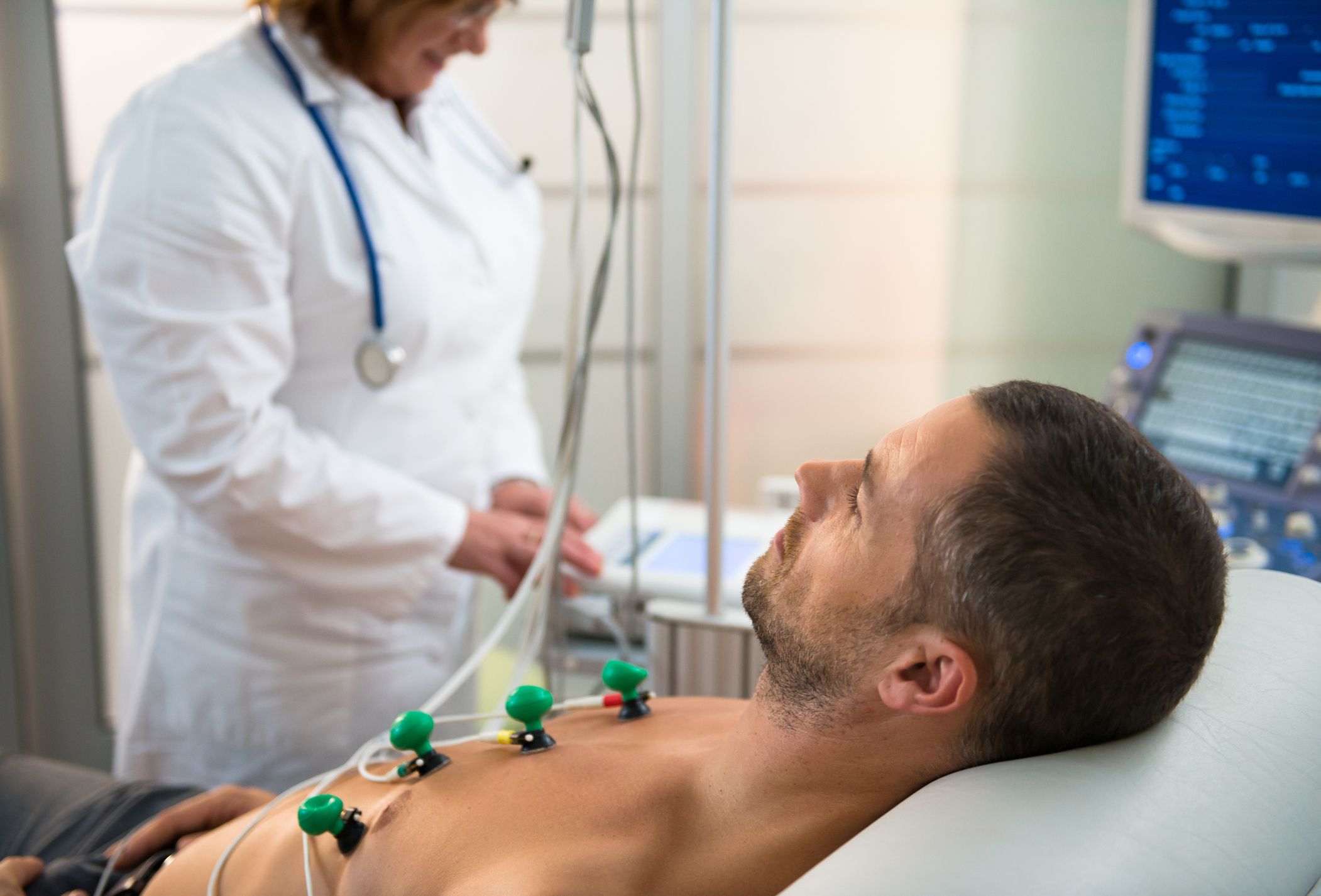
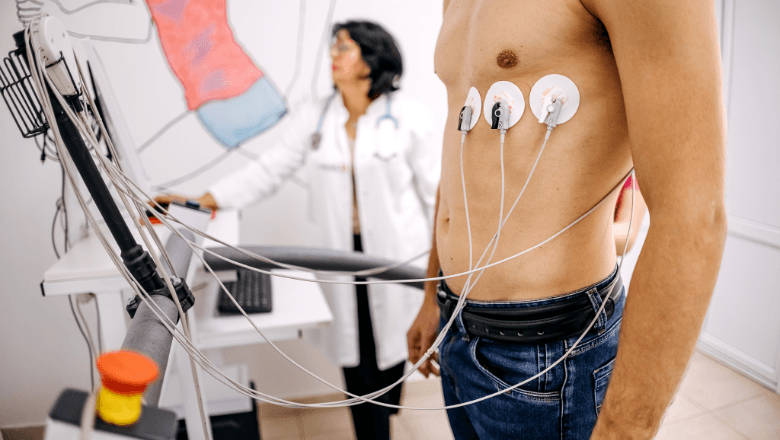
A Holter monitor consists of a small, battery-powered recording device connected to several adhesive electrodes placed on your chest. These electrodes detect the electrical signals produced by your heart with each beat, and the device records these signals continuously onto a digital storage medium. Modern Holter devices are lightweight, typically weighing less than 100 grams, and are small enough to clip to a belt or carry in a pocket without interfering with your daily activities.
During the monitoring period, you will be asked to keep a symptom diary, noting the exact time of any palpitations, dizziness, chest discomfort, shortness of breath, or other symptoms. This diary is a critical component of the test because it allows your cardiologist to correlate your symptoms with specific heart rhythm events captured on the recording. For example, if you note palpitations at 3:15 PM, the cardiologist can examine that precise moment on the recording to determine whether the sensation was caused by a benign extra beat, a sustained arrhythmia, or occurred during a completely normal rhythm.
After you return the device, the recording is downloaded to a computer and analysed using specialised cardiac monitoring software. The software automatically flags episodes of abnormal heart rate, irregular rhythms, pauses, and other findings, but every flagged event and the overall recording are personally reviewed by a board-certified cardiologist. The final report details your average heart rate, minimum and maximum heart rates, total number of premature beats, any episodes of sustained arrhythmia, and the correlation between your diary entries and rhythm events.
Durch Holter-Monitoring erkannte Erkrankungen
Vorhofflimmern (VHF)
Die häufigste anhaltende Arrhythmie, gekennzeichnet durch schnelle und unregelmäßige Schläge der oberen Herzkammern. Kann in kurzen Episoden auftreten, die Standard-EKG verpasst.
Supraventrikuläre Tachykardie (SVT)
Episoden abnorm schneller Herzfrequenz, die über den Ventrikeln entstehen, oft plötzlich schnelles Herzklopfen, Schwindel oder Kurzatmigkeit verursachen.
Ventrikuläre Extrasystolen (VES)
Zusätzliche Herzschläge aus den unteren Herzkammern. Holter quantifiziert ihre Häufigkeit und Muster um zu bestimmen, ob Behandlung notwendig ist.
Atriale Extrasystolen (AES)
Zusätzliche Schläge aus den oberen Kammern. Häufig und meist gutartig, aber hohe Frequenz kann künftiges Vorhofflimmern vorhersagen.
Ventrikuläre Tachykardie
Potenziell ernste Arrhythmie mit schnellen Herzschlägen aus den Ventrikeln. Selbst kurze Holter-Episoden können weitere Evaluierung erfordern.
Bradykardie und Herzblock
Abnorm langsame Herzraten oder Verzögerungen in der elektrischen Leitung zwischen oberen und unteren Kammern, die Schwindel, Erschöpfung oder Ohnmacht verursachen können.
Verwandte Artikel
Cardiology in Dubai: Expert Heart Care
An overview of cardiology services in Dubai including diagnostic tests, treatment options, and when to see a cardiologist for heart concerns.
Heart Health & Prevention in Dubai
Preventive cardiology strategies including heart screening tests, lifestyle modifications, and risk factor management for residents in Dubai.
Hypertension: The Silent Killer
Understanding high blood pressure, its effects on the heart, and why regular monitoring and treatment are essential for long-term cardiovascular health.
Verwandte Leistungen
Entdecken Sie weitere Diagnose- und Beratungsleistungen in unserer Klinik in Dubai Healthcare City.
Häufig gestellte Fragen
Häufige Fragen zu Holter Monitoring in Dubai.
Wir bieten Holter Monitoring in Dubai Healthcare City an. Unser Team aus erfahrenen Spezialisten steht Ihnen für eine umfassende Untersuchung und Beratung zur Verfügung. Kontaktieren Sie uns für weitere Informationen.
Die Dauer variiert je nach individuellem Fall. Unser Team wird Sie vorab über den genauen Zeitaufwand informieren. Kontaktieren Sie uns für einen Termin.
Die meisten großen Versicherungen in Dubai decken Holter Monitoring ab. Wir bieten Direktabrechnung mit über 20 Versicherungsgesellschaften, einschließlich Daman, AXA und Bupa. Kontaktieren Sie uns, um Ihre Versicherungsdeckung zu überprüfen.
Unser Team wird Ihnen vor dem Termin spezifische Vorbereitungsanweisungen geben. Im Allgemeinen empfehlen wir, alle aktuellen Medikamente und relevante medizinische Unterlagen mitzubringen.
Bei DCDC bieten wir Holter Monitoring mit erfahrenen Spezialisten, modernster Ausrüstung und erstklassiger Patientenversorgung in Dubai Healthcare City an. Unsere Einrichtung ist von MOHAP lizenziert und folgt strengen klinischen Standards.
Sie können einen Termin für Holter Monitoring telefonisch unter +971 54 219 5008 oder über unser Online-Buchungssystem vereinbaren. Wir bieten flexible Terminzeiten einschließlich Same-Day-Termine bei Verfügbarkeit.
Wichtige Fakten
Medizinische Aufsicht
Alle Leistungen werden unter Aufsicht lizenzierter medizinischer Fachkräfte in unserer MOHAP-akkreditierten Einrichtung erbracht.