Wichtigste Erkenntnisse
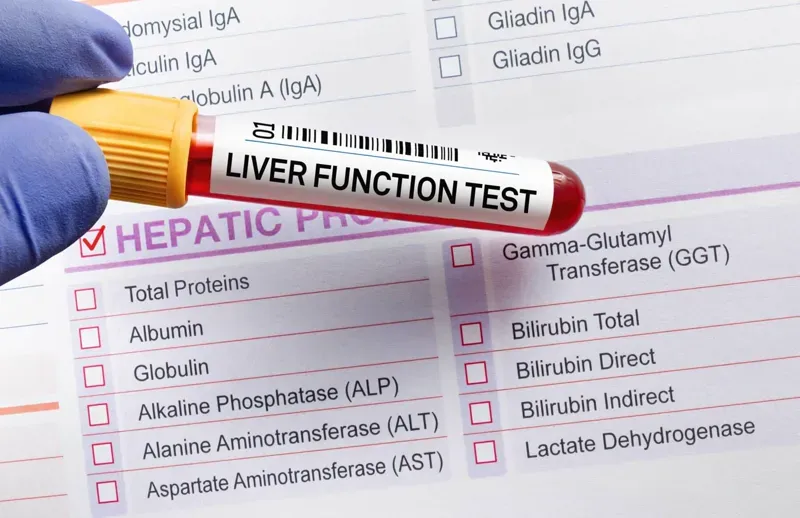
- A liver function test (LFT) measures seven key markers — ALT, AST, ALP, GGT, total bilirubin, albumin, and total protein — together these provide a comprehensive picture of liver health, detecting inflammation, damage, bile flow problems, and impaired synthetic function
- LFT testing in Dubai costs from AED 100 for a basic panel (ALT, AST, bilirubin) to AED 200–350 for a comprehensive seven-marker panel — DCDC offers DHA-regulated pricing with same-day results from its on-site MOHAP-licensed laboratory
- Fasting for 8–12 hours is recommended before an LFT for the most accurate results, particularly for bilirubin and albumin — water is always permitted during the fasting window
- Non-alcoholic fatty liver disease (NAFLD) affects approximately 25% of adults in the UAE — making it one of the most common causes of mildly elevated ALT in routine blood work across the Dubai population
- The liver can sustain significant damage before producing any symptoms — regular LFT screening from age 35 (or earlier with risk factors) is one of the most cost-effective tools in preventive medicine
- Abnormal LFT results do not always indicate serious disease — mild elevations are common and often caused by fatty liver, medications, or recent exercise. Always discuss results with a physician before drawing conclusions
Your liver performs more than 500 essential functions every day — filtering toxins, producing bile, regulating blood sugar, manufacturing proteins, and metabolising every medication you take. Yet liver disease is frequently called the "silent epidemic" because it causes no noticeable symptoms until significant, and sometimes irreversible, damage has already occurred. A liver function test (LFT) is a straightforward blood test that can detect liver inflammation, damage, or impaired function at its earliest and most treatable stage. Whether you are monitoring the effects of long-term medications, concerned about fatty liver, or simply due for a preventive health screen, our blood testing services at DCDC offer liver function testing from AED 100 with same-day results in Dubai Healthcare City.
This comprehensive guide explains everything you need to know about liver function testing in Dubai: what each of the seven LFT markers measures, the normal reference ranges for each, how to interpret abnormal results, how to prepare for the test, what conditions an LFT can detect, how much it costs, and when you should get tested. Reviewed by Dr. Hadi Nobakht, Specialist Internal Medicine at DCDC Dubai Healthcare City.
Health Screening Packages
Save with our bundled screening packages — specialist consultation included





What Is a Liver Function Test (LFT)?
A liver function test — also called a liver panel, hepatic function panel, or LFT — is a group of blood tests that evaluate how well your liver is working and whether it has sustained damage. Despite its name, an LFT does not always measure liver function directly. Rather, it measures enzymes that leak out of damaged liver cells, proteins that the liver manufactures, and waste products the liver is responsible for processing. Together, these seven markers provide a detailed and clinically meaningful picture of liver health.
The liver is the largest internal organ in the human body, weighing approximately 1.5 kilograms in a typical adult. It processes everything you eat, drink, breathe, or absorb through the skin. It produces bile to digest dietary fats, stores glycogen for energy regulation, synthesises blood-clotting factors, metabolises virtually all medications, and detoxifies harmful substances including ammonia and metabolic waste products. Because the liver participates in so many critical processes, disease affecting it can have wide-ranging consequences across virtually every system in the body.
The procedure is simple: a phlebotomist draws a small blood sample from a vein in your arm (typically the inner elbow). The sample is sent to the laboratory where it is analysed for each of the seven markers. The entire blood draw takes fewer than five minutes. At DCDC Dubai Healthcare City, basic LFT results are typically available the same day, with comprehensive panels ready within 24 hours.
The 7 LFT Markers Explained
Each marker in a liver function test tells a different part of the story. Some reflect direct liver cell damage, others assess the liver's ability to produce essential proteins, and others indicate problems with bile flow. Here is what each marker measures and why it matters:
ALT (Alanine Aminotransferase)
ALT is an enzyme found in very high concentrations inside liver cells (hepatocytes). When these cells are damaged or inflamed, ALT leaks into the bloodstream, causing blood levels to rise. It is considered the most liver-specific enzyme in the panel because it is found in only small amounts elsewhere in the body. Elevated ALT is often the earliest and most sensitive indicator of liver problems. The most common causes in the UAE population are non-alcoholic fatty liver disease (NAFLD), obesity-related metabolic syndrome, viral hepatitis, and medication-induced liver injury.
AST (Aspartate Aminotransferase)
AST is another enzyme released when liver cells are damaged. However, unlike ALT, AST is also present in significant amounts in the heart, skeletal muscles, kidneys, and brain — making it less specific to the liver. Elevated AST alone can result from a heart attack, muscle injury, or intense exercise rather than a liver problem. Clinicians frequently evaluate the AST-to-ALT ratio (the De Ritis ratio) as a diagnostic clue: a ratio greater than 2 suggests alcohol-related liver disease, while a ratio below 1 is more typical of NAFLD or viral hepatitis.
ALP (Alkaline Phosphatase)
ALP is an enzyme found in the liver, bile ducts, and bones. Elevated ALP typically signals a problem with bile flow (cholestasis) rather than direct liver cell damage. Conditions that raise ALP include bile duct obstruction (often from gallstones), primary biliary cholangitis, certain liver tumours, and bone disorders such as Paget disease. ALP is also physiologically elevated during pregnancy and in children and adolescents due to bone growth. When ALP is elevated, GGT is usually checked simultaneously to determine whether the source is hepatic or bony.
GGT (Gamma-Glutamyl Transferase)
GGT is an enzyme located primarily in the liver and bile duct cells. It is particularly sensitive to alcohol consumption — even moderate regular drinking can elevate GGT significantly. GGT is also raised by bile duct disease, certain medications (phenytoin, barbiturates), obesity, and metabolic syndrome. Crucially, GGT helps doctors determine the source of an elevated ALP: if both ALP and GGT are raised, the problem is almost certainly hepatic or biliary; if ALP is elevated but GGT is normal, bone disease is the more likely cause.
Bilirubin (Total and Direct)
Bilirubin is a yellow pigment produced when the body breaks down ageing red blood cells. The liver captures bilirubin, chemically modifies it (conjugation), and excretes it into bile. When this process is disrupted, bilirubin accumulates and eventually causes the distinctive yellowing of skin and eyes known as jaundice. Total bilirubin measures all bilirubin in the bloodstream. Elevated indirect bilirubin points to excessive red blood cell destruction or impaired liver uptake, while elevated direct bilirubin suggests bile duct obstruction or a problem with hepatic excretion.
Albumin
Albumin is the most abundant protein in the bloodstream, produced exclusively by the liver. It maintains blood volume, transports hormones and medications, and helps regulate fluid balance. Because albumin has a relatively long half-life of approximately 20 days, low albumin does not indicate acute liver damage — it indicates chronic impairment that has persisted for weeks or months. Low albumin is characteristic of cirrhosis, chronic hepatitis, advanced liver failure, severe malnutrition, and nephrotic syndrome.
Total Protein
Total protein measures the combined level of albumin and globulins (immune proteins) in the blood. Low total protein can indicate chronic liver disease or protein malnutrition. The albumin-to-globulin ratio calculated from total protein helps physicians identify immune and inflammatory disorders alongside liver disease. For a broader understanding of how LFTs fit into overall blood work, our complete blood test guide for Dubai covers all major panels.
LFT Normal Ranges: Complete Reference Table
Understanding your liver function test results starts with knowing the normal reference ranges. Ranges can vary slightly between laboratories depending on the reagents and analysers used. The values below are standard ranges aligned with international clinical guidelines and used by most accredited laboratories in Dubai:
| Marker | Normal Range | Low Result May Indicate | High Result May Indicate |
|---|---|---|---|
| ALT (Alanine Aminotransferase) | 7 – 56 U/L | Generally not clinically significant | Liver cell damage, NAFLD, hepatitis, medication injury |
| AST (Aspartate Aminotransferase) | 10 – 40 U/L | Generally not clinically significant | Liver or muscle damage, heart attack, alcohol-related liver disease |
| ALP (Alkaline Phosphatase) | 44 – 147 U/L | Hypothyroidism, pernicious anaemia (rare) | Bile duct obstruction, bone disease, liver tumours, pregnancy |
| GGT (Gamma-Glutamyl Transferase) | 9 – 48 U/L (men) / 9 – 32 U/L (women) | Generally not clinically significant | Alcohol use, bile duct disease, metabolic syndrome, certain medications |
| Bilirubin (Total) | 0.1 – 1.2 mg/dL | Not clinically significant | Jaundice, bile duct blockage, haemolysis, liver failure, Gilbert syndrome |
| Bilirubin (Direct) | 0 – 0.3 mg/dL | Not clinically significant | Bile duct obstruction, intrahepatic cholestasis, liver disease |
| Albumin | 3.5 – 5.0 g/dL | Chronic liver disease, malnutrition, nephrotic syndrome, cirrhosis | Dehydration (mild, rarely of clinical concern) |
| Total Protein | 6.0 – 8.3 g/dL | Liver disease, malnutrition, malabsorption | Chronic inflammation, infection, myeloma, dehydration |
Remember: a single abnormal value is rarely sufficient for a diagnosis. Your physician evaluates the pattern of abnormalities — which markers are elevated, by how much, and in combination with your symptoms, medical history, and other test results — to reach a clinically meaningful conclusion.
How to Prepare for a Liver Function Test
Proper preparation ensures the most accurate results. LFT preparation is straightforward:
- Fast for 8–12 hours: While not strictly mandatory for all LFT markers, fasting is recommended to obtain the most accurate bilirubin and albumin readings and to eliminate transient dietary effects. Schedule your test for early morning after an overnight fast — this is the easiest approach
- Water is allowed and encouraged: Stay well hydrated before your blood draw. Dehydration can concentrate blood markers and make veins harder to access
- Inform your doctor of all medications and supplements: Many common drugs — including paracetamol, statins, NSAIDs, antibiotics, and herbal supplements — can affect liver enzyme levels. Your doctor needs this information to correctly interpret results
- Avoid intense exercise the day before: Heavy physical activity can raise AST and, to a lesser extent, ALT due to muscle breakdown. Avoid strenuous workouts for 24 hours before your test
- Bring previous LFT results: If you have been tested before, bring your prior results. Trends over time often provide more clinical insight than a single result in isolation
Understanding Abnormal LFT Results
Receiving abnormal LFT results can be alarming — but it is essential to understand that abnormal does not automatically mean serious disease. Mild elevations are extremely common and frequently have benign, reversible explanations. Here is how clinicians interpret different patterns of abnormal results:
Mildly Elevated ALT or AST (1–3× Upper Limit of Normal)
This is the most common pattern encountered in routine blood work in Dubai. The most frequent causes include: non-alcoholic fatty liver disease (the leading cause in the UAE population, driven by obesity and metabolic syndrome), medications (statins, paracetamol, NSAIDs), recent vigorous exercise (particularly for AST), mild viral illness, or thyroid disorders. In many cases, repeat testing after addressing the suspected cause shows normalisation.
Moderately Elevated ALT or AST (3–10× Upper Limit of Normal)
More significant elevation warrants careful investigation. Possible causes include: acute viral hepatitis (A, B, or C), autoimmune hepatitis, drug-induced liver injury, alcohol-related hepatitis, or bile duct obstruction. Your doctor will likely order additional tests including hepatitis serology, autoimmune markers, and possibly imaging such as an abdominal ultrasound.
Severely Elevated ALT or AST (>10× Upper Limit of Normal)
Very high enzyme levels (ALT above 500–1000 U/L) indicate acute, significant liver injury and require urgent medical attention. This pattern is seen in: acute viral hepatitis, paracetamol (acetaminophen) toxicity, ischaemic hepatitis, acute bile duct obstruction, or rare conditions such as Wilson disease. Hospital-level assessment is usually required.
Elevated ALP and GGT (Cholestatic Pattern)
When ALP and GGT are elevated together with only mild or normal ALT/AST, this suggests a biliary (bile duct) problem rather than primary hepatocyte damage. Common causes include gallstones obstructing the bile duct, primary biliary cholangitis, drug-induced cholestasis, and bile duct tumours. An abdominal ultrasound is usually the first imaging investigation to look for bile duct dilation or gallstones.
Conditions an LFT Can Detect
| Condition | Typical LFT Pattern | Next Investigation |
|---|---|---|
| Non-Alcoholic Fatty Liver Disease (NAFLD) | Mild ALT/AST elevation (ALT > AST), normal bilirubin and albumin | Abdominal ultrasound, FibroScan |
| Alcoholic Liver Disease | AST > ALT (ratio >2:1), elevated GGT | GGT, clinical history review |
| Viral Hepatitis (B or C) | Significantly elevated ALT/AST, may have elevated bilirubin | Hepatitis B/C serology (HBsAg, Anti-HCV) |
| Bile Duct Obstruction (gallstones) | Elevated ALP, GGT, direct bilirubin | Abdominal ultrasound, MRCP |
| Cirrhosis | Low albumin, elevated bilirubin, enzymes may be normal in late disease | FibroScan, platelet count, coagulation screen |
| Autoimmune Hepatitis | Elevated ALT/AST, elevated immunoglobulins | ANA, anti-smooth muscle antibody, liver biopsy |
| Drug-Induced Liver Injury (DILI) | Variable pattern depending on the drug — hepatocellular or cholestatic | Medication history review, repeat LFT after drug cessation |
| Gilbert Syndrome | Isolated mildly elevated indirect bilirubin, normal enzymes | Genetic confirmation if needed; usually no further workup required |
When Should You Get a Liver Function Test?
The American Liver Foundation recommends liver function testing as part of routine annual health checkups for all adults aged 35 and older. However, many individuals should begin testing earlier or more frequently. Consider getting an LFT if any of the following apply:
- Adults aged 35 and over — annual LFT as part of standard preventive care
- Individuals with obesity, type 2 diabetes, high cholesterol, or metabolic syndrome — annual testing regardless of age
- Regular users of medications known to affect the liver — paracetamol, statins, NSAIDs, methotrexate, antiepileptics, or any long-term prescription drug
- People with a family history of liver disease, hepatitis, or liver cancer
- Individuals from regions with high hepatitis B or C prevalence — South Asia, Southeast Asia, Sub-Saharan Africa, Eastern Mediterranean
- Regular alcohol consumers — periodic monitoring is advisable even at moderate intake levels
- Jaundice, dark urine, pale stools, persistent fatigue, right upper abdominal pain, easy bruising, or unexplained weight loss — all warrant prompt LFT testing
Liver Function Test Cost in Dubai (2026)
LFT costs in Dubai depend on the specific markers ordered and whether you pay through insurance or self-pay. At DCDC, all pricing is DHA-regulated and transparent with no hidden fees:
| LFT Panel | Markers Included | DCDC Price (AED) | Turnaround |
|---|---|---|---|
| Basic Liver Panel | ALT, AST, Total Bilirubin | From AED 100 | Same day |
| Standard LFT | ALT, AST, ALP, GGT, Total Bilirubin, Albumin | From AED 150 | Same day |
| Comprehensive Liver Panel | All 7 markers: ALT, AST, ALP, GGT, Total + Direct Bilirubin, Albumin, Total Protein | From AED 200 | Same day |
| Liver + Hepatitis Screening Package | Full LFT + HBsAg + Anti-HCV | From AED 350 | 24 hours |
| Full Liver Health Package | Comprehensive LFT + Hepatitis + Abdominal Ultrasound | From AED 600 | Same/next day |
Most major insurance plans in Dubai cover liver function tests when ordered by a physician. DCDC accepts direct billing from more than 20 insurers including Daman, AXA Gulf, Bupa Arabia, MetLife, and Cigna. For a broader view of all blood test costs in Dubai, see our complete blood test cost guide.
Why Dubai Residents Need Regular Liver Screening
Dubai's population faces specific risk factors that make liver monitoring particularly important. The UAE has among the highest rates of metabolic syndrome in the world, driven by sedentary lifestyles, high-calorie diets, and rapidly rising rates of obesity and type 2 diabetes — all directly linked to NAFLD. The International Diabetes Federation estimates approximately 16% of UAE adults have type 2 diabetes, and diabetic patients have a 2–3 times higher risk of developing NAFLD and its progressive form, non-alcoholic steatohepatitis (NASH).
Dubai's multicultural expatriate population also includes millions of individuals from regions with high hepatitis B and C prevalence. Many chronic hepatitis carriers are unaware of their infection because it produces no symptoms for years or decades. An LFT combined with hepatitis serology can identify these individuals and connect them with curative or disease-modifying treatment before cirrhosis develops. For context on how kidney monitoring relates to metabolic health alongside liver testing, our kidney function test guide covers renal health in similar depth.
LFT vs Liver Ultrasound: Do You Need Both?
An LFT and a liver ultrasound are complementary investigations that answer different questions. An LFT is a biochemical test — it detects liver cell damage, inflammation, bile flow problems, and synthetic impairment at the molecular level. A liver ultrasound is an imaging test — it visualises the physical structure of the liver, detecting fatty infiltration, cirrhosis, cysts, tumours, and gallstones that cannot be seen in blood. In clinical practice, an LFT is almost always the first-line investigation. Ultrasound is typically added when the LFT is abnormal or when symptoms suggest structural pathology. Our abdominal ultrasound service at DCDC can be booked on the same visit as your LFT.
Verwandte Leistungen im DCDC
Fachkundige Betreuung und moderne Diagnostik in Dubai Healthcare City
Frequently Asked Questions
Protect Your Liver with Regular Testing
The liver is remarkably resilient — capable of regenerating from significant damage if problems are caught early and the underlying cause is addressed. This makes the liver function test one of the most valuable tools in preventive medicine: for as little as AED 100, a simple blood draw can identify liver inflammation, fatty liver disease, or early hepatitis years before irreversible damage develops.
In Dubai, where metabolic syndrome, obesity, and diabetes rates are among the highest in the world, and where a multicultural population carries varying levels of hepatitis exposure, regular liver function monitoring is not optional — it is essential. The American Liver Foundation's recommendation of annual LFT from age 35 is particularly relevant to the UAE context, where metabolic risk factors often emerge earlier than in Western populations.
At DCDC Dubai Healthcare City, liver function testing is accessible, affordable, and fast. Whether you need a basic screening panel (from AED 100), a comprehensive liver assessment (from AED 200), or a full package including hepatitis screening and ultrasound (from AED 600), our DHA-certified laboratory delivers accurate results with same-day turnaround and specialist physician review. Walk in today or book online — your liver deserves to be checked.
Quellen und Referenzen
Dieser Artikel wurde von unserem medizinischen Team überprüft und bezieht sich auf folgende Quellen:
- World Health Organization — Global Health Estimates: Liver Disease Mortality
- Mayo Clinic — Liver Function Tests: Overview and Clinical Interpretation
- American Liver Foundation — Facts About Liver Disease and Screening Guidelines
- Journal of Hepatology — NAFLD Prevalence in the Middle East and North Africa
- Cleveland Clinic — Liver Panel (Hepatic Function Panel): What It Measures
Medizinische Inhalte auf dieser Website werden von DHA-lizenzierten Ärzten überprüft. Siehe unsere redaktionelle Richtlinien für weitere Informationen.

Verfasst von
Dr. Hadi Nobakht
Specialist Internal Medicine
MD, Internal Medicine
Dr. Hadi Nobakht is a Specialist in Internal Medicine at DCDC Dubai Healthcare City. He provides comprehensive diagnosis and management of complex medical conditions, with particular expertise in metabolic health, liver and kidney disease, chronic disease management, and preventive medicine for adults of all backgrounds.
Related Articles
Blood Test Cost Dubai: Types, Prices & Fasting Guide
Kidney Function Test Dubai: KFT Guide & Normal Ranges
Full Body Checkup Dubai: What Is Included & Cost

Abdominal Ultrasound: What It Shows & How to Prepare
More in Laboratory

Blood Test Packages Dubai: From AED 249 (2026)
Weiterlesen
Vitamin D Test Cost Dubai: From AED 99 (2026)
WeiterlesenAutoimmune Panel Test Dubai: ANA & Guide (2026)
WeiterlesenBlood Test at Home in Dubai: Home Collection Service & Walk-In Alternative (2026)
WeiterlesenCheapest Blood Test in Dubai: Affordable Lab Packages from AED 49 (2026)
WeiterlesenCRP vs ESR: Which Inflammation Test Do You Need? Dubai Guide (2026)
Weiterlesen© 2026 Doctors Clinic Diagnostic Center (DCDC), Dubai Healthcare City. Originally published at https://doctorsclinicdubai.ae/blog/liver-function-test-dubai-guide. All rights reserved. Unauthorized reproduction is prohibited.