Wichtigste Erkenntnisse
- IBS is a chronic functional disorder diagnosed by symptom patterns (Rome IV criteria), while food intolerance stems from a specific enzyme deficiency or chemical sensitivity.
- Abdominal pain is the hallmark of IBS and must be present for diagnosis; food intolerance can cause bloating and diarrhoea without significant pain.
- Food intolerance symptoms are dose-dependent and directly linked to a trigger food; IBS symptoms fluctuate with stress, hormones, and multiple dietary factors.
- A hydrogen breath test or elimination diet can confirm most food intolerances, whereas IBS is diagnosed clinically after ruling out red-flag conditions.
- IgG food sensitivity panels lack clinical evidence and are not recommended by major allergy organisations; IgE testing is valid only for true allergies.
- DCDC offers same-day food intolerance testing from AED 500 and on-site laboratory results, eliminating the need for multiple clinic visits.
Bloating after meals, unpredictable bowel habits, and nagging abdominal discomfort are among the most common reasons patients visit our internal medicine clinic in Dubai Healthcare City. The real challenge is not treating the symptoms but identifying the root cause. Irritable bowel syndrome (IBS) and food intolerance share a remarkably similar symptom profile, yet they arise from completely different mechanisms and require different management strategies. Misdiagnosis can lead to years of unnecessary dietary restriction or, worse, untreated IBS that progressively impacts quality of life.
In this evidence-based guide we break down IBS versus food intolerance side by side, explain the diagnostic tools available in Dubai, compare testing costs, and outline exactly what happens when you visit DCDC for evaluation. Whether you suspect lactose intolerance, gluten sensitivity, or a broader irritable bowel picture, the information below will help you have a more productive conversation with your doctor.
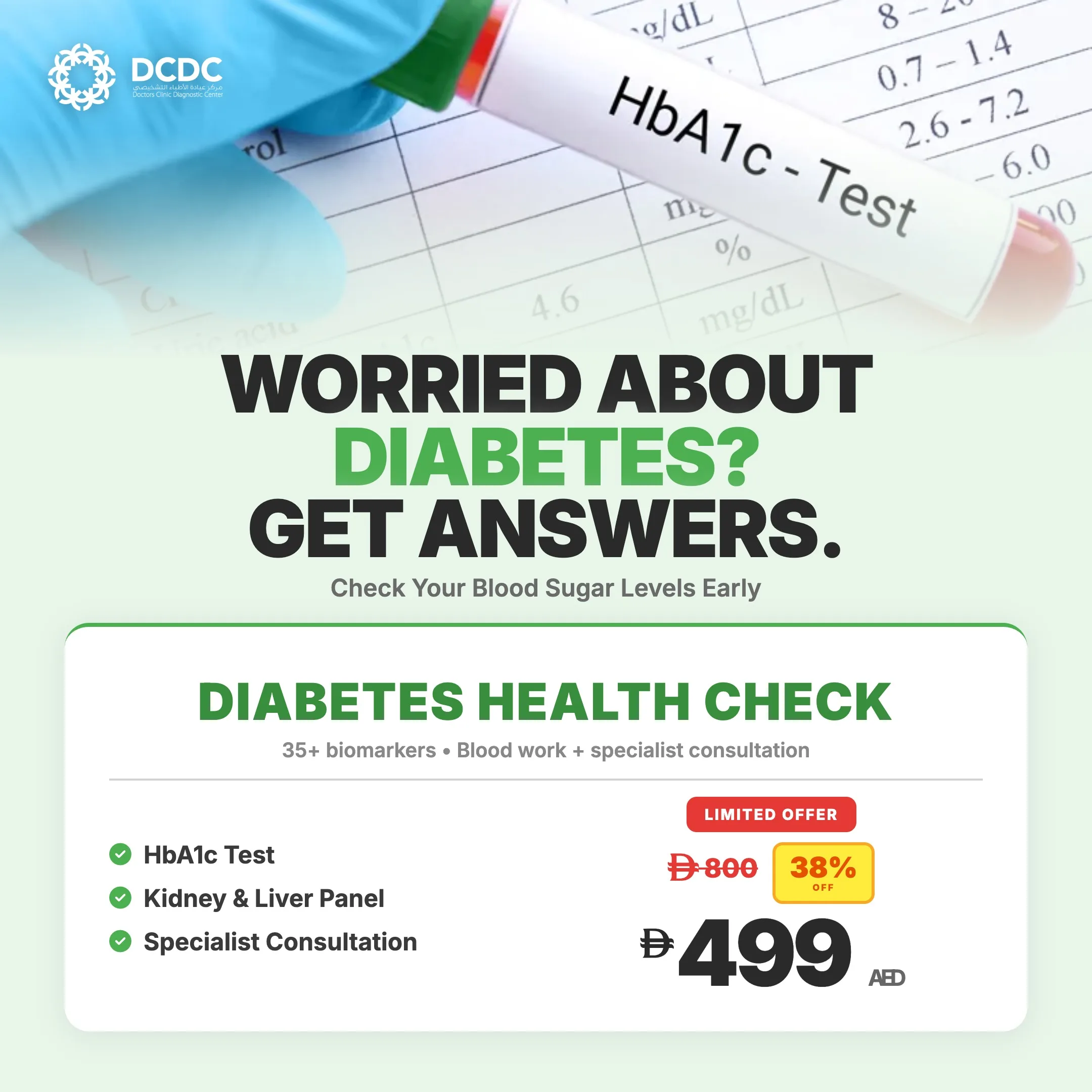
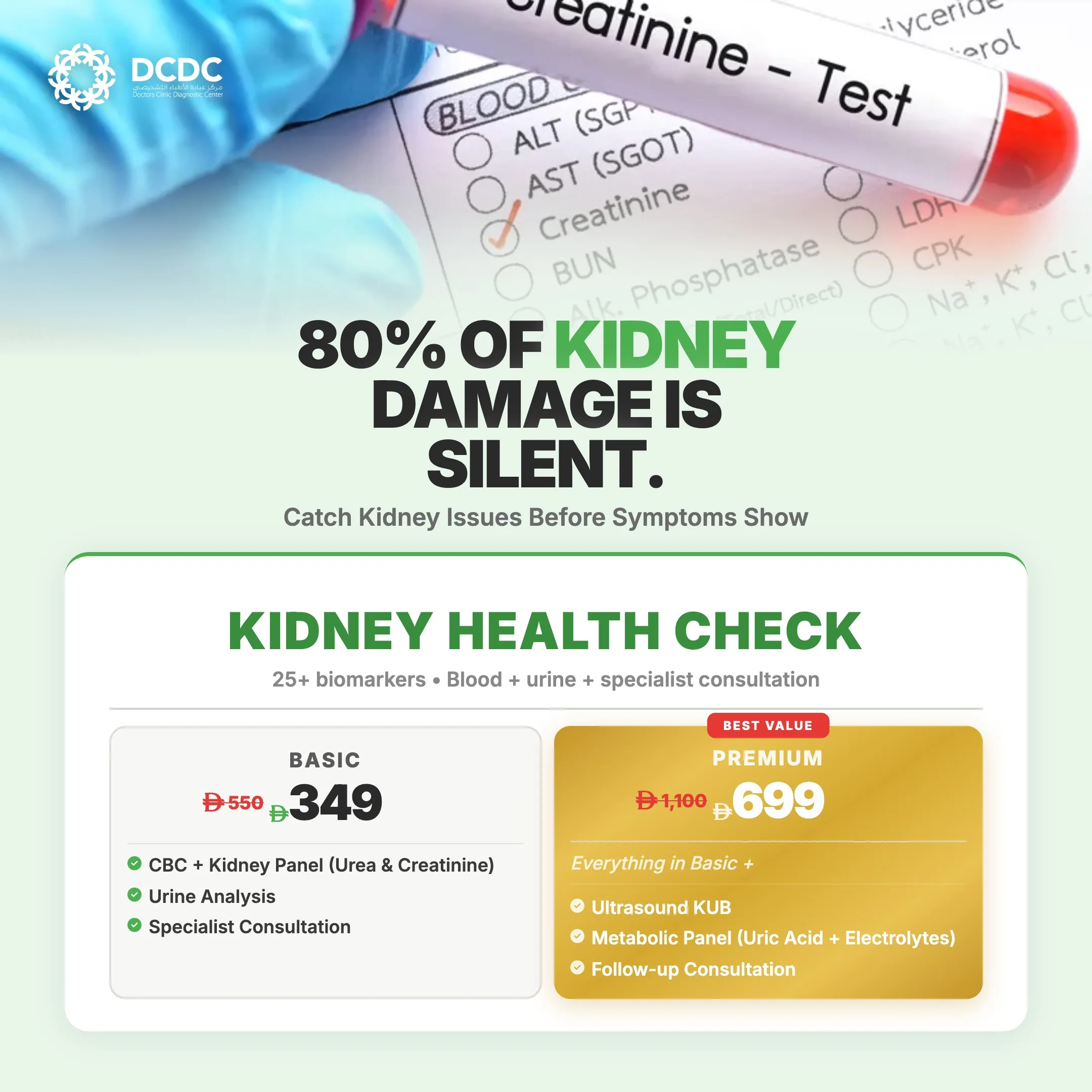
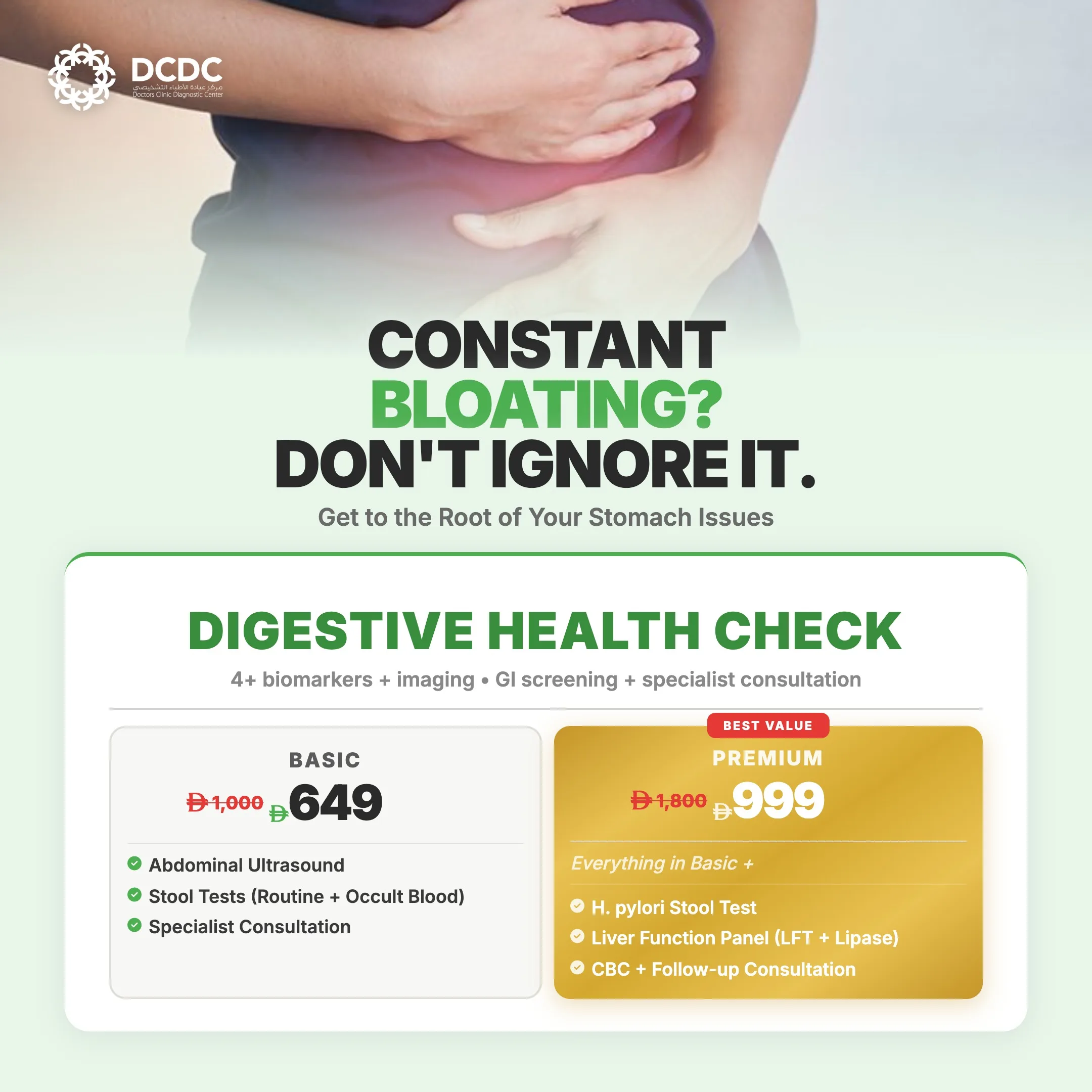
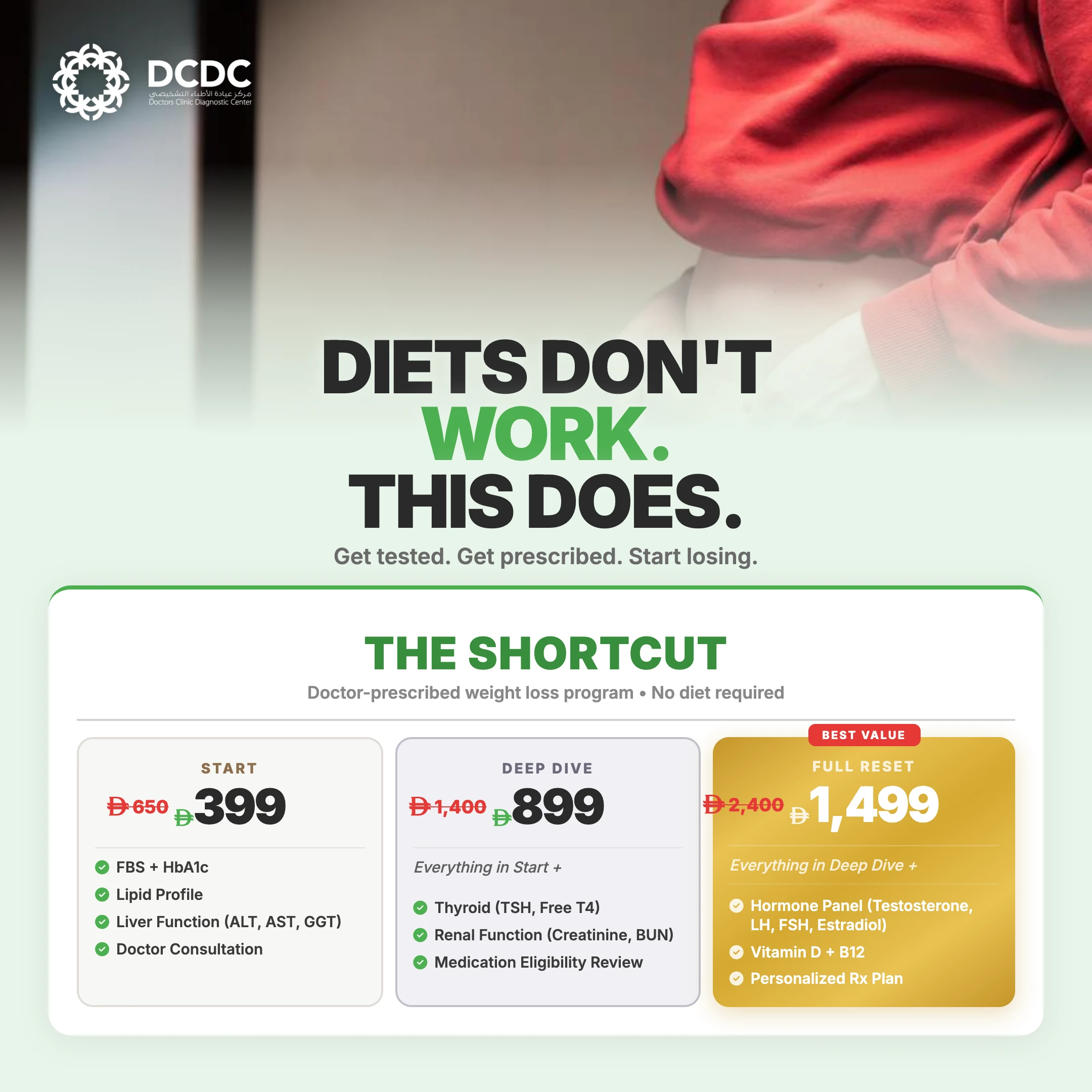
Health Screening Packages
Save with our bundled screening packages — specialist consultation included


IBS vs Food Intolerance: Quick Comparison Table
Before diving into the detail, here is a side-by-side snapshot of the two conditions. Refer back to this table as you read the sections that follow.
| Feature | Irritable Bowel Syndrome (IBS) | Food Intolerance |
|---|---|---|
| <strong>Definition</strong> | Chronic functional GI disorder with altered bowel habits | Adverse reaction to a specific food due to enzyme deficiency or chemical sensitivity |
| <strong>Pain</strong> | Recurrent abdominal pain is a diagnostic requirement | Bloating and discomfort are common; significant pain is less typical |
| <strong>Stool Pattern</strong> | Diarrhoea-predominant, constipation-predominant, or mixed | Usually diarrhoea only, no constipation component |
| <strong>Trigger</strong> | Multiple triggers: stress, hormones, diet, gut-brain axis | One or a few specific foods (e.g., lactose, fructose, histamine) |
| <strong>Dose-Dependence</strong> | Symptoms can occur regardless of quantity eaten | Symptoms worsen proportionally with the amount consumed |
| <strong>Onset After Eating</strong> | 30 minutes to several hours; variable | Usually 30 minutes to 2 hours after the trigger food |
| <strong>Diagnostic Method</strong> | Clinical: Rome IV criteria + exclusion of red flags | Hydrogen breath test, elimination diet, enzyme activity assay |
| <strong>Lab Markers</strong> | Normal blood work; calprotectin may be mildly elevated | Positive breath test or symptom resolution on elimination diet |
| <strong>Treatment</strong> | Low-FODMAP diet, antispasmodics, gut-directed therapy | Avoid or limit the trigger food; enzyme supplementation |
| <strong>Prognosis</strong> | Chronic, managed long-term with flare/remission cycles | Excellent if the trigger food is identified and avoided |
IBS vs food intolerance: key clinical differences at a glance
What Is Irritable Bowel Syndrome (IBS)?
IBS is a functional gastrointestinal disorder, meaning the gut looks structurally normal on endoscopy and imaging but does not function correctly. The condition affects an estimated 10-15 % of the global population, though many cases remain undiagnosed. In the UAE, where fast-paced lifestyles, irregular eating schedules, and high stress levels are common, prevalence data suggest that functional bowel complaints rank among the top five reasons for primary-care visits.
The hallmark of IBS is recurrent abdominal pain that is linked to changes in stool frequency or consistency. Pain must be present on average at least one day per week for the preceding three months to meet the Rome IV diagnostic criteria. IBS is subtyped as diarrhoea-predominant (IBS-D), constipation-predominant (IBS-C), or mixed (IBS-M).
Common IBS Symptoms
- Cramping abdominal pain that improves or worsens with bowel movements
- Bloating and visible abdominal distension, often worse in the evening
- Alternating diarrhoea and constipation or a persistent pattern of one type
- Mucus in the stool without blood
- Urgency or a feeling of incomplete evacuation
- Symptom flares triggered by stress, hormonal changes, or dietary indiscretion
What Is Food Intolerance?
Food intolerance is a non-immune-mediated adverse reaction to a specific food or food component. Unlike a food allergy (which involves IgE antibodies and can cause anaphylaxis), food intolerance is rarely dangerous but can be profoundly uncomfortable. The most common types include lactose intolerance (deficiency of the enzyme lactase), fructose malabsorption, histamine intolerance, and sensitivity to food additives such as sulphites or MSG.
The critical feature of food intolerance is dose-dependence. A person with lactose intolerance may tolerate a small splash of milk in tea but develop cramps and diarrhoea after a large milkshake. This is fundamentally different from IBS, where symptoms can appear without a clear dietary link and are influenced by psychological and hormonal factors.
Common Food Intolerance Symptoms
- Bloating and excess gas within 30 minutes to 2 hours of eating the trigger food
- Watery diarrhoea (constipation is uncommon in isolated food intolerance)
- Nausea or stomach gurgling
- Headache or migraine (particularly with histamine or tyramine intolerance)
- Skin flushing or hives in histamine intolerance
- Fatigue after consuming trigger foods
How Symptoms Overlap and Where They Diverge
The overlap between IBS and food intolerance is significant. Both can cause bloating, diarrhoea, and abdominal discomfort after meals. This shared symptom profile is the primary reason patients and even some clinicians struggle to distinguish the two. Research published in Nutrients (2024) highlights that up to 84 % of IBS patients report that specific foods worsen their symptoms, leading many to self-diagnose food intolerance when IBS is the underlying condition.
However, there are clear clinical divergence points. Pain is central to IBS: the Rome IV criteria will not be met without it. Food intolerance, by contrast, tends to produce discomfort and bloating but not the cramping, episodic pain that defines IBS. Constipation never accompanies isolated food intolerance; if you experience constipation alongside diarrhoea, IBS-M is far more likely. Finally, food intolerance symptoms are reproducible: they appear reliably when the trigger food is consumed and resolve completely when it is eliminated. IBS symptoms wax and wane regardless of dietary changes, though diet can modulate severity.
If you have already explored the overlap between IBS and inflammatory bowel disease, our guide on IBS vs IBD differences in Dubai covers the structural disease side of the spectrum.
Rome IV Criteria: How IBS Is Diagnosed
IBS is a positive diagnosis. That means a doctor should be able to diagnose it based on symptom criteria rather than simply ruling everything else out. The current gold-standard framework is the Rome IV criteria, published in 2016 by the Rome Foundation.
Rome IV Diagnostic Requirements
Recurrent abdominal pain, on average, at least 1 day per week in the last 3 months, associated with two or more of the following:
- Pain is related to defecation (improves or worsens)
- Pain is associated with a change in stool frequency
- Pain is associated with a change in stool form (appearance)
Symptom onset must have been at least 6 months before diagnosis. A longitudinal study in Clinical Gastroenterology and Hepatology (2023) confirmed that when IBS is diagnosed using Rome IV criteria, the miss rate for future organic gastrointestinal disease is only 1 %, making this a safe and durable diagnostic approach.
When Additional Tests Are Needed
Your doctor should order further investigation if any red-flag features are present: unintentional weight loss, rectal bleeding, anaemia, family history of colorectal cancer or IBD, onset after age 50, or nocturnal symptoms that wake you from sleep. In these cases, blood tests, faecal calprotectin, coeliac serology, and possibly colonoscopy are indicated before confirming IBS.
Food Intolerance Testing: Methods and Accuracy
Unlike IBS, which is diagnosed clinically, food intolerance can be confirmed or excluded with objective tests. The available methods differ substantially in scientific validity, and understanding these differences will save you time, money, and unnecessary dietary restriction.
Evidence-Based Tests
- Hydrogen breath test: Measures hydrogen and methane produced when undigested carbohydrates (lactose, fructose, sorbitol) are fermented by gut bacteria. This is the gold standard for diagnosing lactose and fructose intolerance. Sensitivity ranges from 78-98 % depending on the substrate.
- Elimination diet with structured reintroduction: The patient removes suspected foods for 2-6 weeks and reintroduces them one at a time while logging symptoms. This is the definitive method for identifying food triggers in clinical practice.
- Enzyme activity assays: Disaccharidase activity can be measured from duodenal biopsies taken during endoscopy, providing a direct measure of lactase or sucrase levels.
- IgE blood test (specific IgE / RAST): Valid for identifying true food allergies (immune-mediated, IgE-driven). Sensitivity is 90-100 % for immediate-type allergic reactions. This test does not diagnose food intolerance but is important for ruling out allergy.
Tests with Limited or No Evidence
The IgG food sensitivity panel is widely marketed in Dubai, but major allergy organisations including the European Academy of Allergy and Clinical Immunology (EAACI) and the American Academy of Allergy, Asthma and Immunology (AAAAI) advise against its use. Research shows that IgG antibodies to food are a normal part of immune tolerance, not a marker of intolerance. A positive IgG result may simply indicate that you have eaten the food recently. For a thorough comparison of validated allergy tests, see our allergy testing guide for Dubai.
IBS vs Food Intolerance: Which Tests Do You Need?
The testing pathway depends on your symptom pattern. The decision tree below can help you and your doctor choose the most efficient route to diagnosis.
Symptom-Based Decision Guide
- Bloating + diarrhoea only after specific foods, no pain: Start with a hydrogen breath test for lactose or fructose intolerance, followed by an elimination diet.
- Recurrent abdominal pain + altered bowel habits for 3+ months: Clinical assessment using Rome IV criteria. Blood tests (CBC, CRP, coeliac screen, thyroid) and faecal calprotectin to rule out organic disease.
- Symptoms suggesting both: Many patients have IBS and a concurrent food intolerance. In this case, test for specific intolerances first (breath test, elimination diet) and then assess residual symptoms against Rome IV.
- Hives, swelling, or breathing difficulty after food: This suggests a true IgE-mediated food allergy. Request specific IgE blood tests or a skin-prick test rather than intolerance testing.
Our on-site laboratory at DCDC can run breath tests, IgE panels, coeliac serology, calprotectin, and full blood panels in a single visit. Results are typically available the same day, which means you leave with answers rather than more questions.
IBS Treatment Options Available in Dubai
There is no single cure for IBS, but effective management combines dietary modification, pharmacotherapy, and psychological support. Treatment is tailored to the dominant symptom subtype.
Dietary Strategies
- Low-FODMAP diet: A structured three-phase diet (restriction, reintroduction, personalisation) developed by Monash University. Studies show symptom improvement in 50-80 % of IBS patients.
- Soluble fibre supplementation: Psyllium husk can improve both diarrhoea and constipation subtypes.
- Regular meal timing: Eating at consistent intervals reduces gut hypersensitivity.
Pharmacotherapy
- Antispasmodics (mebeverine, hyoscine): First-line for cramping pain
- Loperamide: For diarrhoea-predominant IBS
- Osmotic laxatives: For constipation-predominant IBS
- Low-dose tricyclic antidepressants: Modulate gut-brain signalling and reduce visceral hypersensitivity
- Rifaximin: A non-absorbed antibiotic sometimes used for IBS-D with bloating
For a deeper dive into the full range of treatment options, our article on IBS treatment and symptoms in Dubai covers medication protocols, lifestyle modifications, and when to escalate care.
Struggling with Digestive Symptoms?
Book a same-day consultation at DCDC Dubai Healthcare City. Our board-certified internists can evaluate your symptoms, run on-site laboratory tests, and build a personalised management plan in a single visit.
Call 800-DCDC or WhatsApp us for immediate booking.
Managing Food Intolerance: Avoidance, Enzymes, and Monitoring
Once a specific food intolerance is confirmed, management is comparatively straightforward. The goal is not lifelong elimination of entire food groups but rather identifying your personal threshold and making informed choices.
Core Management Strategies
- Trigger avoidance or dose limitation: Most people with lactose intolerance can tolerate small amounts of dairy, especially fermented products like yoghurt and aged cheese.
- Enzyme supplementation: Lactase tablets taken before a dairy-containing meal can prevent symptoms. Similar supplements exist for fructose and galacto-oligosaccharides.
- Label reading: Hidden sources of lactose, fructose, and histamine are common in processed foods, sauces, and medications.
- Nutritional monitoring: Restricting dairy long-term can lead to calcium and vitamin D deficiency. Your doctor should check these levels periodically.
For patients considering a comprehensive panel to map all their trigger foods, our food intolerance test guide explains the available panels, what they measure, and what to expect on results day.
Food Intolerance and IBS Testing Costs in Dubai
Cost is a practical factor in deciding which tests to pursue. Below is a comparison of common diagnostic tests available in Dubai, with DCDC pricing included where applicable.
| Test | What It Detects | DCDC Price | Dubai Market Range | Turnaround |
|---|---|---|---|---|
| <strong>Food Intolerance Panel (IgG, 96 foods)</strong> | IgG antibodies to common foods | From AED 500 | AED 950 - AED 1,500 | 3-5 working days |
| <strong>Hydrogen Breath Test (Lactose)</strong> | Lactose malabsorption | From AED 400 | AED 400 - AED 800 | Same day |
| <strong>Hydrogen Breath Test (Fructose)</strong> | Fructose malabsorption | From AED 400 | AED 400 - AED 800 | Same day |
| <strong>Specific IgE Panel (Food Allergy)</strong> | IgE-mediated food allergy | From AED 500 | AED 600 - AED 1,200 | 1-2 working days |
| <strong>Coeliac Screen (tTG-IgA)</strong> | Coeliac disease / gluten sensitivity | From AED 200 | AED 200 - AED 500 | Same day |
| <strong>Faecal Calprotectin</strong> | Gut inflammation (rules out IBD) | From AED 350 | AED 350 - AED 700 | 1-2 working days |
| <strong>Full Blood Count + CRP</strong> | Anaemia, infection, inflammation | From AED 150 | AED 100 - AED 300 | Same day |
| <strong>GP Consultation</strong> | Clinical assessment + test ordering | From AED 300 | AED 300 - AED 600 | Same day |
Diagnostic test costs for IBS and food intolerance in Dubai (2026 estimates)
DCDC partners with 20+ insurance providers including Daman, AXA, and Bupa for direct billing, so many of these tests may be partially or fully covered under your policy. Our reception team can verify your benefits before your appointment.
What to Expect at DCDC Dubai Healthcare City
If you visit DCDC for digestive symptoms, here is how the process typically unfolds from arrival to diagnosis.
Step 1: Arrival and Registration
DCDC is located in Building 64, Block A, Al Razi Medical Complex, Dubai Healthcare City. Free parking is available, and our multilingual front-desk team (Arabic, English, Farsi, Urdu, Hindi) will have your file ready in minutes. Average wait time is approximately 15 minutes.
Step 2: Consultation with Your Doctor
Your GP or internist will take a detailed history covering symptom duration, stool pattern, dietary triggers, stress levels, and family history. They will perform an abdominal examination and apply the Rome IV criteria to determine whether your symptoms fit an IBS pattern, a food intolerance pattern, or both.
Step 3: On-Site Laboratory Testing
Based on clinical findings, your doctor may order blood tests, a breath test, stool analysis, or allergy panels. Because DCDC has a fully equipped MOHAP-licensed on-site laboratory (Licence NIMY7VY5-240925), samples are processed in-house and most results are available the same day. There is no need to visit an external lab.
Step 4: Results Review and Management Plan
Once results are ready, your doctor will review them with you, explain the diagnosis, and outline a treatment or dietary plan. If you need specialist referral (gastroenterology, dietitian, or allergy specialist), DCDC can arrange this through its network. For complex cases, our board-certified internists provide ongoing management of chronic IBS with regular follow-up.
Doctor's Perspective: Why Getting the Right Diagnosis Matters

General Practitioner
English, Arabic
Dr. Hadeel Elnur is a General Practitioner at Doctors Clinic Diagnostic Center (DCDC) in Dubai Healthcare City.
"Many patients come to me after months or even years of self-directed elimination diets based on unvalidated tests they purchased online. They have cut out dairy, gluten, eggs, and multiple other foods, yet they still feel unwell because the underlying issue was never IBS-related food sensitivity but rather a functional bowel disorder requiring a completely different approach. My advice is always the same: start with a proper clinical assessment. A 15-minute consultation can often distinguish IBS from food intolerance based on history alone, and when we do need tests, our on-site lab means we can confirm the diagnosis the same day. Patients are genuinely surprised at how quickly we can get to the bottom of their symptoms."
With a 4.8/5 Google rating from over 1,000 reviews and a 98 % patient satisfaction score, DCDC consistently delivers the combination of diagnostic accuracy and patient communication that digestive-symptom patients need.
Can You Have Both IBS and Food Intolerance?
Yes, and this is more common than many patients realise. Studies suggest that up to 65 % of IBS patients have at least one concurrent food intolerance, most commonly to lactose or fructose. The gut hypersensitivity that characterises IBS means that even normal amounts of fermentable carbohydrates can provoke exaggerated symptoms.
When both conditions coexist, the recommended approach is to identify and address the food intolerance first. Removing the specific trigger often reduces symptom burden by 30-50 %, making residual IBS symptoms more manageable. The low-FODMAP diet is particularly effective in this dual-diagnosis scenario because it targets the fermentable carbohydrates that feed both conditions.
If your symptoms include upper abdominal burning alongside bloating and altered bowel habits, it is also worth ruling out gastritis, which can mimic and coexist with both IBS and food intolerance. Our gastritis treatment guide explains the diagnostic workup and when to suspect overlapping conditions.
Prevention and Long-Term Gut Health
While food intolerance cannot always be prevented (especially enzyme deficiencies that are genetically determined), the severity and frequency of symptoms for both conditions can be substantially reduced with proactive lifestyle measures.
Evidence-Based Prevention Strategies
- Maintain a food and symptom diary: Track what you eat, when symptoms appear, and their severity. After 2-4 weeks, patterns become clear.
- Eat at regular intervals: Skipping meals and then overeating is a potent IBS trigger.
- Stay hydrated: Adequate water intake supports healthy gut motility and stool consistency.
- Manage stress proactively: Cognitive behavioural therapy (CBT) and gut-directed hypnotherapy have strong evidence for IBS symptom reduction.
- Exercise regularly: Moderate physical activity (30 minutes, 5 days per week) reduces bloating and improves bowel regularity.
- Limit alcohol and caffeine: Both can aggravate IBS and histamine intolerance.
- Consider probiotics: Specific strains (e.g., Bifidobacterium infantis 35624) have shown benefit in IBS-D, though not all probiotic products are equal.
Get Tested, Get Answers
Same-day appointments are available at DCDC Dubai Healthcare City. Food intolerance testing starts from AED 500, and most results are ready within hours. Our multilingual team is here Saturday to Thursday, 8 AM to 10 PM, and Fridays 9 AM to 9 PM.
Book online, call 800-DCDC, or WhatsApp for instant scheduling.
Verwandte Leistungen im DCDC
Fachkundige Betreuung und moderne Diagnostik in Dubai Healthcare City
Internal Medicine Consultation
Comprehensive evaluation and management of digestive and metabolic conditions.
Termin buchenAllergy Panel Testing
IgE and food intolerance blood tests to identify dietary triggers.
Termin buchenGeneral Consultation
Same-day GP appointments for digestive symptoms and referrals.
Termin buchenFrequently Asked Questions
Final Thoughts
IBS and food intolerance are two of the most common digestive conditions in Dubai, and their overlapping symptoms make self-diagnosis unreliable. The good news is that both are highly manageable once correctly identified. IBS responds well to dietary modification (particularly the low-FODMAP approach), targeted pharmacotherapy, and stress management. Food intolerance can often be resolved entirely by identifying the trigger and adjusting intake or using enzyme supplements.
The most important step is to seek a proper clinical evaluation rather than relying on unvalidated commercial tests or prolonged self-experimentation. A structured consultation at DCDC, with access to same-day on-site laboratory results, can differentiate between these conditions efficiently and set you on the right treatment path.
If you are experiencing persistent bloating, altered bowel habits, or abdominal pain, do not wait for symptoms to resolve on their own. Book a same-day appointment at DCDC and take the first step toward understanding your digestive health.
Quellen und Referenzen
Dieser Artikel wurde von unserem medizinischen Team überprüft und bezieht sich auf folgende Quellen:
- Rome Foundation - Rome IV Diagnostic Criteria for IBS
- Clinical Gastroenterology and Hepatology - Durability of IBS Diagnosis Using Rome IV Criteria (2023)
- Nutrients - Food Intolerances, Food Allergies and IBS: Lights and Shadows (2024)
- EAACI - Position Statement on IgG4 Testing for Food Intolerance
- Monash University - The Low FODMAP Diet for IBS
- American Academy of Allergy, Asthma and Immunology - Unproven Diagnostic Tests
- National Institute for Health and Care Excellence (NICE) - Irritable Bowel Syndrome in Adults: Diagnosis and Management (CG61)
Medizinische Inhalte auf dieser Website werden von DHA-lizenzierten Ärzten überprüft. Siehe unsere redaktionelle Richtlinien für weitere Informationen.
Verfasst von
Dr. Hadeel Elnur
General Practitioner
MD, General Practice
Dr. Hadeel Elnur is a General Practitioner at Doctors Clinic Diagnostic Center (DCDC) in Dubai Healthcare City.
Related Articles

IBS Treatment Dubai: Symptoms & Relief

IBS vs IBD Dubai: Key Differences

Food Intolerance Test Dubai: From AED 500

Allergy Testing Dubai: IgE, Skin Prick & Cost
Gastritis Treatment Dubai: Symptoms & Relief
More in Internal Medicine

Bloating Causes & Treatment in Dubai (2026)
WeiterlesenAnemia Treatment Dubai: Types & Causes (2026)
Weiterlesen
Chronic Fatigue Causes Dubai: Why Always Tired (2026)
Weiterlesen
Best Internal Medicine Doctor in Dubai: Dr. Hadi Komshi at DCDC (2026)
WeiterlesenDiabetes Specialist in Dubai: Expert Management at DCDC (2026)
Weiterlesen
Internal Medicine Doctor in Dubai Healthcare City: Dr. Hadi Komshi (2026)
Weiterlesen© 2026 Doctors Clinic Diagnostic Center (DCDC), Dubai Healthcare City. Originally published at https://doctorsclinicdubai.ae/blog/ibs-vs-food-intolerance-dubai. All rights reserved. Unauthorized reproduction is prohibited.