Wichtigste Erkenntnisse
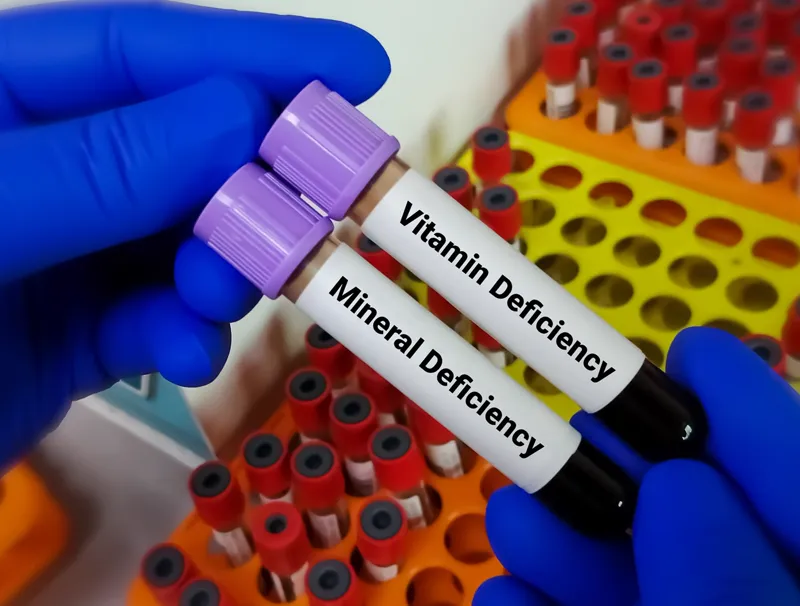
- Dubai's extreme summer heat (45°C+) causes profuse sweating that depletes sodium, potassium, magnesium, and calcium — making electrolyte imbalance one of the most common and under-diagnosed summer health risks in the UAE
- Early warning signs include muscle cramps, fatigue, dizziness, irregular heartbeat, and confusion — symptoms that many Dubai residents dismiss as simple tiredness but may indicate a dangerous mineral imbalance requiring medical evaluation
- Drinking excessive plain water without replacing electrolytes can cause hyponatraemia (dangerously low sodium), a condition that mimics dehydration but requires the opposite treatment — making accurate blood testing essential
- A comprehensive electrolyte panel at DCDC Dubai Healthcare City starts from AED 150 with same-day results, measuring sodium, potassium, calcium, magnesium, phosphate, and chloride levels in a single blood draw
- Outdoor workers, athletes, the elderly, and people taking diuretics or blood pressure medications are at 3-5 times higher risk of severe electrolyte imbalance during Dubai's summer months (May-October)
- At DCDC, electrolyte testing includes a GP consultation from AED 250, on-site blood collection with results within hours, and same-day nephrologist referral if kidney-related imbalances are detected — all under one roof in Dubai Healthcare City
Every summer, Dubai's emergency departments report a significant surge in patients presenting with muscle cramps, confusion, heart palpitations, and fainting — and the underlying cause is frequently an electrolyte imbalance that went undetected until it became dangerous. In a city where temperatures regularly exceed 45°C and humidity can reach 90%, your body loses critical minerals through sweat far faster than most people realise. Whether you are an outdoor worker spending hours in the heat, a weekend athlete, an elderly resident, or someone on medication that affects mineral balance, understanding electrolyte imbalance could prevent a life-threatening emergency. This guide covers everything you need to know: warning signs, which blood tests detect imbalances, treatment options at every stage, and prevention strategies for Dubai's extreme climate. If you are experiencing symptoms now, our blood testing service at DCDC offers same-day electrolyte panels with walk-in availability in Dubai Healthcare City.
From recognising the earliest symptoms of electrolyte depletion to understanding which minerals are most affected by Dubai's heat, how laboratory testing identifies imbalances, and when medical treatment is urgently needed — this is the most comprehensive electrolyte imbalance guide for UAE residents. Reviewed by Dr. Hadeel Elnur, General Practitioner at DCDC Dubai Healthcare City.
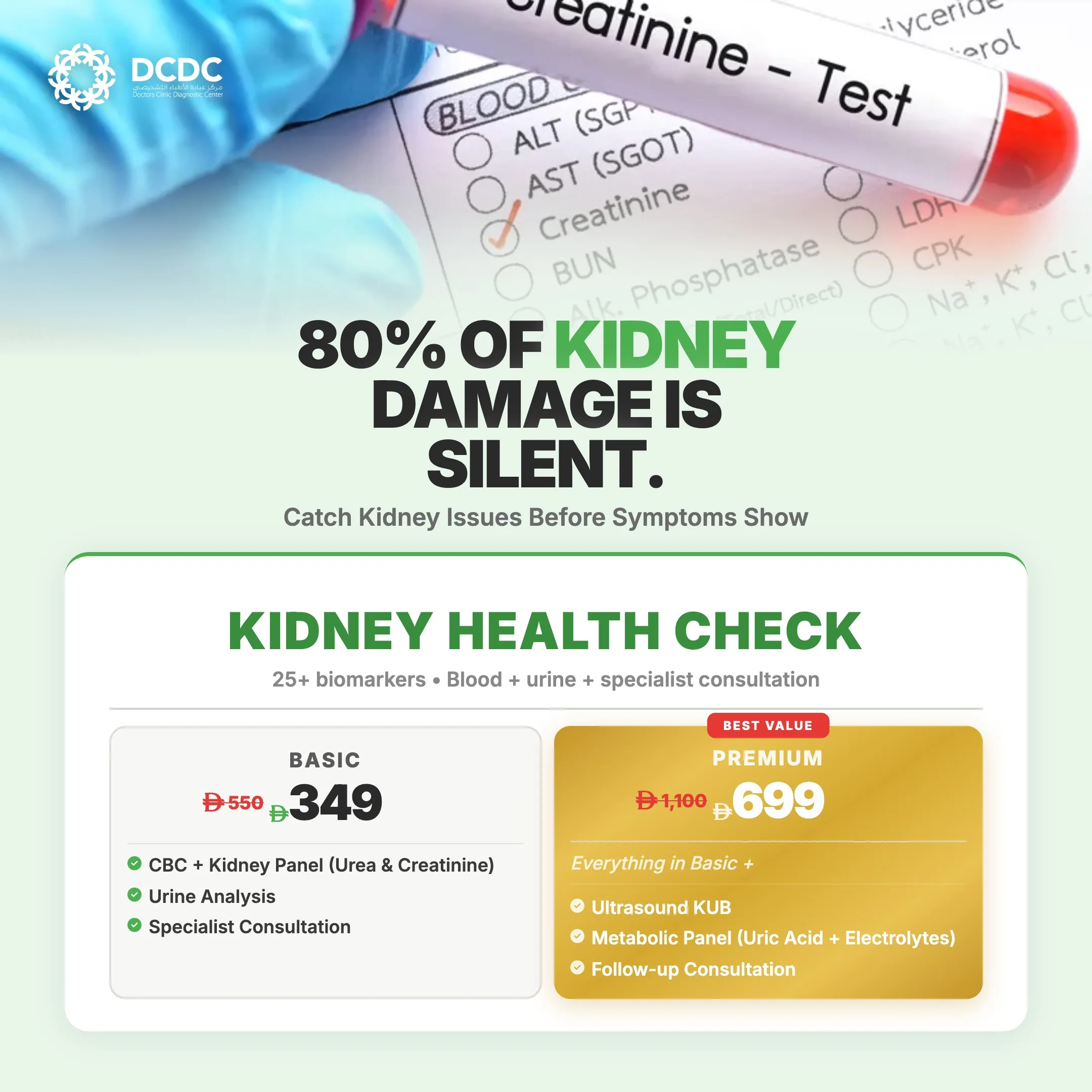
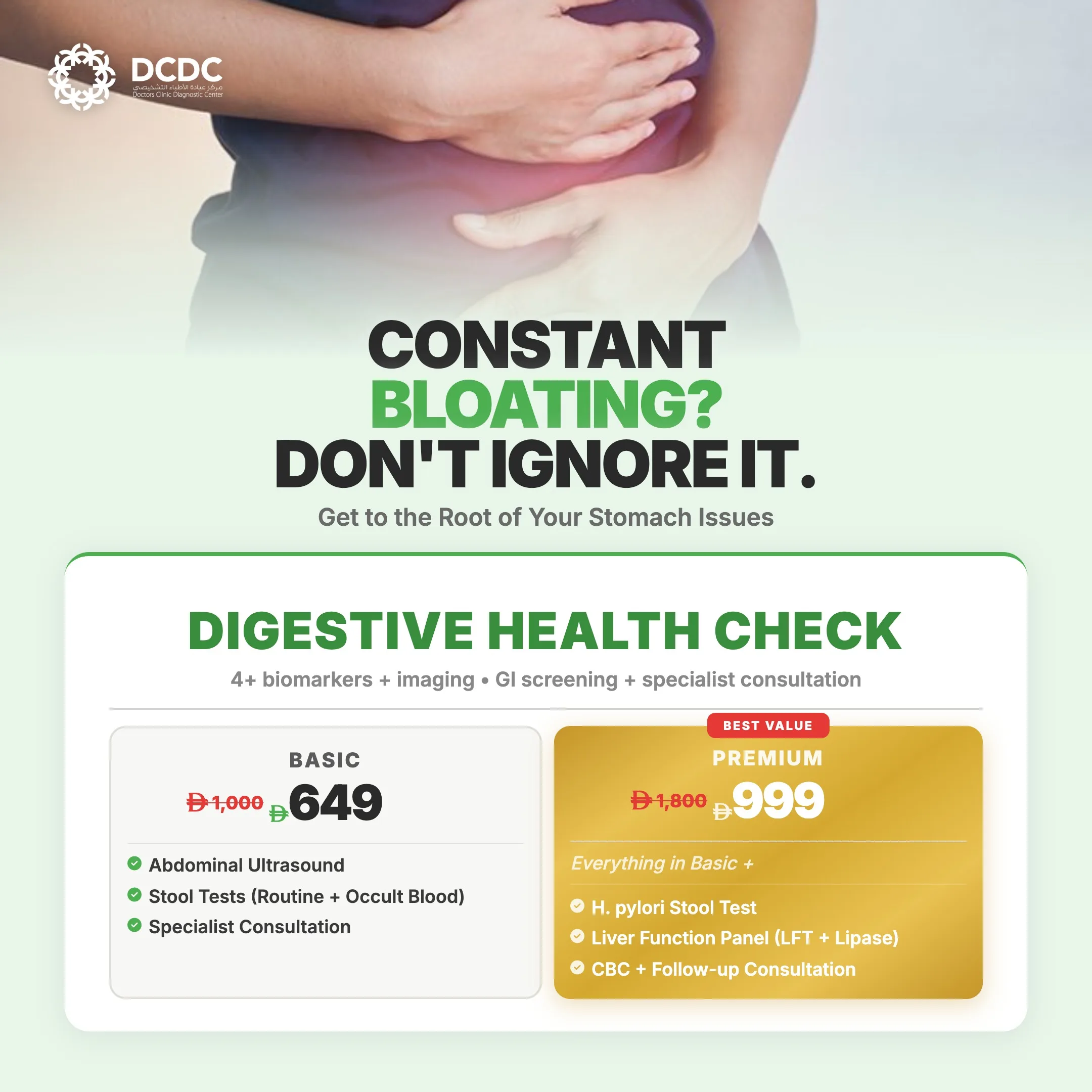
Health Screening Packages
Save with our bundled screening packages — specialist consultation included




What Are Electrolytes and Why Do They Matter?
Electrolytes are electrically charged minerals dissolved in your blood, tissue fluids, and cells. They are not optional supplements — they are essential for survival. Every heartbeat, muscle contraction, nerve signal, and cellular function in your body depends on the precise balance of these minerals. The major electrolytes include sodium (Na+), potassium (K+), calcium (Ca2+), magnesium (Mg2+), chloride (Cl-), phosphate (PO4 3-), and bicarbonate (HCO3-).
Your kidneys are the master regulators of electrolyte balance, constantly adjusting how much of each mineral is retained or excreted in urine. When this balance is disrupted — whether through excessive sweating, dehydration, kidney dysfunction, medications, or illness — the consequences can range from mild discomfort to cardiac arrest. According to the Cleveland Clinic, electrolyte imbalances are among the most common findings in hospitalised patients, affecting up to 20% of all emergency admissions.
In Dubai, the risk is amplified by climate. The UAE's summer heat creates a perfect storm for electrolyte depletion: profuse sweating strips sodium, potassium, and magnesium from your body, while inadequate replacement — or over-hydration with plain water — can make the imbalance worse. Understanding what electrolytes do and how they become imbalanced is the first step toward protecting your health in this environment.
Why Electrolyte Imbalance Is a Greater Risk in Dubai
Dubai's geography and climate create uniquely challenging conditions for maintaining electrolyte balance. The combination of extreme heat, high humidity, and lifestyle factors means that residents face electrolyte risks that simply do not exist in temperate climates.
The Heat Factor
During the summer months (May through October), Dubai temperatures routinely exceed 45°C, with ground-level temperatures near asphalt and concrete reaching 60°C or higher. At these temperatures, your body can lose 1-2 litres of sweat per hour during outdoor activity. Each litre of sweat contains approximately 900-1,000 mg of sodium, 200-300 mg of potassium, and smaller amounts of calcium and magnesium. Over a full day of outdoor work, this can represent a loss of 5-10 grams of sodium and 1-2 grams of potassium — far more than most diets replace.
The Humidity Paradox
Dubai's coastal humidity, which regularly exceeds 70-90% during summer mornings and evenings, compounds the problem. High humidity prevents sweat from evaporating effectively, so your body produces even more sweat in a futile attempt to cool down. The result is greater electrolyte loss with less actual cooling benefit — a dangerous combination that can accelerate dehydration and mineral depletion simultaneously.
Who Is Most at Risk in Dubai?
- Outdoor workers: Construction labourers, delivery drivers, landscapers, and security personnel who spend hours in direct heat are at the highest risk. Studies show outdoor workers in the Gulf region lose 4-6 litres of sweat during a typical shift
- Athletes and fitness enthusiasts: Running, cycling, padel, football, and outdoor gym sessions — even in early morning — cause rapid electrolyte depletion that sports drinks alone may not fully replace
- Elderly residents: Reduced thirst sensation, lower body water reserves, and medications (especially diuretics and ACE inhibitors) make the elderly 3-5 times more vulnerable to severe electrolyte imbalance
- People with chronic conditions: Diabetes, kidney disease, heart failure, and gastrointestinal disorders all increase the risk of electrolyte disturbances
- Fasting individuals: During Ramadan, the inability to drink fluids during daylight hours in extreme heat creates a high-risk window for electrolyte depletion
- Tourists and new residents: People who are not acclimatised to the UAE's extreme heat are particularly vulnerable in their first summer
Signs and Symptoms of Electrolyte Imbalance
Electrolyte imbalance symptoms vary depending on which mineral is affected and how severe the imbalance is. Many of these symptoms overlap with simple fatigue or stress, which is why they are frequently dismissed — especially during Dubai's summer when everyone feels drained by the heat. Recognising these warning signs early can prevent a medical emergency. For more on how fluid loss connects to mineral depletion, read our guide on dehydration treatment in Dubai.
Low Sodium (Hyponatraemia)
Sodium is the most abundant electrolyte in your blood and is critical for fluid balance, nerve function, and blood pressure regulation. Normal sodium levels are 136-145 mmol/L. Hyponatraemia (sodium below 136 mmol/L) is the most common electrolyte disorder seen in hospitals worldwide.
- Mild (130-135 mmol/L): Nausea, headache, fatigue, poor concentration, irritability
- Moderate (125-129 mmol/L): Confusion, muscle weakness, unsteadiness, vomiting
- Severe (below 125 mmol/L): Seizures, loss of consciousness, respiratory arrest — this is a medical emergency requiring immediate hospital care
Critically, hyponatraemia can be caused by drinking too much plain water without electrolytes — a common mistake among Dubai residents who try to combat the heat by drinking excessive amounts of water. This dilutes the sodium in your blood, creating a paradox where over-hydration produces symptoms identical to dehydration.
Low Potassium (Hypokalaemia)
Potassium is essential for heart rhythm, muscle contractions, and nerve signalling. Normal levels are 3.5-5.0 mmol/L. Even a mild drop in potassium can cause significant symptoms.
- Mild (3.0-3.5 mmol/L): Muscle cramps (especially in legs), fatigue, constipation, weakness
- Moderate (2.5-3.0 mmol/L): Heart palpitations, significant muscle weakness, difficulty breathing, tingling and numbness
- Severe (below 2.5 mmol/L): Life-threatening cardiac arrhythmias, paralysis, respiratory failure
Low Magnesium (Hypomagnesaemia)
- Early signs: Loss of appetite, nausea, fatigue, muscle twitching, leg cramps at night
- Moderate deficiency: Numbness, tingling in hands and feet, personality changes, abnormal heart rhythms
- Severe deficiency: Seizures, coronary artery spasm, sustained irregular heartbeat. Low magnesium also makes it harder for the body to correct low potassium and low calcium
Low Calcium (Hypocalcaemia)
- Neuromuscular symptoms: Tingling around the mouth and fingertips, muscle spasms (tetany), cramps in the hands and feet
- Cardiac symptoms: Prolonged QT interval on ECG, which can lead to dangerous arrhythmias
- Psychological symptoms: Anxiety, depression, confusion, memory problems — often misdiagnosed as psychiatric conditions
Electrolyte Panel: What Blood Tests Detect Imbalances
The only reliable way to diagnose an electrolyte imbalance is through a blood test. Symptoms alone cannot tell you which electrolyte is affected or how severe the imbalance is — and as we have seen, the symptoms of different electrolyte disorders often overlap. At DCDC Dubai Healthcare City, our comprehensive metabolic panel measures all major electrolytes in a single blood draw, providing a complete picture of your mineral balance.
What the Electrolyte Panel Measures
| Electrolyte | Normal Range | Key Functions | What Abnormal Levels Indicate |
|---|---|---|---|
| Sodium (Na+) | 136-145 mmol/L | Fluid balance, nerve function, blood pressure | Low: over-hydration, kidney disease, heart failure. High: dehydration, excess salt intake |
| Potassium (K+) | 3.5-5.0 mmol/L | Heart rhythm, muscle contraction, nerve signals | Low: excessive sweating, diuretics, vomiting. High: kidney failure, medications, tissue damage |
| Calcium (Ca2+) | 2.2-2.6 mmol/L | Bone health, muscle function, blood clotting | Low: vitamin D deficiency, parathyroid disorders. High: hyperparathyroidism, cancer |
| Magnesium (Mg2+) | 0.7-1.0 mmol/L | Enzyme function, muscle/nerve activity, energy production | Low: malnutrition, alcohol use, diuretics. High: kidney failure, excessive supplementation |
| Phosphate (PO4 3-) | 0.8-1.5 mmol/L | Energy metabolism, bone structure, DNA/RNA synthesis | Low: malnutrition, vitamin D deficiency. High: kidney disease, hypoparathyroidism |
| Chloride (Cl-) | 98-106 mmol/L | Fluid balance, acid-base regulation, digestion | Low: vomiting, sweating. High: dehydration, kidney disease |
Normal electrolyte ranges and clinical significance. Values may vary slightly between laboratories.
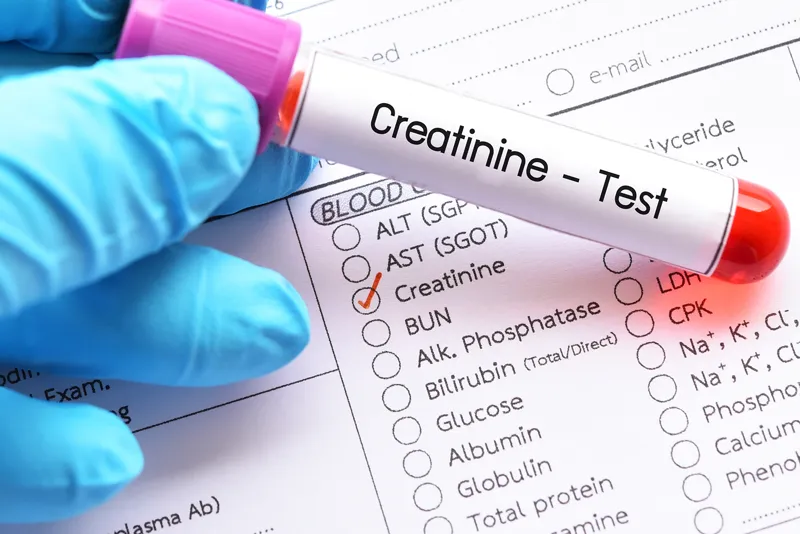
In addition to the basic electrolyte panel, your doctor may also order kidney function tests (creatinine, BUN, eGFR) since the kidneys are the primary regulators of electrolyte balance. At DCDC, our laboratory runs both panels together as a comprehensive metabolic profile, providing a complete assessment of your mineral and kidney health in one test.
Electrolyte Test Cost in Dubai: 2026 Pricing Guide
Electrolyte testing costs in Dubai vary significantly depending on the facility, the number of markers included, and whether you are paying out-of-pocket or through insurance. Hospital outpatient laboratories typically charge 30-50% more than polyclinics and diagnostic centres. At DCDC Dubai Healthcare City, we offer competitive pricing because our MOHAP-licensed laboratory processes all samples on site — eliminating external lab fees and courier delays.
| Electrolyte Test | DCDC Price (AED) | Dubai Market Range (AED) | Turnaround |
|---|---|---|---|
| Basic Electrolyte Panel (Na+, K+, Cl-, Bicarbonate) | From AED 150 | AED 200-400 | Same day |
| Comprehensive Mineral Panel (Na+, K+, Ca2+, Mg2+, PO4, Cl-) | From AED 200 | AED 300-550 | Same day |
| Electrolytes + Kidney Function (CMP) | From AED 250 | AED 350-700 | Same day |
| Full Metabolic + Vitamin D + Thyroid | From AED 399 | AED 500-1,200 | Same day |
| GP Consultation (with test interpretation) | From AED 250 | AED 300-600 | Walk-in |
Electrolyte test prices at DCDC Dubai Healthcare City (2026). Insured patients with physician referral pay co-pay only (10-20%). Prices are indicative and subject to updates.
DCDC accepts 20+ insurance partners including Daman, AXA, Bupa, MetLife, and Cigna with direct billing — so insured patients typically pay only their co-pay. For self-pay patients, our pricing sits at the lower end of the Dubai market while offering the same clinical-grade testing and licensed pathologists found at larger hospital laboratories.
Concerned About Electrolyte Imbalance?
Book a same-day electrolyte panel at DCDC Dubai Healthcare City. Comprehensive mineral testing from AED 150 with results within hours. Rated 4.8/5 on Google with 98% patient satisfaction.
Walk in or WhatsApp us — open Sat-Thu until 10 PM with free parking
Causes of Electrolyte Imbalance: Beyond Just Sweating
While Dubai's heat and sweating are the most obvious causes of electrolyte depletion, they are far from the only ones. Understanding the full range of causes helps you identify whether you may be at risk — even if you do not spend time outdoors. Maintaining healthy kidney function is essential for electrolyte regulation, which is why we recommend reading our guide on kidney health prevention alongside this article.
Dehydration and Heat Exposure
- Profuse sweating: The primary cause in Dubai. Each hour of heavy sweating loses approximately 1 gram of sodium and 200-300 mg of potassium
- Inadequate fluid replacement: Not drinking enough, or drinking only plain water without electrolytes, fails to replace lost minerals
- Air conditioning transitions: Frequent movement between extreme outdoor heat and heavily cooled indoor spaces (18-20°C) disrupts thermoregulation and masks early dehydration symptoms
Medications
- Diuretics (water pills): Thiazides and loop diuretics (furosemide) are among the most common causes of hypokalaemia and hyponatraemia. If you take these medications, summer in Dubai requires extra vigilance
- ACE inhibitors and ARBs: Can cause elevated potassium (hyperkalaemia), especially when combined with potassium-sparing diuretics or kidney disease
- Proton pump inhibitors (PPIs): Long-term use (omeprazole, esomeprazole) has been linked to low magnesium levels
- Laxatives: Chronic use depletes potassium and can cause metabolic alkalosis
- Insulin: Drives potassium into cells, potentially causing low blood potassium levels
Medical Conditions
- Kidney disease: Damaged kidneys lose the ability to regulate electrolytes, leading to both high and low levels of various minerals
- Diabetes: Uncontrolled blood sugar causes osmotic diuresis (excessive urination), flushing electrolytes from the body. Diabetic ketoacidosis (DKA) causes severe potassium derangement
- Heart failure: Both the condition and its treatments (diuretics, ACE inhibitors) disrupt electrolyte balance
- Gastrointestinal illness: Vomiting and diarrhoea — common in Dubai due to food-related illness and viral gastroenteritis — rapidly deplete sodium, potassium, and bicarbonate
- Eating disorders: Anorexia and bulimia cause severe electrolyte disturbances, particularly low potassium, which can trigger fatal cardiac arrhythmias
Treatment of Electrolyte Imbalance: From Mild to Severe
Treatment depends entirely on which electrolyte is affected, how severe the imbalance is, and what is causing it. Self-treating with over-the-counter supplements can be dangerous — for example, taking potassium supplements when you already have high potassium (hyperkalaemia) can cause cardiac arrest. This is why laboratory testing is essential before any treatment plan is initiated.
Mild Imbalance: Home Management
- Oral rehydration solutions (ORS): WHO-formula ORS packets, available at Dubai pharmacies, contain the optimal ratio of sodium, potassium, and glucose for absorption. This is the first-line treatment for mild dehydration-related electrolyte loss
- Electrolyte-rich foods: Bananas (potassium), spinach and almonds (magnesium), dairy products (calcium), salted nuts and broths (sodium). A balanced diet can correct mild deficiencies over days
- Commercial electrolyte drinks: Products like Hydralyte, ORS sachets, or coconut water can help replace lost minerals. Avoid high-sugar sports drinks — they contain excess sugar and inadequate electrolytes for clinical depletion
- Dietary adjustments: Increase salt intake slightly during periods of heavy sweating (unless medically contraindicated). Add potassium-rich fruits and vegetables to every meal
Moderate Imbalance: Medical Treatment
- Oral supplementation: Prescription-strength potassium chloride, magnesium supplements, or calcium tablets as determined by blood test results
- Medication review: Your doctor may adjust doses of diuretics, blood pressure medications, or other drugs contributing to the imbalance
- Monitoring: Repeat blood tests within 1-2 weeks to confirm the imbalance is correcting and to adjust treatment
Severe Imbalance: Hospital Treatment
- Intravenous (IV) fluids: Normal saline (0.9% sodium chloride) for dehydration and sodium correction. Rate and volume must be carefully controlled — correcting sodium too quickly can cause permanent brain damage (osmotic demyelination syndrome)
- IV electrolyte replacement: Potassium chloride, magnesium sulfate, or calcium gluconate administered intravenously under cardiac monitoring
- Cardiac monitoring: Severe potassium, calcium, or magnesium imbalances require continuous ECG monitoring due to the risk of fatal arrhythmias
- Dialysis: In cases of kidney failure causing severe electrolyte disturbance, haemodialysis may be necessary to restore balance
"I always tell my patients in Dubai: if you have persistent muscle cramps, unexplained fatigue, or heart palpitations — especially during summer — do not assume it is just the heat. A simple electrolyte panel takes minutes and can reveal imbalances that, left untreated, become medical emergencies. At DCDC, we can test your electrolytes and have results the same day, so you leave knowing exactly what your body needs." — Dr. Hadeel Elnur, General Practitioner, DCDC Dubai Healthcare City
What to Expect at DCDC: Your Electrolyte Testing Journey
At DCDC (Doctors Clinic Diagnostic Center) in Dubai Healthcare City, we have streamlined the electrolyte testing process so you can walk in, get tested, and receive results — all in one visit. Here is exactly what happens from the moment you arrive:
Step 1: Arrival and Registration (5 Minutes)
Park in our free dedicated on-site parking at Building 64, Block A, Al Razi Medical Complex, Dubai Healthcare City. Our reception team will register you quickly — the average wait time is just 15 minutes. Bring your Emirates ID and insurance card if applicable. No appointment is necessary for blood tests; walk-ins are welcome during all operating hours (Sat-Thu 8 AM-10:30 PM, Fri 9 AM-10 PM).
Step 2: GP Consultation (15-20 Minutes)
Dr. Hadeel Elnur or another GP will assess your symptoms, medical history, current medications, and lifestyle factors. Based on this assessment, your doctor will determine which electrolyte markers to test — a basic panel, comprehensive mineral profile, or a full metabolic panel with kidney function. If you are taking diuretics, have diabetes, or have been exercising heavily in the heat, additional markers may be recommended.
Step 3: Blood Collection (5 Minutes)
A trained phlebotomist collects your blood sample from a vein in your arm — a quick and minimally uncomfortable procedure. The sample goes directly to our on-site MOHAP-licensed laboratory for processing. No fasting is required for a standard electrolyte panel, though your doctor may recommend fasting if a glucose or lipid profile is also being tested.
Step 4: Results and Consultation (Same Day)
Routine electrolyte panel results are typically available within hours. For urgent cases, results can be expedited on the same day. Your GP will review the results with you, explain what each value means, and develop a treatment plan if any imbalances are detected. If results indicate a kidney-related cause, you can be referred to our nephrologist on the same day — the specialist is located in the same building, making DCDC a truly coordinated care centre.
Electrolyte Imbalance and Kidney Health: The Critical Connection
Your kidneys and electrolytes exist in a bidirectional relationship: the kidneys regulate electrolyte balance, and electrolyte imbalances can damage the kidneys. Understanding this connection is especially important in Dubai, where dehydration-related kidney injury is one of the most common summer health issues. For a broader overview of how blood testing supports kidney monitoring, see our complete blood tests in Dubai guide.
Chronic dehydration and electrolyte imbalance are major risk factors for kidney stones, which the UAE has one of the highest incidence rates globally — with some studies estimating that 1 in 5 UAE residents will develop a kidney stone in their lifetime. Repeated episodes of dehydration and low potassium also accelerate chronic kidney disease progression. At DCDC, our electrolyte panel is always paired with kidney function markers (creatinine and eGFR) to provide a complete picture.
When Electrolyte Imbalance Signals Kidney Disease
- Persistent high potassium: The kidneys normally excrete excess potassium. Consistently elevated levels may indicate declining kidney function
- Low sodium that doesn't correct: Chronic hyponatraemia can indicate kidney disease, heart failure, or liver cirrhosis
- High phosphate with low calcium: This pattern is characteristic of chronic kidney disease and may indicate the need for specialist nephrology care
- Metabolic acidosis: Low bicarbonate levels can signal that the kidneys are failing to excrete acid — a hallmark of advanced CKD
Prevention: Maintaining Electrolyte Balance in Dubai's Summer
Preventing electrolyte imbalance in Dubai is not simply about drinking more water — in fact, drinking excessive plain water is one of the causes of dangerous sodium imbalance. Prevention requires a multi-pronged approach that addresses fluid intake, mineral replacement, timing, and monitoring.
Daily Hydration Strategy for Dubai
- Baseline intake: Sedentary indoor workers need 2.5-3 litres daily during summer. Active individuals or outdoor workers need 3.5-5 litres or more. The generic '8 glasses' recommendation is insufficient for Dubai's climate
- Pre-hydrate before going outdoors: Drink 500 ml of water with electrolytes 30-60 minutes before any outdoor activity
- Sip consistently: Drink 200-250 ml every 15-20 minutes during outdoor exposure. Do not wait until you feel thirsty — thirst is a late indicator of dehydration
- Add electrolytes during heavy sweating: Use ORS sachets, electrolyte tablets, or add a pinch of salt and squeeze of lemon to water. Coconut water is a natural alternative providing potassium and sodium
- Monitor urine colour: Pale straw means adequate hydration. Dark yellow means you need more fluids. Clear and colourless may indicate over-hydration and sodium dilution
Dietary Strategies for Electrolyte Maintenance
- Potassium-rich foods daily: Bananas, avocados, sweet potatoes, spinach, oranges, beans. Aim for 2,500-3,000 mg of potassium daily from food
- Magnesium sources: Dark leafy greens, nuts (almonds, cashews), seeds (pumpkin, sunflower), dark chocolate, whole grains
- Calcium intake: Dairy products, fortified plant milks, sardines, tofu, leafy greens. Adults need 1,000-1,200 mg daily
- Do not restrict salt excessively in summer: While reducing sodium is generally healthy, those who sweat heavily in Dubai may need to maintain or slightly increase salt intake during peak summer months. Consult your doctor if you have hypertension or heart disease
- Limit alcohol and excessive caffeine: Both increase urinary excretion of electrolytes. For every alcoholic drink, match with an equal volume of water with electrolytes
When to Get Tested Preventatively
- Before summer begins (April-May) if you work outdoors, exercise regularly, or take medications that affect electrolytes
- During Ramadan if fasting coincides with summer months
- If you are over 65 and living in Dubai year-round
- If you have diabetes, kidney disease, heart failure, or take diuretics
- After any episode of prolonged vomiting, diarrhoea, or heat exhaustion
- As part of your annual health checkup — DCDC health packages include electrolytes starting from AED 399
DCDC's Laboratory Technology and Quality Assurance
At DCDC Dubai Healthcare City, our on-site MOHAP-licensed laboratory is equipped for comprehensive metabolic testing. Our electrolyte analysis equipment measures sodium, potassium, calcium, magnesium, phosphate, and chloride with clinical-grade precision. The laboratory also runs kidney function tests (creatinine, BUN, eGFR), liver function panels, and complete blood counts — allowing for a complete metabolic assessment in a single visit.
- Comprehensive metabolic panel: Measures all six major electrolytes plus kidney function markers, glucose, and liver enzymes in one sample
- Same-day turnaround: Routine results available within hours; urgent samples can be prioritised
- Quality assurance: MOHAP-licensed laboratory with regular external quality assessment to ensure accuracy. Results are reviewed by licensed pathologists
- Digital access: Results are available through our patient portal and can be shared digitally with your referring physician or specialist
With a 4.8/5 Google rating from 1,000+ reviews and a 98% patient satisfaction rate, DCDC consistently delivers accurate diagnostics with the convenience and personal care that large hospital laboratories often cannot match.
Special Populations: Athletes, Children, and the Elderly in Dubai
Certain groups face unique electrolyte challenges in Dubai's climate that require tailored prevention and treatment approaches.
Athletes and Fitness Enthusiasts
Dubai's fitness culture thrives despite the heat — from early morning runs along the canal to padel tournaments and outdoor CrossFit sessions. Athletes can lose 1.5-3 litres of sweat per hour during intense exercise in Dubai's summer, containing significant amounts of sodium (1,000-2,500 mg/L of sweat) and potassium (150-300 mg/L). Exercise-associated hyponatraemia (EAH) is a well-documented risk for endurance athletes who over-hydrate with plain water during long events.
- Pre-exercise: Drink 500 ml of electrolyte-containing fluid 2 hours before. Consider sodium-loading for events lasting over 1 hour
- During exercise: Aim for 400-800 ml per hour with electrolytes. Do not exceed 1 litre per hour of plain water — this increases hyponatraemia risk
- Post-exercise: Replace 150% of fluid lost (weigh yourself before and after). Include sodium-rich foods or drinks in recovery
- Baseline testing: Athletes training regularly in Dubai should get electrolyte panels every 3-6 months during the summer season
Children in Dubai's Heat
Children have a higher body surface area relative to body mass, causing faster heat absorption and fluid loss. They are also less able to communicate early symptoms. School-aged children playing outdoors during the warmer months of the academic year and summer camps are at particular risk.
- Enforce regular water and electrolyte breaks every 20 minutes during outdoor play
- Watch for unusual tiredness, irritability, reduced urination, or complaints of 'tummy ache' — these may indicate electrolyte depletion
- Paediatric ORS solutions are the safest way to replace electrolytes in children. Avoid adult sports drinks due to high sugar content
- If a child has had gastroenteritis (vomiting and diarrhoea), blood testing may be needed to check electrolytes — especially potassium
Elderly Residents
Adults over 65 face a combination of risk factors: diminished thirst sensation, reduced kidney function, multiple medications (many of which affect electrolytes), and lower body water reserves. Electrolyte imbalance in the elderly often presents as confusion or falls — symptoms frequently attributed to ageing or dementia rather than a treatable mineral imbalance.
- Schedule fluid intake rather than relying on thirst — set hourly reminders
- Request a medication review with your GP before each summer to identify drugs that increase electrolyte loss
- Quarterly electrolyte panels during summer are recommended for elderly patients on diuretics or heart failure medications
- Any new-onset confusion, weakness, or falls should prompt an urgent electrolyte check — do not assume it is 'just old age'
Protect Your Health This Summer in Dubai
Book a comprehensive electrolyte and kidney panel at DCDC Dubai Healthcare City from AED 250. Same-day results, nephrologist on site, 20+ insurance partners with direct billing.
Building 64, Al Razi Medical Complex, DHCC — Free parking, walk-ins welcome
Verwandte Leistungen im DCDC
Fachkundige Betreuung und moderne Diagnostik in Dubai Healthcare City
Frequently Asked Questions
Stay Balanced, Stay Safe in Dubai's Summer Heat
Electrolyte imbalance is one of the most common yet underdiagnosed health risks in Dubai, particularly during the summer months when temperatures exceed 45°C and every outdoor minute costs your body precious minerals. The symptoms — fatigue, cramps, dizziness, palpitations — are so easily dismissed as 'just the heat' that many people do not seek help until the imbalance becomes dangerous. A simple blood test that takes minutes and costs from AED 150 can identify exactly which electrolytes are out of range and guide treatment that resolves symptoms quickly.
Prevention is straightforward but requires awareness: hydrate with electrolytes (not just water), eat mineral-rich foods, monitor your body's signals, and test proactively if you are in a high-risk group. At DCDC Dubai Healthcare City, our team provides same-day electrolyte testing with on-site laboratory analysis, immediate GP interpretation, and same-day nephrology referral when needed — all under one roof with free parking, 20+ insurance partners, and extended hours until 10 PM. Whether you are managing a chronic condition, training for a sports event, or simply trying to stay healthy through another Dubai summer, your electrolyte balance is something you cannot afford to ignore.
Quellen und Referenzen
Dieser Artikel wurde von unserem medizinischen Team überprüft und bezieht sich auf folgende Quellen:
- Cleveland Clinic — Electrolyte Imbalance: Types, Symptoms, Causes & Treatment
- Cleveland Clinic — Electrolytes: Types, Purpose & Normal Levels
- NHS Health Education England — Electrolyte Imbalance Clinical Guide
- Mayo Clinic — Dehydration: Symptoms and Causes
- World Health Organization — Drinking-Water Quality and Health
- National Center for Biotechnology Information — Prevalence of Electrolyte Imbalances in Critically Ill Patients
Medizinische Inhalte auf dieser Website werden von DHA-lizenzierten Ärzten überprüft. Siehe unsere redaktionelle Richtlinien für weitere Informationen.

Verfasst von
Dr. Hadeel Elnur
General Practice
MD, General Practice
Dr. Hadeel Elnur is a General Practitioner at Doctors Clinic Diagnostic Center (DCDC) in Dubai Healthcare City.
Related Articles

Dehydration Dubai: Symptoms & Treatment (2026)
Kidney Function Test Cost Dubai: From AED 149 (2026)

Kidney Health Dubai: Prevention & Warning Signs (2026)
CKD Dubai: Stages, Symptoms & Treatment (2026)
Heat Stroke Prevention in Dubai: Complete Guide (2026)
More in Internal Medicine

Stomach Ulcer Dubai: Symptoms & Treatment (2026)
WeiterlesenBloating Causes & Treatment in Dubai (2026)
WeiterlesenAnemia Treatment Dubai: Types & Causes (2026)
Weiterlesen
Chronic Fatigue Causes Dubai: Why Always Tired (2026)
WeiterlesenIBS vs Food Intolerance Dubai: Which Is It? (2026)
Weiterlesen
Best Internal Medicine Doctor in Dubai: Dr. Hadi Komshi at DCDC (2026)
Weiterlesen© 2026 Doctors Clinic Diagnostic Center (DCDC), Dubai Healthcare City. Originally published at https://doctorsclinicdubai.ae/blog/electrolyte-imbalance-treatment-dubai. All rights reserved. Unauthorized reproduction is prohibited.