
Book Your Appointment
Verified Patient Reviews of DCDC Diagnostic Center in Dubai
Verified reviews and real patient stories from Dubai Healthcare City
I'm very satisfied with this medical clinic. I had my first pregnancy screening here. It was affordable and very professional. The radiologist was welcoming, kind, and made the experience great.
Aizhan Tokmanbetova
Hurt my knee Friday night and got an MRI appointment Sunday evening (booked Sunday afternoon). Waited about 2 minutes and was done in just over 30 minutes. The team was amazing, friendly and efficient.
Kirsten Evans
Dr. Osama's team was gentle and amazing. After a bad experience elsewhere, my pelvic exam here was much more professional. Great report and very precise.
Mary


CT Scan in Dubai: Fast, Detailed Diagnostic Imaging
Low-dose technology for bones, organs, and acute conditions
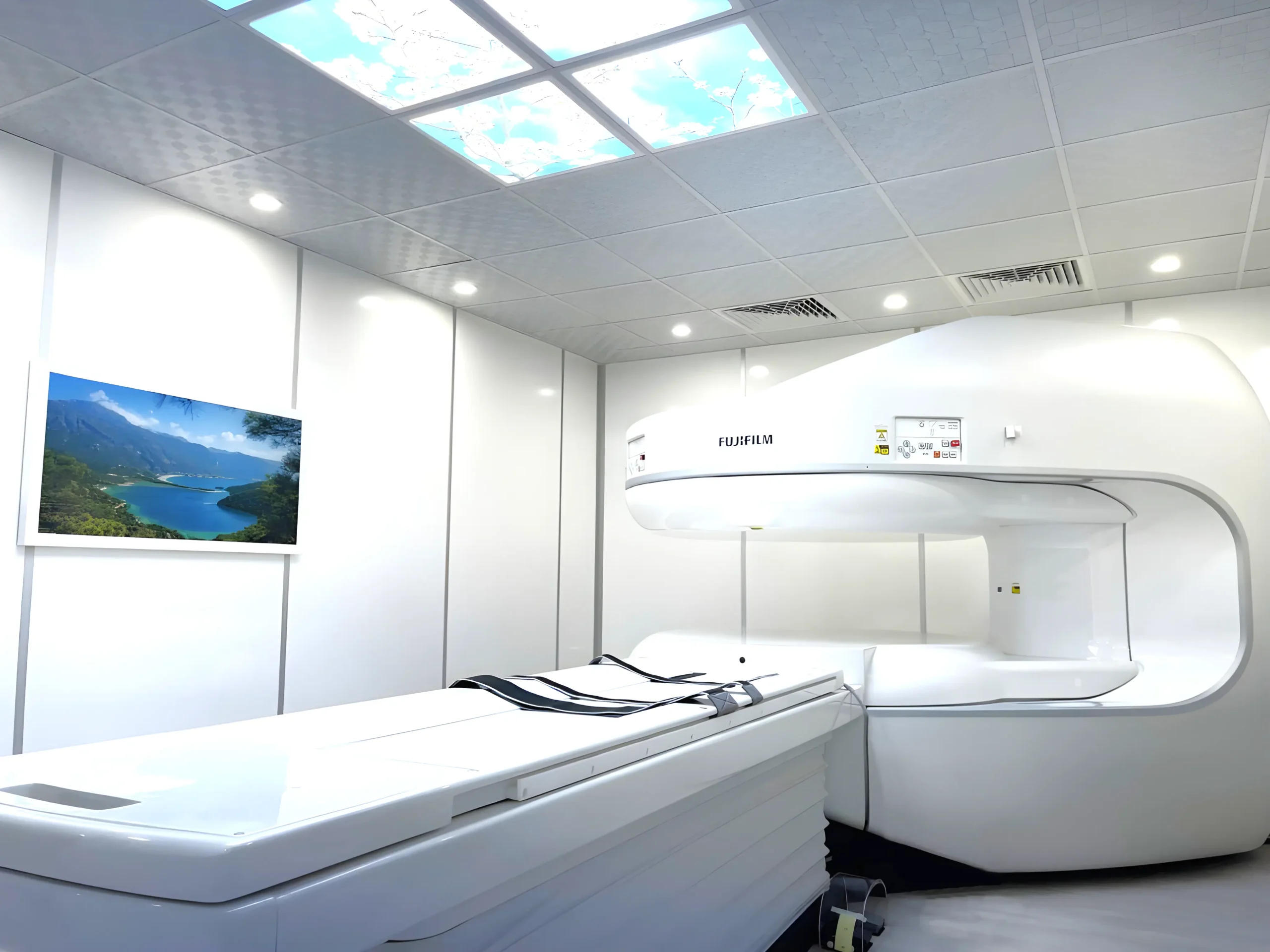
Low-Dose Technology
Advanced protocols minimize radiation exposure by up to 50% while maintaining exceptional diagnostic quality
Fast Results
Expert radiologist interpretation delivered within 24 hours at our center facility
Same-Day Appointments
Quick scan times, typically completing in just 10 to 30 minutes with same-day reporting available
A CT scan in Dubai uses X-rays and computer processing to create detailed cross-sectional images of your body, a short drive from Downtown, Karama, and Bur Dubai. It's particularly effective for bone fractures, tumors, internal bleeding, and acute trauma. situations where speed and clarity matter. Scans typically complete in 10-30 minutes with results within 24 hours.
Your doctor may recommend CT when they need to see bones, organs, or blood vessels in detail. Head trauma, chest pain, abdominal issues, and suspected fractures are common reasons. Our scanner uses low-dose protocols that reduce radiation exposure by up to 50% while maintaining diagnostic quality.
Every scan is interpreted by subspecialty radiologists who focus on specific areas. Brain, chest, abdomen, or trauma imaging. We're located in our facility with free parking and same-day appointments when available.
CT imaging plays a central role in emergency medicine and routine diagnostics alike. In the emergency setting, it can detect internal bleeding, organ damage, and fractures within minutes, giving physicians the information they need to act quickly. For planned investigations, CT provides precise staging for cancers, evaluates complex fractures before surgery, and monitors treatment response over time. The cross-sectional detail allows clinicians to see structures that would be invisible on a standard X-ray.
At DCDC, we perform CT scans across all major body regions including brain, chest, abdomen, pelvis, spine, and sinuses. Each study is tailored to the clinical question your doctor is asking. For vascular evaluations, CT angiography maps blood vessels in the heart, brain, and limbs with exceptional clarity. Our radiologists use multiplanar reconstruction and 3D rendering when needed, ensuring your referring physician receives the most informative report possible.
Low-Dose Technology
Advanced protocols minimize radiation exposure by up to 50% while maintaining exceptional diagnostic quality
Fast Results
Expert radiologist interpretation delivered within 24 hours at our center facility
Same-Day Appointments
Quick scan times, typically completing in just 10 to 30 minutes with same-day reporting available
CT Scan in Dubai: Fast, Detailed Diagnostic Imaging
Low-dose technology for bones, organs, and acute conditions
A CT scan in Dubai uses X-rays and computer processing to create detailed cross-sectional images of your body, a short drive from Downtown, Karama, and Bur Dubai. It's particularly effective for bone fractures, tumors, internal bleeding, and acute trauma. situations where speed and clarity matter. Scans typically complete in 10-30 minutes with results within 24 hours.
Your doctor may recommend CT when they need to see bones, organs, or blood vessels in detail. Head trauma, chest pain, abdominal issues, and suspected fractures are common reasons. Our scanner uses low-dose protocols that reduce radiation exposure by up to 50% while maintaining diagnostic quality.
Every scan is interpreted by subspecialty radiologists who focus on specific areas. Brain, chest, abdomen, or trauma imaging. We're located in our facility with free parking and same-day appointments when available.
CT imaging plays a central role in emergency medicine and routine diagnostics alike. In the emergency setting, it can detect internal bleeding, organ damage, and fractures within minutes, giving physicians the information they need to act quickly. For planned investigations, CT provides precise staging for cancers, evaluates complex fractures before surgery, and monitors treatment response over time. The cross-sectional detail allows clinicians to see structures that would be invisible on a standard X-ray.
At DCDC, we perform CT scans across all major body regions including brain, chest, abdomen, pelvis, spine, and sinuses. Each study is tailored to the clinical question your doctor is asking. For vascular evaluations, CT angiography maps blood vessels in the heart, brain, and limbs with exceptional clarity. Our radiologists use multiplanar reconstruction and 3D rendering when needed, ensuring your referring physician receives the most informative report possible.

Dr. Osama Elzamzami
Explore Our Services
Comprehensive ct scan services at DCDC Dubai Healthcare City.
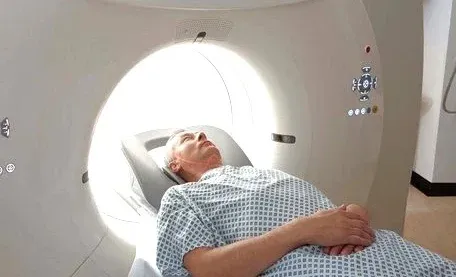
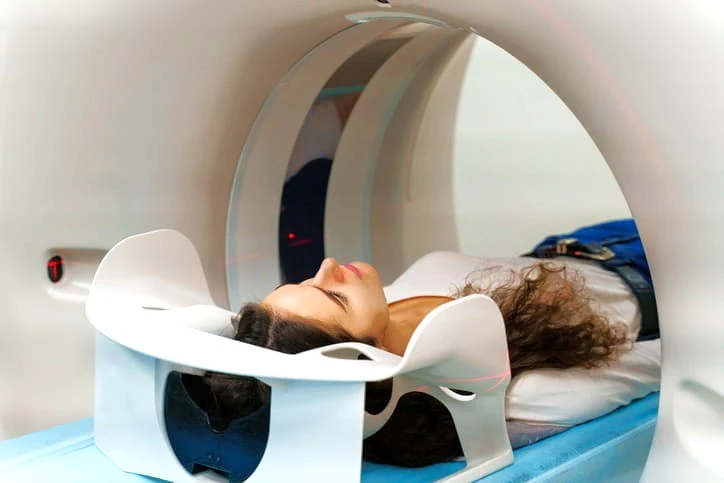
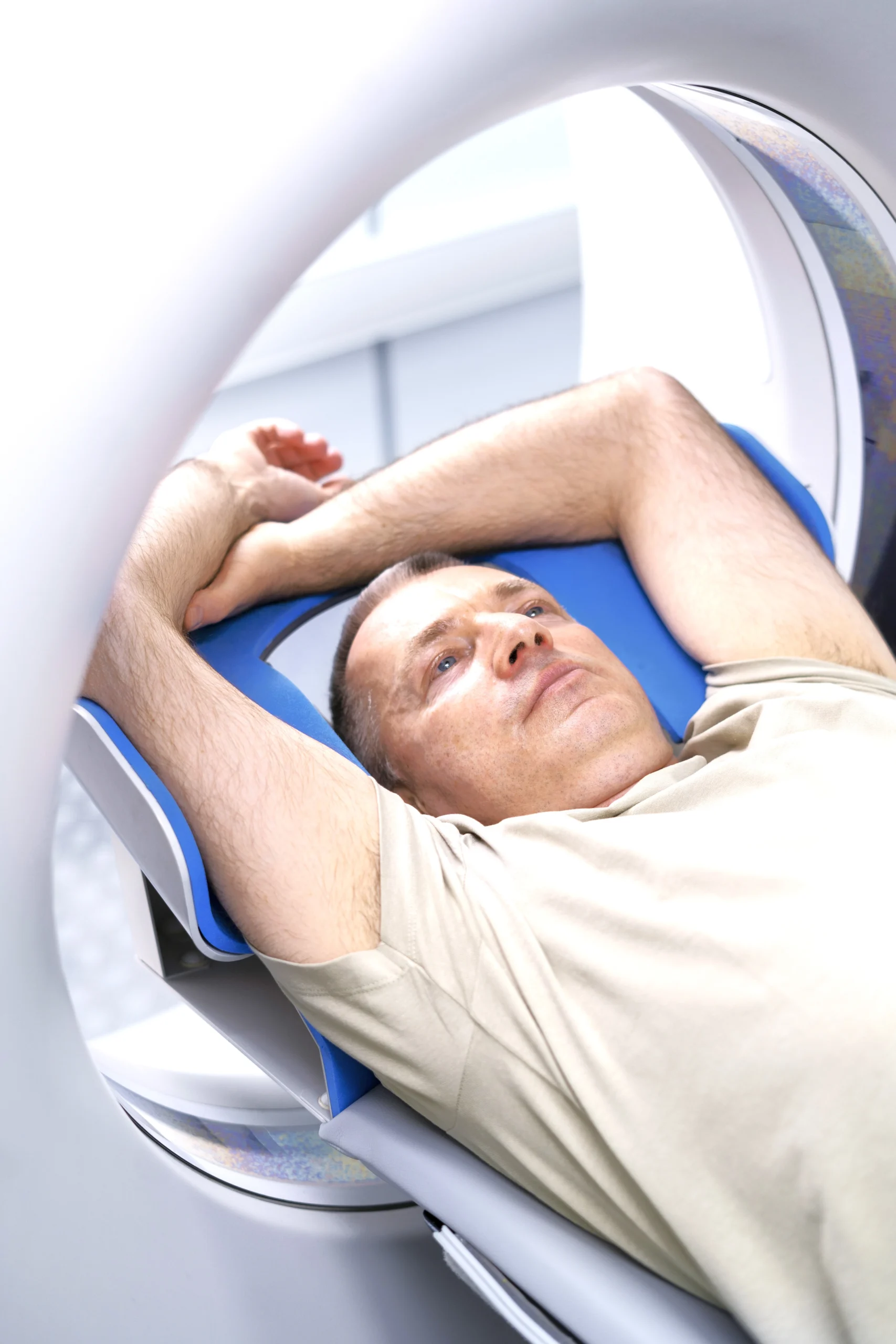
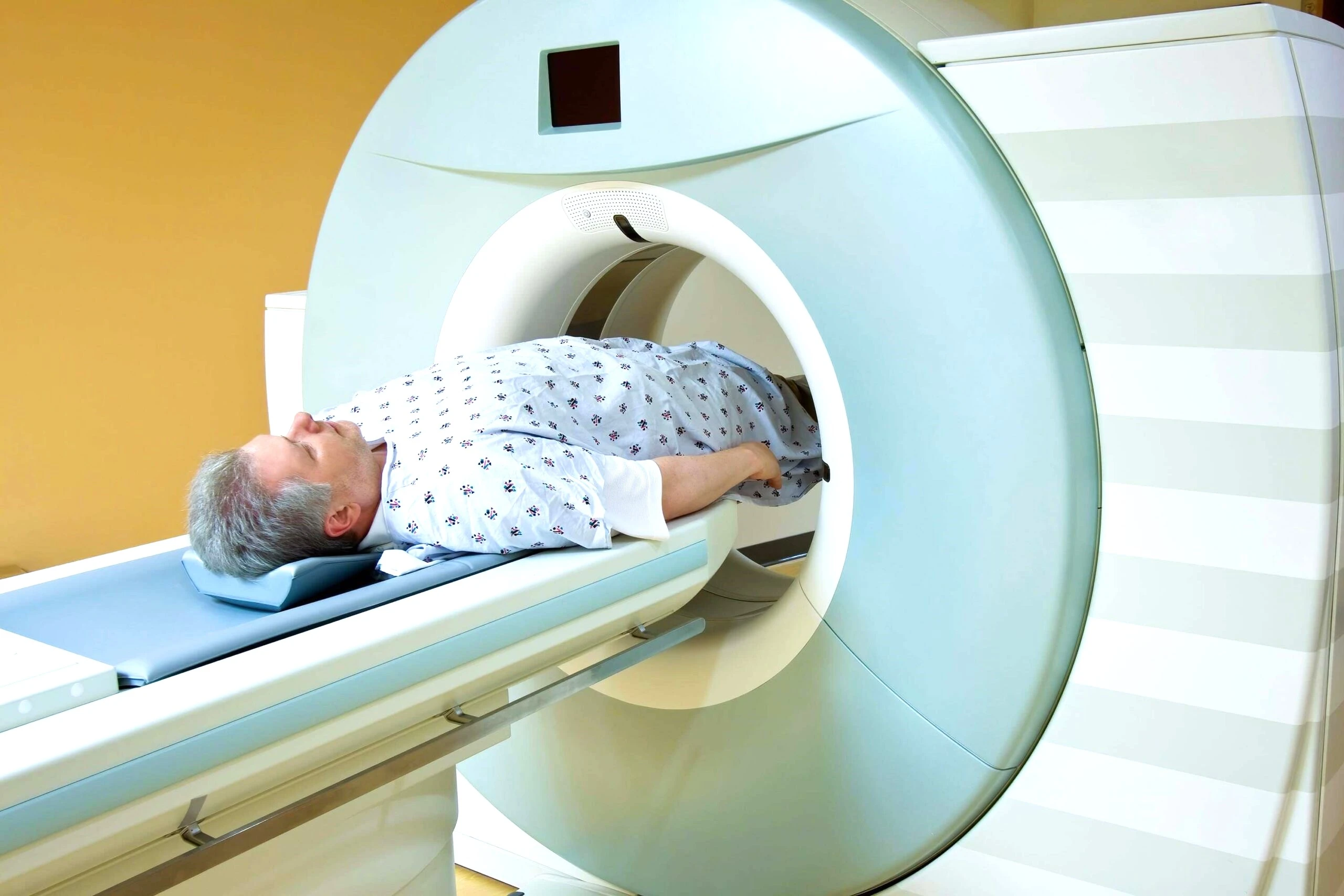
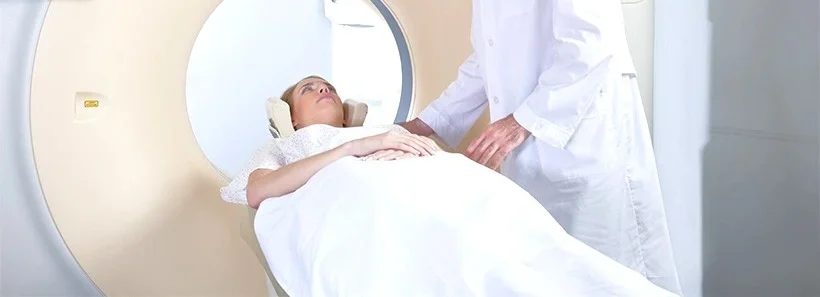
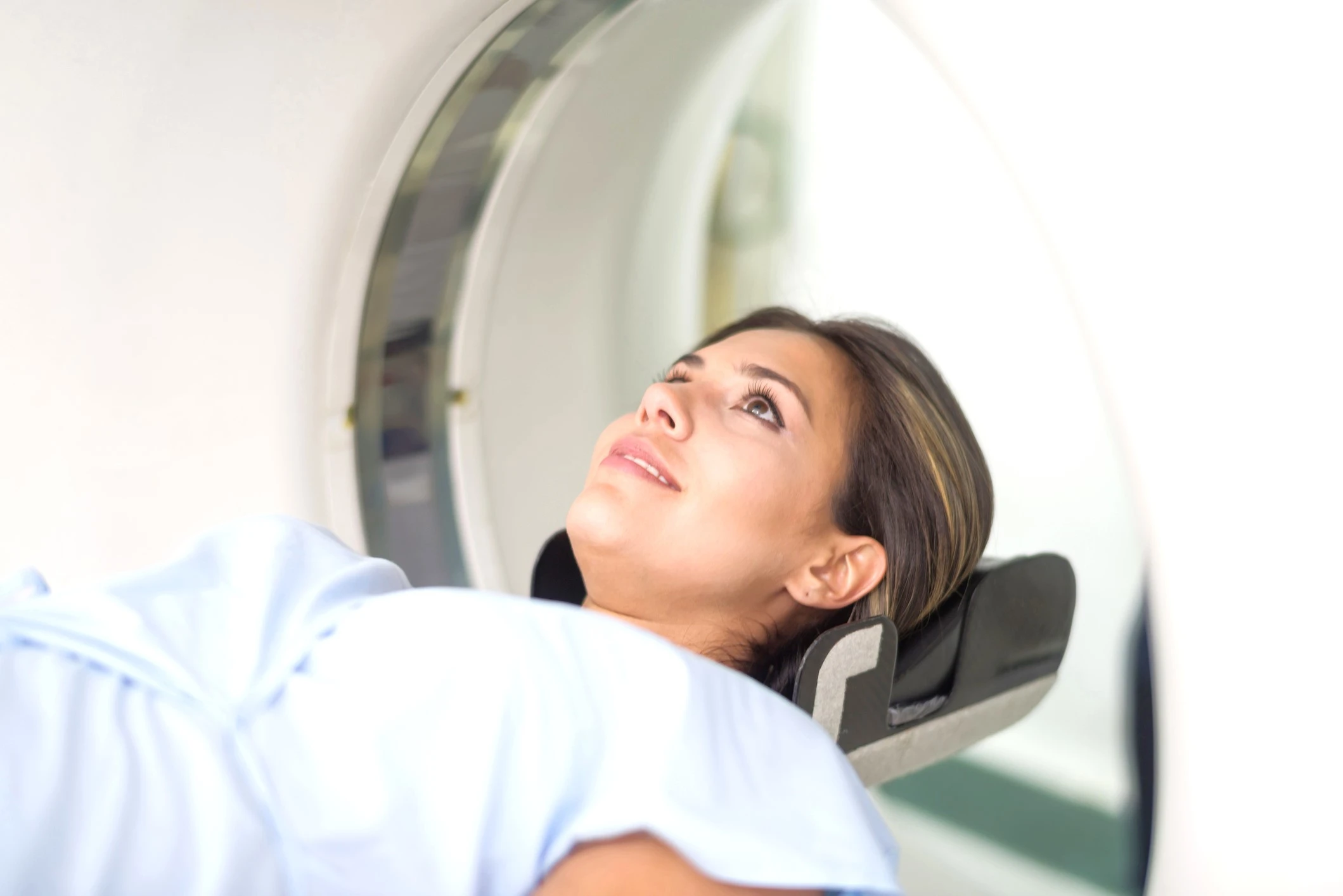
All services performed by DHA-licensed specialists
Who Should Get CT Scan?
CT is recommended when X-rays aren't enough and speed matters. particularly for bones, organs, and acute conditions. If your doctor needs detailed cross-sectional images quickly, CT delivers.
Bone fractures or suspected fractures needing detailed assessment
Head trauma, suspected stroke, or acute neurological symptoms
Chest pain, breathing difficulties, or suspected lung conditions
Abdominal pain or suspected internal bleeding
Cancer staging or tumor follow-up imaging
Vascular conditions requiring CT angiography
Why Choose DCDC for Your CT Scan?
MOHAP-licensed facility with low-dose CT technology, subspecialty radiologists, and results within 24 hours. Fast scans, accurate diagnosis.
MOHAP Licensed
Accredited diagnostic center in DCDC. License NIMY7VY5-240925.
Fast Results
Reports ready within 18-24 hours. Same-day reporting for urgent cases.
Insurance Support
Direct billing with 20+ insurers. We handle pre-authorization for you.
Convenient Location
Building 64, Block A in our clinic. Free parking on-site.
Expert Radiologists
Subspecialists in brain, chest, abdominal, and trauma CT interpretation.
Patient Experience
4.8/5 Google rating. Patients value our efficiency, clear communication, and accurate results.
Your Comfortable Visit
A simple, step-by-step CT scan process designed for comfort, speed, and accuracy.
CT Scan Pricing
CT pricing in Dubai varies by scan type, contrast requirements, and insurance coverage for brain, spine, joint, and abdominal CT scans.
- Pricing varies by scan type and whether contrast is required
- Insurance coverage accepted with referral and verification
- Transparent self-pay rates available with instant quote on request
Insurance verification in minutes • No hidden fees • Fast response on WhatsApp
Patient Guide
What to Expect During Your CT Scan
The process is quick and straightforward. Here's what happens.
Insurance & Location
Insurance Partners
- •20+ insurance providers in Dubai including Daman, AXA, ADNIC, and others
- •Pre-authorization support and direct billing (where applicable)
- •Coverage verification before your appointment at our Dubai Healthcare City clinic
- •Transparent pricing with no hidden fees for ct scan services








Visit Us in Dubai Healthcare City
Doctors Clinic Diagnostic Center
Building 64, Block A, Al Razi Medical Complex, Dubai Healthcare City, Dubai, UAE
Near Oud Metha Road · Easy access from Bur Dubai, Downtown Dubai, Business Bay · Free dedicated parking available
Working Hours
Mon-Thu, Sat: 8AM - 10:30PM | Sun: 8:30AM - 10:30PM | Fri: 9AM - 10PM
How Insurance Works at DCDC
Check Coverage
Verify your plan covers CT Scan
Get a Referral
Some insurers require a GP referral — we can guide you
Pre-Authorization
We handle pre-auth directly with your insurer
Direct Billing
No upfront payment — we bill your insurer directly
Co-Pay Only
You only pay any applicable co-pay at the clinic
Check Coverage
Verify your plan covers CT Scan
Get a Referral
Some insurers require a GP referral — we can guide you
Pre-Authorization
We handle pre-auth directly with your insurer
Direct Billing
No upfront payment — we bill your insurer directly
Co-Pay Only
You only pay any applicable co-pay at the clinic
Your Specialist
Dr. Osama Elzamzami
Consultant Radiologist
MD, Consultant Radiologist
Arabic · English
Patient Guide
How Does a CT Scan Work?
Computed tomography, commonly known as CT, works by rotating an X-ray tube around your body while detectors on the opposite side measure the radiation that passes through. A computer then processes thousands of these measurements to construct detailed cross-sectional images, or slices, of the scanned area. These slices can be stacked and reconstructed into three-dimensional views, giving radiologists the ability to examine internal structures from any angle.
Modern CT scanners use multi-detector technology that captures multiple slices simultaneously during a single rotation. This dramatically reduces scan time while improving image resolution. At DCDC, our scanner employs iterative reconstruction algorithms, a software-based approach that maintains image quality at significantly lower radiation doses compared to older filtered back projection methods.
When contrast enhancement is needed, an iodine-based solution is injected intravenously during the scan. This contrast material highlights blood vessels and increases the visibility of organ tissues, making it easier to detect abnormalities such as tumors, blood clots, or areas of inflammation. The contrast is processed by the kidneys and naturally eliminated from the body within 24 hours.
CT is particularly valuable for its speed and versatility. Unlike MRI, which requires the patient to remain still for extended periods, a CT scan captures diagnostic-quality images in seconds. This makes it indispensable in emergency departments for trauma assessment, stroke evaluation, and detecting life-threatening conditions such as pulmonary embolism or aortic dissection.
Conditions Diagnosed with CT Scan
Stroke and Brain Hemorrhage
CT brain rapidly identifies bleeding, blood clots, and ischemic changes, guiding emergency stroke treatment within the critical time window.
Traumatic Injuries
Detects skull fractures, spinal injuries, internal organ lacerations, and internal bleeding after accidents or falls.
Pulmonary Embolism
CT pulmonary angiography is the standard for diagnosing blood clots in the lung arteries, a potentially life-threatening condition.
Cancer Detection and Staging
Identifies tumors in the lungs, liver, kidneys, pancreas, and other organs, and determines the extent of cancer spread for treatment planning.
Appendicitis and Diverticulitis
Abdominal CT accurately diagnoses acute appendicitis, diverticulitis, bowel obstruction, and other causes of abdominal pain.
Kidney Stones
Non-contrast CT is the gold standard for detecting kidney stones, determining their size and location to guide treatment decisions.
Related Articles
CT Angiogram: What It Is, How to Prepare, and What to Expect
Everything you need to know about CT angiography, from preparation steps to what happens during and after the procedure.
CT Angiogram in Dubai: Understanding the Procedure
A detailed look at CT coronary angiography, including who needs it, how it works, and what the results mean for your heart health.
Lateral Recess Stenosis and CT Scan Diagnosis
How CT imaging helps diagnose spinal stenosis affecting the lateral recess, and what treatment options are available.
Chest X-Ray in Dubai: When You Need One
Understanding chest imaging options, when a simple X-ray is sufficient, and when your doctor may recommend advancing to a CT scan.
Related Services
Explore other diagnostic and consultation services available at our Dubai Healthcare City clinic.
Frequently Asked Questions
Common questions about CT Scan in Dubai.
A CT scan typically takes between 10 and 30 minutes from the time you enter the scanning room. The actual image acquisition itself is remarkably fast, often just a few seconds to a couple of minutes depending on the body area. Most of the appointment time is spent on preparation, including checking in, changing into a gown if needed, positioning you on the scanner table, and administering contrast if required. CT angiography studies or multi-phase abdominal scans that require images at different time intervals after contrast injection may take slightly longer. You can expect to be in and out of the department within 30 to 45 minutes for a routine study.
CT scanning is considered very safe when performed for an appropriate clinical indication. While it does use ionizing radiation, the dose from a single scan is low and the diagnostic benefits almost always outweigh the minimal risk. At DCDC, we use low-dose protocols and iterative reconstruction technology that can reduce radiation exposure by up to 50 percent compared to conventional settings while maintaining full diagnostic image quality. Our radiologists follow the ALARA principle, meaning radiation is kept as low as reasonably achievable for every patient. For context, the radiation from a standard chest CT is roughly equivalent to what you would naturally receive from background environmental radiation over a few months.
Yes, a referral from a physician is required, particularly for insurance coverage. The referral ensures the scan is clinically appropriate and helps our radiologists focus their interpretation on the right clinical question. If you do not have a referral, our on-site general practitioners can assess your symptoms and provide one, often on the same day. This means you may be able to see a GP and have your CT scan completed in a single visit. For insurance patients, the referral also supports the pre-authorization process, which our team handles on your behalf to minimize delays.
Low-dose CT protocols at DCDC use iterative reconstruction algorithms and optimised tube current modulation to reduce radiation exposure by up to 50 percent compared to conventional CT scanning. These protocols are particularly valuable for routine screening, follow-up imaging, and paediatric patients where cumulative radiation exposure is a concern. Despite the reduced dose, diagnostic image quality is maintained for most clinical indications including lung cancer screening, kidney stone detection, and sinus evaluation. For certain examinations requiring maximum image detail, such as complex vascular studies or detailed bone assessment, standard dose protocols may still be recommended by your radiologist to ensure diagnostic accuracy.
Not all CT scans require contrast. Your doctor and our radiologist will determine whether contrast is needed based on the clinical question being asked. Contrast is commonly used for abdominal, pelvic, and vascular studies because it enhances the visibility of blood vessels, organs, and abnormal tissues. The iodine-based contrast is administered through a small intravenous line in your arm during the scan. You may feel a brief warm sensation or a metallic taste, which is completely normal and subsides within seconds. Before administering contrast, we check for allergies and review your kidney function to ensure it is safe. If you have known allergies to iodine or have kidney concerns, inform us when booking so we can take appropriate precautions.
For most CT scans, you can eat and drink normally before your appointment. However, if your scan involves contrast material, particularly for abdominal or pelvic studies, you may be asked to fast for four to six hours beforehand. Fasting reduces the risk of nausea from contrast and also allows the stomach and bowel to be in an optimal state for imaging. You are usually encouraged to continue drinking clear water during the fasting period to stay hydrated, which also helps your kidneys process the contrast material after the scan. We will provide you with specific preparation instructions when you book your appointment, so you will know exactly what to do.
CT scanning is generally avoided during pregnancy because it uses ionizing radiation, which carries a theoretical risk to the developing fetus. However, in certain emergency situations such as suspected pulmonary embolism, appendicitis, or trauma, a CT scan may be medically necessary and the benefit of an accurate diagnosis outweighs the potential risk. In these cases, the scan is performed with modified protocols that minimize radiation exposure to the fetus. If you are pregnant or think you might be, always inform our staff before any imaging procedure. We will explore radiation-free alternatives such as ultrasound or MRI first, and only proceed with CT if it is clinically essential.
CT scan reports are typically ready within 18 to 24 hours after your scan. Each study is reviewed and interpreted by a subspecialty radiologist who focuses on the relevant body area, whether that is neuroimaging, chest, abdominal, or musculoskeletal. For urgent or critical findings, we offer same-day reporting, and our radiologists will contact the referring physician directly if anything requires immediate attention. Your report and images are sent electronically to your referring doctor and are also accessible through our patient portal. If you need a printed copy or a CD of your images for a second opinion or to take abroad, our reception team can prepare these for you.
Key Facts
Medical Review & Oversight
All services are provided under the supervision of licensed medical professionals in our MOHAP-accredited facility.