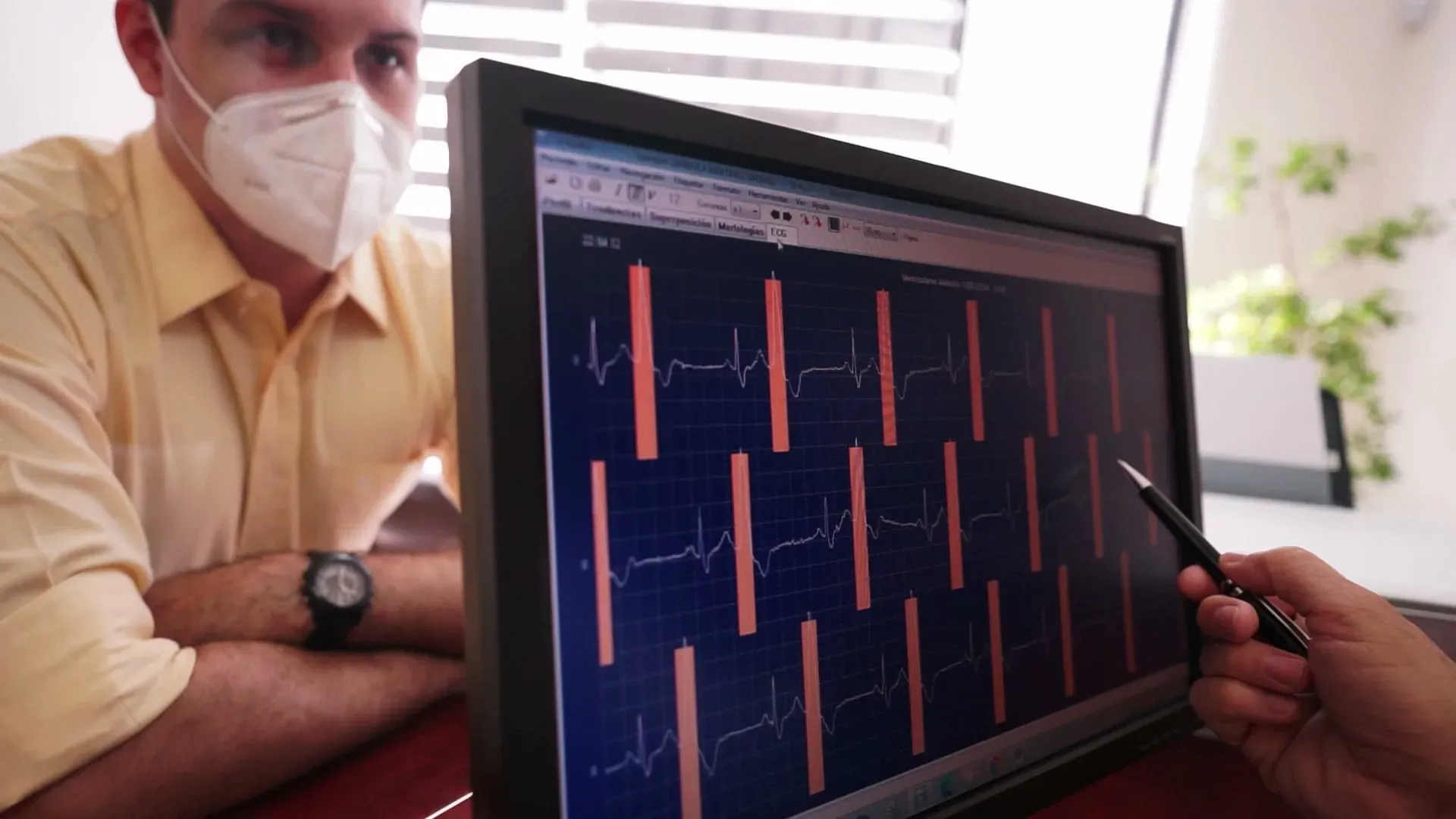

Book Your Appointment
Verified Patient Reviews of DCDC Diagnostic Center in Dubai
Verified reviews and real patient stories from Dubai Healthcare City
I'm very satisfied with this medical clinic. I had my first pregnancy screening here. It was affordable and very professional. The radiologist was welcoming, kind, and made the experience great.
Aizhan Tokmanbetova
Hurt my knee Friday night and got an MRI appointment Sunday evening (booked Sunday afternoon). Waited about 2 minutes and was done in just over 30 minutes. The team was amazing, friendly and efficient.
Kirsten Evans
Dr. Osama's team was gentle and amazing. After a bad experience elsewhere, my pelvic exam here was much more professional. Great report and very precise.
Mary




Holter Monitoring in Dubai: 24-48 Hour Heart Rhythm Recording
Detect arrhythmias that a standard ECG misses
Continuous Recording
Every heartbeat for 24-48 hours. Day and night
Fast Results
Expert analysis within 24-48 hours after return
Normal Activities
Lightweight device. continue your daily routine
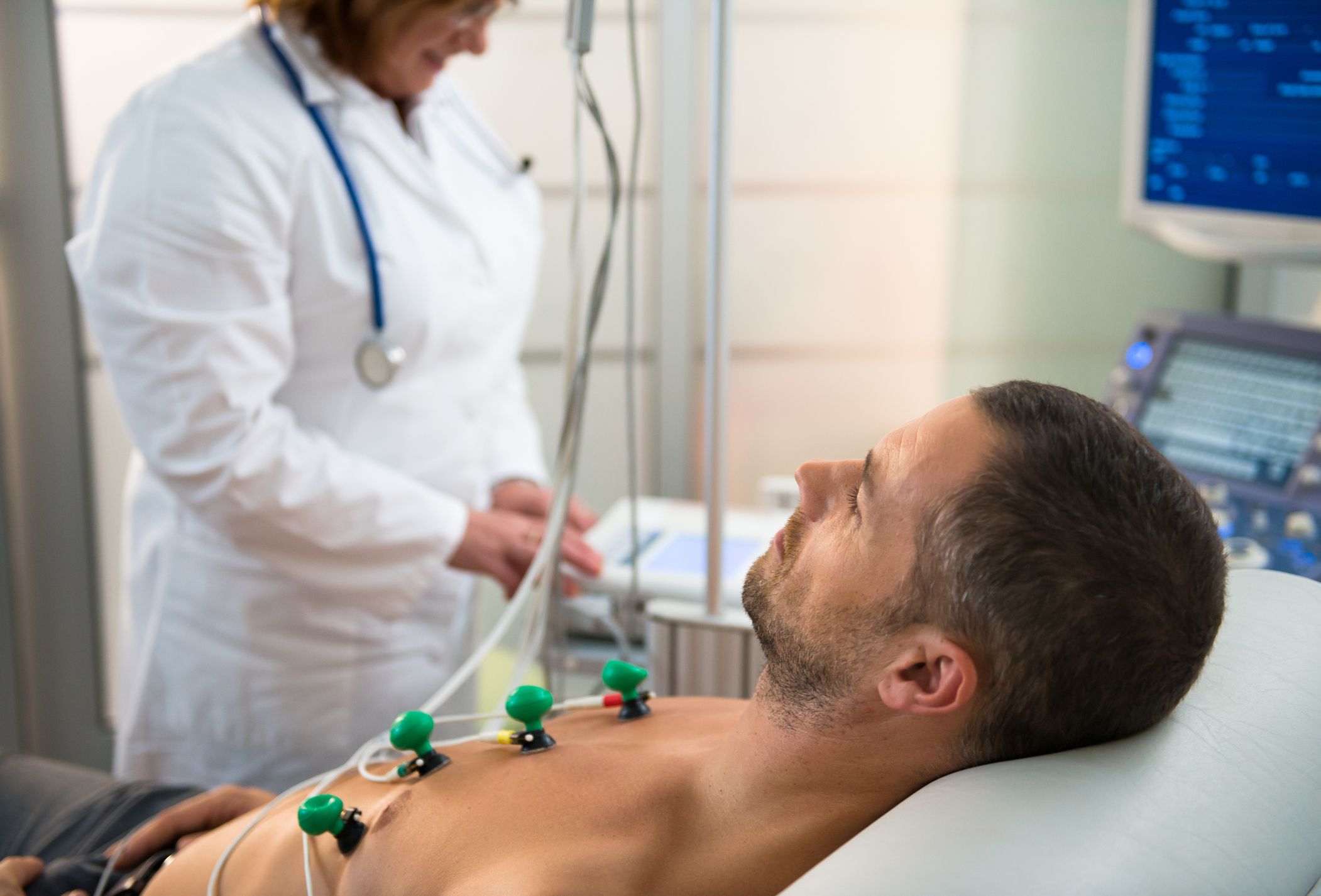
A Holter monitor is a small wearable device that records your heart rhythm continuously for 24-48 hours. Unlike a standard ECG that captures only seconds, Holter monitoring records every heartbeat during your normal activities and sleep. Catching arrhythmias that may not occur during a clinic visit.
Your cardiologist may recommend Holter monitoring for palpitations, unexplained dizziness, fainting episodes, or to monitor heart rhythm after treatment. You keep a diary of symptoms so we can correlate them with any rhythm changes.
Every Holter study is analyzed by board-certified cardiologists with convenient holter monitoring near Oud Metha at our DHCC facility. Results are typically available within 24-48 hours after you return the device.
A standard resting ECG captures just ten seconds of heart activity, which means intermittent arrhythmias that occur only a few times a day, during sleep, or under stress can easily be missed. As a 24 hour ECG monitoring Dubai service, our holter monitor solves this problem by recording every single heartbeat over a full 24 to 48-hour period, generating up to 100,000 heartbeat records that your cardiologist reviews using specialised heart rhythm monitoring Dubai analysis software. This comprehensive ambulatory ECG Dubai dataset reveals patterns that a brief clinic recording simply cannot capture.
Our 24 hour ECG monitoring Dubai service at DCDC Healthcare City is a key diagnostic tool recommended by the American College of Cardiology and the American Heart Association for patients with unexplained palpitations, syncope, dizziness, or near-syncope. This heart rhythm monitoring Dubai test is also used to evaluate the effectiveness of anti-arrhythmic medications, monitor heart rhythm after procedures such as ablation, and assess pacemaker or implantable defibrillator function. The ambulatory ECG Dubai information gathered helps your cardiologist determine whether your symptoms are caused by a heart rhythm disorder and guides treatment decisions.
Continuous Recording
Every heartbeat for 24-48 hours. Day and night
Fast Results
Expert analysis within 24-48 hours after return
Normal Activities
Lightweight device. continue your daily routine
Holter Monitoring in Dubai: 24-48 Hour Heart Rhythm Recording
Detect arrhythmias that a standard ECG misses
A Holter monitor is a small wearable device that records your heart rhythm continuously for 24-48 hours. Unlike a standard ECG that captures only seconds, Holter monitoring records every heartbeat during your normal activities and sleep. Catching arrhythmias that may not occur during a clinic visit.
Your cardiologist may recommend Holter monitoring for palpitations, unexplained dizziness, fainting episodes, or to monitor heart rhythm after treatment. You keep a diary of symptoms so we can correlate them with any rhythm changes.
Every Holter study is analyzed by board-certified cardiologists with convenient holter monitoring near Oud Metha at our DHCC facility. Results are typically available within 24-48 hours after you return the device.
A standard resting ECG captures just ten seconds of heart activity, which means intermittent arrhythmias that occur only a few times a day, during sleep, or under stress can easily be missed. As a 24 hour ECG monitoring Dubai service, our holter monitor solves this problem by recording every single heartbeat over a full 24 to 48-hour period, generating up to 100,000 heartbeat records that your cardiologist reviews using specialised heart rhythm monitoring Dubai analysis software. This comprehensive ambulatory ECG Dubai dataset reveals patterns that a brief clinic recording simply cannot capture.
Our 24 hour ECG monitoring Dubai service at DCDC Healthcare City is a key diagnostic tool recommended by the American College of Cardiology and the American Heart Association for patients with unexplained palpitations, syncope, dizziness, or near-syncope. This heart rhythm monitoring Dubai test is also used to evaluate the effectiveness of anti-arrhythmic medications, monitor heart rhythm after procedures such as ablation, and assess pacemaker or implantable defibrillator function. The ambulatory ECG Dubai information gathered helps your cardiologist determine whether your symptoms are caused by a heart rhythm disorder and guides treatment decisions.

Dr. Shahoo Mazhari
Explore Our Services
Comprehensive holter monitoring services at DCDC Dubai Healthcare City.


All services performed by DHA-licensed specialists
Who Should Get Holter Monitoring?
Holter monitoring is recommended for symptoms that may not occur during a clinic visit. Catching arrhythmias that standard ECGs miss.
Frequent palpitations or racing heart
Unexplained dizziness or lightheadedness
Fainting episodes (syncope)
Sensation of skipped heartbeats
Monitoring after medication changes
Post-heart attack rhythm assessment
Why Choose DCDC for Holter Monitoring?
MOHAP-licensed facility with same-day device placement, expert cardiologist analysis, and fast results.
MOHAP Licensed
Accredited medical center in Dubai Healthcare City. License NIMY7VY5-240925.
Fast Results
Expert analysis within 24-48 hours after device return.
Insurance Support
Direct billing with 20+ insurers. We handle pre-authorization for you.
Convenient Location
Building 64, Block A in our clinic. Free parking on-site.
Expert Cardiologists
Board-certified specialists in cardiac rhythm interpretation.
Patient Experience
4.8/5 Google rating. Comfortable devices, thorough analysis.
Your Comfortable Visit
A simple, step-by-step Holter scan process designed for comfort, speed, and accuracy.
Holter Monitoring Pricing
Holter pricing in Dubai varies by service type and insurance coverage for various service types.
- Pricing varies by scan type and whether contrast is required
- Insurance coverage accepted with referral and verification
- Transparent self-pay rates available with instant quote on request
Insurance verification in minutes • No hidden fees • Fast response on WhatsApp
Patient Guide
What to Expect During Holter Monitoring
Two quick clinic visits. device placement and return. with normal activities in between.
Insurance & Location
Insurance Partners
- •20+ insurance providers in Dubai including Daman, AXA, ADNIC, and others
- •Pre-authorization support and direct billing (where applicable)
- •Coverage verification before your appointment at our Dubai Healthcare City clinic
- •Transparent pricing with no hidden fees for holter monitoring services








Visit Us in Dubai Healthcare City
Doctors Clinic Diagnostic Center
Building 64, Block A, Al Razi Medical Complex, Dubai Healthcare City, Dubai, UAE
Near Oud Metha Road · Easy access from Bur Dubai, Downtown Dubai, Business Bay · Free dedicated parking available
Working Hours
Mon-Thu, Sat: 8AM - 10:30PM | Sun: 8:30AM - 10:30PM | Fri: 9AM - 10PM
How Insurance Works at DCDC
Check Coverage
Verify your plan covers Holter Monitoring
Get a Referral
Some insurers require a GP referral — we can guide you
Pre-Authorization
We handle pre-auth directly with your insurer
Direct Billing
No upfront payment — we bill your insurer directly
Co-Pay Only
You only pay any applicable co-pay at the clinic
Check Coverage
Verify your plan covers Holter Monitoring
Get a Referral
Some insurers require a GP referral — we can guide you
Pre-Authorization
We handle pre-auth directly with your insurer
Direct Billing
No upfront payment — we bill your insurer directly
Co-Pay Only
You only pay any applicable co-pay at the clinic
Your Specialist
Dr. Shahoo Mazhari
Consultant Cardiologist
MD, Consultant Cardiologist
Persian · English · Kurdish
Patient Guide
How Holter Monitoring Works: A Detailed Guide
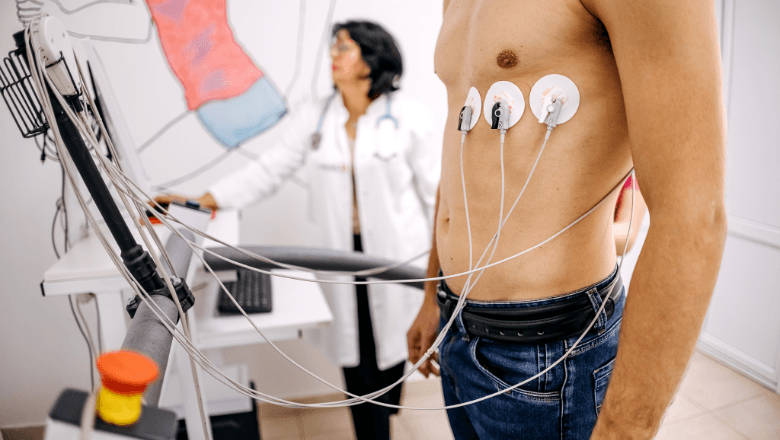
A Holter monitor consists of a small, battery-powered recording device connected to several adhesive electrodes placed on your chest. These electrodes detect the electrical signals produced by your heart with each beat, and the device records these signals continuously onto a digital storage medium. Modern Holter devices are lightweight, typically weighing less than 100 grams, and are small enough to clip to a belt or carry in a pocket without interfering with your daily activities.
During the monitoring period, you will be asked to keep a symptom diary, noting the exact time of any palpitations, dizziness, chest discomfort, shortness of breath, or other symptoms. This diary is a critical component of the test because it allows your cardiologist to correlate your symptoms with specific heart rhythm events captured on the recording. For example, if you note palpitations at 3:15 PM, the cardiologist can examine that precise moment on the recording to determine whether the sensation was caused by a benign extra beat, a sustained arrhythmia, or occurred during a completely normal rhythm.
After you return the device, the recording is downloaded to a computer and analysed using specialised cardiac monitoring software. The software automatically flags episodes of abnormal heart rate, irregular rhythms, pauses, and other findings, but every flagged event and the overall recording are personally reviewed by a board-certified cardiologist. The final report details your average heart rate, minimum and maximum heart rates, total number of premature beats, any episodes of sustained arrhythmia, and the correlation between your diary entries and rhythm events.
Conditions Detected by Holter Monitoring
Atrial Fibrillation (AFib)
The most common sustained arrhythmia, characterised by rapid and irregular beating of the upper heart chambers. May occur in short episodes that are missed by standard ECG.
Supraventricular Tachycardia (SVT)
Episodes of abnormally fast heart rate originating above the ventricles, often causing sudden onset of rapid heartbeat, dizziness, or shortness of breath.
Premature Ventricular Contractions (PVCs)
Extra heartbeats originating in the lower chambers of the heart. Holter monitoring quantifies their frequency and pattern to determine if treatment is necessary.
Premature Atrial Contractions (PACs)
Extra beats arising from the upper chambers. Common and usually benign, but high frequency may predict future atrial fibrillation.
Ventricular Tachycardia
A potentially serious arrhythmia with rapid heartbeats originating in the ventricles. Even brief episodes detected on Holter may warrant further evaluation and treatment.
Bradycardia and Heart Block
Abnormally slow heart rates or delays in electrical conduction between the upper and lower chambers, which can cause dizziness, fatigue, or fainting.
Related Articles
Cardiology in Dubai: Expert Heart Care
An overview of cardiology services in Dubai including diagnostic tests, treatment options, and when to see a cardiologist for heart concerns.
Heart Health & Prevention in Dubai
Preventive cardiology strategies including heart screening tests, lifestyle modifications, and risk factor management for residents in Dubai.
Hypertension: The Silent Killer
Understanding high blood pressure, its effects on the heart, and why regular monitoring and treatment are essential for long-term cardiovascular health.
Related Services
Explore other diagnostic and consultation services available at our Dubai Healthcare City clinic.
Frequently Asked Questions
Common questions about Holter Monitoring in Dubai.
No, you must keep the Holter monitor device and chest electrodes completely dry throughout the entire monitoring period. Water can damage the recording device and loosen the adhesive electrodes, resulting in gaps in your recording that may cause the test to need repeating. We recommend showering or bathing immediately before your device fitting appointment. If the monitoring period is 48 hours, you can use a damp washcloth to clean areas away from the electrodes, but avoid getting the chest area or device wet. If an electrode does become partially detached, press it firmly back into place. Your cardiologist needs a continuous, uninterrupted recording for accurate analysis.
Yes, continuing your normal daily activities is actually encouraged and is essential to the value of the test. The purpose of Holter monitoring is to capture your heart rhythm during your real-world routine, including work, walking, climbing stairs, light exercise, eating, and sleeping. Activities like desk work, household tasks, and moderate walking are perfectly fine. However, you should avoid excessive sweating, swimming, or any activity that might get the device wet. Very vigorous exercise may loosen the electrode patches. If you experience any symptoms during activities, note the exact time and what you were doing in your symptom diary so your cardiologist can correlate the events with the recording.
Yes, wearing the Holter monitor overnight is a critical part of the test. Many significant arrhythmias, including atrial fibrillation, heart block, and sinus pauses, can occur predominantly during sleep when the nervous system shifts to a rest-and-recovery mode. Some arrhythmias only manifest at night due to changes in vagal tone, and detecting these nocturnal events can be diagnostically important. Sleep-related heart rhythm data also provides your cardiologist with information about your resting heart rate and any nocturnal rate drops or elevations. Most patients find the device small enough to sleep comfortably. Placing the monitor on your bedside table rather than under your body and wearing a loose-fitting sleep shirt can help.
Results are typically available within 24 to 48 hours after you return the device. Once you bring the monitor back to our clinic, the recording is downloaded and processed through specialised cardiac analysis software. A board-certified cardiologist then personally reviews the entire recording, examines every flagged event, and correlates findings with the entries in your symptom diary. The final report includes your average, minimum, and maximum heart rates, the total number and types of premature beats, any episodes of sustained arrhythmia, and a detailed assessment of whether your reported symptoms correspond to rhythm abnormalities. If urgent findings are detected during analysis, your cardiologist will contact you immediately rather than waiting for the scheduled follow-up.
For insurance-covered Holter monitoring, yes, a referral from your cardiologist, general practitioner, or another treating physician is typically required. The referral helps ensure that the test is medically indicated and allows your insurance provider to authorise coverage. Your referring doctor will provide a clinical summary explaining the reason for the test, such as palpitations, syncope, or medication monitoring. At DCDC, our team can help coordinate referrals and handle pre-authorisation with your insurance provider. If you are a self-pay patient, you may be able to book directly. If you are unsure whether you need a referral, contact our appointment team and they will advise you based on your insurance plan requirements.
A Holter monitor records every heartbeat continuously for 24 to 48 hours, making it ideal for detecting arrhythmias that occur frequently, such as daily palpitations or suspected atrial fibrillation. An event monitor, by contrast, is worn for a longer period, typically 14 to 30 days, and records only when you activate it during symptoms or when the device automatically detects an abnormal rhythm. Event monitors are better suited for symptoms that occur infrequently, perhaps only once or twice a week, when a 24-hour recording period would likely miss them. Your cardiologist will recommend the monitor type based on how often your symptoms occur. Both tests are non-invasive and can be worn during normal daily activities.
Most patients find the Holter monitor comfortable and minimally disruptive. Modern devices are compact, typically about the size of a small mobile phone, and weigh under 100 grams. The device clips to your belt, waistband, or can be worn around your neck with a lanyard. The adhesive electrode patches placed on your chest may cause minor skin irritation in people with sensitive skin, but this is generally mild and resolves quickly after removal. You may be aware of the device during the first few hours, but most patients report forgetting they are wearing it by the end of the first day. Wearing loose, comfortable clothing helps reduce any awareness of the device and provides easy access if you need to check the electrode patches.
Your symptom diary is a critical part of the Holter test because it allows the cardiologist to match your reported symptoms to the exact heart rhythm at that moment. Record the exact time, what you felt, and what you were doing. Note any palpitations, racing heart, skipped beats, dizziness, lightheadedness, fainting or near-fainting, chest pain, chest tightness, or shortness of breath. Also log major activities such as exercise, stair climbing, stressful events, meals, caffeine or alcohol intake, medications taken, and when you go to sleep and wake up. Even if you feel fine throughout the entire monitoring period, that information is valuable, as it confirms your heart rhythm is normal during your typical routine.
Key Facts
Medical Review & Oversight
All services are provided under the supervision of licensed medical professionals in our MOHAP-accredited facility.