
Key Takeaways
- Ozempic and Wegovy both contain semaglutide but are approved for different conditions: Ozempic for type 2 diabetes and Wegovy for chronic weight management.
- Wegovy reaches a higher maximum dose (2.4 mg weekly) compared to Ozempic (2 mg weekly), which contributes to approximately 2-3% greater body weight loss in clinical trials.
- An initial consultation at DCDC starts from AED 250, with on-site laboratory testing and DEXA body composition scanning available the same day.
- Both medications carry the same boxed warning about thyroid C-cell tumours and are contraindicated in patients with a personal or family history of medullary thyroid carcinoma or MEN2.
- Monthly medication costs for both Ozempic and Wegovy in Dubai typically range from AED 800 to AED 1,500, though insurance coverage differs significantly depending on diagnosis.
- Choosing between Ozempic and Wegovy depends on your primary diagnosis, BMI, insurance coverage, and whether weight loss or blood sugar control is the priority goal.
Ozempic and Wegovy are two of the most discussed medications in Dubai right now, and for good reason: both contain the same active ingredient, semaglutide, yet they serve different medical purposes and are prescribed under different conditions. If you are trying to decide which one is right for you, the differences in dosing, FDA approval status, insurance coverage, and clinical outcomes all matter. At DCDC's Endocrine and Metabolic Disorders clinic in Dubai Healthcare City, we evaluate each patient individually to determine whether Ozempic, Wegovy, or an alternative GLP-1 medication best fits their metabolic profile and treatment goals. This guide breaks down every meaningful difference between these two semaglutide formulations so you can have an informed conversation with your doctor.
Both medications have transformed the weight management landscape in the UAE and globally, but prescribing the wrong one or using either without proper medical supervision can lead to suboptimal results or unnecessary risk. Below, we compare Ozempic and Wegovy across every dimension that matters: approved indications, dosing schedules, clinical trial outcomes, side effects, cost, and insurance coverage in Dubai.
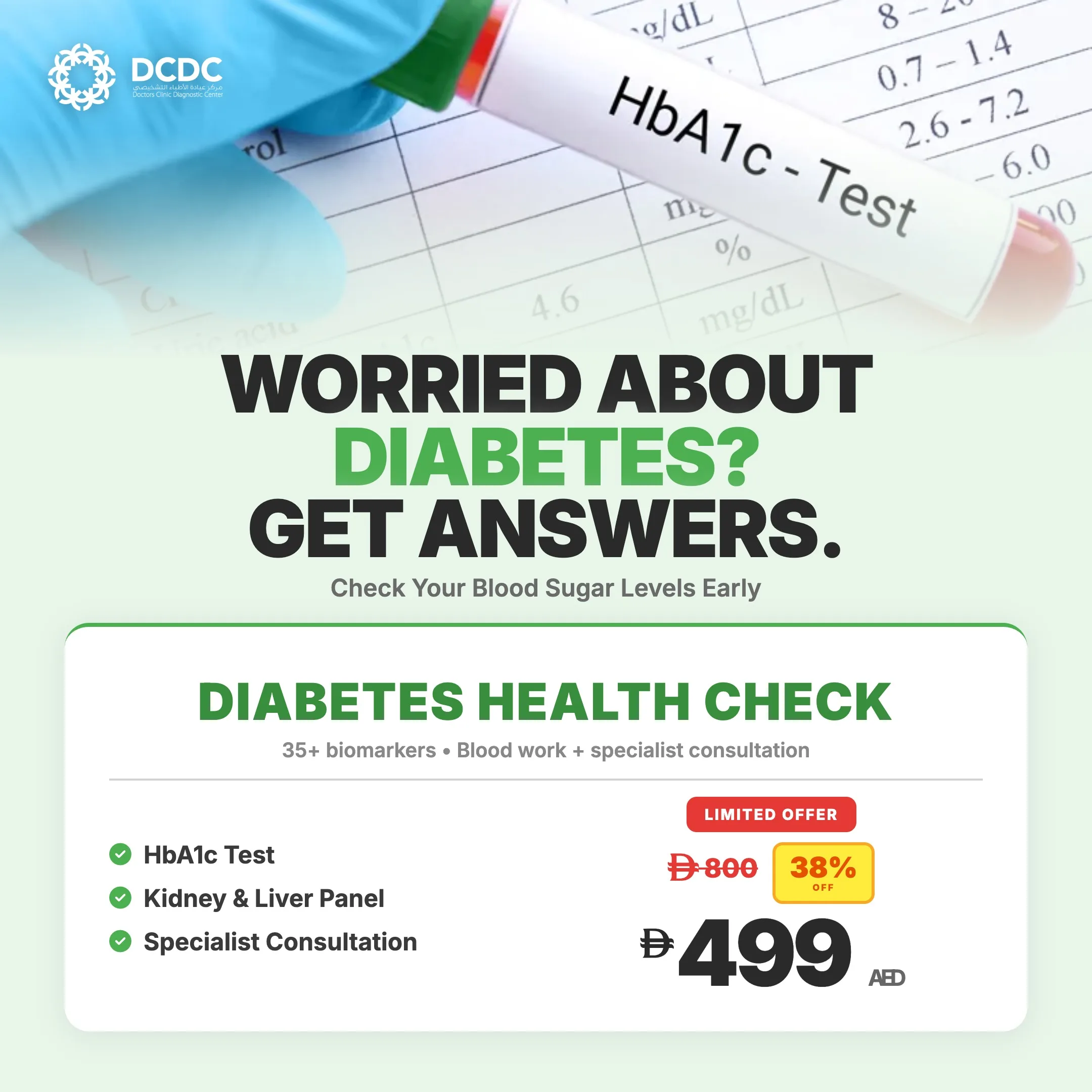
Health Screening Packages
Save with our bundled screening packages — specialist consultation included





Ozempic vs Wegovy at a Glance: Side-by-Side Comparison
Before diving into the details, here is a comprehensive comparison table that summarises the key differences between Ozempic and Wegovy. Both are manufactured by Novo Nordisk and both deliver semaglutide via a once-weekly subcutaneous injection, but the similarities largely end there.
| Feature | Ozempic | Wegovy |
|---|---|---|
| Active ingredient | Semaglutide | Semaglutide |
| Manufacturer | Novo Nordisk | Novo Nordisk |
| FDA-approved indication | Type 2 diabetes mellitus | Chronic weight management |
| Maximum dose | 2 mg weekly | 2.4 mg weekly |
| Dose titration schedule | 0.25 mg → 0.5 mg → 1 mg → 2 mg | 0.25 mg → 0.5 mg → 1 mg → 1.7 mg → 2.4 mg |
| Titration duration | 8-16 weeks | 16-20 weeks |
| Eligibility (BMI) | Type 2 diabetes (any BMI) | BMI ≥30, or ≥27 with comorbidity |
| Average weight loss (trials) | ~10-15% of body weight | ~15-17% of body weight |
| Key clinical trial | SUSTAIN programme | STEP programme |
| Cardiovascular benefit | SELECT trial: 20% MACE reduction | SELECT trial: 20% MACE reduction |
| Administration | Weekly subcutaneous injection | Weekly subcutaneous injection |
| Monthly cost in Dubai | AED 800-1,500 | AED 800-1,500 |
| Insurance coverage (UAE) | Often covered for diabetes | Limited coverage for obesity |
Ozempic vs Wegovy comparison table (2026)
The single most important distinction is the approved indication. Ozempic is a diabetes medication that happens to cause weight loss. Wegovy is a weight management medication that happens to improve blood sugar. This distinction affects which patients are eligible, how insurers handle claims, and which dosing protocol is used.
What Is Ozempic?
Ozempic (semaglutide) was approved by the US Food and Drug Administration (FDA) in December 2017 for the treatment of type 2 diabetes mellitus. It works by mimicking the GLP-1 (glucagon-like peptide-1) hormone that your body naturally produces after eating. This hormone signals your brain that you are full, slows gastric emptying so food stays in your stomach longer, and stimulates insulin release while suppressing glucagon, which together lower blood sugar levels.
Ozempic is available in doses of 0.25 mg, 0.5 mg, 1 mg, and 2 mg, administered as a once-weekly subcutaneous injection. The dose-titration schedule starts at 0.25 mg for the first four weeks, then increases to 0.5 mg for the next four weeks, and then to 1 mg. A 2 mg dose was added later for patients needing additional glycaemic control. The primary clinical goal of Ozempic is to lower HbA1c (a marker of long-term blood sugar control) in patients with type 2 diabetes.
However, the SUSTAIN clinical trial programme revealed a significant secondary benefit: substantial weight loss. Patients on Ozempic 1 mg lost an average of 4.5-6.5 kg over 30-56 weeks, depending on the trial. This weight loss effect is what led Novo Nordisk to develop the higher-dose semaglutide formulation that became Wegovy.
What Is Wegovy?
Wegovy (semaglutide 2.4 mg) was approved by the FDA in June 2021 specifically for chronic weight management. It is indicated for adults with a BMI of 30 or greater (obesity), or a BMI of 27 or greater (overweight) with at least one weight-related comorbidity such as hypertension, type 2 diabetes, or dyslipidaemia. Unlike Ozempic, Wegovy was designed and tested specifically as a weight loss medication.
Wegovy uses a longer, five-step dose-titration schedule to reach its higher maximum dose: 0.25 mg for weeks 1-4, 0.5 mg for weeks 5-8, 1 mg for weeks 9-12, 1.7 mg for weeks 13-16, and finally 2.4 mg from week 17 onward. This gradual escalation over 16-20 weeks helps minimise the gastrointestinal side effects that are most common during dose increases.
The STEP (Semaglutide Treatment Effect in People with Obesity) clinical trial programme demonstrated the weight loss potential of this higher dose. In STEP 1, participants without diabetes lost an average of 14.9% of their body weight over 68 weeks. In STEP 2, participants with type 2 diabetes lost an average of 9.6%. These results established Wegovy as one of the most effective non-surgical weight loss interventions available. For a detailed look at how semaglutide works for weight loss, see our guide on Ozempic for weight loss in Dubai.
How the Dosing Differs and Why It Matters
The dosing difference between Ozempic and Wegovy is not trivial. Wegovy's maximum dose of 2.4 mg is 20% higher than Ozempic's maximum of 2 mg. Since semaglutide's effects on appetite, gastric emptying, and weight loss are dose-dependent, this higher ceiling translates into meaningfully greater weight reduction for most patients.
Ozempic Dosing Schedule
- Weeks 1-4: 0.25 mg weekly (initiation dose, not for glycaemic control)
- Weeks 5-8: 0.5 mg weekly (first therapeutic dose)
- Week 9 onward: 1 mg weekly (standard maintenance dose)
- Optional: 2 mg weekly if additional HbA1c reduction is needed
Wegovy Dosing Schedule
- Weeks 1-4: 0.25 mg weekly
- Weeks 5-8: 0.5 mg weekly
- Weeks 9-12: 1 mg weekly
- Weeks 13-16: 1.7 mg weekly
- Week 17 onward: 2.4 mg weekly (target maintenance dose)
The longer titration schedule for Wegovy is intentional. Each dose increase can trigger nausea, vomiting, or diarrhoea as the body adjusts. By adding two additional steps (1.7 mg and 2.4 mg) that Ozempic does not include, Wegovy's protocol gives the gastrointestinal system more time to adapt, potentially reducing the severity of side effects at the higher doses.
Clinical Trial Results: Weight Loss Compared
The most reliable way to compare Ozempic and Wegovy is through their respective clinical trial programmes. While no single trial has directly compared the two head-to-head, the SUSTAIN and STEP programmes provide robust data on what each medication achieves.
Ozempic: SUSTAIN Trial Results
The SUSTAIN programme enrolled patients with type 2 diabetes across multiple trials. Weight loss was a secondary endpoint. In SUSTAIN 1, patients on Ozempic 0.5 mg lost an average of 3.7 kg and those on 1 mg lost 4.5 kg over 30 weeks. SUSTAIN 6, a cardiovascular outcomes trial, showed patients on Ozempic lost approximately 4.3 kg over 104 weeks. These numbers are meaningful for diabetic patients but are lower than what Wegovy achieves because the primary goal was blood sugar control, not maximum weight loss, and the doses used were lower.
Wegovy: STEP Trial Results
The STEP programme was designed specifically to measure weight loss in patients with obesity or overweight. STEP 1 enrolled 1,961 adults without diabetes: those on semaglutide 2.4 mg lost an average of 14.9% of body weight (approximately 15.3 kg) over 68 weeks, compared to 2.4% (2.6 kg) in the placebo group. One-third of participants achieved 20% or greater weight loss. STEP 2, which included patients with type 2 diabetes, showed 9.6% weight loss with semaglutide 2.4 mg over 68 weeks. STEP 3, combining semaglutide with intensive behavioural therapy, achieved 16% average weight loss.
The difference is clear: Wegovy's higher dose and weight-focused trial design produce substantially greater weight loss than Ozempic's diabetes-focused dosing. However, this does not mean Wegovy is automatically the better choice for every patient. The right medication depends on your diagnosis, metabolic profile, and treatment goals.
Side Effects: Are They the Same?
Because Ozempic and Wegovy contain the same active molecule, their side effect profiles are nearly identical. The primary difference is that Wegovy's higher maximum dose may produce more pronounced gastrointestinal symptoms during the upper end of dose titration.
Common Side Effects (Both Medications)
- Nausea: Affects approximately 40-44% of patients. Most common during dose increases and typically improves within 4-8 weeks at each dose level.
- Diarrhoea: Reported by 15-30% of patients. Usually intermittent rather than persistent.
- Vomiting: Affects 15-24% of patients, more frequently at higher doses.
- Constipation: Reported by 20-24% of patients. Adequate hydration and fibre intake help manage this.
- Abdominal pain: Affects approximately 10-20% of patients, often related to eating too quickly or consuming large portions.
- Injection site reactions: Mild redness or itching at the injection site, manageable by rotating injection locations.
Serious Risks (Both Medications)
- Thyroid C-cell tumours (boxed warning): Semaglutide caused thyroid tumours in rodent studies. While this has not been confirmed in humans, both Ozempic and Wegovy are contraindicated in patients with a personal or family history of medullary thyroid carcinoma (MTC) or multiple endocrine neoplasia syndrome type 2 (MEN2).
- Pancreatitis: Rare but serious. Persistent severe abdominal pain radiating to the back requires immediate medical attention and discontinuation of the medication.
- Gallbladder problems: Rapid weight loss (from any cause) increases the risk of gallstones. This risk applies to both medications but may be higher with Wegovy due to greater weight loss.
- Acute kidney injury: Reported in patients with severe dehydration from gastrointestinal side effects. Adequate fluid intake is essential.
- Diabetic retinopathy complications: Rapid blood sugar improvement in diabetic patients can temporarily worsen retinopathy. Eye monitoring is important for diabetic patients.
The side effect profile reinforces why both Ozempic and Wegovy require medical supervision. Proper dose titration, regular monitoring, and patient education on warning signs are essential for safe use of either medication. For a broader view of how these medications fit into the full range of available treatments, explore our guide on medical weight loss options in Dubai.
Cost Comparison in Dubai
Cost is one of the most frequent questions patients ask when comparing Ozempic and Wegovy in Dubai. The medication prices are broadly similar, but total treatment costs vary based on the associated consultations, blood work, and monitoring required.
| Cost Component | Ozempic | Wegovy |
|---|---|---|
| Monthly medication cost | AED 800-1,500 | AED 800-1,500 |
| Initial consultation at DCDC | From AED 250 | From AED 250 |
| Metabolic blood panel | From AED 399 | From AED 399 |
| DEXA body composition scan | From AED 400 | From AED 400 |
| Monthly follow-up visit | From AED 250 | From AED 250 |
| Insurance coverage likelihood | Higher (diabetes indication) | Lower (obesity indication) |
Cost comparison: Ozempic vs Wegovy in Dubai (2026)
The medication cost itself is comparable for both. The significant financial difference often comes down to insurance coverage. Because Ozempic is approved for type 2 diabetes, patients with a diabetes diagnosis typically receive insurance coverage for the medication. Wegovy, prescribed for weight management, is less consistently covered by UAE insurance plans, though coverage is gradually expanding. DCDC works with over 20 insurance providers including Daman, AXA, Bupa, MetLife, and Cigna, offering direct billing so patients do not need to pay upfront and submit reimbursement claims.
Which Is Right for You? A Decision Guide
Choosing between Ozempic and Wegovy is a medical decision that depends on several patient-specific factors. Here is a practical framework to guide the conversation with your doctor.
Ozempic May Be the Better Choice If:
- You have been diagnosed with type 2 diabetes and need to lower your HbA1c, with weight loss as a welcome secondary benefit
- Your insurance plan covers Ozempic for diabetes but does not cover Wegovy for weight management
- You are already achieving satisfactory weight loss on Ozempic 1 mg and do not need the higher 2.4 mg dose
- You prefer a shorter titration schedule (8-16 weeks to reach maintenance dose)
- Your primary physician is managing your diabetes care and wants to use a single medication for both glucose control and weight
Wegovy May Be the Better Choice If:
- Your primary goal is weight loss and you do not have type 2 diabetes
- You have a BMI of 30 or above, or a BMI of 27 or above with weight-related comorbidities such as hypertension or dyslipidaemia
- You want the maximum semaglutide dose (2.4 mg) for the greatest possible weight loss
- You have tried Ozempic at its maximum dose but have not achieved your target weight loss
- You are willing to self-pay for medication if insurance does not cover the obesity indication
Dr. Hadeel Elnur notes: "I see many patients in Dubai who come in asking specifically for Ozempic or Wegovy by name because they have read about them online or heard about them from friends. My approach is always the same: we start with a complete metabolic assessment, including blood work and a DEXA body composition scan, before deciding on any medication. The right choice depends entirely on your individual health profile, not on which drug is trending."
Not Sure Which GLP-1 Medication Is Right for You?
Book a consultation at DCDC from AED 250. We assess your metabolic profile, run same-day blood work in our on-site laboratory, and recommend the best treatment plan for your goals.
MOHAP-licensed clinic in Dubai Healthcare City. Free parking available.
Can You Switch Between Ozempic and Wegovy?
Yes, switching between Ozempic and Wegovy is medically straightforward because both contain the same molecule. Patients may switch for several reasons: a patient on Ozempic for diabetes who achieves good glycaemic control but wants more aggressive weight loss may transition to Wegovy's higher dose. Conversely, a patient on Wegovy who develops type 2 diabetes may switch to Ozempic for the diabetes indication and potentially better insurance coverage.
When switching, the dose transition is typically seamless. A patient on Ozempic 1 mg can move to Wegovy 1 mg and then continue the Wegovy titration schedule up to 1.7 mg and 2.4 mg. There is usually no need to restart from the lowest dose because the body is already adapted to semaglutide. However, the switch should always be supervised by a prescribing physician who can monitor for any changes in side effects or clinical response.
Off-Label Use: Understanding the Distinction
One important aspect of this comparison involves off-label prescribing. When a physician prescribes Ozempic for weight loss in a patient without type 2 diabetes, this is considered off-label use. The medication is being used for a purpose other than its FDA-approved indication. Off-label prescribing is legal and common in medical practice, but it has practical implications.
Insurance plans typically cover medications for their approved indications. If you do not have type 2 diabetes, your insurer may decline coverage for Ozempic. Wegovy, being specifically approved for weight management, provides an on-label pathway for patients whose primary need is weight loss rather than blood sugar control. In Dubai, this distinction matters significantly when dealing with insurance claims. Understanding your baseline metabolic health through proper diabetes screening tests in Dubai helps clarify which medication and indication are appropriate for your situation.
At DCDC, the prescribing physician documents the clinical rationale for either medication, including all supporting laboratory results. This thorough documentation helps with insurance pre-authorisation when applicable and ensures the treatment decision is based on evidence rather than convenience.
What to Expect at DCDC: Your Weight Management Journey
Whether you and your doctor decide on Ozempic or Wegovy, the treatment pathway at Doctors Clinic Diagnostic Center (DCDC) follows a structured, evidence-based protocol. Our approach centres on thorough assessment before prescribing, precise monitoring during treatment, and ongoing support to maintain results.
Step 1: Initial Consultation and Assessment
Your first visit begins with a comprehensive medical history review and physical examination. The physician discusses your weight history, previous weight loss attempts, current medications, dietary patterns, and any symptoms that might indicate an underlying metabolic condition. This consultation is available from AED 250 and typically lasts 30-45 minutes. DCDC is located in Building 64, Block A, Al Razi Medical Complex, Dubai Healthcare City, with free parking and an average wait time of just 15 minutes.
Step 2: Same-Day Blood Work
On the same visit, DCDC's on-site laboratory draws blood for a comprehensive metabolic panel. This includes fasting glucose, HbA1c, fasting insulin, a complete thyroid panel (TSH, free T3, free T4), liver function tests, kidney function markers, a full lipid profile, and vitamin D levels. Because the lab is in-house, most results are available the same day, eliminating the multi-day wait common at clinics that outsource laboratory work.
Step 3: DEXA Body Composition Baseline
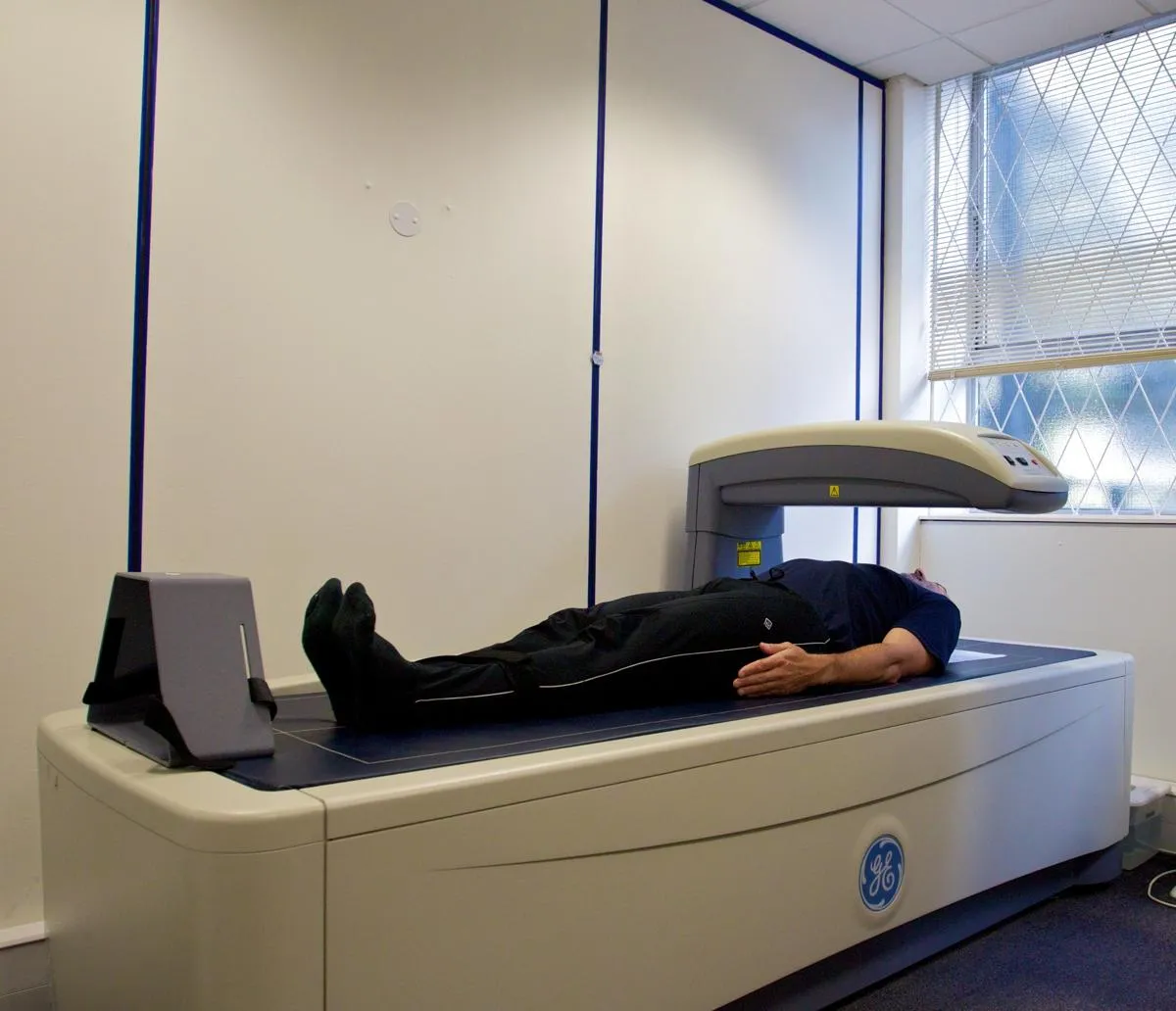
A DEXA body composition scan establishes your precise baseline for fat mass, lean muscle mass, bone density, and visceral fat distribution. This scan is critical because the goal of GLP-1 treatment is to lose fat while preserving muscle mass. Without DEXA-level tracking, you cannot confirm that your weight loss is healthy weight loss. DCDC's on-site DEXA scanner means this can be completed on the same day as your consultation and blood work.
Step 4: Prescription and Titration Plan
Once blood results are reviewed, the physician determines whether Ozempic, Wegovy, or an alternative is most appropriate. You receive a personalised dose-titration schedule, injection technique instruction, dietary guidance emphasising protein intake for muscle preservation, and an exercise framework suited to your fitness level.
Step 5: Ongoing Monitoring
- Monthly visits: Weight measurement, side effect assessment, dose adjustment, and targeted blood work during the titration phase
- Every 3 months: Repeat DEXA body composition scan to verify fat loss and muscle preservation, plus a comprehensive metabolic blood panel
- 6-month review: Full reassessment of treatment goals, medication efficacy, and long-term plan
- Annual review: Complete metabolic workup comparable to the initial assessment
Dr. Hadeel Elnur explains her monitoring philosophy: "The most important part of GLP-1 therapy is not the prescription itself but what happens after. I review each patient's DEXA scan and blood work at every follow-up to ensure we are losing fat, preserving muscle, and not causing any metabolic or organ-level adverse effects. This is what separates responsible prescribing from simply handing out a medication."
DCDC is open Saturday through Thursday from 8 AM to 10 PM and Friday from 9 AM to 9 PM. With a 4.8 out of 5 Google rating from over 1,000 verified patient reviews and a 98% patient satisfaction rate, the clinic's commitment to thorough, patient-centred care is reflected in its outcomes.
Cardiovascular Benefits: The SELECT Trial
Both Ozempic and Wegovy gained a significant additional benefit when the SELECT cardiovascular outcomes trial published its results. This landmark study, published in the New England Journal of Medicine in 2023, followed 17,604 adults with overweight or obesity and established cardiovascular disease (but without diabetes) for a median of 40 months.
The results were striking: semaglutide 2.4 mg reduced the risk of major adverse cardiovascular events (heart attack, stroke, or cardiovascular death) by 20% compared to placebo. This was the first time a weight loss medication demonstrated a direct cardiovascular benefit, and it led to the FDA expanding Wegovy's label in March 2024 to include cardiovascular risk reduction in adults with established heart disease and overweight or obesity.
This cardiovascular benefit is particularly relevant in Dubai, where the prevalence of cardiovascular risk factors including obesity, diabetes, hypertension, and dyslipidaemia is above global averages. For patients with existing heart disease and excess weight, semaglutide now offers a dual benefit: weight management and cardiovascular protection.
Contraindications: Who Should Not Take Either Medication
Because Ozempic and Wegovy share the same active ingredient, their contraindications are identical. Before starting either medication, your physician will screen for the following.
- Medullary thyroid carcinoma (MTC): A personal or family history of MTC is an absolute contraindication due to the boxed warning about thyroid C-cell tumours in animal studies.
- Multiple endocrine neoplasia syndrome type 2 (MEN2): This genetic condition is associated with MTC and is an absolute contraindication.
- History of pancreatitis: Patients with a history of pancreatitis should use semaglutide with extreme caution, if at all.
- Pregnancy or planning pregnancy: Semaglutide is not approved for use during pregnancy. Women should discontinue the medication at least 2 months before a planned pregnancy.
- Type 1 diabetes: Neither Ozempic nor Wegovy is approved or appropriate for type 1 diabetes. They do not replace insulin.
- Severe gastrointestinal disease: Patients with gastroparesis or severe inflammatory bowel disease may not tolerate semaglutide's gastrointestinal effects.
- Known hypersensitivity: Allergy to semaglutide or any excipient in either formulation.
This screening is a standard part of the initial assessment at DCDC. The comprehensive blood work and medical history review are designed to identify any contraindications before a prescription is written.
Book Your GLP-1 Assessment at DCDC
Start with a comprehensive metabolic evaluation from AED 250. Same-day blood work, DEXA body composition scanning, and personalised treatment planning at a MOHAP-licensed facility in Dubai Healthcare City.
Direct billing with 20+ insurance providers including Daman, AXA, Bupa, MetLife, and Cigna.
Frequently Asked Questions
Below are the most common questions patients in Dubai ask when comparing Ozempic and Wegovy.
Related Services at DCDC
Expert care and advanced diagnostics at Dubai Healthcare City
Endocrine & Metabolic Disorders
Metabolic assessment and medical weight management with GLP-1 therapy
Book AppointmentDEXA Body Composition
Track fat loss and muscle mass changes during weight loss treatment
Book AppointmentBlood Tests
Metabolic panels, HbA1c, thyroid, and hormone testing for weight management
Book AppointmentFrequently Asked Questions
Final Thoughts: Choosing Between Ozempic and Wegovy in Dubai
Ozempic and Wegovy are not competing medications in the way many patients assume. They are the same molecule deployed at different doses for different primary purposes. Ozempic is a diabetes medication with a powerful weight loss side effect. Wegovy is a weight management medication built on the same pharmacology at a higher dose. The right choice depends on your diagnosis, your metabolic profile, your insurance coverage, and your treatment priorities.
What both medications share is the need for proper medical supervision. Neither should be prescribed without a thorough metabolic assessment, and neither produces optimal results without ongoing monitoring of blood work and body composition. At DCDC in Dubai Healthcare City, every GLP-1 treatment pathway begins with comprehensive blood work in our on-site laboratory and a DEXA body composition scan to establish precise baselines. This investment in assessment is what allows us to track whether treatment is producing healthy, fat-dominant weight loss rather than muscle loss.
If you are considering either Ozempic or Wegovy, the most valuable first step is a consultation with a physician who will evaluate your individual health profile rather than simply prescribe what you ask for. At DCDC, that is exactly how every patient journey starts — with the data to make the right decision.
Sources & References
This article was reviewed by our medical team and references the following sources:
- FDA - Approval of Wegovy (semaglutide) for Chronic Weight Management
- Wilding JPH et al. Once-Weekly Semaglutide in Adults with Overweight or Obesity (STEP 1 Trial). New England Journal of Medicine, 2021
- Lincoff AM et al. Semaglutide and Cardiovascular Outcomes in Obesity without Diabetes (SELECT Trial). New England Journal of Medicine, 2023
- WHO - Obesity and Overweight Fact Sheet
- Mayo Clinic - Semaglutide (Subcutaneous Route)
- The Lancet - Efficacy and Safety of Once-Weekly Semaglutide (SUSTAIN Programme Overview)
Medical content on this site is reviewed by DHA-licensed physicians. See our editorial policy for more information.

Written by
Dr. Hadeel Elnur
General Practitioner
MD, General Practice
Dr. Hadeel Elnur is a General Practitioner at Doctors Clinic Diagnostic Center (DCDC) in Dubai Healthcare City.
Related Articles

Ozempic Weight Loss Dubai: GLP-1 Guide (2026)
Medical Weight Loss Dubai: Options & Cost (2026)
Body Composition Analysis Dubai: DEXA Guide (2026)
Diabetes Test Cost Dubai: From AED 249 (2026)
Insulin Resistance Dubai: Signs & Testing (2026)
More in Weight Loss

© 2026 Doctors Clinic Diagnostic Center (DCDC), Dubai Healthcare City. Originally published at https://doctorsclinicdubai.ae/blog/ozempic-vs-wegovy-dubai. All rights reserved. Unauthorized reproduction is prohibited.